
- To lower triglycerides, the highest-yield first step is cutting added sugar, refined carbs, and alcohol while losing 5% to 10% of body weight, which can drop triglycerides by 20% or more according to Cleveland Clinic.
- A fasting triglyceride level under 150 mg/dL is normal, 150 to 199 mg/dL is borderline high, 200 to 499 mg/dL is high, and 500 mg/dL or above is very high (MedlinePlus).
- When triglycerides stay above 500 mg/dL or do not respond to lifestyle change, prescription options such as fibrates (which cut triglycerides by 20% to 40%) or high-dose omega-3s are added under a clinician’s care (StatPearls, NCBI).
Triglycerides are the most common type of fat in your blood, and they are also one of the most responsive to what you eat, drink, and how much you move. Unlike LDL cholesterol, which can be stubborn, triglycerides often fall quickly once the underlying drivers are removed. This guide walks through what the numbers mean and the evidence-based ways to bring them down.
Part of our Lipid Panel guide.
Cutting added sugar can drop triglycerides 20% or more, but what’s your number before you start? One at-home Superpower draw checks 100+ biomarkers, physician-reviewed.
What counts as high triglycerides?
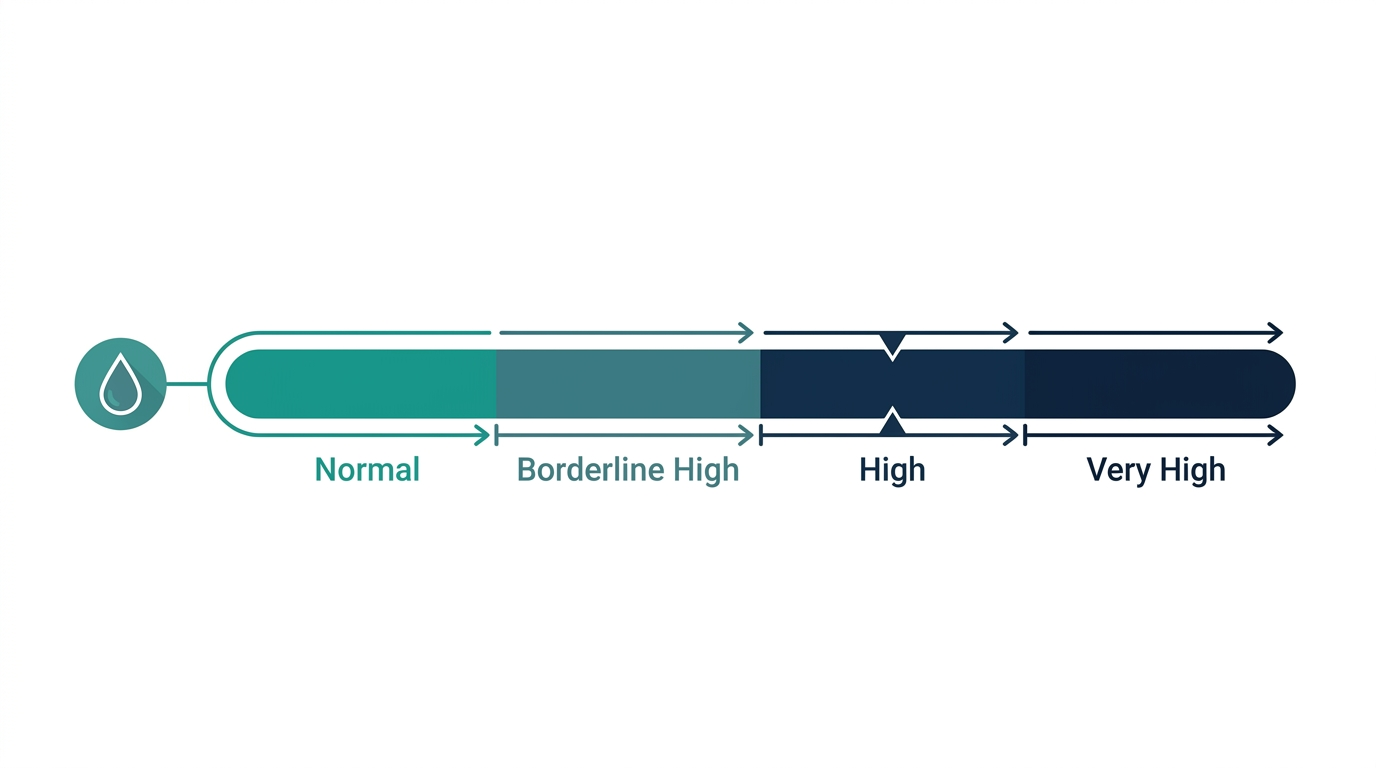
According to MedlinePlus, a fasting triglyceride level under 150 mg/dL is normal, 150 to 199 mg/dL is borderline high, 200 to 499 mg/dL is high, and 500 mg/dL or above is very high. Cleveland Clinic considers a level below 100 mg/dL optimal. The test is typically done after a 9 to 12 hour fast, because eating temporarily raises triglycerides.
It also helps to separate “normal” from “optimal.” A result of 130 mg/dL sits inside the normal band, but many lipid specialists consider under 100 mg/dL the healthier target, and closer to 80 to 90 mg/dL is where insulin sensitivity usually looks best. Lab reference ranges tell you where you fall in the population, not necessarily where your risk is lowest, so read your number against both the standard cutoffs and that tighter optimal goal.
The thresholds matter because risk changes in character as the number climbs. Levels in the high range (200 to 499 mg/dL) are mainly a cardiovascular concern, often paired with low HDL and insulin resistance. Once triglycerides cross 500 mg/dL, and especially above 1,000 mg/dL, the dominant worry shifts to acute pancreatitis, a painful and potentially dangerous inflammation of the pancreas (StatPearls, NCBI).
Fasting versus non-fasting: why timing changes the number
Triglycerides are the one lipid that swings widely with your last meal, sometimes rising 20 to 30 percent for hours after eating. That is why the classic test asks for a 9 to 12 hour fast. Many labs now also accept non-fasting samples for routine screening, but if your reading is high on a non-fasting draw, a fasting repeat is the honest way to confirm it. Practical prep matters too: avoid alcohol for at least 24 hours before the test, since a single night of drinking can inflate the result and send you chasing a number that is not really your baseline.
How triglycerides fit the rest of your lipid panel
Triglycerides are rarely read in isolation. Because they travel in VLDL particles, a high triglyceride level usually means high VLDL and high non-HDL cholesterol, which many clinicians now treat as a better risk marker than LDL alone. A useful back-of-envelope clue is the triglyceride-to-HDL ratio: a high ratio, roughly above 3 in conventional US units, often flags insulin resistance even when other numbers look acceptable. If your triglycerides are up and your HDL is down, that pairing is the metabolic fingerprint worth addressing, not two separate problems.
Why lower it?
The simplest way to actually get this done
Superpower is a full-body lab membership that runs 100+ biomarkers, has each result reviewed by a doctor, and tracks your numbers year over year (about $199/year). It is what we point readers to when they would rather get one clean, complete draw than chase single tests one at a time. Here is superpower reviewed in full.
Lowering triglycerides reduces two distinct risks: heart disease and pancreatitis. Cleveland Clinic notes that a triglyceride level over 200 mg/dL raises the risk of heart attack and stroke, because triglyceride-rich particles contribute to the plaque that narrows arteries.
The link to heart disease is not only about triglycerides themselves but about the particles that carry them. Remnant cholesterol, the cholesterol inside triglyceride-rich VLDL and its leftovers, can penetrate artery walls much like LDL does. That is why someone with a “normal” LDL but high triglycerides and low HDL still carries real cardiovascular risk, and why lowering triglycerides is about the whole particle picture, not one line on the report.
High triglycerides rarely travel alone. They commonly cluster with low HDL (“good”) cholesterol, elevated blood sugar, abdominal weight, and high blood pressure, a pattern called metabolic syndrome. That clustering is why bringing triglycerides down often improves several markers at once. At the very high end, above 500 mg/dL, the pancreas itself is at stake. Pancreatitis risk climbs sharply once levels exceed roughly 1,000 to 2,000 mg/dL (Endotext, NCBI), making rapid reduction a medical priority rather than a lifestyle goal.
What high triglycerides feel like
For most people, high triglycerides cause no symptoms at all and are found only on a blood test. At the extreme, above roughly 1,000 to 2,000 mg/dL, physical signs can appear: small yellowish bumps on the skin called eruptive xanthomas, a creamy tint to the blood sample known as lipemia, a pale ring in the retina, and bouts of abdominal pain that can herald pancreatitis. If you ever have severe, persistent abdominal pain with very high triglycerides, treat it as an emergency.
What pushes triglycerides up?
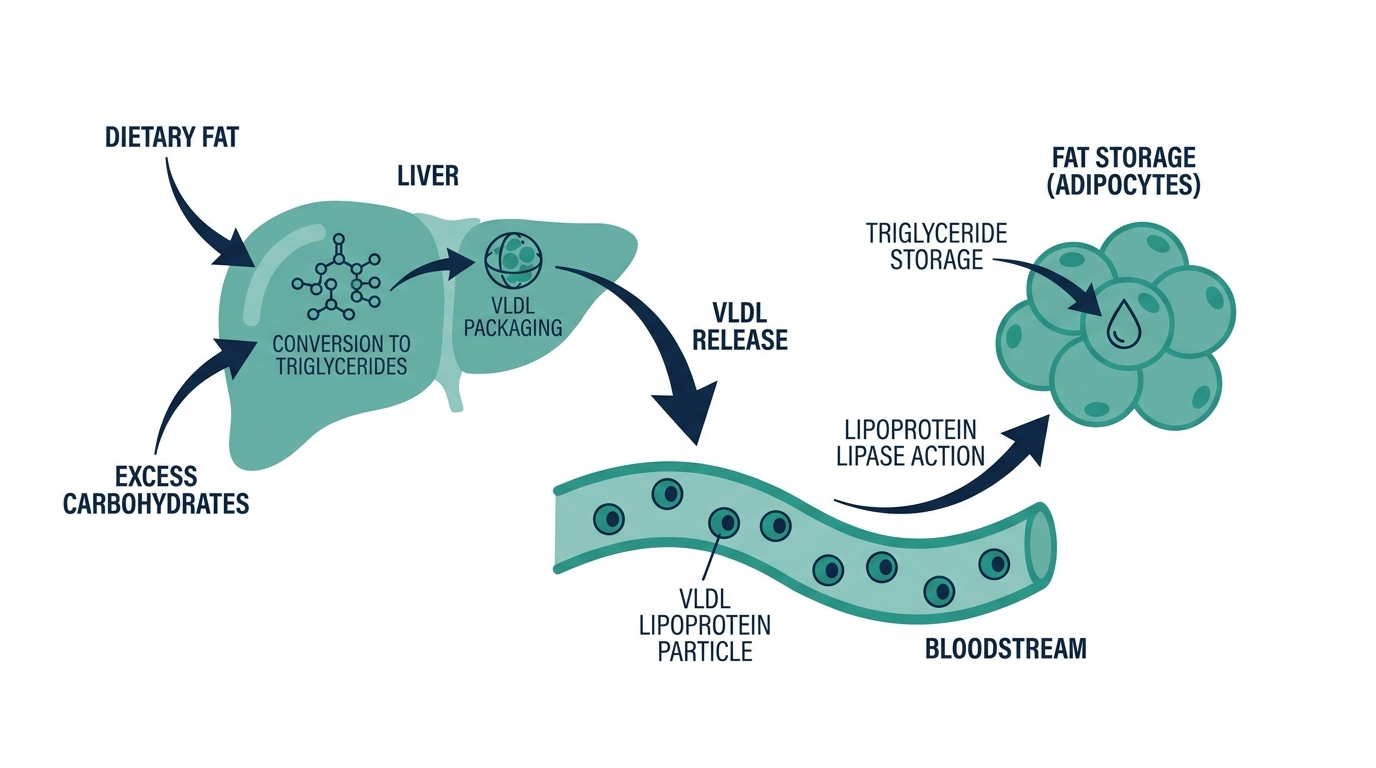
Triglycerides are your body’s way of storing spare energy, so anything that creates an energy surplus or blocks its clearance raises them. The everyday drivers are the usual suspects: too much added sugar and refined starch, frequent alcohol, excess calories, abdominal weight gain, and a sedentary routine that leaves muscles unable to burn the incoming fuel. Insulin resistance ties these together, because when insulin works poorly the liver overproduces triglyceride-rich VLDL.
Medical conditions can drive the number independently of diet. Uncontrolled type 2 diabetes is the biggest one, followed by an underactive thyroid, kidney disease, and liver disease. Several medications also raise triglycerides, including some estrogens and oral contraceptives, corticosteroids, thiazide diuretics, non-selective beta-blockers, and oral retinoids. Finally, genetics matter: familial hypertriglyceridemia and related inherited disorders can push levels into the thousands regardless of lifestyle, which is why some people need medication early. Before assuming you simply need to eat better, it is worth asking your clinician whether one of these hidden drivers is inflating your result.
Evidence-based ways to lower triglycerides
The single most effective lever is reducing the calories that get converted to triglycerides, namely added sugar, refined starch, and alcohol. Nutrition changes alone can lower triglycerides by 20% to 50%, the widest range of any single intervention (American Family Physician summary of guideline evidence).
Diet changes
- Cut added sugar and refined carbs: Sugar and white flour are converted directly into triglycerides by the liver. Limiting fructose and simple carbs is one of the strongest dietary levers.
- Reduce or stop alcohol: Even moderate drinking raises triglycerides, and for people with very high levels, full abstinence is often advised.
- Eat fatty fish and fiber: A Mediterranean-style pattern rich in fish, vegetables, nuts, and whole grains lowers triglycerides while improving overall heart risk.
- Cut trans fats: Removing trans fatty acids and limiting saturated fat supports the same goal.
A few specifics make the difference between a small and a large drop.
- Target fructose, not just “sugar”: the liver turns fructose into triglycerides efficiently, so sweetened drinks, fruit juice, honey, and agave hit harder than the sugar in whole fruit eaten with its fiber.
- Choose fish twice a week: salmon, sardines, mackerel, and herring deliver the EPA and DHA that lower triglycerides, and food sources come without the pill count.
- Swap refined grains for intact ones: steel-cut oats, barley, beans, and vegetables blunt the glucose and insulin surge that feeds triglyceride production.
- Watch portion size and late-night grazing: total calories still matter, and large evening meals leave triglycerides elevated overnight.
One caveat: a very low-fat diet is sometimes used short term for extreme levels above 1,000 mg/dL to prevent pancreatitis, but for ordinary high readings the priority is cutting sugar, refined carbs, and alcohol rather than fearing all fat.
Lifestyle changes
Regular aerobic exercise, about 30 minutes most days of the week, can lower triglycerides by 20% to 30% (WebMD, summarizing exercise research). Weight loss is equally powerful: dropping just 5% to 10% of body weight reliably reduces triglycerides, partly by erasing the calorie surplus that fuels their production and partly by improving insulin sensitivity. Quitting smoking and improving blood sugar control in people with diabetes add further benefit. These steps stack, so combining diet, movement, and modest weight loss tends to outperform any one change alone.
Consistency beats intensity here. Because triglycerides rise and fall with recent meals and drinks, the habit that sticks, a daily walk or one alcohol-free week that becomes the norm, wins over an occasional hard session followed by a sugary weekend. If you carry weight around the middle, even the first few pounds lost often produce a visible drop, because abdominal fat is metabolically tied to how much VLDL the liver makes.
Medical options
When lifestyle change is not enough, or triglycerides are very high to begin with, clinicians add medication. Each class has a known effect size:
- Fibrates: The class most often prescribed specifically for triglycerides, lowering them by 20% to 40% and raising HDL modestly (NCBI).
- Prescription omega-3s: At 4 grams per day, prescription-strength EPA or EPA plus DHA reduces triglycerides by more than 30% in people with severe hypertriglyceridemia (AHA guidance).
- Statins: Lower triglycerides by roughly 10% to 20% and are chosen mainly when LDL is also high.
Two more points guide the choice. Icosapent ethyl, a purified EPA prescription omega-3, is used in selected higher-risk patients already on a statin to further reduce cardiovascular events, not just the triglyceride number. Niacin can lower triglycerides but has fallen out of favor because trials did not show a clear outcome benefit and it carries side effects. As with all of these, the drug is matched to your triglyceride level, your LDL, and your overall heart risk, and it works alongside diet rather than replacing it.
How fast can it change?
Triglycerides respond faster than most blood fats, often shifting meaningfully within 2 to 4 weeks of consistent diet and lifestyle change. Because they spike after meals and alcohol, even a few days of cutting sugar and drinks can lower a fasting reading.
That said, a single low reading is not the finish line. Clinicians usually recheck a fasting lipid panel after 6 to 12 weeks of sustained change to confirm a real, durable drop rather than a temporary dip. For people on medication, the response is also reasonably quick, but the dose is titrated against repeat labs over a few months.
A realistic example: a 45-year-old with a fasting triglyceride of 320 mg/dL cuts soda and beer, walks after dinner, and loses about eight pounds. A recheck at eight weeks reads 180 mg/dL, and his HDL has nudged up too. Contrast that with someone at 900 mg/dL from a mix of uncontrolled diabetes and heavy drinking: lifestyle change helps, but this person also needs the diabetes treated and often a fibrate or prescription omega-3, with a faster recheck because pancreatitis is the concern. The same lab test calls for very different urgency.
Whatever the starting point, the trend across several tests tells you more than any one reading. A single low fasting value after a careful week can flatter you, so clinicians watch the pattern over months to be sure the change is real rather than a good day.
When do you need medication or a doctor?
See a clinician promptly if your triglycerides are above 500 mg/dL, because that level signals real pancreatitis risk and usually warrants medication alongside lifestyle change (StatPearls, NCBI). Levels above 1,000 mg/dL can be a medical emergency.
Below that threshold, the decision is shared. If triglycerides are in the 200 to 499 mg/dL range and lifestyle change over 3 to 6 months does not bring them down, or if you also have heart disease, diabetes, or other risk factors, your clinician may add a fibrate, prescription omega-3, or statin. Always have your lab results interpreted in the context of your full lipid panel and overall cardiovascular risk, not the triglyceride number in isolation.
Turn what you just learned into action.
Superpower lets you test 100+ biomarkers from home, then re-check them over time so you can actually see progress, physician-reviewed at every step.
Frequently asked questions
What is the fastest way to lower triglycerides?
Cutting added sugar, refined carbs, and alcohol produces the quickest drop, often within a few weeks. Combined with 30 minutes of daily exercise, this can lower triglycerides by 20% to 30%. Very high levels above 500 mg/dL usually need medication too.
Can drinking water lower triglycerides?
Water itself does not lower triglycerides, but replacing sugary drinks, juice, and alcohol with water removes major triglyceride-raising calories. The benefit comes from what you stop drinking, not the water itself.
How much do omega-3 supplements lower triglycerides?
Prescription omega-3s at 4 grams per day can lower triglycerides by more than 30% in people with severe elevation (AHA). Over-the-counter fish oil is usually too low in EPA and DHA to match that effect.
Does losing weight lower triglycerides?
Yes. Losing just 5% to 10% of body weight reliably reduces triglycerides by cutting the calorie surplus that drives their production and improving insulin sensitivity (Cleveland Clinic). Even modest weight loss helps.
What triglyceride level is dangerous?
A fasting level of 500 mg/dL or higher is “very high” and raises the risk of acute pancreatitis (MedlinePlus). Levels above 1,000 mg/dL can be a medical emergency requiring urgent care.
Do I need to fast before a triglyceride test?
Traditionally yes, a 9 to 12 hour fast, because eating temporarily raises triglycerides. Some labs now accept non-fasting samples for screening, but a high non-fasting result should be confirmed with a fasting draw. Avoid alcohol for a day beforehand either way.
Can exercise alone lower triglycerides?
Regular aerobic exercise can lower triglycerides by roughly 20% to 30%, but it works best combined with cutting sugar and alcohol. Exercise plus modest weight loss and dietary change reliably outperforms any single step on its own.
Is a keto or low-carb diet good for triglycerides?
Because sugar and refined carbohydrate are major drivers, lower-carbohydrate patterns often lower triglycerides substantially. A Mediterranean-style diet does the same while being easier to sustain. The best diet is the lower-sugar pattern you can actually keep long term.
Are high triglycerides genetic?
They can be. Inherited conditions such as familial hypertriglyceridemia can push levels very high regardless of diet, and these often need medication. A family history of very high triglycerides or early pancreatitis is worth mentioning to your clinician.
How often should I retest triglycerides?
After a change in diet, weight, or medication, most clinicians recheck a fasting lipid panel in about 6 to 12 weeks to confirm a durable drop. Once stable and at goal, retesting every one to two years is common, or more often if you have diabetes, heart disease, or very high starting levels.
Sources
- MedlinePlus, Triglycerides Test
- Cleveland Clinic, Triglycerides: Levels and Normal Range
- Cleveland Clinic, 10 Ways To Lower Your Triglyceride Levels
- StatPearls (NCBI), Hypertriglyceridemia
- Endotext (NCBI), Pancreatitis Secondary to Hypertriglyceridemia
- American Family Physician, Management of Hypertriglyceridemia
- WebMD, How to Lower Triglycerides Naturally
- Mayo Clinic, Triglycerides: Why do they matter?
This article is for general educational purposes and is not medical advice. It cannot diagnose or treat you and does not replace your clinician. Always discuss your lab results and any health decisions with a qualified healthcare professional.
Related: compare GLP-1 telehealth options.
Vital Signs Today may earn a commission if you buy through links on this page. It does not affect our editorial assessments.