
- Most labs flag ALT as high above roughly 33 U/L for women and 45 U/L for men, but the single most effective way to lower a high ALT is to treat its cause, which is usually fatty liver from excess weight, alcohol, or certain medications.
- Losing 7 to 10 percent of your body weight can reduce liver inflammation and bring elevated ALT toward normal, because every 5 percent drop in body weight is linked to about a 25 percent relative reduction in liver fat on MRI.
- Cutting alcohol, drinking 2 to 3 cups of coffee a day, and exercising can each lower ALT, but a level more than about 3 times the upper limit, or one that keeps rising, needs a doctor rather than home measures.
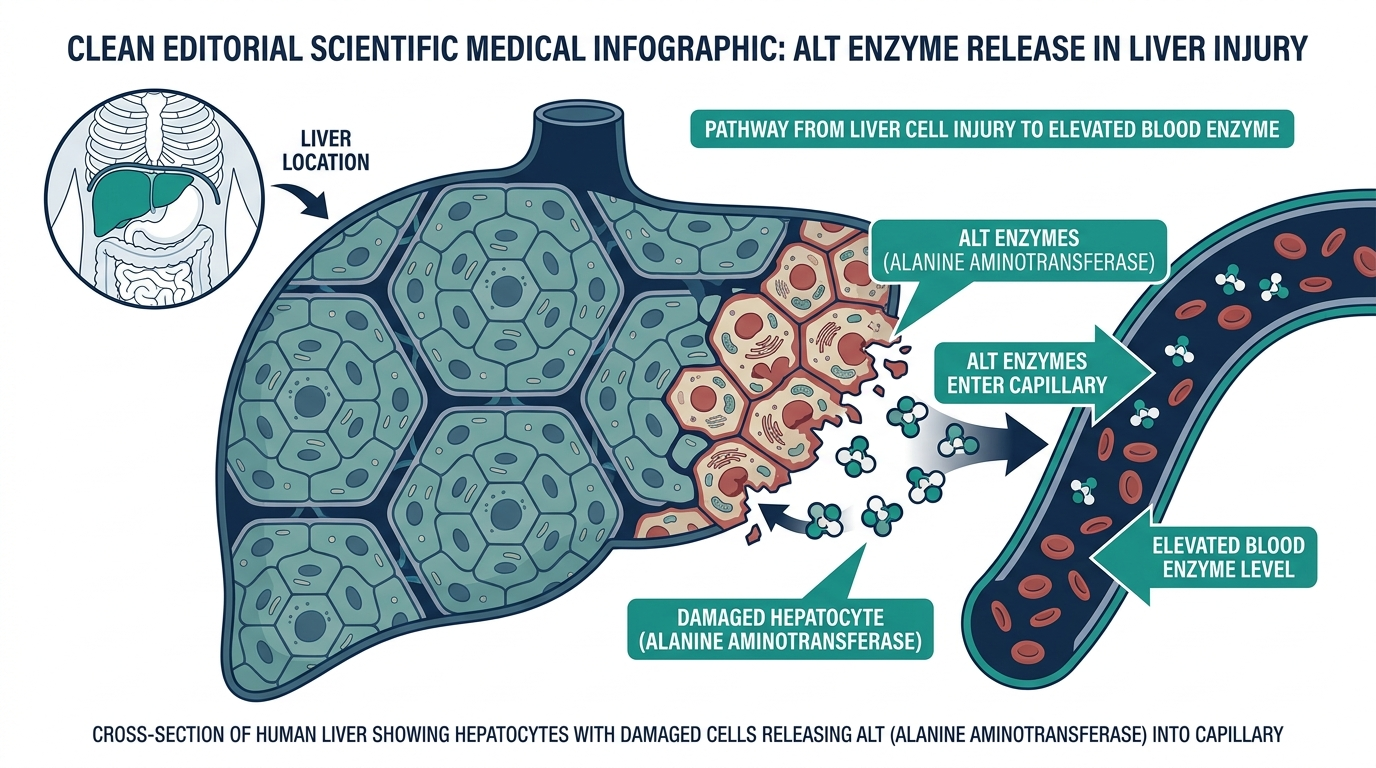
If your blood test flagged a high ALT, the good news is that this enzyme often responds quickly to changes you control. ALT (alanine aminotransferase) leaks out of liver cells when they are stressed or damaged, so lowering it means calming whatever is irritating the liver. Below are the evidence based steps that move the number, how fast to expect results, and the red flags that mean you should stop self treating and call a clinician.
Part of our Liver Function Tests guide.
Fatty liver is the usual cause of high ALT, so is that actually what’s driving your number up? One at-home Superpower draw checks 100+ biomarkers, physician-reviewed.
What counts as high ALT?
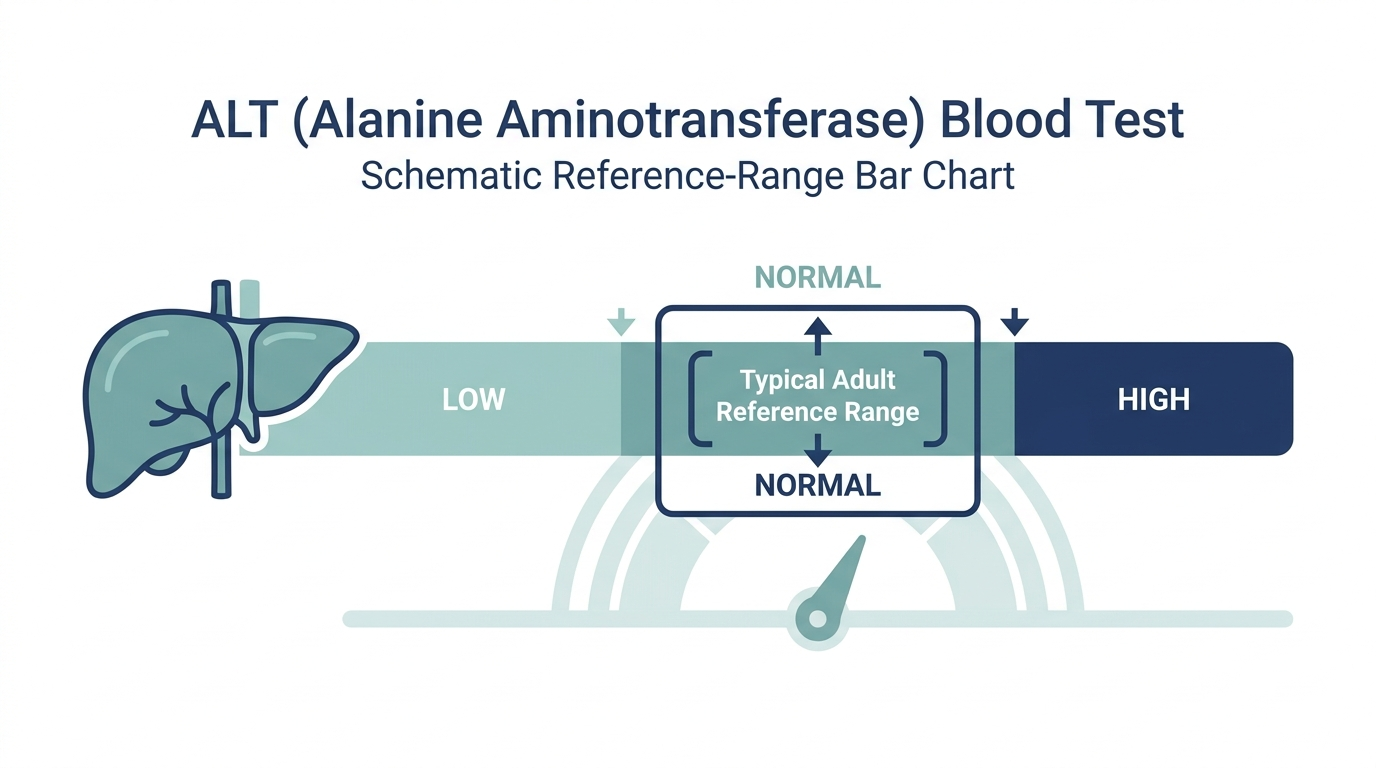
Most laboratories report a normal ALT of about 7 to 56 U/L, though tighter sex specific cutoffs are increasingly used: roughly 10 to 33 U/L for women and 10 to 45 U/L for men, per StatPearls (NCBI Bookshelf). A value just above the top of the range is mildly elevated and very common. The number that matters more than the exact figure is how far above normal you are.
- Mildly high: up to about 2 times the upper limit. Usually fatty liver, alcohol, or medication related.
- Moderately high: roughly 2 to 5 times the limit. Worth prompt medical review.
- Markedly high: more than 10 times the limit, which points to acute injury such as a viral or drug induced hepatitis and needs urgent care.
ALT can rise for harmless reasons too, including intense exercise, mild dehydration, or a recent fatty meal, which is why doctors never read it in isolation (Cleveland Clinic).
Optimal versus standard reference ranges
Here is a detail many people never hear: the upper limit your lab uses may be too generous. The older cutoffs near 40 to 56 U/L were set decades ago from populations that quietly included people with undiagnosed fatty liver, which dragged the “normal” ceiling upward. A growing body of hepatology opinion argues that a genuinely healthy ALT sits lower, closer to 30 U/L in men and the low to mid twenties in women. That is why the sex-specific ranges from StatPearls, roughly up to 33 for women and 45 for men, are tighter than the generic 56.
The practical takeaway is uncomfortable but useful. You can have a fatty liver with an ALT that your report calls normal. A result of 38 U/L printed in black rather than red is not proof the liver is fine, especially alongside a widening waist, high triglycerides, or prediabetes. So read ALT against the stricter modern cutoffs and against your own trend, not just against the widest band the lab will tolerate.
Why lower it?
The simplest way to actually get this done
Superpower is a full-body lab membership that runs 100+ biomarkers, has each result reviewed by a doctor, and tracks your numbers year over year (about $199/year). It is what we point readers to when they would rather get one clean, complete draw than chase single tests one at a time. Here is superpower reviewed in full.
You lower ALT because a persistently raised level signals ongoing liver cell injury, and chronic injury is what eventually scars the liver. ALT within the normal range is also linked to lower all cause mortality in large cohort studies, so the marker is more than a lab curiosity (NCBI/PMC). The most common driver behind a mildly elevated ALT in the United States is metabolic dysfunction associated steatotic liver disease, the condition formerly called nonalcoholic fatty liver disease.
The point is not to chase a prettier number on paper. A falling ALT is a proxy for less fat and less inflammation inside the liver, which lowers your long term risk of fibrosis, cirrhosis, and liver cancer. Treating the underlying cause is what actually protects the organ; the lab value simply tells you whether your efforts are working.
What actually raises ALT?
ALT earns its place on the panel because it is the most liver-specific enzyme routinely measured. It is concentrated inside liver cells and found only in small amounts elsewhere, so when ALT is up, the liver is almost always the story. That specificity is exactly what separates it from AST, which also leaks from muscle, heart, and red blood cells. An isolated high ALT with a normal AST rarely means a muscle problem. It means look at the liver.
The metabolic cause behind most cases
In the United States, the leading reason for a mildly to moderately high ALT is fat inside the liver, now called metabolic dysfunction associated steatotic liver disease. Excess weight, insulin resistance, high triglycerides, and a diet heavy in added sugar and refined starch load the liver with fat, and the inflamed cells leak ALT. This is why ALT tracks so tightly with waist size and blood sugar, and why weight loss is the highest-yield lever for most people.
Alcohol, medications, and viruses
Alcohol is directly toxic to liver cells and a fast, reversible cause of a raised ALT. Medications and supplements are the next big group: acetaminophen at high doses, some statins, certain antibiotics, and herbal products such as high-dose green tea extract can all irritate the liver, which is why a clinician reviews everything you take. Viral hepatitis B and C can hold ALT up for years, sometimes with no symptoms, so a persistently high ALT without an obvious metabolic or alcohol cause usually earns viral testing.
How ALT and AST read together
The relationship between ALT and AST is a diagnostic shortcut. In early fatty liver and in viral hepatitis, ALT usually sits higher than AST. When alcohol is the driver, AST tends to pull ahead of ALT, often by a ratio of two to one or more. And as fatty liver quietly advances toward scarring, AST can rise to meet or overtake ALT, which is one reason clinicians combine both enzymes with age and platelet count in a simple fibrosis estimate called the FIB-4 index. Lowering ALT, in other words, is not just about one line on the report. It is about shifting the whole pattern back toward healthy.
Evidence based ways to lower ALT
The most reliable way to lower ALT is gradual weight loss combined with removing liver irritants, because a 7 to 10 percent reduction in body weight improves steatosis, inflammation, and ballooning of liver cells (PMC, NAFLD treatment review). Here is how to stack the interventions, starting with the ones you control at home.
Diet
Diet is the single biggest lever for a fatty liver ALT. A 5 percent drop in body weight is associated with roughly a 25 percent relative reduction in liver fat on MRI (PMC). Practical moves:
- Cut added sugar and refined carbs: fructose and white starches are converted to liver fat. Low carbohydrate patterns tend to drop ALT fastest, sometimes within 2 to 4 weeks (StatPearls).
- Aim for a modest calorie deficit: a steady loss of about 0.5 to 1 kg per week protects against the rapid weight loss that can paradoxically worsen liver tests.
- Lean toward a Mediterranean style plate: fish, olive oil, vegetables, legumes, and whole grains.
Lifestyle
Lifestyle changes lower ALT even before major weight loss appears, partly by reducing liver fat directly. Key habits:
- Cut or stop alcohol: alcohol is directly toxic to liver cells and is one of the fastest reversible causes of a raised ALT.
- Coffee, 2 to 3 cups daily: regular coffee intake is linked to about a 44 percent lower risk of elevated ALT and to better liver enzymes in people with fatty liver, an effect seen even with decaf (Gastroenterology; PMC).
- Move most days: roughly 150 minutes a week of moderate activity reduces liver fat independent of weight loss.
- Review your medicines and supplements: high dose acetaminophen, some statins, and certain herbal products such as high dose green tea extract can raise ALT. Never stop a prescribed drug without asking your prescriber.
Medical options
When lifestyle is not enough, treating the specific cause normalizes ALT. Options a clinician may use include antiviral therapy for hepatitis B or C, which can return ALT to normal in most treated patients, GLP-1 medications or structured weight programs for metabolic liver disease, and stopping or swapping a culprit drug. Resmetirom, the first FDA approved drug for metabolic steatohepatitis with fibrosis (approved 2024), can also improve liver tests in selected patients. These are doctor directed, not self prescribed.
What a realistic plan looks like
Picture a 38-year-old office worker with an ALT of 62, an AST of 40, a normal alcohol history, and 25 extra pounds carried at the waist. This is the textbook metabolic pattern: ALT above AST, no red flags, a soft middle. The plan is not a detox tea. It is a 7 to 10 percent weight loss over three to four months, added sugar and sugary drinks cut hard, a Mediterranean-style plate, a daily walk, and two or three cups of coffee. A recheck at eight to twelve weeks usually shows ALT falling, and if the person loses that 5 to 10 percent of body weight, the liver fat behind the number drops with it. If ALT does not budge despite real weight loss, that is the signal to widen the search to medications, viral hepatitis, or a less common cause.
How fast can it change?
ALT can start falling within days to weeks once the cause is removed, because the enzyme has a half life of about 47 hours, so levels decline steadily after liver injury stops (StatPearls). In practice, a fatty liver ALT often improves measurably within 4 to 12 weeks of consistent diet and weight loss, and low carbohydrate eating can shift it inside 2 to 4 weeks.
Set realistic expectations. A number driven by alcohol can improve within a couple of weeks of stopping, while one driven by significant fatty liver may take several months of sustained habits to fully normalize. Recheck timing is a clinical decision, but many doctors retest at 6 to 12 weeks to confirm the trend is heading down.
What can throw off an ALT result
A handful of everyday things can move ALT on the day of the draw. A very intense workout in the previous day or two can raise it. A large fatty meal or mild dehydration can nudge it up, which is one reason panels are often drawn fasting. Starting a new medication or supplement can lift it. Because ALT swings for these ordinary reasons, a single mildly high value is best confirmed with a repeat test taken after a normal day, without hard exercise the night before, rather than acted on in isolation. If the repeat is normal, the first reading was likely noise.
When do you need medication or a doctor?
See a doctor promptly if your ALT is more than about 3 times the upper limit of normal, keeps climbing on repeat testing, or comes with symptoms, since these patterns suggest active liver injury rather than simple fatty liver. Self measures are not appropriate first line care in these cases.
Seek care without delay if you notice any of the following:
- Yellowing of the skin or whites of the eyes (jaundice).
- Dark urine or pale stools.
- Right upper abdominal pain, persistent nausea, or vomiting.
- Unexplained bruising, confusion, or swelling of the abdomen or legs.
A markedly high ALT, more than 10 times the limit, warrants same day medical attention because it can reflect acute hepatitis or a drug overdose (Cleveland Clinic). Your clinician decides whether medication, imaging, or a hepatology referral is needed.
Curious what your own levels look like?
Baseline 100+ biomarkers today and retest as life changes, all in one membership with physician review.
Frequently asked questions
Can drinking water lower ALT?
Water alone does not treat liver injury, but correcting dehydration can ease a mildly high reading, since dehydration can transiently raise ALT. Staying well hydrated supports the liver, yet it is not a substitute for addressing the underlying cause such as fatty liver or alcohol.
How long does it take to lower ALT naturally?
ALT often improves within 4 to 12 weeks of consistent diet, weight loss, and avoiding alcohol. Because ALT has a roughly 47 hour half life, levels fall steadily once the cause is removed. Low carbohydrate eating can show changes within 2 to 4 weeks.
Does exercise lower ALT?
Yes. About 150 minutes a week of moderate activity reduces liver fat and can lower ALT even without major weight loss. Avoid a single extreme workout right before a blood test, though, because intense exercise can briefly raise ALT on its own.
What is the fastest way to lower ALT?
Removing the trigger is fastest: stopping alcohol and any culprit medication after checking with your prescriber, plus cutting added sugar and refined carbs. Low carbohydrate diets tend to drop ALT most quickly, sometimes within 2 to 4 weeks.
Is a slightly high ALT dangerous?
A mildly high ALT, up to about twice the upper limit, is common and usually reflects fatty liver rather than serious disease. It still deserves attention because ongoing inflammation can scar the liver over years. Discuss any abnormal result with your clinician.
Does a high ALT mean liver damage specifically?
Almost always, yes. ALT is concentrated in the liver and found in only small amounts elsewhere, so unlike AST it is not usually raised by muscle or heart problems. An isolated high ALT points the finger squarely at the liver, most often at fat inside it, which is why doctors treat an elevated ALT as a liver signal first.
Can I have a fatty liver with a normal ALT?
Yes, and this catches many people out. Fatty liver can be present while ALT still reads inside the lab’s range, especially if that range uses the older, looser cutoffs. If you carry weight at the waist, have high triglycerides, or have prediabetes, a normal ALT does not rule out fatty liver, and imaging or a fibrosis score may still be worthwhile.
Should I fast before an ALT test?
ALT itself does not strictly require fasting, but it is usually drawn on a panel that does, such as one with glucose or lipids, so follow your lab’s instructions. Just as important, avoid heavy drinking and intense exercise in the day or two before the test, since both can raise ALT and make a healthy liver look worse than it is.
Sources
- NCBI Bookshelf, StatPearls: Alanine Aminotransferase (ALT) Test
- Cleveland Clinic, Alanine Transaminase (ALT) Blood Test
- PMC, Nonalcoholic Fatty Liver Disease and Obesity Treatment
- PMC, How Much Weight Loss is Effective on Nonalcoholic Fatty Liver Disease?
- Gastroenterology, Coffee and caffeine consumption reduce the risk of elevated serum ALT activity
- PMC/NIH, Coffee and Liver Disease
- NCBI/PMC, ALT within the normal range and all-cause and cause-specific mortality
This article is for general educational purposes and is not medical advice. It cannot diagnose or treat you and does not replace your clinician. Always discuss your lab results and any health decisions with a qualified healthcare professional.
Related: compare GLP-1 telehealth options.
Vital Signs Today may earn a commission if you buy through links on this page. It does not affect our editorial assessments.