Quick answer: Blood work without insurance costs about $10 to $75 cash per panel when you order it the smart way, and $100 to $300 or more when a clinic or hospital sits between you and the lab. A single common test like a lipid panel or CBC runs roughly $10 to $50 through an online direct-to-consumer lab, $50 to $150 at a Quest or Labcorp patient service center, and far more once an office or facility visit fee gets stacked on top. The cheapest legit route for most uninsured people is ordering your own tests online and getting drawn at a partner lab, which skips the office visit entirely.
Paying out of pocket is not the disaster it sounds like, as long as you stop letting a clinic pick the lab for you. The price for the exact same tube of blood can swing tenfold based on who submits the order. Below is the honest map of what blood work without insurance actually costs in 2026, where the real bargains hide, the step-by-step way to self-pay cheaply, and the traps that quietly inflate your bill.
You can get blood work without insurance for $10 to $75, but a full 100+ marker panel goes far beyond a single test. One at-home Superpower draw checks 100+ biomarkers, physician-reviewed.
How much does blood work cost without insurance?
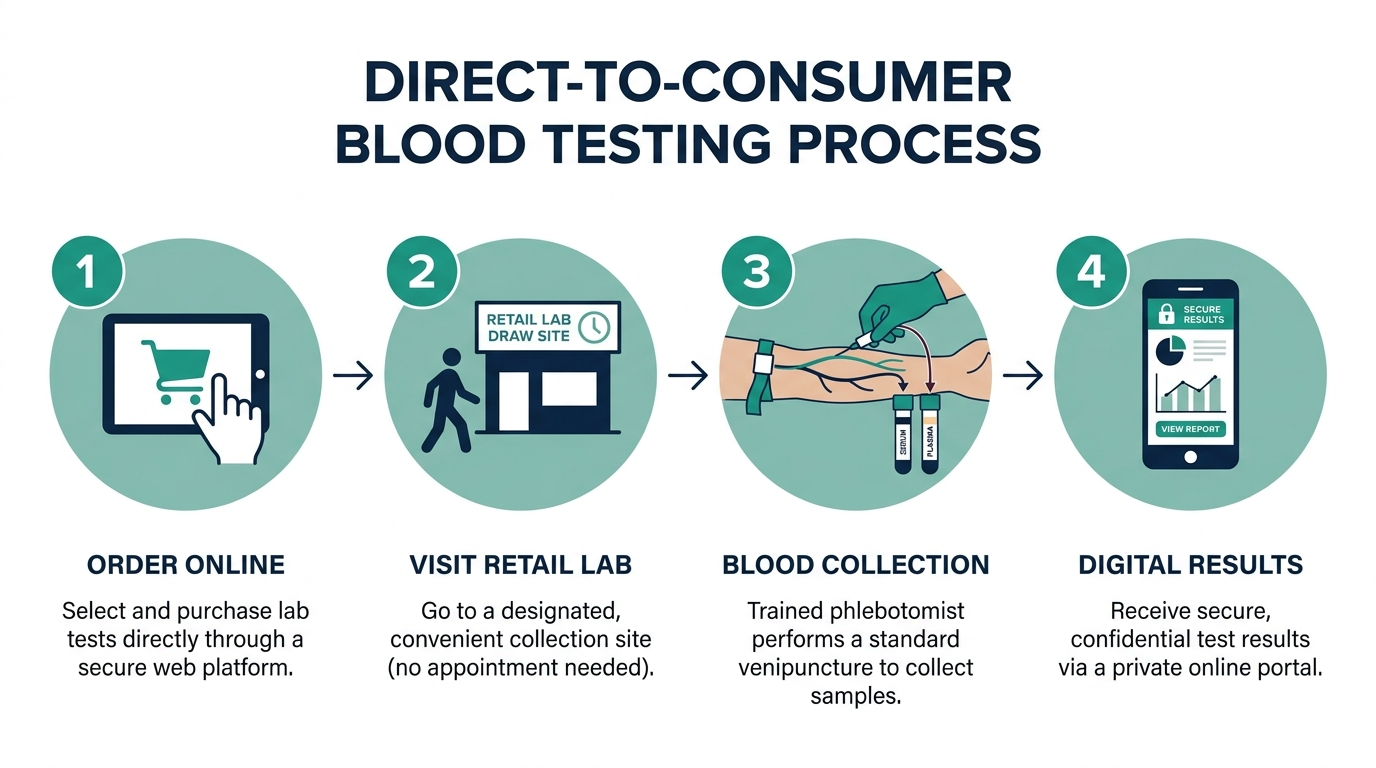
For a routine test ordered the smart way, expect roughly $10 to $75 per panel cash. The number balloons only when a clinic or hospital is between you and the lab. Three things drive the final price, and only one of them is the test: the lab fee for the panel itself, the draw or phlebotomy fee, and any office or facility visit charge stacked on top. Eliminate the third and you have cut most of the cost before a needle touches your arm.
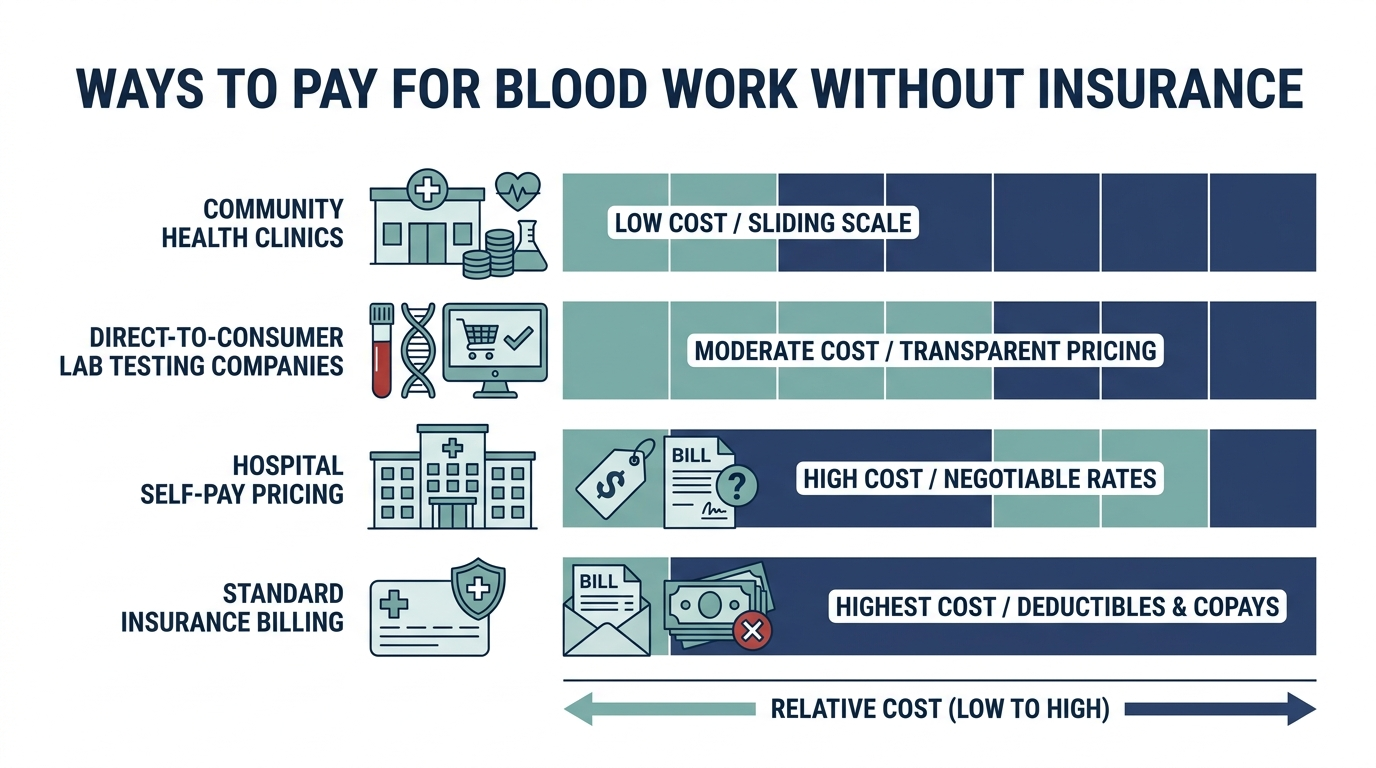
A hospital outpatient lab is the single most expensive place to get blood drawn without insurance. Hospitals carry a chargemaster, an internal price list that can list a basic metabolic panel at $200 or more before any discount. The same panel costs a fraction of that at a standalone lab or online service. If a hospital is your only option, ask for the self-pay or cash price up front and request their financial assistance application, because the sticker price is almost never what uninsured patients are actually expected to pay.
| Where you go | Typical cash price, common panel | What is included |
|---|---|---|
| Online DTC lab (you order, draw at partner site) | $10 to $75 | Test plus draw, no visit fee |
| Quest or Labcorp self-pay | $50 to $150 | Test plus draw fee |
| Retail clinic (CVS MinuteClinic, etc.) | $100 to $250 | Visit plus lab, limited test menu |
| Urgent care | $150 to $350 | Visit fee plus each lab billed separately |
| Hospital outpatient lab | $200 to $1,000+ | Test plus facility fee, ask for cash price |
| Community health center (sliding scale) | $0 to $60 | Based on income |
One detail people miss: when a doctor orders blood work, you are often billed for two things, the lab and the office visit that generated the order. Skipping the visit by ordering tests yourself is usually where the biggest savings hide. For the full breakdown across insured and cash scenarios, see How Much Does Blood Work Cost? Real 2026 Prices With and Without Insurance.
A worked example of the same panel at four prices
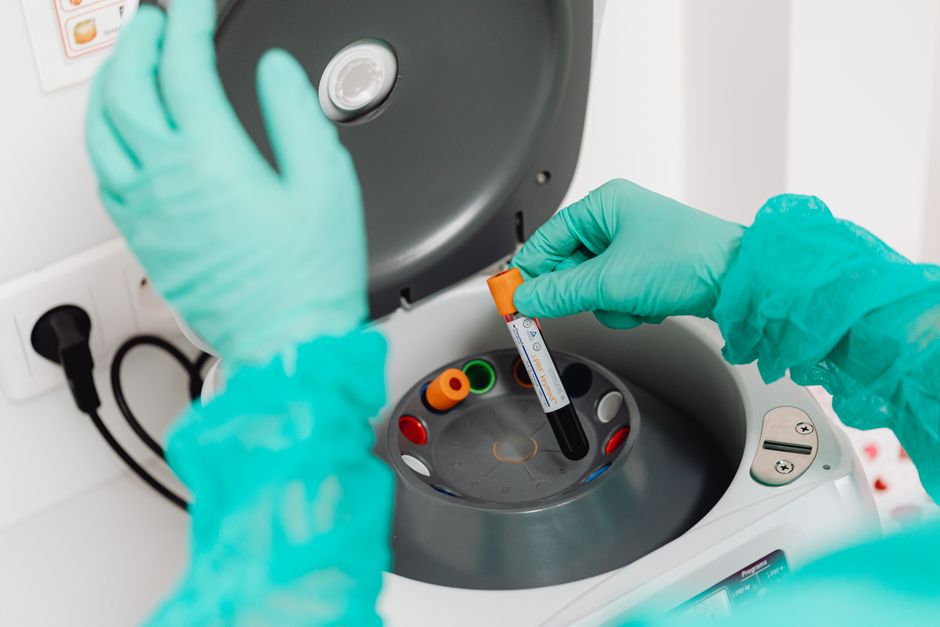
Take one ordinary comprehensive metabolic panel, the fourteen-marker CMP that checks kidney function, blood sugar, electrolytes and liver enzymes. The blood is identical no matter where it is drawn. The bill is not. Order it through a discount online lab and you pay about $29 all in. Buy it at a Quest or Labcorp self-pay counter and it runs roughly $50 to $80. Have a retail clinic order it as part of a visit and you are closer to $150 once the visit fee lands. Get it run through a hospital outpatient lab with a facility fee attached and the chargemaster can push it past $250. Same tube, same machine, same result. The only variable is who submitted the order, which is the entire reason this article exists.
Where can I get blood work done without insurance?
You have more routes than most people realize, and the cheapest one rarely involves a doctor’s office. Here are the legitimate options for blood work without insurance, ranked roughly from cheapest to most convenient.
Order your own tests online (cheapest for most people)
Direct-to-consumer lab services let you buy a specific test or panel online, then walk into a partner Quest or Labcorp location to get drawn. A physician affiliated with the service signs off on the order, so you never sit in an exam room or pay a visit fee. Results post to an online portal in a few days. This is how a lipid panel that would cost $130 at a clinic ends up at $20. Names worth knowing in this category include Quest’s own consumer storefront, Labcorp OnDemand, and independent marketplaces such as Walk-In Lab, Ulta Lab Tests, Health Testing Centers and Private MD Labs, all of which route you to the same two national lab networks for the actual draw. You can read the full mechanics in How to Get Lab Tests Without a Doctor’s Order.
Quest and Labcorp self-pay
Both national labs publish cash prices and run consumer-facing storefronts where you can buy tests directly. Quest’s self-pay program and Labcorp’s on-demand menu are legitimate and often cheaper than the price they would bill your nonexistent insurance. Ask for the self-pay rate by name, because the walk-in counter price and the published self-pay price are not always the same number, and the counter clerk will not volunteer the lower one.
Discount lab marketplaces
A discount lab marketplace is a reseller that has negotiated bulk cash pricing with Quest or Labcorp and passes part of the savings to you. You buy the test on their site, print or screenshot the lab order, and walk into the partner draw site. These marketplaces are where the rock-bottom single-test prices live, often $10 to $30 for a common panel. The trade-off is that customer support is thin and you are responsible for understanding your own results, so they suit confident, routine shoppers more than someone with worrying symptoms.
Community health centers and free clinics
Federally qualified health centers (FQHCs) charge on a sliding scale tied to your income, and many run basic labs in-house for little or nothing. Free and charitable clinics, often staffed by volunteer clinicians, are another route if you are low income or between jobs. Find one through the HRSA health center locator or the National Association of Free and Charitable Clinics directory. The catch is wait times and a limited test menu, so they are best for essential screening, not a curiosity-driven full workup.
Retail and urgent care clinics
A retail clinic like CVS MinuteClinic is convenient for a focused test, but the menu is narrow and a visit fee applies on top of the lab. People often ask how much CVS MinuteClinic costs without insurance: a basic visit typically runs about $100 to $150 cash, and any lab is extra. Urgent care is pricier still, usually $150 to $350 once the visit and each test are tallied. These make sense when you need a result fast or have symptoms, not for routine screening you could schedule yourself for a fraction of the cost.
The simplest way to actually get this done
Superpower is a full-body lab membership that runs 100+ biomarkers, has each result reviewed by a doctor, and tracks your numbers year over year (about $199/year). It is what we point readers to when they would rather get one clean, complete draw than chase single tests one at a time. Here is superpower reviewed in full.
How to get blood work done without insurance, step by step
The process is simpler than the clinic system makes it feel. Do it in this order and you keep control of the price from start to finish.
- Decide what you actually need. A cholesterol check, a thyroid panel, and a full baseline are very different price points. If you are not sure, a basic CBC plus metabolic panel plus lipids covers most general questions. See the biomarkers worth tracking for a defensible starter list before you spend a dollar.
- Price the test as cash, not insurance. Get the self-pay or DTC price for that exact panel, in writing if you can. Write the number down so a counter clerk cannot quote you a higher walk-in rate when you arrive.
- Order online if you can. Buy through a direct-to-consumer service, a discount marketplace, or the lab’s own self-pay storefront. The order ships to a partner draw site electronically, and you bring a printout or a confirmation code.
- Fast only if the test requires it. A lipid panel and a fasting glucose want eight to twelve hours of no food. An A1C, a CBC and a TSH do not care whether you ate. Knowing this stops you from making a second trip because the draw site would not run a fasting test on a full stomach.
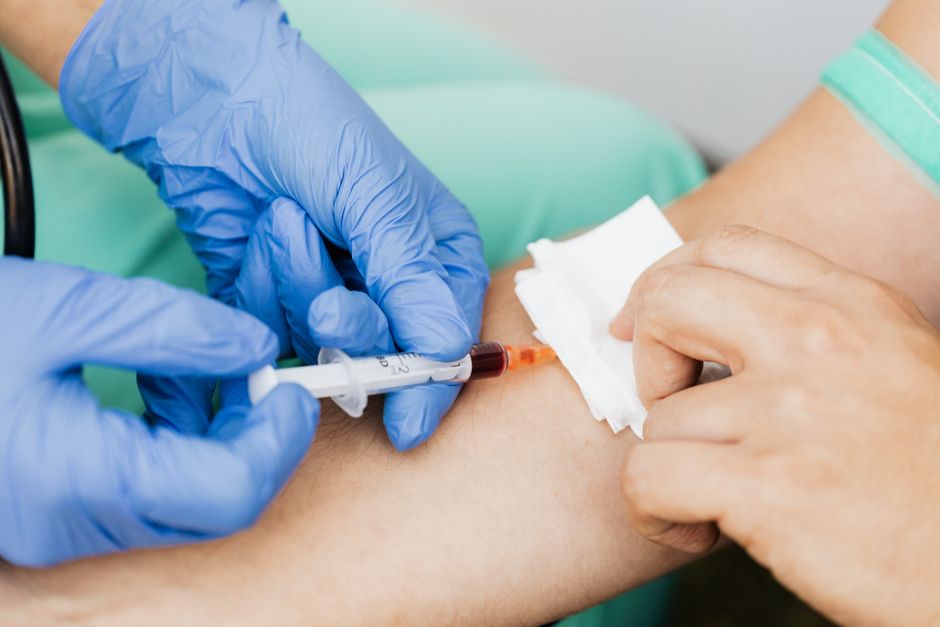
- Get drawn and pay at the time of service. Cash-pay patients usually get the lowest rate when they settle on the spot rather than being billed later, and paying upfront avoids a surprise invoice weeks afterward.
- Read your results, then act. A flagged value is a reason to talk to a clinician, not to panic. A short telehealth visit is cheap if you only need someone to interpret a number, and it is far less than the office visit you skipped at the start.
If you find yourself buying three or four single tests, do the math against a single comprehensive draw. Once you cross two or three separate panels, a complete blood panel or a membership that bundles everything often costs less per marker than buying them one at a time, and you save yourself repeat trips to the draw site.
How much are specific tests without insurance?
People rarely want “blood work” in the abstract; they want a number for the test in front of them. Here are rough 2026 cash ranges, ordered the smart way through an online or discount lab. The high end of each range is roughly what the same test costs once a clinic visit is bolted on.
| Test | What it checks | Cash price, online | Fasting needed? |
|---|---|---|---|
| Lipid panel | Cholesterol, triglycerides | $10 to $50 | Yes, 9 to 12 hours |
| Complete blood count (CBC) | Red and white cells, platelets | $10 to $40 | No |
| Comprehensive metabolic panel (CMP) | Kidney, liver, blood sugar, electrolytes | $15 to $50 | Often, for accurate glucose |
| Thyroid (TSH) | Thyroid function | $20 to $60 | No |
| Hemoglobin A1C | Average blood sugar, diabetes | $10 to $40 | No |
| Vitamin D | Vitamin D status | $20 to $60 | No |
| Basic urine drug screen (Labcorp) | Common drugs of abuse | $40 to $100 | No |
A few of these deserve a footnote. A drug test you order for yourself is not the same as a chain-of-custody test an employer or court requires, and the cheap self-ordered version will not satisfy them. A vitamin D test is one people add impulsively, but it only changes anything if you are prepared to supplement and retest, so skip it unless you have a reason. And the CMP is worth pairing with a lipid panel and a CBC, since together those three give you the broadest picture for the least money.
Quest Diagnostics without insurance follows the same logic: the published self-pay menu beats the price you would otherwise be charged, and there is no insurance to bill anyway. Whether you go to Quest or Labcorp, the test is the same; you are shopping the order and the draw fee, not the science. Insurance status mostly changes who pays, not what is possible, which is the core point of Does Insurance Cover Blood Work? When You Pay and When You Don’t.
Common mistakes people make paying cash for labs
Most overpaying happens before the draw, in decisions that feel minor at the time. These are the errors that turn a $30 test into a $250 bill.
- Letting the clinic pick the lab. The moment a doctor’s office sends your order to its default lab, you lose control of the price and inherit whatever that lab bills uninsured patients, which is usually the highest number on the menu.
- Walking into a hospital outpatient lab. It is the most expensive draw site in America for cash payers. Unless a hospital is genuinely your only option, drive past it.
- Not asking for the self-pay price by name. The walk-in price and the self-pay price are often different. If you do not say the words “self-pay,” you can be quoted the higher one.
- Giving insurance information you do not want used. If you have a high-deductible plan and the cash price is lower, you can choose to pay cash. Handing over a card can lock you into a pricier billed rate.
- Skipping the fast when it matters. Show up fed for a fasting lipid or glucose panel and the site may refuse to draw, costing you a second trip and sometimes a second fee.
- Buying single tests à la carte past the break-even point. Three or four separate panels usually cost more than one comprehensive draw. Add them up before you click buy.
- Assuming “free preventive” means free. A screening test coded as diagnostic, because of a symptom or a prior result, gets billed. Without insurance this distinction is moot, but it explains why friends with coverage still get charged.
Edge cases: minors, employers, Medicare, and emergencies
The cheap self-order route covers most uninsured adults, but several situations need a different play.
Minors and children
Most direct-to-consumer lab services set a minimum age of eighteen, and many partner draw sites will not collect from a child without a pediatric setup. For a minor, a community health center or a pediatric clinic on a sliding scale is the realistic path, not an online order.
Employer or court-required testing
If a job or a court orders the test, you almost always need a formal chain-of-custody process arranged through that employer or agency, not a self-ordered screen. Paying out of pocket for the consumer version will not be accepted, so confirm the exact requirement before you spend anything.
Medicare and older adults
If you are on Medicare you are not strictly uninsured, and Part B covers many medically necessary labs at no cost when a provider orders them. Paying cash usually makes sense only for a test Medicare will not cover or one you want without involving a provider. Check coverage first before defaulting to cash.
Symptoms or a possible emergency
Cash-pay self-ordering is built for routine screening and curiosity, not acute illness. Chest pain, severe symptoms, or a result that frightens you belong in front of a clinician or in an emergency room, where cost is a secondary concern to safety. Use the cheap route for baseline tracking, not for diagnosing something that is actively wrong.
Who should pick which option?
The right choice depends on why you are testing and how much help you want reading the result.
- You want one or two routine numbers and you are comfortable on your own: a discount lab marketplace or Quest or Labcorp self-pay is cheapest and fastest.
- You are low income or between jobs: start with a federally qualified health center or a free clinic on a sliding scale, where the test may be little or nothing.
- You want a complete baseline and plan to track it over time: a bundled full-body panel or membership usually beats buying many singles, and it gives you doctor review and year-over-year comparison instead of a stack of disconnected printouts.
- You have symptoms or need a fast answer: a retail or urgent care clinic, or a telehealth visit that can order labs, is worth the visit fee for the speed and the interpretation.
- A job or court is requiring the test: go through their specified chain-of-custody provider, full stop.
For anyone in the third group, the deeper context on what a comprehensive membership runs and includes lives in how much Superpower costs and what Superpower tests for, so you can compare it honestly against stacking single panels.
Turn what you just learned into action.
Superpower lets you test 100+ biomarkers from home, then re-check them over time so you can actually see progress, physician-reviewed at every step.
FAQ
How much is bloodwork without insurance?
How much bloodwork is without insurance depends almost entirely on where you order it, not what is in your blood. A single common panel runs about $10 to $50 through an online or discount lab, $50 to $150 at a Quest or Labcorp self-pay counter, and $100 to $300 or more once a clinic or hospital adds a visit or facility fee. The cheapest legit route is ordering it yourself online and getting drawn at a partner lab.
How much does a blood test cost without insurance?
A single blood test ordered the smart way is usually $10 to $75 cash. The same test can cost several times that if a doctor’s office or hospital orders it, because you also pay for the visit and any facility fee. Shop the order and the draw site, not the test itself, since the science is identical everywhere.
How much does CVS MinuteClinic cost without insurance?
A standard MinuteClinic visit typically runs about $100 to $150 cash, with any lab test billed on top. It is convenient for a single targeted issue but not the cheapest way to get routine blood work, since you pay a visit fee you could otherwise skip by ordering online.
How much is a drug test at Labcorp without insurance?
A basic urine drug screen at Labcorp is roughly $40 to $100 cash, while a hair follicle test costs more. If an employer or court requires it, you usually need a formal chain-of-custody test ordered through them, not a self-ordered one, so confirm the requirement first.
How much is Quest Diagnostics without insurance?
Quest’s self-pay prices for common panels generally land between $50 and $150, and often less if you order through Quest’s consumer storefront first. Always ask for the self-pay rate by name, because it is not always the same as the walk-in counter price.
Where can I get free or low-cost blood work without insurance?
Federally qualified health centers and free clinics offer sliding-scale or no-cost labs based on income. Use the HRSA health center locator or the National Association of Free and Charitable Clinics directory to find one near you. Expect a narrower test menu and longer waits than a paid draw site.
Can I get blood work done without a doctor?
Yes, in most states. Direct-to-consumer lab services have an affiliated physician sign the order for you, so you can buy tests online and get drawn at a partner lab with no separate office visit. A handful of states still restrict this, so check that your state allows direct ordering before you pay.
Is paying cash for blood work cheaper than using insurance?
Often, yes, especially if you have a high-deductible plan and have not met the deductible. The cash or self-pay price for a routine panel can be lower than what you would owe after insurance processes the same test. Compare the two before you hand over an insurance card, and choose whichever is lower.
Do I need to fast before blood work?
Only for some tests. A lipid panel and a fasting glucose want nine to twelve hours without food, while an A1C, a CBC and a thyroid TSH do not require fasting at all. Check the requirement for your specific test so you do not get turned away or get a skewed result.