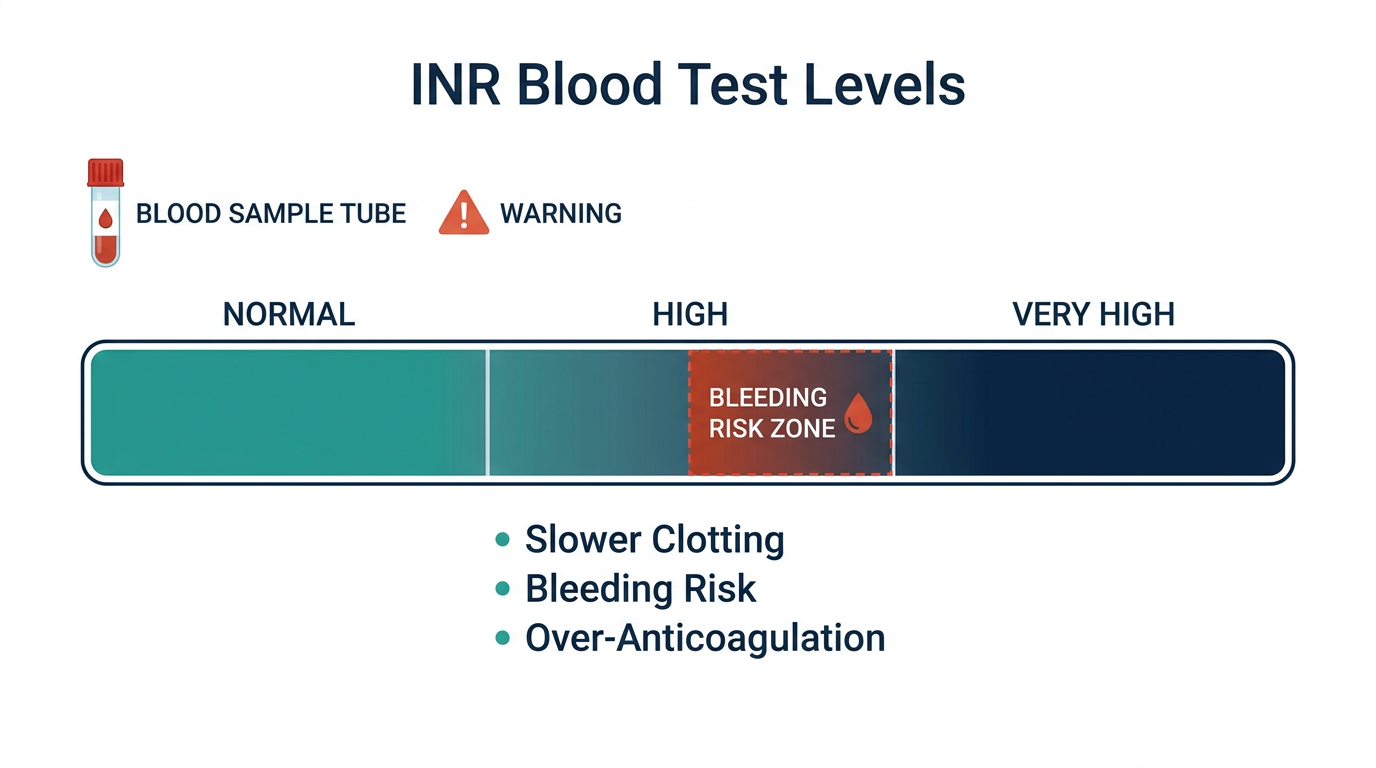
- A high INR blood test means your blood is clotting more slowly than normal, which raises your risk of bleeding, with most warfarin patients aiming for an INR of 2.0 to 3.0 (Cleveland Clinic, MedlinePlus).
- For someone not on a blood thinner, a normal INR is roughly 0.8 to 1.1, so a result above that range is considered high (Cleveland Clinic).
- Bleeding risk climbs sharply once the INR rises above 5.0, and an INR over 10.0 is a medical emergency that needs same-day care (StatPearls, NCBI).
What does a high INR result mean, and what is the cutoff?
A high INR means your blood takes longer than normal to form a clot, so you bruise and bleed more easily. For a person not taking an anticoagulant, a normal INR sits around 0.8 to 1.1, so anything meaningfully above that is “high” (Cleveland Clinic). The catch is that “high” depends entirely on why your blood is being tested.
INR stands for International Normalized Ratio. It is a standardized version of the prothrombin time (PT) test, scaled so that results read the same way no matter which lab runs them. If you take warfarin, your doctor wants your blood thinner than average on purpose, and the usual target is 2.0 to 3.0 (MedlinePlus). In that situation an INR of 2.5 is perfect, not high. An INR is only “supratherapeutic” when it sits above your personal target.
A high INR raises bleeding risk. See the broader panel that helps explain why it’s elevated. One at-home Superpower draw checks 100+ biomarkers, physician-reviewed.
What causes a high INR?
The most common cause of a high INR is taking warfarin, by design, but spikes above target are usually driven by a new medication, illness, alcohol, or a drop in dietary vitamin K. Antibiotics are a frequent trigger because they disrupt gut bacteria that make vitamin K, and the bleeding risk rises notably once INR climbs over 4.0 (NCBI, PMC).
Common reasons an INR runs high include:
- New medicines: many antibiotics, some antifungals, amiodarone, and other drugs slow warfarin breakdown.
- Eating less leafy greens: vitamin K (in kale, spinach, broccoli) counteracts warfarin, so eating less of it pushes INR up.
- Alcohol: a binge or heavy intake can raise INR sharply.
- Illness: fever, infection, diarrhea, or liver problems can all elevate INR.
- Supplements: fish oil, ginkgo, and some herbal products add to the effect.
In people who are not on a blood thinner at all, a high INR can point to liver disease, a vitamin K deficiency, or a clotting factor problem, since the liver makes most clotting proteins.
What are the symptoms of a high INR?
A high INR itself causes no feeling, so most people have zero symptoms until bleeding shows up, which is exactly why warfarin patients get tested regularly rather than waiting for warning signs. Symptoms appear when the blood is thin enough to leak, and risk grows once INR passes 5.0 (StatPearls, NCBI).
Signs that a high INR is causing real bleeding include:
- Easy or large bruising with little or no injury.
- Bleeding gums or frequent nosebleeds that are hard to stop.
- Pink, red, or brown urine, or black or bloody stools.
- Heavier than usual menstrual bleeding.
- Cuts that keep oozing past the normal few minutes.
Because the test is silent, a number on a lab report is your earliest and best warning. Treat a high INR as information to act on, not something you should expect to feel.
When is a high INR dangerous?
A high INR becomes dangerous as it climbs above your target, with bleeding risk rising clearly above 5.0 and an INR over 10.0 counting as a true emergency (StatPearls, NCBI). The most feared event is bleeding inside the brain or gut, which can happen with little warning when the blood is too thin.
A rough map of the danger levels, for someone on warfarin with a 2.0 to 3.0 target:
- INR 3.1 to 4.5: above target. Often handled by holding or lowering the dose and rechecking.
- INR 4.5 to 10 without bleeding: guidelines generally favor simply holding warfarin and monitoring, rather than giving vitamin K (StatPearls, NCBI).
- INR over 10 without bleeding: usually needs oral vitamin K (about 2.5 to 5 mg) and prompt medical review.
- Any major bleeding: a medical emergency at any INR, treated urgently with vitamin K plus clotting factor products.
Get emergency care for a severe headache, confusion, weakness on one side, vomiting blood, or bleeding you cannot stop.
What should you do next, and when should you see a doctor?
If your INR is high, the first step is to contact the clinic that manages your blood thinner the same day, because they will tell you whether to hold a dose, recheck sooner, or come in. Do not change your warfarin dose on your own, since even small changes shift INR and the safe response depends on your exact number and whether you are bleeding (StatPearls, NCBI).
Practical steps while you wait to hear back:
- Write down anything new: recent antibiotics, supplements, alcohol, illness, or diet changes. This often explains the spike.
- Avoid injury: skip contact activities, use a soft toothbrush, and be careful with sharp tools.
- Do not start NSAIDs: ibuprofen, naproxen, and aspirin add to bleeding risk. Ask before taking anything new.
- Keep your recheck appointment: INR can change within a day or two, so a follow-up test confirms you are back in range.
See a doctor urgently, or call emergency services, if you have any sign of serious bleeding rather than waiting for your next scheduled test.
The insider nuance: one high reading is not a trend
A single high INR is rarely the full story, because the number swings day to day with diet, illness, and timing, so clinicians look at the pattern over weeks more than any one result. This is why “time in therapeutic range,” the share of time your INR stays on target, predicts safety better than a lone value (StatPearls, NCBI).
Two practical points patients often miss. First, lab error and timing matter: a clotted or mishandled sample, or testing soon after a missed and then doubled dose, can read falsely high, so a repeat test is reasonable before any big change. Second, consistency beats restriction with vitamin K. You do not have to avoid leafy greens, you just need to eat a steady amount, because it is the swings, not the salad, that move your INR. Bring a simple log of doses, diet, and new medicines to each visit, since that record is what lets your clinician fine tune safely.
How the INR actually works: the science behind the number
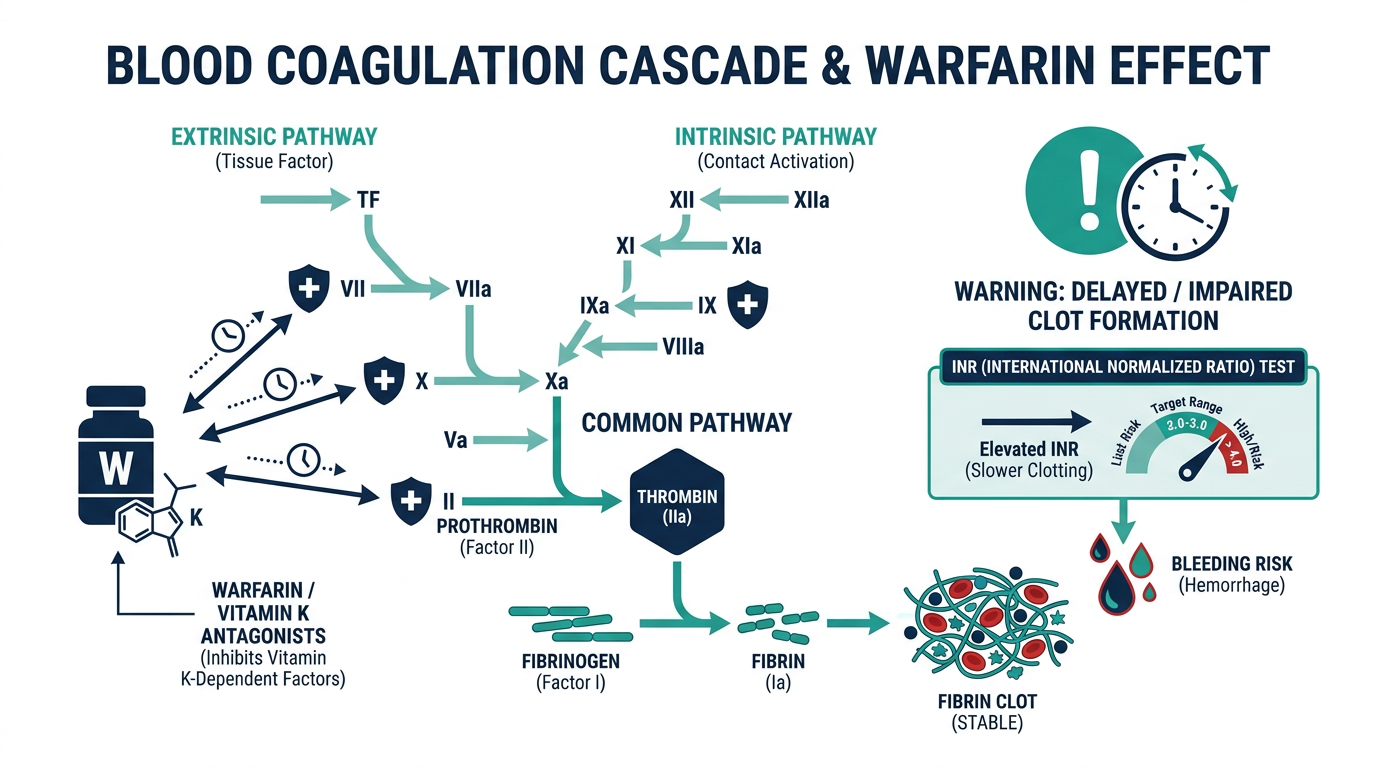
Knowing what the INR measures makes every other decision clearer. The test grows out of the prothrombin time, or PT, which times how long a sample of your plasma takes to clot after a clotting trigger (tissue factor) is added. That clotting depends on a group of proteins called the extrinsic and common pathway clotting factors, several of which the liver builds using vitamin K.
The problem the INR solves is standardization. Different labs use different clotting reagents, so a raw PT of 15 seconds at one lab is not the same as 15 seconds at another. The INR corrects for this by dividing your PT by a normal reference PT and raising it to a factor (the ISI) that accounts for the reagent used. The result is a number that reads the same anywhere: an INR of 2.5 in one city means the same clotting tendency as an INR of 2.5 in another.
Warfarin fits directly into this picture. It blocks the recycling of vitamin K, which starves the liver of the raw material for factors II, VII, IX, and X. As those factors fall, clotting slows, the PT lengthens, and the INR rises. This is also why warfarin takes days to work and days to wear off: existing clotting factors must be used up before the effect appears, and new ones must be rebuilt after a dose change. The lag is the single most important thing to understand about steering an INR.

Target INR ranges by condition
There is no universal “good” INR, because the target is set to balance clot prevention against bleeding risk for your specific reason for anticoagulation. Aiming too low leaves you at risk of the clot the drug is meant to prevent; aiming too high raises bleeding risk. These commonly used targets illustrate the range.
| Reason for warfarin | Typical INR target |
|---|---|
| Atrial fibrillation (stroke prevention) | 2.0 to 3.0 |
| Deep vein thrombosis or pulmonary embolism | 2.0 to 3.0 |
| Most tissue (bioprosthetic) heart valves | 2.0 to 3.0 |
| Certain mechanical heart valves | 2.5 to 3.5 (higher for some valve types and positions) |
| Person not on any anticoagulant | About 0.8 to 1.1 |
The lesson is that “high” is personal. An INR of 3.2 is mildly above target for atrial fibrillation but can sit inside the target for a high-risk mechanical valve. Always interpret your number against the target your own clinician has set, not against a generic range.
Drug, food, and supplement interactions that push INR up
Warfarin is famous for interactions because so many everyday substances change how it is metabolized or how much vitamin K is available. Knowing the big categories helps you spot the likely reason for a spike and flag it to your clinic.
- Antibiotics: many, including metronidazole, trimethoprim-sulfamethoxazole, and several others, raise INR by disrupting gut bacteria that make vitamin K or by slowing warfarin breakdown. A new antibiotic is one of the most common triggers of a sudden high INR.
- Antifungals and amiodarone: these slow the liver enzymes that clear warfarin, so the same dose becomes stronger.
- Sudden drop in dietary vitamin K: eating far fewer leafy greens than usual (illness, poor appetite, a new diet) removes warfarin’s natural counterweight and pushes INR up.
- Alcohol: a heavy binge can raise INR sharply, while chronic heavy use can have the opposite effect over time, making alcohol especially unpredictable.
- Supplements: fish oil, ginkgo, vitamin E, and some herbal products can add to bleeding tendency; others, like high-dose vitamin K supplements, lower INR.
- Acute illness and liver stress: fever, infection, heart failure, and liver problems all reduce clotting factor production and can lift INR.
The practical rule is simple: treat any new medicine, supplement, or major diet change as a reason to tell your anticoagulation clinic, because it may warrant an earlier INR check.
How INR relates to other clotting tests
The INR is one piece of a small family of coagulation tests, and knowing what the others measure helps you understand why your doctor may order more than one.
- PT (prothrombin time): the raw test the INR is derived from. It reflects the extrinsic and common clotting pathways and is most sensitive to warfarin and liver function.
- aPTT (activated partial thromboplastin time): checks a different arm of clotting (the intrinsic pathway) and is used to monitor heparin, not warfarin. A high aPTT points to different causes than a high INR.
- Fibrinogen: measures the protein that forms the final clot mesh; low levels can prolong clotting.
- D-dimer: flags recent clot breakdown and helps assess whether a clot is present, a separate question from how thin the blood is.
- Platelet count: a low platelet count causes bleeding through a different mechanism than a high INR, so both are checked when bleeding is unexplained.
When someone who is not on warfarin has a high INR, clinicians read the PT and aPTT together to localize the problem. A high PT and INR with a normal aPTT often points toward the extrinsic pathway or early liver disease, whereas both being prolonged suggests a broader clotting factor problem.
Self-testing, monitoring, and time in therapeutic range
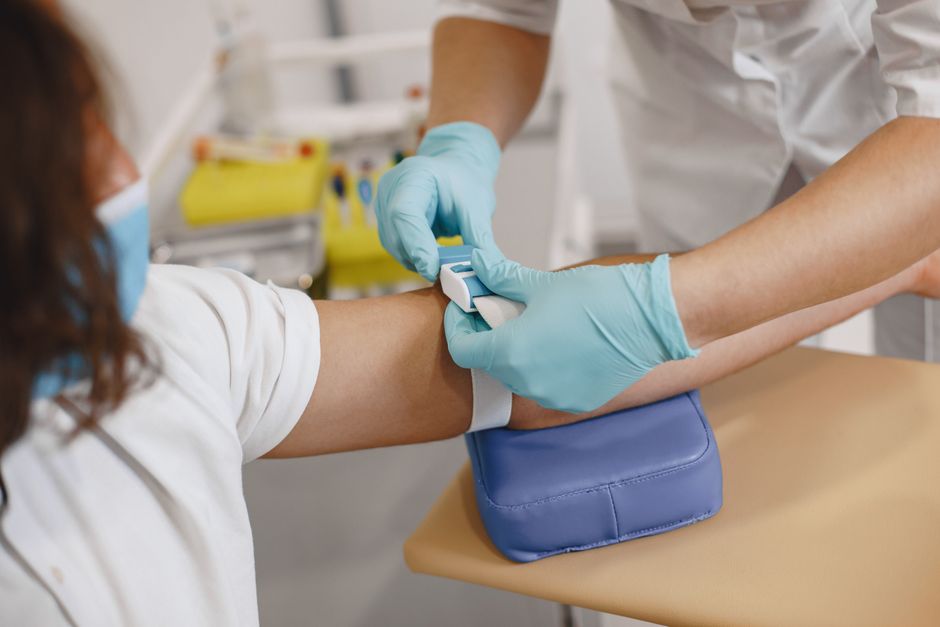
Because warfarin is so sensitive to daily change, monitoring is the core of using it safely. Many patients test in a clinic, but some use a home INR monitor with a fingerstick, which allows more frequent checks and, for suitable patients, self-management of doses under a clinic’s protocol.
The metric that matters most is not any single reading but time in therapeutic range, the percentage of time your INR stays within your target band. A higher time in range is linked to fewer clots and fewer bleeds, which is why clinics focus on stability rather than chasing a perfect number on any given day. Practical habits that improve stability include taking warfarin at the same time daily, keeping vitamin K intake consistent rather than avoiding greens entirely, reporting new medicines promptly, and keeping every recheck appointment even when you feel fine. A short written log of doses, diet changes, illnesses, and new drugs is one of the most useful tools a patient can bring to each visit, because it turns a confusing spike into an explainable one.
A note on newer blood thinners (DOACs)
Not every anticoagulant needs INR monitoring. Direct oral anticoagulants (DOACs) such as apixaban, rivaroxaban, dabigatran, and edoxaban work by blocking a single clotting factor directly and have more predictable effects, so they are generally taken at fixed doses without routine INR testing. This matters for interpreting your result: the INR is designed to monitor warfarin, and it is not a reliable way to measure the effect of a DOAC. If you take a DOAC and see an INR result, do not use it to judge your dose, because the test does not track those drugs the way it tracks warfarin. Warfarin remains the standard in specific situations, such as mechanical heart valves and some other conditions, where the INR stays essential. The takeaway is to know which drug you are on, because it determines whether the INR is the right tool at all.
Common misconceptions about a high INR
A few myths cause unnecessary worry or, worse, unsafe self-adjustment.
- “Any INR above 3 is an emergency.” For most warfarin targets, a mildly high INR without bleeding is managed by holding or adjusting the dose and rechecking, not by rushing to the emergency room.
- “I should avoid all leafy greens on warfarin.” Consistency matters more than avoidance. Wild swings in vitamin K intake destabilize INR; a steady, moderate amount of greens is easier to dose around.
- “I can lower a high INR myself by taking vitamin K.” Self-dosing vitamin K can overcorrect and make warfarin stop working, raising clot risk. Any vitamin K should be taken only under clinic direction.
- “One high reading means my dose is wrong.” A single value swings with diet, illness, and timing. Clinicians look at the trend and time in range, not one number.
- “A high INR always means too much warfarin.” In people not on warfarin, a high INR can reflect liver disease or vitamin K deficiency, so the cause must be investigated rather than assumed.
How often is INR checked, and why the schedule changes
One of the most confusing parts of warfarin for new patients is why testing is frequent at first and then spaces out. The rhythm is not arbitrary. It tracks how settled your dose has become, and it tightens again any time something could shift the number.
- When you first start: INR is checked often, sometimes every few days, because it takes time for the drug to reach a steady effect and for the clinic to learn how your body responds. Early readings guide dose changes before a stable pattern emerges.
- As you stabilize: once your INR sits in range across several checks, the interval stretches out, often to every couple of weeks and then, for very stable patients, up to about once a month.
- When something changes: a new medication, an illness, a hospital stay, a diet shift, or a dose adjustment usually triggers an earlier recheck, because any of these can move the number before the next scheduled test.
The underlying logic is that a lone in-range reading is only reassuring if it reflects a settled system. Frequent early testing buys that stability, and the spacing you earn later is a sign your dose and habits have become predictable. If your clinic suddenly asks you to come in sooner, it is almost always because a new variable entered the picture, not because anything has gone wrong.
Travel, routine changes, and keeping INR steady
Because INR is so sensitive to daily habits, the situations that disrupt a routine are exactly the ones that tend to nudge it out of range. Travel is the classic example, and a little planning prevents most of the trouble.
- Time zones and dosing. Warfarin is best taken at the same time each day. Crossing time zones can blur that timing, so it helps to decide in advance how you will keep doses roughly 24 hours apart and to carry the medication in your hand luggage so a delay never means a missed dose.
- Different food. A trip often means unfamiliar meals and a sudden change in how many leafy greens you eat. Since consistency matters more than avoidance, aiming for a broadly similar amount of vitamin K rich food keeps the number steadier than swinging from none to a lot.
- Illness on the road. A stomach bug, fever, or a course of antibiotics started while traveling can move INR quickly. It is worth knowing where you could get an INR check if a trip is long, and telling any new prescriber that you take warfarin.
- Alcohol. Vacations often mean more drinking, and a heavy binge can raise INR sharply, so moderation is part of keeping the number stable.
None of this means life on warfarin has to be rigid. It means the drug rewards a steady routine, and when a change to that routine is unavoidable, flagging it to your clinic and keeping a short log of what changed is what lets them keep you safely in range.
Don’t just read about your health, track it.
A single result is a snapshot. Superpower re-tests 100+ markers over time so you can watch them move as you change sleep, food, and training.
Frequently asked questions
Is an INR of 4 dangerous?
An INR of 4 is above the usual 2.0 to 3.0 warfarin target and raises bleeding risk, but it is often managed by holding or lowering your dose and rechecking, not as an emergency. Call your anticoagulation clinic the same day for instructions, and watch for any bleeding.
What INR level is too high?
Bleeding risk rises clearly once INR goes above 5.0, and an INR over 10.0 is considered critically high and needs same-day medical care (StatPearls, NCBI). Any high INR combined with active bleeding is an emergency regardless of the exact number.
How can I lower my INR quickly?
Do not self-treat. Lowering INR safely means holding warfarin and, when needed, taking vitamin K under medical direction. Eating more vitamin K rich greens lowers INR over a day or two, but only change anything after talking to the clinic managing your blood thinner.
Can dehydration or illness raise INR?
Yes. Fever, infection, diarrhea, poor appetite, and liver stress can all push INR higher, partly by reducing vitamin K intake and absorption. Tell your clinic if you have been sick, since they may want to recheck your INR sooner than scheduled.
What does a high INR mean if I do not take warfarin?
In someone not on a blood thinner, a high INR can signal liver disease, vitamin K deficiency, or a clotting factor problem, because the liver makes most clotting proteins. Your doctor will order follow-up tests to find the cause rather than assume it is medication related.
Sources
- Cleveland Clinic, Prothrombin Time (PT/INR) Test
- MedlinePlus, Prothrombin Time Test and INR (PT/INR)
- StatPearls (NCBI Bookshelf), Warfarin
- StatPearls (NCBI Bookshelf), International Normalized Ratio: Assessment, Monitoring, and Clinical Implications
- NCBI PMC, Risk Factors for Bleeding in Hospitalized Patients with Elevated INR
This article is for general educational purposes and is not medical advice. It cannot diagnose or treat you and does not replace your clinician. Always discuss your lab results and any health decisions with a qualified healthcare professional.
Related: compare the best at-home biomarker and blood tests.
Vital Signs Today may earn a commission if you buy through links on this page. It does not affect our editorial assessments.