Disclosure: Vital Signs Today may earn a commission if you buy through links on this page, at no extra cost to you. This does not influence our evidence-based assessments. We are not a medical provider; talk to a clinician before acting on test results.
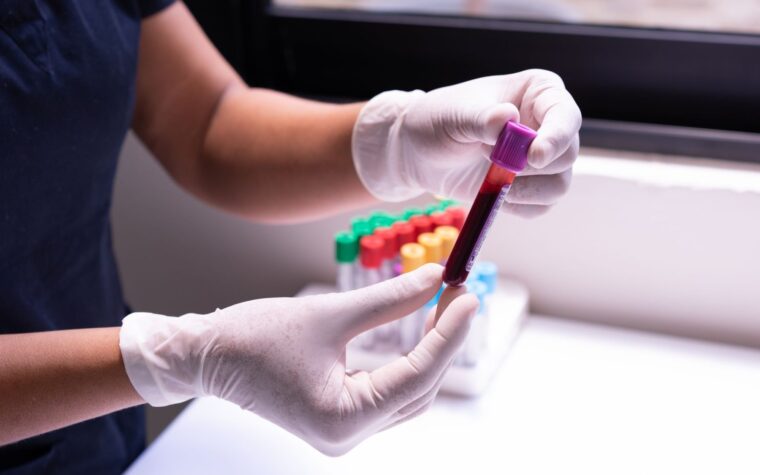
Quick answer: A comprehensive blood panel is a single draw that measures dozens of markers across your metabolism, organs, blood cells, hormones, and inflammation, far more than the basic 14-marker chemistry your doctor usually orders. In 2026, the easiest way to get one without a referral is a direct-to-consumer membership: Superpower runs 100+ biomarkers for $199 a year and turns the numbers into plain-language scores and an action plan, which is why it is our default pick for most people. Function Health goes broader at 160+ markers for $365 if you want maximum coverage and a clinician-style write-up.
Disclosure: Vital Signs Today may earn a commission if you buy through links on this page, at no extra cost to you. This does not influence our evidence-based assessments. We are not a medical provider; talk to a clinician before acting on test results.
| Service | Best for | Pricing | Visit |
|---|---|---|---|
| Superpower | Whole-body optimization | ~$179/yr membership | View › |
| Function Health | Annual deep panel | Annual membership | View › |
What a comprehensive blood panel actually includes
The phrase “comprehensive blood panel” gets thrown around loosely, so let us be precise. In a clinical setting, a Comprehensive Metabolic Panel (CMP) is a specific 14-test order covering glucose, kidney markers, liver enzymes, electrolytes, and protein. That is the doctor’s-office definition, and it is narrower than most people expect.
What people usually mean by comprehensive blood work today is the consumer version: a wide screening draw that bundles the CMP together with a complete blood count, a full lipid panel, thyroid, key vitamins, hormones, and inflammation markers all at once. That is the kind of comprehensive blood panel test the direct-to-consumer brands sell, and it is what this guide focuses on.
A genuinely broad panel typically spans these systems:
- Metabolic and blood sugar: fasting glucose, HbA1c, insulin, and the kidney markers (creatinine, eGFR, BUN) from the CMP.
- Cardiovascular and lipids: total cholesterol, LDL, HDL, triglycerides, and on better panels ApoB and Lp(a), which standard lipid tests skip.
- Complete blood count (CBC): red and white cells, hemoglobin, hematocrit, and platelets, which flag anemia, infection, and clotting issues.
- Liver and kidney: ALT, AST, alkaline phosphatase, bilirubin, albumin.
- Thyroid: TSH, and on deeper panels free T3, free T4, and antibodies.
- Hormones: testosterone, estradiol, cortisol, DHEA, and sex-hormone binding globulin.
- Nutrients: vitamin D, B12, folate, ferritin, and magnesium.
- Inflammation: high-sensitivity CRP and sometimes homocysteine.
A basic doctor’s draw might hit 15 to 25 of these. A comprehensive blood work membership like the ones below hits 100 or more, including ratios and calculated scores you would not get from a standalone CMP.
What the most important numbers actually mean
Breadth is only useful if you know which markers carry weight. A handful do most of the early-warning work, and knowing their rough ranges helps you read a panel without spiraling. Keep one caveat in mind throughout: reference ranges vary between labs, and an “optimal” target is often tighter than the standard range printed next to your result, so treat these as orientation, not verdicts.
- HbA1c reflects your average blood sugar over about three months. Standard labs flag prediabetes around 5.7% and diabetes at 6.5%, but many clinicians consider the low-to-mid 5s a healthier target. It rises quietly for years, which is why it beats a single fasting glucose for catching insulin trouble early.
- Fasting insulin is the marker a basic panel almost always skips, and it can be elevated long before glucose or HbA1c move. A rising fasting insulin with still-normal glucose is the classic early signature of insulin resistance.
- ApoB counts the actual number of atherogenic particles, and many lipidologists now consider it a better cardiovascular risk marker than LDL cholesterol alone. Standard lipid panels leave it out, which is a large part of why a comprehensive panel is worth the extra markers.
- hs-CRP measures low-grade inflammation. Under roughly 1 mg/L is generally considered low risk, 1 to 3 mg/L average, and above 3 mg/L higher, though a recent cold, injury, or hard workout can spike it temporarily and cause a false alarm.
- Ferritin is your iron store. It runs low in people who are iron deficient (common in menstruating women and endurance athletes) but is also an inflammation marker, so a high reading can reflect inflammation rather than iron overload. This is why single markers mislead and clusters inform.
- TSH is the front door to thyroid function. It sits outside the tighter optimal window in many people who feel fine, so a mild flag usually warrants free T3, free T4, and a retest rather than immediate concern.
Notice the pattern. The markers that a comprehensive panel adds over a basic draw are precisely the ones that move silently and reward early detection. That is the case for breadth in one paragraph.
Comprehensive blood panel vs a basic panel: why the gap matters
The simplest way to actually get this done
Superpower is a full-body lab membership that runs 100+ biomarkers, has each result reviewed by a doctor, and tracks your numbers year over year (about $199/year). It is what we point readers to when they would rather get one clean, complete draw than chase single tests one at a time. Here is superpower reviewed in full.
Here is the editorial point of view that drives this whole category: the markers most likely to catch a problem early are exactly the ones a routine physical leaves out. A standard annual check tends to cover glucose, a basic lipid panel, and a CBC. It rarely includes HbA1c trends, ApoB, hs-CRP, ferritin, or a full hormone read unless you specifically ask or already have symptoms.
That gap is the entire reason the comprehensive blood panel test market exists. You are paying to see the markers that move quietly for years before they show up as a diagnosis. Insulin resistance, for example, is visible in fasting insulin and HbA1c long before fasting glucose crosses the diabetic line.
The tradeoff is honest and worth stating: a broader panel means more numbers, and more numbers means a higher chance something lands slightly outside the reference range with no clinical meaning at all. That is not a reason to avoid testing. It is a reason to test with a service that helps you interpret results rather than dumping a PDF on you.
What a flag usually means, and what to do next
Most out-of-range values on a first comprehensive panel are not emergencies, and knowing the common causes keeps you calm. A high fasting glucose or HbA1c points toward metabolic strain from diet, weight, sleep debt, or stress, and the next move is lifestyle change plus a retest in a few months, not panic. A low ferritin usually means iron deficiency, worth investigating especially in menstruating women, endurance athletes, or anyone with fatigue. A high hs-CRP is often transient, tied to a recent illness or intense exercise, so the right response is to recheck after you have recovered rather than assume chronic inflammation. A borderline TSH generally calls for the fuller thyroid markers before any conclusion.
The through-line: a single flag is a prompt to look closer, cluster it with related markers, and retest, not a diagnosis. That is exactly why the interpretation layer matters more than the raw marker count. A wide panel with no help reading it can create more anxiety than insight.
The best ways to get a comprehensive blood panel in 2026
You have three realistic routes: ask your doctor and route it through insurance, order an a-la-carte panel from a national lab, or buy a direct-to-consumer membership. Each has a place.
Superpower: best all-around comprehensive blood panel
Superpower is a $199-per-year membership that includes one comprehensive annual blood draw covering 100+ biomarkers, roughly 150 once you count calculated ratios. What sets it apart for a first-timer is not just the marker count but the translation layer: 17 plain-language health scores, a personalized action plan, and an AI concierge you can actually chat with about a confusing result at 11pm.
It is a screening and tracking service, not a diagnostic clinic, so think of it as the smartest way to establish a baseline and watch it over time rather than a replacement for a doctor. Note that members in New York and New Jersey pay $399 because of stricter state lab rules. For the breadth you get, the per-marker cost is hard to beat, which is why it earns our top spot.
Full-body lab membership: 100+ biomarkers, doctor-reviewed, tracked over time.
Function Health: most clinically thorough
Function Health runs 160+ biomarkers for $365 a year, with two draws per year plus a urinalysis and a 6-month retest built in. That cadence is genuinely useful if you are managing something specific and want to see whether a change worked within months, not a full year. The write-ups lean more clinical, and the AI chat layer is newer than Superpower’s.
If you want the widest possible net and a more medical tone, Function is the stronger choice and we say so plainly. For most people building a first comprehensive baseline, the extra markers cover diminishing-return territory, and the price gap is real. That is the call each reader has to make against their own goals.
National lab a-la-carte (Quest, Labcorp)
You can also order individual panels or a bundled comprehensive draw directly from a national lab’s consumer arm. This works well if you only want a handful of markers or your doctor has told you exactly what to recheck. Pricing is per-test and adds up fast once you start stacking panels, and you are mostly on your own to interpret the results. We would not state a precise current price here because these change often; check the provider for current pricing before you build a basket.
Through your doctor and insurance
If you have symptoms or a known condition, this is the right first stop, and it may be covered. The catch is scope: insurance generally pays for what is medically necessary, not for a broad optimization-style screen. Ask for the specific markers you want added, and expect some to be declined as not indicated.
What a comprehensive blood panel costs in 2026
Cost is where the membership model gets interesting. On a pure dollars-per-marker basis, the DTC memberships are often cheaper than assembling the same comprehensive blood work from individual lab orders.
- Superpower: $199 per year for 100+ markers, one annual draw, scores, and action plan ($399 in NY and NJ).
- Function Health: $365 per year for 160+ markers, two draws, urinalysis, and a 6-month retest.
- National lab a-la-carte: per-test pricing; a true comprehensive basket frequently lands in the same range or higher once you add hormones, vitamins, and inflammation markers. See the provider for current pricing.
- Doctor plus insurance: potentially low out-of-pocket for medically necessary tests, but limited coverage for optimization-style breadth.
The honest framing: if you want one number, order one test. If you want a wide screen and the help to read it, a membership usually wins on both price and clarity. The catch with memberships is that the value depends on you actually using the dashboard and retesting, otherwise you have paid for a one-time PDF.
Run the cost-per-marker arithmetic and the membership case sharpens. At $199 across 100+ biomarkers, Superpower’s cost per marker is a fraction of what you pay assembling the same breadth from individual lab orders, where each hormone, vitamin, and inflammation add-on is its own line item. The a-la-carte route only wins when you genuinely want just a handful of markers. The moment your basket includes a full metabolic workup, a lipid panel with ApoB, thyroid, a hormone or two, vitamin D, ferritin, and hs-CRP, the individual-test total typically meets or exceeds a membership that already bundles all of it and scores it for you.
There is a non-dollar cost worth weighing too. Individual lab orders hand you disconnected results with no interpretation, so you carry the burden of stitching them into a picture and deciding what matters. A membership that returns plain-language scores and an action plan removes that burden, which for most first-timers is worth as much as the price difference. The one honest caveat: a membership only pays off if you use the dashboard and actually retest against your baseline. Buy it, run one draw, and never look again, and you have paid a premium for a single PDF.
How to prep so your comprehensive panel is accurate
A wide panel is only as trustworthy as the prep behind it, and a surprising number of false flags trace back to preventable mistakes on the morning of the draw. Get these right and you strip out most of the noise before it ever reaches your dashboard.
- Fast 8 to 12 hours. Glucose, insulin, and a full lipid panel need a proper fast. A morning coffee with cream or an early breakfast can push triglycerides and glucose into a flag that is not real. Water is fine and actually helps.
- Book a morning slot. Several hormones, especially cortisol and testosterone, run highest in the morning, so an afternoon draw can read misleadingly low for reasons that have nothing to do with your health.
- Skip the pre-test workout. A hard session in the 24 to 48 hours before a draw can elevate liver enzymes (AST and ALT), creatine kinase, and hs-CRP, because muscle stress and inflammation show up in the blood.
- Hydrate well. Dehydration concentrates the sample and can inflate hemoglobin, hematocrit, and creatinine, nudging otherwise-normal values into flag territory.
- Mind your supplements and meds. High-dose biotin can distort thyroid and hormone immunoassays, so pause it for a few days beforehand. Note any medications, since some shift specific markers, and tell your clinician when interpreting.
Do these five things and the panel measures your physiology, not your morning routine. A wrongly-flagged marker is the most expensive kind, because it either triggers needless worry or a repeat draw.
How to read your results without panicking
A wide panel will almost always return at least one flagged value. Before you spiral, remember three things. First, reference ranges are population averages, not personal targets, and being slightly off one is common and frequently meaningless. Second, trends beat snapshots, which is the entire argument for a service that retests and charts your markers over time. Third, the markers that matter most for long-term risk, like ApoB, HbA1c, and hs-CRP, deserve more attention than a single off-by-a-hair liver enzyme.
This article is educational and is not medical advice. It does not diagnose anything. Any result that falls outside the normal range, or any pattern that worries you, should be reviewed with a licensed clinician who knows your history before you act on it.
A realistic first-panel scenario
Consider a 42-year-old who feels fine, exercises a few times a week, and has never had more than a basic annual physical. Their doctor’s draws have always covered glucose, a basic lipid panel, and a blood count, and everything came back normal. They buy a comprehensive panel mostly out of curiosity. The results come back with most markers green, one mildly elevated hs-CRP, a fasting insulin at the high end of normal, and an ApoB their basic panels never measured sitting above the optimal range despite a normal LDL.
Here is why that panel earned its price. The high-normal fasting insulin and elevated ApoB are exactly the quiet, early signals a basic draw would never have surfaced, and both are addressable years before they would show up as a diagnosis. The mildly high hs-CRP is likely transient, tied to a hard workout that week, so the sensible move is to recheck it after recovery rather than worry. Nothing here is an emergency. But the panel turned “I feel fine” into a short, specific list of two markers worth watching and acting on, which is precisely the job a comprehensive screen is supposed to do.
Contrast that with a first-timer who buys the same panel, sees eight harmless flags, has no framework to prioritize them, and spends a week anxious over values that mean nothing. Same test, opposite experience. The deciding factor is not the marker count. It is whether the service hands back interpretation and a plan, and whether you approach the results with the triage mindset above.
Related reading on Vital Signs Today
- Complete Blood Panel vs Comprehensive Panel: What’s the Difference?
- Best Comprehensive Blood Test (2026): Top Full-Body Options Ranked
- Superpower Blood Test Review (2026): Is It Worth the Membership?
- How Much Does Superpower Cost? Full 2026 Pricing Breakdown
Frequently asked questions
What is included in a comprehensive blood panel?
A comprehensive blood panel typically includes a complete blood count, a comprehensive metabolic panel, a full lipid profile, thyroid markers, key vitamins like D, B12, and ferritin, hormones, and inflammation markers such as hs-CRP. Consumer comprehensive blood work memberships bundle 100 or more of these into one draw, well beyond the 14-test CMP your doctor’s office runs by default.
How much does a comprehensive blood panel cost?
In 2026, a direct-to-consumer comprehensive blood panel runs roughly $199 to $365 per year. Superpower is $199 for 100+ markers ($399 in New York and New Jersey), and Function Health is $365 for 160+ markers with two draws. Ordering equivalent comprehensive blood work a-la-carte from a national lab often costs the same or more once you add hormones and vitamins.
Is a comprehensive blood panel the same as a CMP?
No. A CMP, or comprehensive metabolic panel, is a specific 14-test order covering glucose, kidney, liver, electrolytes, and protein. A comprehensive blood panel in the consumer sense is much broader, bundling the CMP together with a CBC, lipids, thyroid, hormones, vitamins, and inflammation markers in a single comprehensive blood panel test.
Can I get a comprehensive blood panel without a doctor?
Yes. Direct-to-consumer services like Superpower and Function Health let you order a comprehensive blood panel test online, get your blood drawn at a partner location, and receive results without a referral. They are screening and tracking tools, not diagnostic clinics, so any concerning result should still be reviewed with a clinician.
How often should I get comprehensive blood work?
For most healthy adults using a panel to track and optimize, once a year is a sensible baseline, which is why annual memberships are structured that way. If you are actively changing something, such as a new medication, diet, or training block, a 6-month retest helps you see whether it worked. Function Health builds that retest in; with Superpower you can retest as your goals require.
Do I need to fast before a comprehensive blood panel?
Yes, for the metabolic and lipid markers. Glucose, insulin, and a full cholesterol panel want an 8 to 12 hour fast, so plan a morning draw with only water beforehand. Skipping the fast is one of the most common ways people end up with a falsely flagged triglyceride or glucose value and a wasted re-draw. Hydration actually helps, since dehydration can distort several markers.
Which markers on a comprehensive panel matter most?
For long-term risk, the ones a basic draw usually skips carry the most weight: ApoB for cardiovascular particle count, HbA1c and fasting insulin for early metabolic trouble, hs-CRP for inflammation, and ferritin for iron status. These move quietly for years before a diagnosis appears, which is the entire reason to pay for breadth beyond the standard 14-test metabolic panel.
What should I do if my comprehensive panel comes back with several flags?
Do not panic. Reference ranges capture the middle 95% of a population, so a healthy person testing 100+ markers will often see a stray flag or two purely by chance. Triage: attend to values that are far out of range or tied to a symptom you have, cluster related markers rather than reading them alone, and use a retest to tell a real trend from a one-time wobble. Take the two or three that matter to a clinician.