Quick answer: A zinc blood test measures the concentration of zinc in your plasma or serum to determine whether you are deficient, adequate, or overloaded. Normal plasma zinc in adults runs roughly 60 to 120 mcg/dL, though labs vary slightly. Low levels show up in poor wound healing, chronic infections, hair loss, and loss of taste and smell. High levels usually trace back to supplement overuse or occupational exposure, not diet alone. Testing takes one standard blood draw, results are back within one to three business days, and the cash price at direct-to-consumer labs ranges from about $29 to $75.
What Does a Zinc Blood Test Actually Measure?
The zinc blood test quantifies elemental zinc circulating in your plasma or serum, giving a snapshot of zinc status at a single point in time. Plasma is the preferred specimen: red blood cells contain roughly ten times more zinc than plasma, so even mild hemolysis (the release of red cell contents during handling) can artificially inflate the result. A good lab explicitly reports whether the sample hemolyzed.
Zinc is an essential trace mineral involved in more than 300 enzymatic reactions. It stabilizes cell membranes, fuels immune cell proliferation, catalyzes wound healing, supports DNA synthesis, and is required for normal taste and smell perception via gustin, a zinc-dependent salivary protein. Despite this broad importance, the body carries only 2 to 4 grams total, with no dedicated storage depot. That means a few weeks of inadequate intake can tip levels into deficiency territory.
One detail that surprises people: plasma zinc is a relatively insensitive marker of mild deficiency. The body defends plasma concentration at the expense of tissue zinc, so your blood value can sit in the low-normal range while your cellular zinc is already depleted. Clinicians sometimes pair zinc with alkaline phosphatase (a zinc-dependent enzyme whose activity drops with deficiency) or with copper to sharpen the picture.
What the test cannot tell you: intracellular or tissue zinc status, zinc absorption capacity, or whether a deficiency stems from poor intake versus malabsorption versus a competing mineral (copper and iron both compete for the same transporter). That context comes from history and other labs.
Zinc Normal Range: Reading Your Lab Report
Most US clinical laboratories report plasma zinc reference intervals somewhere between 60 and 120 mcg/dL for adults, but the exact cutoffs differ by method, specimen type, and population reference set.
| Category | Plasma Zinc (mcg/dL) | Clinical interpretation |
|---|---|---|
| Deficient | Below 60 | Likely symptomatic; investigate cause |
| Low-normal (borderline) | 60 to 74 | May reflect early deficiency, especially if symptoms present |
| Optimal | 75 to 110 | Typical healthy adult range |
| High-normal | 111 to 120 | Often from supplementation; rarely harmful |
| Elevated | Above 120 | Investigate supplement dose, copper depletion, toxicity |
A few things shift where your number lands. Plasma zinc follows a diurnal rhythm: it is highest in the morning before eating and drops 15 to 20 percent after a meal. Most reference ranges were established in fasted morning specimens. If your draw was mid-afternoon after lunch, a result of 68 mcg/dL might be entirely normal, not borderline low. Some labs flag this; many do not.
Acute illness, surgery, and stress all suppress plasma zinc rapidly via cytokine-driven redistribution into the liver. A low zinc on a routine panel drawn during an active infection is not reliable evidence of chronic deficiency. Retesting after recovery is worth the small extra cost.
Pregnancy lowers plasma zinc physiologically, so pregnant women are assessed against pregnancy-specific norms, which run about 10 to 15 mcg/dL lower than the adult reference. This is one area where comparing your value to a generic printed range will mislead you. Talk to your OB about what threshold they use.
Zinc Deficiency Symptoms: When to Order the Test
Zinc deficiency produces a recognizable symptom cluster once plasma zinc drops below roughly 60 mcg/dL, though earlier cellular depletion can be subtly symptomatic at levels that still read as low-normal.
- Impaired wound healing Zinc is required for collagen synthesis and epithelial repair. A surgical wound, skin ulcer, or minor cut that heals slower than expected is a legitimate clinical trigger for testing.
- Recurrent infections and slow immune recovery T-lymphocyte maturation and natural killer cell function both depend on zinc. People who catch every respiratory illness circulating through the office, or who take weeks to fully recover from a cold, sometimes turn out to be deficient.
- Anosmia or hyposmia / altered taste Loss of smell or a persistent metallic or blunted taste can trace to low zinc. This symptom cluster is what connects zinc deficiency to post-viral conditions as well.
- Diffuse hair thinning Zinc deficiency is a reversible cause of telogen effluvium (diffuse shedding). Testing zinc alongside ferritin, thyroid, and vitamin D is standard in a hair loss workup.
- Skin changes Acrodermatitis enteropathica, the severe genetic form, causes perioral and acral rash. Milder deficiency can present as persistent dry skin, slow-healing acne lesions, or seborrheic dermatitis-like scaling.
- Poor appetite, nausea Zinc is involved in ghrelin signaling. Unexplained anorexia, particularly in older adults, warrants a zinc check.
- Growth delay in children Zinc deficiency is one of the more common nutrient deficiencies contributing to stunting globally, and it is underrecognized in US children with restricted diets.
Groups at highest risk: people with inflammatory bowel disease or celiac (malabsorption), vegans and strict vegetarians (phytate in legumes and grains binds zinc and reduces absorption by 40 to 50 percent compared to omnivorous diets), heavy alcohol users, older adults eating limited variety, people on long-term proton pump inhibitors, and anyone taking high-dose iron or copper supplements that compete for absorption.
If any of these descriptions fit, adding zinc to your next draw makes sense. A complete blood panel often catches the first hints of deficiency via low alkaline phosphatase, which flags the need to look further.
High Zinc Causes: What Elevated Results Actually Mean
High plasma zinc in a patient who is not acutely ill and not in a specialized industrial setting almost always comes from supplement overuse. The US tolerable upper intake level for zinc is 40 mg per day for adults. Many popular immune-support products deliver 25 to 50 mg per capsule, and people routinely stack multiple products without realizing the cumulative dose.
The real danger of chronic high zinc is not direct toxicity from zinc itself at modest excesses; it is copper depletion. Zinc upregulates metallothionein in intestinal cells, and metallothionein binds copper with higher affinity than zinc, sequestering it and blocking absorption. Sustained zinc supplementation above 50 mg per day can cause frank copper deficiency within months, producing anemia, neurological symptoms (subacute combined degeneration of the cord), and neutropenia. This zinc-copper antagonism is why testing the two together is standard practice when either one is out of range.
Other causes of elevated zinc worth knowing:
- Occupational exposure (welders, electroplating, galvanizing workers)
- Zinc-containing dental adhesives used in large amounts over years (documented cases of myelopathy from this route)
- Hemolysis in the specimen, which inflates the measured value and is not a true elevation
- Some zinc-fortified medical nutrition products (tube feeding formulas)
A truly elevated result paired with symptoms of copper deficiency (fatigue, weakness, gait disturbance, low white cell count) warrants urgent evaluation. Add a serum copper and ceruloplasmin to the follow-up draw.
The Zinc-to-Copper Ratio: A More Complete Picture
Measuring zinc alone without copper misses a dimension that many functional medicine clinicians consider more informative than either value in isolation. The zinc-to-copper ratio is calculated by dividing your plasma zinc (mcg/dL) by your serum copper (mcg/dL). A ratio between 0.7 and 1.0 is generally considered balanced in adults.
| Zinc:Copper Ratio | Interpretation | Common clinical context |
|---|---|---|
| Below 0.7 | Copper-dominant / zinc-relative deficiency | Chronic stress, estrogen excess, some autoimmune conditions |
| 0.7 to 1.0 | Balanced | Target range for most adults |
| Above 1.3 | Zinc-dominant / copper-relative deficiency | High-dose zinc supplementation, low dietary copper |
Copper is a pro-oxidant at high tissue levels and an essential cofactor for ceruloplasmin, cytochrome c oxidase, and dopamine beta-hydroxylase at physiologic levels. A low zinc-to-copper ratio has been associated with elevated inflammatory markers, oxidative stress burden, and a handful of psychiatric and autoimmune conditions in the research literature. Whether correcting the ratio through supplementation improves clinical outcomes is not yet proven at the level of large randomized trials, so interpret this metric as a hypothesis-generator, not a standalone diagnosis.
If you are tracking multiple micronutrients as part of a baseline health audit, the combination of zinc, copper, and ceruloplasmin is more informative than any single value. This kind of multi-biomarker approach is exactly what the best biomarkers to test framework recommends for a meaningful baseline.
Zinc Test Cost: What to Expect Without Insurance
Zinc blood tests are relatively affordable in the direct-to-consumer market but vary depending on how you order.
| Ordering route | Typical cash price (2026) | Notes |
|---|---|---|
| Direct-to-consumer (Quest, Labcorp portal) | $29 to $60 | Order online, walk into any draw site |
| Primary care or specialist order | $15 to $40 after insurance negotiated rate; $80 to $200 billed cash | Highly variable; check your EOB |
| Comprehensive membership panel | Bundled (e.g., ~$199/year for 100+ markers) | Zinc included with dozens of other biomarkers |
| Urgent care or retail clinic | $50 to $150 collection fee plus lab cost | Convenient but rarely the cheapest |
HSA and FSA funds cover blood tests ordered by or on behalf of a diagnosed or suspected medical condition, which applies to most clinical zinc draws. Self-ordered wellness panels typically do not qualify for HSA/FSA reimbursement unless accompanied by a letter of medical necessity.
Medicare covers zinc testing under certain diagnostic conditions (malnutrition workup, wound care management, parenteral nutrition monitoring) but not as a routine wellness screen. If your clinician lists the correct ICD-10 code, you will likely have no out-of-pocket cost. If it is ordered as general wellness without a diagnosis, Medicare will not pay and you will receive a bill.
If you want zinc alongside a copper panel plus the full micronutrient picture, consider ordering them together from the start rather than paying two separate draw fees. A single comprehensive membership that includes zinc, copper, ceruloplasmin, selenium, and dozens of other markers costs far less per biomarker than ordering each test individually at cash rates.
The simplest way to actually get this done
Superpower is a full-body lab membership that runs 100+ biomarkers, has each result reviewed by a doctor, and tracks your numbers year over year (about $199/year). It is what we point readers to when they would rather get one clean, complete draw than chase single tests one at a time. Here is superpower blood test reviewed in full.
How the Zinc Blood Test Is Done
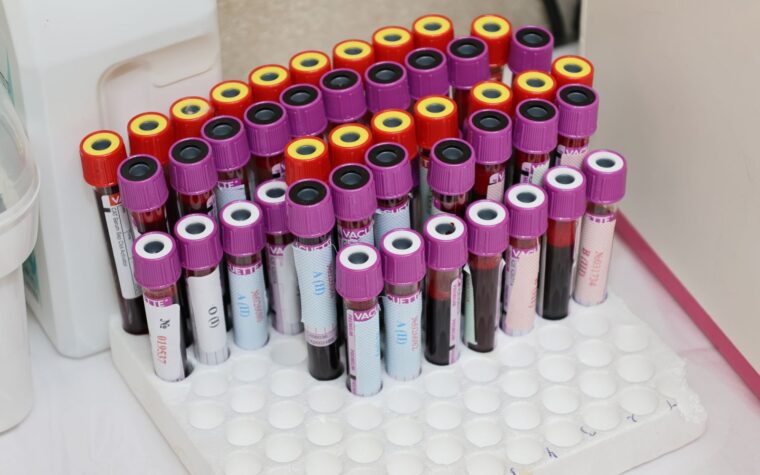
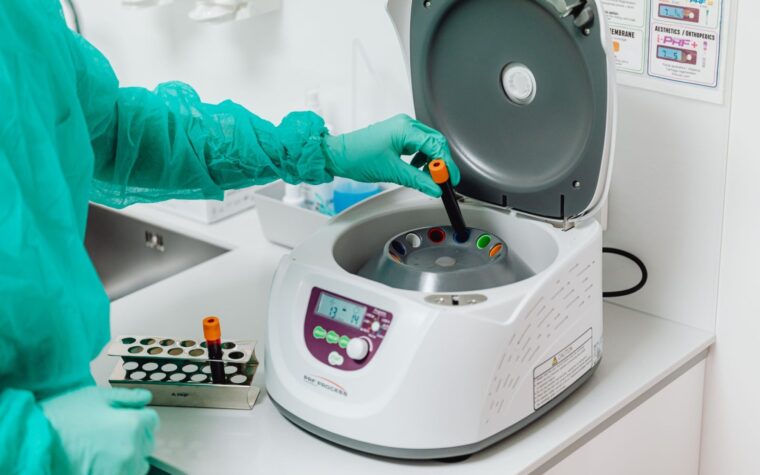
The procedure is a standard venipuncture draw, usually from the antecubital vein in the crook of your arm. What matters more than the collection itself is the handling of the specimen afterward. Zinc analysis requires trace-element-free (royal blue top) tubes, not the standard red or gold tops. Using the wrong tube introduces zinc contamination from the rubber stopper or additive and can produce a falsely elevated result. If you see a yellow-gold or red tube being used for your zinc draw, it is worth asking the phlebotomist to confirm they are using trace-element tubes.
Fasting is not required by most labs but is preferred. A morning draw before breakfast minimizes the postprandial dip and gives you the most comparable result to reference ranges. Water is fine.
Results typically return in one to three business days for most commercial labs. Quest Diagnostics and Labcorp both process zinc at their reference laboratories, so turnaround from a local draw site may run on the longer side of that window. Truly urgent zinc levels in a hospitalized patient are handled on-site and can return within hours.
What to Do with a Low Zinc Result
A confirmed low plasma zinc triggers a two-part response: find the cause and address it while simultaneously correcting the deficit. Throwing zinc supplements at a low result without investigating why it is low is a common mistake. The most likely reasons are dietary insufficiency (especially in vegetarian and vegan diets), gastrointestinal malabsorption, or a competing mineral.
Dietary sources highest in bioavailable zinc: red meat (beef and lamb), oysters (by far the most concentrated source, delivering 33 to 77 mg per 3-ounce serving of raw Eastern oysters), dark poultry meat, shellfish, and to a lesser extent fortified cereals and pumpkin seeds. The zinc in plant foods is bound to phytate and is absorbed at roughly half the efficiency of meat-based zinc. Soaking and sprouting legumes reduces phytate content and improves zinc bioavailability.
Supplementation dosing for a confirmed deficiency typically runs 25 to 40 mg elemental zinc per day as zinc gluconate, zinc picolinate, or zinc citrate. Zinc sulfate is cheaper but causes more GI upset in many people. Always co-supplement with 1 to 2 mg copper per day to prevent the antagonism described above. Retest plasma zinc in eight to twelve weeks to confirm response.
If dietary correction and standard supplementation do not budge the value, the next investigation is GI absorption: celiac serology, stool calprotectin, or referral to gastroenterology. Zinc malabsorption is common in inflammatory bowel disease and is often underappreciated as a contributor to the extraintestinal symptoms of those conditions. A look at your albumin test results alongside zinc can help gauge whether broader protein and micronutrient malabsorption is at play.
Zinc and Immune Function: What the Evidence Actually Shows
The commercial immune-supplement market has inflated expectations around zinc, so it is worth being precise. What the evidence clearly supports: zinc deficiency impairs both innate and adaptive immunity. Neutrophil chemotaxis, macrophage phagocytosis, natural killer cell cytotoxicity, and T-lymphocyte development all require zinc. Children in deficient populations show meaningfully reduced rates of pneumonia and diarrhea mortality when zinc status is corrected.
What is more contested: whether supplementing zinc in people who are already zinc-sufficient shortens the duration or severity of acute respiratory infections. The meta-analyses in this area are methodologically messy, with heterogeneous populations, different doses, and different administration routes (lozenges deliver zinc locally to the oropharynx in a way that systemic oral absorption does not). The ionophore theory (zinc blocks viral RNA polymerase when transported intracellularly) is plausible but not proven at clinical doses in normal-status adults.
The practical takeaway: if you are testing as part of a general health audit alongside markers like adiponectin and inflammation markers, zinc is worth including not because supplementing it beyond adequacy is proven to supercharge immunity, but because deficiency is genuinely common and genuinely impairs immune function in ways that correcting it will reverse.
FAQ
What does a zinc blood test show?
A zinc blood test shows the concentration of zinc circulating in your plasma or serum. It reveals whether you are deficient (below roughly 60 mcg/dL), within the optimal range, or elevated from supplement overuse or exposure. It does not directly measure intracellular zinc or total body zinc stores, which is why clinical context and symptoms matter as much as the number itself.
What is the normal zinc range for adults?
Most US labs report a reference interval of approximately 60 to 120 mcg/dL for plasma zinc in fasted adult specimens. The practical sweet spot most clinicians aim for is 75 to 110 mcg/dL. Values differ slightly by lab method, time of day, and whether the specimen is plasma (preferred) or serum. Always compare your result to the reference range printed on your specific lab report.
What are the symptoms of zinc deficiency?
Classic zinc deficiency symptoms include slow wound healing, recurrent or prolonged infections, diffuse hair thinning, loss or distortion of taste and smell, skin changes (dryness, acral rash in severe cases), poor appetite, and growth delay in children. Many of these symptoms are nonspecific, which is why a blood test is needed to confirm deficiency rather than treating empirically based on symptoms alone.
Can you have normal zinc levels and still be deficient?
Yes, this is one of the frustrating realities of zinc testing. Because the body tightly defends plasma zinc at the expense of tissue stores, mild cellular deficiency can exist when plasma zinc reads in the low-normal range (60 to 74 mcg/dL). Functional markers like alkaline phosphatase activity can help identify this zone of subclinical deficiency. If symptoms are present and plasma zinc is borderline, a therapeutic trial of zinc supplementation with retesting is a reasonable approach after discussing it with a clinician.
What causes high zinc levels in a blood test?
The most common cause of elevated plasma zinc in a non-occupational setting is supplement overuse, particularly from immune-support stacks or high-dose zinc lozenges taken habitually. Occupational exposure (welding, electroplating, galvanizing) causes genuine toxicity at high levels. Hemolysis of the blood specimen during collection or transport is a technical cause of falsely elevated results. Chronic elevation above 40 mg per day supplemental intake risks copper depletion, which is medically more serious than the high zinc itself.
What is the zinc-to-copper ratio and why does it matter?
The zinc-to-copper ratio is your plasma zinc value divided by your serum copper value. A balanced ratio falls between approximately 0.7 and 1.0. A ratio above 1.3 suggests zinc is crowding out copper, which happens with high-dose zinc supplementation and can lead to copper deficiency over months. A ratio below 0.7 (copper-dominant) appears in conditions associated with chronic inflammation and oxidative stress. Testing both minerals in the same draw gives you the ratio at no extra phlebotomy cost.
How much does a zinc blood test cost without insurance?
Ordering zinc directly through Quest Diagnostics or Labcorp’s consumer portals typically costs $29 to $60. If your primary care provider orders it and you pay cash without insurance, the billed charge can range from $80 to $200, though negotiated rates are lower. HSA and FSA dollars can cover the cost when the test is clinically indicated. A full-panel membership service bundles zinc with 100 or more biomarkers for roughly $199 per year, which works out to a far lower per-test cost for anyone planning a comprehensive baseline.
How should I prepare for a zinc blood test?
Fasting is preferred but not strictly required. A morning draw before breakfast gives the most stable plasma zinc reading and the best comparability to standard reference ranges. Skip your zinc supplement the morning of the draw, as a recent dose can transiently elevate the result. Inform your phlebotomist you need trace-element-free tubes (royal blue top) to avoid specimen contamination. Avoid getting drawn during or immediately after an acute illness, since inflammation redistributes zinc into the liver and will produce a falsely low result.
Is a zinc test covered by Medicare?
Medicare covers zinc testing when it is ordered for a documented clinical indication, such as malnutrition evaluation, wound healing management, or monitoring of parenteral nutrition. It is not covered as a routine wellness screen. If your clinician links the order to an appropriate ICD-10 diagnosis code, the test is typically covered under Medicare Part B with standard cost-sharing. As a self-ordered wellness test, expect to pay out of pocket.
Should I retest zinc after starting supplementation?
Yes. Retest plasma zinc eight to twelve weeks after starting a zinc supplement to confirm the level is rising and to ensure you have not overshot into the high range. If you are co-supplementing copper (which you should when taking therapeutic zinc doses), check copper and ceruloplasmin at the same retest draw. Levels that normalize on paper while symptoms persist suggest either a different underlying cause or tissue-level depletion that takes longer to replete than plasma levels suggest.