Quick answer: The alkaline phosphatase test measures a group of enzymes found mainly in the liver, bile ducts, and bone. Normal ALP for adults generally runs between 44 and 147 IU/L, though lab-specific reference ranges vary. An elevated result points toward liver, bile duct, or bone disease; a low result is less common but can flag malnutrition, hypothyroidism, or zinc deficiency. Because ALP alone cannot tell you whether the source is liver or bone, it is almost always interpreted alongside other markers such as GGT, ALT, AST, and bilirubin.
What does the alkaline phosphatase test actually measure?
ALP is not a single enzyme but a family of isoenzymes, each produced in a different tissue: the liver, bile canaliculi, bone osteoblasts, kidneys, intestines, and placenta. The standard chemistry panel reports total ALP, meaning the sum of all isoenzymes circulating in your blood at the moment of the draw. That aggregate number is useful as a screening tool, but it does not tell you which organ is the source.
In practice, total ALP is most sensitive to obstruction anywhere along the biliary tree. When bile cannot drain normally, biliary epithelial cells shed ALP into the bloodstream at a much higher rate than hepatocytes do, which is why ALP rises faster and higher in cholestatic conditions (gallstones blocking the common bile duct, primary biliary cholangitis, drug-induced cholestasis) than in pure hepatocellular damage like viral hepatitis.
The bone isoform (BAP, or bone-specific alkaline phosphatase) reflects osteoblast activity. Any condition that increases bone turnover, whether Paget disease, bone metastases, healing fractures, or hyperparathyroidism, will push total ALP upward. This is why a high ALP with a normal GGT almost always points to bone rather than liver.
Understanding the full picture requires context from a complete blood panel, not a single standalone number.
Alkaline phosphatase normal range by age and sex
The simplest way to actually get this done
Superpower is a full-body lab membership that runs 100+ biomarkers, has each result reviewed by a doctor, and tracks your numbers year over year (about $199/year). It is what we point readers to when they would rather get one clean, complete draw than chase single tests one at a time. Here is superpower reviewed in full.
The reference range for alkaline phosphatase shifts substantially across the lifespan, which catches many patients off guard when they review their own reports. Children and adolescents normally have ALP values two to five times the adult range because their osteoblasts are working hard to build bone. Pregnancy, particularly the third trimester, also drives ALP to levels that would be alarming in a non-pregnant adult, entirely because of placental ALP production.
| Population | Typical ALP range (IU/L) | Primary driver |
|---|---|---|
| Adult men (20 to 50) | 44 to 147 | Liver and bile duct baseline |
| Adult women (20 to 50) | 44 to 147 | Liver and bile duct baseline |
| Adults over 65 | Up to 190 to 230 | Increased bone remodeling |
| Children and teens | 100 to 350 or higher | Active bone growth (normal) |
| Third trimester of pregnancy | Up to 3x normal | Placental ALP isoform |
One thing labs do not always highlight: blood type affects intestinal ALP secretion into the bloodstream. People with blood types B or O who are secretors have measurably higher total ALP after a fatty meal. If you draw ALP in a non-fasted state, the intestinal isoform can add 30 to 60 IU/L to the result. Most labs therefore recommend at least a four-hour fast before drawing ALP, though many comprehensive panels ask for eight to twelve hours to standardize every value simultaneously.
High ALP causes: liver, bile duct, and bone conditions to know
A high alkaline phosphatase result has a long differential, but about 80 percent of clinically meaningful elevations trace back to four categories: cholestatic liver disease, infiltrative liver disease, metabolic bone disease, or bone metastases.
Liver and bile duct causes
- Bile duct obstruction (gallstones, strictures, pancreatic cancer compressing the common bile duct): ALP often reaches four to ten times the upper limit of normal. GGT typically rises in parallel.
- Primary biliary cholangitis (PBC): an autoimmune disease attacking small intrahepatic bile ducts. ALP can be elevated for years before symptoms appear, and many diagnoses are first flagged on a routine panel.
- Drug-induced cholestasis: statins, anabolic steroids, amoxicillin-clavulanate, and certain antifungals are common culprits. ALP usually normalizes within weeks of stopping the offending drug.
- Non-alcoholic fatty liver disease (NAFLD) and NASH: ALP is modestly elevated in roughly 20 to 30 percent of NAFLD cases, but ALT and AST tend to be more prominent.
- Liver infiltration: sarcoidosis, lymphoma, or granulomatous disease replacing normal liver tissue pushes ALP disproportionately high relative to ALT.
Bone causes
- Paget disease of bone: ALP can reach twenty times the upper limit; the elevation is often an incidental finding on routine labs.
- Bone metastases: breast, prostate, and lung cancers are the most common primaries. ALP reflects osteoblastic activity around the lesion, so lytic metastases may not elevate it as much as blastic ones.
- Hyperparathyroidism: excess PTH stimulates osteoclast activity and secondary osteoblast recruitment, both of which raise ALP.
- Osteomalacia and rickets: softening of bone from vitamin D deficiency raises bone ALP, sometimes to dramatic levels, with a normal or near-normal GGT distinguishing it from a liver source.
- Healing fractures: a rising ALP three to six weeks after a fracture is normal physiology, not a red flag.
The single most useful companion test for separating liver from bone ALP is GGT (gamma-glutamyl transferase). GGT is elevated in liver and biliary disease but is NOT elevated in bone disease. If your ALP is high and your GGT is also high, the liver or bile ducts are almost certainly the source. If your GGT is normal, bone is the primary suspect. Clinicians who skip this step end up ordering unnecessary liver imaging for patients who simply have Paget disease.
What does low alkaline phosphatase mean?
Low alkaline phosphatase gets far less attention than high ALP, but values below 40 IU/L in adults are not trivial. The causes split into nutritional, endocrine, and genetic categories.
- Zinc and magnesium deficiency: ALP is a zinc-dependent metalloenzyme. Severe dietary zinc restriction or malabsorption (Crohn disease, post-bariatric surgery) directly suppresses ALP activity.
- Hypothyroidism: thyroid hormone stimulates bone remodeling. Undertreated hypothyroidism slows bone turnover, lowering the bone-derived fraction.
- Pernicious anemia (B12 deficiency): the mechanism is not entirely clear, but low ALP appears in a subset of B12-deficient patients and resolves with supplementation.
- Hypophosphatasia: a rare genetic condition caused by mutations in the ALPL gene that encodes tissue-nonspecific ALP. Severe forms present in infancy with rickets-like skeletal disease despite normal vitamin D; adult forms are milder and often missed. ALP can be persistently below 30 IU/L. This is a condition that merits specialist referral, not just reassurance.
- Cardiac bypass and massive transfusion: citrated blood used during surgery dilutes and temporarily suppresses ALP.
- Celiac disease: both malabsorption of zinc and intestinal villous atrophy (which reduces the intestinal ALP isoform) contribute to low total ALP in untreated celiac.
A low ALP in someone also showing low albumin, low cholesterol, and low lymphocyte count should trigger a nutritional workup rather than reassurance. Those four markers together form a recognizable fingerprint for protein-calorie malnutrition or significant malabsorption. Reviewing the albumin test alongside ALP is standard practice in that differential.
ALP bone vs liver: how clinicians actually sort it out
When total ALP is elevated and the source is not obvious from the clinical picture, the standard workup follows a logical sequence. Skipping steps wastes money and leads to unnecessary procedures.
- Check GGT first. If GGT is elevated, liver and biliary pathology is the direction. If GGT is normal, pivot entirely to bone and skeletal workup.
- If liver path: add ALT, AST, bilirubin, and a hepatic ultrasound. Disproportionately high ALP relative to ALT suggests cholestasis or infiltration rather than hepatocellular damage.
- If bone path: check PTH, 25-OH vitamin D, phosphorus, and calcium. Consider bone-specific ALP (BAP) as a confirmatory isoenzyme assay if the picture is still unclear.
- Isoenzyme fractionation by electrophoresis is available but rarely needed outside research settings. GGT does the job in 90-plus percent of cases.
- Bone scan or PET-CT if metastatic disease or Paget disease is suspected on clinical grounds.
One underappreciated fact: in patients with both liver disease AND bone disease (for example, someone with alcoholic cirrhosis who also has vitamin D deficiency from poor absorption), total ALP can be very high even when neither condition alone would have caused such a dramatic elevation. The isoforms add together. Clinicians who see ALP at four or five times normal sometimes assume a single dramatic cause when two moderate contributors are actually at work.
Because ALP rarely stands alone, it almost always appears alongside GGT, ALT, AST, and bilirubin as part of a comprehensive metabolic panel or a liver function panel. If you are getting blood drawn anyway, it is often smarter to capture a full baseline at once. Here is how a full-body panel compares to ordering individual tests piecemeal.
ALP test cost in 2026 and where to get it
The alkaline phosphatase test cost varies significantly depending on how you access it. The ALP is included in the comprehensive metabolic panel (CMP), which is the most common way it is ordered.
| Access route | Approximate cash price (2026) | Notes |
|---|---|---|
| Standalone ALP via Quest/Labcorp (physician order) | $15 to $45 | Usually covered by insurance; verify CPT 84075 |
| Comprehensive metabolic panel (CMP) including ALP | $29 to $80 cash | Best value; 14-marker panel at most major labs |
| Direct-access lab (Ulta Lab Tests, Walk-In Lab, LabCorp Direct) | $9 to $35 for ALP alone | No physician order required; HSA/FSA eligible |
| CVS MinuteClinic / urgent care | $50 to $150 for basic metabolic panel | Includes ALP; convenience premium |
| Comprehensive health panels (Superpower, Function, LabCorp Wellness) | $150 to $500+ (full panel) | ALP plus 60 to 100+ additional markers in one draw |
| Medicare Part B (annual wellness visit) | $0 copay for covered metabolic panels | Requires qualifying diagnosis or preventive indication |
For uninsured patients, the smartest move is direct-access lab ordering. Quest Diagnostics and Labcorp both operate direct-pay portals where you order the CMP at cash prices ranging from $29 to $55, draw blood at a local patient service center, and receive results in one to two business days. There is no physician gatekeeping and no surprise billing. HSA and FSA funds apply to both the test and the draw fee.
If you are ordering ALP specifically to track a known condition (Paget disease, PBC, bone metastases), ask about the bone-specific ALP isoenzyme assay (CPT 86200 or 84080 depending on the method). It costs more, typically $40 to $120 cash, but gives you a cleaner signal than total ALP when you already know the source is bone.
Anyone weighing which markers deliver the most signal per dollar should review the best biomarkers to test before building a custom panel, since ALP without its context markers (GGT, ALT, AST) is a significantly less useful data point.
How the alkaline phosphatase test works: what to expect
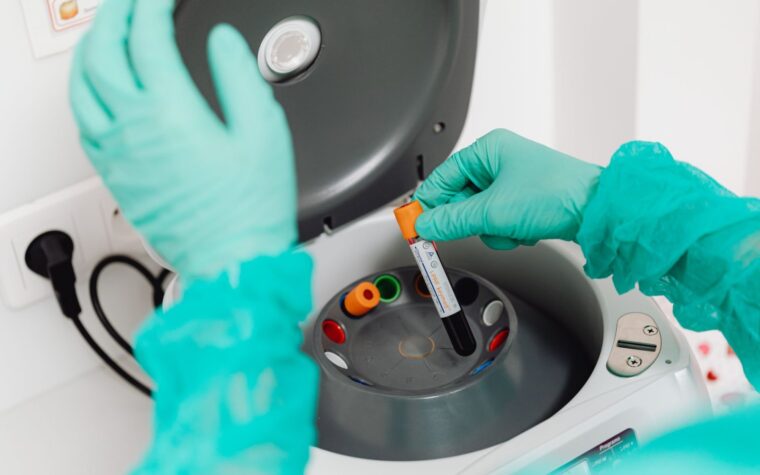
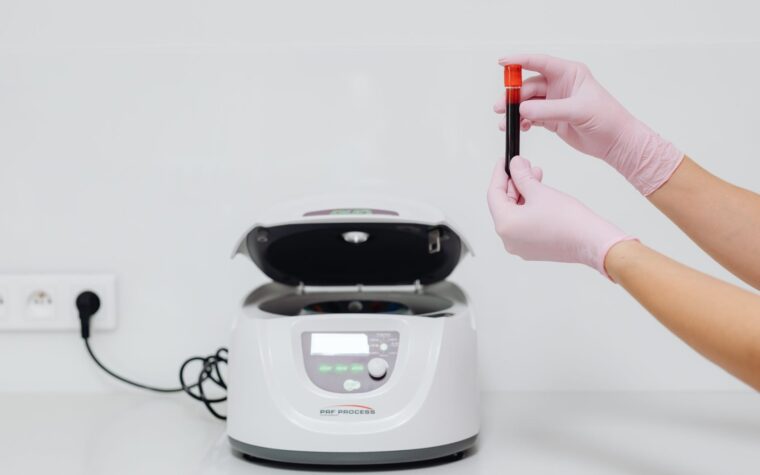
The test itself is a standard venipuncture draw. A phlebotomist draws blood into a serum separator tube, the serum is separated by centrifugation, and the sample is run on an automated chemistry analyzer using a colorimetric kinetic assay. Results are typically ready within four to twenty-four hours at major reference labs.
Fasting matters more than most patients realize. Eating a fatty meal within four hours of the draw can raise total ALP by 30 to 60 IU/L via the intestinal isoform, which can push a borderline result into the elevated category. Quest and Labcorp both recommend fasting for at least four hours; if you are combining ALP with a lipid panel or glucose, the standard eight-to-twelve-hour fast covers all markers simultaneously.
Medications to flag before the draw:
- Statins and fibrates can raise ALP mildly; document your dose and how long you have been on it.
- Oral contraceptives slightly suppress ALP in some women.
- Anticonvulsants (phenytoin, carbamazepine) can raise ALP through enzyme induction.
- Albumin infusions and blood transfusions can transiently dilute or alter ALP; wait at least 48 hours after a transfusion for a clean result.
Results outside the reference range do not constitute a diagnosis. Talk to a clinician about any ALP result that is unexpectedly high or persistently low, especially if you have risk factors for liver disease or metabolic bone conditions.
ALP as part of the bigger biomarker picture
ALP sits within a network of markers that together map liver function, biliary health, and bone metabolism. Clinicians rarely interpret it in isolation, and neither should you.
The core liver function set includes ALT, AST, ALP, GGT, bilirubin (total and direct), and albumin. ALP adds unique value to this panel precisely because it is more sensitive to biliary and infiltrative disease than ALT or AST alone. Someone with an isolated GGT elevation and normal ALP likely has hepatic inflammation or alcohol-related change. Someone with an isolated ALP elevation and normal GGT almost certainly has a bone issue, not a liver problem.
Outside the liver, ALP connects to bone metabolism markers like PTH, 25-OH vitamin D, calcium, phosphorus, and the bone-specific isoenzyme BAP. For anyone tracking bone density or managing osteoporosis, ALP as part of a bone turnover panel gives a more complete picture than a DEXA scan alone, which measures static density rather than the dynamic rate of remodeling.
Metabolic conditions worth tracking alongside ALP include inflammation markers, adipokines like adiponectin, and lipoproteins like ApoA1. NAFLD, which is increasingly common, can produce modest ALP elevations in the context of elevated triglycerides, low ApoA1, and elevated liver enzymes. The pattern matters more than any single number.
FAQ
What is a dangerously high alkaline phosphatase level?
There is no universally agreed threshold for “dangerous,” but ALP values greater than three times the upper limit of normal (roughly above 440 IU/L in most labs) warrant prompt clinical evaluation rather than watchful waiting. Values above ten times normal, which can appear in acute bile duct obstruction or Paget disease, require same-week workup. The pace of the elevation matters as much as the absolute number: ALP that doubles over three months is more concerning than a mildly elevated level that has been stable for years.
Can high ALP be harmless?
Yes, in specific contexts. Adolescents routinely have ALP two to three times the adult upper limit during growth spurts. Pregnant women in the third trimester have high ALP from the placental isoform, and it returns to normal within weeks of delivery. Someone with a recent fracture may have elevated bone ALP for six to eight weeks. In all these cases, the elevation is physiologic, not pathologic. Context and isoenzyme pattern determine significance.
How long does it take for ALP to normalize after treatment?
It depends on the cause. After a bile duct stone is removed via ERCP, ALP typically drops within one to two weeks but may take four to six weeks to fully normalize because the biliary epithelium regenerates slowly. In drug-induced cholestasis, normalization usually occurs within four to eight weeks of stopping the offending agent. Paget disease treated with bisphosphonates shows ALP decline over three to six months. Vitamin D deficiency corrected with supplementation can normalize ALP within eight to twelve weeks.
Should I fast before an alkaline phosphatase test?
Yes, at least four hours, ideally eight hours, if you want the most accurate result. The intestinal ALP isoform spikes after a fatty meal and can artifactually inflate your total ALP by 30 to 60 IU/L. If your draw is part of a comprehensive panel that includes lipids or glucose, you will already be asked to fast, so ALP will be captured correctly in that context.
Is ALP the same as liver enzymes?
ALP is one of several liver-associated enzymes, but calling it simply a “liver enzyme” is imprecise. ALT and AST are intracellular hepatic enzymes that leak into blood when liver cells are damaged. ALP is a membrane-bound enzyme expressed in the liver, bile ducts, bone, intestine, kidney, and placenta. The term “liver function tests” typically bundles ALP, ALT, AST, GGT, bilirubin, and albumin together. Each marker captures a different aspect of hepatic and biliary health, which is why the panel approach outperforms any single marker.
Can supplements cause high ALP?
Yes. High-dose vitamin D supplementation increases bone turnover, which can mildly raise bone ALP. Certain herbal supplements, including green tea extract, kava, and black cohosh, have been associated with drug-induced liver injury that elevates ALP. Anabolic steroids and testosterone preparations can cause intrahepatic cholestasis with disproportionate ALP elevation. If you take any supplement regularly, list it when you discuss an unexpected ALP result with your clinician.
Does insurance cover the alkaline phosphatase test?
Most major US insurance plans, including Medicare Part B and Medicaid, cover ALP when it is ordered as part of a comprehensive metabolic panel with a qualifying diagnosis code. Routine screening without a diagnostic indication may be billed differently and subject to a copay or cost-sharing. When ALP is included in an annual wellness visit metabolic panel under Medicare, it is typically covered at no cost to the patient. Direct-access lab orders you initiate yourself are out-of-pocket but HSA/FSA eligible, with cash prices ranging from $9 to $35 for the standalone test.
What is the difference between ALP and GGT?
Both are elevated in cholestatic liver disease, but GGT is NOT elevated in bone disease. That single difference makes GGT the essential companion to ALP when you are trying to determine the organ source of an elevated total ALP. GGT is also highly sensitive to alcohol intake and is used as a marker of chronic heavy drinking even when other liver enzymes are normal. ALP, by contrast, is a better marker of bile duct obstruction and infiltrative liver disease. Together, the two markers provide far more diagnostic specificity than either one alone.
How does ALP relate to bone density and osteoporosis?
ALP reflects the activity of osteoblasts, the cells that build new bone. In osteoporosis, osteoclast (bone-breaking) activity outpaces osteoblast activity, and total ALP may actually be normal or even low because osteoblast function is suppressed. This is why ALP alone is not a screening test for osteoporosis. Bone-specific ALP (BAP) is more useful as a bone formation marker when tracking osteoporosis treatment response, particularly with anabolic agents like teriparatide that dramatically stimulate osteoblasts. For a complete metabolic bone workup, ALP should be paired with a DEXA scan, vitamin D, PTH, calcium, and phosphorus.