A “high” total protein result on a blood panel means the combined level of albumin and globulins in your serum sits above the usual reference range. It is a clue, not a diagnosis, and the most common reason behind it is something as simple as being dehydrated on the morning of your draw.
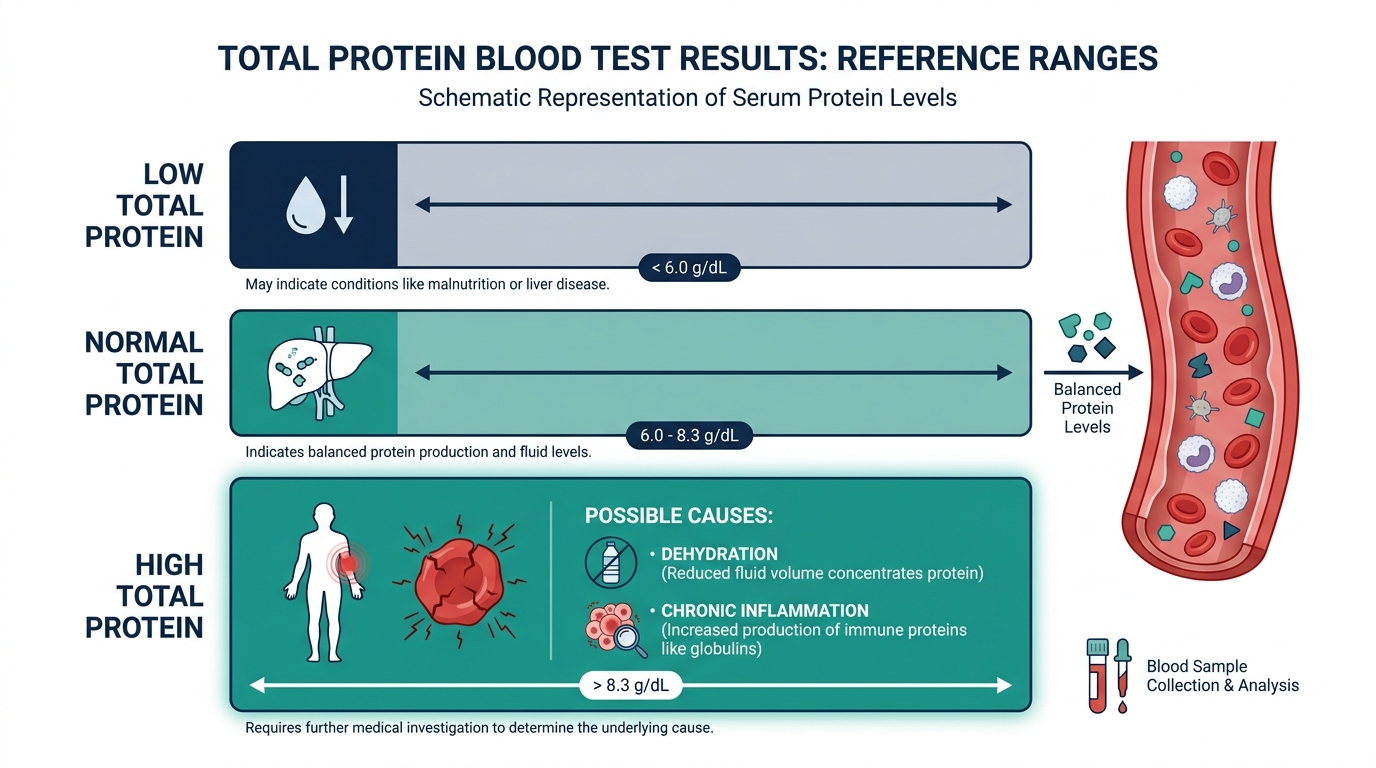
- High total protein means your serum protein is above the typical reference range of about 6.0 to 8.3 g/dL, most often because of dehydration that temporarily concentrates the blood.
- A single mildly elevated total protein is usually harmless, but a persistently high level paired with a low albumin-to-globulin ratio can point to chronic inflammation, infection, or a plasma cell disorder such as multiple myeloma.
- Because high blood protein causes no symptoms of its own, the next step is repeat testing while well hydrated, plus albumin, globulin, and serum protein electrophoresis to find the source.
Part of our Comprehensive Metabolic Panel guide.
High total protein is a clue, not an answer. See the fuller panel that narrows down the cause. One at-home Superpower draw checks 100+ biomarkers, physician-reviewed.
What does a high total protein result mean, and what is the cutoff?
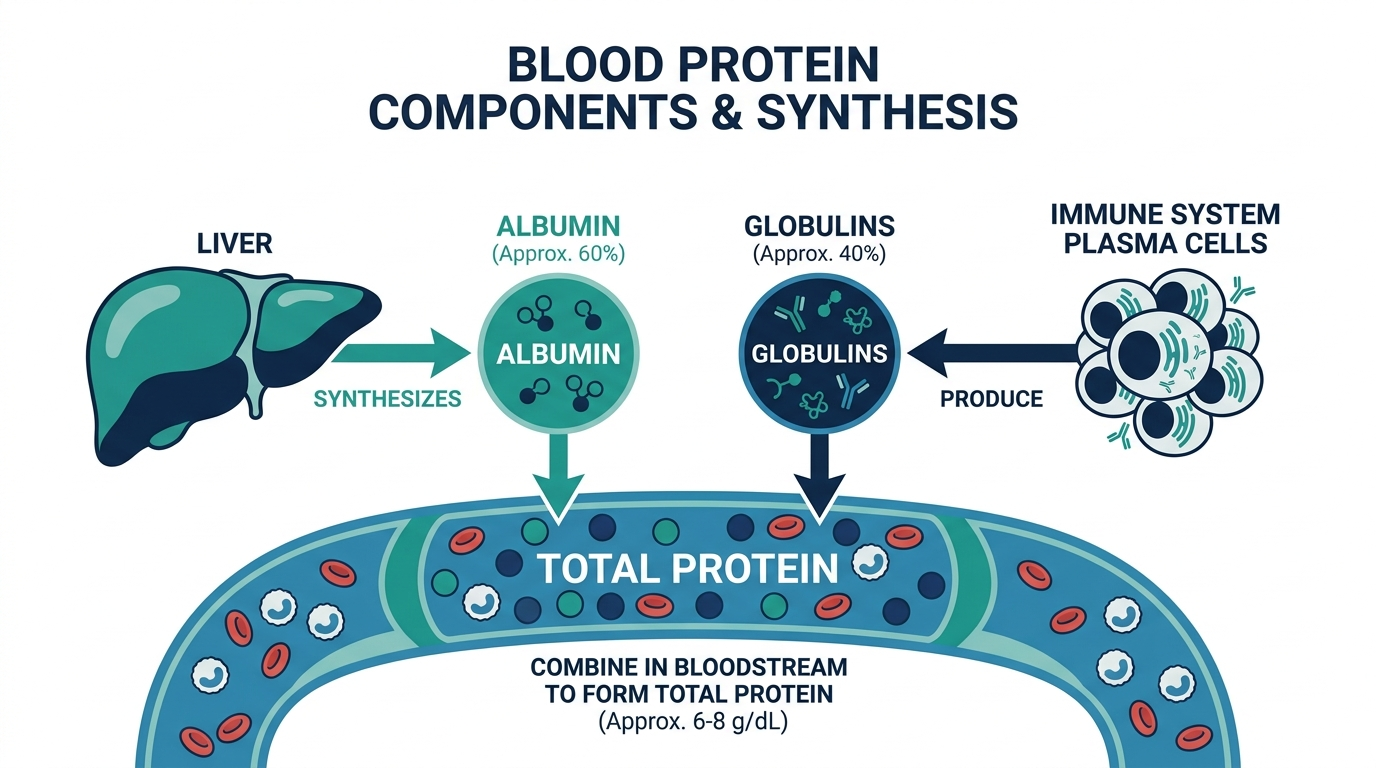
A high total protein result means your serum protein measured above the laboratory’s reference range, which is commonly around 6.0 to 8.3 g/dL for adults, though the exact upper limit varies by lab (MedlinePlus). Total protein is just two things added together: albumin, normally 3.5 to 5.0 g/dL, and globulins, normally about 2.0 to 3.5 g/dL (Cleveland Clinic). When the sum climbs above the top of the range, your report flags it as high, often written as “hyperproteinemia.”
The single number alone tells you little. What matters is which fraction is driving it. If albumin and globulin are both up, dehydration is the usual culprit. If globulin is up while albumin is normal or low, that shifts attention toward inflammation, infection, or antibody-producing conditions. This is why clinicians read total protein alongside the albumin-to-globulin (A/G) ratio, normally 0.8 to 2.0 (Cleveland Clinic).

What causes high total protein?
The most common cause of high total protein is dehydration, which concentrates the blood so proteins look elevated even though the actual amount has not changed; even a 2 to 3 percent loss of body water can nudge the number up. Beyond that, the causes split into two groups.
- Dehydration: Fluid loss from vomiting, diarrhea, heavy sweating, or simply not drinking concentrates serum protein. This is reversible and the number normalizes once you rehydrate (Cleveland Clinic).
- Chronic inflammation and infection: Conditions such as rheumatoid arthritis, inflammatory bowel disease, hepatitis B, hepatitis C, and HIV drive up globulins as the immune system stays active (Cleveland Clinic).
- Plasma cell and blood disorders: Multiple myeloma and Waldenstrom macroglobulinemia cause plasma cells to churn out abnormal monoclonal (M) proteins, which can raise total protein substantially (Myeloma.org).
- Liver and kidney conditions: Some chronic liver disease produces excess globulins, altering the protein balance (Cleveland Clinic).
What are the symptoms, or is it silent?
High blood protein itself causes no symptoms; it is found only through a blood test, not because you feel anything (Cleveland Clinic). You will not “feel” a high total protein the way you might feel a high temperature. That is precisely why it tends to surface as an incidental finding on a routine comprehensive metabolic panel.
Any symptoms that accompany a high reading come from the underlying cause, not the protein number. Dehydration may show up as thirst, dark urine, dizziness, or fatigue. A plasma cell disorder may bring bone pain, unexplained fatigue, frequent infections, or weight loss. Chronic infection or inflammation may cause its own fevers, joint pain, or malaise. The lab value is the messenger; the message is whatever is going on underneath. If you have a high result with none of these signs and you simply skipped water that morning, that pattern is reassuring but still worth confirming.
When is high total protein dangerous?
A mildly high total protein is rarely dangerous on its own, but a markedly elevated level driven by globulins, especially with a low A/G ratio, can signal a plasma cell disorder that needs prompt workup (Cleveland Clinic). At diagnosis, an elevated total protein should prompt a doctor to order more specific tests to check whether the source might be myeloma (Myeloma.org).
The warning combination is high total protein plus a falling albumin level, which pushes the A/G ratio below the normal 0.8 to 2.0 range. Very high monoclonal protein can also thicken the blood, a state called hyperviscosity, which may cause headaches, blurred vision, or confusion and is a medical emergency. By contrast, dehydration-driven elevations are not dangerous and resolve with fluids. The danger lives not in the total protein number itself but in what a persistent, globulin-heavy elevation can represent.

What should you do next, and when should you see a doctor?
The first step after a high total protein is usually a simple repeat test taken when you are well hydrated, since dehydration is the leading benign cause (Cleveland Clinic). If the result was an isolated, mild elevation and you were thirsty or under-hydrated that day, your clinician may simply recheck it.
You should contact your doctor promptly if the high reading repeats, if your albumin-to-globulin ratio is abnormal, or if you have symptoms like bone pain, unexplained weight loss, frequent infections, or persistent fatigue. To find the cause, clinicians commonly order these follow-ups:
- Albumin and globulin breakdown: Separates which fraction is high.
- Serum protein electrophoresis (SPEP): Detects a monoclonal spike suggesting a plasma cell disorder.
- Inflammatory and infection markers: Look for chronic inflammation, hepatitis, or HIV.
Bring your full panel to the visit so your clinician can read total protein in context rather than in isolation.
The insider nuance most people miss
The detail clinicians watch is not the total protein number but the albumin-to-globulin ratio, because it tells you in seconds whether to relax or to dig deeper. A normal A/G ratio of 0.8 to 2.0 with both proteins slightly up almost always means dehydration (Cleveland Clinic).
Here is the practical read. If total protein is high but albumin is normal and the A/G ratio is healthy, the elevation is usually concentration, not disease. If total protein is high while albumin drifts low and the A/G ratio drops below 0.8, that inverted ratio is the quiet red flag that sends experienced clinicians toward electrophoresis to rule out myeloma. Two people can have the identical total protein of 8.6 g/dL and face completely different workups, depending entirely on how that number splits. The split, not the sum, is the real test result.
What albumin and globulins actually do
To read a high total protein well, it helps to know that the number is a sum of two very different groups of proteins with distinct jobs. When one group rises, the meaning depends entirely on which one.
- Albumin is the single most abundant protein in blood, made by the liver. It keeps fluid inside your blood vessels by holding osmotic pressure, and it acts as a transport truck for hormones, calcium, medications, and other substances. Because the liver makes it and the kidneys can lose it, albumin is a useful window into liver and kidney health and overall nutrition.
- Globulins are a mixed family. They include antibodies (immunoglobulins) made by plasma cells to fight infection, along with transport and clotting proteins. When the immune system is chronically active, or when a single clone of plasma cells overproduces one antibody, globulins climb.
This division is why the split matters more than the sum. A high total protein driven by both fractions rising together usually reflects concentration from dehydration. A high total protein driven by globulins alone points toward the immune system, which is a different conversation entirely.
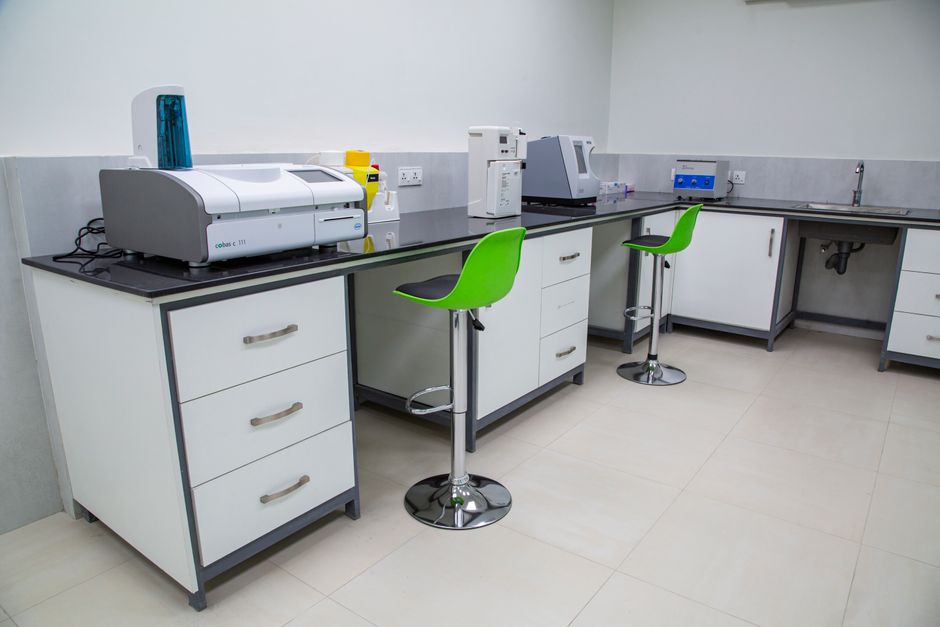
The globulin fractions and what electrophoresis reveals
When globulins are the reason for a high total protein, clinicians turn to serum protein electrophoresis, a test that separates blood proteins into bands so they can see the shape of the rise rather than just its size. Understanding the bands demystifies what happens after an abnormal result.
- Alpha and beta globulins: these include transport and acute-phase proteins. Broad increases here often accompany inflammation or certain organ conditions.
- Gamma globulins: this band holds the antibodies. A broad, diffuse rise across the gamma region (polyclonal) typically reflects the immune system responding to chronic infection, inflammation, or liver disease, many different plasma cells all working at once.
- A monoclonal spike: a single sharp peak in the gamma region is the finding clinicians watch for, because it suggests one clone of plasma cells overproducing a single antibody, the pattern seen in disorders such as multiple myeloma and related conditions.
The distinction between a broad polyclonal rise and a narrow monoclonal spike is one of the most important calls in this workup. A polyclonal pattern usually points to a reactive, often benign cause, while a monoclonal spike prompts more specific testing. This is exactly why a high total protein is never the end of the story, and why the shape of the globulin rise guides everything that follows.
How to prepare and what can distort the result
Because dehydration is the leading benign cause of a high total protein, the way you prepare for the draw has a real effect on the number. A few practical points make your result more trustworthy.
- Hydrate normally before the test: arriving well hydrated prevents the concentration effect that falsely lifts total protein. If you were ill with vomiting or diarrhea, or exercised hard and sweated heavily beforehand, mention it, since these can transiently raise the number.
- Prolonged tourniquet time: if the phlebotomist leaves the band on too long, it can slightly concentrate proteins at the draw site, another reason a single high value is often rechecked.
- Posture: standing for a while before a draw can modestly concentrate larger proteins compared with lying down, a small effect but a real one.
- Medications and conditions: tell your clinician about all medications, since some can influence protein levels, and note any chronic conditions that affect the liver, kidneys, or immune system.
None of these turn a truly abnormal result normal, but they explain why clinicians treat a lone mildly high value cautiously and lean on a well-hydrated repeat before reading anything into it.
Reading the pattern: three worked scenarios
Because the same total protein can mean very different things, here is how a clinician thinks through common patterns. These illustrate the logic and are not a substitute for your own clinician’s interpretation.
- High total protein, normal albumin, normal A/G ratio, you were thirsty that morning: the most likely explanation is dehydration concentrating the blood. A repeat when well hydrated usually lands in range, and no disease is implied.
- High total protein, high globulins, normal A/G to slightly low, with a known chronic infection or inflammatory condition: this often reflects a polyclonal rise from an active immune system, a reactive pattern that tracks the underlying condition rather than a new disease.
- High total protein, low albumin, A/G ratio below 0.8, perhaps with bone pain or fatigue: this inverted ratio is the combination that prompts serum protein electrophoresis to look for a monoclonal spike, since it can signal a plasma cell disorder that needs prompt evaluation.
The common thread is that the total protein number opens the question and the fractions answer it. Reading the sum without the split is how people either worry needlessly or miss a meaningful signal.
Total protein in specific groups
Context also shifts with who is being tested, so the same value can be interpreted differently across people.
- Older adults: a monoclonal protein becomes more common with age and is often found as a benign, stable condition that is simply monitored. Interpretation depends on the full picture rather than the total protein alone.
- People with chronic liver disease: the liver makes albumin and clears certain proteins, so liver conditions can shift the albumin and globulin balance in ways that change total protein.
- People with chronic infections or autoimmune disease: a sustained immune response commonly produces a polyclonal globulin rise, a reactive pattern rather than a new problem.
- Athletes and after intense exercise or heat: temporary dehydration can concentrate the blood and lift total protein, which resolves with rehydration.
Across every group, the principle holds. A high total protein is a prompt to look at the fractions, the A/G ratio, your symptoms, and your history, not a standalone verdict.
Markers a clinician reads alongside total protein
Total protein rarely settles a question by itself, so it is interpreted next to a small set of companion results that fill in the picture.
- Albumin and the A/G ratio: the first things a clinician checks, because they reveal which fraction is driving the elevation and whether the ratio has inverted below 0.8.
- Calcium: some plasma cell disorders raise blood calcium, so an unexplained high calcium alongside a high, globulin-heavy total protein adds concern.
- Kidney function tests: creatinine and related markers matter because certain plasma cell disorders can affect the kidneys.
- Complete blood count: anemia or other cell-line changes can accompany a plasma cell disorder and help round out the assessment.
- Inflammatory and infection markers: when a polyclonal rise is suspected, tests for chronic inflammation, hepatitis, or other infection help identify the reactive cause.
Bringing your full panel to the visit lets your clinician read total protein in the company it keeps, which is where its meaning actually lives.
The bottom line on a high total protein
A high total protein is a clue, not a diagnosis, and in most people the explanation is as ordinary as being dehydrated on the morning of the draw. The number itself causes no symptoms, so any symptoms that appear come from an underlying cause rather than the protein value. The most useful next step for a mild, isolated elevation is simply a repeat test taken when you are well hydrated.
What separates a reassuring result from one worth pursuing is the split, not the sum. When albumin is normal and the A/G ratio is healthy, a high total protein is usually harmless concentration. When albumin drifts low and the A/G ratio falls below 0.8, or when symptoms like bone pain, weight loss, or frequent infections appear, that pattern earns a closer look with serum protein electrophoresis and related tests. Read in context, alongside the fractions, your symptoms, and your history, a high total protein is a manageable, answerable finding rather than a cause for alarm.
Does diet or protein intake change your total protein?
A frequent worry after a high result is that it came from eating too much protein, but that is rarely the story. Total protein measures the albumin and globulins your liver and immune system make and maintain in the blood, not the steak you had last night. In a healthy person the body regulates blood protein tightly regardless of how much protein the diet supplies, so a high-protein diet does not push this number up. Eating less protein will not bring a genuinely high result down either, because the elevation is almost never about dietary intake.
The lever that actually moves the number is fluid balance. The value is a concentration, protein divided by plasma volume, so anything that shrinks plasma volume lifts it. Being dehydrated at the draw, whether from missed fluids, heavy exercise, vomiting, or diarrhea, can push total protein into the high range with no change in the actual amount of protein present. Over-hydration does the opposite and can dilute a real elevation. This is why the most productive question after a mildly high result is not what you ate, but whether you were well hydrated when the blood was taken.
Getting an accurate recheck
Because a mild elevation is so often just concentration, the recheck is where the truth usually surfaces. Setting it up well removes the two biggest sources of noise, hydration and lab-to-lab variation, so the second number actually means something.
A few practical steps:
- Arrive well hydrated: Drink normally in the hours before the draw rather than showing up thirsty, so plasma volume is where it usually sits.
- Use the same lab when you can: Different analyzers can report slightly different values, so comparing results from one lab keeps the trend honest.
- Note the timing: If you had a stomach bug, heavy sweating, or a long fast around the first test, mention it, since any of those can concentrate the sample.
- Ask about the fractions: If the total protein stays up, the meaningful next test is not another total but a look at albumin and globulins, which is what a clinician uses to decide whether anything further is needed.
Done this way, the recheck usually resolves a mild high total protein without drama, either by settling back into range once hydration is normal or by pointing clearly at the fraction worth investigating.
Don’t just read about total protein, track it.
A single result is a snapshot. Superpower re-tests total protein and 100+ markers over time so you can watch them move as you change sleep, food, and training.
Frequently asked questions
Is a slightly high total protein something to worry about?
Usually not. A mild, one-time elevation is most often caused by dehydration on the day of the draw. Clinicians typically recheck it when you are well hydrated. Worry rises only if it repeats, if albumin is low, or if symptoms appear (Cleveland Clinic).
What total protein level is considered high?
Any result above your lab’s reference range, commonly around 8.3 g/dL for adults, is flagged as high, though exact upper limits vary by laboratory (MedlinePlus). The flag matters less than which protein fraction is driving it.
Can dehydration alone cause high total protein?
Yes. Dehydration is the most common cause. Losing fluid concentrates the blood so proteins appear elevated even though the actual amount has not changed. Even a 2 to 3 percent body water loss can do it, and rehydration reverses it (Cleveland Clinic).
Does high total protein mean cancer?
No, not by itself. Most high results come from dehydration, inflammation, or infection. Rarely, a markedly high, globulin-driven level points to a plasma cell cancer such as multiple myeloma, which is why doctors order electrophoresis to check (Myeloma.org).
What test comes after a high total protein result?
Doctors typically repeat the panel while you are hydrated, then look at the albumin-to-globulin ratio. If globulins are high or the ratio is low, the next step is serum protein electrophoresis to detect an abnormal monoclonal protein (Cleveland Clinic, Myeloma.org).
Sources
- Cleveland Clinic, High Blood Protein (Hyperproteinemia)
- Cleveland Clinic, Globulin Blood Test
- MedlinePlus, Total Protein and Albumin/Globulin (A/G) Ratio
- International Myeloma Foundation, Tests to assess proteins in the blood
This article is for general educational purposes and is not medical advice. It cannot diagnose or treat you and does not replace your clinician. Always discuss your lab results and any health decisions with a qualified healthcare professional.
Related: compare the best at-home biomarker and blood tests.
Vital Signs Today may earn a commission if you buy through links on this page. It does not affect our editorial assessments.