
- To lower creatinine, treat the underlying cause and protect kidney function: stay well hydrated, reduce heavy animal protein and cooked red meat, stop creatine supplements, control blood pressure and blood sugar, and review medications with your clinician.
- A single high creatinine reading is often caused by dehydration, intense exercise, or a high-meat meal before the test, so a calm, well-hydrated retest commonly brings the number back into the normal range of about 0.7 to 1.2 mg/dL for men and 0.5 to 1.0 mg/dL for women (Medical News Today).
- For people with chronic kidney disease, the most proven way to lower long-term kidney decline is medication such as ACE inhibitors, ARBs, and SGLT2 inhibitors, which the KDIGO 2024 guideline recommends for eligible patients with an eGFR of 20 mL/min/1.73m2 or higher.
High creatinine is one of the most common reasons people search for a way to “fix” a blood test. The honest answer from clinical practice is that creatinine is a signal, not the disease. You lower it sustainably by addressing why it rose, not by chasing the number itself. Some causes reverse in days. Others need lifelong management. This guide separates the quick, reversible fixes from the medical treatments that actually slow kidney damage, and it tells you which figures matter.
Part of our Comprehensive Metabolic Panel guide.
Protecting kidney function starts with knowing your number, so where does your creatinine actually stand? One at-home Superpower draw checks 100+ biomarkers, physician-reviewed.
What counts as high creatinine?
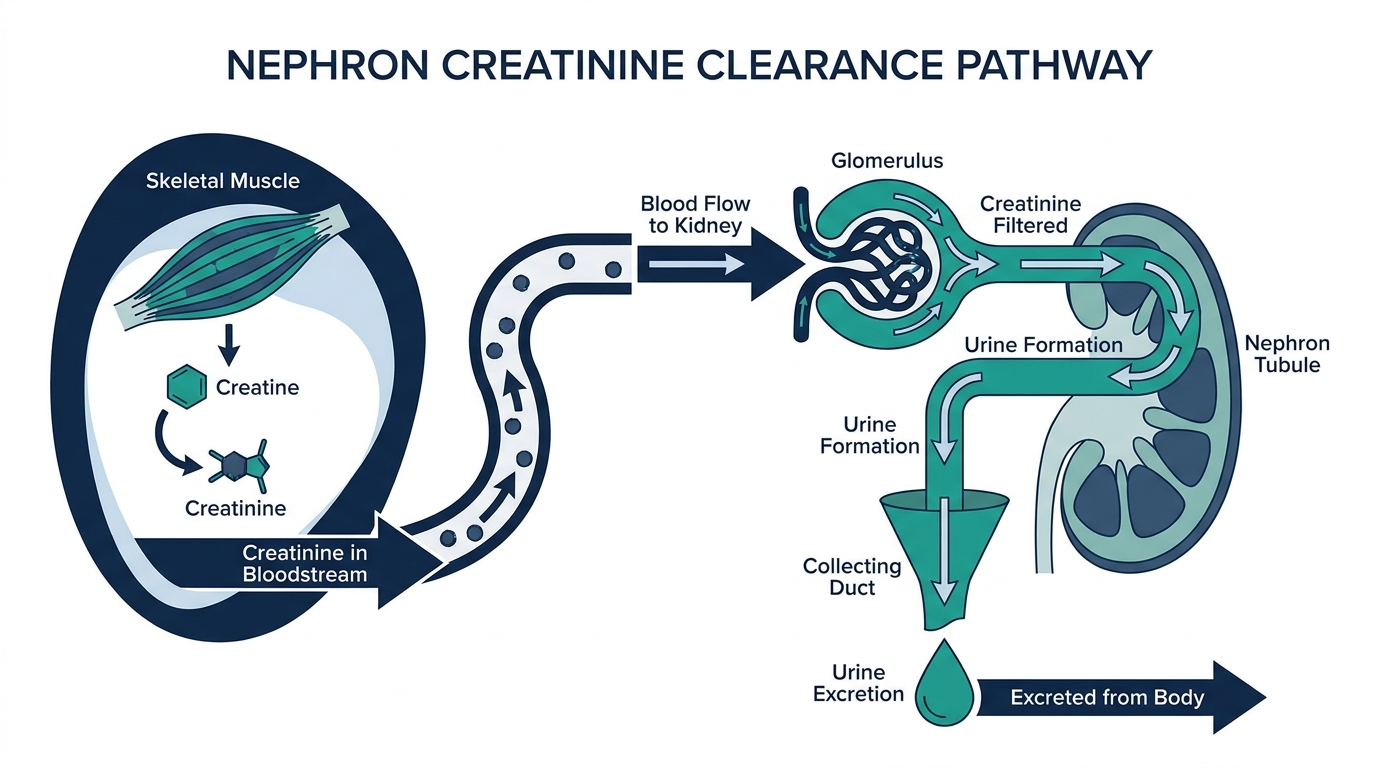
Creatinine is generally considered high when it rises above roughly 1.2 mg/dL in men or 1.0 mg/dL in women, since the usual reference range is about 0.7 to 1.2 mg/dL for males and 0.5 to 1.0 mg/dL for females (Medical News Today). Because creatinine depends on muscle mass, age, and sex, clinicians rarely judge it alone. They convert it into an estimated glomerular filtration rate (eGFR), which reflects how well your kidneys filter.
According to Cleveland Clinic, a normal adult eGFR is about 100 or higher, an eGFR between 60 and 100 suggests mild kidney damage with kidneys still working well, and an eGFR below 60 may indicate chronic kidney disease (CKD). A muscular athlete can have creatinine slightly above the range with perfectly healthy kidneys, while an older, frail person can have “normal” creatinine yet a low eGFR. That is why the eGFR, not the raw creatinine, drives most decisions.
What each eGFR stage actually means
Kidney function is staged in five bands, and knowing yours tells you how much urgency the number carries. Stage G1 is an eGFR of 90 or above, G2 is 60 to 89, G3a is 45 to 59, G3b is 30 to 44, G4 is 15 to 29, and G5 is below 15, which is kidney failure (KDIGO). A G1 or G2 result with no protein in the urine and no structural damage is usually not disease at all. The change that matters is a drift downward across stages over months, not a single value sitting inside a band.
Two people can share the same creatinine and sit in very different places. A 25-year-old weightlifter and a 78-year-old with little muscle may both read 1.3 mg/dL, yet the younger person often has a normal eGFR while the older one may already be in stage G3. Muscle makes creatinine, so more muscle means a higher baseline that has nothing to do with the kidneys.
When creatinine lies: cystatin C
Creatinine has a blind spot. Because it tracks muscle mass, it overestimates kidney function in frail or older adults and underestimates it in very muscular people. Cystatin C is a second filtration marker made by nearly every cell in the body, so it does not depend on muscle. When a creatinine-based eGFR does not fit the clinical picture, clinicians order a cystatin C or a combined creatinine and cystatin C equation, which the 2021 CKD-EPI update treats as the more accurate option. If you are an athlete told your creatinine is “high,” this is the test that usually settles the question.
A few drugs also raise measured creatinine without harming the kidney at all. Trimethoprim, found in the antibiotic co-trimoxazole, and cimetidine block the tubules from secreting creatinine, so the blood level ticks up while true filtration is unchanged. The supplement creatine does the same thing. Knowing this prevents needless alarm when a recent prescription is the real reason for a bump.
Why lower it?
The simplest way to actually get this done
Superpower is a full-body lab membership that runs 100+ biomarkers, has each result reviewed by a doctor, and tracks your numbers year over year (about $199/year). It is what we point readers to when they would rather get one clean, complete draw than chase single tests one at a time. Here is superpower reviewed in full.
Lowering creatinine matters because, for most people, a high level is a proxy for reduced kidney filtration, and reduced filtration is what damages health over time. Cleveland Clinic classifies an eGFR below 60 as possible CKD and below 15 as kidney failure, where fewer than 15% of normal function remains.
The goal is rarely the number on the page. It is protecting filtration so you avoid the downstream problems of failing kidneys: fluid overload, dangerous potassium levels, anemia, bone disease, and cardiovascular strain. A reversible spike from dehydration carries little long-term risk. A slow, sustained rise over months is the one that demands attention, because each step down in eGFR raises the risk of progressing toward dialysis. Tracking the trend over several tests tells you far more than any single value.
The marker that rides alongside: albuminuria
Creatinine tells you how well the kidney filters. A urine albumin-to-creatinine ratio (UACR) tells you whether the filter is leaking, and leaking protein is often the earliest sign of kidney damage, appearing well before eGFR falls. KDIGO stages it as A1 under 30 mg/g, A2 from 30 to 300 mg/g, and A3 above 300 mg/g. A rising UACR with a still-normal creatinine is a warning worth acting on, and it is exactly the case where medications like ACE inhibitors and SGLT2 inhibitors do the most good. If you are working to protect your kidneys, ask for this urine test, not just the blood draw.
What high creatinine feels like
Mildly elevated creatinine usually causes no symptoms at all, which is why it is so often found on a routine panel. As filtration falls further, people may notice fatigue, puffiness around the ankles or eyes, foamy urine, changes in how often or how much they urinate, poor appetite, nausea, muscle cramps, trouble sleeping, or itchy skin. None of these are specific to the kidney, but together with a rising number they tell you the trend is real rather than a lab fluke.
What actually makes creatinine rise?
Clinicians sort the causes into three buckets, because the bucket decides the fix. Getting this framework right is the difference between drinking more water and needing a scan.
Before the kidney (prerenal)
These are problems with blood flow reaching the kidney, and they are the most reversible. Dehydration is the classic one, but so are blood loss, vomiting or diarrhea, heart failure, and drugs that drop blood pressure too far. In prerenal cases the kidney tissue is healthy and simply starved of flow, so restoring fluids or treating the heart often returns creatinine to baseline quickly.
Inside the kidney (intrinsic)
Here the filtering tissue itself is injured. Causes include diabetes, long-standing high blood pressure, glomerulonephritis, and acute tubular injury from a prolonged low-flow state or from toxins. Contrast dye used in some scans, aminoglycoside antibiotics, and repeated high-dose NSAIDs can all injure the tubules. This category is where lasting CKD lives and where medical therapy matters most.
After the kidney (postrenal)
This is a plumbing problem: urine cannot drain. An enlarged prostate, kidney stones, or a tumor pressing on the ureters backs pressure up into the kidney. Postrenal causes can climb creatinine fast, and relieving the blockage can reverse it just as fast, which is why a doctor may order an ultrasound when creatinine rises without an obvious explanation.
Evidence-based ways to lower creatinine
The most effective approach combines reversible lifestyle fixes with proven medical therapy when CKD is present. Diet and hydration can correct temporary spikes within days, while drugs such as SGLT2 inhibitors are the strongest evidence-backed tools for slowing real kidney decline, carrying a Class 1A recommendation in the KDIGO 2024 CKD guideline for eligible patients.
Diet changes
- Cut cooked red meat near test time: heat converts creatine in meat into creatinine, so a steak-heavy dinner can inflate your reading. Reducing red meat is one of the simplest pre-test adjustments.
- Shift toward plant protein: swapping one or two meat-heavy meals a day for beans, lentils, or tofu lightens the filtering workload over a few weeks.
- Do not crash-restrict protein: the landmark MDRD study found that protein restriction slowed the early rate of eGFR decline but did not clearly reduce the number of people who ultimately needed dialysis, and severe restriction risks malnutrition.
Lifestyle changes
- Hydrate properly: dehydration is among the most common and fixable causes of a high reading, since even mild overnight fluid loss reduces filtration. Steady water intake helps unless your clinician has told you to restrict fluids.
- Pause intense exercise before testing: hard workouts transiently raise creatinine, so resting for at least 48 hours before a retest gives a truer value.
- Stop creatine supplements: they directly raise serum creatinine and should be discontinued before retesting if you use them.
Review what you are already taking
- Ease off NSAIDs: ibuprofen, naproxen, and similar painkillers cut blood flow inside the kidney and are a common hidden cause of a creeping creatinine. Ask your clinician about acetaminophen as an alternative for routine aches.
- Flag every supplement: some herbal and bodybuilding products are directly toxic to the kidney or, like creatine, simply raise the reading. Bring the actual bottles to your appointment.
- Question new prescriptions: certain antibiotics, proton pump inhibitors, and imaging contrast can stress the kidney. If you have reduced eGFR, remind any prescriber before a scan so they can adjust the dose or hydrate you.
- Stop smoking and moderate alcohol: both accelerate the vascular damage that feeds kidney decline, and smoking independently speeds CKD progression.
Medical options
- ACE inhibitors and ARBs: these blood-pressure drugs protect the kidney in CKD. A rise in creatinine of up to about 30% after starting them is expected and, without high potassium, treatment should be continued (KDIGO guidance).
- SGLT2 inhibitors: KDIGO 2024 gives a Class 1A recommendation for patients with an eGFR of 20 mL/min/1.73m2 or higher and significant albuminuria. They cause a small, harmless early dip in eGFR, then preserve function long term.
- Finerenone: a nonsteroidal mineralocorticoid receptor antagonist that KDIGO 2024 recommends for people with type 2 diabetes, CKD, and albuminuria who are already on an ACE inhibitor or ARB. It further lowers protein leakage and slows progression, with potassium monitoring.
- Hit blood pressure and glucose targets: KDIGO advises a systolic blood pressure under 120 mmHg for most adults with CKD when it is tolerated and safely measured, plus tight glucose control in diabetes. These two levers do more for long-term filtration than any single food change.
- Treat the driver: controlling diabetes and blood pressure, and reviewing kidney-stressing drugs such as NSAIDs, addresses the root cause.
How fast can it change?
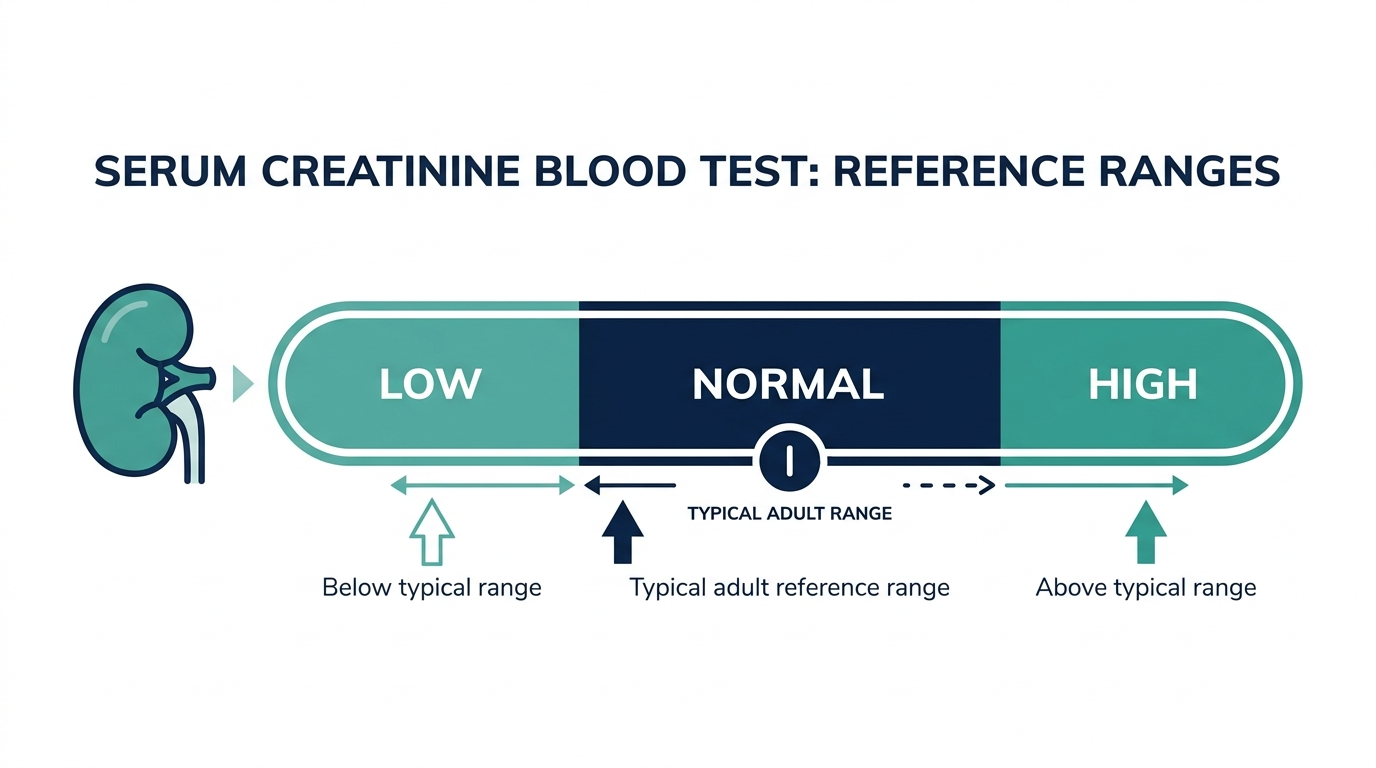
It depends entirely on the cause. A creatinine spike from dehydration, hard exercise, or creatine supplements can normalize within a few days once you rehydrate, rest, and retest under controlled conditions. These reversible causes are why clinicians so often repeat the test before acting.
Structural kidney damage is different. In established CKD, the aim is not to drop creatinine quickly but to flatten its upward trend over months and years. SGLT2 inhibitors even produce a transient eGFR decline of more than 10% from baseline after starting, which is not linked to worse outcomes and does not require alarm or routine extra monitoring. Expecting a fast drop in this setting leads to disappointment and risky behavior. The meaningful win is a slower slope on a graph of your eGFR over time, which can translate into years of delayed progression.
Two realistic scenarios
Consider a 40-year-old who lifts weights, eats a lot of chicken and steak, and takes creatine. A pre-work blood draw shows creatinine of 1.4 mg/dL and his doctor is concerned. He stops creatine for two weeks, cuts red meat for three days before the retest, hydrates normally, and skips the gym for 48 hours. The repeat reads 1.1 mg/dL with a normal cystatin C. Nothing was wrong with his kidneys; the first number reflected muscle, meat, and a supplement.
Now consider a 64-year-old with type 2 diabetes whose creatinine has drifted from 1.1 to 1.5 mg/dL over two years, with a UACR of 120 mg/g. Here no amount of water will fix it. Her clinician starts an SGLT2 inhibitor and an ACE inhibitor, tightens blood pressure and glucose, and the goal becomes flattening the slope so she keeps her remaining function for as long as possible. Same lab test, completely different playbook.
When do you need medication or a doctor?
See a clinician promptly if a high creatinine persists on a repeat test, if your eGFR is below 60, or if it is dropping across successive tests, since Cleveland Clinic links an eGFR under 60 to possible CKD. Medication becomes central once CKD is confirmed rather than for a one-off spike.
Seek urgent care for warning signs of a sharp kidney injury: little or no urine, swelling in the legs or face, severe shortness of breath, confusion, or a rapid rise in creatinine over days. Do not start or stop prescription kidney drugs on your own, and tell your clinician about every supplement and over-the-counter painkiller you take, because NSAIDs and certain herbal products can quietly worsen function. Your doctor will also check for treatable contributors such as obstruction, infection, and uncontrolled blood pressure or diabetes.
Don’t just read about your health, track it.
A single result is a snapshot. Superpower re-tests 100+ markers over time so you can watch them move as you change sleep, food, and training.
Frequently asked questions
Can drinking water lower creatinine?
It can if dehydration caused the rise. Adequate water supports filtration, and rehydrating before a retest often brings a falsely high reading back to normal. It will not reverse structural kidney damage, and people told to restrict fluids should follow that advice.
What foods should I avoid to lower creatinine?
Cut back on cooked red meat, which converts creatine into creatinine, and on very high overall animal-protein loads before testing. Creatine supplements should be stopped. Plant proteins like beans, lentils, and tofu place a lighter load on the kidneys.
How quickly can creatinine return to normal?
A spike from dehydration, intense exercise, or supplements can normalize within a few days after rehydration, rest, and a controlled retest. Damage from chronic kidney disease changes slowly, where the goal is flattening the long-term trend rather than a fast drop.
Does exercise raise or lower creatinine?
Intense exercise temporarily raises creatinine because of muscle activity, so resting at least 48 hours before a test gives a truer result. Regular moderate activity supports overall metabolic and blood-pressure control, which benefits long-term kidney health.
What is a dangerous creatinine level?
There is no single cutoff, since context matters. Risk rises as eGFR falls: Cleveland Clinic ties an eGFR below 60 to possible chronic kidney disease and below 15 to kidney failure. A rapidly climbing creatinine with low urine output needs urgent care.
Does the BUN-to-creatinine ratio matter?
Yes. Blood urea nitrogen (BUN) and creatinine are often read together. A high BUN-to-creatinine ratio points toward a prerenal cause like dehydration or blood loss, while a normal ratio with high creatinine points more toward intrinsic kidney damage. It is a quick clue clinicians use to sort the cause.
Can coffee or tea raise creatinine?
Normal coffee or tea intake does not meaningfully raise creatinine, and mild caffeine is fine for most people. What matters more around test time is hydration status, a very high-protein or steak-heavy meal, creatine supplements, and hard exercise in the two days before the draw.
Is high creatinine always permanent?
No. When the cause is prerenal, such as dehydration, or postrenal, such as a treated blockage, creatinine can return to baseline once the problem is fixed. When the cause is intrinsic kidney disease, the damage is usually not reversed, and the realistic aim is to slow further decline rather than restore a lower number.
Should I ask for a cystatin C test?
It is worth asking if you are very muscular, very frail, older, or if your creatinine-based eGFR does not match how you feel. Cystatin C does not depend on muscle mass, so a combined creatinine and cystatin C estimate is often the most accurate read on true kidney function.
Sources
- Medical News Today, Creatinine test: Normal, high, and low ranges
- Cleveland Clinic, Estimated Glomerular Filtration Rate (eGFR): Test and Levels
- KDIGO, 2024 Clinical Practice Guideline for the Evaluation and Management of CKD (Executive Summary)
- NCBI PMC, eGFR Decline after SGLT2 Inhibitor Initiation
- Healthline, Home Remedies to Naturally Lower Your Creatinine Levels
This article is for general educational purposes and is not medical advice. It cannot diagnose or treat you and does not replace your clinician. Always discuss your lab results and any health decisions with a qualified healthcare professional.
Related: compare GLP-1 telehealth options.
Vital Signs Today may earn a commission if you buy through links on this page. It does not affect our editorial assessments.