Most people get a uric acid test because their doctor is hunting for gout, where the number runs high. So a low result can feel confusing. The short version: low uric acid is usually harmless and often just reflects your diet, your kidneys flushing it efficiently, or a medication you take. Occasionally it points to something worth a second look. Here is how to read the number.
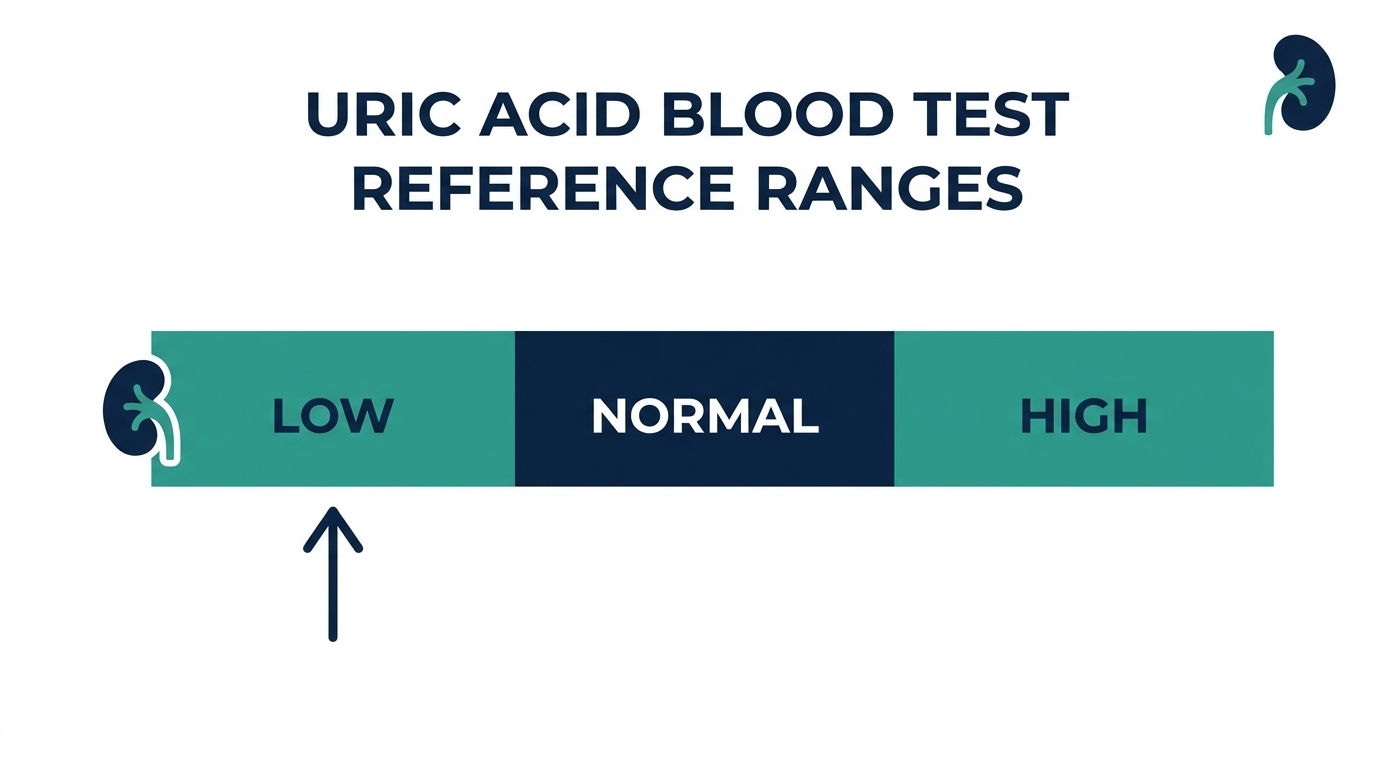
- Low uric acid (hypouricemia) is generally defined as a serum level at or below 2.0 mg/dL, well under the normal range of about 3.0 to 7.1 mg/dL for women and 4.0 to 8.6 mg/dL for men (MedlinePlus).
- The most common harmless causes are a low-purine or plant-heavy diet and medications such as losartan, fenofibrate, atorvastatin, or probenecid, while medical causes include Fanconi syndrome, SIADH, and inherited renal hypouricemia (MedlinePlus).
- Low uric acid itself rarely causes symptoms, but people with inherited renal hypouricemia carry a roughly 6.5% risk of exercise-induced acute kidney injury, so unexplained low results plus post-exercise flank pain deserve a doctor’s review (PMC).
What does low uric acid mean and what is the cutoff?
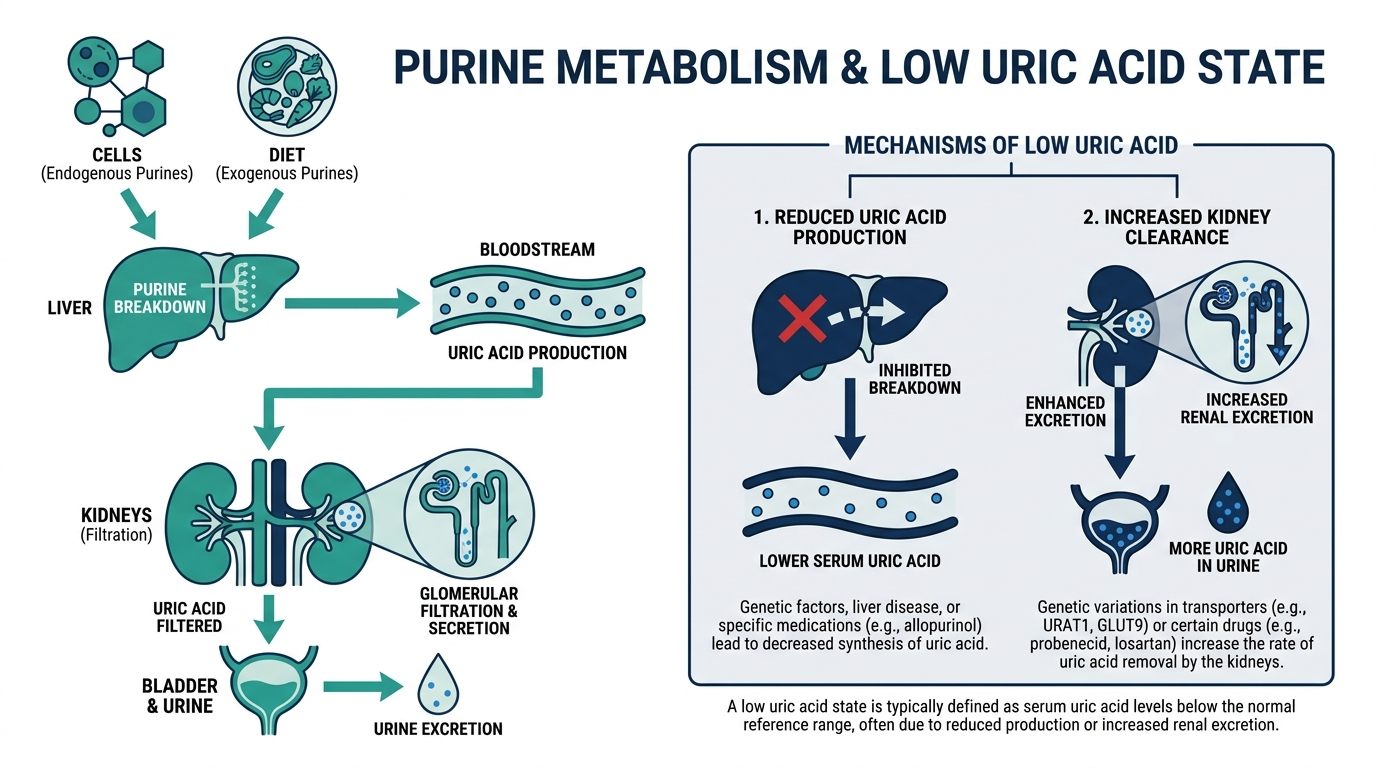
Low uric acid, called hypouricemia, is usually defined as a serum uric acid level of 2.0 mg/dL or less (StatPearls-affiliated review, PMC). For context, MedlinePlus lists the normal adult range as 3.0 to 7.1 mg/dL for women and 4.0 to 8.6 mg/dL for men, so a “low” flag means your body is either producing too little uric acid or clearing too much of it through the kidneys.
Low uric acid is usually harmless, but wouldn’t it help to see the full picture instead of one number? One at-home Superpower draw checks 100+ biomarkers, physician-reviewed.
Uric acid is the waste product your body makes when it breaks down purines, which come from both your own cells and from foods like red meat, organ meat, and beer. A low number simply means less of that waste is sitting in your blood at the moment of the draw. That is the opposite of the gout picture, and on its own it is far less likely to be a problem than a high result.

What causes low uric acid?
The two big buckets are making less uric acid and excreting more of it. Hypouricemia is uncommon overall, appearing in roughly 2% of hospitalized patients and under 0.5% of the general population (UpToDate summary). MedlinePlus and clinical reviews point to a consistent list of causes.
- Diet: A low-purine or largely plant-based eating pattern lowers the raw material for uric acid (MedlinePlus).
- Medications: Losartan, fenofibrate, atorvastatin, captopril, enalapril, probenecid, and trimethoprim-sulfamethoxazole can all push the number down (MedlinePlus).
- Kidney handling: Fanconi syndrome and inherited renal hypouricemia cause the kidneys to dump uric acid into the urine instead of reabsorbing it (MedlinePlus, PMC).
- Hormonal and other: SIADH (syndrome of inappropriate antidiuretic hormone), HIV infection, Wilson disease, and some inherited metabolic disorders (MedlinePlus).
Inherited renal hypouricemia (RHUC) is driven by mutations in the URAT1 gene (SLC22A12) or the GLUT9 gene (SLC2A9), which control how the kidney reclaims uric acid (PMC). It is rare, affecting about 0.3% of the general population in Japan, where it is best studied (PMC).
What are the symptoms, or is it silent?
Low uric acid is usually silent and causes no symptoms by itself (UpToDate summary). In most people it is an incidental finding on a routine panel, and the number matters mainly as a clue to the underlying cause rather than as a disease on its own.
When symptoms do appear, they belong to the condition behind the low reading, not to the low uric acid. For example, Fanconi syndrome can bring excessive urination, thirst, bone pain, and muscle weakness because the proximal kidney tubule leaks glucose, phosphate, and amino acids along with uric acid. SIADH tends to show up as low sodium, which can cause nausea, headache, confusion, and in severe cases seizures. So if your uric acid is low, the practical question is whether anything else on your labs, such as sodium, glucose, phosphate, or protein in the urine, is also off.
When is low uric acid dangerous?
For the average person, low uric acid is benign and not dangerous (UpToDate summary). The clear exception is inherited renal hypouricemia, where the danger is exercise-induced acute kidney injury (EIAKI). In studies of people with hereditary RHUC, about 6.5% experienced EIAKI and about 8.5% developed kidney stones (urolithiasis) (PMC).
The classic warning pattern is a young, otherwise healthy person who develops sudden severe flank or back pain, nausea, and reduced urine output a few hours after intense exercise, especially sprinting. These episodes are usually transient, but some cases have been severe enough to require temporary dialysis (PMC). Beyond RHUC, danger comes from the underlying condition. SIADH with severe low sodium and Fanconi syndrome with major electrolyte loss both need prompt medical attention, again because of the parent condition rather than the uric acid figure itself.

What to do next and when to see a doctor
If low uric acid is your only abnormal result and you feel fine, it rarely needs urgent action, but you should still mention it to your clinician so the cause can be sorted out (MedlinePlus). Bring your full medication list, since drugs like losartan and fenofibrate are common, easily missed explanations.
- Review your meds and diet: Note any urate-lowering or blood-pressure drugs and whether you eat a low-purine or plant-based diet.
- Check the neighbors on your panel: Ask whether sodium, glucose, phosphate, and urine protein are normal, since these flag SIADH or Fanconi syndrome.
- See a doctor promptly if you have had sudden flank pain, nausea, or low urine output after hard exercise, or if you have unexplained confusion, severe headache, or seizures (possible low sodium).
- Repeat the test if the result was surprising, since a single low value can reflect timing, hydration, or recent diet.
The insider nuance most patients miss
Here is the clinical pearl that doctors use but rarely explain to patients: a very low uric acid is one of the most useful clues for diagnosing SIADH. When someone has low blood sodium, a uric acid that sits unusually low helps separate SIADH from other causes of hyponatremia, because antidiuretic hormone also makes the kidney waste uric acid (PubMed, Medscape). In other words, the low uric acid is not the problem, it is the fingerprint.
The second underused insight: if you are a young, fit person with a low result and no medications to explain it, ask specifically about renal hypouricemia before your next big athletic effort. Knowing you carry that 6.5% EIAKI risk lets you hydrate well and recognize warning pain early, rather than dismissing it as a normal post-workout ache (PMC).
Where uric acid comes from and why humans keep it high
To understand a low result, it helps to know why humans carry so much uric acid in the first place. Uric acid is the end product of purine breakdown. Purines are building blocks of DNA and RNA, and they come from two sources: the natural turnover of your own cells and the purines in certain foods.
Here is the evolutionary twist. Most mammals have an enzyme called uricase that breaks uric acid down further into a more soluble, easily excreted compound. Humans and other great apes do not. During primate evolution the uricase gene was inactivated, which is why human urate levels run far higher than those of most other mammals, close to the limit of solubility (The Role of Uric Acid in Human Health, PMC). This high baseline is a double-edged sword. On one hand, it predisposes humans to gout when levels climb too high. On the other, it means uric acid is present in large amounts as an antioxidant.
Seen this way, a low uric acid result is a deviation below a set point that human biology usually keeps quite high. That is exactly why clinicians treat a genuinely low value as a clue worth explaining rather than shrugging off, even though it is far less often harmful than a high one.

Uric acid as an antioxidant: what low levels may mean
Because humans lack uricase, uric acid circulates at high enough levels to act as one of the body’s major antioxidants, meaning it helps neutralize the reactive molecules that can damage cells. This is an area of active research, and it puts a low result in an interesting light.
Observational research has linked lower urate levels with a higher risk of certain neurodegenerative conditions, and higher urate with a reduced risk and slower progression of Parkinson disease in some studies (Urate as a biomarker of Parkinson disease risk, PubMed). It is important to read this carefully. These are associations, not proof that low uric acid causes disease or that raising it prevents disease. Trials aimed at increasing urate to slow Parkinson disease have not translated into a recommended treatment, and deliberately pushing uric acid up carries its own risk of gout and kidney stones.
The honest, useful takeaway is modest. A low uric acid is not something to panic over on antioxidant grounds, and there is no evidence-based reason to try to raise it on your own. But the antioxidant role is part of why researchers find the marker interesting, and it is a reasonable topic to raise with your clinician if you are curious, rather than a call to action.
How the uric acid test is done and what can skew it
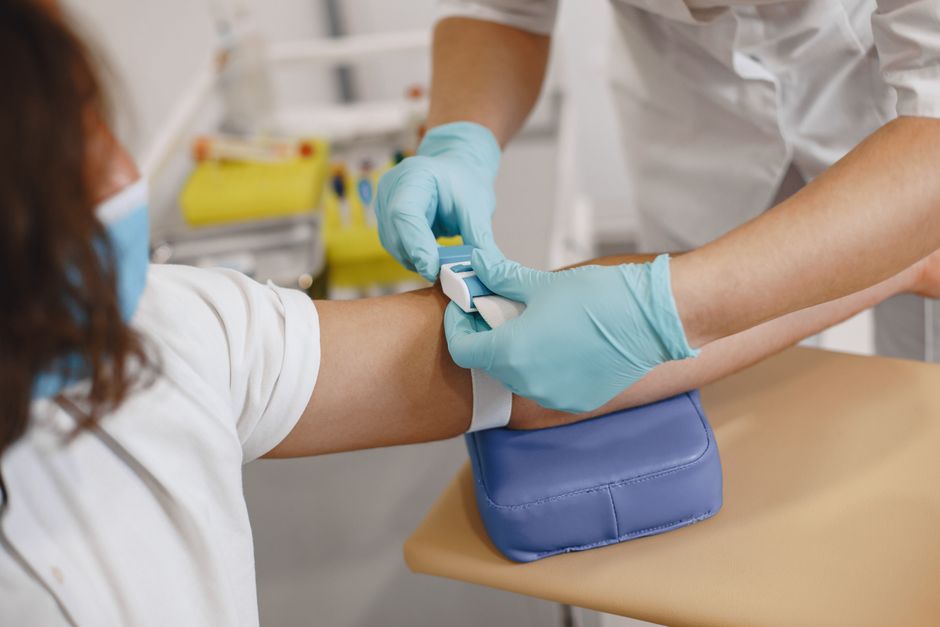
A uric acid level is measured from a standard blood draw, usually from a vein in the arm, and is often part of a broader metabolic panel rather than a standalone test. Preparation is generally minimal, though your clinician may ask you to avoid a large purine-heavy meal or alcohol beforehand, and some labs prefer a fasting sample.
Several everyday factors can move a single reading, which is why an unexpected low value is often simply repeated:
- Recent diet: a stretch of low-purine or plant-based eating lowers the raw material for uric acid and can pull the number down.
- Hydration and timing: fluid status and the time of the draw can shift the concentration modestly.
- Medications: this is the most common overlooked cause. Losartan, fenofibrate, atorvastatin, certain ACE inhibitors, probenecid, and trimethoprim-sulfamethoxazole all lower uric acid, so a current medication list is essential context.
- Recent illness or IV fluids: hospital settings, where hypouricemia is more often seen, involve fluids and conditions that can lower the value.
The single most valuable step when you see a low result is to bring your full medication and supplement list to your clinician, because a drug explanation is both common and easy to miss, and it can spare you unnecessary further testing.
Which markers to read alongside a low uric acid
A low uric acid is most informative when read next to the other values on the same panel, because those neighbors reveal whether the low reading is an isolated quirk or the fingerprint of a broader condition. Ask your clinician about these companions:
- Sodium: a low uric acid paired with low sodium is a classic clue for SIADH, because the same hormone that lowers sodium also makes the kidney waste uric acid.
- Glucose, phosphate, and urine protein: if these are abnormal alongside low uric acid, they can point toward Fanconi syndrome, where the kidney’s proximal tubule leaks multiple substances at once.
- Kidney markers (creatinine and eGFR): these frame how well the kidneys are handling filtration overall.
- Fractional excretion of uric acid: a specialized calculation from paired blood and urine samples that tells whether your kidneys are dumping too much uric acid, which is the mechanism in inherited renal hypouricemia.
This is the core principle for any single out-of-range value: it is a prompt to look at the pattern, not a diagnosis by itself. In the specific case of low uric acid, the neighbors on the panel usually decide whether it is a harmless dietary or medication effect or a signal of something like SIADH or a tubular problem worth pursuing.
Inherited renal hypouricemia: the one low result athletes should know
The most clinically important cause of a genuinely low uric acid in an otherwise healthy person is inherited renal hypouricemia (RHUC), a condition driven by mutations in the URAT1 or GLUT9 transporter genes that control how the kidney reclaims uric acid. Instead of reabsorbing uric acid, the kidney dumps it into the urine, producing a persistently low blood level.
Why it matters is specific and practical. People with RHUC carry a real risk of two problems:
- Exercise-induced acute kidney injury (EIAKI): intense exertion, especially sprinting, can trigger sudden kidney injury a few hours later, with severe flank or back pain, nausea, and reduced urine output.
- Kidney stones: the high uric acid load in the urine raises the risk of stone formation.
If you are a young, fit person with a low uric acid, no medication that explains it, and especially if you have ever had unexplained severe flank pain after hard exercise, this is the diagnosis to raise with your clinician before your next big athletic effort. Knowing you carry the risk lets you hydrate aggressively around intense exercise and recognize warning pain early rather than dismissing it as an ordinary post-workout ache. For most people a low uric acid needs no action, but for this specific group, awareness genuinely changes what to watch for.
Low versus high uric acid: reading the number in both directions
Most people encounter uric acid testing because of gout, where the concern is a high level. Understanding both ends of the range makes a low result easier to place in context.
- High uric acid (hyperuricemia): when levels climb too high, uric acid can crystallize in joints and cause gout, the sharp, often nighttime pain classically striking the big toe. High levels also raise the risk of uric acid kidney stones. This is the common, symptomatic end of the spectrum, and it is what most testing is designed to catch.
- Low uric acid (hypouricemia): the opposite finding is far less common and usually silent. It reflects either making less uric acid, often from diet, or clearing too much of it through the kidneys, often from medication or a tubular condition.
The asymmetry is the key insight. A high result frequently signals a condition that needs management, while a low result is usually a benign clue that mainly points toward its cause. That is why the workup for a low value focuses on explaining it, reviewing medications, checking the neighboring lab values, and only occasionally pursuing rarer causes, rather than treating the number itself. There is no treatment aimed at raising a low uric acid, and none is needed for the vast majority of people.
Diet, purines, and the plant-based connection
Because uric acid comes from purine breakdown, what you eat has a direct and predictable effect on the number. This is the single most common harmless explanation for a low result.
Foods high in purines, which tend to raise uric acid, include:
- Red meat and organ meats such as liver and kidney.
- Certain seafood, including shellfish, anchovies, and sardines.
- Beer and other alcohol, which both add purines and impair uric acid clearance.
A person eating a largely plant-based or low-purine diet takes in far less of this raw material, so their uric acid naturally sits lower. If you have shifted toward plant-based eating, cut back on red meat and alcohol, or simply eat a lighter diet than most, a low uric acid is an expected consequence rather than a warning sign. This is worth emphasizing because it reassures the large group of people whose low result has a completely benign dietary explanation.
The practical implication is straightforward. When you see a low uric acid, one of the first questions to ask yourself, and to raise with your clinician, is how you have been eating recently. A dietary explanation, combined with a normal set of neighboring lab values and no relevant medications, usually closes the case without any need for further testing.
Don’t just read about uric acid, track it.
A single result is a snapshot. Superpower re-tests uric acid and 100+ markers over time so you can watch them move as you change sleep, food, and training.
Frequently asked questions
Is low uric acid something to worry about?
Usually no. For most people low uric acid is benign and reflects diet or medication, not disease (UpToDate summary). It matters mainly as a clue. Worry is warranted only if you also have low sodium, abnormal kidney labs, or flank pain after intense exercise.
What level of uric acid is considered too low?
Hypouricemia is generally defined as a serum uric acid of 2.0 mg/dL or less (PMC), compared with a normal range of about 3.0 to 7.1 mg/dL in women and 4.0 to 8.6 mg/dL in men (MedlinePlus).
Can medications cause low uric acid?
Yes. Common culprits include losartan, fenofibrate, atorvastatin, captopril, enalapril, probenecid, and trimethoprim-sulfamethoxazole (MedlinePlus). If your number is low, review your medication list with your clinician before pursuing further testing.
Does a plant-based or low-purine diet lower uric acid?
It can. Because uric acid comes from breaking down purines found in meat, organ meat, and seafood, eating fewer of these foods reduces production and can lower your blood level (MedlinePlus). This is a harmless, expected effect rather than a problem.
Can low uric acid hurt your kidneys?
Not in most people. The exception is inherited renal hypouricemia, where intense exercise can trigger acute kidney injury in about 6.5% of cases and kidney stones in about 8.5% (PMC). Staying hydrated and seeking care for post-exercise flank pain lowers that risk.
Sources
- MedlinePlus, Uric acid – blood
- PMC, Hypouricemia and Urate Transporters
- UpToDate, Hypouricemia: Causes and clinical significance
- StatPearls (NCBI Bookshelf), Fanconi Syndrome
- PubMed, Hyponatremia and hypouricemia: differentiation from SIADH
- Medscape, Syndrome of Inappropriate Antidiuresis (SIAD) Workup
This article is for general educational purposes and is not medical advice. It cannot diagnose or treat you and does not replace your clinician. Always discuss your lab results and any health decisions with a qualified healthcare professional.