Disclosure: Vital Signs Today may earn a commission if you buy through links on this page, at no extra cost to you. This does not influence our evidence-based assessments. We are not a medical provider; talk to a clinician before acting on test results.
Related: Glucose normal range by age (full chart)
You scanned your blood work, saw most numbers sitting calmly inside their ranges, and then your eye snagged on glucose. The figure was low, and now you are wondering whether your body just quietly told you something is wrong. Here is the reassuring part most articles bury: a single low glucose reading on a routine panel is one of the most commonly misread results in lab medicine, and a large share of the time it is not even real.
That does not mean you ignore it. It means you read it correctly, which almost nobody does on the first try. Let us walk through what the number means, what actually drives it down, and the moments when low glucose becomes an emergency.
Part of our Comprehensive Metabolic Panel guide.
What does low glucose mean in a blood test?
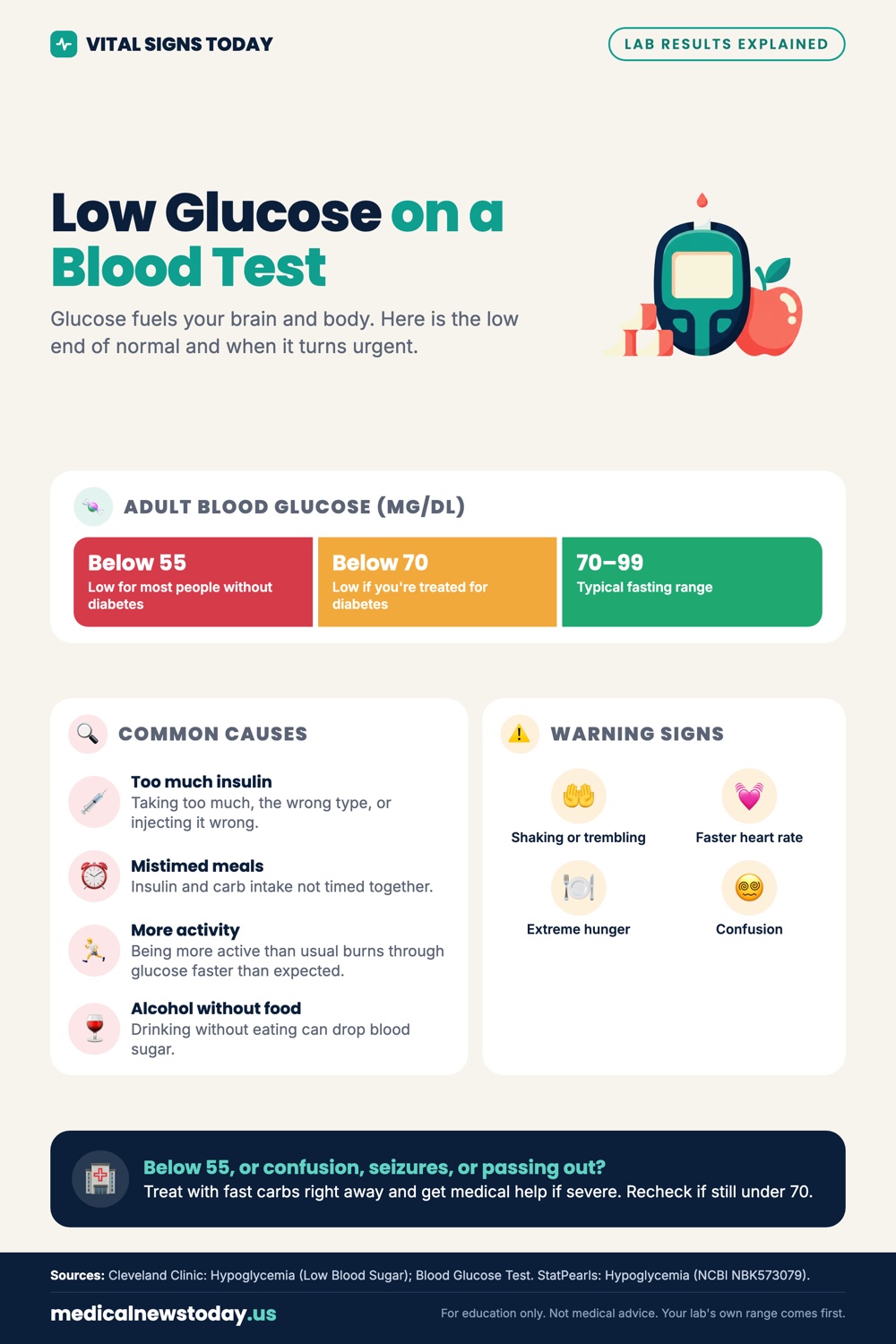
A low glucose result means the amount of sugar circulating in your blood at the moment of the draw was below the normal range, a state doctors call hypoglycemia. The threshold that matters depends on who you are. For most people without diabetes, hypoglycemia is generally defined as a blood sugar below 55 mg/dL (3.1 mmol/L), while for people with diabetes the working cutoff is below 70 mg/dL (3.9 mmol/L) (Cleveland Clinic). In plain terms, glucose is the fuel your brain and body run on, and a low number says the tank dipped lower than it should have when the lab measured it.
Here is the single most important idea on this page. In someone without diabetes, a low glucose value only counts as true hypoglycemia when it lines up with what clinicians call Whipple’s triad: symptoms that fit low blood sugar, a measured low glucose at the time of those symptoms, and those symptoms clearing once the sugar is brought back up (NCBI StatPearls). A lone low number on a printout, with no symptoms and no story around it, does not meet that bar. That distinction is what separates a real metabolic problem from a lab artifact, and it is the question your clinician will ask first.
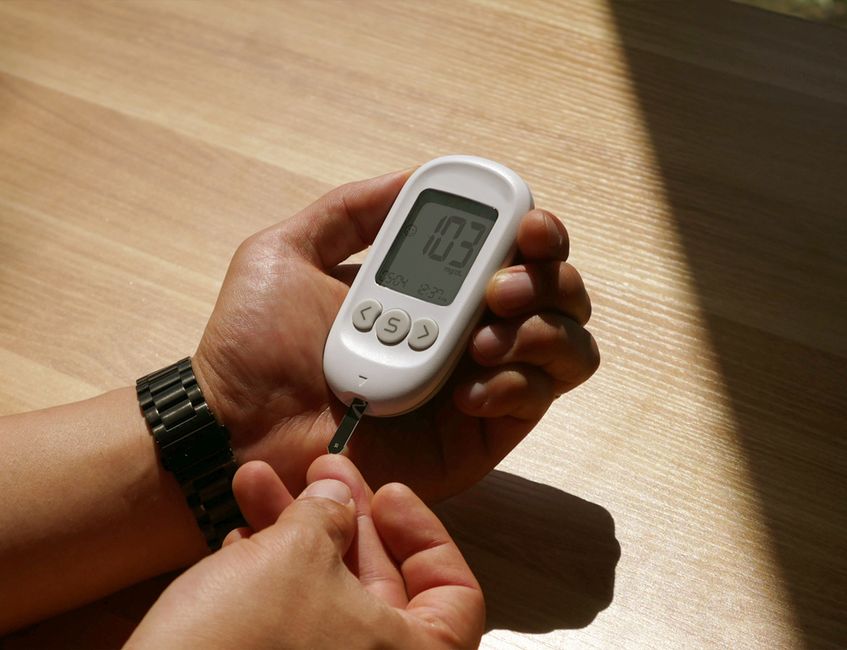
What causes a low glucose?
The honest place to start is the most common cause of a low reading, which is not a disease at all. It is the blood sample itself. Red and white cells keep eating glucose inside the tube after the draw, so if the specimen sat too long before processing, or was not collected in the correct preservative tube, the measured glucose drifts downward. This is called artifactual or pseudohypoglycemia, and it is exactly why a low value with zero symptoms so often turns out to be nothing.
Once a true low is established, the differential splits into two broad groups (NCBI StatPearls):
- Diabetes treatment, by far the leading real cause. Too much insulin, a sulfonylurea or glinide pill, a skipped or delayed meal, more exercise than usual, or alcohol on top of medication all push glucose down (Cleveland Clinic). If you take diabetes medication, this is the explanation until proven otherwise.
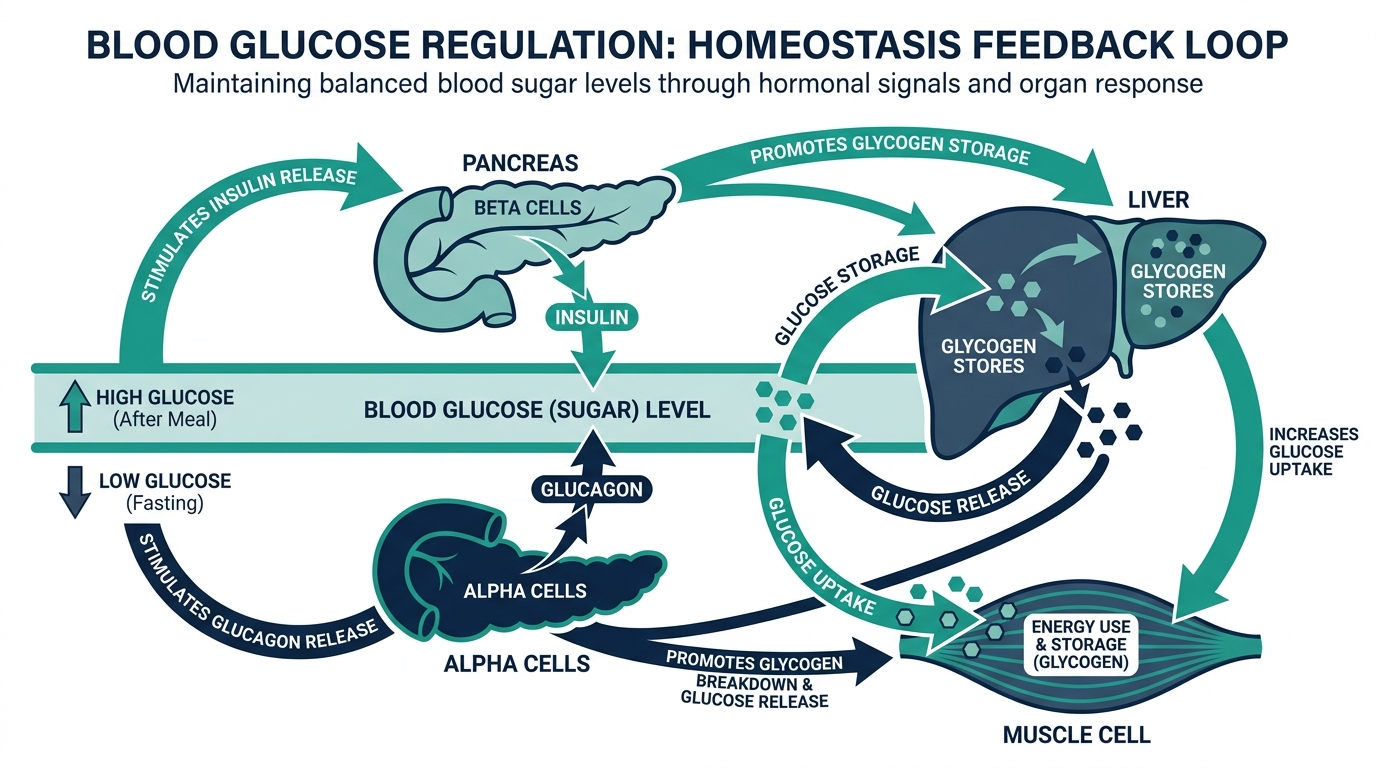
- Alcohol. Heavy drinking, especially over a few days with little food, blocks the liver from making new glucose, so the body runs the tank dry (Cleveland Clinic).
- Organ failure and serious illness. Liver disease, kidney failure, sepsis, and other critical illness can all drop glucose (NCBI StatPearls).
- Hormone deficiencies. Adrenal insufficiency and other endocrine gaps remove the hormones that normally defend your blood sugar (Cleveland Clinic).
- Insulinoma. A rare insulin-producing tumor of the pancreas drives glucose down even during fasting, and it is the classic reason a 72-hour fast gets ordered (NCBI StatPearls).
- Reactive (postprandial) drops. Some people, including those who have had gastric surgery, get a sharp glucose dip in the hours after a meal as insulin overshoots (NCBI StatPearls).
Notice how the list is sorted. If you are not on diabetes medication and not drinking heavily, dramatic causes like insulinoma are genuinely uncommon. They exist and they matter, but they are not where a sensible workup starts.
What are the symptoms of a low glucose?
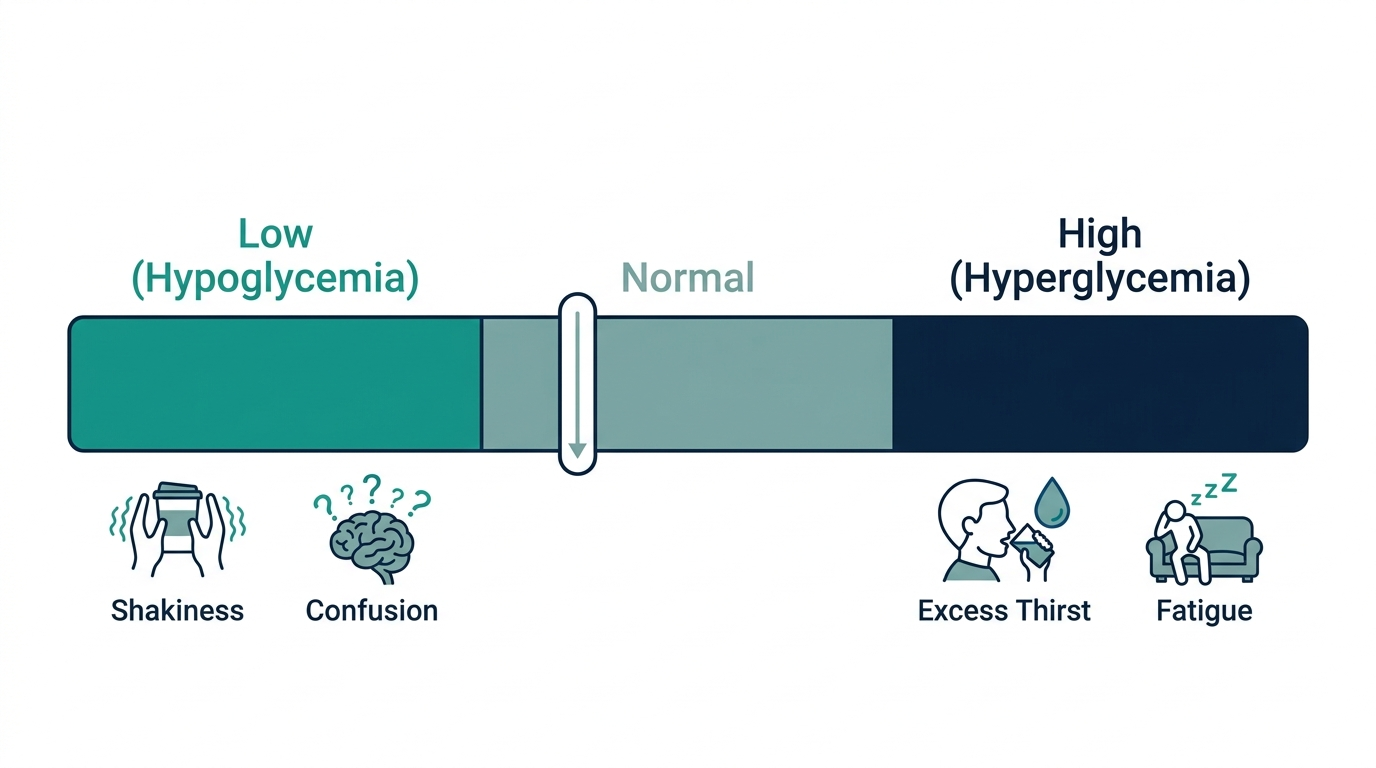
This is where the test result and your body have to agree. A truly low glucose tends to announce itself, and the symptoms come in two waves. The first wave is the adrenaline response: shakiness, sweating, a racing heart, sudden intense hunger, anxiety, pale skin, dizziness, and tingling around the lips or mouth (Cleveland Clinic). These are your body’s alarm bells, and they usually hit first.
The second wave is what doctors call neuroglycopenia, where the brain itself starts running short on fuel: confusion, blurred or double vision, slurred speech, poor coordination, disorientation, and in severe cases seizures or loss of consciousness (Cleveland Clinic). Nighttime lows have their own signature too, such as restless sleep, sweating through the sheets, nightmares, and waking up groggy and confused.
Now the flip side, and it is the crux of the whole topic. If your glucose printed low but you felt completely fine when the blood was drawn, that mismatch is a loud clue. A low number with no symptoms strongly favors a sample handling artifact over real hypoglycemia, because a brain that is actually starved of glucose does not stay quiet.
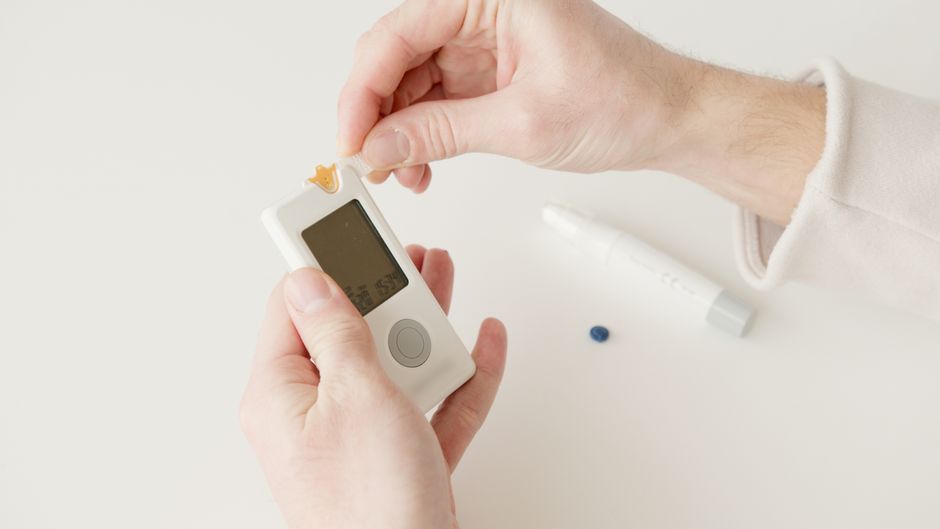
When is a low glucose dangerous or a medical emergency?
Severity is about two things at once: how low the number is and what the person can still do. As glucose falls toward and below 55 mg/dL, the brain symptoms in that second wave become more likely (NCBI StatPearls). Severe hypoglycemia is the level where a person can no longer treat themselves and needs someone else to step in.
Treat it as an emergency and call 911 if a person with low blood sugar is unconscious, having a seizure, or unable to swallow safely (Cleveland Clinic). Do not try to force food or drink into someone who cannot swallow, because it can go into the lungs. This is the situation emergency glucagon exists for, given as an injection or a nasal powder to make the liver dump stored glucose.
One nuance worth knowing: how fast the glucose is falling matters as much as the final number. A blood sugar dropping quickly can trigger symptoms before it ever crosses a textbook threshold (Cleveland Clinic). The number on the page is a snapshot, not the whole movie.
What should you do about a low glucose?
The right move depends entirely on which bucket you are in.
If you have symptoms right now and you can swallow, use the 15-15 rule: take 15 grams of fast-acting carbohydrate such as juice, regular soda, or glucose tablets, wait 15 minutes, then recheck. If you are still below 70 mg/dL, repeat the round (Cleveland Clinic). Once you are back in range, eat a balanced snack or meal to keep it there.
If you take diabetes medication and this keeps happening, the lows are a message about your regimen. Doses, meal timing, and activity often need adjusting, and that is a conversation with your prescriber, not a problem to push through alone (Cleveland Clinic).
If you do not have diabetes and the low showed up on a routine panel with no symptoms, the first and cheapest step is usually to repeat the test with attention to proper sample handling, ideally a fasting draw processed promptly. If repeat values are normal, the workup often ends there. If genuine symptomatic lows are documented, the evaluation moves to confirming Whipple’s triad and, when fasting hypoglycemia is suspected, a supervised 72-hour fast remains the gold-standard test for hunting down an insulinoma (NCBI StatPearls). For drops that only happen after meals, a mixed-meal test is the more appropriate tool.

When should you see a doctor?
See a clinician promptly if you have repeated episodes of shakiness, sweating, confusion, or near-fainting that ease when you eat, because that pattern is the real-world version of Whipple’s triad and deserves a proper look (NCBI StatPearls). Seek care if a low glucose ever causes confusion, vision changes, slurred speech, or a near loss of consciousness, even once. And if you take insulin or a sulfonylurea and are having frequent lows, contact your prescriber rather than simply eating more to mask it (Cleveland Clinic). A single low number on a panel with no symptoms is worth mentioning at your next visit, but it rarely needs an urgent call.
The part most people never hear: the low that was never real
Here is the insider point that gets lost in patient handouts. The most frequent reason a healthy person sees a low glucose on a blood test is not their pancreas, their liver, or a tumor. It is the tube. Blood cells continue to consume glucose after collection, so a sample that waited too long before the lab spun and measured it, or that was drawn into the wrong tube, reads falsely low. This artifact is exactly why clinicians lean so hard on Whipple’s triad before chasing exotic diagnoses (NCBI StatPearls).
The practical consequence is that an isolated low number with no symptoms should usually trigger a confirmation, not an investigation. A second cleanly handled draw resolves a huge fraction of these. The error that costs people money and anxiety is treating a single artifact-prone value as a diagnosis and spiraling into testing for rare tumors before the simplest explanation has been ruled out. Reading glucose well means reading it together with the story around it, never as a number in isolation (Cleveland Clinic).
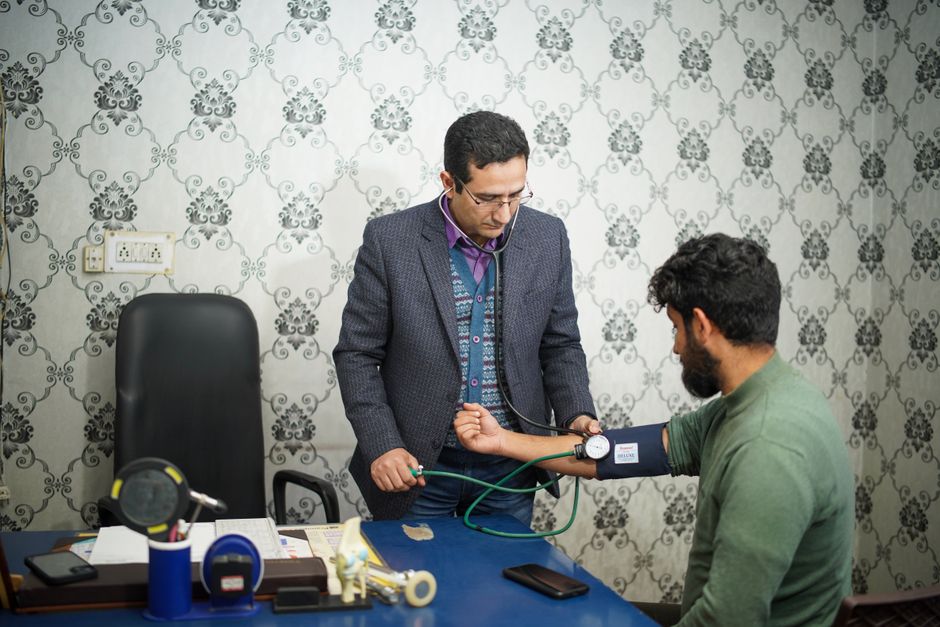
How glucose is measured, and what changes the number
Understanding how the value is generated makes a low result far less mysterious. A standard glucose comes from a venous blood draw, and the single most important variable is timing relative to food. Your report should tell you, or your clinician should know, whether the sample was fasting, random, or drawn after a glucose challenge.
- Fasting glucose is drawn after roughly 8 to 12 hours without eating, usually first thing in the morning. It is the cleanest baseline and the version most reference ranges assume.
- Random (non-fasting) glucose is drawn at any time. A number that looks low here may simply reflect timing since the last meal, insulin activity, or recent exercise.
- Post-challenge glucose, as in an oral glucose tolerance test, is measured at set intervals after a sugary drink and is used mainly to diagnose diabetes or a reactive dip.
Beyond timing, several things push a measured glucose down or make it look lower than the true physiological level:
- Delayed processing in the wrong tube. As covered above, cells keep eating glucose in the tube. A gray-top tube containing sodium fluoride slows this, which is why it is preferred when a sample cannot be spun quickly.
- Recent intense exercise, which lowers glucose as muscles pull sugar from the blood.
- Alcohol, which blunts the liver’s ability to release glucose.
- Certain medications, most obviously insulin and sulfonylureas, but also some non-diabetes drugs that can lower glucose.
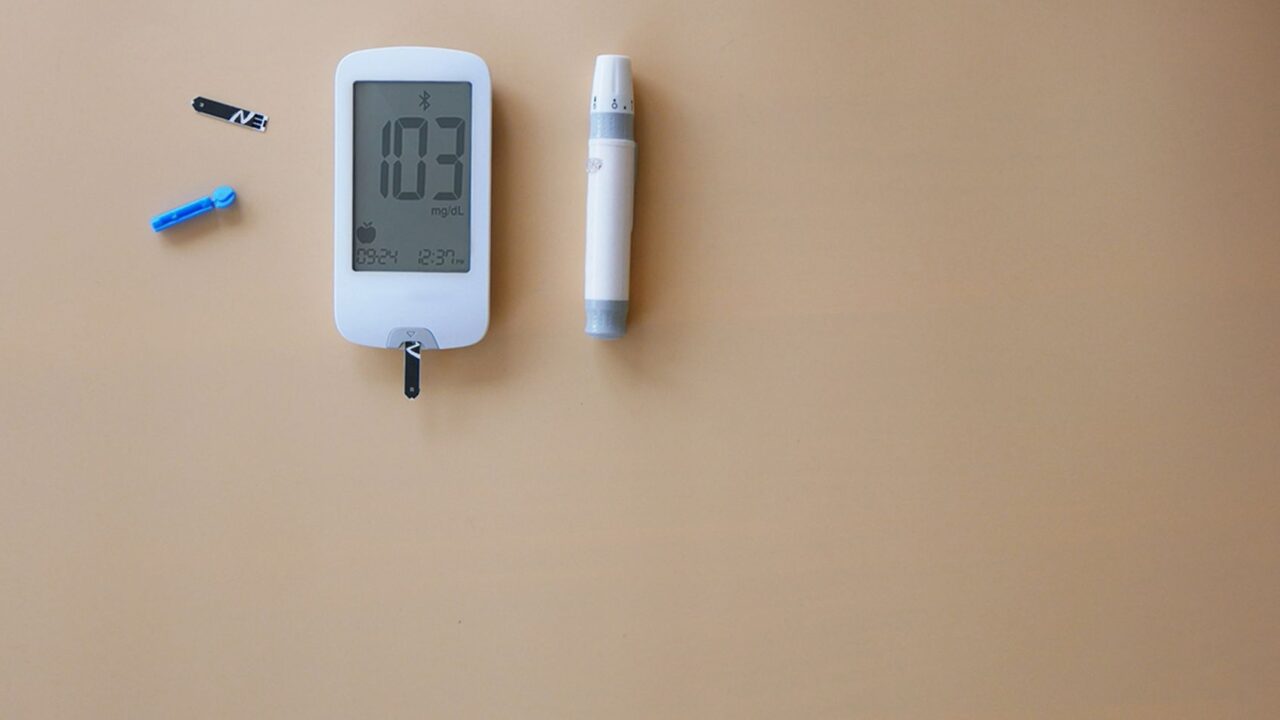
- Finger-stick versus venous samples, which can differ, especially right after eating, so a home meter and a lab draw will not always agree perfectly.
The markers doctors read alongside glucose
A single glucose is a snapshot. To understand what it means over time, clinicians pair it with a few companion tests. Seeing them together is what separates a random low from a meaningful pattern.
| Companion test | What it adds |
|---|---|
| Hemoglobin A1c | Reflects average blood sugar over the past two to three months. A low fasting glucose with a normal or higher A1c suggests the single reading was a fluke or timing artifact, not a chronic low. |
| Insulin and C-peptide | Ordered together during a documented low, they reveal whether the pancreas is releasing too much insulin, the key clue when hunting for an insulinoma or medication effect. |
| Cortisol | Low cortisol from adrenal insufficiency removes a hormone that defends blood sugar, so it is checked when unexplained lows appear. |
| Liver enzymes (ALT, AST) and creatinine | Because severe liver or kidney disease can cause hypoglycemia, these help explain a low in a sick patient. |
| Albumin and total protein | Markers of nutrition and organ function that give context in malnutrition or critical illness. |
Want to check your blood sugar?
Three ways to get it measured. Pick whichever fits you.
Affiliate links: we may earn a commission at no extra cost to you. A lab test does not replace a visit with your clinician.
Reading the pattern: worked interpretation scenarios
The same low glucose can mean very different things depending on the context around it. Here is how a clinician mentally sorts them.
- Low glucose, no symptoms, otherwise healthy, sample sat around. Almost always a handling artifact. Repeat with a promptly processed fasting draw and it typically normalizes.
- Low glucose with shakiness and sweating that resolve after juice. This fits Whipple’s triad and points to real hypoglycemia. The next question is why, starting with medications and alcohol.
- Recurrent lows a few hours after meals, especially after gastric surgery. Suggests reactive (postprandial) hypoglycemia, best evaluated with a mixed-meal test rather than a fasting one.
- Fasting lows with high insulin and high C-peptide during the episode. Raises concern for an insulin-producing tumor and usually prompts a supervised evaluation.
- Low glucose in a hospitalized, seriously ill person. Often driven by the underlying illness itself, sepsis, liver failure, or kidney failure, and the focus is on treating that.
Common misconceptions about low blood sugar
- “A low reading means I have hypoglycemia.” Not by itself. In someone without diabetes, a low number only counts as true hypoglycemia when it lines up with symptoms and relief after eating.
- “Feeling shaky when hungry means my blood sugar is dangerously low.” Hunger and mild jitteriness are common and usually not true hypoglycemia. Real lows are confirmed by a measured value during symptoms.
- “I should keep eating sugar to prevent lows.” Constantly snacking on sugar can worsen glucose swings. For real, recurrent lows the fix is finding the cause, not grazing.
- “Only people with diabetes get low blood sugar.” While diabetes treatment is the leading cause, alcohol, serious illness, hormone problems, and rare tumors can all cause it in people without diabetes.
- “A home meter reading is as accurate as a lab.” Meters are useful but less precise, and finger-stick values can differ from a venous lab draw, so a surprising home low deserves confirmation.
Who should watch their glucose, and how often
Glucose is on nearly every routine metabolic panel, so most adults have it checked without asking. Closer attention is warranted in specific situations.
- Anyone on insulin or a sulfonylurea, who should monitor for lows and review any pattern of them with their prescriber.
- People with documented symptomatic lows, where the goal is to confirm the pattern and pin down the cause.
- Those with liver disease, kidney disease, or adrenal problems, whose conditions can affect glucose regulation.
- People after bariatric or gastric surgery, who are more prone to reactive drops after meals.
- Anyone whose single low result has no story around it, for whom the right next step is usually one clean repeat draw rather than an elaborate hunt.
The theme across all of these is the same. A low glucose is a question, not a verdict. Read it together with your symptoms, your medications, how the sample was handled, and the companion markers on the panel, and the number stops being frightening and starts being useful.
Treating a low in the moment: the 15-15 approach
Knowing what a low glucose means is one thing. Knowing exactly what to do when you feel one coming on is what actually keeps you safe. The widely taught method for a conscious person who can swallow is the fifteen fifteen approach. If your glucose is low and you have symptoms, take about fifteen grams of fast acting carbohydrate, wait fifteen minutes, then recheck. Fifteen grams is roughly four glucose tablets, half a cup of regular juice or soda, or a tablespoon of sugar or honey. If you are still low on the recheck, repeat the same step. Once you are back in range, follow up with a small snack that contains protein or a slower carbohydrate if your next meal is more than an hour away, so the number does not simply dip again.
Two common mistakes make episodes worse. The first is overtreating, where the fear of the low drives someone to eat everything in sight, which then sends glucose too high afterward. Measuring out a set fifteen grams and waiting is what prevents that swing. The second mistake is reaching for fat heavy foods like chocolate or a candy bar first, because the fat slows sugar absorption and delays the recovery you need right now. Pure fast sugar first, then real food after.
It is also worth separating a true medical low from reactive dips that some people feel a couple of hours after a carbohydrate heavy meal. In reactive hypoglycemia, an oversized insulin response overshoots and briefly pulls glucose down, producing shakiness and hunger that resolve with a small balanced snack. It is usually managed with eating patterns, smaller and more balanced meals, pairing carbohydrates with protein and fiber, rather than with medication. If you get frequent lows, keeping a simple log of when they happen, what you last ate, and what you were doing gives your clinician the pattern they need to find the cause rather than just treating each episode as it comes.
Frequently asked questions
What is considered a low glucose level on a blood test?
For most people without diabetes, hypoglycemia generally means a blood sugar below 55 mg/dL (3.1 mmol/L), while for people with diabetes the cutoff is usually below 70 mg/dL (3.9 mmol/L) (Cleveland Clinic). Always compare your result to the reference range printed on your own lab report.
Can a low glucose result be wrong?
Yes, and it often is. Blood cells keep consuming glucose inside the tube, so a sample processed too slowly or collected in the wrong tube can read falsely low. This is a major reason a low value with no symptoms is frequently a lab artifact rather than true hypoglycemia (NCBI StatPearls).
Why is my glucose low if I do not have diabetes?
In people without diabetes, low glucose can come from heavy alcohol use, serious liver or kidney disease, sepsis, hormone deficiencies such as adrenal insufficiency, or rarely an insulin-producing tumor called an insulinoma (NCBI StatPearls). Often, though, an isolated low with no symptoms is a sample handling artifact.
When is a low blood glucose a medical emergency?
It is an emergency if someone is unconscious, seizing, or unable to swallow safely. Call 911 and do not force food or drink, since emergency glucagon may be needed instead (Cleveland Clinic).
How do I treat a low blood sugar at home?
If you have symptoms and can swallow, use the 15-15 rule: eat 15 grams of fast-acting carbohydrate, wait 15 minutes, recheck, and repeat if you are still below 70 mg/dL (Cleveland Clinic). Follow up with a balanced snack once you are back in range.
This article is for general educational purposes and is not medical advice. It cannot diagnose or treat you and does not replace your clinician. Always discuss your lab results and any health decisions with a qualified healthcare professional.
Vital Signs Today may earn a commission if you buy through links on this page. It does not affect our editorial assessments.