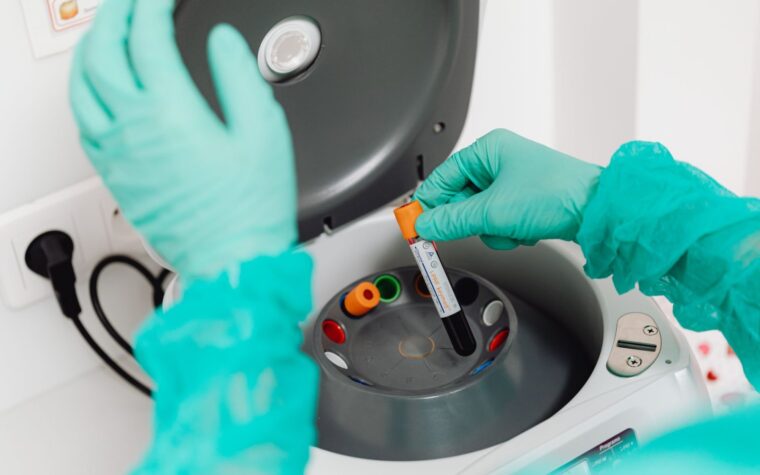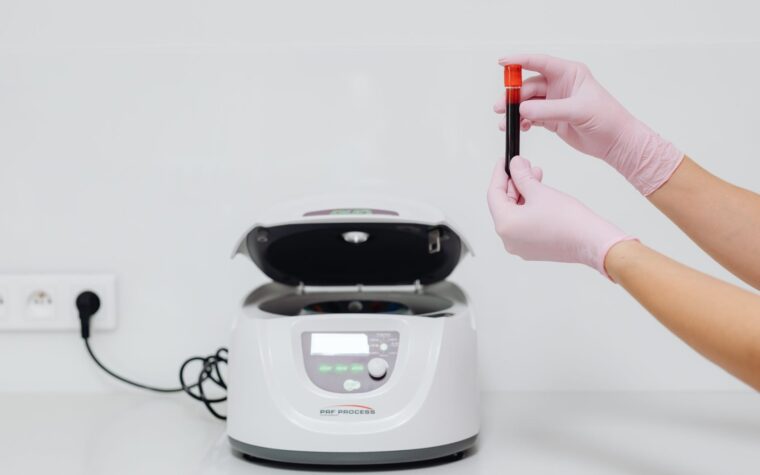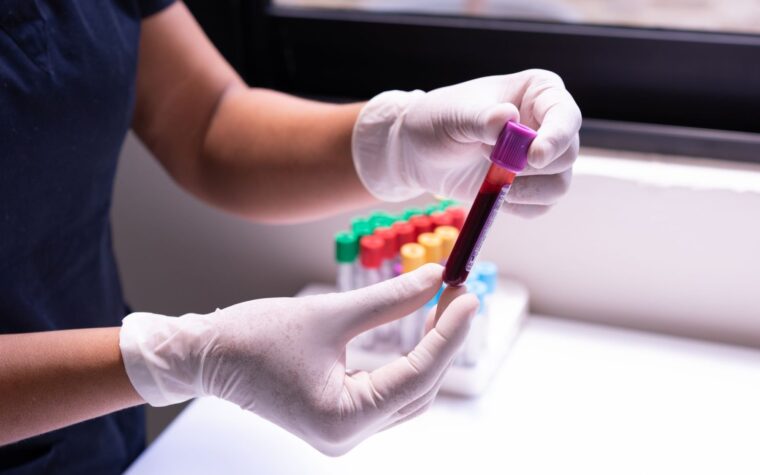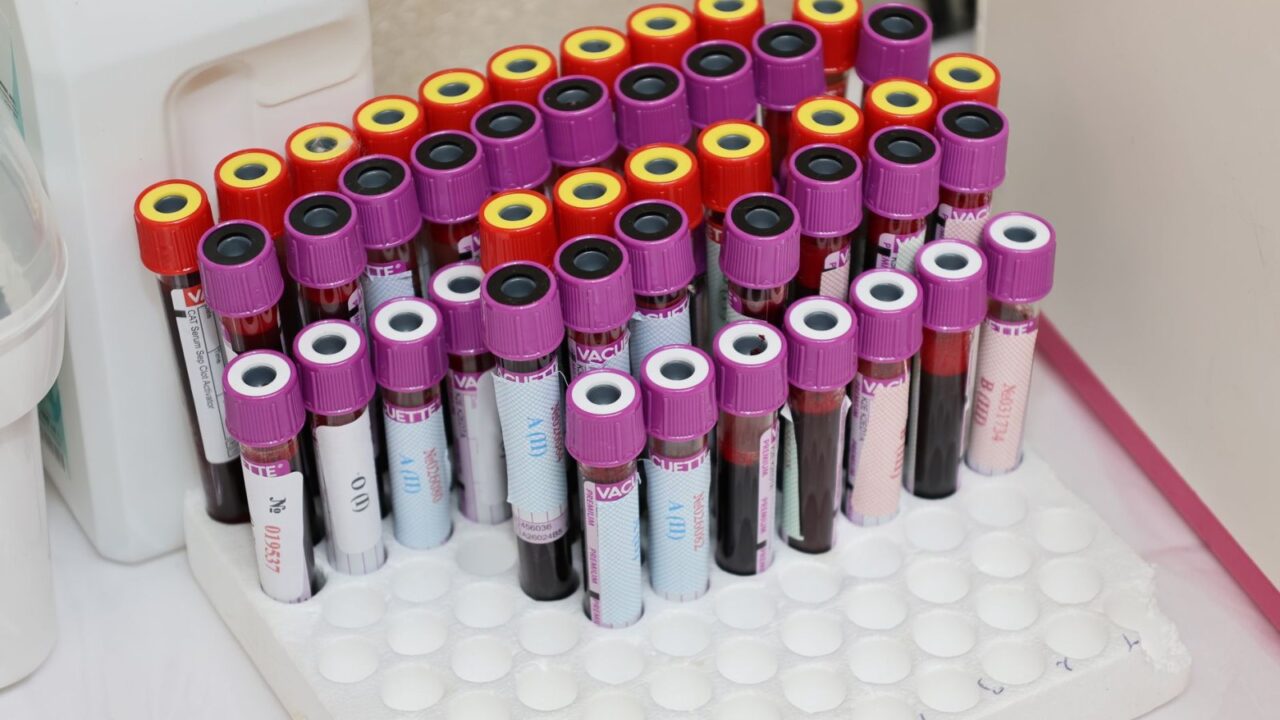
Quick answer: To test kidney health you need a blood draw and a urine sample. The blood measures creatinine (which a lab converts into eGFR, your estimated filtration rate) and BUN. The urine checks for protein, specifically albumin, which leaks out when kidneys are stressed. A basic or comprehensive metabolic panel covers the blood side and costs about $10 to $50 cash, and a urine albumin-to-creatinine test adds the early-warning piece. Together those two readings are how to test kidney health the way clinicians actually screen it.
How to test kidney health: the two readings that matter
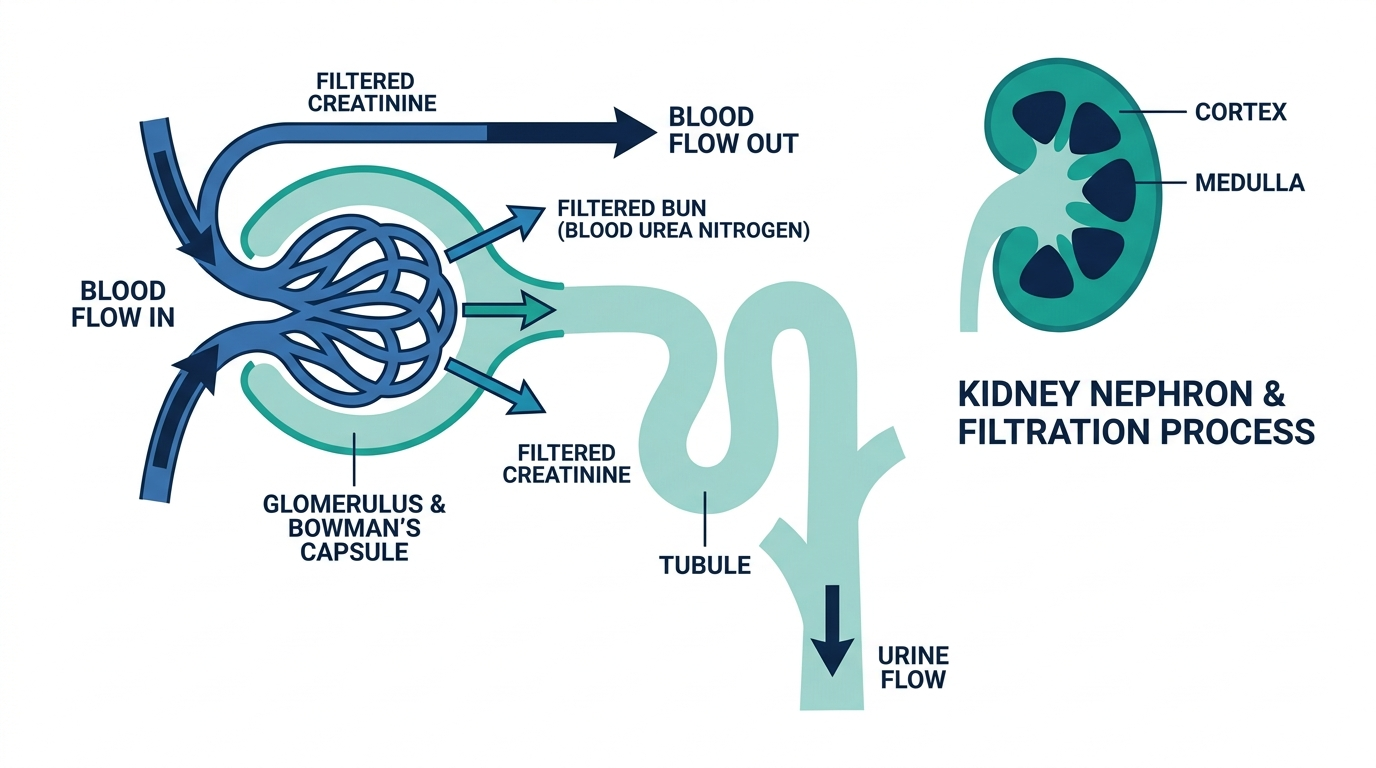
The honest answer is that no single number tells the whole story. A kidney function test rests on two legs, and skipping either one is the most common mistake I see on lab orders. The first leg is a blood test that gives you creatinine and eGFR. The second is a urine test for albumin. Blood tells you how well the kidneys are filtering right now. Urine tells you whether the filter is starting to leak, often years before eGFR drops. People get the blood panel and assume they are covered, but early kidney disease shows up in the urine first.
A creatinine and eGFR test checks your kidneys, but what about the other 99 systems in your body? One at-home Superpower draw checks 100+ biomarkers, physician-reviewed.
If you want to know how to test kidney health properly, ask for both at the same draw: a metabolic panel and a urine albumin-to-creatinine ratio (uACR). Most primary care orders include the blood half automatically. The urine half is the part you may have to request by name, because a standard metabolic panel does not include it.
Think of it the way you would think about a car. The blood test is the dashboard gauge reading the engine right now. The urine albumin test is the mechanic spotting the first drip under the car before the gauge ever moves. You want both, and you want them on the same visit, because reading one without the other gives you a false sense of safety.
What blood test shows kidney health: creatinine and eGFR
The single blood marker that anchors kidney testing is creatinine, and the eGFR derived from it is the number you actually read. Creatinine is a waste product your muscles produce at a steady rate, and healthy kidneys clear it just as steadily. When kidneys slow down, creatinine builds up in the blood. A typical normal range is roughly 0.7 to 1.3 mg/dL for men and 0.6 to 1.1 mg/dL for women, though your lab prints its own reference range next to the result.
Here is the insider detail: creatinine alone is a clumsy number because a 25-year-old bodybuilder and a frail 80-year-old can have the same value for opposite reasons. The bodybuilder makes a lot of creatinine because he has a lot of muscle, so his kidneys can be perfect and his number still sits high. The frail patient makes very little, so her number can look reassuringly normal while her kidneys are struggling. That is why the lab does not stop at creatinine. It plugs your creatinine, age, and sex into a formula and reports eGFR (estimated glomerular filtration rate), a single number that estimates how many milliliters your kidneys filter per minute.
eGFR is the headline you actually want to read:
- 90 or above: normal filtration.
- 60 to 89: mildly reduced, usually fine on its own but worth watching.
- Below 60 for three months or more: the threshold doctors use to define chronic kidney disease.
- Below 15: kidney failure, the range where dialysis or transplant enters the conversation.
One eGFR below 60 is not a diagnosis. Dehydration, a hard workout, or a protein-heavy meal the night before can nudge it down for a day. That is why staging requires a repeat reading months later. Newer eGFR formulas (the 2021 CKD-EPI equation) dropped the old race adjustment, so if you were tested years ago your number may read slightly differently now even with identical kidneys. If you want the most precise estimate, some labs now offer a cystatin C based eGFR, which is not affected by muscle mass and is worth requesting if your creatinine result seems out of step with how you feel.
The CKD stages, in plain numbers
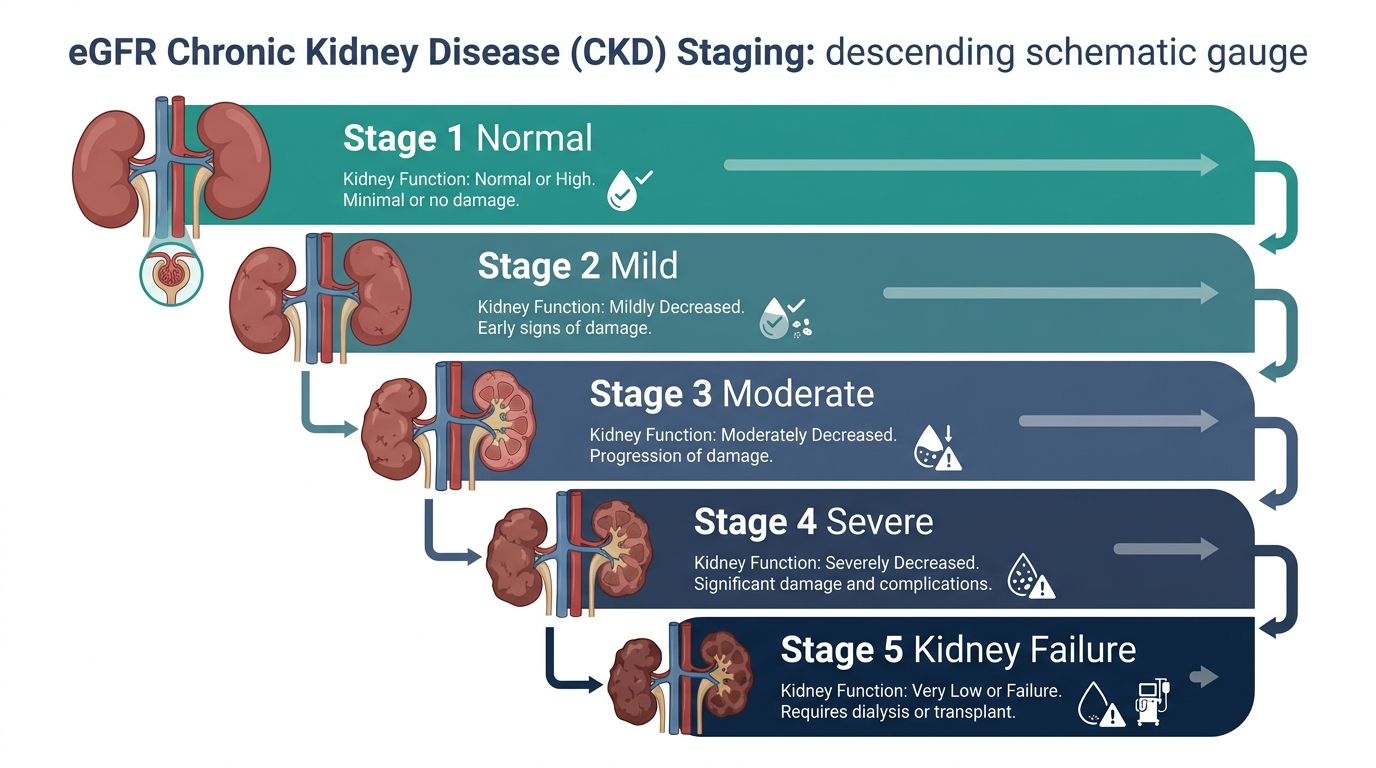
Chronic kidney disease is staged by eGFR, and seeing the full ladder makes a borderline result far less frightening. Most people who screen abnormal land in stage 2 or 3a, which is a monitoring zone, not a dialysis sentence.
| Stage | eGFR (mL/min) | What it means | Typical action |
|---|---|---|---|
| 1 | 90 or above (with kidney damage) | Normal filtration, but protein in urine | Treat the cause, recheck yearly |
| 2 | 60 to 89 (with kidney damage) | Mildly reduced | Monitor, control BP and sugar |
| 3a | 45 to 59 | Mild to moderate loss | Recheck every 6 to 12 months |
| 3b | 30 to 44 | Moderate to severe loss | Often a nephrology referral |
| 4 | 15 to 29 | Severe loss | Plan for future treatment |
| 5 | Below 15 | Kidney failure | Dialysis or transplant discussion |
Notice that stages 1 and 2 require kidney damage (usually protein in the urine) to count, because a healthy person can sit at an eGFR of 85 and be perfectly fine. That is one more reason the urine test matters: without it, a stage 1 or stage 2 kidney problem is invisible.
What about BUN, and why is it on the same panel?
BUN stands for blood urea nitrogen, another waste product the kidneys filter out, and a normal range runs about 7 to 20 mg/dL. On its own BUN is a weak kidney marker because it swings with hydration, a high-protein diet, steroid use, and even GI bleeding. Its real value comes paired with creatinine. Clinicians look at the BUN-to-creatinine ratio to tell apart a kidney problem from simple dehydration. A normal ratio is roughly 10:1 to 20:1.
Here is how to read it. A high ratio (over about 20:1) with a normal creatinine usually points to a problem upstream of the kidney, most often dehydration or blood loss, where the kidney itself is fine but blood flow to it has dropped. A normal or low ratio with a high creatinine points to a problem inside the kidney itself. A very high BUN with a normal ratio can flag a problem downstream, like a blockage. That single ratio is why you should not panic at a flagged BUN in isolation: nine times out of ten a high BUN with a normal creatinine just means you needed a glass of water.
Both creatinine and BUN ride along on standard chemistry panels. If you have ever pulled up your blood test results and seen them stacked together, that is the basic metabolic panel doing its job. You can see exactly what the full chemistry sweep covers in a complete blood panel.
What is on a kidney panel, marker by marker
A kidney function test is not one test but a small cluster of markers, and a metabolic panel bundles them with related chemistry. Knowing what each line means turns a wall of numbers into a story.
| Marker | Normal range (typical) | What it tells you |
|---|---|---|
| Creatinine | 0.6 to 1.3 mg/dL | Filtration waste, feeds the eGFR formula |
| eGFR | 90+ mL/min | Estimated filtration rate, the headline number |
| BUN | 7 to 20 mg/dL | Urea waste, hydration-sensitive |
| BUN-to-creatinine ratio | 10:1 to 20:1 | Separates dehydration from true kidney injury |
| uACR (urine) | Under 30 mg/g | Early protein leak, the smoke detector |
| Sodium / potassium / chloride / CO2 | Lab-specific | Electrolyte balance the kidneys regulate |
| Cystatin C (optional) | 0.5 to 1.0 mg/L | Muscle-independent backup filtration marker |
The electrolytes matter more than most people realize. Kidneys do not just filter waste, they balance sodium, potassium, and acid. A potassium creeping high or a CO2 drifting low can be the first hint of trouble even when creatinine still looks fine, which is part of why doctors order the whole panel rather than creatinine alone.
The urine test most people skip (and shouldn’t)
The single most useful early kidney test is not in your blood. It is the urine albumin-to-creatinine ratio. Albumin is a protein your bloodstream should hold onto. When the tiny filters in your kidneys start to fray, small amounts of albumin slip into the urine. This shows up long before creatinine rises or eGFR falls, which makes uACR the closest thing kidney medicine has to an early smoke detector.
This matters most for two groups. If you have diabetes or high blood pressure, the two leading causes of kidney disease in the United States, the yearly uACR is arguably more important than the eGFR. That is the answer to the common question about the purpose of kidney testing in diabetes: high blood sugar quietly damages kidney filters, and the urine albumin test catches that damage at a stage where it can still be slowed or reversed. The whole point of screening early is that the window for action closes as eGFR falls.
A normal uACR is under 30 mg/g. Values from 30 to 300 signal early leakage (the stage once called microalbuminuria), and above 300 indicates more significant protein loss. A single positive should be repeated, since intense exercise, a fever, dehydration, or a urinary infection can temporarily raise it. The standard rule is two of three samples over three to six months before anything is called persistent.
One practical tip from the lab side: the uACR uses a ratio precisely so you do not need a 24-hour urine collection. A random spot sample works, because dividing albumin by the urine creatinine corrects for how dilute or concentrated the sample is. The old jug-in-the-fridge 24-hour collection is now reserved for special cases, not routine screening.
A worked example: reading a real result set
Numbers click into place when you walk through an actual panel. Consider two readers, both 55, both told their results were abnormal.
Reader A got creatinine 1.4 mg/dL, eGFR 58, BUN 28, ratio 20:1, uACR 12 mg/g. The eGFR is just under 60, which sounds alarming. But the BUN-to-creatinine ratio is high, the uACR is clean, and she mentions a stomach bug and two days of poor fluid intake before the draw. This is the classic dehydration pattern: prerenal, not kidney damage. A repeat after rehydrating put her eGFR back at 74. The lesson is that one low eGFR with a normal urine albumin and a high BUN ratio rarely means chronic kidney disease.
Reader B got creatinine 1.1 mg/dL, eGFR 72, BUN 15, ratio 14:1, uACR 95 mg/g. On paper his filtration looks fine and his blood markers are normal. But the uACR is the part everyone would have missed if he had only run the metabolic panel. A 95 mg/g albumin leak, confirmed on a repeat, in a man with borderline blood pressure is stage 1 to 2 kidney disease caught years early. He started a blood pressure medicine in the ACE inhibitor family, which specifically protects kidney filters, and his next uACR dropped to 40. Same age, opposite story, and the urine test was the hinge.
That contrast is the whole argument for testing both legs. Reader A would have over-worried over a meaningless blip. Reader B would have walked away falsely reassured. The full picture only appears when blood and urine sit side by side.
What abnormal numbers actually mean
An out-of-range result is a prompt to investigate, not a verdict, and the direction matters. Here is how clinicians read the common flags.
- High creatinine, low eGFR: reduced filtration. Could be dehydration, a recent NSAID course, contrast dye from a scan, or genuine kidney disease. Always repeat before staging.
- Low creatinine: usually nothing to do with kidneys. It tracks low muscle mass, older age, or pregnancy. Rarely a concern on its own.
- High BUN, normal creatinine: almost always hydration, diet, or a recent steroid. Drink water and recheck.
- High uACR: the filters are leaking. The most actionable early finding, especially with diabetes or high blood pressure.
- High potassium: can be a sign the kidneys are not clearing it, and it needs prompt attention because severe highs affect the heart.
The thread running through all of these is that context decides meaning. The same creatinine of 1.3 is unremarkable in a muscular 30-year-old and a yellow flag in a sedentary 75-year-old. This is why an at-home reading or a single number from a health fair should never be the end of the story. If anything reads outside the normal range, talk to a clinician about repeating it and interpreting it alongside your blood pressure and blood sugar.
Where to get tested and what it costs
You have more routes than most people realize, and the price gap between them is enormous. Here is how the common options compare on price and convenience.
| Where | What you get | Cash price (no insurance) |
|---|---|---|
| Doctor’s order at Quest or Labcorp | BMP or CMP plus uACR | $10 to $50 for the metabolic panel, $20 to $60 for uACR |
| Walk-in or DTC lab order online | Same panels, self-ordered | $30 to $90 bundled |
| Urgent care or retail clinic | Basic panel, often same day | $50 to $150 plus visit fee |
| Hospital outpatient lab | Same CMP, billed institutionally | $100 to $250 for the identical panel |
| Full-body membership | Kidney markers inside a 100+ biomarker draw | about $199/year |
Look hard at the hospital row. A comprehensive metabolic panel that runs about $29 through a discount lab can be billed at $250 through a hospital outpatient department for the exact same blood. Same tubes, same machines, wildly different invoice. If you are paying cash or have a high deductible, where you get drawn matters as much as what you order. Ask for the cash or self-pay price before the draw, not after.
The other catch with pay-per-test ordering is that kidney markers rarely live alone. Your kidneys do not fail in isolation. The same things that hurt them (high blood pressure, diabetes, certain meds) also move your cholesterol and glucose. Ordering creatinine today, then A1C next month, then a lipid panel after that, means three trips, three draws, and three bills for what one draw could cover.
The simplest way to actually get this done
Superpower is a full-body lab membership that runs 100+ biomarkers, has each result reviewed by a doctor, and tracks your numbers year over year (about $199/year). It is what we point readers to when they would rather get one clean, complete draw than chase single tests one at a time. Here is superpower reviewed in full.
A membership like this folds the kidney panel into the same draw as your metabolic, lipid, and metabolic-health markers, which is how what Superpower tests for ends up covering creatinine and eGFR without a separate order. If you want to compare the price head to head against ordering piecemeal, here is how much Superpower costs.
How a kidney test works, start to finish
The process is genuinely simple, and knowing the steps removes the friction that keeps people from getting it done.
- No special prep for the kidney markers themselves. You do not need to fast for creatinine, BUN, or eGFR. If your panel is bundled with glucose or a lipid test, the lab may ask you to fast 8 to 12 hours for those, but the kidney numbers do not require it.
- Skip the heavy workout and protein loading the day before. A hard gym session or a steak dinner can briefly bump creatinine and BUN. Test on a normal day for a representative reading.
- Stay normally hydrated. Do not chug water to game the result and do not show up dehydrated. Either extreme skews BUN.
- The draw is one small tube of blood plus a urine cup. Five minutes in the chair. The urine sample for the uACR is a simple clean catch.
- Results land in 1 to 3 days. Most labs post them to an online portal. The metabolic panel and uACR usually come back together.
- Read eGFR and uACR first, then the rest. Those two are the headline. Everything else is supporting context.
If you are tested at a doctor’s office, the urine sample is often collected right there. If you self-order online, you collect the urine at the lab draw site. Either way it is one visit, not two.
Common mistakes people make with kidney testing
After enough lab orders you see the same avoidable errors over and over. Sidestepping these is most of the battle.
- Running blood but not urine. The biggest one. A clean metabolic panel feels reassuring, but without a uACR you can miss early disease entirely. Always ask for both.
- Panicking over a single low eGFR. One reading is a snapshot, not a trend. Chronic kidney disease is defined by a low eGFR that persists for three months, confirmed on a repeat.
- Testing right after a hard workout. Intense exercise raises both creatinine and urine albumin temporarily. A false flag is easy to create and easy to avoid.
- Ignoring the BUN ratio. Reading BUN in isolation leads to needless worry. The ratio against creatinine is what gives it meaning.
- Assuming no symptoms means no problem. Early kidney disease is silent. Symptoms appear late, which is the whole reason to screen on a schedule.
- Paying hospital prices for a routine panel. The same CMP can cost five times more depending on where you draw. Check the cash price first.
Can you check kidney health without a test?
Not reliably, and this is the part that catches people off guard. Early kidney disease is famously silent. By the time you notice symptoms like foamy urine, swollen ankles, persistent fatigue, or changes in how much you urinate, you have usually lost a meaningful share of function already. There is no at-home symptom check that substitutes for the numbers. The closest thing to a self-screen is knowing your risk: if you have diabetes, high blood pressure, a family history of kidney disease, or take NSAIDs regularly, you are in the group that should test on a schedule rather than wait for symptoms.
You can do part of the work at home, though. Mail-in finger-prick and urine kits will measure creatinine, eGFR, and urine albumin and ship results in days, which is genuinely useful for trend tracking between doctor visits. Just treat an abnormal at-home result as a prompt to confirm with a standard lab draw, not a final verdict. If anything reads outside the normal range, talk to a clinician about repeating it and interpreting it alongside your blood pressure and blood sugar. The kidney markers are worth keeping on your short list of the biomarkers worth tracking every year.
Who should test, and how often
The right testing schedule depends entirely on your risk, and matching the two is where most people either over-test or skip it for too long. Here is the decision guidance clinicians actually follow.
- Low risk, no conditions: a kidney panel as part of a routine metabolic check every 1 to 3 years is plenty. You do not need quarterly creatinine if you are healthy.
- Diabetes: a uACR and eGFR at least once a year, no exceptions. This is the single highest-yield kidney test in medicine, because diabetic kidney damage is slow, silent, and treatable when caught early.
- High blood pressure: yearly kidney markers, since hypertension is the second leading cause of kidney disease and the kidney both suffers from and drives high pressure.
- Family history of kidney disease: earlier and more frequent screening, especially with conditions like polycystic kidney disease that run in families.
- Regular NSAID or certain medication use: periodic creatinine, because long-term ibuprofen and naproxen and a handful of prescription drugs can quietly stress the kidneys.
- Already in a CKD stage: follow the cadence in the staging table above, from yearly at stage 2 to every few months at stage 4.
If you are uninsured, the discount and direct-to-consumer routes in the cost table are your friend, since a self-ordered metabolic panel plus uACR can run well under $100. Minors and employer-required tests usually go through a clinic order, and Medicare covers an annual uACR for people with diabetes, so ask whether you qualify before paying out of pocket.
Don’t just read about your health, track it.
A single result is a snapshot. Superpower re-tests 100+ markers over time so you can watch them move as you change sleep, food, and training.
FAQ
How is kidney health tested?
With a blood test for creatinine and eGFR plus a urine test for albumin. The blood shows how well the kidneys filter, and the urine shows whether they are leaking protein. Both are usually done from a single visit, and reading them together is the standard kidney screen.
How can I test kidney health at home?
Mail-in kits use a finger-prick blood sample and a urine sample to report creatinine, eGFR, and urine albumin, with results online in a few days. They are good for tracking trends, but confirm any abnormal result with a standard lab draw before treating it as a diagnosis.
How do I test liver and kidney health at the same time?
A comprehensive metabolic panel (CMP) covers both. It includes the kidney markers (creatinine, BUN, eGFR) and the liver enzymes in one draw. See our liver function test guide for what the ALT and AST numbers mean.
What test checks kidney health?
The core combination is a basic or comprehensive metabolic panel for blood markers and a urine albumin-to-creatinine ratio for early protein leakage. Together they are the standard kidney screen, and neither alone tells the full story.
Why does kidney testing matter in diabetes?
High blood sugar slowly damages the kidney’s filtering units, so people with diabetes get a yearly urine albumin test to catch that damage early, while it can still be slowed with treatment and blood-sugar control. It is the most valuable single kidney test for anyone with diabetes.
What does a high creatinine level mean?
It usually means filtration has slowed, but it is not automatically kidney disease. Dehydration, a hard workout, recent NSAID use, contrast dye from a scan, or simply high muscle mass can raise it. The number should always be repeated and read as eGFR before drawing conclusions.
What is a normal eGFR by age?
An eGFR of 90 or above is normal at any age, and 60 to 89 is common and usually fine in older adults because filtration naturally eases with age. The line that defines chronic kidney disease is an eGFR persistently below 60 for three months or more, regardless of age.
Do I need to fast for a kidney function test?
No, the kidney markers themselves (creatinine, BUN, eGFR, and urine albumin) do not require fasting. If your panel is bundled with glucose or a lipid test, the lab may ask you to fast 8 to 12 hours for those other numbers, but the kidney readings are not affected.
Can a urinary tract infection affect kidney test results?
Yes, an infection, a fever, or intense exercise can temporarily raise urine albumin and give a falsely high uACR. That is why a single positive should be repeated once the infection clears before it is called persistent kidney damage.
How accurate are at-home kidney tests?
The good mail-in kits use the same lab assays as a clinic for creatinine, eGFR, and urine albumin, so the chemistry is reliable. The main limitation is interpretation and confirmation: treat an abnormal at-home result as a reason to repeat through a standard lab and review it with a clinician alongside your blood pressure and blood sugar.
Related: best at-home biomarker tests of 2026.
Vital Signs Today may earn a commission if you buy through links on this page. It does not affect our editorial assessments.