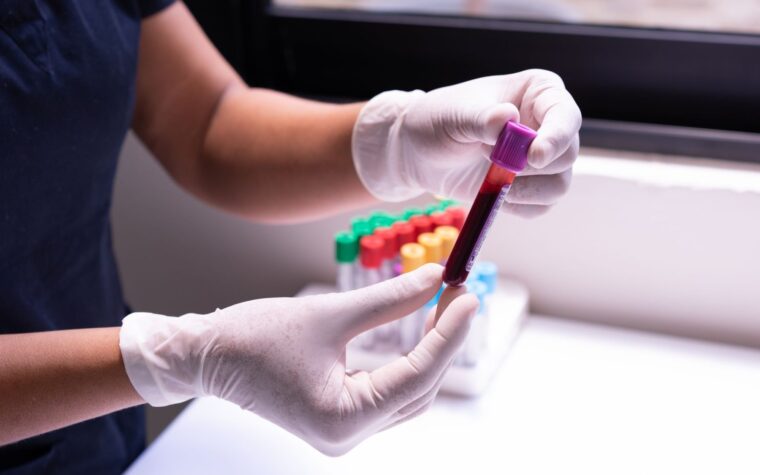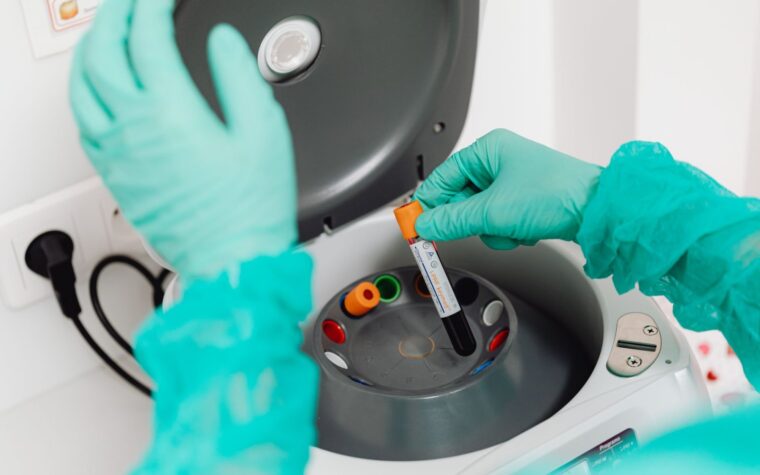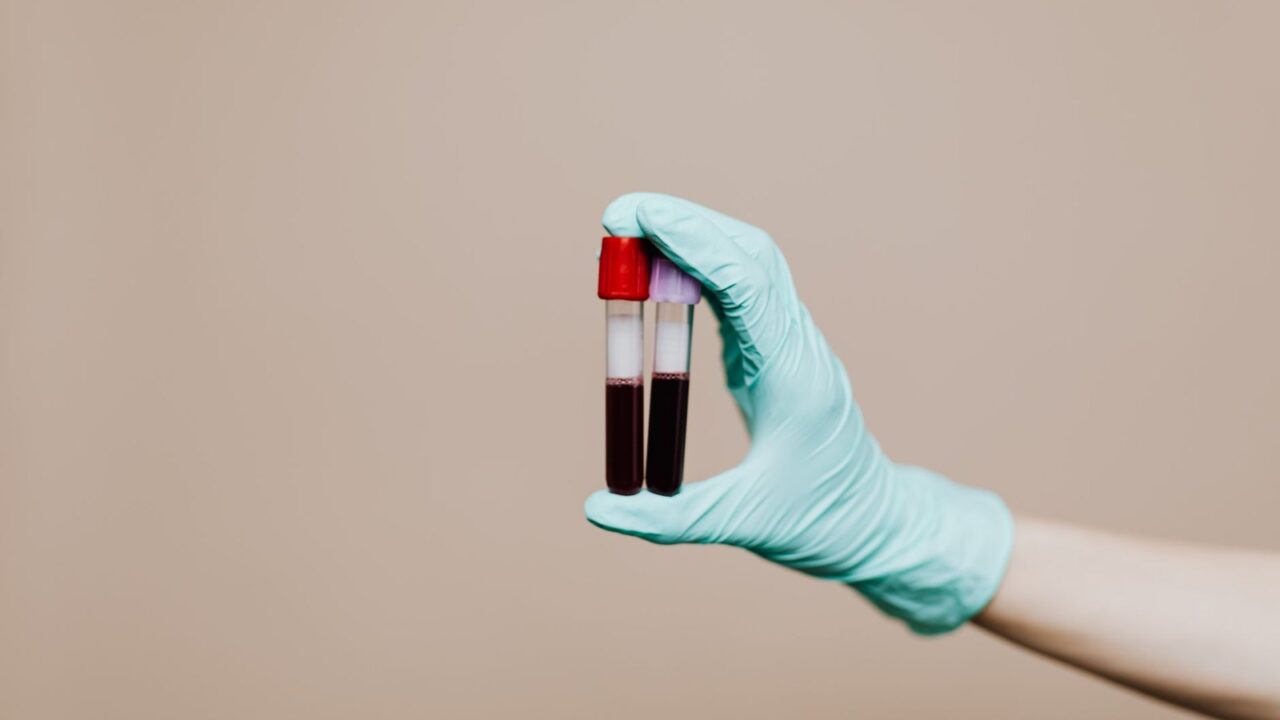
A new risk calculator developed by researchers at the University of Oxford helps estimate a person’s chance of developing serious muscle disorders while taking statins. These drugs are widely prescribed to lower cholesterol and prevent heart attacks and strokes, but muscle side effects, though rare for most people, can cause concern. The tool aims to give patients and doctors a clearer picture of individual risk so they can make more informed decisions about treatment.
Key Takeaways
- Serious muscle side effects from statins are uncommon for the majority of users.
- The Oxford calculator uses personal health factors like age, sex, BMI, and other medications to estimate risk.
- This tool can help balance the proven heart benefits of statins against potential muscle-related harms.
What the New Calculator Does
The calculator was created by scientists at the Nuffield Department of Primary Care Health Sciences, University of Oxford. It estimates a person’s risk of developing serious muscle disorders, such as myopathy or rhabdomyolysis, that can occur with statin use. These conditions are rare, but they can be severe when they happen. The calculator takes into account factors like age, sex, body mass index (BMI), and any other medications the person is taking that might interact with statins.
By entering these details, a patient and their doctor can see a personalized risk score. This score helps put the potential for muscle side effects into perspective alongside the well-known benefits of statins for reducing heart attack and stroke risk. The researchers hope the tool will lead to better shared decision making in clinical practice.
Why This Matters for Statin Users
Statins are among the most prescribed medications worldwide. They work by lowering LDL cholesterol, which is a major contributor to heart disease. While most people tolerate statins well, some experience muscle pain or weakness. In very rare cases, serious muscle damage can occur. Because of widespread awareness of these side effects, some patients stop taking their medication or avoid starting it altogether. That can increase their risk of cardiovascular events.
Having a personalized risk estimate can help patients understand how likely those serious side effects really are for them. For example, a person with a very low estimated risk might feel more confident about continuing treatment. Someone with a higher risk might work with their doctor to monitor for symptoms or consider alternative medications.
How the Calculator Was Developed
The Oxford team analyzed data from large clinical trials and real world studies to build the model. They identified the key factors that influence the risk of serious muscle disorders. According to the original report from Medical Xpress, the tool is not yet in widespread clinical use, but it represents a step toward more personalized medicine for heart disease prevention.
The researchers emphasize that the calculator is meant to complement, not replace, clinical judgment. Doctors should still consider each patient’s overall health history and preferences. The tool simply provides a number that can be discussed during an appointment.
Frequently Asked Questions
How common are serious muscle side effects from statins?
Serious muscle disorders such as myopathy or rhabdomyolysis are rare. Studies suggest that they occur in less than 1 in 10,000 people taking statins. Mild muscle aches are more common but usually temporary. The new calculator helps estimate the very low risk for an individual.
What factors does the calculator consider?
The calculator uses factors such as age, sex, body mass index, and whether the person is taking other medications that may interact with statins. It may also include kidney function and other health conditions. The exact inputs are based on data from the Oxford research team.
Will this calculator be available to the public?
According to the original report, the tool is still being refined and has not yet been released for general use. The researchers are working to make it accessible through clinical channels. Patients should ask their doctor about current risk assessment methods.
This is an original report by Vital Signs Today, informed by reporting from Medical Xpress. Read the original source.
This article is for information only and is not medical advice. See our Medical Disclaimer.