A routine HIV testing program in hospital emergency departments across England has uncovered hundreds of people living with the virus who were unaware of their status. The initiative, run by the National Health Service (NHS), offers rapid tests to patients who meet certain criteria and connects those who test positive to antiretroviral therapy. According to a report from Medical Xpress, the scheme is helping to close gaps in HIV diagnosis and reduce the risk of onward transmission.
Key Takeaways
- Hundreds of previously undiagnosed HIV cases have been identified through emergency department testing in England.
- The NHS initiative uses rapid tests and links patients to antiretroviral treatment soon after diagnosis.
- Early detection improves individual health outcomes and reduces the likelihood of spreading the virus.
- The program is part of a broader effort to eliminate HIV transmission in the UK by 2030.
How the Emergency Department Testing Works
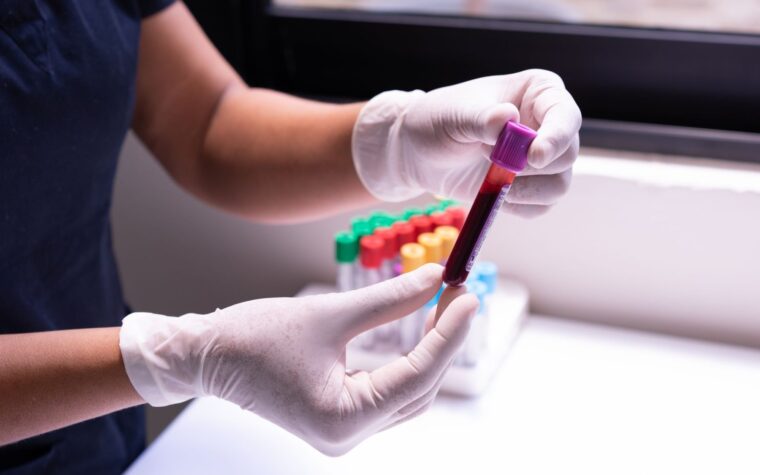
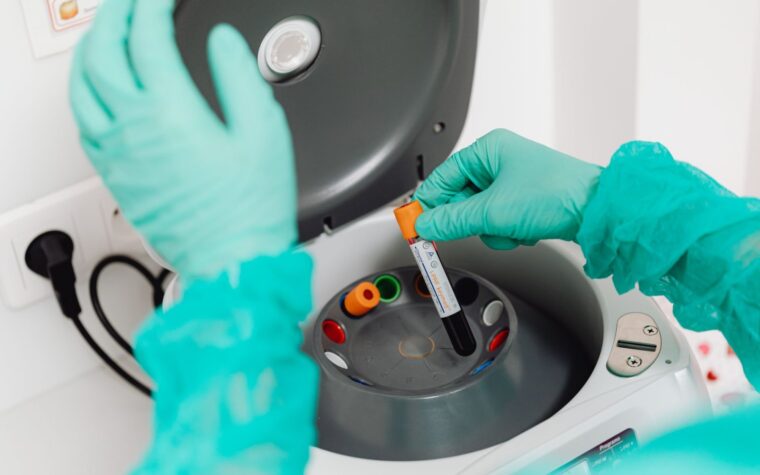
The NHS launched the testing initiative in selected emergency departments (EDs) to reach people who might not otherwise seek HIV testing. Patients who require blood tests as part of their ED visit are offered an additional HIV test unless they opt out. The test is quick and uses standard blood samples already taken for other reasons. If the result is positive, a specialist team contacts the patient to confirm the diagnosis and arrange immediate access to antiretroviral medication.
According to the original report, the scheme has been rolled out in hospitals across high prevalence areas. It builds on earlier pilot programs that showed ED testing could identify a significant number of undiagnosed infections. The program is designed to be low burden for patients and staff, with minimal extra time required.
Impact on Public Health and Individual Care
Identifying HIV early is critical because antiretroviral therapy can suppress the virus to undetectable levels, keeping the person healthy and preventing transmission to others. The report notes that hundreds of people have now started treatment who would otherwise have remained unaware of their infection for months or years. This reduces the pool of undiagnosed HIV in the community and moves the UK closer to its goal of ending new HIV transmissions by 2030.
For individuals, early diagnosis means they can begin treatment before their immune system is damaged. Many of the people identified through the ED program had no obvious symptoms and were not in traditional high risk groups, which underscores the value of universal opt out testing in settings where patients are already receiving medical care.
Comparison to Other Testing Strategies
Traditional HIV testing often relies on sexual health clinics, general practitioner visits, or community outreach. Emergency department testing reaches a different population, including people who do not regularly visit a doctor or who are in the ED for unrelated reasons such as accidents or infections. The report highlights that this approach has been especially effective in urban areas with higher HIV prevalence.
Similar programs have been used in other countries, including the United States, but the UK initiative is notable for its scale and integration into the national health system. The NHS plans to expand the program to additional hospitals based on the results.
Frequently Asked Questions
Who is offered an HIV test in the emergency department?
Patients who are having blood drawn for other medical reasons during their emergency department visit are offered an HIV test on an opt out basis. This means they are tested unless they specifically decline. The program targets hospitals in areas with higher rates of undiagnosed HIV.
How accurate are the rapid HIV tests used in EDs?
The tests used are standard laboratory assays performed on blood samples already collected. They have very high sensitivity and specificity. Any positive result is confirmed with a second test before a diagnosis is communicated to the patient.
What happens after a positive test result?
A specialist HIV team contacts the patient to discuss the result and arrange a confirmatory test. If confirmed, the patient is offered immediate antiretroviral therapy and ongoing care. Support services are also provided to help with disclosure and mental health if needed.
This is an original report by Vital Signs Today, informed by reporting from Medical Xpress. Read the original source.
This article is for information only and is not medical advice. See our Medical Disclaimer.