Quick answer: Function Health is a direct-to-consumer lab membership that charges a flat annual fee (currently $499/year) to run more than 100 blood and urine biomarkers through Quest Diagnostics or Labcorp twice a year, then delivers results inside a proprietary app with AI-generated context and trend tracking. It is not a doctor’s office, not an insurance product, and not a telehealth service. It is a self-pay lab ordering service with a consumer-grade dashboard layered on top. Members pay out of pocket, visit a standard draw site, and review results themselves, with optional physician review available as an add-on.
What does Function Health actually do, step by step?
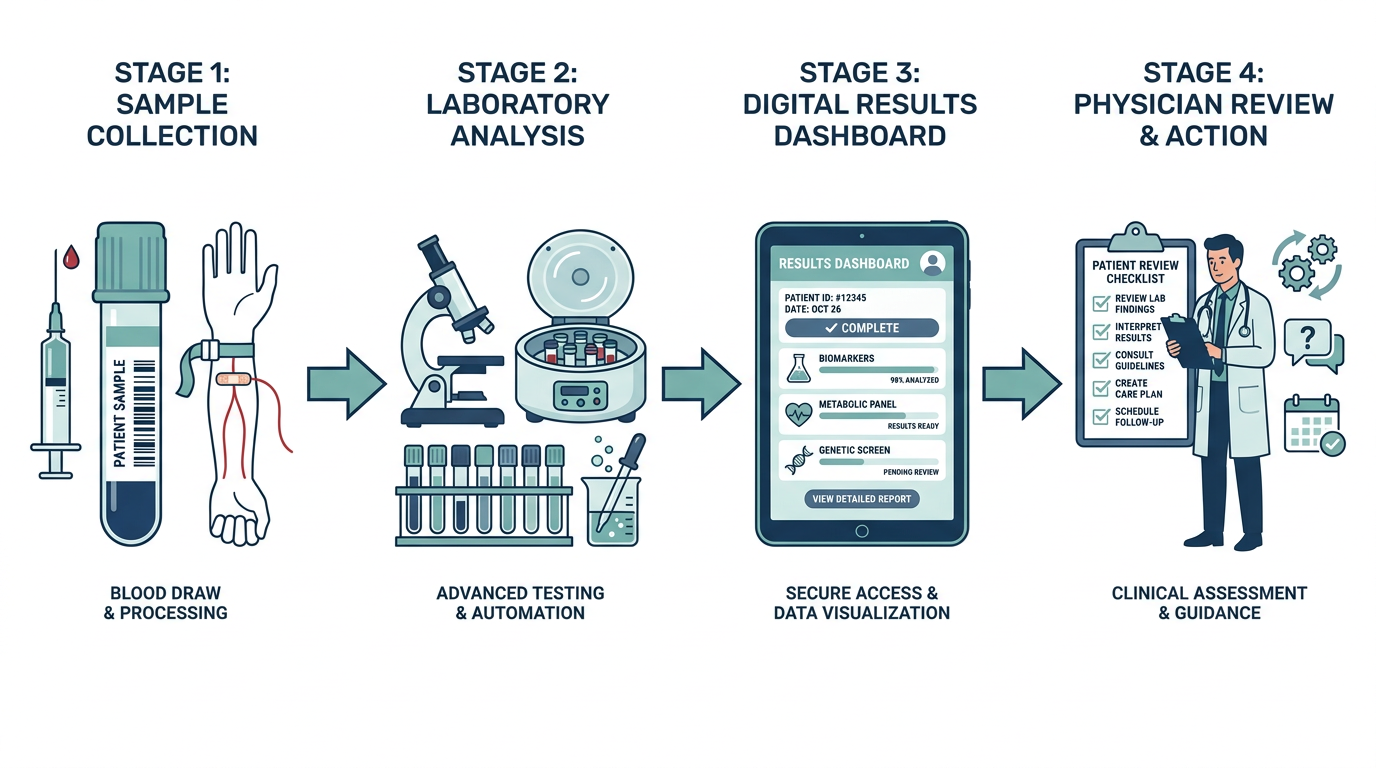
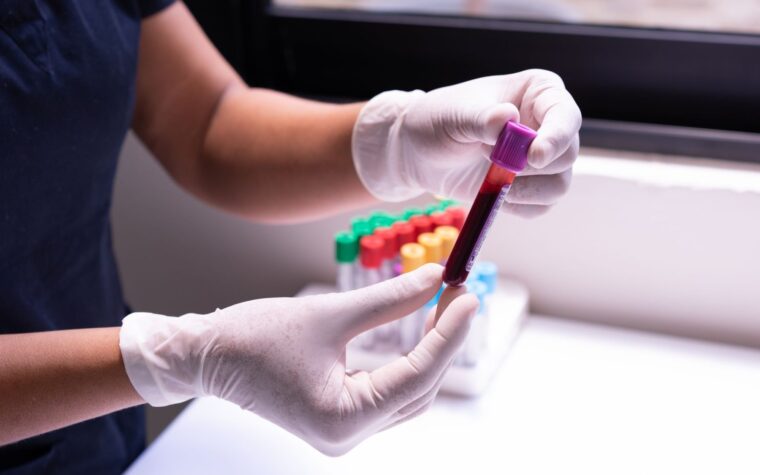
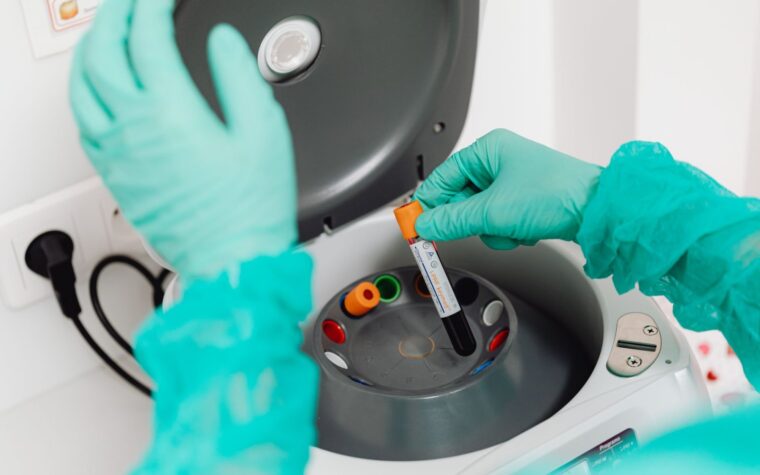
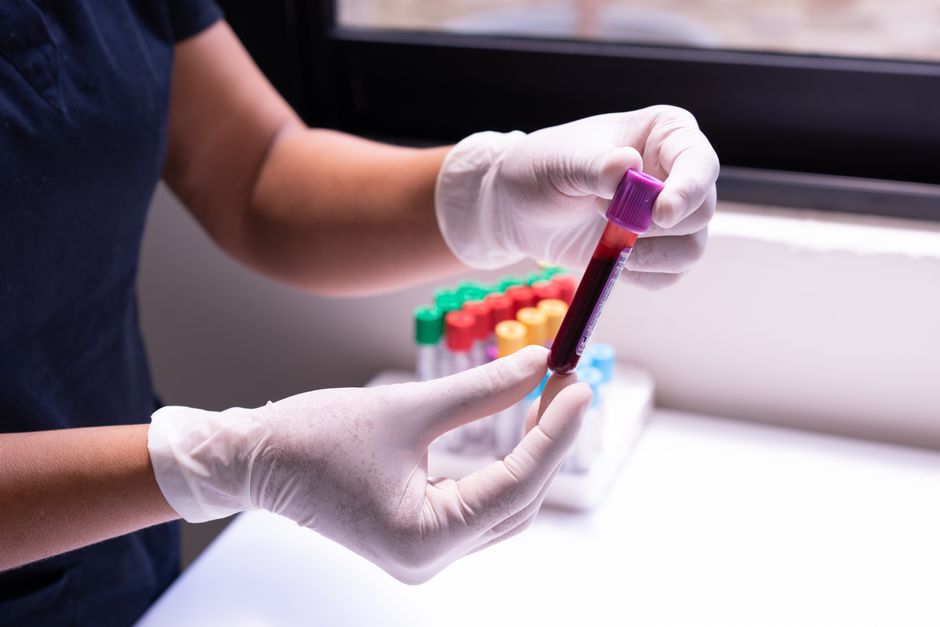
Function Health handles the logistics of getting a large blood panel ordered, drawn, processed, and returned to you without requiring a physician referral or insurance billing. After you sign up at functionhealth.com and pay the annual membership fee, a licensed physician in Function’s network signs the lab order on your behalf, which is how labs like Quest and Labcorp are legally allowed to process the draw. You then schedule an appointment at any Quest or Labcorp patient service center, arrive fasted (typically 10 to 12 hours), and have blood drawn like any other lab visit. Results flow back into the Function app, usually within three to five business days, displayed with reference ranges, explanatory text, and trend lines once you have more than one draw on file.
Learning what a lab membership like this actually does? See how a 100+ biomarker panel with physician review compares. One at-home Superpower draw checks 100+ biomarkers, physician-reviewed.
The ordering physician is a background role: they sign the requisition, but they are not your treating doctor and will not call you with results. That distinction matters. If something looks alarming, Function prompts you to follow up with your own clinician. See our function health review for a full walkthrough of the experience from signup to results.

What is the Function Health company and who founded it?
Function Health was founded in 2021 by Jonathan Swerdlin (CEO) and Dr. Mark Hyman, a physician and longtime advocate of functional medicine. Hyman’s involvement gave the company early credibility in the longevity and preventive-health space, and the brand has leaned into that association heavily. The company is venture-backed, headquartered in the US, and operates nationally wherever Quest and Labcorp draw sites exist. It is not a health insurance company, not a hospital system, and not affiliated with any single lab network exclusively. It uses both major reference labs depending on geography and test type.
The functional medicine angle shapes the biomarker list: Function includes tests that a standard annual physical would not order, such as an advanced lipid panel (ApoB, Lp(a), small and large LDL particle size), homocysteine, full thyroid cascade (TSH plus free T3, free T4, reverse T3, thyroid antibodies), DHEA-S, cortisol, and several inflammation markers beyond basic CRP. A standard Medicare wellness visit orders roughly 10 to 14 markers. Function orders roughly 100 to 110 depending on your sex and current panel configuration.
What does the Function Health membership include?
The $499/year membership covers two complete blood draws per year, access to the Function app for result viewing and trend tracking, AI-generated explanations for each biomarker, and the physician-signed lab order. Here is a breakdown of what is and is not included:
| What you get | What you do not get |
|---|---|
| Two full-panel draws per year (100+ markers each) | A dedicated physician relationship |
| Results in the Function app, usually 3 to 5 days post-draw | Insurance billing or reimbursement filing |
| AI-powered result context and trend charts | Telehealth consults (available as paid add-on) |
| Physician-signed lab requisition for Quest/Labcorp | Medication prescribing |
| Access to add-on tests at member pricing | Coverage in NY, NJ, RI, or MA (state law restrictions) |
| Historical trend tracking across draws | HSA/FSA reimbursement guarantee (varies by plan) |
The full details of what the $499 fee covers year to year are explored in our function health cost breakdown, including what add-ons typically run.
Is Function Health a doctor, a lab, or something else?
Function Health is none of those, strictly speaking. It is best understood as a lab ordering intermediary with a consumer software layer. The company holds no lab of its own; all specimens are processed at Quest or Labcorp facilities. The physicians who sign lab orders are contractors working under Function’s clinical model, not your physicians of record. Function is not a licensed healthcare provider in the traditional sense, which is why it cannot operate in states where direct-access lab ordering is restricted without a treating physician relationship (New York, New Jersey, Rhode Island, and Massachusetts as of mid-2026).
This is not a criticism, it is a structural fact that affects how you use the service. The model works well for health-conscious adults who already have a primary care physician and want a more complete annual baseline. It works less well as a standalone substitute for medical care, because no one at Function is responsible for acting on your results. The questions about lab accuracy are addressed in detail at how accurate is function health.

How does the Function Health blood test compare to a standard annual physical?
The contrast is stark. A typical in-network annual wellness visit generates a CBC, basic metabolic panel (BMP or CMP), lipid panel, and maybe a TSH or HbA1c if your doctor flags risk. That is 15 to 25 individual values, often grouped into panels you never see itemized. Function’s standard panel runs over 100 discrete biomarkers, including several that most physicians would not order unless you had a specific complaint.
Markers you get with Function that a standard physical skips:
- ApoB and Lp(a): the two lipid markers with the strongest evidence for cardiovascular risk that are routinely missed on a basic lipid panel
- Free T3 and reverse T3: thyroid function beyond the TSH screen, which catches conversion problems a normal TSH would hide
- DHEA-S and total/free testosterone: hormonal baselines that most internists skip until you report symptoms
- hs-CRP and homocysteine: inflammation and methylation markers tied to cardiovascular and cognitive risk
- Heavy metals (basic panel): mercury, lead, arsenic in some configurations
- SHBG, IGF-1, insulin fasting: metabolic and hormonal context rarely captured at a routine visit
The tradeoff is that more markers means more incidental findings, some of which will be mildly out of range with no clinical significance. Knowing that your DHEA-S is at the bottom of the reference range is interesting; knowing what to do about it requires a clinician’s judgment.
What does Function Health cost, and is it worth it?
The standard membership runs $499/year, which covers two full draws. On a per-draw basis that is roughly $250 per session. If you tried to replicate the same panel by ordering individual tests through a cash-pay service like Ulta Lab Tests or Walk-In Lab, you would spend $400 to $900 per draw depending on which markers you included. So for someone who actually completes both draws and values the trend-tracking dashboard, the membership math is defensible.
The membership is less compelling if you only complete one draw per year (common), if you live in a state where Function does not operate, or if you primarily want your PCP to interpret results (they can see the report, but it is not routed to them automatically). Function does not accept insurance and does not promise HSA/FSA eligibility, though many members successfully submit for HSA reimbursement with the receipt. Talk to your HSA administrator before assuming reimbursement.
There is a waitlist model that Function has used historically, though availability varies by period. Referral credits have been offered to existing members in the past.
The simplest way to actually get this done
Superpower is a full-body lab membership that runs 100+ biomarkers, has each result reviewed by a doctor, and tracks your numbers year over year (about $199/year). It is what we point readers to when they would rather get one clean, complete draw than chase single tests one at a time. Here is superpower blood test reviewed in full.
How does Function Health differ from Superpower and other full-panel alternatives?
Function Health was the first company to popularize the DTC full-panel membership model at scale, but it is no longer the only option. The clearest competitor in the same category is Superpower, which runs a comparable 100-plus biomarker panel, includes a physician review of your results as part of the base membership, and charges roughly $199/year, which is $300 less than Function annually. See the superpower blood test review and how much does superpower cost for the full comparison.
The differences between these services matter at the margin:
| Feature | Function Health | Superpower |
|---|---|---|
| Annual price | $499 | ~$199 |
| Draws per year | 2 | 1 (additional available) |
| Physician result review | Add-on cost | Included |
| Biomarker count | 100+ per draw | 100+ |
| Lab network | Quest, Labcorp | Quest, Labcorp |
| App and trend tracking | Yes | Yes |
| State restrictions | NY, NJ, RI, MA excluded | Varies |
Other alternatives include Lifeforce (hormone-focused, more clinical), 10X Health (aggressive supplement protocol angle), and Marek Health (TRT-adjacent). Each has a different philosophy and price point. Function and Superpower are the two most direct comparisons for someone who wants a broad annual baseline without a specific clinical concern driving the visit.
What do people get wrong about what Function Health is?
The single biggest misconception is that Function Health is a telehealth or concierge medicine service. It is not. You do not get a doctor. You get a lab report. Many people sign up expecting personalized guidance and are surprised when the app delivers reference-range context instead of a clinical interpretation. Function has added AI-driven explanations and optional physician consultations (paid separately), but the core product is the lab data itself.
A second misread: people assume Function Health is FDA-approved as a medical device or diagnostic service. The underlying tests are run at CLIA-certified labs (Quest, Labcorp), which is the standard regulatory framework for clinical laboratory testing. Function as a company is not itself FDA-regulated as a device manufacturer. Read the detail at is function health fda approved.
Third: the reference ranges Function uses are the same population-based ranges Quest and Labcorp use for the general public. They are not “optimal” longevity ranges, even though the marketing leans into that framing. A result flagged as normal can still be suboptimal by functional medicine standards. A result flagged as slightly abnormal might be inconsequential. Knowing the difference requires a clinician who knows your history.
Who is Function Health actually for?
Function Health is a good fit for a specific kind of person: health-engaged, self-directed, willing to pay out of pocket, and already working with or able to access a primary care physician for follow-up when results warrant it. The ideal member treats the service as an advanced data layer on top of normal medical care, not a replacement for it.
It is a poor fit if you want someone to tell you what your results mean and what to do next. It is also a poor fit if cost is a constraint, if you live in an excluded state, or if your interest is a single specific test rather than a broad panel. In those cases, ordering individual tests through a cash-pay lab service or asking your PCP to order specific markers at your annual visit will cost less and deliver the same data.
The membership model suits people who want year-over-year trend data, which is genuinely useful. A single lipid panel is a snapshot; three years of ApoB and Lp(a) data tells you whether your cardiovascular trajectory is improving, stable, or moving the wrong direction. That longitudinal view is where the membership format has a real advantage over one-off ordering.
The Biomarker Categories, Explained in Plain English
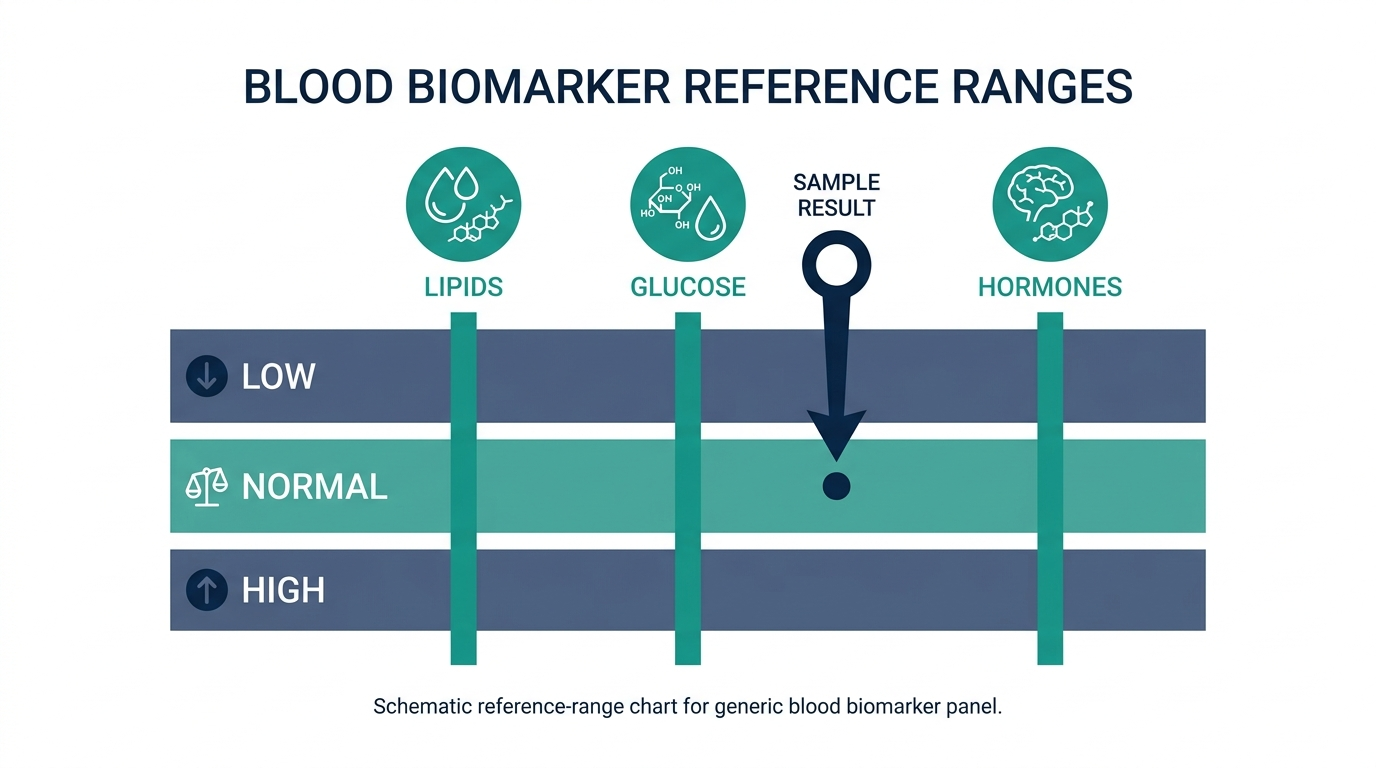
A 100-plus marker panel sounds overwhelming until you see that the markers cluster into a handful of body systems. Once you know the buckets, the report stops looking like a wall of numbers. Here is the map most comprehensive panels follow.
- Heart and cholesterol. Beyond the familiar total, LDL, and HDL cholesterol, better panels add ApoB (a direct count of artery-clogging particles) and Lp(a) (a mostly genetic risk factor). These two are the markers a standard physical usually skips and cardiologists increasingly prioritize.
- Blood sugar and metabolism. Fasting glucose, HbA1c (a three-month average), and often fasting insulin. Read together, they show whether your metabolism is drifting toward insulin resistance years before a diabetes diagnosis would appear.
- Thyroid. TSH plus Free T3 and Free T4, and sometimes thyroid antibodies. This cascade explains fatigue, weight changes, and temperature sensitivity that a single TSH can miss.
- Hormones. Testosterone, estradiol, DHEA-S, and sex hormone binding globulin. These shift with age, stress, and sleep, and matter for energy, libido, mood, and body composition.
- Inflammation. hsCRP and homocysteine, markers of the low-grade inflammation linked to cardiovascular and metabolic disease.
- Nutrients. Vitamin D, ferritin (iron stores), B12, folate, and minerals like magnesium and zinc. Deficiencies here explain a surprising share of everyday fatigue and low mood.
- Organ function. Liver enzymes, kidney markers (creatinine, eGFR), and a complete blood count that screens for anemia and infection.
Grouping the report this way lets you read it system by system rather than marker by marker, which is how a clinician actually thinks about it.

What a First-Timer Should Actually Focus On
If this is your first comprehensive panel, do not try to optimize all 100 numbers. A newcomer gets the most value by concentrating on a short list of high-leverage markers and letting the rest simply establish a baseline.
- ApoB and Lp(a) for lifelong cardiovascular risk, especially if heart disease runs in your family.
- Fasting glucose, HbA1c, and insulin as your metabolic health trio.
- Vitamin D and ferritin, the two deficiencies most likely to explain low energy in otherwise healthy adults.
- TSH, as a first pass on thyroid function.
Everything else on the panel is useful context and a valuable baseline for future comparison, but it is not where a beginner should spend their attention or anxiety. The point of the first draw is to establish where you stand. The insight comes later, when a second and third draw show which direction each number is moving.
Common Terms That Confuse First-Time Members
The vocabulary trips people up more than the biology does. A few definitions clear up most of the confusion.
- Reference range vs. optimal range. The reference range is the band a lab considers statistically normal for the general population. An optimal range is a tighter target some clinicians aim for. A value can be “in range” on the lab report yet outside the optimal zone, which is why some results get flagged even when they are technically normal.
- Fasting vs. non-fasting. Some tests require an empty stomach for accuracy (glucose, insulin, triglycerides). Eating beforehand can distort them.
- Serum, plasma, whole blood. Different tests use different parts of the blood sample. You do not need to track this, but it explains why one draw can produce results on staggered timelines.
- Sensitivity and specificity. No test is perfect. A sensitive test rarely misses a real problem but may raise false alarms; a specific test rarely raises false alarms but can miss subtle cases. This is why a single abnormal value is a question, not a conclusion.
Turning a First Report Into a Plan
The report itself does not change your health. What you do with it does. A sensible sequence after your first draw looks like this.
- Read it by system, not by panic. Use the categories above. Note anything flagged, but do not treat a mild out-of-range value as an emergency.
- Separate the fixable from the fixed. Some markers respond to lifestyle (glucose, triglycerides, vitamin D, ferritin). Others are largely genetic (Lp(a)). Put your effort where change is possible.
- Bring flagged results to a clinician. The membership signs the lab order but does not manage your care. A brief visit with your own doctor turns data into decisions, and an organized report makes that visit efficient.
- Set a retest cadence. For most healthy adults, an annual comprehensive draw is enough to see trends. Retest sooner only if you are actively changing something and want to measure the response.
Handled this way, a first panel becomes the start of a trend line rather than a one-time curiosity, and the trend is where the real value lives.
Turn what you just learned into action.
Superpower lets you test 100+ biomarkers from home, then re-check them over time so you can actually see progress, physician-reviewed at every step.
FAQ
What is Function Health in simple terms?
It is an annual membership, priced at $499/year, that lets you get a comprehensive blood panel (100-plus biomarkers) drawn at Quest or Labcorp without a doctor’s referral. Results go into a Function app with explanations and trend charts. A background physician signs the lab order; that physician is not your doctor and will not manage your care.
Is Function Health a legitimate company?
Yes. It is a US-incorporated company co-founded by Dr. Mark Hyman, uses CLIA-certified reference labs (Quest and Labcorp), and has processed tens of thousands of member draws. It operates under state direct-access lab laws and excludes states where those laws prohibit the model. Trustpilot and BBB reviews are mixed in the same ways most subscription health companies are: complaints cluster around billing and customer service, not lab accuracy.
What does functionhealth.com offer that you cannot get elsewhere?
The primary thing Function offers that is hard to replicate piecemeal is the bundled panel at a flat price, delivered in a purpose-built app with trend tracking. You could order every individual test Function runs through a cash-pay lab broker, but it would take more time, cost more, and produce no unified dashboard. The app and the automatic physician-sign workflow are the convenience layer you are paying for.
Is Function Health covered by insurance or HSA?
Function does not bill insurance and does not guarantee HSA/FSA eligibility. Many members have successfully submitted receipts for HSA reimbursement since the underlying labs are qualified medical expenses, but the outcome depends on your specific HSA plan administrator. The membership fee itself is less certain than the lab draw cost. Talk to your plan before assuming reimbursement.
How many biomarkers does Function Health actually test?
The standard panel includes approximately 100 to 110 biomarkers depending on sex and current panel configuration. This includes a CBC with differential, comprehensive metabolic panel, advanced lipid panel, full thyroid cascade, hormones, inflammation markers, metabolic markers, and some nutritional markers like vitamin D, B12, folate, and ferritin. The exact list has changed over Function’s history as they have adjusted the included tests.
Does Function Health give you a diagnosis?
No. Function is explicitly not a diagnostic or medical advice service. It delivers lab data with reference-range context and AI-generated explanations. If a result is out of range, the app prompts you to follow up with a clinician. Talk to a clinician about any results that concern you. Function does not diagnose, treat, or prescribe.
What happens if my Function Health results show something serious?
The app will flag results that fall significantly outside reference ranges, often with a suggested follow-up action (typically: see your doctor). Function does not have a clinical team that will call you proactively. If you notice a result that looks alarming, you are responsible for scheduling a follow-up with your own physician. This is a meaningful limitation of the DTC model compared to a managed primary care practice.
Can Function Health replace my annual physical?
No, and it should not try. A physical includes a clinical exam, patient history review, and a physician relationship that Function does not replicate. What Function adds is a much broader biomarker baseline than a standard physical generates. Used together, they are complementary: bring your Function report to your annual physical and your PCP has far more data to work with than a basic panel alone would provide.
Is there a cheaper alternative to Function Health?
Superpower is the most direct alternative at roughly $199/year for a comparable 100-plus biomarker panel, and it includes physician result review in the base membership where Function charges extra for that. Other options include ordering specific tests through Ulta Lab Tests, Walk-In Lab, or LabFinder for cash prices ranging $29 to $150 per individual test, though you lose the bundling, app, and trend-tracking. The right choice depends on whether you value the convenience and longitudinal tracking enough to pay the membership premium.