Disclosure: Vital Signs Today may earn a commission if you buy through links on this page, at no extra cost to you. This does not influence our evidence-based assessments. We are not a medical provider; talk to a clinician before acting on test results.
You scanned your complete blood count, and there it was: RDW, flagged high. Maybe there was a little H next to it, maybe a number like 15.8 percent that meant nothing to you until a search engine made you nervous. Here is the calm version of what that flag means, why it showed up, and what actually matters about it.
The short answer up front: a high RDW is almost never a diagnosis on its own. It is a clue, and a surprisingly informative one. Most of the time it points to something common and fixable. Occasionally it is the first quiet hint of something worth chasing. The trick is knowing which is which, and that is exactly what your doctor uses the rest of your blood panel to figure out.
Part of our Complete Blood Count guide.
What is RDW in a blood test high, and what does it mean?
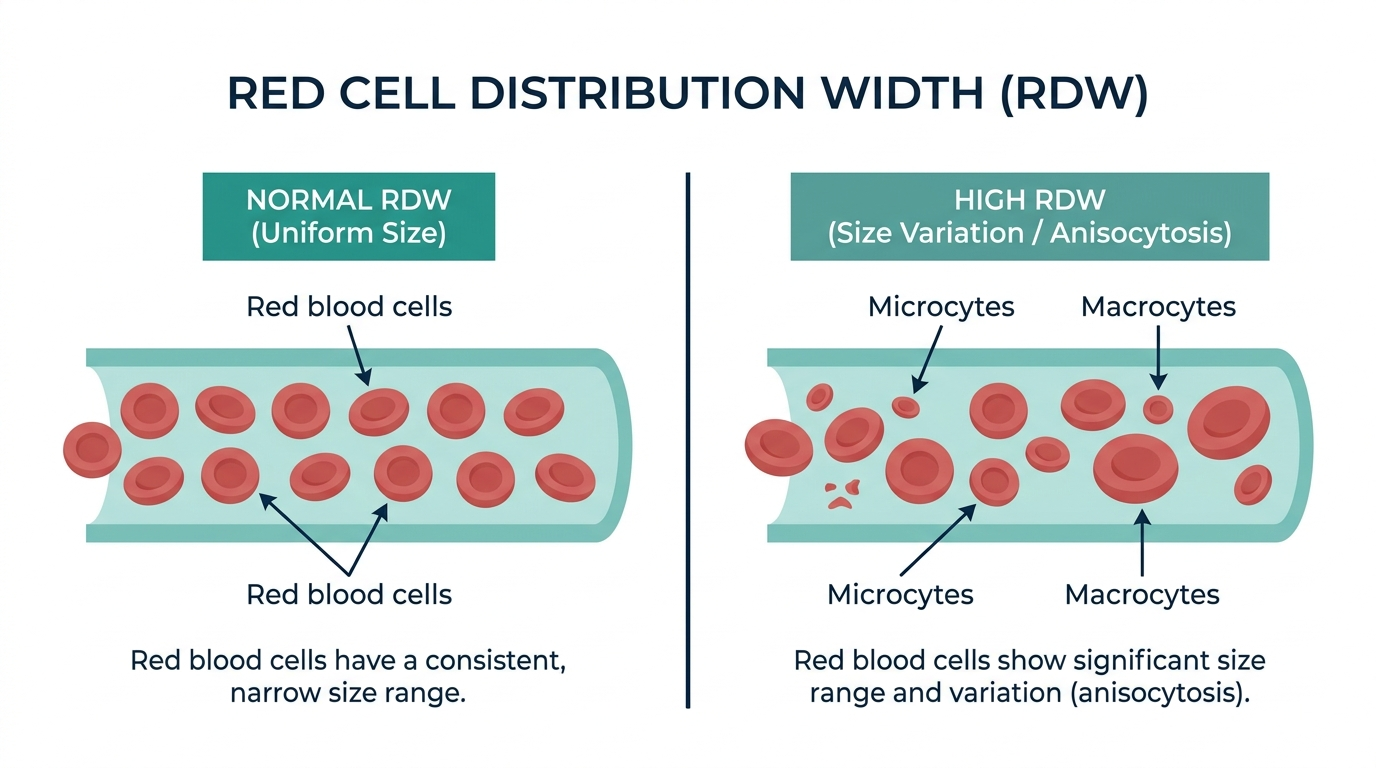
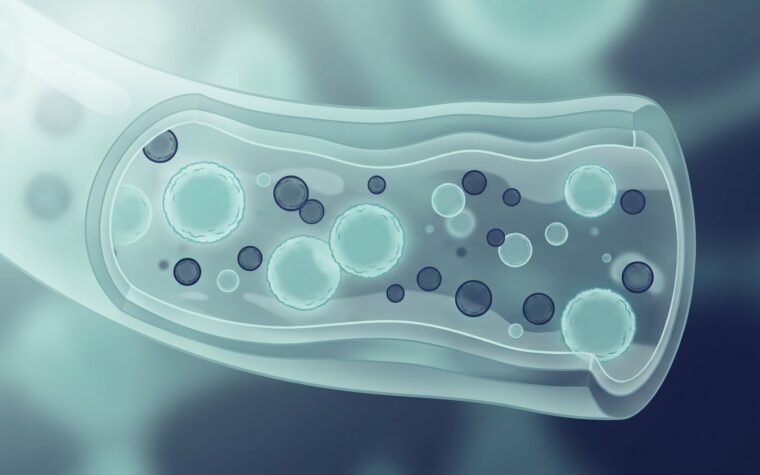
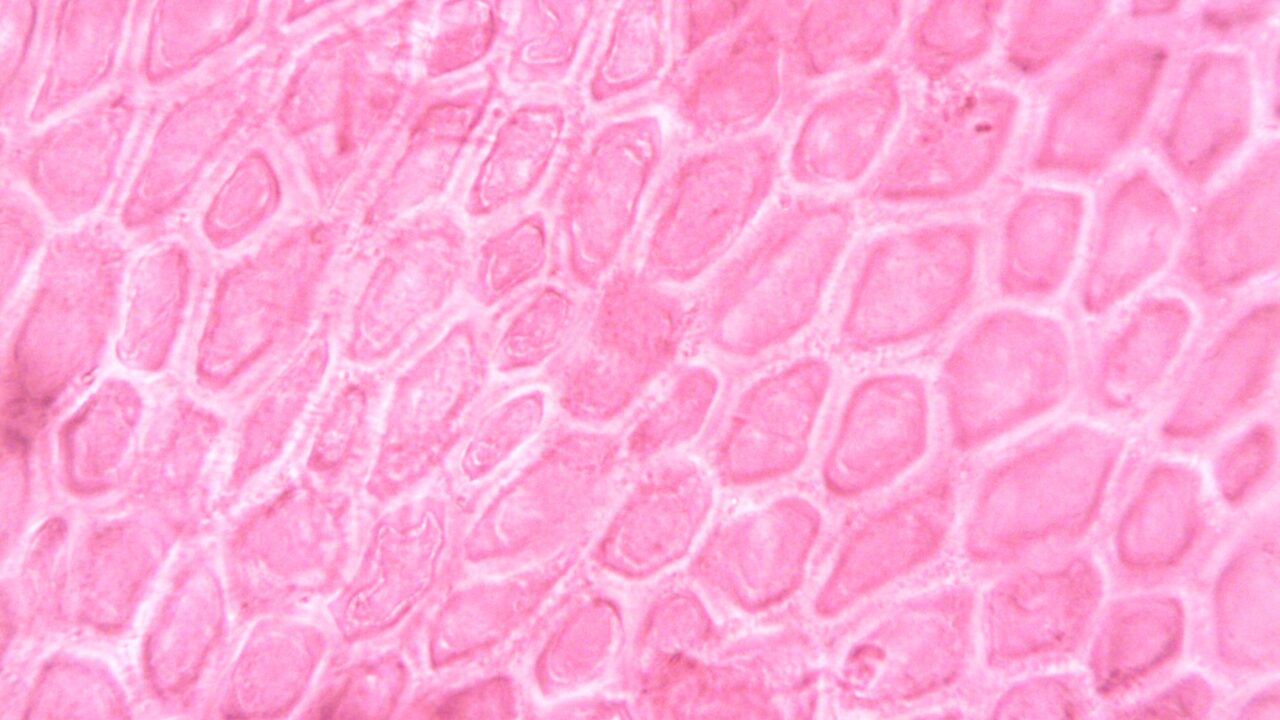
RDW stands for red cell distribution width, and it measures how much your red blood cells vary in size. A high RDW means your red cells range widely from small to large instead of being fairly uniform (MedlinePlus). The clinical term for that wide mix of sizes is anisocytosis, and RDW is simply how the lab puts a number on it.
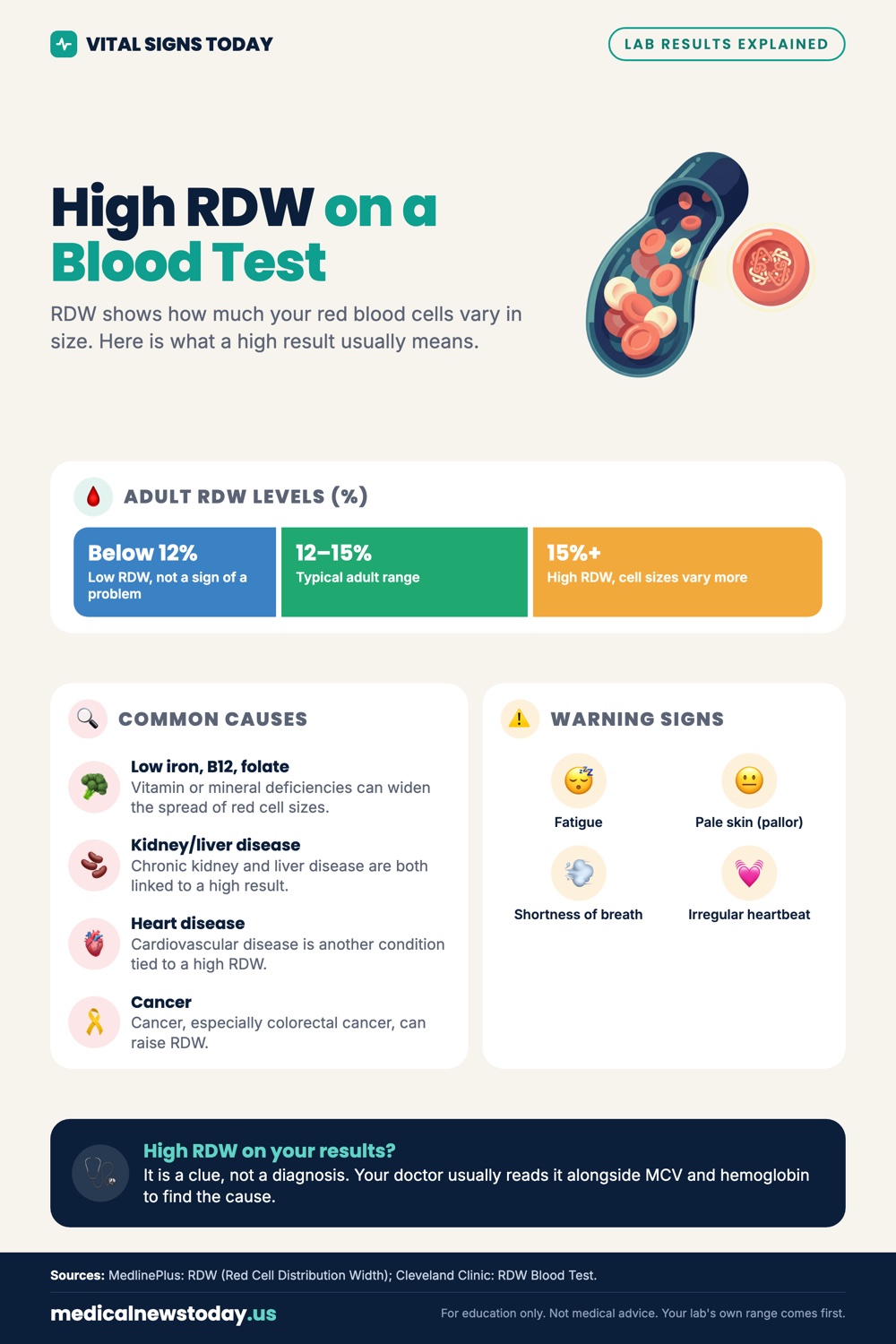
Where is the cutoff? A normal RDW generally runs from about 12 to 15 percent, though it varies slightly by lab and instrument. Cleveland Clinic defines a high result as one where 15 percent or more of your red blood cells are different sizes (Cleveland Clinic). The practical rule: read your number against the reference range printed on your own report, because that is the range your lab actually calibrated. If your result sits above the top of that range, your red cell population has lost some of its consistency, and a high RDW is the marker that caught it.
Why does that happen? Healthy bone marrow stamps out red cells that are reasonably alike in size. When something disrupts production, whether a missing nutrient, blood loss, or a chronic illness, the cells start coming out mismatched, and RDW climbs. So a high RDW is less a problem in itself and more a readout that red cell production has been knocked off its rhythm.
What causes a high RDW?
A high RDW has a short, well-worn list of causes, and most of them are common. Here they are, roughly in order of how often they show up:
- Iron deficiency anemia. This is the single most common reason for a high RDW. Iron deficiency is the most prevalent form of anemia, and a varied red cell size is one of its early fingerprints. RDW is elevated in virtually all cases of iron deficiency anemia (Cleveland Clinic).
- Vitamin B12 or folate deficiency. These produce large, immature red cells, and the size scatter pushes RDW up in roughly two thirds of cases (MedlinePlus).
- Mixed anemia. When two processes run at once, for example iron deficiency plus B12 deficiency, the spread of sizes widens and RDW rises. This is actually where RDW earns its keep, because the two deficiencies can mask each other on the average.
- Recovery after blood loss or hemolysis, when a flood of fresh young cells of varying size enters the bloodstream (Cleveland Clinic Journal of Medicine).
- Chronic disease. Liver disease, kidney disease, heart disease, diabetes, and some cancers can all nudge RDW upward, often through a mix of inflammation and disrupted red cell production (MedlinePlus).
Notice the pattern. The top of this list is nutritional and fixable. The bottom is where a high RDW becomes a reason to look at the bigger picture rather than just hand over an iron supplement. Your doctor narrows it down by reading RDW next to your MCV, the average size of your red cells, and your hemoglobin.
What are the symptoms of a high RDW?
Here is something most people do not expect: a high RDW itself has no symptoms. You cannot feel your red cells varying in size. RDW is a measurement, not a disease, so any symptoms you have come from the underlying cause, not from the number.
If the cause is anemia, which is the common scenario, the symptoms you might notice are the classic ones: fatigue, pale skin, shortness of breath, dizziness, cold hands and feet, or an irregular or racing heartbeat (Cleveland Clinic). But plenty of people with a high RDW feel completely fine, especially early on when hemoglobin is still in range. That is the whole point of the test. It can flag a problem before you have any reason to suspect one.
So do not go hunting for symptoms of high RDW. Instead, pay attention to whether you have signs of anemia or of any chronic condition, and let the rest of your blood panel tell the story.
When is a high RDW dangerous or a medical emergency?
A high RDW by itself is not an emergency. There is no RDW number, no matter how high, that means you need to call an ambulance. The danger, when there is any, comes from the underlying cause and from how severe the anemia is, not from the size variation per se.
What does warrant prompt attention is the combination of a high RDW with symptoms of significant anemia: chest pain, severe shortness of breath at rest, fainting, a pounding or irregular heartbeat, or extreme fatigue that has come on fast. Those point to a hemoglobin that may be dropping low enough to strain your heart, and that is a reason to be seen quickly (MedlinePlus).
There is also a longer game worth knowing about. A large body of research has found that a higher RDW independently predicts worse outcomes in people with chronic disease. In one study of people with diabetes, those in the highest RDW group had roughly a 2.4 fold higher risk of all-cause death even after adjusting for 17 other variables (PMC, RDW and mortality in diabetes). In heart failure, RDW has been described as a stronger predictor of illness and death than some standard measures (Cleveland Clinic Journal of Medicine). That does not make a high RDW dangerous in the emergency sense. It makes it a signal that your body may be under more background stress than the rest of the panel shows, and a reason to look closer rather than scroll past.

What should you do about a high RDW?
Do not treat the RDW number. Treat the cause. The number drops back to normal on its own once the underlying issue is sorted out. The path usually looks like this:
- Let your doctor read it next to MCV and hemoglobin. RDW rarely means anything in isolation. High RDW with low MCV is the classic signature of iron deficiency. High RDW with high MCV leans toward B12 or folate deficiency. That pairing is what turns a vague flag into a working diagnosis (MedlinePlus).
- Expect follow-up tests. Common next steps include ferritin and iron studies, vitamin B12 and folate levels, and sometimes a peripheral blood smear so a human can actually look at the cells (Cleveland Clinic Journal of Medicine).
- Fix what is found. If it is iron deficiency, that often means iron-rich foods or a supplement, plus finding the reason iron is low in the first place. If it is B12 or folate, it means replacing what is missing. Nutrition is the lever for the most common causes.
- If the workup is clean, a mildly high RDW with a normal hemoglobin and a healthy person is often just monitored. Your doctor may simply recheck it at your next visit.
The single most useful thing you can do is bring the whole report, not just the RDW line, to the conversation. The story is in the combination.
The insider read: why a high RDW is so often misinterpreted
Here is the nuance that gets lost in patient-facing explainers. A high RDW frequently rises before the MCV falls out of range, which means a creeping RDW can be the earliest quiet signal of iron deficiency, sometimes while your hemoglobin still looks perfectly normal (Cleveland Clinic Journal of Medicine). People get told everything is normal because the headline numbers are fine, when an upward-drifting RDW was the first tripwire.
The flip side is the trap that catches even careful readers. A normal RDW does not rule out a problem. In long-standing, stable iron deficiency or in thalassemia trait, the red cells can be uniformly small, so RDW stays normal even though something real is going on (Cleveland Clinic Journal of Medicine). That is why RDW is read alongside MCV rather than alone, and why a peripheral smear still matters. RDW is a sensitive smoke detector, not a diagnosis.
And the part researchers are still untangling: why a measure of red cell size variation should predict survival at all. The leading idea is that a high RDW is a cheap, sensitive mirror of underlying inflammation, oxidative stress, and poor nutrition, the same forces that quietly age the cardiovascular system. Not everyone agrees it should be used as a standalone risk tool, and it should not be. But it is a legitimate nudge to ask what else is going on.
When should you see a doctor about a high RDW?
If a routine blood test came back with a high RDW, book a regular appointment to review it. There is rarely any need to panic, but it should not be ignored either, because it most often signals a treatable nutritional deficiency that is worth confirming and correcting (Cleveland Clinic).
Seek care sooner if you also have symptoms of anemia that are getting worse: increasing fatigue, paleness, shortness of breath, or an irregular heartbeat (Cleveland Clinic). Get seen urgently if you have chest pain, severe breathlessness at rest, or fainting, which can mean anemia significant enough to stress your heart. And if you have a chronic condition like diabetes, kidney disease, or heart disease, mention the high RDW to the doctor who manages it, since it can carry prognostic weight in that context (PMC, RDW and mortality in diabetes).

RDW-CV versus RDW-SD: the two versions of the same number
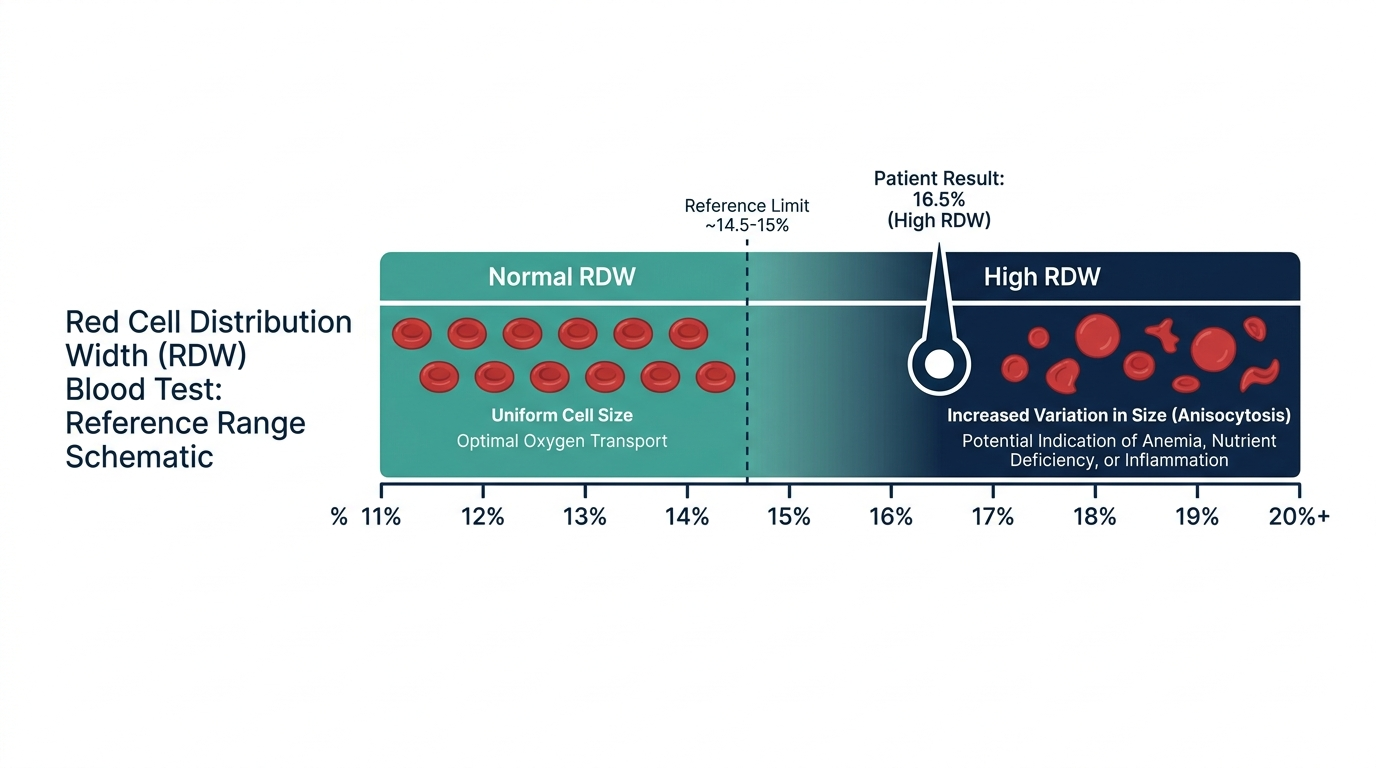
One detail confuses people who compare reports from different labs: RDW is reported in two different formats, and they are not interchangeable. Your analyzer may print RDW-CV, RDW-SD, or both.
- RDW-CV is the coefficient of variation, expressed as a percentage, typically in the 12 to 15 percent range. It is calculated relative to the average cell size, so it is a ratio. This is the version most patient-facing explainers refer to.
- RDW-SD is the standard deviation, reported in femtoliters (fL), and it measures the actual width of the red cell size distribution directly. A typical range sits around 39 to 46 fL, though this varies by instrument.
Here is why the distinction matters. RDW-CV is influenced by the average cell size (the MCV), so when cells are very small or very large, RDW-CV can read differently even for the same true spread. RDW-SD is more independent of MCV and can sometimes catch a widened distribution that RDW-CV understates. If you are comparing a value from one lab to another, or wondering why two reports seem to disagree, check which version each is using. Comparing an SD in femtoliters to a CV in percent is comparing two different things, and the mismatch is a common source of needless confusion.
Reading RDW with MCV: the interpretation grid
RDW earns almost all of its value when paired with the MCV, the average size of your red cells. Together they sort anemias into recognizable patterns. This grid is the mental model clinicians use, and it turns two vague numbers into a working direction.
| MCV (average size) | RDW normal | RDW high |
|---|---|---|
| Low (small cells) | Thalassemia trait, anemia of chronic disease | Iron deficiency anemia (classic), red cell fragmentation |
| Normal (average size) | Normal, acute blood loss, anemia of chronic disease | Early or mixed deficiency, early iron or B12 shortfall |
| High (large cells) | Aplastic anemia, some liver disease, alcohol | B12 or folate deficiency (classic), hemolysis with brisk recovery |
Want to check your RDW?
Three ways to get it measured. Pick whichever fits you.
Affiliate links: we may earn a commission at no extra cost to you. A lab test does not replace a visit with your clinician.
The single most useful square in this grid is small cells with a high RDW, because that combination strongly favors iron deficiency, the most common cause of anemia worldwide. The next most useful is large cells with a high RDW, which points toward B12 or folate. Note that a high RDW appears in the “high” column across every row, which is exactly why it is such a broad early tripwire, and also why it cannot diagnose anything on its own.
How RDW helps separate iron deficiency from thalassemia trait
One of RDW’s most practical jobs is telling apart two conditions that both produce small red cells but call for completely different responses: iron deficiency anemia and thalassemia trait. Confusing them can lead to years of unnecessary iron supplements that do nothing, since a person with thalassemia trait is not short on iron.
The distinguishing clue lives in the RDW. In iron deficiency, the cells are small and their sizes are scattered, so RDW is usually high. In thalassemia trait, the cells are small but strikingly uniform, so RDW often stays normal even though the MCV is low. Clinicians combine this with the red cell count itself: thalassemia trait tends to produce a relatively high number of small cells, while iron deficiency tends to produce fewer. When the picture is unclear, a ferritin test settles it directly, since ferritin is low in iron deficiency and normal in thalassemia trait. The lesson for a patient looking at their own report: a low MCV does not automatically mean iron deficiency, and the RDW is one of the first hints about which way the answer is leaning.
The companion tests that turn a high RDW into an answer
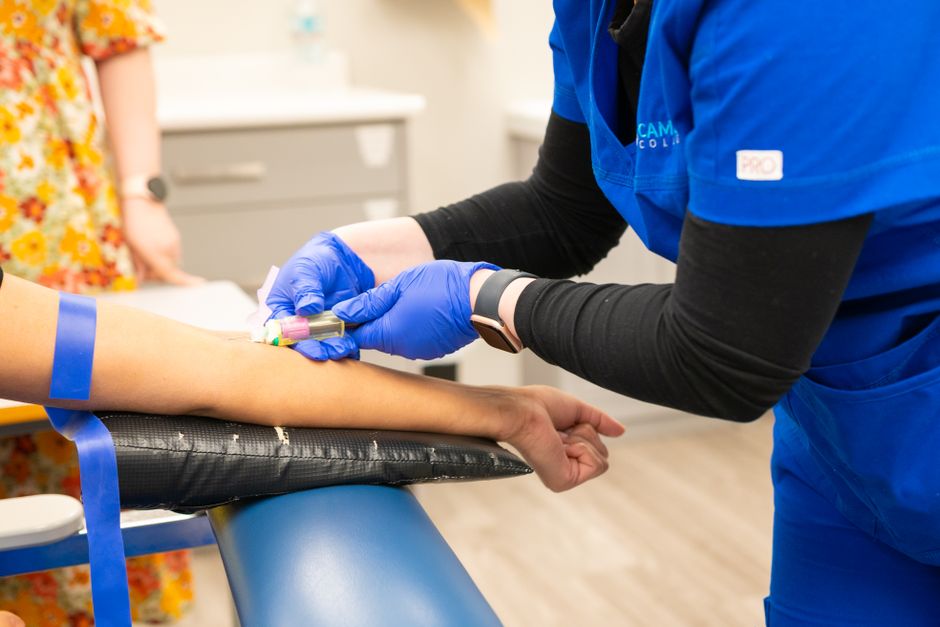
A high RDW rarely travels alone in a workup. Once it is flagged, the following tests are the usual supporting cast, each answering a piece of the puzzle:
- Ferritin and iron studies. Ferritin reflects your body’s iron stores and is the most direct way to confirm or rule out iron deficiency, the leading cause of a high RDW. Iron studies add serum iron, transferrin, and saturation for a fuller view.
- Vitamin B12 and folate. When cells are large and RDW is high, these levels confirm whether a B12 or folate shortfall is behind the size scatter (MedlinePlus).
- Reticulocyte count. This counts young red cells fresh from the marrow. A high count suggests the marrow is responding briskly, for example after blood loss or hemolysis, which can raise RDW as new cells of varying size flood in.
- Peripheral blood smear. A trained eye looking at the cells under a microscope can spot shapes and patterns that no automated number captures, which is why a smear still matters when the story is unclear (Cleveland Clinic Journal of Medicine).
- MCH and MCHC. These describe how much hemoglobin the cells carry, adding color to the size information RDW and MCV provide.
The point is that RDW is the opening question, not the answer. It tells your clinician which of these follow-up tests to reach for first.
Watching RDW during treatment: it can rise before it falls
A counterintuitive detail trips people up when they retest after starting treatment. When you begin iron, B12, or folate replacement for a deficiency, RDW can actually climb higher for a while before it settles back to normal. This is not a sign that treatment is failing. It is the opposite.
The reason is mechanical. As the marrow starts producing healthy, correctly sized red cells, you temporarily have a mixed population: the old abnormal cells still in circulation alongside the new normal ones. That coexistence of two sizes widens the distribution, so RDW ticks up during the transition. Over the following weeks, as the old cells are cleared and the new normal cells dominate, RDW falls back into range. If you retest a month after starting iron and see a slightly higher RDW, read it as a marker of active recovery rather than a setback, and let the hemoglobin trend and how you feel guide the bigger judgment.
Common misunderstandings about a high RDW
- “A high RDW is a disease I need to treat.” It is not a disease and cannot be treated directly. It is a marker, and it returns to normal on its own once the underlying cause, most often a nutritional deficiency, is corrected.
- “A high RDW always means anemia.” Not always. RDW can rise before hemoglobin falls, and it can be elevated in chronic conditions without frank anemia. A high RDW with a normal hemoglobin is common and often reflects an early or mild process.
- “A normal RDW means my blood is fine.” Not necessarily. In stable long-standing iron deficiency or in thalassemia trait, cells can be uniformly small, so RDW stays normal while a real issue persists (Cleveland Clinic Journal of Medicine). This is why RDW is read with MCV and ferritin, not in isolation.
- “A small MCV means I need iron.” Not automatically. Small uniform cells with a normal RDW can point to thalassemia trait, where iron supplements will not help and are not the answer. Ferritin settles the question.
Frequently asked questions
What does a high RDW mean in a blood test?
A high RDW means your red blood cells vary more in size than normal, a sign that red cell production has been disrupted. It is a clue, not a diagnosis. The most common reasons are iron, vitamin B12, or folate deficiency, and it is interpreted alongside MCV and hemoglobin (Cleveland Clinic).
What number counts as a high RDW?
A normal RDW generally runs from about 12 to 15 percent. Cleveland Clinic considers a result high when 15 percent or more of your red blood cells are different sizes, though the exact cutoff varies by lab. Always compare your result to the reference range printed on your own report (Cleveland Clinic).
Can a high RDW be a sign of something serious?
Usually it points to a common, treatable deficiency. But a higher RDW has also been linked to worse outcomes in chronic conditions such as diabetes and heart disease, even after adjusting for other risk factors, so it can be a reason to look closer (PMC, RDW and mortality in diabetes).
Does a high RDW cause symptoms?
No. A high RDW itself causes no symptoms. Any symptoms come from the underlying cause, most often anemia, which can produce fatigue, pale skin, shortness of breath, or an irregular heartbeat (Cleveland Clinic).
What does high RDW with low MCV mean?
That combination is the classic signature of iron deficiency anemia, where red cells are both small and varied in size. By contrast, a normal RDW with low MCV points more toward thalassemia trait, where cells are small but uniform (MedlinePlus).
This article is for general educational purposes and is not medical advice. It cannot diagnose or treat you and does not replace your clinician. Always discuss your lab results and any health decisions with a qualified healthcare professional.
Vital Signs Today may earn a commission if you buy through links on this page. It does not affect our editorial assessments.