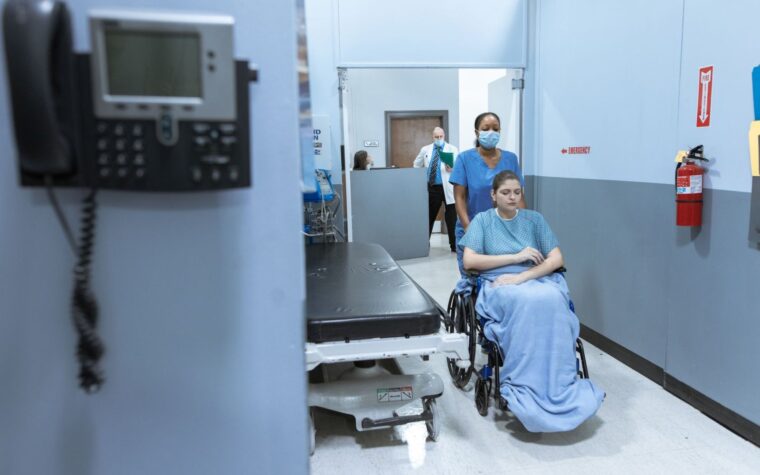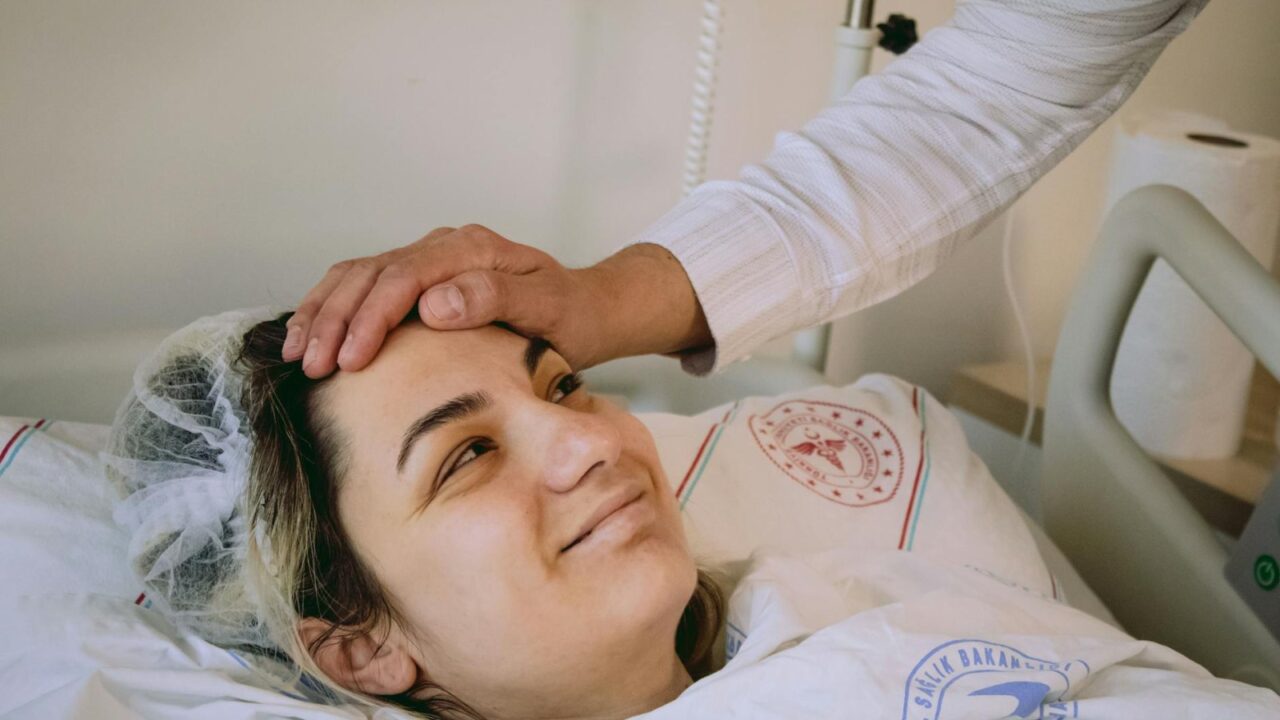
Young adults diagnosed with cancer often face a unique form of isolation because they fall into an age gap between pediatric and older adult support networks. Michele Seyranian’s story, as reported by Cleveland.com, illustrates how this lack of age-appropriate peer support can compound the emotional burden of treatment. The feature underscores a growing recognition that cancer care must address psychosocial needs specific to adolescents and young adults (AYA).
- Young adults with cancer are frequently the only person their age in treatment settings, which can worsen feelings of loneliness.
- Social isolation during cancer treatment is linked to higher rates of depression, anxiety, and lower quality of life for this age group.
- Cancer support groups and resources are often designed for children or older adults, leaving young adults without tailored help.
- Advocates and healthcare providers are calling for more age-specific psychosocial programs and peer mentoring networks.
- Michele Seyranian’s personal account, detailed in the Cleveland.com report, puts a human face on this systemic gap in care.
The Age Gap in Cancer Support
Cancer does not discriminate by age, but support systems often do. Pediatric oncology programs focus on children and their families, while geriatric oncology caters to older patients. Young adults aged 18 to 39 fall into a “no-man’s land” where standard resources may not fit. According to the Cleveland.com report, Seyranian found herself surrounded by older patients or young children, with few peers who understood her life stage challenges such as career interruptions, dating, or building a family.
This age gap is not just emotional. It can affect medical outcomes. Young adults are more likely to be diagnosed with aggressive cancers and have lower clinical trial participation. Without age-matched support, adherence to treatment can suffer. The report notes that feeling “too alone to face it” is a common sentiment among AYA patients, one that clinicians are only beginning to address systematically.
Michele Seyranian’s Experience
Michele Seyranian was diagnosed with cancer at an age when she expected to be building her future, not fighting for her life. As described in the feature, she quickly realized how cancer disrupts not only physical health but also social identity. Her friends were starting careers and families, while she was navigating chemotherapy side effects and hospital stays. The isolation deepened because support groups she found were either online forums she didn’t relate to or in-person groups where she was decades younger than other members.
The Cleveland.com story highlights Seyranian’s decision to speak out about her loneliness, hoping to push for change. Her story is not unique. Many young adults report feeling invisible in the cancer system, their emotional and practical needs overlooked because they do not fit traditional patient profiles. By sharing her journey, Seyranian has joined a growing chorus of AYA advocates demanding better.
Why Young Adults Feel Alone
Several factors combine to make young adulthood a particularly isolating time for a cancer diagnosis. First, this life stage is already marked by transition and uncertainty. Adding a serious illness can make patients feel out of step with their peers. Second, healthcare systems often lack designated AYA programs; many young adults are treated in adult oncology wards where conversations about fertility, career, and dating are rare. Third, financial stress is high because many are underinsured or in entry-level jobs with little sick leave.
According to the report, Seyranian experienced these pressures acutely. The emotional toll of being the only young person in the waiting room day after day can erode resilience. Mental health support, when available, may not be framed around AYA issues. The result is a spiral of withdrawal that can complicate recovery and long-term adjustment to life after cancer.
What Can Be Done
Improving support for young adults with cancer requires multiple strategies. Hospitals and cancer centers can create dedicated AYA clinics or at least designate “young adult hours” in infusion suites. Peer mentoring programs that match newly diagnosed patients with survivors of similar age have shown promise in reducing isolation. Online communities specifically for this age group, like those run by groups such as Stupid Cancer and the Livestrong Foundation, can provide connection when local resources are scarce.
Cleveland.com’s report emphasizes that healthcare providers should routinely screen young patients for social isolation and refer them to appropriate support. Training oncology nurses and social workers to address AYA concerns is another low-cost intervention. The feature on Seyranian concludes with a call for normalization: young adults with cancer need permission to say they feel alone, and they need structures in place to find others like them.
Frequently Asked Questions
What makes cancer isolation worse for young adults?
Young adults often lack a peer group during treatment because most cancer patients are either children or older adults. This age group also faces unique life disruptions such as job loss, broken relationships, and fertility concerns that are not commonly addressed in standard support settings. The gap in age-appropriate psychosocial care amplifies feelings of loneliness.
How can young adults find peer support?
Several nonprofit organizations focus on AYA cancer patients. Stupid Cancer, Elephants and Tea, and the Adolescent and Young Adult Cancer Alliance offer online communities, retreats, and mentoring programs. Many hospitals now have AYA navigators or social workers who can connect patients to local groups. Asking oncology teams about young adult-specific resources is a good first step.
What changes are needed in cancer care for young adults?
Experts recommend dedicated AYA oncology programs within major cancer centers, routine screening for psychosocial distress, and integration of fertility preservation and career counseling into treatment plans. The Cleveland.com report on Michele Seyranian argues that healthcare systems must recognize young adulthood as a distinct phase requiring tailored support, not a one-size-fits-all approach.
This is an original report by Vital Signs Today, informed by reporting from Google News. Read the original source.
This article is for information only and is not medical advice. See our Medical Disclaimer.