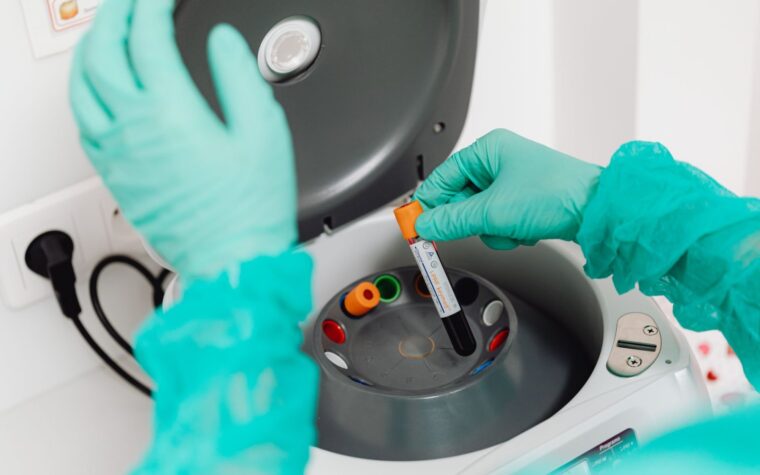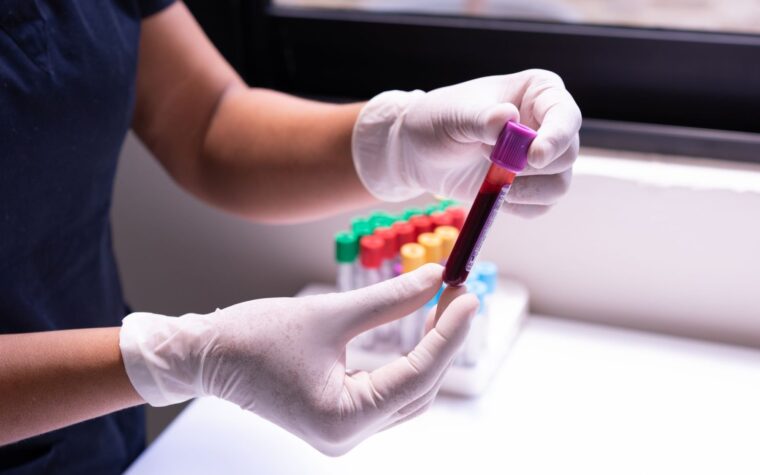
Your doctor said they wanted to “check your kidneys,” then ordered a blood test, and now you are staring at a results page trying to figure out which line actually told them anything. Here is the short version most people never get explained clearly. There is no single test literally labeled “kidney function.” Instead, a handful of routine blood numbers, read together, paint the picture, and one of them does most of the heavy lifting.
Creatinine, eGFR, and BUN each tell part of the kidney story. See them together in your full metabolic panel. One at-home Superpower draw checks 100+ biomarkers, physician-reviewed.
Once you know which numbers to look at and what they mean, your own lab report stops being a wall of abbreviations and starts being a status report on two organs you cannot afford to ignore.
What blood test shows kidney function?
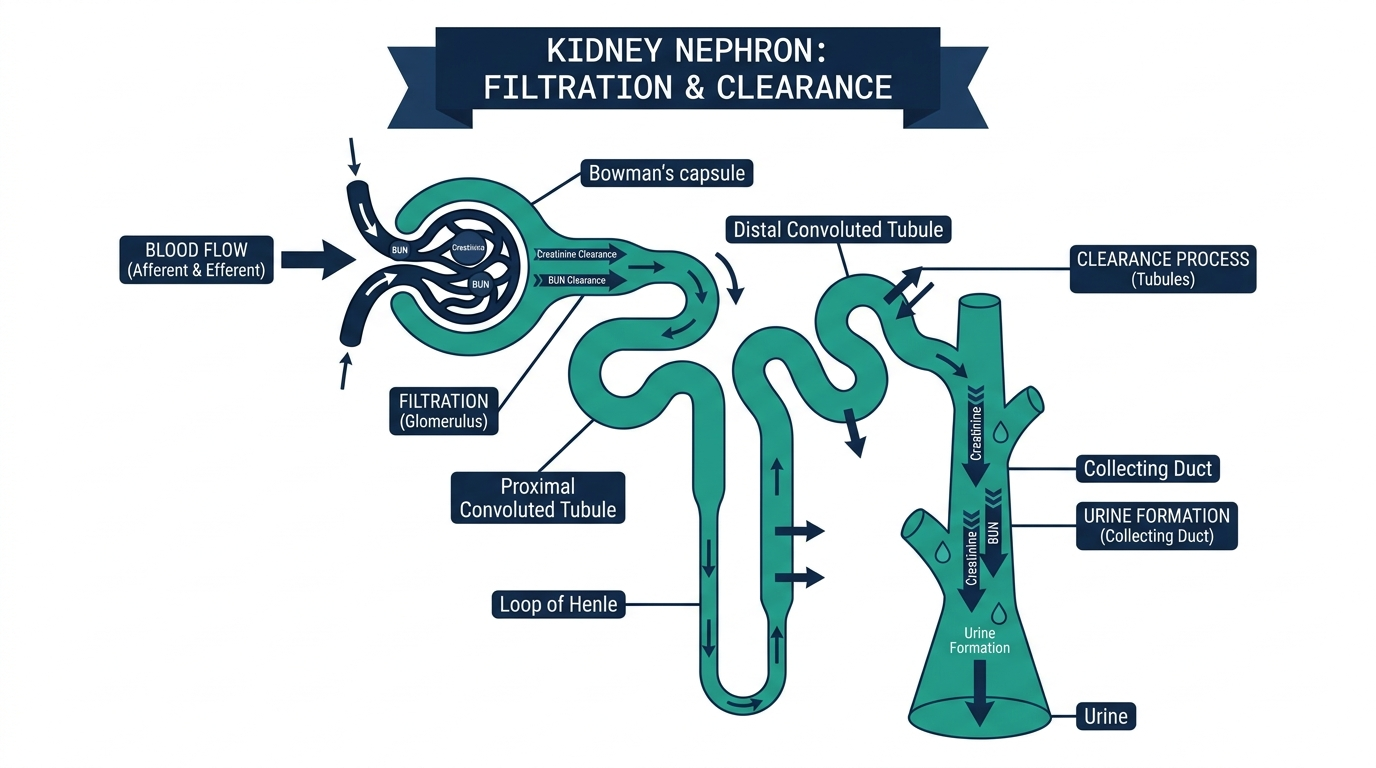
The blood test that shows kidney function is the basic metabolic panel, and within it the two numbers that matter most are creatinine and the estimated glomerular filtration rate (eGFR). Creatinine is a waste product from normal muscle wear and tear that healthy kidneys filter out of your blood, so when it builds up, it suggests the kidneys are not clearing it well (MedlinePlus). The eGFR is a calculation built from your creatinine result that estimates how much blood your kidneys filter each minute (MedlinePlus).
A third number, blood urea nitrogen (BUN), rounds out the picture. So when someone asks what blood test for kidney function they should request, the honest answer is that the standard panel already contains it. You usually do not need to order anything exotic, you just need to read creatinine, eGFR, and BUN as a set rather than glancing at one in isolation.

What is kidney function on a blood test, and which numbers measure it?
Kidney function on a blood test refers to how efficiently your kidneys filter waste out of your blood, and three core markers capture it. Each one approaches the same question from a slightly different angle.
- Creatinine (serum creatinine). A waste product from muscle breakdown. Your kidneys filter it constantly, so a rising blood level is a red flag that filtration is slipping (MedlinePlus).
- eGFR. A formula that turns your creatinine, age, and sex into an estimate of filtering capacity. This is the number nephrologists lean on most because it maps directly onto stages of kidney disease (National Kidney Foundation).
- BUN. Measures the nitrogen left in your blood when protein breaks down. Useful, but noisy, because diet, dehydration, and medications all move it (Cleveland Clinic).
This is also why people phrase the question so many ways. Whether you search for what blood tests show kidney function or which blood test shows kidney function, you land on the same trio. The key mental shift is to stop hunting for one magic line and start reading the group.
What is a normal eGFR and creatinine level?
For most adults, a normal eGFR is around 90 to 100 or higher, and a normal creatinine roughly falls under 1.2 for women and under 1.4 for men. The National Kidney Foundation notes that a serum creatinine above 1.2 in women or above 1.4 in men can be an early sign the kidneys are not working well, though “normal” shifts with age, sex, and body size (National Kidney Foundation).
For eGFR, the practical thresholds are easier to remember:
- 90 or above: generally normal kidney function (Cleveland Clinic).
- 60 to 89: mildly reduced filtration, which can still mean well-functioning kidneys, especially with age.
- Below 60: the cutoff that, if it persists for three months, points toward chronic kidney disease (National Kidney Foundation).
- Below 15: kidney failure, the zone where dialysis or transplant enters the conversation (Cleveland Clinic).
One detail worth internalizing: eGFR naturally drifts down with age. Cleveland Clinic notes it can run around 116 in people aged 20 to 29 and around 75 by age 70 and older (Cleveland Clinic). A 72-year-old with an eGFR of 78 is not in trouble the way a 30-year-old with the same number might be.

What does a high creatinine or low eGFR mean?
A high creatinine paired with a low eGFR means your kidneys are filtering less efficiently than they should, which is the core signal of reduced kidney function. Because eGFR is calculated from creatinine, the two move in opposite directions: as creatinine rises, eGFR falls. An eGFR that stays below 60 for at least three months is the formal definition clinicians use for chronic kidney disease (National Kidney Foundation).
But a single abnormal result is not a diagnosis. Creatinine can spike temporarily from dehydration, a hard workout, a high-protein meal, or certain medications, then settle back to normal. That is exactly why one off reading usually earns you a repeat test rather than a referral. The pattern over time matters far more than any one snapshot.
What makes early kidney disease genuinely dangerous is its silence. Early-stage kidney disease usually causes no symptoms at all, which is why blood testing is the only way to catch it before it advances (MedlinePlus). People with diabetes, high blood pressure, heart disease, or a family history of kidney problems are the ones who benefit most from checking these numbers on schedule.
Why is BUN read alongside creatinine?
BUN is read alongside creatinine because the ratio between them helps separate a kidney problem from a hydration or blood-flow problem. BUN measures the nitrogen produced when protein breaks down, and your healthcare provider typically compares it to creatinine and eGFR rather than judging it alone (National Kidney Foundation). A normal BUN sits roughly between 7 and 20 (National Kidney Foundation).
Here is why the pairing earns its place on the panel. BUN is easily pushed around by things that have nothing to do with diseased kidneys. Dehydration raises it. A protein-heavy diet raises it. Gastrointestinal bleeding raises it. Creatinine is steadier. So when both climb together in proportion, the finger points at the kidneys themselves. When BUN jumps but creatinine barely moves, the more likely story is dehydration or reduced blood flow to the kidneys, not intrinsic kidney damage. That distinction can be the difference between “drink more water and recheck” and “let us investigate your kidneys.”

The insider point: why your doctor may add a second filtration marker
Here is the nuance that rarely reaches patients. Creatinine has a real blind spot: because it comes from muscle, it depends on how much muscle you carry. A heavily muscled athlete can show a “high” creatinine with perfectly healthy kidneys, while a frail, low-muscle older adult or someone with significant weight loss can show a deceptively normal creatinine while their actual filtration is worse than it looks. Creatinine quietly lies in both directions depending on body composition.
This is where a marker called cystatin C comes in. It is a protein your body produces at a fairly constant rate regardless of muscle mass, so it sidesteps creatinine’s weakness. In 2021, a major overhaul of the eGFR equations not only removed race as a variable but also expanded the role of cystatin C, and combining creatinine and cystatin C produces an eGFR that more closely matches true measured filtration than either marker alone (PMC, New equations to estimate GFR). The National Kidney Foundation now recommends cystatin C as a confirmatory test, particularly when a creatinine-based eGFR lands in the borderline 45 to 59 range or when creatinine seems unreliable for a given patient (National Kidney Foundation).
So if your eGFR comes back borderline and your doctor orders a cystatin C, that is not them piling on extra tests. It is a deliberate move to confirm whether your kidneys are genuinely slipping or whether your muscle mass is simply skewing the math. Knowing this lets you ask the right question instead of panicking at a single number.
The missing half of the picture: your urine albumin
Here is something a blood test alone cannot tell you. Kidneys do two jobs: they filter waste, and they hold onto things your body needs, like protein. Creatinine and eGFR measure the filtering job. They say almost nothing about whether your kidneys are leaking protein into your urine, and that leak is often the very earliest sign of kidney damage, appearing before eGFR falls at all.
The test for it is the urine albumin-to-creatinine ratio, usually abbreviated ACR, run on a urine sample rather than blood. According to the National Kidney Foundation, ACR is graded in three bands:
- Under 30 mg/g: normal to mildly increased, labeled A1.
- 30 to 300 mg/g: moderately increased, labeled A2. This is the range once called microalbuminuria and is a key early warning, especially in people with diabetes.
- Over 300 mg/g: severely increased, labeled A3.
Because a single sample can be thrown off by exercise, fever, or a urinary infection, guidelines call for confirming a raised ACR with repeat testing over a few weeks to months, ideally using a first-morning urine sample. The practical takeaway is important: if you have diabetes or high blood pressure and your doctor only ever checks your blood creatinine, it is reasonable to ask whether a urine ACR should be added. A normal eGFR with a rising ACR is a real and treatable early stage of kidney disease that blood numbers alone would miss.

How kidney disease is actually staged
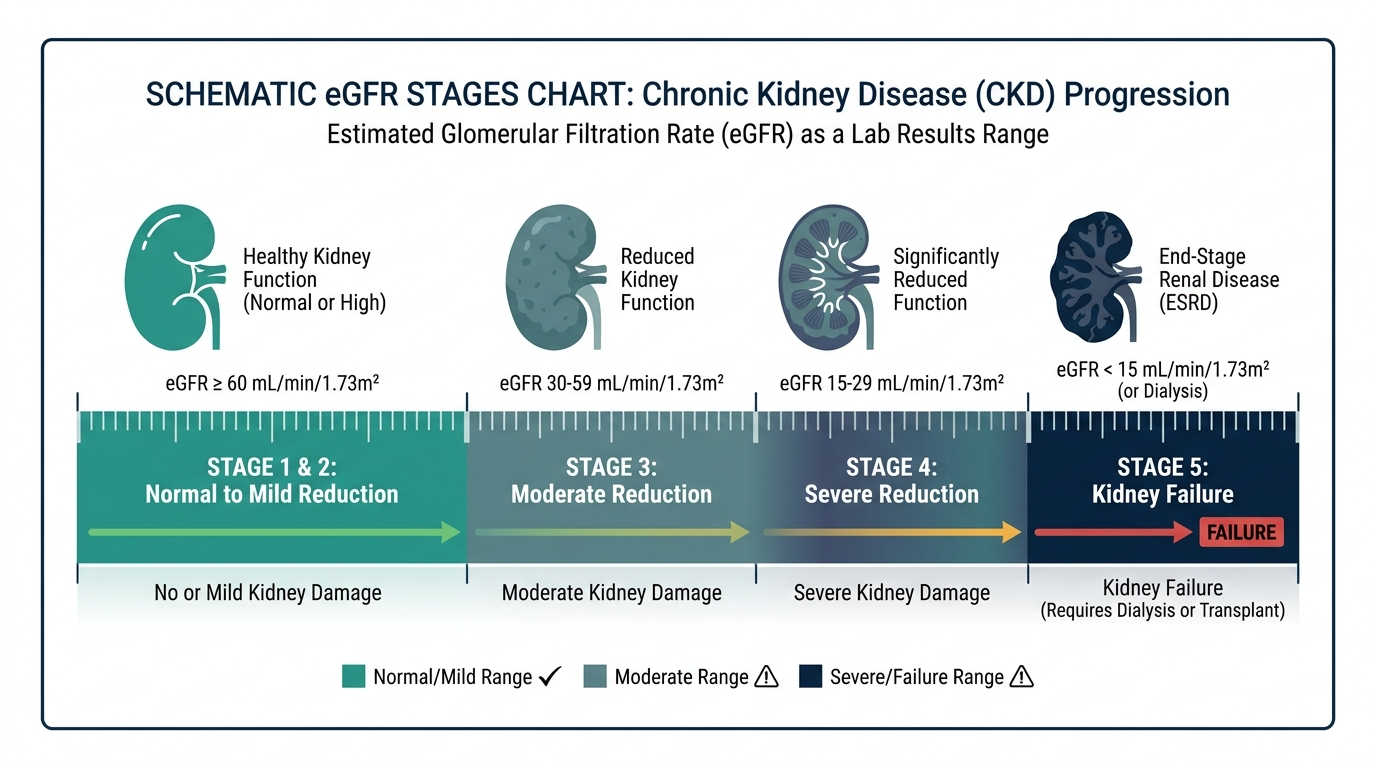
When clinicians talk about the stage of chronic kidney disease, they are not using eGFR alone. Modern staging, from the KDIGO framework, combines the filtration number with the albumin number, which is why two people with the same eGFR can carry very different risk.
The eGFR side is split into stages, roughly:
- G1: eGFR 90 or above, filtration in the normal range.
- G2: eGFR 60 to 89, mildly reduced.
- G3a and G3b: eGFR 45 to 59 and 30 to 44, mild to moderate and moderate to severe reduction.
- G4: eGFR 15 to 29, severely reduced.
- G5: eGFR below 15, kidney failure.
That grid is then crossed with the A1, A2, or A3 albumin category to produce an overall risk picture. A person at G2 with heavy protein leak (A3) can face higher risk than someone at G3a with no protein leak (A1). This is exactly why a stage is not a single number but a pairing, and why your doctor cares about both your blood and your urine result. Remember too that a diagnosis of chronic kidney disease requires the abnormality to persist for at least three months, so one bad panel is a prompt to recheck, not a verdict.
How to prepare and what can skew your kidney numbers
Because creatinine and BUN are sensitive to short-term conditions, a few practical steps make your result more representative of your true kidney function.
- Hydration. Being dehydrated on the day of the draw can raise both BUN and creatinine and lower your eGFR temporarily. Normal fluid intake before the test gives a truer reading.
- Heavy exercise. A hard workout in the day or two before testing can transiently bump creatinine, since it comes from muscle. If you can, avoid intense training right before a kidney panel.
- High-protein meals and supplements. A very large protein load, including creatine supplements, can nudge creatinine and BUN upward. Mention supplements to your provider.
- Medications. Some drugs raise creatinine or affect kidney blood flow. Common ones include NSAIDs like ibuprofen, certain blood pressure medications, and some antibiotics. Do not stop a prescribed medication on your own, but do make sure your provider knows what you take.
- Fasting. A kidney panel itself does not usually require fasting, but it is often drawn as part of a broader metabolic panel that does, so follow the instructions you were given.
None of these mean the test is unreliable. They mean a single abnormal value in the setting of dehydration, a marathon, or a new medication deserves a calm recheck rather than alarm.
What harms kidneys, and what to do after an abnormal result
Understanding what stresses the kidneys turns an abnormal panel into an action plan. The two biggest drivers of chronic kidney disease worldwide are diabetes and high blood pressure, because sustained high blood sugar and high pressure slowly damage the tiny filtering vessels inside each kidney, called glomeruli. Over years, that damage reduces how much blood the kidneys can clean, which is precisely what a falling eGFR reflects. Other contributors include repeated or heavy use of NSAID painkillers, recurrent urinary or kidney infections, obstructing kidney stones, some autoimmune conditions, and a family history of kidney disease. Age plays a role too, since filtration naturally declines over the decades even in healthy people.
If a result comes back abnormal, a sensible sequence usually looks like this:
- Confirm before you conclude. Expect a repeat blood test, and often a urine ACR, to see whether the change persists or was a one-off.
- Address the drivers. Tightening blood sugar and blood pressure control does more to protect kidneys than almost anything else. Even modest, sustained improvements matter.
- Review your medications. Your provider may adjust doses of drugs cleared by the kidneys and may steer you away from routine NSAID use.
- Track the trend. Kidney function is a moving line, not a single dot. Periodic rechecks reveal whether things are stable, improving, or slipping, which shapes how aggressively to act.
- Know when to escalate. A persistent eGFR below 60, a rising ACR, or a rapid drop in eGFR are the signals that usually prompt a referral to a nephrologist.
For most people caught early, the goal is not dramatic reversal but slowing or halting progression, which is very achievable when the underlying blood pressure and blood sugar are managed well.
Common misconceptions about kidney blood tests
A few beliefs cause needless worry or false reassurance around these numbers.
- “One high creatinine means I have kidney disease.” Not on its own. A temporary rise from dehydration, exercise, or a protein load is common, and diagnosis requires a persistent change over about three months.
- “A normal eGFR means my kidneys are completely fine.” Not always. Early kidney damage can show up as protein leaking into the urine while eGFR is still normal, which is why the urine ACR matters.
- “There will be symptoms if my kidneys are struggling.” Early kidney disease is usually silent. Blood and urine testing are the only reliable way to catch it before it advances.
- “BUN by itself tells me how my kidneys are doing.” BUN is too easily moved by diet and hydration to stand alone. It is informative mainly in ratio with creatinine.
- “A borderline eGFR always means dialysis is coming.” Far from it. Most people with mildly reduced eGFR, especially older adults, remain stable for years, and good management keeps many from ever progressing.
The throughline is the one clinicians keep returning to: kidney health is read as a set of numbers over time, blood and urine together, not as any single line on a single day. If you take one habit away from this, let it be that you look at your creatinine, eGFR, BUN ratio, and, when relevant, your urine ACR as a connected story, and that you compare today’s report against your own past results rather than against a stranger’s textbook average.
Everyday habits that support kidney function
Because the two biggest drivers of kidney decline are diabetes and high blood pressure, the most powerful everyday habits are the ones that keep blood sugar and blood pressure in a healthy range. That is not a vague wellness slogan, it is where the leverage actually lives. For someone with normal numbers who wants to protect them, and even more for someone whose eGFR has slipped a little, the practical steps are concrete.
- Keep blood pressure controlled: Sustained high pressure damages the tiny filtering vessels, so steady control through diet, activity, and any prescribed medication is one of the strongest protections there is.
- Manage blood sugar: If you have diabetes or prediabetes, tighter glucose control slows damage to the same filtering units, which is what a stable eGFR reflects over time.
- Be cautious with NSAID painkillers: Regular or heavy use of common anti-inflammatories can stress the kidneys, so reserve them for when they are genuinely needed rather than as a daily habit.
- Stay reasonably hydrated: Ordinary, consistent fluid intake supports normal function, while chronic dehydration makes the kidneys work harder and can nudge creatinine and BUN up.
- Do not smoke: Smoking is a recognized contributor to kidney damage alongside its better-known harms.
None of these require a dramatic overhaul. The point that clinicians keep making is that modest, sustained control of blood pressure and blood sugar does more to preserve kidney function than any single heroic intervention.
Why age changes your kidney numbers
Kidney function naturally declines over the decades, even in people who never develop kidney disease, so the same eGFR can carry a different meaning at 40 than it does at 75. Filtration gradually falls with age as part of normal physiology, which is why a mildly reduced eGFR in an older adult is often stable and unalarming rather than a sign of impending trouble.
This is exactly why clinicians read the number in context instead of against a single universal cutoff. An eGFR that would prompt close attention in a young person may be an expected finding in an older one, particularly when it has been steady across previous tests and there is no protein leaking into the urine. The signals that matter more than age alone are a value that is dropping over time, a rising urine albumin-to-creatinine ratio, or symptoms and risk factors like diabetes and high blood pressure layered on top. In older adults, the reassuring reality is that most people with a mildly reduced eGFR remain stable for years, so the trend across your own past results, not a comparison to a younger textbook average, is what tells the real story.
Turn what you just learned into action.
Superpower lets you test 100+ biomarkers from home, then re-check them over time so you can actually see progress, physician-reviewed at every step.
Frequently asked questions
What is the single best blood test for kidney function?
The eGFR is the most useful single number, because it estimates how much blood your kidneys filter per minute and maps directly onto kidney disease stages. It is calculated from your creatinine result, so the two are read together (National Kidney Foundation).
What is a normal eGFR level?
For most adults, a normal eGFR is about 90 or higher. An eGFR below 60 that persists for three months suggests chronic kidney disease, and eGFR naturally declines with age (Cleveland Clinic).
Does a high creatinine always mean kidney disease?
No. Creatinine can rise temporarily from dehydration, intense exercise, a high-protein meal, or certain medications, and a single elevated reading usually prompts a repeat test rather than a diagnosis (MedlinePlus).
Is BUN enough to check my kidneys by itself?
No. BUN is interpreted alongside creatinine and eGFR because diet, dehydration, and other factors can raise it independently of kidney health. A normal BUN is roughly 7 to 20 (National Kidney Foundation).
What is cystatin C and when is it used?
Cystatin C is a protein-based filtration marker that does not depend on muscle mass, so it can confirm kidney function when a creatinine-based eGFR is borderline or unreliable. Combining it with creatinine gives a more accurate eGFR (National Kidney Foundation).
This article is for general educational purposes and is not medical advice. It cannot diagnose or treat you and does not replace your clinician. Always discuss your lab results and any health decisions with a qualified healthcare professional.
Related reading
Vital Signs Today may earn a commission if you buy through links on this page. It does not affect our editorial assessments.