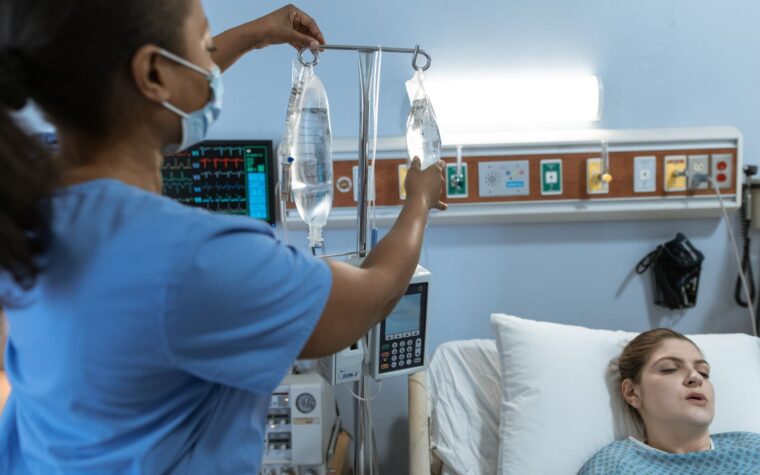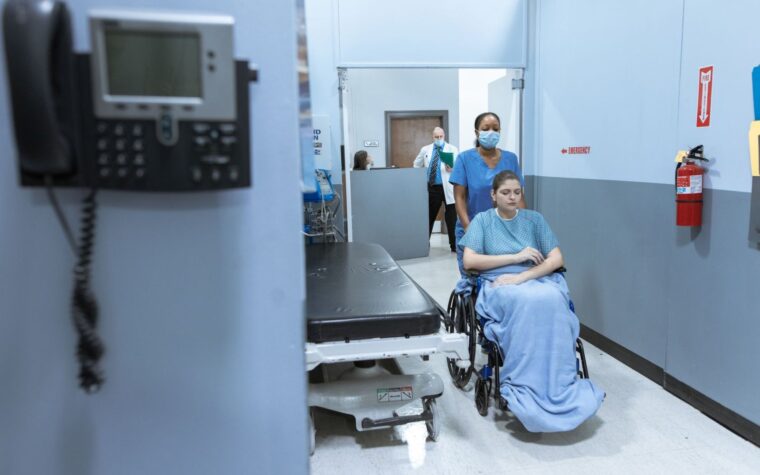
Nurses at St. Joseph Health in California are organizing a public vigil to call attention to what they describe as persistent understaffing that they say threatens patient safety. The event, scheduled by the nurses’ union, is part of a broader campaign to secure enforceable staffing ratios and improve working conditions.
Key Takeaways
- Nurses at St. Joseph Health facilities plan a vigil to protest unsafe staffing levels.
- The event is organized by National Nurses United, the largest union of registered nurses in the U.S.
- Union leaders argue that current staffing levels fall short of what is needed to provide safe care.
- The vigil aims to draw public and administrative attention to the link between staffing and patient outcomes.
- Similar actions have been held at other hospitals across the country in recent months.
What the Vigil Aims to Accomplish
According to a statement from National Nurses United, the vigil is intended to highlight the connection between inadequate nurse-to-patient ratios and risks to patient safety. The union says that when hospitals are understaffed, nurses cannot provide the level of monitoring and care that patients need, which can lead to complications, longer hospital stays, and higher rates of preventable errors.
The event is expected to include nurses from multiple St. Joseph Health locations in California. Participants will hold candles and signs, and they plan to share personal stories about how understaffing has affected their ability to care for patients. The union is calling for hospital administrators to commit to binding staffing standards rather than relying on voluntary guidelines.
Why Staffing Levels Matter for Patient Safety
Research has consistently shown that higher nurse-to-patient ratios are associated with lower rates of hospital-acquired infections, fewer medication errors, and reduced patient mortality. The union points to studies indicating that each additional patient assigned to a nurse raises the risk of adverse outcomes for all patients under that nurse’s care.
Nurses at the vigil plan to argue that current staffing at St. Joseph Health facilities does not meet the minimum standards recommended by professional nursing organizations. They say that while hospital administrators have cited budget constraints, patient safety should not be compromised by financial decisions.
National Context for the Staffing Debate
This vigil is part of a larger wave of actions by nurses across the country. In recent months, nurses at other hospital systems have held similar events, and some have gone on strike to demand binding staffing ratios. California is one of the few states that already has a law requiring minimum nurse-to-patient ratios in hospitals, but union leaders say those ratios are not always enforced and do not cover all units.
The union’s campaign reflects a broader push among healthcare workers for stronger protections. The COVID-19 pandemic intensified concerns about staffing, as many nurses left the profession due to burnout. The remaining workforce has been stretched thin, leading to what some call a crisis in hospital staffing.
Frequently Asked Questions
What is the purpose of the nurses’ vigil?
The vigil is a public demonstration organized by nurses at St. Joseph Health to demand safer staffing levels. Participants aim to raise awareness about how understaffing affects patient safety and to pressure hospital administrators to adopt enforceable minimum nurse-to-patient ratios.
Who is organizing the event?
The event is organized by National Nurses United, the largest union of registered nurses in the United States. The union represents nurses at St. Joseph Health and other healthcare systems across the country.
Does California already have nurse staffing laws?
Yes, California has a law that sets minimum nurse-to-patient ratios for most hospital units. However, union leaders say the law is not always followed and does not cover all areas of the hospital. They are calling for stronger enforcement and for additional protections.
This is an original report by Vital Signs Today, informed by reporting from Google News. Read the original source.
This article is for information only and is not medical advice. See our Medical Disclaimer.