Quick answer: Ketones in urine mean your body is burning fat for fuel instead of glucose. A negative or trace result is usually harmless, especially after fasting, sleep, or a low-carb diet. Small ketones (roughly under 20 mg/dL) call for basic self-care, but moderate (about 30 to 40 mg/dL) or large (over 80 mg/dL) ketones in someone with diabetes, especially with high blood sugar or vomiting, can signal diabetic ketoacidosis (DKA), a medical emergency.
Key takeaways
- Dipstick results run negative, trace, small, moderate, or large, and labs sometimes print them as 1+ to 3+ instead of words.
- Small ketones (under about 20 mg/dL) are common after fasting, vomiting, a ketogenic diet, or hard exercise, and are rarely an emergency on their own.
- Under the 2024 consensus criteria used in the ADA’s 2026 Standards of Care, urine ketones of 2+ (moderate) or higher, in someone with known diabetes or a glucose of 200 mg/dL or more, plus acidic blood on a lab test, define DKA.
- Reference ranges vary slightly by lab and by strip brand. The scale printed on your own report is the one that applies to your result.
- A urine strip only estimates ketones. If you have diabetes and moderate or large ketones, a blood ketone (beta-hydroxybutyrate) meter gives a more precise number.
| Result on the report | What it usually means | What typically happens next |
|---|---|---|
| Negative | No detectable ketones. Normal for most people at any time of day. | No action needed. |
| Trace | A faint color change on the strip. Common after an overnight fast or first thing in the morning. | Recheck later in the day if you feel unwell; otherwise no action. |
| Small (roughly under 20 mg/dL, sometimes labeled 1+) | Mild ketone buildup from fasting, a low-carb or ketogenic diet, vomiting, or intense exercise. | Drink water, eat if you can, and recheck. People with diabetes should also check blood glucose. |
| Moderate (roughly 30 to 40 mg/dL, sometimes labeled 2+) | Meaningful ketone buildup. In diabetes, especially with high glucose, this is a warning sign for early DKA. | Call your doctor or diabetes care team the same day; test blood glucose and follow your sick-day plan. |
| Large (over 80 mg/dL, sometimes labeled 3+ or 4+) | Significant ketone buildup. Combined with high glucose and symptoms, this can mean DKA. | Go to the emergency room or call 911, especially with vomiting, abdominal pain, confusion, or fast breathing. |
What are ketones in urine, exactly?
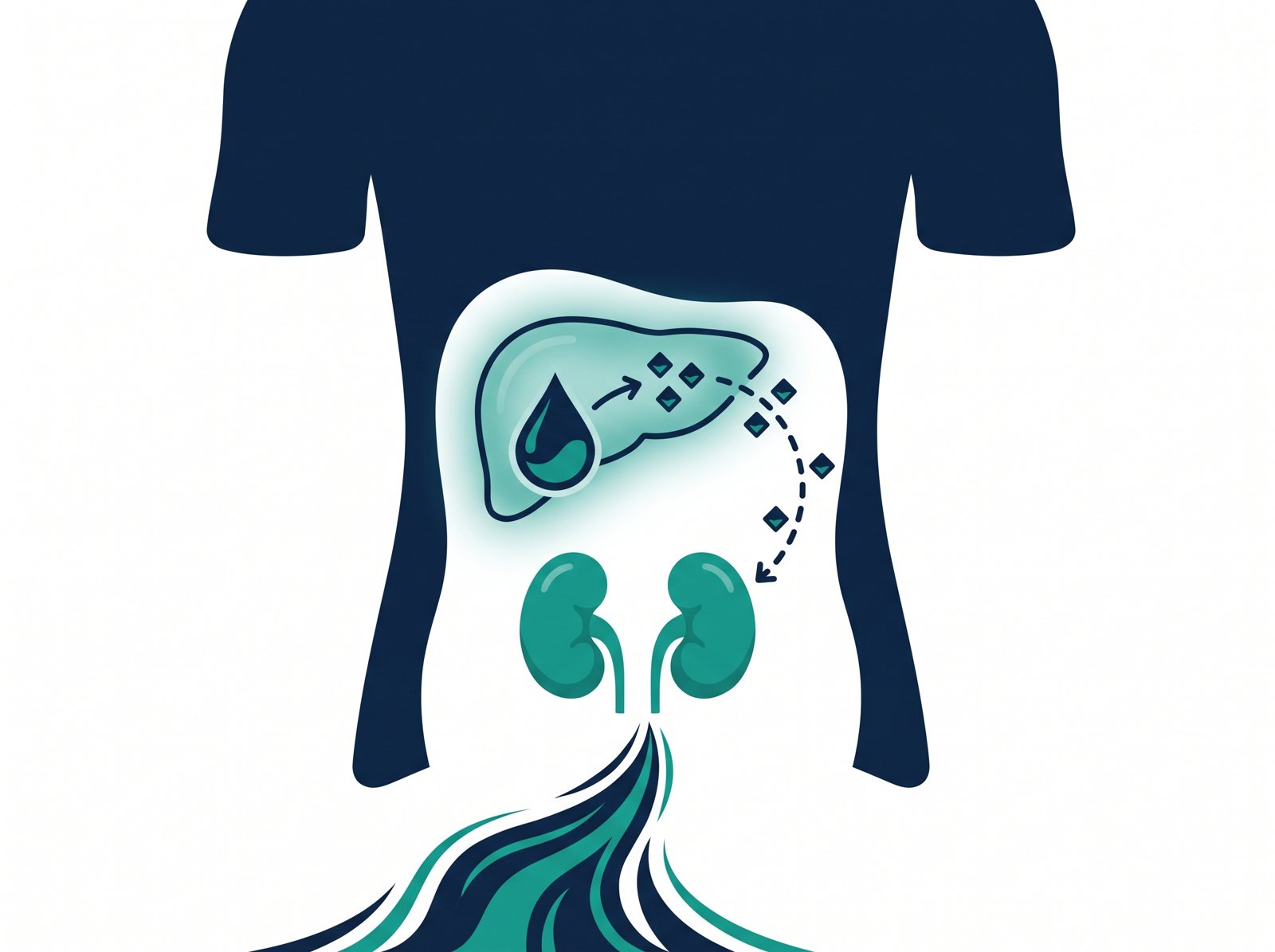
Ketones (or ketone bodies) are acids your liver makes when it breaks down fat for energy instead of glucose. Your cells switch to burning fat when they cannot get enough sugar, whether because you have not eaten in a while, you are following a very low-carb diet, or your body does not have enough insulin to move glucose out of the blood and into cells. The ketones then spill into your blood and urine, where a dipstick or lab test can pick them up. For the bigger picture of everything else a urine test checks at the same time, our full urinalysis guide walks through each panel on the strip.
What does a trace or small ketone result mean?
Trace or small ketones on their own are usually harmless. They show up after skipping meals, sleeping through the night, following a ketogenic or low-carbohydrate diet, sweating through a hard workout, or having a short stomach bug with vomiting. People without diabetes almost never need to worry about trace or small ketones unless they also feel unusually sick. People with diabetes should pair any positive ketone result with a blood glucose check, because the combination is what matters, not the ketone number by itself.
When do moderate or large ketones become an emergency?
Moderate or large ketones become an emergency when they show up alongside high blood glucose and DKA symptoms in someone with diabetes. The American Diabetes Association’s 2026 Standards of Care uses the 2024 consensus criteria for DKA: a glucose of 200 mg/dL or higher or a prior diabetes diagnosis, blood beta-hydroxybutyrate of 3.0 mmol/L or higher or urine ketones of 2+ or higher, and a blood pH under 7.3 or bicarbonate under 18 mmol/L. Because DKA can occur at near-normal glucose (for example with SGLT2 inhibitor medicines), a normal sugar reading does not rule it out. The CDC advises people with diabetes who are sick, or whose glucose is 250 mg/dL or above, to check blood sugar every 4 to 6 hours and test urine for ketones. Cleveland Clinic advises going to the nearest hospital for moderate or large urine ketones, and calling 911 or going to the ER right away if you also have nausea, vomiting, abdominal pain, shortness of breath, fruity-smelling breath, confusion, or unusual fatigue.
When should I call my doctor today, and when is it 911?
Call your doctor or diabetes care team the same day for small-to-moderate ketones with a glucose reading that keeps climbing, or if you are sick and cannot keep food or fluids down. Call 911 or go to the emergency room immediately if you have moderate or large ketones together with vomiting that will not stop, abdominal pain, breathing that is fast or labored, fruity-smelling breath, or confusion. The CDC also lists a blood sugar that stays at 300 mg/dL or above, or vomiting so that you cannot keep food or drinks down, as reasons to go to the ER or call 911. These are the classic warning signs of DKA, which the Cleveland Clinic and MedlinePlus both describe as a medical emergency that can develop quickly and become life-threatening if untreated.
How to read this on your report
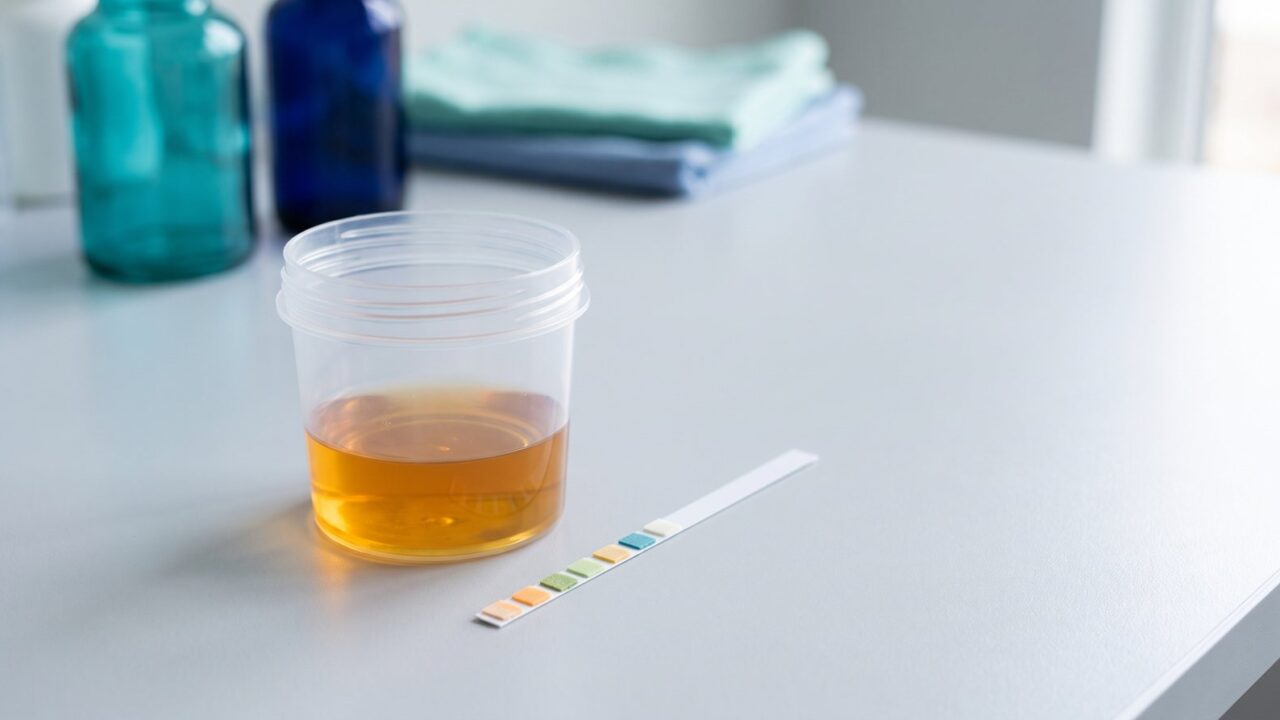
Most patient portals print urine ketones one of two ways: as a word (negative, trace, small, moderate, large) or as a plus sign scale (negative, 1+, 2+, 3+, sometimes 4+). A 1+ generally lines up with “small,” 2+ with “moderate,” and 3+ or 4+ with “large.” Some reports also list an approximate mg/dL number next to the word. If your flag column shows an “H” next to ketones, that simply means the result is above the lab’s negative cutoff, which is the same as saying the test is positive. The exact color-block breakpoints differ a little between strip manufacturers and labs, which is why you may see slightly different mg/dL numbers on two different reports for what looks like the same color.
Urine ketones vs blood ketones: which number is more accurate?
Blood ketone testing measures beta-hydroxybutyrate directly and gives an exact number in mmol/L, while a urine dipstick only estimates ketones and reacts mainly to a different ketone body called acetoacetate. Research on blood ketone meters, published in a peer-reviewed review, describes ketone levels up to about 0.25 mmol/L as commonly found after an overnight fast, levels above 0.3 mmol/L as significantly elevated, and 3.0 mmol/L as the cutoff that should be used to diagnose DKA. If your blood glucose is high and you have a home blood ketone meter, it is more precise for deciding whether you need urgent care than the urine strip color chart. For related blood work that gets ordered alongside ketone checks, see what does high glucose mean in a blood test and what is a1c blood test.
What causes ketones in urine besides diabetes?
Ketones show up in urine for several reasons that have nothing to do with diabetic ketoacidosis. Common non-diabetic causes include:
- Fasting, skipping meals, or very low food intake
- A ketogenic or strict low-carbohydrate diet, where mild ketosis is the intended effect
- Prolonged vomiting or diarrhea
- Pregnancy, including morning sickness or hyperemesis gravidarum
- Heavy alcohol use
- Eating disorders or starvation
- Intense, prolonged exercise
- Fever, sepsis, or other severe short-term illness
- SGLT2-inhibitor diabetes medications, which can trigger ketones even at near-normal glucose levels
If you are pregnant and see trace or small ketones on a routine prenatal urine check, mention it at your next visit rather than panicking. It often reflects not eating enough during the day or a stretch of nausea; call sooner if you cannot keep food or fluids down.
What should I do about a positive ketone result at home?
For trace or small ketones without diabetes, drink water, eat something with carbohydrates if you can tolerate food, and recheck later. For anyone with diabetes and a positive ketone result, check blood glucose at the same time, follow the sick-day plan your care team gave you, drink water steadily, and avoid exercise until ketones clear, since exercising with high ketones and high glucose can push levels higher rather than lower. Recheck urine ketones every few hours if you are following sick-day guidance, and call your care team if levels are not improving within a few hours or if you cannot keep fluids down.
What most articles get wrong about ketones in urine
Many pages treat any positive ketone result as a diabetes red flag, which misses that trace and small ketones are a completely normal, expected finding after fasting or on a low-carb diet, in people who do not have diabetes at all. Other pages skip the second number that actually matters: DKA is diagnosed using ketones together with diabetes or high glucose and acidic blood, not ketones alone, so a moderate ketone reading with a normal blood sugar is a very different situation from the same ketone reading plus a high glucose and acidic blood. (DKA can still happen at near-normal glucose, especially on SGLT2 inhibitors, so symptoms matter too.) Finally, most pages do not mention that urine ketone strips measure acetoacetate and do not detect beta-hydroxybutyrate, the predominant ketone in DKA, which is why care teams increasingly prefer a blood ketone meter when the stakes are high.
FAQ
What does it mean when ketones in urine are trace?
Trace ketones mean a very small, faint positive result, usually from a period of fasting, sleep, or low carbohydrate intake. On its own, trace is not considered abnormal and does not need treatment in someone without diabetes.
Is a small amount of ketones in urine bad?
A small amount is not automatically dangerous. It becomes a concern mainly when it appears alongside high blood glucose in someone with diabetes, or when it comes with vomiting, dehydration, or an inability to eat.
What do ketones in urine test strips actually measure?
Most over-the-counter strips use a nitroprusside reaction that changes color in response to acetoacetate (and, more weakly, acetone), not beta-hydroxybutyrate, one of the three ketone bodies your liver produces, and give a rough, color-based estimate rather than an exact number.
Can leukocytes or protein also show up with ketones on the same test?
Yes. A standard urinalysis checks ketones, leukocytes, protein, glucose, blood, and several other markers on one strip, so it is common to see more than one flag at once, especially during illness or dehydration.
Do ketones in urine always mean diabetic ketoacidosis?
No. DKA requires elevated ketones (urine 2+ or higher, or blood beta-hydroxybutyrate of 3.0 mmol/L or higher) plus known diabetes or a glucose of 200 mg/dL or more, plus acidic blood on lab tests. Ketones alone, especially trace or small amounts, are frequently unrelated to diabetes.
Why would ketones in urine test strips show large ketones on a keto diet?
A ketogenic diet is designed to raise ketone production, so small to occasionally moderate ketones are expected. Large ketones on a strict keto diet are less common and usually mean you have gone an unusually long stretch without eating; if you also feel unwell, check with a clinician.
What does high anion gap have to do with ketones in urine?
DKA is a type of high anion gap metabolic acidosis, meaning the acid load from ketones changes a specific blood chemistry calculation. If your urine or blood ketones are elevated, your care team may also order an anion gap to judge how acidic your blood has become; see what is anion gap in blood test and what is high anion gap in blood test for what that number means.
Can dehydration alone cause ketones in urine?
Yes. Not eating or drinking enough, especially during illness, heat, or intense exercise, can push the body toward burning fat and produce trace to small ketones even without diabetes.
Sources
- MedlinePlus: Ketones in Urine Test
- Cleveland Clinic: Ketones in Urine
- UCSF Health: Ketones Urine Test
- American Diabetes Association: Standards of Care in Diabetes 2026, Glycemic Goals and Hyperglycemic Crises
- CDC: Diabetic Ketoacidosis
- Diabetes Care: Hyperglycemic Crises in Adults With Diabetes, A Consensus Report (2024)
- PMC: Blood Ketones, Measurement, Interpretation, Limitations, and Utility in the Management of Diabetic Ketoacidosis