You have your blood draw at 8 a.m., you wake up hungry, and the question hits you at the kitchen counter: can you eat before a blood test, or did the clinic mean it when they said fast? It is one of the most common pre-test questions in medicine, and the honest answer is more interesting than a flat yes or no. For some tests, breakfast is completely fine. For others, that slice of toast can quietly distort a number your doctor is about to make decisions on.
Fasting rules trip up almost everyone. Once you’re set for an accurate draw, see the full panel it can cover. One at-home Superpower draw checks 100+ biomarkers, physician-reviewed.
Here is what most people get wrong. They assume every blood test needs an empty stomach, white-knuckle through a needless fast, and then still slip up on the one thing that actually matters. Let us clear it up properly.
Can you eat before a blood test?
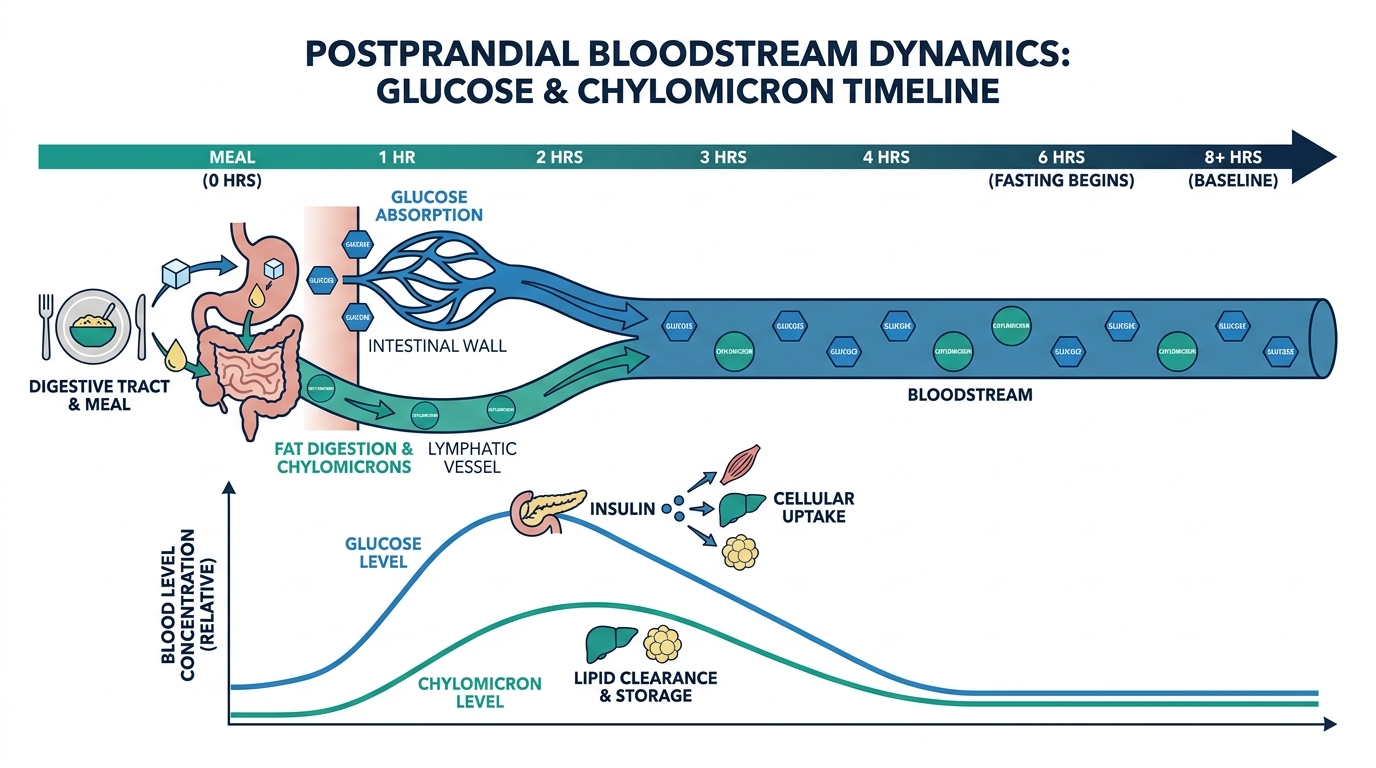
It depends entirely on which test you are having. Many routine blood tests do not require fasting at all, but a specific group of them does, and for those you should not eat or drink anything except plain water beforehand (MedlinePlus). The deciding factor is whether food changes the substance being measured. When you eat, your bloodstream temporarily absorbs sugars, fats, and other nutrients, and that surge can push certain results away from your true baseline (Cleveland Clinic).
So the real rule is simple: do not guess. The lab order itself tells you whether to fast. If your requisition or your clinic says fasting, take it seriously. If it says nothing about fasting, you can almost always eat normally. When you are unsure whether you should eat before a blood test, ask the provider who ordered it rather than deciding for yourself.
Which blood tests require fasting?
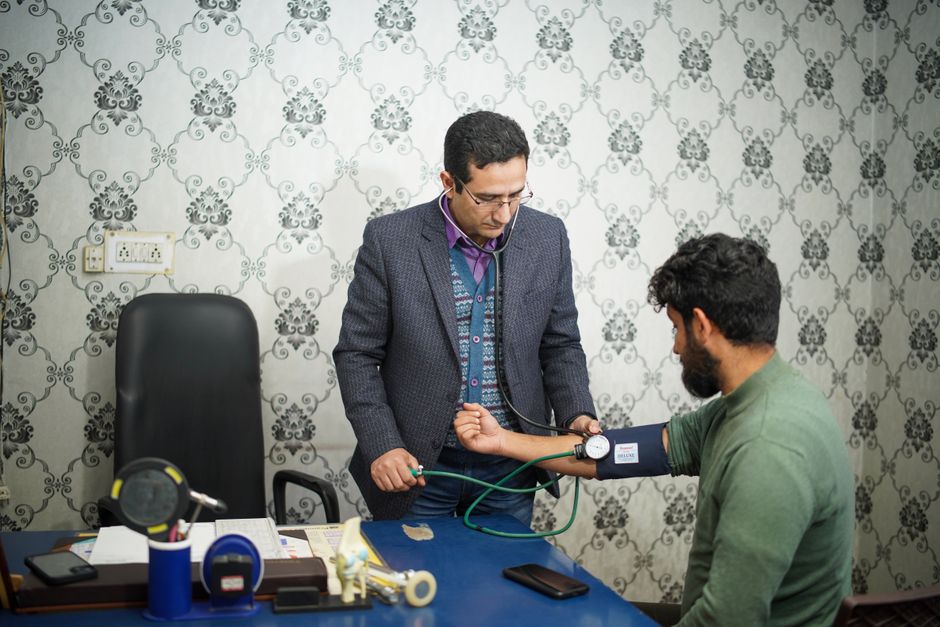
A short, specific list of tests needs an empty stomach, and the rest generally do not. The classic fasting tests are the ones where food directly moves the result (MedlinePlus):
- Fasting blood glucose. Used to screen for and monitor diabetes and prediabetes. Eating raises blood sugar within minutes, so a fasting reading is the standard (Cleveland Clinic).
- Lipid panel (cholesterol and triglycerides). Traditionally fasted, mostly because triglycerides rise sharply after a fatty meal.
- Basic metabolic panel (BMP). Often ordered fasting because it includes glucose (Cleveland Clinic).
- Gamma-glutamyl transferase (GGT) and certain other liver or renal panels, depending on how your provider has set them up (Cleveland Clinic).
Many other common tests do not require fasting. A complete blood count, thyroid function tests, and most infection or inflammation markers are not meaningfully changed by breakfast. So if you are booked for a routine CBC, eating beforehand is usually a non-issue. The trouble starts when a single panel bundles a fasting test in with non-fasting ones, because then the whole draw inherits the fasting requirement.
How long do you need to fast before a blood test?
For tests that require it, the standard fast is 8 to 12 hours with nothing but water (MedlinePlus). Cleveland Clinic gives the same window, typically 8 to 12 hours, with the exact length depending on the specific test your provider ordered (Cleveland Clinic).
In practice this is why fasting draws are almost always scheduled first thing in the morning. You stop eating after dinner, sleep through most of the fasting window, and get your blood drawn before breakfast. For a glucose test, the typical instruction is to fast for at least 8 hours (Cleveland Clinic). For a lipid panel that still calls for fasting, the window usually lands at 10 to 12 hours. There is also such a thing as fasting too long. Going far beyond 12 hours does not improve accuracy and can stress your body, so follow the stated window rather than overdoing it.
What can you eat before a blood test, and what can you drink?
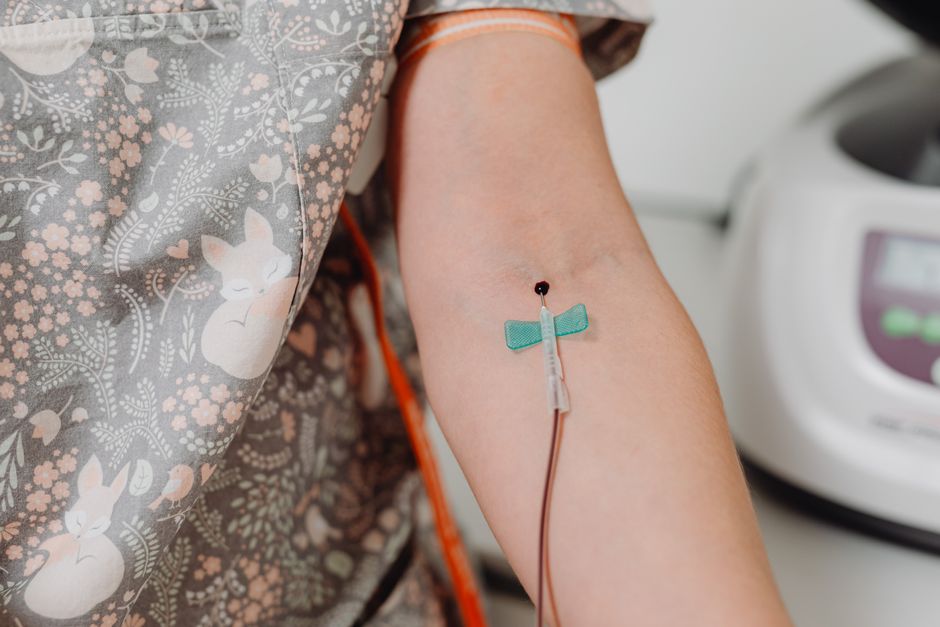
If your test does not require fasting, you can eat a normal meal. If it does require fasting, the answer to what you can eat before a blood test is nothing, with one important exception: plain water is allowed and even encouraged (MedlinePlus). Staying hydrated keeps your veins easier to find and makes the draw quicker and less of an ordeal.
The list of what to avoid during a fast is longer than people expect (Cleveland Clinic):
- No food of any kind, including small snacks, mints, and cough drops.
- No drinks except plain water. That means no juice, soda, milk, or flavored or sparkling water.
- No coffee, not even black. Cleveland Clinic specifically advises against coffee while fasting because caffeine can affect results and coffee acts as a diuretic (Cleveland Clinic). This trips up a lot of people who assume black coffee counts as nothing.
- No gum, no smoking, and no exercise. Chewing gum can stimulate digestion, and both smoking and vigorous activity can shift certain measurements (Cleveland Clinic).
- No alcohol, which can affect glucose and liver-related results.
What about medications? Unless your provider tells you otherwise, it is usually safe to keep taking your prescribed medications during a fasting blood test (Cleveland Clinic). Swallowing a pill with a sip of water does not break a fast in the way a meal would. Still, confirm with your clinician about supplements and any drug that says to take it with food.
What happens if you eat before a fasting blood test?
Eating before a fasting test can throw off the very numbers the test exists to measure, and the size of the error depends on what you ate and which test you are having. The two most sensitive results are glucose and triglycerides. A meal raises blood sugar quickly, which can make a fasting glucose reading look falsely high and even nudge a normal person into the prediabetes or diabetes range on paper (Cleveland Clinic). A fatty meal sends triglycerides climbing, which distorts a lipid panel and can knock the calculated LDL cholesterol off as well.
So what should you do if you slip up and eat? Do not stay quiet and hope it averages out. Tell the person drawing your blood or your provider. In many cases you will simply reschedule so you can fast properly and get an accurate result (MedlinePlus). A short delay is far better than treating, or being reassured by, a number that breakfast quietly bent out of shape. Honesty here is part of the test (MedlinePlus).
The insider truth: fasting for cholesterol is fading fast
Here is the part that surprises even some patients who fast religiously every year. For most people, the lipid panel no longer needs to be fasted at all. A joint consensus from the European Atherosclerosis Society and the European Federation of Clinical Chemistry and Laboratory Medicine concluded that fasting is not routinely required to measure a lipid profile, because the difference between fasting and nonfasting values is small and clinically minor for total cholesterol, HDL, and LDL (PMC, EAS and EFLM joint consensus).
The numbers behind that shift are reassuring. Across large datasets, nonfasting versus fasting samples change by only a few mg/dL for cholesterol fractions, while triglycerides rise the most, on the order of a couple dozen mg/dL after eating (PMC, EAS and EFLM joint consensus). Nonfasting lipid testing has been positioned as a new standard for cardiovascular risk assessment, partly because it is more convenient and may even predict heart risk at least as well as fasting values (PMC, nonfasting lipid testing). Several countries adopted nonfasting lipids as routine years ago.
The clinically useful exception is worth memorizing. If your nonfasting triglycerides come back very high, generally above about 400 mg/dL (4.5 mmol/L), guidelines suggest a repeat fasting sample to sort out what is going on (PMC, EAS and EFLM joint consensus). And glucose testing for diabetes is a different matter, where the timing of your last meal genuinely changes the interpretation. So the takeaway is not that fasting is pointless. It is that the blanket twelve-hour fast many clinics still default to is often unnecessary for cholesterol, while it remains meaningful for blood sugar. When your clinic insists on fasting for a cholesterol check, it is fair to ask whether a nonfasting sample would do.
How should you prepare on the day of your blood test?
The single most important step is to follow the exact instructions from the provider who ordered the test, because even a small deviation can change your results (MedlinePlus). Build your prep around that rather than around general assumptions.
A practical checklist for a fasting draw:
- Book it early. A morning slot lets you sleep through most of the fasting window.
- Finish eating the night before so you clear the required 8 to 12 hours by appointment time (MedlinePlus).
- Drink plain water. Hydration makes the draw smoother and is allowed during a fast (Cleveland Clinic).
- Skip coffee, gum, smoking, alcohol, and exercise until after the draw (Cleveland Clinic).
- Take medications as usual, unless told otherwise, and ask about supplements (Cleveland Clinic).
- Bring a snack to eat the moment you are done, especially if fasting leaves you lightheaded.
Quick reference: which common tests need fasting
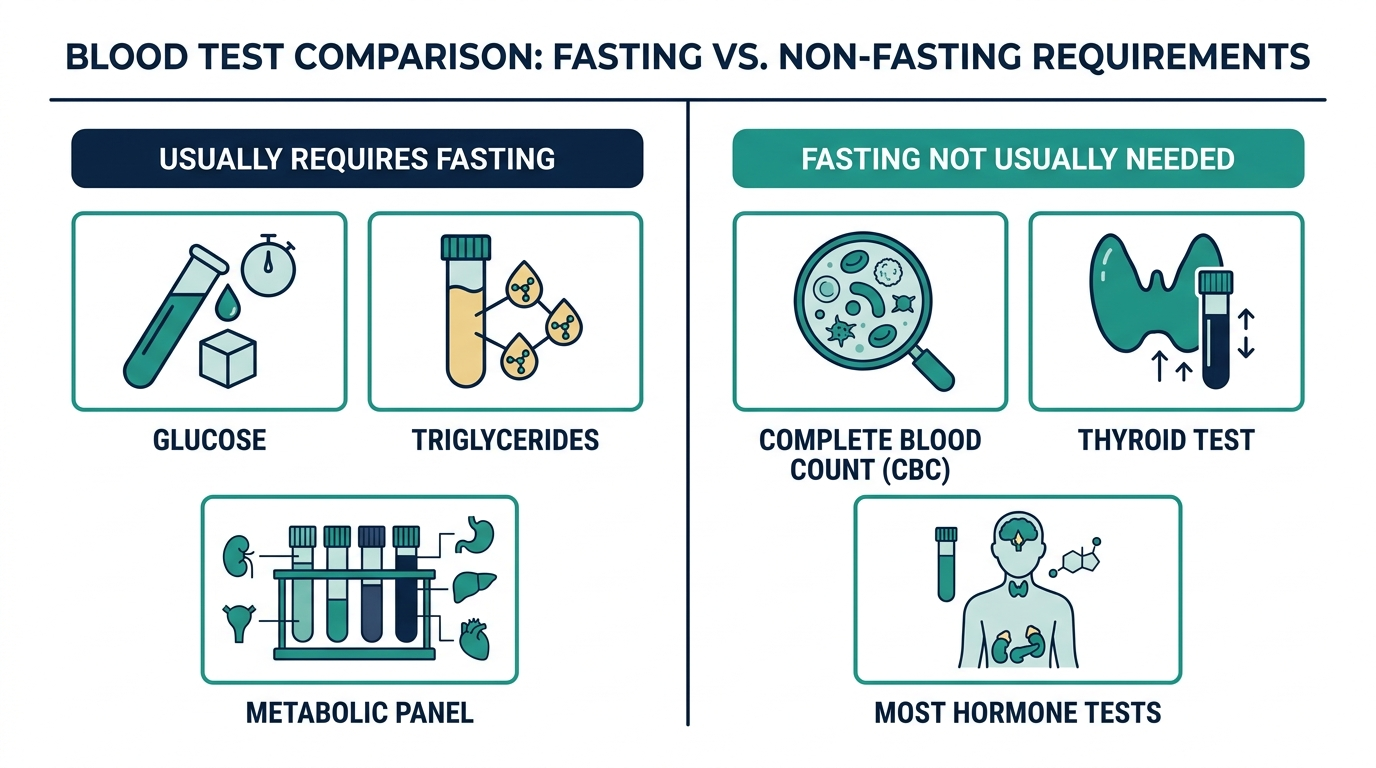
Rather than memorize rules, it helps to see the common tests sorted into fasting and non-fasting groups. This is a general guide, and your specific lab order always overrides it, because a provider can bundle tests together in ways that change the requirement.
| Test | Fasting usually needed? | Why |
|---|---|---|
| Fasting blood glucose | Yes | Food raises blood sugar within minutes |
| Lipid panel | Often no longer required | Fasting and non-fasting values differ only slightly |
| Basic or comprehensive metabolic panel | Often, because it includes glucose | Glucose within the panel is food-sensitive |
| HbA1c (A1c) | No | Reflects average sugar over months, not the last meal |
| Complete blood count (CBC) | No | Cell counts are not meaningfully changed by food |
| Thyroid function (TSH) | No | Not meaningfully affected by a meal |
| Iron studies | Sometimes | Serum iron can rise after iron-rich food or supplements |
The HbA1c point is worth highlighting, because many people fast unnecessarily for it. Since A1c reflects your average blood sugar over roughly the previous three months, your last meal does not change it, and it can be drawn at any time of day.
Fasting for special situations
General advice bends in a few important cases. If any of these apply to you, get specific instructions from your provider rather than relying on the standard fast.
- People with diabetes on medication: a prolonged fast can risk low blood sugar, especially for those on insulin or certain diabetes drugs. Ask your provider how to handle medication timing and whether to bring fast-acting sugar in case you feel shaky.
- Pregnancy: some prenatal tests, such as the glucose tolerance test, have their own specific eating instructions that differ from an ordinary fast. Follow the exact protocol given.
- Young children: a long fast is harder on kids. Providers often schedule pediatric fasting draws for early morning and keep the window as short as the test allows.
- Older adults and anyone prone to lightheadedness: hydrate well with water during the fast and plan to eat immediately after the draw.
- Shift workers and people who eat overnight: the fasting window is about hours since your last food, not the clock. If you work nights, count 8 to 12 hours back from your actual last meal and time the draw accordingly, rather than assuming a morning slot means you have fasted.
The through-line for every special case is the same. When a standard fast could cause a problem, such as low blood sugar in someone on insulin, the fix is a specific plan from your provider, not improvising on the day. A quick call to the ordering clinic beforehand almost always sorts it out.
Medications and supplements: what to hold, what to keep
One of the most common worries is whether to take your usual pills before a fasting draw. The general rule is that prescribed medications are usually continued unless your provider says otherwise, and swallowing a tablet with a sip of water does not break a fast the way food would. A few nuances are worth knowing:
- Keep taking routine prescriptions unless specifically told to hold one for the test. Do not stop a medication on your own to prepare for bloodwork.
- Ask about supplements. Some can affect results. Biotin, a popular hair and nail supplement, can distort certain immunoassay tests, including some thyroid and hormone measurements, so many labs advise pausing high-dose biotin for a couple of days beforehand.
- Iron supplements can raise a serum iron measurement, so if iron studies are on the order, ask whether to hold your supplement that morning.
- Drugs taken with food: if a medication normally must be taken with food, flag this so your provider can advise how to manage it around a fasting draw.
When in doubt, bring a written list of everything you take, prescription and over the counter, to the draw. It lets the result be read in context and prevents a supplement from being mistaken for a real abnormality.
Making the draw itself easier and more accurate
Preparation is not only about food. A few simple steps make the blood draw quicker, less uncomfortable, and less likely to need a repeat.
- Hydrate with plain water. Well-hydrated veins are fuller and easier to find, which means fewer attempts. This is allowed even during a fast.
- Keep warm. Cold constricts veins. If your hands are cold, warming them can help.
- Avoid a heavy workout right before. Strenuous exercise can transiently shift several markers, including some enzymes and glucose handling, so save the gym for after the draw.
- Tell the phlebotomist if you tend to feel faint. Lying down for the draw and eating soon after helps prevent the lightheadedness some people get.
- Sit quietly for a few minutes first. Rushing in stressed and out of breath can nudge a few readings; a calm couple of minutes settles them.
Consistency matters when you are tracking a number over time
If you are monitoring a marker across repeated tests, such as cholesterol, glucose, or a liver value, the most underrated tip is to test under the same conditions each time. Because food, time of day, hydration, and recent exercise all nudge certain results, comparing a fasting morning draw against a non-fasting afternoon one can create the illusion of a change that is really just the conditions. When you want to know whether a number is genuinely moving, hold the variables steady: same rough time of day, same fasting status, same hydration habits. That way a difference between two reports reflects your body, not your breakfast. The single most useful habit is simple: follow the exact instruction on your order, keep your conditions consistent from draw to draw, and when you are unsure whether to eat, ask the provider who ordered the test rather than guessing at the kitchen counter.
Common fasting mistakes that quietly ruin a result
Most fasting errors are not dramatic. They are small, honest slips that people do not even register as breaking a fast, and they are worth naming because they are so easy to avoid once you know them.
- Counting black coffee as nothing. This is the single most frequent mistake. Coffee feels like water to many people, but caffeine is metabolically active and coffee is a diuretic, which is why clinics advise skipping it during a fast (Cleveland Clinic).
- Forgetting that the fast is measured in hours, not clock time. A morning appointment does not automatically mean you have fasted. If you snacked at midnight and are drawn at 7 a.m., you have fasted seven hours, not the full window.
- Treating gum, mints, and cough drops as harmless. They contain sugars or stimulate digestion, and they count as breaking a fast.
- Stopping a prescribed medication without being told to. People sometimes skip morning pills to “keep the fast pure,” which can be riskier than the meal they were trying to avoid. Keep routine medications unless your provider says otherwise (Cleveland Clinic).
- Staying silent after a slip. If you did eat, saying so lets the lab flag the sample or reschedule, rather than a doctor acting on a number that breakfast bent (MedlinePlus).
The pattern behind all of these is the same. A fast is not about willpower or suffering through an empty stomach, it is about keeping the one variable that matters, recent food intake, out of the measurement. When you understand why a fast exists for a particular test, the rules stop feeling arbitrary and the mistakes stop happening. If any instruction on your order is unclear, a one-minute call to the ordering clinic is always cheaper than a repeat draw.
Curious what your own levels look like?
Baseline 100+ biomarkers today and retest as life changes, all in one membership with physician review.
Frequently asked questions
Can you drink water before a blood test?
Yes. Plain water is allowed and encouraged even when you are fasting, and staying hydrated makes the blood draw easier (MedlinePlus). Avoid flavored water, juice, soda, milk, and coffee, which can affect results.
Can you drink black coffee before a fasting blood test?
No. Cleveland Clinic advises against coffee, including black coffee, during a fast because caffeine can affect results and coffee acts as a diuretic (Cleveland Clinic). Stick to plain water until after your draw.
How long do you have to fast before a blood test?
For tests that require fasting, the usual window is 8 to 12 hours with only water, and your provider will give the exact time for your specific test (MedlinePlus). Glucose tests typically need at least 8 hours (Cleveland Clinic).
What happens if I accidentally eat before a fasting blood test?
Eating can falsely raise glucose and triglyceride results, so tell the person drawing your blood or your provider, and you may need to reschedule to fast properly (MedlinePlus). A short delay beats acting on an inaccurate result.
Do you really need to fast for a cholesterol test?
Often no. A joint EAS and EFLM consensus found fasting is not routinely required for a lipid profile, since fasting and nonfasting values differ only slightly (PMC, EAS and EFLM joint consensus). A repeat fasting sample is generally advised only if nonfasting triglycerides are very high, above about 400 mg/dL.
This article is for general educational purposes and is not medical advice. It cannot diagnose or treat you and does not replace your clinician. Always discuss your lab results and any health decisions with a qualified healthcare professional.
Related reading
Vital Signs Today may earn a commission if you buy through links on this page. It does not affect our editorial assessments.