Quick answer: The best at-home health test is the one matched to the specific question you are trying to answer, not the one with the flashiest box. For a broad metabolic and longevity baseline, a finger-prick or mail-in blood kit (or a clinician-ordered draw) wins. For one targeted marker like thyroid, vitamin D, or an STI, a single-analyte mail-in kit from a CLIA-certified lab is accurate and cheap. For yes/no answers like pregnancy, COVID, or a quick drug screen, a drugstore rapid test is all you need. Most kits run $30 to $200, and the honest rule is simple: an at home health test is a screening tool, not a diagnosis.
What makes a good at-home health test (and what to ignore)
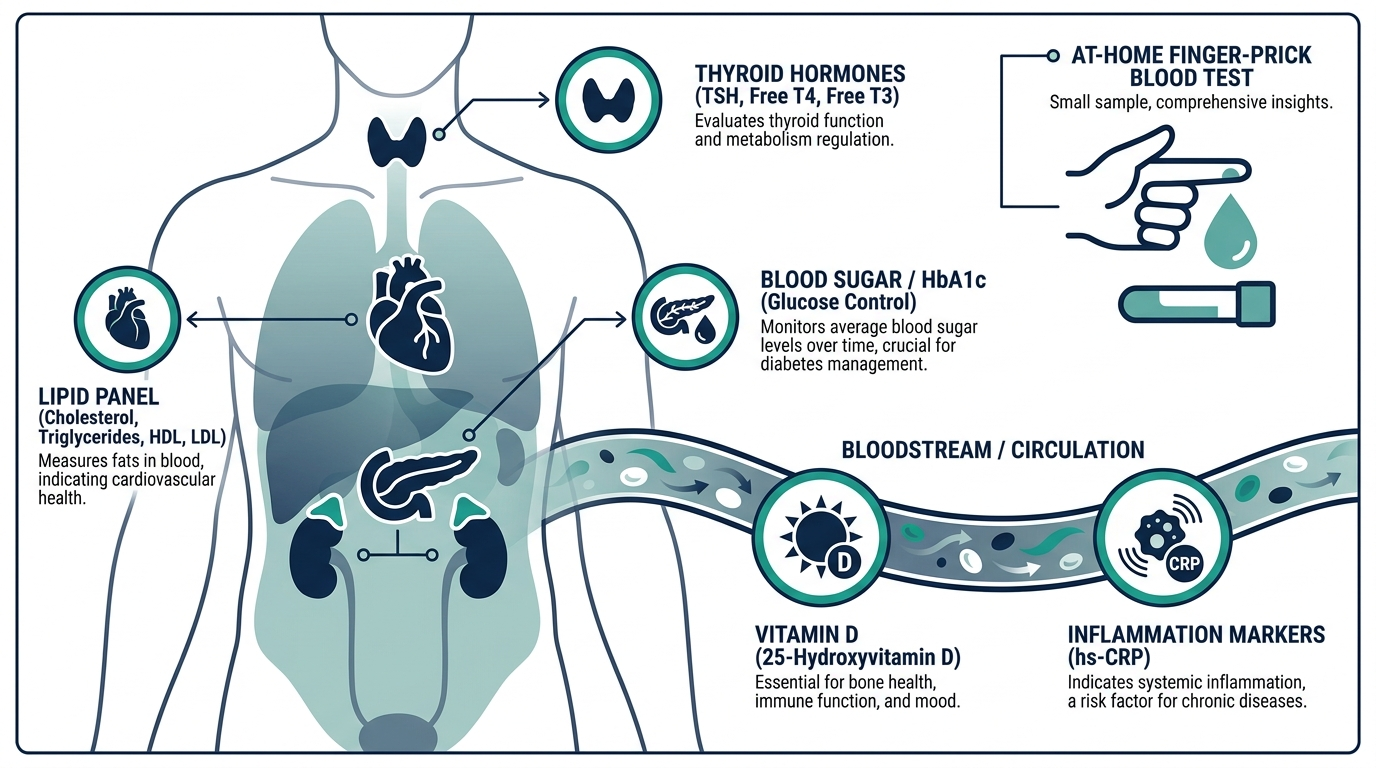
A good at-home health test is one processed in a CLIA-certified lab, cleared or validated for the marker it claims to measure, and clear about what a result does and does not mean. That last part is where most marketing falls apart. A kit that promises to read your “gut type” or “biological age” from a single swab is selling a story, not a clinical result.
Comparing at-home health tests? See how a 100+ biomarker panel stacks up against single-marker kits. One at-home Superpower draw checks 100+ biomarkers, physician-reviewed.
Here is the insider detail people miss: the sample type drives accuracy more than the brand on the box. A venous draw is the gold standard. A finger-prick sample is excellent for some markers and noisy for others, because squeezing the fingertip can dilute the blood with tissue fluid. Saliva and urine are great for hormones and infections but useless for a full lipid panel. So before you compare prices, ask what biomarkers the home health test actually measures and from what fluid.
Three quick filters before you buy:
- Is the lab CLIA-certified? Reputable kits say so plainly. If it is buried or absent, skip it. CLIA is the federal standard that holds a mail-in lab to the same quality rules as your hospital lab, so it is the single most important word on the box.
- Does a clinician review abnormal results? The good services flag out-of-range numbers and route you to telehealth, which matters for STIs and anything that needs treatment.
- Is the claim plausible? Validated single markers (TSH, vitamin D, A1C, ferritin) are solid. “Wellness scores” assembled from thin data are not.
One more filter separates a real kit from a gadget. Rapid drugstore tests for pregnancy and COVID are FDA-cleared devices you read yourself. Most mail-in blood and STI kits are not FDA-cleared as devices, but they are perfectly valid because the analysis happens in a CLIA-certified lab using the same assays your doctor would order. The collection device in your hand is just a sample-gathering tool. That is why a $49 mail-in vitamin D kit can be every bit as accurate as a hospital draw, while a $200 “AI wellness analyzer” with no lab behind it can be worthless.
Best at home health test by what you want to know
Match the kit to the question. Below is how the main categories actually stack up in 2026, with realistic cash prices and the catch for each.
| What you want to know | Kit type | Sample | Typical price | Accuracy vs lab | The catch |
|---|---|---|---|---|---|
| Broad health baseline | Multi-marker blood panel | Finger-prick or mail-in | $90 to $200 | Good for most markers, lab draw still best | Finger-prick volume can limit how many tests fit |
| Thyroid, hormones, metabolic | Single or small panel | Finger-prick or saliva | $49 to $120 | High for validated markers | Timing matters (morning, fasting, cycle day) |
| STI exposure | Mail-in STI panel | Urine, swab, blood spot | $50 to $200 | Comparable to clinic for most | Window periods, must collect correctly |
| Vitamin or mineral status | Single-marker kit | Finger-prick | $40 to $80 | High for D, B12, ferritin | One number rarely tells the whole story |
| Colon cancer screening | FIT or stool-DNA kit | Stool | $25 to $600 | High for FIT, very high for stool-DNA | Positive result still needs a colonoscopy |
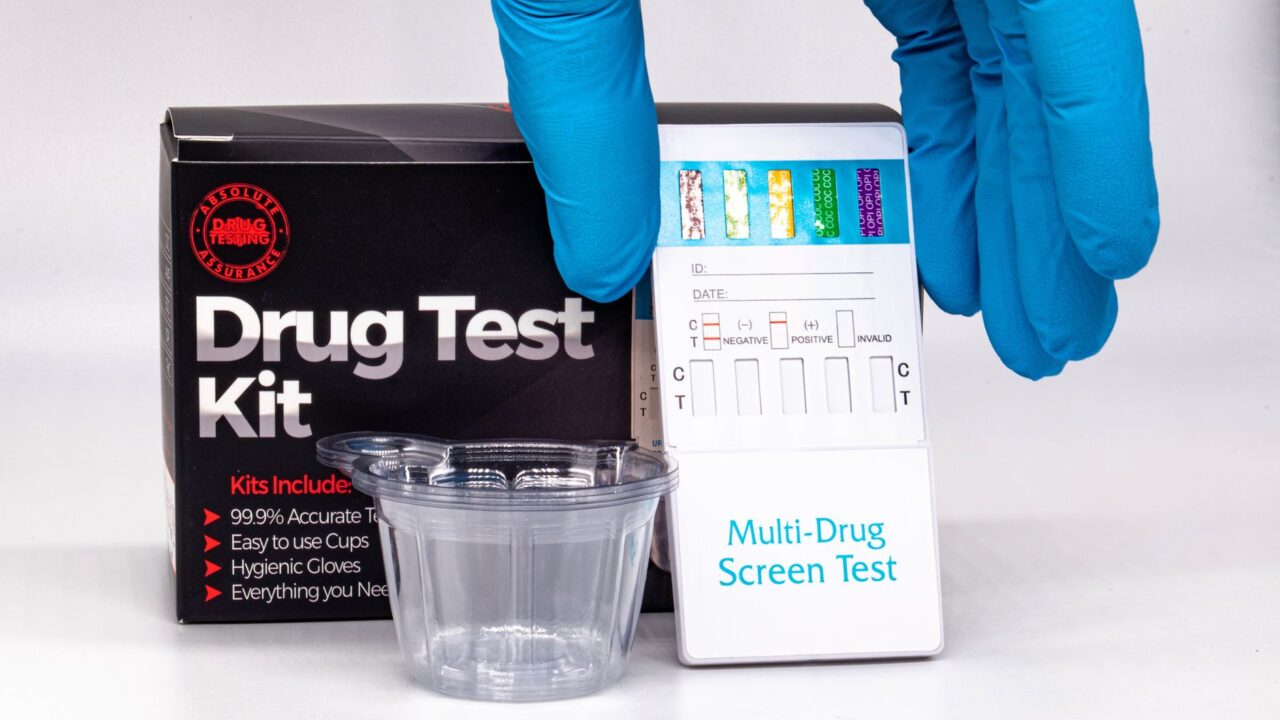
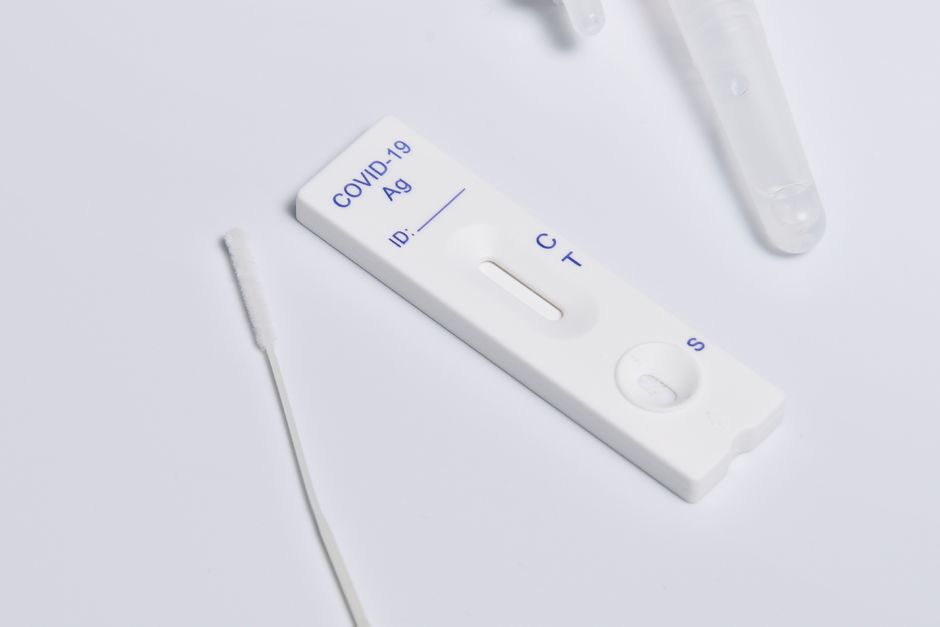
| Yes/no answer | Rapid drugstore test | Urine, saliva, nasal | $8 to $40 | High for the right use | Confirm positives with a lab |
| Allergy or food sensitivity | Blood IgE or IgG kit | Finger-prick | $60 to $200 | Mixed, IgG tests are not validated | IgG “sensitivity” results are not diagnostic |
| Microbiome or “gut type” | Stool sequencing kit | Stool | $120 to $300 | Research-grade, not diagnostic | Results are mostly informational |
If you take one thing from this table: spend the most on the question that would actually change what you do next. A $200 microbiome readout is rarely actionable, while a $60 ferritin and vitamin D check can explain months of fatigue.
Broad blood panels: the most useful category for most people
If you are healthy and just want a real picture, a multi-marker blood kit covering metabolic, lipid, thyroid, and inflammation markers gives you the most signal per dollar. Mail-in versions that ship to a lab beat tiny finger-prick cards when you want a lot of markers at once, because labs run venous-equivalent volumes. This is also where a clinician-ordered draw or a membership earns its keep, since you can get a complete blood panel in one sitting instead of buying five separate kits.
Here is the math that catches people off guard. A single-marker vitamin D kit runs about $49. Add a thyroid kit at $59, a ferritin kit at $45, a lipid kit at $55, and an A1C kit at $45, and you are at $253 for five mailers, five separate finger sticks, and five reports that do not talk to each other. A broad mail-in panel covering all of those plus 20 more markers often lands at $99 to $169, and a membership draw covering 50 to 100+ markers can work out cheaper per marker than any of the singles. The single-kit approach only wins when you truly have one question.
Targeted single-marker kits: cheap, fast, accurate
For a known question, single-marker kits shine. Vitamin D, B12, ferritin, A1C, and TSH are all well validated from a finger-prick or dried blood spot. These are the kits I recommend to friends who say “I think my thyroid is off” or “I’m always tired,” because they answer one question cleanly and route you to a doctor if the number is off. The trap is buying three or four of them in a month and realizing a panel would have been cheaper and given you context. Use singles for follow-up, not for a first broad look.
When you do have exactly one question, Everlywell is the cleanest single-kit option we point readers to. It runs a focused menu of validated mail-in tests (vitamin D, thyroid, key STIs, and more), every sample is processed in a CLIA-certified lab with physician-reviewed results, and most kits land in the $49 to $149 range with results in a few business days. For a thyroid question specifically, see how the targeted options compare in our guide to the best at-home thyroid and hormone tests.
Best for a single, validated marker
Everlywell sends a focused single-marker or small-panel kit, runs it through a CLIA-certified lab, and has a clinician review the result. It is the simplest way to answer one question (thyroid, vitamin D, an STI) without buying a full panel you do not need yet.
STI and infection kits: as good as a clinic when collected right
Mail-in STI panels test for chlamydia, gonorrhea, HIV, syphilis, hepatitis, and herpes using urine, a self-swab, or a blood spot, and the lab analysis is the same nucleic-acid or antibody test a clinic runs. The accuracy gap is not the lab, it is two things you control: collecting the right sample type for each infection and respecting the window period. HIV, for example, can take three to twelve weeks to show on a test, so a negative the week after exposure means little. Good services include a clinician review and a telehealth prescription path for positives, which matters more here than for any other category because a positive needs treatment, not just information.
Colon cancer screening: the one home kit that can save your life
At-home colon cancer screening deserves its own mention because it is the rare consumer kit with real preventive value. A fecal immunochemical test (FIT) looks for hidden blood in stool and runs about $25 cash, while a stool-DNA test like Cologuard adds DNA markers, runs about $600 retail (roughly $580 to $680 cash if you pay out of pocket), and is usually covered by insurance when ordered through your plan for average-risk adults 45 and up. Both are legitimate screening tools endorsed by major guidelines. The catch nobody mentions in the ads: a positive home result is not a diagnosis, it is a mandatory ticket to a colonoscopy. If you skip that follow-up, the home test did nothing for you.

Are at-home test kits accurate, and are they any good?
Yes, an at home health test kit is good and broadly accurate when it uses a CLIA-certified lab and you collect the sample correctly, which is the part that trips people up. The technology in the lab is the same whether your blood arrived by phlebotomist or by mail. The variable is you: an under-filled finger-prick card, a sample left in a hot mailbox over a weekend, or a swab done wrong is what produces a bad result, not the lab.
A few honest accuracy notes by sample type:
- Finger-prick blood: Reliable for cholesterol, A1C, vitamin D, and many hormones. Less ideal when a panel needs more volume than a fingertip gives.
- Saliva: Strong for cortisol rhythm and some sex hormones, where timing across the day is the whole point.
- Urine and swab: Standard for STIs and drug screens, and as accurate as a clinic for common infections.
- At-home sperm tests: Decent at flagging low concentration, but they miss motility and morphology, so a normal home result does not rule out a fertility issue. See a urologist for a real semen analysis.
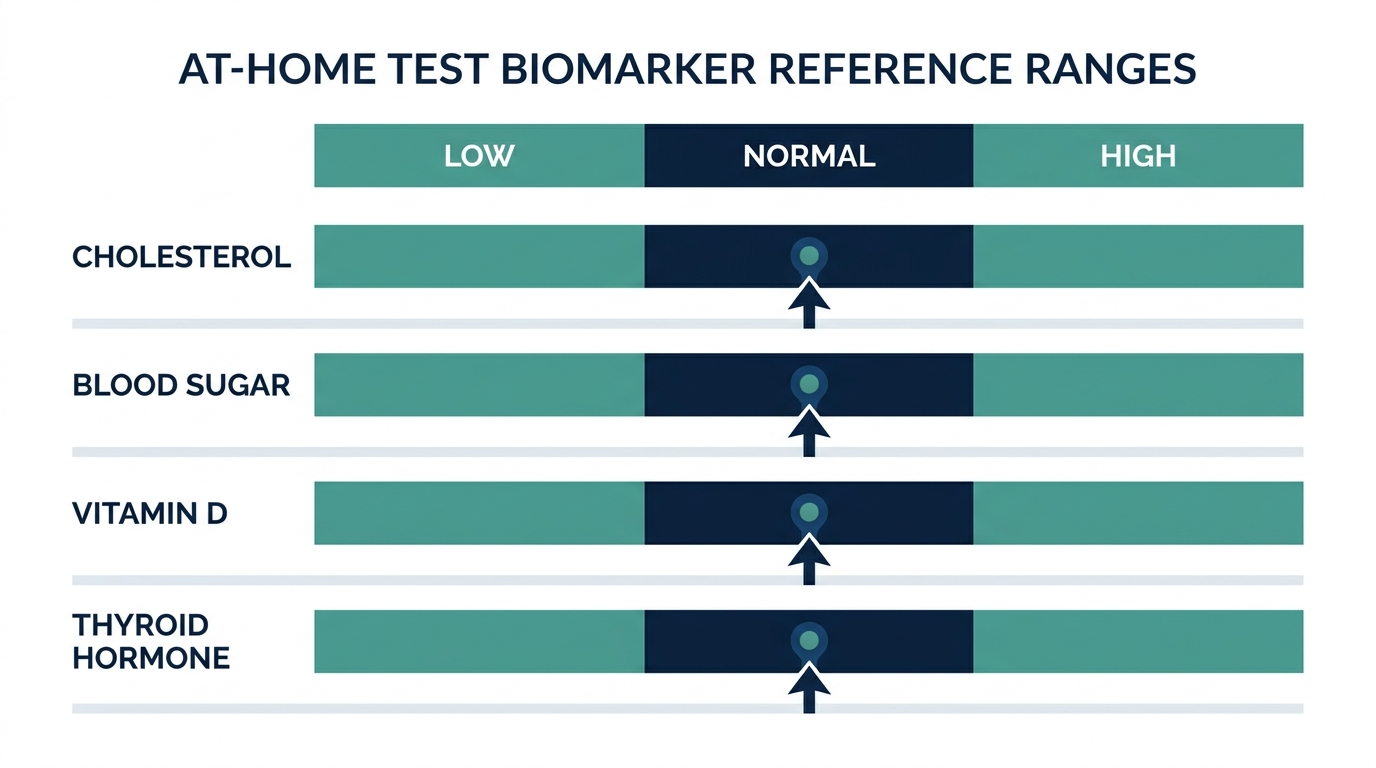
One more thing that surprises people: a “normal” at-home result is reassuring but not a clean bill of health, and an abnormal one is a prompt to confirm, not a diagnosis. Treat every kit as a screen. If a result is out of range or you have symptoms, talk to a clinician before you act on it.
It also helps to understand the two ways a test can be wrong. A false positive says you have something when you do not, which is stressful but usually caught by a confirmatory test. A false negative says you are clear when you are not, the dangerous one because it sends you home reassured. This is why a single home result, in either direction, should never be the end of the story when there are real symptoms in the room.
How an at-home blood test actually works, step by step
The process is more standardized than most people expect, and knowing the steps is how you avoid the errors that wreck a result.
- Register the kit online before you collect anything, so the lab can match your sample to your account and your results do not go into a void.
- Time the collection correctly. Fast 8 to 12 hours for triglycerides or fasting glucose, but not for A1C or vitamin D. Hormone kits often want a morning sample or a specific cycle day.
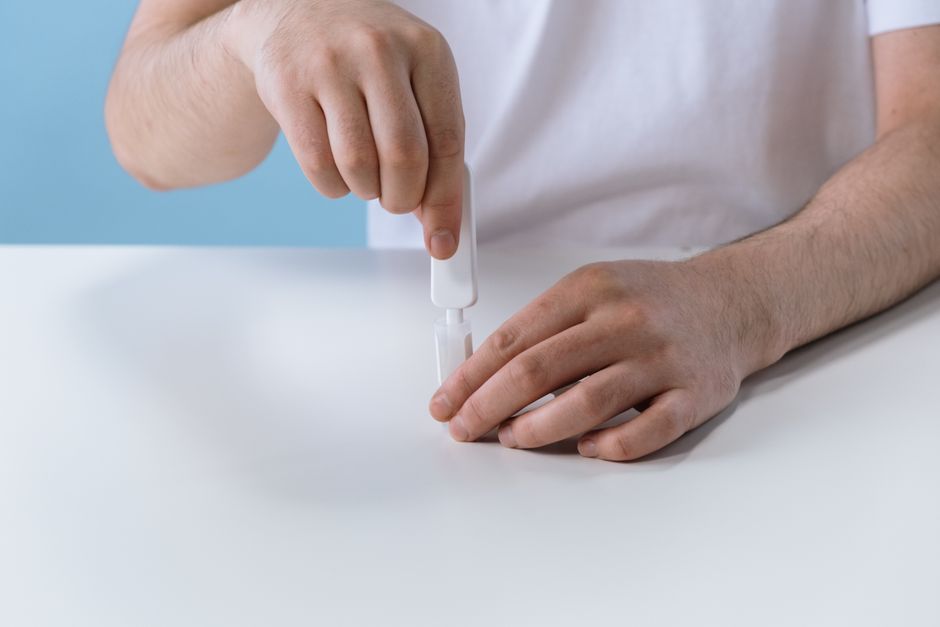
- Warm and prep your hand. Run it under warm water, let it hang below your heart for a minute, and the blood flows far better. Cold hands are the number one reason a finger-prick card comes back under-filled.
- Fill to the line. Most cards need several full drops or a fill window completely saturated. Squeezing hard to force it out is what dilutes the sample and skews results, so milk gently from the base of the finger instead.
- Ship same-day. Samples degrade with heat and time. Drop it in the mail the morning you collect, not Friday afternoon before a weekend in a hot box.
- Read results in context. Good services flag out-of-range numbers. Borderline values are common and usually need a repeat or a doctor’s read, not a panic.
How much do at-home health tests cost, and does insurance cover them?
An at home health test usually costs between $30 and $200 cash, with single-marker kits at the low end and broad blood panels or microbiome sequencing at the top. Rapid drugstore tests for pregnancy, COVID, or a basic drug screen run $8 to $40.
| Kit category | Cash price range | HSA/FSA eligible? | Typically insured? |
|---|---|---|---|
| Rapid pregnancy or COVID test | $8 to $30 | Yes | Sometimes (COVID at points) |
| Single-marker blood kit | $40 to $80 | Yes | Rarely |
| Broad mail-in blood panel | $90 to $200 | Yes | Rarely |
| Mail-in STI panel | $50 to $200 | Yes | Sometimes via telehealth |
| FIT colon test | $25 to $50 | Yes | Often, as preventive care |
| Stool-DNA colon test (Cologuard) | About $600 retail ($580 to $680 cash) | Yes | Usually, when plan-ordered |
| Microbiome sequencing | $120 to $300 | Sometimes | No |
| Full-body lab membership | $199/year and up | Often | No, but priced per draw |
Insurance is the messy part. Traditional health plans rarely reimburse consumer-bought wellness kits, because there is no clinician order and no diagnosis code attached. The two real exceptions: many over-the-counter COVID tests have been covered or reimbursed at points, and most kits are HSA and FSA eligible, which effectively gives you a tax discount. Some specific items, like at-home colon cancer screening (FIT or stool-DNA) ordered through your plan, are covered as preventive care, but the boxed version you buy yourself usually is not. When in doubt, save the receipt and run it through your HSA or FSA.
The HSA and FSA angle is the most reliable way to cut your cost. If you are in the 24% federal bracket, paying for a $169 blood panel with pre-tax HSA dollars makes it cost about $128 in take-home money, and that 20 to 30% discount adds up faster than chasing coupon codes. Keep the receipt and the order showing it was a medical test, since that is what makes it a qualified expense.
The simplest way to actually get this done
Superpower is a full-body lab membership that runs 100+ biomarkers, has each result reviewed by a doctor, and tracks your numbers year over year (about $199/year). It is what we point readers to when they would rather get one clean, complete draw than chase single tests one at a time. Here is Superpower reviewed in full, and if you are weighing it against the other big membership, see Superpower vs Function Health.

Common mistakes people make with at-home health tests
Most of the bad experiences with home kits trace back to a short list of avoidable errors. Watch for these before you buy or collect.
- Buying singles when a panel was cheaper. Three or four single-marker kits in a month almost always cost more than one broad panel and give you disconnected reports. Decide up front whether you have one question or several.
- Ignoring the window period. Testing too soon after exposure for an STI, or too soon after a vitamin change, produces a number that is technically accurate and practically useless. Match the timing to the marker.
- Under-filling the finger-prick card. Cold hands, a stingy squeeze, and a half-full window are the top causes of a rejected or skewed sample. Warm the hand, milk gently, fill to the line.
- Letting the sample bake. A blood card or stool kit sitting in a hot mailbox over a weekend can degrade past the point of a valid result. Ship same-day, early in the week.
- Treating a number as a diagnosis. A single out-of-range result is a prompt to confirm, not a verdict. Borderline numbers especially need a repeat or a clinician read.
- Falling for unvalidated tests. Food-sensitivity IgG panels, “gut type” swabs, and biological-age gimmicks sell certainty they cannot deliver. Spend that money on validated markers instead.
- Skipping the follow-up. A positive FIT with no colonoscopy, or a flagged STI with no treatment, wastes the whole exercise. The test is only step one.
When to skip the kit and go to a lab
Choose a lab or a clinician-ordered draw when the stakes, the marker count, or the need for follow-up are high. A home kit is the wrong tool in these situations:
- You want a lot of markers at once. Buying six single kits costs more and gives messier data than one venous draw. A membership or doctor’s order is cheaper per marker and lets you see the biomarkers worth tracking in a single report.
- You have real symptoms. Chest pain, unexplained weight loss, or severe fatigue need a clinician, not a mailbox.
- A result needs treatment. A positive STI or a worrying glucose number means you want a service with built-in telehealth and a prescription path.
- You want to track trends. Year-over-year comparisons only work when the same lab runs the same assay each time, which is exactly what what Superpower tests for and how a membership is built to do.
And if you do not have a regular doctor, you are not stuck. Many states let you order labs yourself, and direct-to-consumer services handle it. We cover the rules in How to Get Lab Tests Without a Doctor’s Order, and if you are weighing the membership math, see how much Superpower costs against buying kits piecemeal.
Edge cases: uninsured, minors, Medicare, and employer-required tests
The standard advice changes at the edges, and these are the situations readers ask about most.
If you are uninsured
Cash-pay mail-in kits and direct-to-consumer lab orders are often the cheapest path when you have no coverage, because you skip the facility fees that balloon a hospital bill. A basic metabolic panel that a hospital might bill at $200 or more often runs $30 to $50 through a discount lab or a home kit. Pair that with HSA or FSA dollars if you have them, and you control the cost precisely.
For minors
Most consumer home kits are designed and validated for adults, and many require the buyer to be 18 or older. For a child, a pediatrician-ordered lab is the right call, both for accuracy on pediatric reference ranges and for the clinical follow-up a kid’s result usually needs. Do not assume an adult kit reads correctly for a child.
On Medicare
Medicare covers specific preventive screenings, and at-home colon cancer screening is the clearest example: an at-home FIT or stool-DNA test ordered for an average-risk beneficiary is generally covered on the recommended schedule. Consumer wellness kits you buy yourself are not covered. The pattern holds across plans, including whether a plan covers a colonoscopy home test: coverage follows a clinician order and a preventive indication, not the box on the shelf.
Employer-required and home health care job tests
Two of the most-searched questions in this space are about jobs, not personal health, so it is worth separating them out. If you are pursuing home health care work, the home health aide (HHA) certification test is a competency exam, not a medical test, and most candidates find it manageable with the standard training course, since it covers practical caregiving skills and basic safety. Separately, many home health care employers require a pre-employment drug screen and sometimes random screening, since aides work in clients’ homes, and a standard urine drug panel is the usual method when one is required. That said, policies are not universal and vary by agency, branch, and state, so do not assume a screen is automatic. If you are applying, be prepared for a urine drug test and ask the specific agency about its policy rather than assuming. These job-related tests are a different world from the consumer kits this guide covers, but the mechanics are familiar: a urine or saliva sample and a clear pass or fail.
How to decide which at home health test to buy
Run any at home health test purchase through three questions and you will almost never overspend.
- What single decision will this result change? If you cannot name a concrete next step a result would trigger, you are buying reassurance, and reassurance is cheap or free elsewhere.
- One question or several? One question means a single-marker kit or a rapid test. Several questions means a panel or a membership draw, which is almost always cheaper per marker and gives you connected data.
- Does a positive need treatment or follow-up? If yes (STIs, abnormal glucose, a positive colon test), pick a service with built-in clinician review and a telehealth path, or go straight to a lab and a doctor.
Layer in budget last, not first. The cheapest kit that answers the wrong question is the most expensive purchase you can make, because you end up buying the right one anyway. One niche note while you decide: be skeptical of unvalidated categories like IgG food-sensitivity panels and five-minute mold strips. A mold strip confirms spores exist (they always do indoors), and IgG tests flag foods you simply eat, not true sensitivities, so both spend money on certainty they cannot deliver.
Turn what you just learned into action.
Superpower lets you test 100+ biomarkers from home, then re-check them over time so you can actually see progress, physician-reviewed at every step.
FAQ
What biomarkers does a home health test cover?
It depends entirely on the kit. Single-marker kits cover one analyte like vitamin D, TSH, or ferritin. Broad blood panels can cover 30 to 100+ markers across metabolic, lipid, thyroid, hormone, and inflammation categories. Always read the included-markers list before you buy, because two kits at the same price can test wildly different things.
Are at-home sperm health tests accurate?
They are reasonably good at flagging low sperm concentration but they do not measure motility or shape, which are central to fertility. A normal home result does not rule out a problem, so if you are trying to conceive, get a full semen analysis through a clinic or urologist.
Does insurance cover at-home allergy or colon test kits?
Usually not when you buy them off the shelf, because there is no clinician order. At-home colon cancer screening (FIT or stool-DNA) can be covered as preventive care when your plan orders it, including under Medicare for average-risk adults. Consumer allergy and wellness kits are typically out of pocket, though most are HSA and FSA eligible.
Does United Healthcare cover a colonoscopy home test?
Major insurers, United Healthcare included, generally cover at-home colon cancer screening like FIT or Cologuard as preventive care for average-risk adults 45 and up on the recommended schedule. The key conditions are that it is ordered as a screening and that you complete a follow-up colonoscopy if the home test comes back positive. A retail kit you buy yourself without a plan order is the version that usually is not covered. Confirm your specific plan details, since coverage rules vary by policy.
Are at-home test kits a good public health strategy?
For high-volume, time-sensitive screening like COVID and STIs, yes. Easy access and privacy get more people tested than clinic-only models do. For complex diagnoses that need follow-up care, kits work best as a first step that funnels people toward a clinician.
How accurate is a healthful home 5-minute mold test?
Rapid settle-plate or strip mold tests confirm that mold spores exist in your home, which is almost always true to some degree, so a positive tells you little on its own. For an actual problem you can act on, a professional inspection with air sampling is far more useful than a five-minute kit. Treat the strip as a $20 hint, not a verdict.
Is the home health aide test hard?
The home health aide certification exam is a competency test of practical caregiving and safety skills, not a difficult academic exam, and most candidates pass after completing the required training hours. It is also separate from any medical testing. If you are nervous, the state-approved HHA course covers exactly what the exam asks, so focused study on the skills checklist is usually enough.
Do you get drug tested for home health care jobs, and does Bayada do a urine test?
Many home health care employers require a pre-employment drug screen and sometimes random screening, because aides work unsupervised in clients’ homes, and a urine drug panel is the common method when one is run. For a specific employer like Bayada, the answer is not uniform: applicant reports vary by location and role, with some hires saying they were screened and others saying they were not, so policy appears to differ by office and state. The reliable move is to ask the specific agency and branch you are applying to rather than assuming. Be prepared for a urine test, but confirm the actual requirement before your start date.
Where can I buy a healthful home 5-minute mold test?
It is widely available at major pharmacies, hardware and home-improvement stores, and large online retailers, usually for $10 to $40. Just remember what it can and cannot tell you: it confirms spores are present, which is normal indoors, rather than proving you have a contamination problem worth remediating.
Are home health test kits any good for tracking my health over time?
They can be, with one caveat: trend tracking only works when the same lab runs the same assay on each draw. Mixing brands and methods introduces variation that can look like a health change when it is really a lab difference. If your goal is a year-over-year baseline, a consistent panel or a membership that repeats the identical draw is far more useful than a drawer full of one-off kits from different companies.
Related: see our ranking of the best at-home blood tests.
Vital Signs Today may earn a commission if you buy through links on this page. It does not affect our editorial assessments.