You opened your lab report, saw the uric acid line flagged in red, and now you want a plain answer. A high uric acid result usually points to one of two things: your body is making too much urate, or your kidneys are not clearing enough of it. Most of the time it is the second one. Here is what the number means and what is driving it.
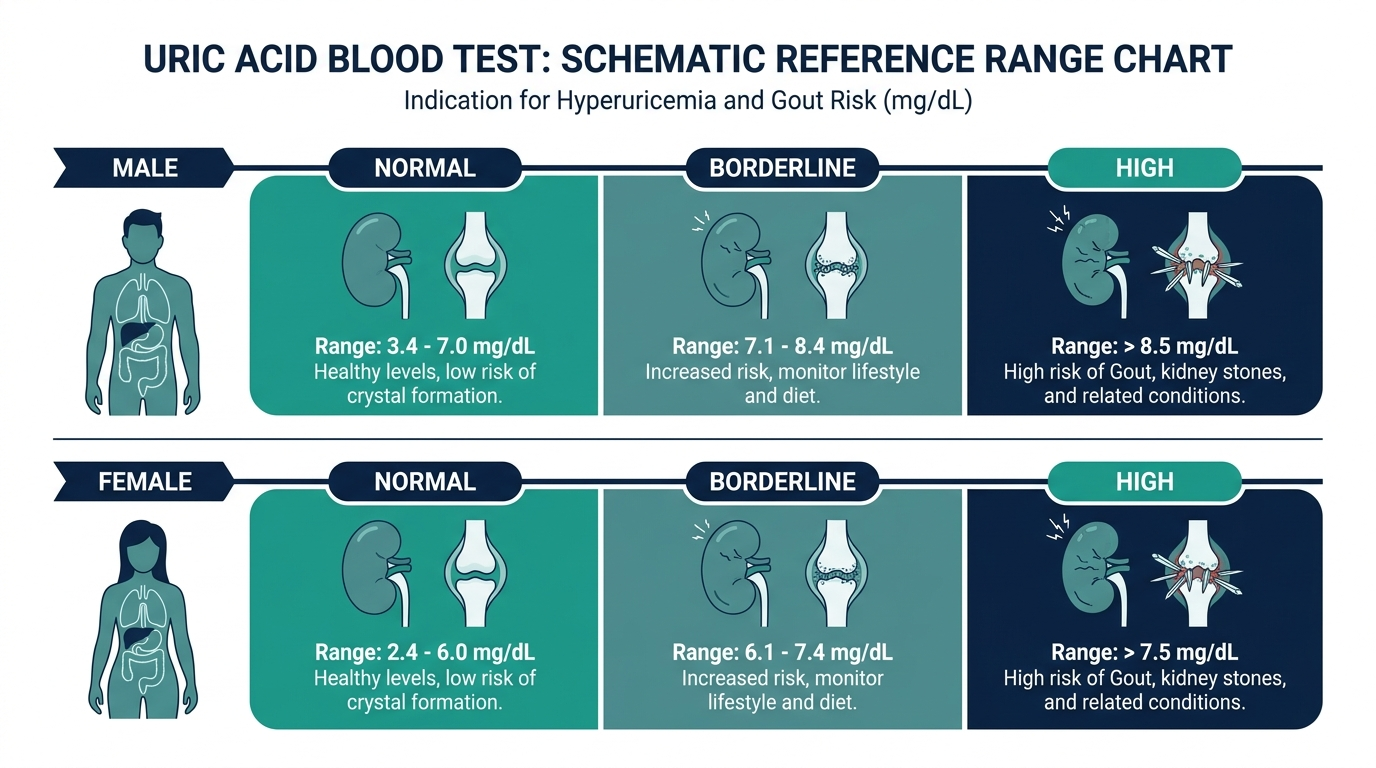
- High uric acid (hyperuricemia) on a blood test generally means a serum level above 7.0 mg/dL in men and above 6.0 mg/dL in women, the points at which urate starts to crystallize, per StatPearls (NCBI).
- In roughly 80 to 90 percent of cases the cause is reduced kidney excretion of uric acid, not overproduction, according to the StatPearls hyperuricemia review.
- About 20 percent of people with high uric acid never develop symptoms, a state Cleveland Clinic calls asymptomatic hyperuricemia, so a flagged number alone does not mean you have gout.
What does a high uric acid result mean, and what is the cutoff?
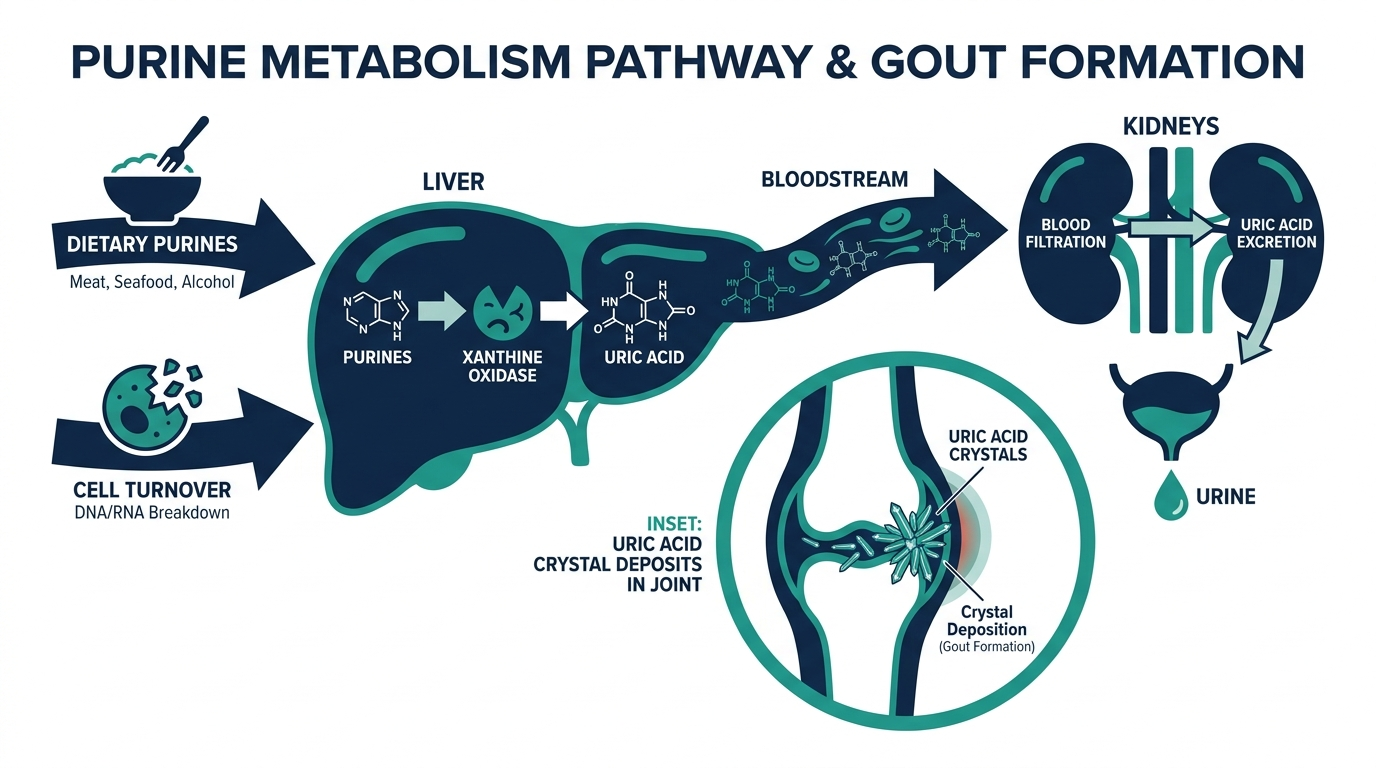
A high uric acid result means hyperuricemia, defined by StatPearls (NCBI) as a serum urate above 7.0 mg/dL in men and above 6.0 mg/dL in women, with 8.0 mg/dL or higher considered clearly diagnostic. Uric acid is the waste product your body makes when it breaks down purines, natural compounds found in your cells and in many foods. Cleveland Clinic describes the healthy range as roughly 3.0 to 6.0 mg/dL.
Uric acid flagged red on your report? See what’s driving it with a full metabolic and kidney panel. One at-home Superpower draw checks 100+ biomarkers, physician-reviewed.
The cutoff is not arbitrary. Above about 6.8 mg/dL, urate reaches its saturation point in blood at body temperature. Past that line it can combine with sodium and form needle-shaped monosodium urate crystals that lodge in joints and tissues. That physical threshold is why labs flag the number and why two people with identical “high” results can have very different risks depending on how far above the line they sit.

What causes high uric acid levels?
High uric acid comes from one of two mechanisms, and reduced kidney clearance dominates: StatPearls (NCBI) attributes about 80 to 90 percent of cases to underexcretion by the kidneys and only 10 to 20 percent to overproduction. Your kidneys normally clear about two-thirds of daily uric acid, with the gut handling the rest, so anything that slows renal filtering pushes the level up.
Common drivers include:
- Reduced kidney excretion: chronic kidney disease, dehydration, and certain medications (thiazide and loop diuretics, low-dose aspirin, some immunosuppressants) all cut how much urate you pee out.
- Diet high in purines: red meat, organ meats, shellfish, and beer. Dietary purines account for roughly one-third of daily urate production, per Medscape.
- Fructose: sugary drinks and high-fructose corn syrup raise urate by speeding ATP breakdown and blocking excretion at the SLC2A9 transporter (StatPearls).
- Metabolic factors: obesity, insulin resistance, high blood pressure, and heavy alcohol use.
- High cell turnover: psoriasis, some cancers, and tumor lysis during chemotherapy flood the blood with purines.
Genetics matter too. Inherited differences in urate transporter genes explain why some lean, careful eaters still run high while others can drink beer for decades without crossing the line.
What are the symptoms, or is it silent?
Most high uric acid is silent. Cleveland Clinic notes that roughly 20 percent of people have asymptomatic hyperuricemia, meaning the blood level is elevated but they feel nothing and may never develop disease. The number is often found by accident on a routine panel.
When symptoms do appear, they come from crystals depositing in tissue:
- Gout flare: sudden, severe pain, redness, and swelling in one joint, classically the big toe, often starting at night.
- Tophi: firm, chalky lumps of urate under the skin, around joints, fingers, or the ear, after years of high levels.
- Kidney stones: sharp flank or back pain, blood in urine, or painful urination from urate stones.
Importantly, your uric acid number can be normal during an active gout attack and high when you feel fine, so symptoms and the lab value do not always line up on the same day.
When is high uric acid dangerous?
High uric acid becomes dangerous mainly when it stays elevated long enough to crystallize and damage tissue, with risk climbing as the number rises above 6.8 mg/dL. The higher and longer the level, the greater the odds of recurrent gout, joint erosion, and stone formation.
Watch for these higher-risk situations:
- Kidney involvement: persistent high urate can contribute to kidney stones and is associated with chronic kidney disease.
- Very high levels with rising symptoms: levels well above 8 to 9 mg/dL paired with frequent flares signal a body that cannot keep up.
- Tumor lysis syndrome: a rapid urate spike during cancer treatment is a medical emergency.
Beyond joints and kidneys, hyperuricemia travels with metabolic syndrome, high blood pressure, and cardiovascular disease, so a high reading is often a flag to check the rest of your metabolic picture, not just your toe.

What should you do next, and when should you see a doctor?
If your uric acid is flagged, the first step is to confirm and contextualize the number, then address modifiable drivers. A single high reading is not a diagnosis; clinicians often repeat the test and review your medications, kidney function, and symptoms before acting.
Reasonable next steps:
- Hydrate: adequate water helps the kidneys clear urate.
- Trim the big inputs: cut back on alcohol (especially beer), organ meats, shellfish, and sugary or high-fructose drinks.
- Address weight and metabolic health: gradual weight loss lowers urate; crash diets can temporarily raise it.
- Review medications with your clinician: diuretics and low-dose aspirin may be contributing.
See a doctor promptly if you have a sudden hot, swollen, intensely painful joint, signs of a kidney stone, or a high reading alongside known kidney disease. Do not start urate-lowering drugs like allopurinol on your own; timing and dosing matter, and starting them during a flare can backfire.
The insider nuance most reports skip
Here is the detail clinicians watch that lab printouts rarely explain: your “fasting” status and recent diet can swing the number, and the level often drops during an acute gout attack rather than spiking. Urate shifts into the inflamed joint and gets consumed, so a normal result drawn mid-flare does not rule out gout. The most useful reading is taken when you are well, fasting, hydrated, and at least a couple of weeks past any attack.
A second nuance: not everyone with a high number needs treatment. Per Cleveland Clinic, asymptomatic hyperuricemia is usually monitored rather than medicated, because the risk of side effects from lifelong drugs may outweigh the benefit when you have no symptoms and no stones. The decision is individual, which is exactly why the number belongs in a conversation with your clinician rather than a self-prescribed fix.
Underexcretion versus overproduction: the two roads to a high number
Every case of high uric acid comes down to one of two mechanisms, and knowing which one is yours shapes the whole approach to fixing it. Roughly 80 to 90 percent of cases are underexcretion, meaning the kidneys are not clearing enough urate, while the remaining 10 to 20 percent are overproduction, meaning the body is making too much.
Underexcretion (the common road): your kidneys normally filter urate and then reabsorb and secrete it through a set of transporter proteins. When that machinery slows, urate backs up in the blood. Drivers include reduced kidney function, dehydration, insulin resistance (high insulin tells the kidney to hold onto urate), certain medications, and inherited differences in the transporter genes. A tell-tale sign of underexcretion is a low amount of uric acid appearing in a 24-hour urine collection despite a high blood level: the body is making a normal amount but failing to get rid of it.
Overproduction (the less common road): here the body generates urate faster than even healthy kidneys can clear it. This happens with high cell turnover (some cancers, psoriasis, hemolysis, and tumor lysis during chemotherapy), heavy intake of purines and fructose, and rare inherited enzyme disorders that speed purine synthesis. The urine picture is the opposite: a high 24-hour urinary uric acid, because the kidneys are dumping large amounts.
This split is not academic. It directly guides medication choice, since some urate-lowering drugs block production while others help the kidneys excrete more, and matching the drug to the mechanism is how clinicians get the best result with the fewest side effects.
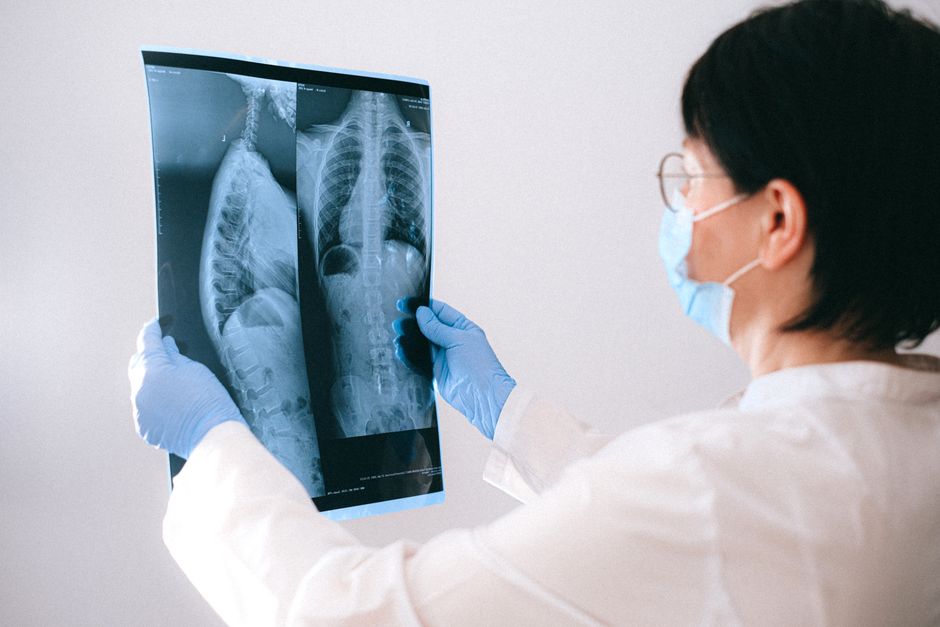
Medications that raise uric acid
Drugs are one of the most common and most overlooked causes of a high urate level, and because they are reversible, they are worth reviewing carefully with your clinician. Never stop a prescribed medication on your own; the point is to identify contributors so your care team can weigh alternatives.
| Medication or class | Why it raises urate |
|---|---|
| Thiazide diuretics (for blood pressure) | Reduce urate excretion by the kidney, a very common contributor. |
| Loop diuretics (furosemide) | Similarly cut urate clearance, especially with dehydration. |
| Low-dose aspirin | At low doses, paradoxically reduces urate excretion. |
| Ciclosporin and tacrolimus (immunosuppressants) | Impair kidney handling of urate, notable in transplant patients. |
| Niacin (high-dose vitamin B3) | Competes with urate for excretion. |
| Some chemotherapy agents | Cause rapid cell breakdown, releasing purines. |
On the other side, a few drugs lower urate as a side benefit, which sometimes influences treatment choices. Losartan (a blood pressure drug) mildly increases urate excretion, and the SGLT2 inhibitors used for diabetes and heart or kidney protection also tend to lower urate. If you take a diuretic and run high, your clinician may consider whether a urate-neutral or urate-lowering alternative fits your situation.
Medical conditions behind a persistently high urate
When a high uric acid is not explained by diet or a single medication, an underlying condition is often at work. These are worth knowing because treating the root problem frequently improves the urate along with it.
- Chronic kidney disease: the leading medical cause of underexcretion, since reduced filtering lets urate accumulate.
- Metabolic syndrome and insulin resistance: high insulin reduces urate excretion, which is why high urate clusters with obesity, high blood pressure, and type 2 diabetes.
- Hypertension: both a cause and a companion of high urate, partly through reduced kidney blood flow and diuretic use.
- Psoriasis and hemolytic conditions: raise cell turnover and purine load.
- Hypothyroidism: can be associated with higher urate levels.
- Cancers and tumor lysis: rapid cell death, especially during chemotherapy, can flood the blood with purines and cause a dangerous, fast spike.
Because high urate keeps such consistent company with cardiovascular and metabolic disease, many clinicians treat a flagged result as a prompt to check blood pressure, blood sugar, kidney function, and lipids, not just to think about gout.
The genetics of high uric acid
One of the most useful things to understand about high urate is that it is strongly heritable, which explains a pattern that frustrates many people: a careful eater who runs high while a heavy beer drinker never does. Twin and population studies show that a large share of the variation in serum urate is genetic.
The genes involved mostly code for the kidney and gut transporters that move urate in and out of the body. Variants in transporters such as SLC2A9 and ABCG2 change how efficiently you excrete urate; some variants reduce excretion (raising blood levels), while others affect gut handling. ABCG2 variants in particular are linked to reduced urate removal through the intestine, shifting more of the burden onto the kidneys. This genetic backdrop is why diet is a lever rather than the whole story, and why some people need medication to reach target levels no matter how disciplined their eating is. It also means a family history of gout or kidney stones is a genuine risk signal worth mentioning to your clinician.
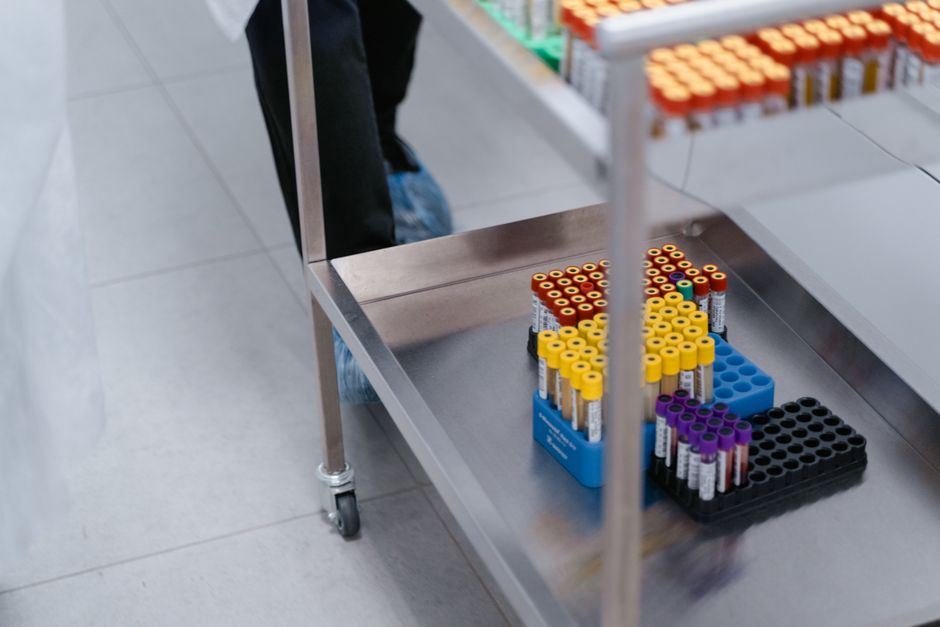
Finding the cause: the diagnostic workup
Because a high urate can spring from so many sources, the workup is really about identifying which mechanism and which contributors apply to you. A methodical evaluation usually includes several of these steps.
- Confirm the value: repeat the test under clean conditions (well, fasting, hydrated, away from a flare), since a single reading can mislead.
- Kidney function: creatinine and eGFR reveal whether reduced clearance is driving the level.
- Metabolic panel: fasting glucose, lipids, and blood pressure map the metabolic company the urate keeps.
- Medication and diet review: a careful audit for diuretics, low-dose aspirin, niacin, alcohol, and fructose intake.
- 24-hour urinary uric acid: the key test that separates overproducers (high urinary urate) from underexcretors (low urinary urate), directly guiding drug choice.
- Joint assessment when relevant: if gout is suspected, examining joint fluid for urate crystals remains the diagnostic gold standard, since the blood level alone cannot confirm gout.
The output of this workup is not just a label but a plan, because knowing the cause tells your clinician whether to focus on lifestyle, swap a medication, or start a urate-lowering drug, and if so, which type.
Matching treatment to the cause
Treatment for high uric acid works best when it targets the specific mechanism rather than applying a one-size approach. The first fork is whether treatment is even needed.
- Asymptomatic high urate: usually monitored, not medicated, with attention to reversible drivers such as weight, alcohol, sugary drinks, and contributing medications.
- Gout or urate stones: the goal becomes lowering serum urate below the crystal saturation point, typically under 6.0 mg/dL, or under 5.0 mg/dL when there are tophi, so existing crystals dissolve.
- Underexcretion: a xanthine oxidase inhibitor such as allopurinol or febuxostat (which reduces production and works regardless of mechanism) is commonly first-line; a uricosuric that boosts excretion may be added when needed.
- Overproduction: xanthine oxidase inhibitors are especially logical because they cut urate synthesis at the source.
- Tumor lysis risk: handled proactively in cancer care with hydration and specific urate-lowering agents given around treatment.
A crucial timing point: urate-lowering drugs are generally not started during an active gout flare, because sudden shifts in urate can prolong or worsen the attack. They are begun once things settle, often with a short course of anti-inflammatory cover, and titrated with repeat testing toward the target.
Common misconceptions about what causes high uric acid
Several myths steer people away from the real drivers of a high number.
- “It is caused by eating too much red meat.” Diet contributes, but underexcretion by the kidneys and genetics usually matter more; food is roughly a third of daily urate production.
- “Only heavy drinkers and big eaters get high urate.” Lean, careful eaters with an inherited transporter variant can run high, while some heavy consumers never cross the line.
- “My blood pressure pill cannot be the reason.” Thiazide diuretics are a very common, reversible contributor that is easy to overlook.
- “A high number means I definitely have gout.” About one in five people with high urate never develop symptoms, and gout is confirmed by crystals, not the blood level alone.
- “Cutting purines will fix any high urate.” If the cause is reduced kidney excretion or a medication, diet alone will not bring the level to target.
Which foods and drinks actually move uric acid
Diet is only part of the story, roughly a third of daily urate comes from food, yet some choices shift the number far more than others. Knowing which levers matter helps you spend effort where it counts instead of banning foods that barely register.
- Alcohol, especially beer: alcohol both increases urate production and reduces how much the kidneys excrete, and beer adds purines on top, making it one of the strongest dietary drivers. Spirits raise urate less than beer, and moderate wine has the smallest effect of the three.
- Sugary drinks and fructose: fructose is unusual because its metabolism directly generates uric acid, so regular soda, sweetened juice, and other high-fructose drinks can push levels up even without classic purine-rich foods.
- High-purine animal foods: organ meats such as liver and kidney, and certain seafood like anchovies, sardines, and mussels, carry the most purines and can nudge levels in susceptible people.
- Foods that appear neutral or protective: low-fat dairy is linked with lower urate, and while some vegetables and legumes contain purines, plant purines have a much smaller effect than the animal and alcohol sources above.
Two practical points follow. First, staying well hydrated helps the kidneys clear urate, which is why fluid intake is a simple, low-cost habit worth keeping. Second, diet changes are most powerful when the cause is partly dietary; if the real driver is reduced kidney excretion, a medication, or genetics, then cutting purines will help only modestly and other steps are needed to reach a target level. The most useful move is to trim the biggest levers, alcohol and sugary drinks first, and then recheck to see how much your own number responds.
Turn what you just learned into action.
Superpower lets you test 100+ biomarkers from home, then re-check them over time so you can actually see progress, physician-reviewed at every step.
Frequently asked questions
What is considered a high uric acid level?
StatPearls (NCBI) defines high uric acid as above 7.0 mg/dL in men and above 6.0 mg/dL in women, with 8.0 mg/dL or higher clearly diagnostic. The practical saturation point where crystals form is about 6.8 mg/dL.
Can high uric acid go away on its own?
Mild elevations can improve when you fix the cause: more water, less alcohol, fewer sugary drinks, weight loss, and a medication review. Levels driven by chronic kidney disease or genetics usually need ongoing management with your clinician.
Does high uric acid always mean gout?
No. Cleveland Clinic notes about 20 percent of people have asymptomatic hyperuricemia and never develop gout. A high number raises risk but is not a diagnosis by itself, and many people with elevated urate stay symptom free.
What foods raise uric acid the most?
Organ meats, red meat, shellfish, beer, and sugary or high-fructose drinks are the biggest dietary drivers. Dietary purines account for roughly one-third of daily uric acid production, according to Medscape; the rest your body makes on its own.
Should I worry if I feel fine but my number is high?
Often it is monitored rather than treated. Discuss it with your clinician, especially if you have kidney disease, high blood pressure, or a family history of gout, since a high reading can flag broader metabolic risk worth checking.
Sources
- Cleveland Clinic, Hyperuricemia (High Uric Acid Level)
- StatPearls (NCBI Bookshelf), Hyperuricemia
- Medscape, Hyperuricemia: Pathophysiology and Etiology
- WebMD, Uric Acid Blood Test
This article is for general educational purposes and is not medical advice. It cannot diagnose or treat you and does not replace your clinician. Always discuss your lab results and any health decisions with a qualified healthcare professional.
Related: compare the best at-home biomarker and blood tests.
Vital Signs Today may earn a commission if you buy through links on this page. It does not affect our editorial assessments.