Disclosure: Vital Signs Today may earn a commission if you buy through links on this page, at no extra cost to you. This does not influence our evidence-based assessments. We are not a medical provider; talk to a clinician before acting on test results.
Quick answer: SiPhox Health is a legitimate at-home blood testing service built around a finger-prick collection method and longevity-focused panels, which makes it genuinely convenient if you hate needles or can’t get to a draw site. The tradeoff is breadth: a finger-prick sample limits how many markers you can reliably run, so for a true full-body baseline you track year over year, a venous-draw service like Superpower (100+ biomarkers, 17 health scores, and an AI concierge for $199 a year) is the stronger pick. Choose SiPhox for finger-prick simplicity on a focused panel; choose Superpower when you want the complete picture and trend lines over time.
Disclosure: Vital Signs Today may earn a commission if you buy through links on this page, at no extra cost to you. This does not influence our evidence-based assessments. We are not a medical provider; talk to a clinician before acting on test results.
| Service | Best for | Pricing | Visit |
|---|---|---|---|
| SiPhox Health | Finger-prick convenience | Per-test / membership | View › |
What SiPhox Health Actually Is
SiPhox Health is a direct-to-consumer blood testing company in the increasingly crowded at-home diagnostics space. Its signature feature is the finger-prick collection option: instead of booking a phlebotomist and giving a vial of blood from your arm, you prick a fingertip, collect a small sample, and mail it back. The panels lean toward longevity and metabolic health, which puts SiPhox squarely in the same wellness-tracking conversation as the bigger membership services.
The pitch is convenience. For a lot of people, the single biggest barrier to getting bloodwork is the draw itself: the appointment, the needle, the travel. SiPhox removes that friction. If you are the kind of person who has been meaning to check your cholesterol or metabolic markers for a year but never booked the lab visit, that lower barrier is the whole point, and it is a real advantage.
What you should keep front of mind in any SiPhox review is that finger-prick testing is a collection method, not a magic upgrade. The convenience is real. The question is what you give up to get it.
What you actually get when you order
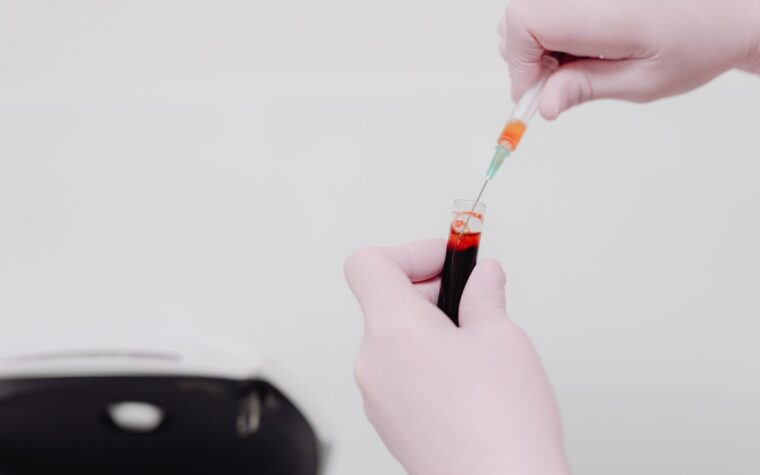
The experience is designed to remove every step that usually derails testing. A kit arrives in the mail, you register it, collect the sample at home, and drop it back in the post. Results land in an online dashboard rather than a faxed lab sheet, usually with each marker plotted against a reference range so you can see at a glance what sits inside or outside normal. The panels are curated around longevity and metabolic health rather than trying to be an everything-menu, which is the right design decision for the collection method and something to keep in mind when you compare it to a full clinical draw.
The thing that separates a service like this from an old-school lab requisition is interpretation and repeatability. You are meant to test, see your numbers in context, change something, and test again. That loop only works if the friction is low, which is exactly what the finger-prick model buys you. The tradeoff, as always, is that a curated panel is a slice of the picture, not the whole board.
How Finger-Prick Testing Works (and Its Real Limits)
A finger-prick (capillary) sample gives you a few drops of blood. That is plenty for many common markers, and modern dried-blood-spot and microsample methods have made finger-prick testing far more credible than the early hype-and-bust products that gave the category a bad name. For markers like cholesterol panels, HbA1c, and several hormones, capillary testing is well established.
But a fingertip is not an arm. The volume is small, certain assays simply need more blood or a venous sample to run accurately, and capillary results can sometimes differ from a standard venous draw. That is the honest ceiling on any finger-prick service: you can build a focused, useful panel, but you cannot easily replicate a sprawling 100-plus marker workup from a few drops. This is not a knock specific to SiPhox. It is the physics of the sample.
So the practical read is this. If your goal is a targeted check on a handful of markers you care about, finger-prick is an excellent fit. If your goal is a comprehensive, every-system baseline you compare against next year, a venous draw covers more ground with fewer asterisks.
Why some markers run cleanly on a finger-prick and others do not
It helps to understand the mechanism, because it explains the whole panel-scope tradeoff. A capillary sample mixes blood from tiny vessels with a small amount of tissue fluid, and the act of collecting it can rupture red cells, a phenomenon called hemolysis. Markers like a lipid panel and HbA1c hold up well under those conditions and are widely validated for capillary collection. Others are more fragile: potassium and some enzymes read falsely high when cells break open, and a few assays simply need more serum than a fingertip yields. That is why a well-run finger-prick service curates its menu rather than offering everything. The curation is the honest boundary of the method, not a gap the company overlooked.
How to get a clean sample the first time
Most recollections trace back to technique, and a few specifics fix the majority of them. Warm your hand first under hot water so blood flows freely, and let your arm hang low for a minute before you start. Prick the side of the fingertip rather than the pad. Wipe away the first drop, which carries the most tissue fluid, then let large drops fall into the collection device without scraping or squeezing hard, since milking the finger is what causes hemolysis and skewed results. If the kit asks you to fill to a line, respect it, because an underfilled card is the single most common reason a lab cannot run every marker you ordered.
How to prep so your numbers are trustworthy
Collection method aside, what you do the day of the test moves the numbers. If your panel includes glucose, insulin, or triglycerides, fast 9 to 12 hours with water only, and fast the same way each time so your trend is comparable. Draw at a consistent time of day, especially for anything hormone-related, since some hormones peak in the morning. Keep hard exercise light in the 24 hours before, because a tough session can transiently raise inflammation and liver markers. And note your supplements: high-dose biotin, common in hair and nail products, can interfere with some assays, so many labs suggest pausing it for a couple of days first.
SiPhox Health Reviews: What Users Commonly Report
Across the at-home testing category, the themes users commonly report about finger-prick services like SiPhox are consistent, and worth weighing before you buy. We are summarizing common sentiment here, not quoting any specific person or rating.
What tends to land well
The convenience earns the most goodwill. People appreciate skipping the phlebotomist appointment entirely, doing the test on their own schedule, and getting results delivered to a clean digital dashboard. For needle-averse users, finger-prick is frequently the deciding factor that finally gets them tested at all.
Where expectations get tested
The recurring friction point with any finger-prick kit is collection itself: getting enough blood from a fingertip can take patience, and a short fill can mean a recollection. Users also sometimes discover that the marker they specifically wanted is not on the finger-prick panel and requires a venous option. Neither is a dealbreaker, but both are reasons to read the panel contents closely before ordering.
None of this makes SiPhox illegitimate. It is a real service doing a real thing well. It just means the convenience comes with a panel-scope tradeoff you should go in expecting.
SiPhox vs Superpower: Finger-Prick Convenience vs Full-Body Draw
This is the comparison most people researching SiPhox are really making, so let us be direct about it. SiPhox and Superpower solve overlapping problems from opposite ends. SiPhox optimizes for the easiest possible collection. Superpower optimizes for the most complete possible picture.
SiPhox Health
At-home blood testing with a finger-prick option and longevity-focused panels. Best for finger-prick convenience and a targeted set of markers you want to check without an arm draw. Strong fit if needle avoidance or zero-appointment testing is your priority.
Superpower
A $199 per year membership built around one comprehensive annual venous blood draw covering 100+ biomarkers (about 150 when you count calculated ratios). You get 17 plain-language health scores, a personalized action plan, and an AI concierge you can chat with about your results. Pricing is $399 in New York and New Jersey because of state lab rules. Worth being clear: Superpower is a screening and tracking service, not a diagnostic clinic.
The deciding question is goal, not brand loyalty. If you want a quick, friction-free check on specific markers and you genuinely will not do an arm draw, SiPhox is the more comfortable path. If you want a real full-body baseline with scores that translate the numbers into plain English, plus year-over-year trends on 100-plus markers, the venous draw earns its place. For the price of a focused finger-prick panel or two, a Superpower membership covers dramatically more ground.
How SiPhox Fits the At-Home Testing Landscape
SiPhox is one option in a category that now runs from pay-per-test lab services to full membership platforms, and where it sits is defined by its collection method. Pay-per-test services like Quest use a national lab network and a venous draw, so you pick the exact markers you want and go to a draw site. Membership platforms like Superpower and Function Health bundle a comprehensive annual venous draw with scoring and tracking. SiPhox carves out the needle-free lane: an at-home finger-prick for people who will not, or cannot easily, sit for an arm draw.
That positioning is the useful lens. If your objection to testing is the needle or the appointment, SiPhox is built to solve exactly that, and the focused longevity panel is the natural payload for a fingertip sample. If your objection is cost per marker or you want one complete baseline, a venous membership tends to cover more ground per dollar. Neither is universally right. They are tuned for different frictions, and knowing which friction is stopping you is how you pick.
A realistic scenario
Picture someone who has told themselves for a year that they will get their cholesterol and metabolic markers checked, and has booked exactly zero appointments because the draw is the sticking point. For that person, a finger-prick kit that arrives in the mail is not a lesser option, it is the option that actually happens. Getting real numbers on a focused panel beats a theoretically more complete test they keep postponing. Now picture someone who wants a full hormonal, metabolic, and organ-function baseline to trend for years. For them, the single comprehensive venous draw is the cleaner engineering choice, because reconstructing that breadth from a stack of small kits costs more and still leaves gaps.
Who SiPhox Health Is For (and Who Should Look Elsewhere)
SiPhox is a smart choice if you are needle-averse and have been avoiding testing because of it, if you want a fast targeted check rather than a sprawling workup, or if you live somewhere getting to a draw site is a hassle. In those cases, the finger-prick model removes the exact barrier that was stopping you, and that is worth a lot.
Look elsewhere if your goal is a comprehensive annual baseline you compare over time, if you want guidance that turns raw numbers into a plan, or if the specific markers you care about need a venous sample to run cleanly. A few drops from a fingertip can only carry so much. When breadth and tracking are the point, a full draw is the better engineering choice.
One more honest note for anyone health-tracking on their own: any at-home test, finger-prick or venous, is a screening tool. Results that fall outside the normal range should be reviewed with a clinician rather than acted on solo. These services are excellent for catching what you would otherwise never see, but they do not replace a doctor.
The Longevity Markers a Panel Like This Tracks
Because SiPhox curates toward longevity and metabolic health, it is worth knowing what those markers actually tell you, since that is the payoff of testing at all.
- HbA1c. A rolling average of blood sugar over roughly the prior three months. It is the single best finger-prick marker for spotting insulin-resistance drift before it becomes a diagnosis, and it runs cleanly on capillary blood.
- Lipid panel. Total cholesterol, LDL, HDL, and triglycerides. The number worth watching most closely for cardiovascular risk is LDL, and triglycerides are the one most sensitive to your last meal, which is why fasting matters if they are on the panel.
- Inflammation markers. A marker such as hs-CRP reflects low-grade inflammation that tracks with cardiometabolic risk. It moves with acute illness and hard training, so a single high reading is worth repeating before you read anything into it.
- Metabolic and nutrient markers. Fasting glucose, and depending on the panel, items like vitamin D. These are the numbers that respond to diet, sleep, and training over weeks, which is exactly why a low-friction retest loop is valuable.
The practical point is that these are the markers that reward frequent, consistent checking, and they are also the ones that behave well on a finger-prick sample. That alignment is not a coincidence. It is why the finger-prick model and a longevity panel fit together so naturally, and why the honest ceiling shows up only when you reach for the wider hormonal and organ-function markers that need a fuller sample.
What It Costs to Think About, Not Just to Buy
Sticker price is the wrong first question. The better one is cost per marker over a year. Per-kit pricing is cheap for a single focused check but climbs each time you add a panel or retest, so a “test a little, often” habit can quietly total more than you expect. A flat annual membership flips that shape: a higher single price, but a very low cost per result once it is returning 100+ biomarkers in one draw. If you genuinely only want two or three metabolic numbers a couple of times a year, a finger-prick kit can be the cheaper answer. The moment your list grows past a handful, a comprehensive draw usually wins on math, and it bundles the interpretation instead of handing you a raw PDF to decode alone.
Our Verdict on SiPhox Health
SiPhox Health is a legitimate, genuinely convenient way to get focused bloodwork without an arm draw, and the finger-prick option is a real advantage for the right person. If needle avoidance or zero-appointment testing is your top priority, it does that job well and we would not talk you out of it.
For most people building a long-term health-tracking habit, though, our recommendation leans to Superpower. The reason is concrete, not promotional: 100+ biomarkers from one annual venous draw, 17 health scores that explain the numbers, a personalized action plan, and an AI concierge, all for $199 a year ($399 in NY and NJ). That breadth and the year-over-year trend view are simply hard to match from a few drops of fingertip blood. SiPhox wins on collection comfort. Superpower wins on the complete picture.
Related reading on Vital Signs Today
- Quest Health Review (2026): Pay-Per-Test From a National Lab
- Vitals Vault Review: What It Offers and the Better Alternative
- SiPhox vs Superpower: Finger-Prick or Full Panel?
- Superpower Blood Test Review (2026): Is It Worth the Membership?
Frequently asked questions
Is SiPhox Health legit?
Yes. SiPhox Health is a real at-home blood testing service that uses a finger-prick collection method and delivers results through an online dashboard. The themes in SiPhox reviews that users commonly report center on convenience and panel scope, not legitimacy. As with any direct-to-consumer test, read the panel contents before ordering and review any out-of-range result with a clinician.
How accurate is SiPhox finger-prick testing?
Finger-prick (capillary) testing is well established for many common markers, and SiPhox reviews generally treat the results as credible. The limit is breadth, not legitimacy: some assays need a larger venous sample, and a fingertip yields only a few drops. For markers that run cleanly on capillary blood, it is a reasonable method. For a sprawling full-body panel, a venous draw is more dependable.
SiPhox Health vs Superpower: which should I choose?
Choose SiPhox if finger-prick convenience and a targeted panel matter most and you want to skip an arm draw. Choose Superpower if you want a comprehensive baseline: 100+ biomarkers, 17 health scores, an action plan, and an AI concierge for $199 a year ($399 in NY and NJ), with year-over-year tracking. It comes down to collection comfort versus complete picture.
Does SiPhox replace a visit to my doctor?
No. SiPhox Health, like other at-home testing services, is a screening and tracking tool, not a diagnostic clinic. It is great for surfacing markers you would not otherwise check, but any result outside the normal range should be reviewed with a licensed clinician who can put it in the context of your full health history.
What does SiPhox Health test for?
SiPhox offers at-home blood panels that lean toward longevity and metabolic health, collected via finger-prick. Exact panels and pricing change over time, so check the provider for current options. If you want a broad every-system baseline in one sitting rather than a focused panel, a full venous-draw service such as Superpower covers far more biomarkers at once.
How should I prepare before a SiPhox test?
If your panel includes glucose, insulin, or triglycerides, fast 9 to 12 hours beforehand with only water. Warm your hands to improve blood flow, collect at a consistent time of day (mornings for hormone markers), keep hard exercise light for the prior 24 hours, and note any high-dose biotin supplements, which can interfere with some assays. Consistent prep each time is what makes your results comparable over the year.
Can a finger-prick sample really replace an arm draw?
For the specific markers a kit is validated to run, a finger-prick is a credible substitute, and modern microsample methods have made it far more reliable than the early products that gave the category a bad name. What it cannot do is replicate a sprawling 100-plus marker workup, because a fingertip yields only a few drops and some assays need more blood or a cleaner venous sample. Use it for a focused panel, and a venous draw when you want breadth.
How often should I retest?
For general tracking, a focused panel once or twice a year is plenty for most healthy adults. If one marker comes back off and you change your diet, training, or a supplement to address it, recheck that marker in about 8 to 12 weeks, since that is how long it takes for a change to show up in the blood. Cholesterol and HbA1c in particular reflect the prior weeks to months, so testing again a few days later just shows noise.
Do I need a doctor to order SiPhox?
No. Like most direct-to-consumer testing services, you can order it yourself without a referral, which is a core part of the appeal. What you do not get is a clinician interpreting the result at your side. The dashboard shows each value against a reference range, but anything flagged outside normal is a signal to see a licensed doctor who can order confirmatory testing and read it against your full history. Use it to catch drift early, not to self-diagnose.