Quick answer: A total protein test measures the combined concentration of albumin and globulin in your blood, reported in grams per deciliter (g/dL). The normal range for adults is 6.3 to 8.2 g/dL, though labs vary slightly. Results outside that window prompt clinicians to split the number into its two components and calculate the albumin/globulin (A/G) ratio, because that breakdown is where the diagnostic signal actually lives. Abnormal total protein alone rarely diagnoses anything, but it consistently flags liver disease, kidney damage, malnutrition, or an overactive immune system before more specific tests are ordered.
What Does a Total Protein Test Actually Measure?
The total protein test quantifies every protein circulating in your plasma, but in practice it is dominated by two fractions: albumin and the globulins. Albumin, made entirely by the liver, accounts for roughly 55 to 65 percent of the total. Globulins are the remainder, a heterogeneous group that includes clotting factors, transport proteins, and the immunoglobulins (antibodies) produced by your immune system.
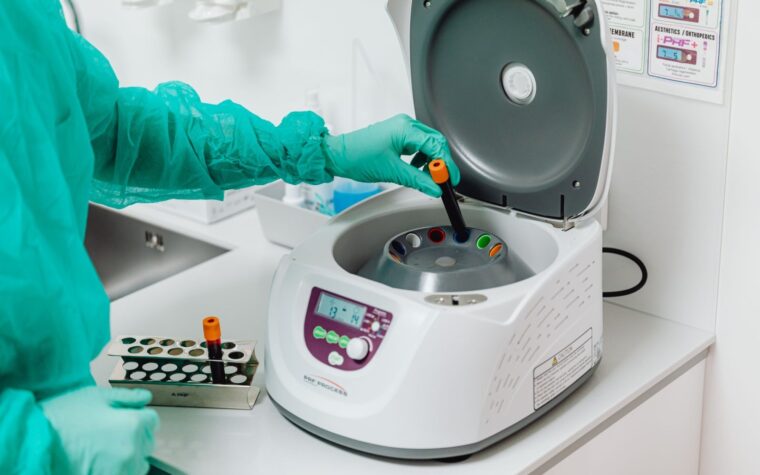
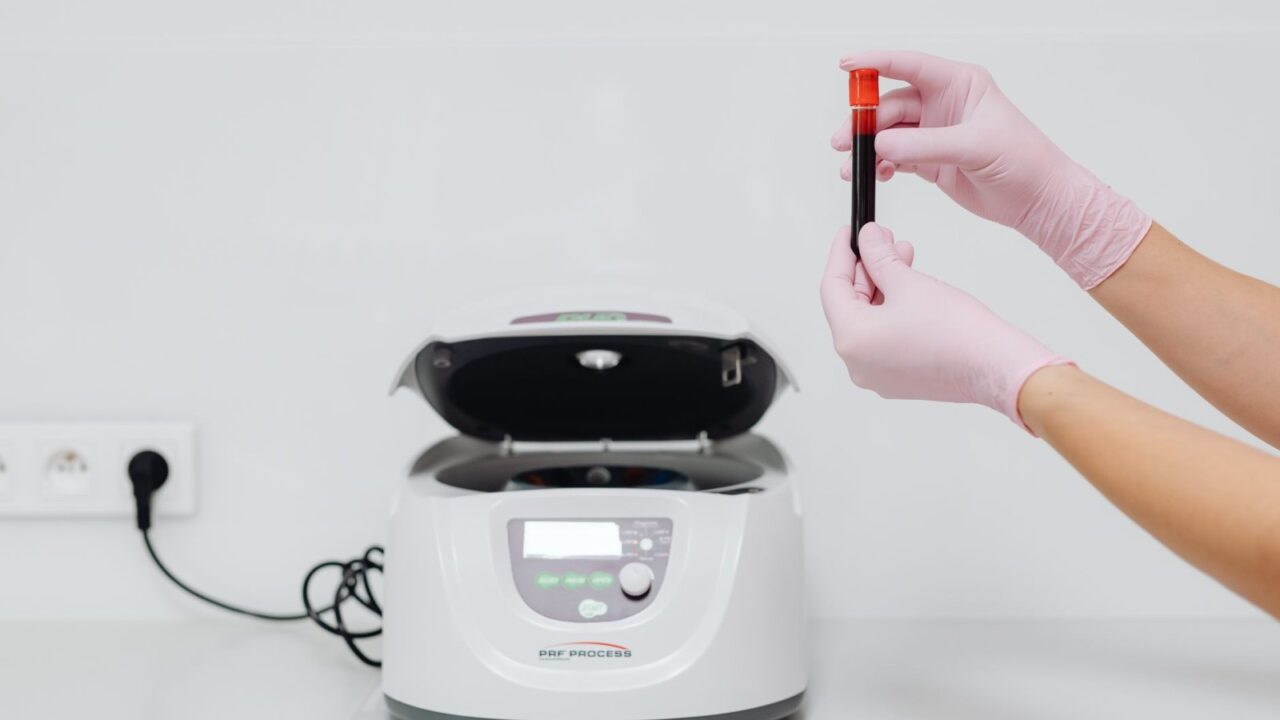
The test itself is a colorimetric assay. Blood drawn into a serum separator tube is centrifuged, and the clear serum is reacted with a dye (usually biuret reagent) that changes color in proportion to protein concentration. The machine reads absorbance at 540 nm and converts it to g/dL. The whole thing takes under two minutes on an autoanalyzer and costs the lab roughly a dollar to run, which is why it appears on nearly every complete blood panel ordered in the US.
The individual fractions are not measured directly here. To get albumin specifically, the lab runs a separate bromocresol green assay. Globulin is always a calculated value: total protein minus albumin. No machine ever measures globulin directly.
Grouping proteins this way is not arbitrary. Albumin behaves as a single, liver-made workhorse, so its level tracks synthetic capacity and nutrition. The globulin bucket, by contrast, is a mix of transport proteins and antibodies, so a rise there usually means the immune system is busy rather than the liver struggling. That is the whole logic behind reporting one blunt total and then splitting it. The total tells you something is off, and the split tells you which system to look at. It is why a clinician almost never acts on total protein in isolation and instead reads it as the opening line of a longer story that albumin, globulin, and the A/G ratio finish.
Total Protein Normal Range: What the Numbers Actually Mean
The simplest way to actually get this done
Superpower is a full-body lab membership that runs 100+ biomarkers, has each result reviewed by a doctor, and tracks your numbers year over year (about $199/year). It is what we point readers to when they would rather get one clean, complete draw than chase single tests one at a time. Here is superpower reviewed in full.
For adults, most US reference labs report a normal range of 6.3 to 8.2 g/dL, but Quest Diagnostics and Labcorp both publish 6.0 to 8.3 g/dL as their standard interval. The difference matters less than people think; what matters is whether your result is near the edges or well outside them.
| Population | Typical Reference Range (g/dL) | Notes |
|---|---|---|
| Adults (18 to 60) | 6.3 to 8.2 | Most common benchmark |
| Adults over 60 | 6.0 to 7.9 | Slight decline with age is normal |
| Children (2 to 17) | 6.0 to 8.0 | Varies by age subgroup |
| Infants (0 to 1 year) | 4.6 to 7.4 | Lower due to immature liver synthesis |
| Pregnancy (third trimester) | 5.5 to 7.5 | Hemodilution lowers all serum proteins |
One thing clinicians know that most patients do not: total protein is higher when you are dehydrated and lower when you are overhydrated. A reading of 8.5 g/dL in a patient who ran a marathon and skipped fluids is not the same problem as 8.5 g/dL in a well-hydrated person sitting in a clinic. Volume status is always part of interpreting the result.
Posture also matters more than most lab guides admit. Spending 30 minutes upright before a draw versus lying flat can shift total protein by 0.3 to 0.5 g/dL because fluid shifts out of the vasculature when you stand. Most routine draws are done seated, so this is usually consistent, but it is worth knowing if you are comparing results from a hospital inpatient draw (supine) to an outpatient one.
Albumin vs. Globulin: Why the Split Matters More Than the Total
Once a total protein result is flagged, the split between albumin and globulin carries the real diagnostic weight. Normal albumin is 3.5 to 5.0 g/dL. Normal calculated globulin runs about 2.0 to 3.5 g/dL. When the total is abnormal, you need to know which fraction drove it.
Albumin is the liver’s primary export protein and the main contributor to oncotic pressure, the force that keeps fluid inside blood vessels rather than leaking into tissue. It also transports hormones, fatty acids, bilirubin, and many drugs through the bloodstream. Because the liver synthesizes albumin continuously, a sustained drop in albumin is a reliable early signal of impaired liver synthetic function, which shows up before bilirubin rises or clotting times lengthen.
Globulins are more varied. Alpha and beta globulins are mostly transport and acute-phase proteins (haptoglobin, transferrin, complement). Gamma globulins are immunoglobulins. An isolated elevation in gamma globulins, called hypergammaglobulinemia, can signal chronic infection, autoimmune disease, or a plasma cell disorder like multiple myeloma. A low gamma globulin fraction, conversely, raises the question of immunodeficiency.
For a deeper look at what albumin alone signals, the albumin test page covers interpretation in more granular detail.
A/G Ratio Explained: How to Read It and Why It Exists
The albumin/globulin (A/G) ratio is albumin divided by globulin, and the normal range is 1.1 to 2.5. Historically, it was one of the only ways to separate liver disease from immune hyperactivity before protein electrophoresis became routine. It still earns its place on the basic metabolic panel because the direction of the abnormality is informative even without more sophisticated testing.
| A/G Ratio | Interpretation | Common Causes |
|---|---|---|
| Below 1.0 | Reversed or low | Cirrhosis, nephrotic syndrome, multiple myeloma, chronic inflammation, autoimmune hepatitis |
| 1.0 to 1.1 | Low-normal, watch | Early liver disease, chronic low-grade inflammation |
| 1.1 to 2.5 | Normal | Healthy or acute illness without major organ involvement |
| Above 2.5 | High | Hypogammaglobulinemia, steroid use, certain genetic conditions |
A reversed A/G ratio below 1.0 is clinically significant. It usually means globulins are high (immune system overdrive, monoclonal protein production) or albumin is low (liver not making enough, kidneys spilling it). That single number often launches a workup including serum protein electrophoresis (SPEP), urine protein, and liver function tests. A ratio above 2.5 is less common and less alarming but prompts checking for immunoglobulin deficiency.
Here is how this plays out in a real chart. A 62-year-old man has a routine CMP with total protein of 9.4 g/dL, which looks almost healthy at a glance. His albumin is a low-normal 3.6 and his calculated globulin is 5.8, giving an A/G ratio of 0.62. That reversed ratio, not the total, is the red flag. It sends him for serum protein electrophoresis, which shows a sharp monoclonal spike in the gamma region, and the workup ends in a diagnosis of multiple myeloma. Nobody caught it from symptoms. The math on a cheap, routine panel did. This is exactly why the A/G ratio still earns its place decades after fancier tests arrived.
High Total Protein: What Raises It and What to Do Next
High total protein, defined as above 8.2 to 8.3 g/dL depending on the lab, most often reflects dehydration rather than disease, and that is the first thing any clinician rules out. But sustained elevation in a well-hydrated patient deserves investigation.
Causes of high total protein
- Dehydration: The single most common cause. Proteins are not elevated in absolute terms; plasma volume is just contracted, concentrating everything.
- Chronic infections: HIV, hepatitis B and C, tuberculosis, and subacute bacterial endocarditis all drive prolonged immunoglobulin production, pushing globulins and therefore total protein upward.
- Autoimmune diseases: Lupus, rheumatoid arthritis, and Sjogren syndrome chronically stimulate antibody production. Total protein over 9 g/dL with a reversed A/G ratio in these patients is common.
- Multiple myeloma and Waldenstrom macroglobulinemia: Malignant plasma cells produce large quantities of a single immunoglobulin clone (M-protein). Total protein can reach 10 to 12 g/dL or higher. This is one of the few benign-looking lab values that can hide a serious hematologic malignancy.
- Sarcoidosis: Granulomatous disease that activates macrophages and drives polyclonal globulin production.
A total protein above 9 g/dL in a non-dehydrated, otherwise healthy-looking patient warrants SPEP to distinguish polyclonal (inflammatory) from monoclonal (myeloma-type) elevation. Do not wait for symptoms.
Low Total Protein: What Depletes It and When It Is Serious
Low total protein, below 6.0 g/dL, means the body is losing protein, not making enough, or both. Unlike high total protein, where dehydration is usually the explanation, low total protein in an otherwise healthy adult is more reliably pathological.
Causes of low total protein
- Liver disease: The liver synthesizes almost all albumin and many globulins. Cirrhosis, severe hepatitis, and acute liver failure all reduce synthetic output. The albumin fraction falls first.
- Malnutrition and malabsorption: Inadequate dietary protein from any cause, including celiac disease, Crohn’s disease, short bowel syndrome, or severe caloric restriction. Albumin falls within days to weeks of inadequate intake once visceral stores are exhausted.
- Nephrotic syndrome: The kidney’s filtration barrier is damaged, and albumin (small enough to pass) leaks into urine at rates that outpace hepatic synthesis. Total protein drops, but globulins may be normal or elevated as the liver compensates.
- Protein-losing enteropathy: Conditions like lymphoma, inflammatory bowel disease, or Menetrier disease cause protein to leak into the gut lumen and be lost in stool.
- Severe burns and trauma: Massive capillary leak and catabolic stress deplete serum proteins rapidly.
- Overhydration: IV fluid resuscitation dilutes all serum proteins. A post-resuscitation total protein of 5.5 g/dL is common and usually corrects as fluids redistribute.
Low albumin specifically (below 3.5 g/dL) is one of the strongest independent predictors of surgical complication risk, hospital readmission, and 30-day mortality in hospitalized patients. It is not just a number. Edema, ascites, and pleural effusions can all result from albumin dropping below 2.5 to 3.0 g/dL, because the oncotic pressure holding fluid in vessels is lost. Talk to a clinician about your results if albumin is below 3.5 g/dL.
Where the Total Protein Test Fits in a Standard Lab Panel
The total protein test almost never appears alone. It is one of 14 analytes on the comprehensive metabolic panel (CMP) and is also included in the liver function test (LFT) bundle. On a CMP result, you will typically see total protein and albumin listed side by side; the globulin and A/G ratio are calculated fields that some labs print and others omit, requiring you to compute them yourself.
The total protein slots into a broader liver assessment alongside ALT, AST, alkaline phosphatase, bilirubin, and prothrombin time. Each of these probes a different hepatic function: transaminases signal hepatocyte injury, bilirubin reflects conjugation and excretion, and total protein with albumin reflects synthetic capacity. Understanding the alkaline phosphatase test alongside total protein helps separate hepatocellular from cholestatic liver patterns.
If you are choosing which biomarkers to prioritize in a first-ever comprehensive draw, the best biomarkers to test guide puts total protein in context with the 30 or so markers that capture the widest cross-section of metabolic health. Anyone getting blood drawn for total protein alone is often better served by capturing a full baseline at once. Here is how a full-body panel compares.
What Should You Do After an Abnormal Total Protein Result?
A single flagged total protein is a starting point, not a verdict. The right response depends on which direction it moved and how far.
- Slightly high, otherwise well: Rehydrate and retest in a few weeks. If the second draw normalizes, dehydration was the cause and nothing more is needed.
- Persistently high above 9 g/dL: Ask specifically about serum protein electrophoresis. This is the test that separates a benign inflammatory pattern from a monoclonal spike, and it should not be skipped just because you feel fine.
- Low with low albumin: The workup splits toward the liver and kidneys. Expect liver enzymes, a urine protein check, and a nutrition review. Low albumin is meaningful on its own, not just as part of the total.
- Low with normal albumin: This points at globulin loss or simple dilution and is less common. Context, recent IV fluids, gut symptoms, or known bowel disease, usually explains it.
Whichever pattern you have, one draw rarely tells the whole story. Trends across two or three panels are far more informative than any single value, especially near the edges of the reference range. If a result is close to the boundary and you feel well, a repeat draw a few weeks later is often more useful than an immediate cascade of downstream tests. The exception is a clearly high total with a reversed A/G ratio, which should be worked up promptly rather than watched.
How Much Does a Total Protein Test Cost in 2026?
Ordered as a standalone test, total protein runs $15 to $45 cash pay at Quest or Labcorp through their direct-to-consumer portals. As part of a CMP, the panel costs $29 to $75 cash, making it effectively free as an add-on when you are already getting the metabolic panel. With insurance, the CMP is typically covered once per year as part of an annual wellness visit with a $0 to $30 copay depending on the plan.
| Ordering Context | Typical Cash Price | Notes |
|---|---|---|
| Standalone total protein, Quest/Labcorp direct | $15 to $45 | Rarely ordered alone; CMP is smarter value |
| Comprehensive Metabolic Panel (CMP) | $29 to $75 cash | Includes total protein, albumin, kidney, glucose, electrolytes |
| Liver Function Test bundle | $35 to $90 cash | Adds transaminases and bilirubin |
| CVS MinuteClinic or urgent care add-on | $40 to $80 | Often part of a “metabolic screen” package |
| HSA/FSA eligible | Yes | Lab tests qualify under IRS rules |
| Medicare Part B | Covered with medical necessity ICD-10 | Annual wellness visit covers CMP |
SPEP (serum protein electrophoresis), which is the next step if total protein is high and myeloma is a concern, costs $80 to $200 cash and is not included in a standard CMP. If a clinician orders SPEP based on your total protein result, that is a separate draw and billing event.
What to Expect During and After the Test
The total protein test requires a standard venous blood draw, usually from the antecubital fossa (inside of the elbow) or the back of the hand. The entire process takes under five minutes. You do not need to fast specifically for total protein, but if it is ordered as part of a CMP, fasting for 8 to 12 hours is required for the glucose and lipid components, so most providers bundle the fast anyway.
Results typically return within 24 to 72 hours through patient portals like MyQuest or MyLabCorp. Some hospital outpatient labs turn results around the same day. Seeing a flagged result before speaking to a clinician is common now that portals release results immediately, and it can be alarming. A single out-of-range total protein in isolation, especially slightly high, almost never requires emergency action. What matters is the pattern across the entire panel.
Certain medications and supplements shift total protein readings. Anabolic steroids raise albumin. High-dose corticosteroids suppress immunoglobulin production, raising the A/G ratio. Growth hormone therapy raises total protein. Phenytoin and some other anticonvulsants can lower albumin by competing for binding sites and altering distribution, not synthesis. Always note medications when submitting blood for testing.
FAQ
What is a total protein test used for?
A total protein test screens for abnormalities in liver synthetic function, kidney protein loss, nutritional status, and immune system overactivity. It is rarely diagnostic on its own but consistently triggers the right follow-up workup. Most clinicians use it as a broad-brush flag rather than a specific diagnosis tool.
What is the normal range for total protein?
For most US adults, normal total protein is 6.3 to 8.2 g/dL, though Quest and Labcorp use slightly wider ranges (6.0 to 8.3 g/dL). Values below 6.0 or above 8.5 in a hydrated adult merit investigation. Reference ranges are printed on every lab report, and your result should always be interpreted against your specific lab’s range.
What does a high total protein mean?
High total protein most commonly means dehydration, where concentrated plasma makes protein appear elevated without any actual increase. In a well-hydrated person, high total protein points to increased globulin production, seen in chronic infections, autoimmune diseases, multiple myeloma, and sarcoidosis. A level above 9 g/dL in a non-dehydrated adult warrants SPEP to look for an M-protein spike.
What does low total protein mean?
Low total protein signals that the body is not producing enough protein (liver disease, malnutrition) or is losing it faster than it can make it (nephrotic syndrome, protein-losing enteropathy). Overhydration from IV fluids also dilutes serum protein artificially. The specific fraction driving the low reading, albumin versus globulin, directs the follow-up workup.
What is a normal albumin/globulin ratio?
A normal A/G ratio is 1.1 to 2.5. A ratio below 1.0 is considered reversed and suggests either low albumin (liver disease, kidney loss) or high globulin (immune activation, myeloma). A ratio above 2.5 is less common and can reflect immunoglobulin deficiency or prolonged corticosteroid use. The direction of the abnormality guides the next test to order.
Do I need to fast for a total protein test?
Total protein itself does not require fasting, as meal timing does not meaningfully change protein levels. However, since total protein is nearly always ordered alongside a CMP or liver panel that includes fasting glucose and lipids, most providers instruct patients to fast for 8 to 12 hours before the draw. When in doubt, fast to ensure the entire panel is interpretable.
Can total protein be high with normal albumin?
Yes. The most common scenario is elevated globulins with normal albumin, which happens in chronic infections (HIV, hepatitis), autoimmune conditions, and plasma cell disorders. In these cases, total protein rises because the immune system is producing excess antibodies, not because the liver is over-synthesizing albumin. SPEP distinguishes polyclonal from monoclonal hyperglobulinemia.
Is the total protein test the same as a protein electrophoresis?
No. Total protein is a single combined measurement reported as one number. Protein electrophoresis (SPEP) separates serum proteins into five bands (albumin, alpha-1, alpha-2, beta, gamma) by electrical charge and provides a visual pattern. SPEP is the follow-up test when total protein or the A/G ratio suggests a monoclonal protein disorder like myeloma. They are related but not interchangeable.
How does kidney disease affect total protein?
In nephrotic syndrome, the glomerular filtration barrier fails and albumin leaks into urine. Because albumin is the largest single component of total protein, its loss pulls total protein below 6.0 g/dL. Simultaneously, the liver ramps up production of globulins (including fibrinogen and LDL-carrying proteins) as a compensatory response, which is why globulins may remain normal or even elevated even as total protein is low. The adiponectin test is a separate kidney-related metabolic marker worth considering alongside protein status in at-risk patients.
Can dehydration alone make total protein look abnormal?
Yes, and it is the single most common reason for a mildly high reading. When plasma volume contracts, every protein in the blood is concentrated, so the total climbs without any real change in production. This is why a clinician’s first move on a high total protein is to check hydration and, if the picture fits, simply rehydrate and repeat the draw. The reverse happens with overhydration from IV fluids, which dilutes proteins and can push the total artificially low.
How often should total protein be checked?
For a healthy adult, total protein is measured as part of the comprehensive metabolic panel at a routine annual physical, which is enough. If you have liver disease, kidney disease, a plasma cell disorder, or a chronic autoimmune condition, your clinician may recheck it every few months to watch the trend. There is no benefit to testing total protein in isolation more often than that, because its value comes from being read against the rest of the panel.
Does a normal total protein rule out liver or kidney disease?
No. Total protein can sit squarely in the normal range while albumin is low and globulin is compensatorily high, hiding the problem inside a normal-looking total. This is exactly why the split into albumin and globulin, and the A/G ratio, matters more than the headline number. A normal total protein is reassuring only when albumin and the ratio are also normal.
Can athletes or bodybuilders have naturally high total protein?
Mild elevations to 8.3 to 8.7 g/dL are occasionally seen in athletes with very high protein intake, though the effect is modest because the kidneys excrete most protein excess rather than allowing serum levels to rise indefinitely. More commonly, athletes appear to have high-normal albumin due to superior hydration and liver function. The bigger concern is that high-protein supplement use masks true globulin trends, so always contextualize the A/G ratio against dietary habits.