Quick answer: A phosphorus blood test (also called a phosphate blood test) measures the amount of inorganic phosphate dissolved in your serum, reported in milligrams per deciliter. The standard adult normal range is 2.5 to 4.5 mg/dL. Clinicians order it to evaluate kidney function, parathyroid hormone activity, bone metabolism, and unexplained fatigue, because phosphorus sits at the intersection of all four. Results outside the normal range almost always require follow-up with calcium, PTH, and vitamin D levels before any conclusion is drawn.
What does a phosphorus blood test actually measure?
The test measures inorganic phosphate (Pi) circulating in your blood plasma, not the total phosphorus stored in bones and soft tissue. That distinction matters more than most lab slips communicate. Roughly 85 percent of the body’s phosphorus is locked in bone as hydroxyapatite. The 1 percent floating in serum is what the test captures, and that tiny fraction is tightly regulated by three hormones: parathyroid hormone (PTH), fibroblast growth factor 23 (FGF-23), and calcitriol (active vitamin D). When those hormonal signals misfire, serum phosphorus shifts even if bone stores are adequate.
Phosphorus drives ATP synthesis, which is the energy currency of every cell. It is also the backbone of DNA and cell membranes. So low serum phosphorus does not just reflect a dietary gap; it can signal that cellular energy production is under stress. A complete blood panel almost never includes phosphorus by default, which is why it gets overlooked in routine checkups until something downstream breaks.
Phosphorus normal range: what the numbers mean by age and context
The simplest way to actually get this done
Superpower is a full-body lab membership that runs 100+ biomarkers, has each result reviewed by a doctor, and tracks your numbers year over year (about $199/year). It is what we point readers to when they would rather get one clean, complete draw than chase single tests one at a time. Here is superpower reviewed in full.
The reference range for serum phosphorus shifts considerably across life stages, which catches many patients off guard when they compare their result to a single posted range.
| Population | Normal Range (mg/dL) | Why It Differs |
|---|---|---|
| Adults (18 to 60) | 2.5 to 4.5 | Baseline renal excretion is stable |
| Adults over 60 | 2.3 to 4.1 | Declining GFR reduces excretion buffer |
| Children (ages 5 to 11) | 4.5 to 5.5 | Active bone mineralization pulls more phosphorus from serum |
| Adolescents (12 to 17) | 3.5 to 5.3 | Growth hormone amplifies renal reabsorption |
| Infants | 4.5 to 7.0 | Rapid skeletal development demands higher circulating levels |
A result of 4.2 mg/dL in a 45-year-old adult is unremarkable. The same value in a 70-year-old with stage 3 chronic kidney disease deserves closer scrutiny because impaired kidneys cannot excrete phosphorus efficiently, so even a mid-range value can be trending toward a clinically significant elevation.
Labs at Quest and Labcorp use slightly different instrumentation calibrations, which can produce results that differ by 0.1 to 0.2 mg/dL on the same sample. Always compare your result to the specific reference interval printed on your own lab report, not a number you found online.
Optimal versus normal: where in the range you want to sit
The 2.5 to 4.5 mg/dL range is a statistical reference, not a target for ideal health. Large observational studies in people with normal kidney function have found that phosphorus drifting toward the high end of normal, roughly 4.0 mg/dL and above, tracks with a modest increase in cardiovascular risk over time, even when the value is technically inside the reference interval. The likely reason is that persistently high-normal phosphorus nudges FGF-23 upward, and elevated FGF-23 is itself linked to vascular stiffness and left ventricular changes. This does not mean a single reading of 4.3 mg/dL is a problem. It means that if your phosphorus repeatedly sits at the top of the range while your kidney function is normal, it is worth looking at your diet, particularly phosphate additives in processed food, rather than dismissing it as fine.
On the low side, the bottom of the range down to about 2.5 mg/dL is generally healthy in an adult who feels well. The concern only begins when phosphorus keeps drifting below 2.5 and pairs with fatigue or muscle weakness. In other words, a mid-range result around 3.0 to 3.5 mg/dL is the comfortable zone for most healthy adults, and both edges of the reference range deserve a second look rather than an automatic pass.
High phosphorus (hyperphosphatemia): causes you should know
Elevated serum phosphorus above 4.5 mg/dL in adults is called hyperphosphatemia, and kidney disease is by far the most common cause in clinical practice. When the glomerular filtration rate drops below about 30 mL/min/1.73m2 (stage 3b to 4 CKD), the kidneys lose the capacity to filter phosphorus fast enough, and it accumulates in blood.
Beyond kidney disease, the main causes of high phosphorus include:
- Hypoparathyroidism: Low PTH means the kidneys reabsorb more phosphorus instead of excreting it. This often follows thyroid or parathyroid surgery.
- Vitamin D toxicity: Excess calcitriol increases intestinal phosphorus absorption. This is a real risk with high-dose supplementation (typically above 10,000 IU/day for extended periods).
- Rhabdomyolysis: Muscle cell breakdown floods the blood with intracellular phosphorus. Serum levels can spike dramatically within hours after severe crush injury, extreme exercise, or statin-induced myopathy.
- Tumor lysis syndrome: Rapid cancer cell death during chemotherapy releases massive intracellular phosphorus stores into circulation.
- Phosphate-containing laxatives or enemas: Sodium phosphate bowel prep products (like Fleet enemas) can cause acute hyperphosphatemia in older adults and people with reduced kidney function, sometimes severely enough to cause acute kidney injury.
- Acromegaly: Growth hormone excess increases renal tubular reabsorption of phosphorus.
A finding that trips up even experienced clinicians: hemolysis during blood draw. Red blood cell rupture (from a difficult venipuncture, a slow tube, or improper handling) releases intracellular phosphorus into the sample, producing a falsely elevated result. If your phosphorus comes back high and nothing else fits, ask whether the sample was hemolyzed before repeating the test.
Low phosphorus (hypophosphatemia): symptoms and what drives it
Hypophosphatemia, defined as serum phosphorus below 2.5 mg/dL, often develops silently until levels fall below 1.0 mg/dL, at which point symptoms become unmistakable. Mild-to-moderate deficiency tends to produce fatigue, muscle weakness, and bone pain that patients frequently attribute to stress or aging.
The most clinically underrecognized cause is refeeding syndrome. When a severely malnourished patient (think anorexia nervosa, prolonged fasting, or post-surgical patients restarted on nutrition) begins eating again, a surge of insulin drives phosphorus from blood into cells to fuel ATP synthesis. Serum phosphorus can crash within 12 to 72 hours, causing respiratory muscle weakness, cardiac arrhythmias, and hemolytic anemia. ICU teams watch for it; outpatient clinicians less so.
Other causes driving low phosphorus symptoms include:
- Hyperparathyroidism (primary or secondary): Elevated PTH tells kidneys to dump phosphorus into urine, which is the calcium-phosphorus balance axis in action. Calcium rises, phosphorus falls.
- Vitamin D deficiency: Without adequate calcitriol, intestinal phosphorus absorption drops. This is common enough in the US that it is a routine differential, especially in people who avoid sun exposure or have malabsorption.
- Celiac disease or Crohn’s disease: Any condition that damages the small intestine impairs phosphorus absorption, regardless of dietary intake.
- Alcoholism: A triple hit: poor dietary intake, intestinal malabsorption, and alcohol’s direct effect on renal phosphorus wasting.
- Antacid overuse: Aluminum and magnesium hydroxide antacids bind phosphorus in the gut, preventing absorption. People who take Maalox or Mylanta multiple times daily for years can develop meaningful phosphorus depletion.
- X-linked hypophosphatemia (XLH): A genetic condition where FGF-23 is constitutively overactive, causing relentless renal phosphorus wasting. Usually diagnosed in childhood but sometimes identified in adults who were told they just had "soft bones."
The calcium-phosphorus relationship: the ratio that matters more than either value alone
Calcium and phosphorus are biochemical opposites in one critical regulatory loop. When calcium goes up, PTH typically goes down, and phosphorus rises. When calcium falls, PTH goes up, pulling phosphorus down. The kidneys act as the referee, adjusting excretion of both minerals continuously.
The calcium-times-phosphorus product (Ca x P, in mg/dL) is what nephrologists actually use to assess cardiovascular risk in CKD. A product above 55 mg2/dL2 signals that calcium phosphate crystals are likely precipitating in soft tissues, arteries, and heart valves. That is why dialysis patients on phosphate binders are not just managing a lab number; they are reducing calcification of their coronary arteries.
In primary hyperparathyroidism, you will typically see high calcium and low-normal or low phosphorus together. In vitamin D deficiency with secondary hyperparathyroidism, you will see low calcium, low phosphorus, and elevated PTH simultaneously. Interpreting phosphorus without calcium is like reading only half of a two-factor equation.
Anyone testing phosphorus in isolation is missing context. If you are getting blood drawn anyway, it is often smarter to capture a full baseline at once. Here is how a full-body panel compares.
The albumin test is another marker worth pairing with phosphorus, since hypoalbuminemia affects the transport and interpretation of calcium, which in turn contextualizes any phosphorus finding.
When is a phosphorus blood test ordered?
A clinician orders a phosphorus blood test in several well-defined clinical scenarios, not as a general screening tool for otherwise healthy adults.
The most common indications include:
- Monitoring chronic kidney disease: Phosphorus is measured at every CKD staging visit because hyperphosphatemia is a modifiable risk factor for cardiovascular mortality in renal patients.
- Evaluating hypercalcemia or hypocalcemia: Phosphorus is part of the standard workup whenever calcium is abnormal. Calcium alone is uninterpretable without it.
- Investigating unexplained bone loss: Osteoporosis under age 50, stress fractures without a clear cause, or a DEXA scan worse than expected for age warrants a phosphorus level to rule out phosphate-wasting disorders.
- Suspected parathyroid disease: Both primary hyperparathyroidism (adenoma) and hypoparathyroidism (post-surgical or autoimmune) show characteristic phosphorus patterns.
- Assessing malnutrition or refeeding risk: Standard nutrition support protocols in hospitals include phosphorus monitoring every 24 to 48 hours when reintroducing feeding.
- Evaluating unexplained muscle weakness or fatigue: When a patient reports profound weakness and standard CBC and metabolic panel are unrevealing, phosphorus is on the differential list. Severe hypophosphatemia impairs the synthesis of 2,3-DPG in red blood cells, reducing oxygen delivery to muscles.
Routine annual physicals in healthy adults under 50 without metabolic risk factors do not typically include phosphorus. It is not among the best biomarkers to test for general wellness screening unless there is a specific clinical reason.
The fatigue connection most people miss
Phosphorus is the P in ATP, the molecule your cells burn for energy. When serum phosphorus runs low for weeks, cells cannot regenerate ATP efficiently, and the first symptom is usually a deep, physical tiredness that sleep does not fix. It is different from feeling sleepy. People describe it as their muscles being heavy or their legs giving out on stairs they used to climb easily. The link runs through red blood cells too. Low phosphorus reduces 2,3-DPG, the compound that helps hemoglobin release oxygen to tissue, so even with a normal hemoglobin count your muscles can be oxygen-starved. This is why a phosphorus level belongs on the workup for unexplained fatigue once the obvious suspects, thyroid, iron, and vitamin D, come back clean. It is not the first test to order, but it is a common blind spot when the standard panel looks normal and the patient still feels wiped out.
How the phosphorus blood test is performed and what can affect results
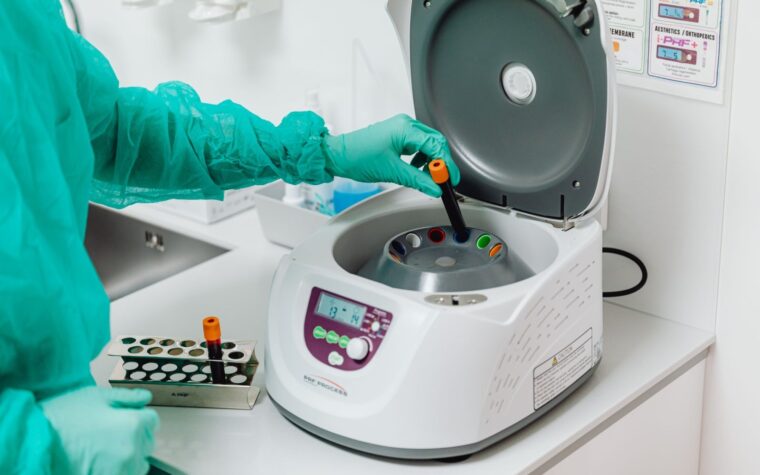
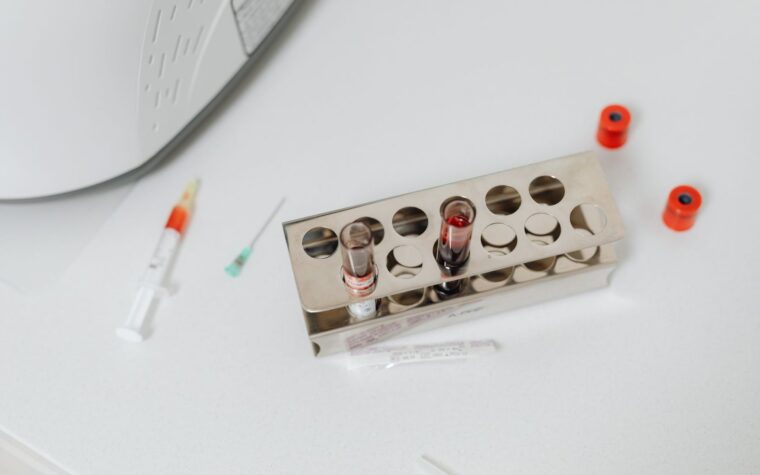
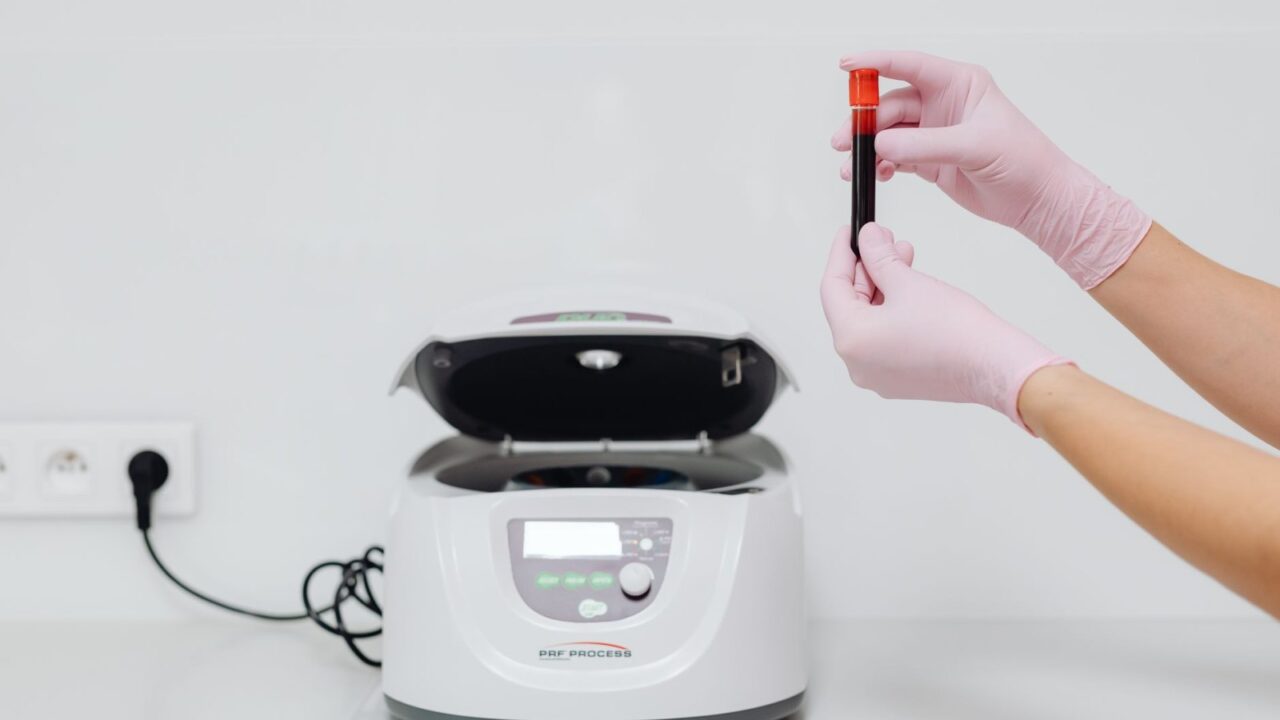
The test requires a standard venous blood draw, typically 3 to 5 mL into a serum separator tube (gold or red top) or an EDTA plasma tube depending on the lab’s protocol. No special preparation is universally required, but several factors meaningfully influence the result.
Fasting: Eating a phosphorus-rich meal (meat, dairy, legumes) within two hours of a blood draw can transiently raise serum phosphorus by 0.5 to 1.0 mg/dL. Most labs that measure phosphorus prefer a four-hour fast, though they may not specify it on the requisition. If your result is borderline high and you ate beforehand, a fasting repeat is reasonable before acting on it.
Time of day: Serum phosphorus follows a diurnal rhythm, peaking in the early morning and hitting a nadir around midday to early afternoon. The variation is typically 0.5 to 1.0 mg/dL across the day in healthy adults. Specimens drawn in the morning tend to run slightly higher.
Medications that raise phosphorus: Vitamin D supplements (especially high-dose), phosphate-containing laxatives, anabolic steroids, growth hormone, and heparin at high doses.
Medications that lower phosphorus: Insulin (drives phosphorus into cells acutely), antacids containing aluminum or magnesium hydroxide, diuretics (especially acetazolamide), and bisphosphonates used for osteoporosis.
Delayed sample processing is another real-world issue. Red blood cell glycolysis continues ex vivo, consuming phosphorus in the tube. If a sample sits uncentrifuged for more than two hours at room temperature, the phosphorus result can be falsely low. High-volume commercial labs with rapid processing (Quest, Labcorp) rarely have this problem, but a small office lab that batches draws might.
What a phosphorus test costs without insurance in 2026
A standalone serum phosphorus test ordered through Quest or Labcorp with direct-to-consumer pricing typically runs $18 to $45 cash pay. If your clinician orders it as part of a comprehensive metabolic panel (CMP), the CMP itself costs $25 to $75 out-of-pocket at most cash-pay labs, and phosphorus is not always included, so confirm beforehand.
CVS MinuteClinic and urgent care centers that draw lab work on-site usually charge a visit fee plus the test fee, which can push total cost to $80 to $180 depending on location. Hospital outpatient labs are nearly always the most expensive option for a simple serum test when paying cash, sometimes $120 to $300 for the same draw that costs $30 at a direct-to-consumer lab.
HSA and FSA accounts cover phosphorus testing when ordered by a clinician. Medicare Part B covers it when medically necessary, which for CKD patients means coverage at regular intervals without a meaningful cost-sharing burden. Without a covered diagnosis code, Medicare beneficiaries may owe the Part B 20 percent coinsurance on the lab fee.
The alkaline phosphatase test is a complementary bone and liver marker frequently ordered alongside phosphorus, and bundling both in a single draw saves time and sometimes money.
How to interpret your phosphorus result with your other labs
A phosphorus number by itself tells you surprisingly little. Here is how clinicians actually read it in context:
| Pattern | What It Suggests | Next Step |
|---|---|---|
| High phosphorus + high creatinine + low GFR | Chronic kidney disease with impaired excretion | Nephrology referral, dietary phosphorus counseling |
| High phosphorus + low calcium + low PTH | Hypoparathyroidism | Endocrinology evaluation, check magnesium |
| High phosphorus + normal calcium + normal kidney function | Vitamin D toxicity, hemolyzed sample, acromegaly | Repeat fasting; check 25-OH vitamin D, IGF-1 |
| Low phosphorus + high calcium + low PTH | Primary hyperparathyroidism | Parathyroid ultrasound, 24-hour urine calcium |
| Low phosphorus + low vitamin D + high PTH | Vitamin D deficiency with secondary hyperparathyroidism | Vitamin D repletion, recheck in 8 to 12 weeks |
| Low phosphorus + normal calcium + no obvious cause | Renal phosphate wasting (FGF-23 excess, XLH, oncogenic osteomalacia) | Spot urine phosphorus-to-creatinine ratio, FGF-23 level |
Talk to a clinician about your specific results, especially if phosphorus is low or high alongside an abnormal calcium or creatinine. The combination patterns above are starting frameworks, not diagnoses.
A realistic scenario: the antacid habit nobody flagged
Picture a 58-year-old who has taken an aluminum-based antacid several times a day for years to manage reflux. She comes in reporting bone aches and creeping muscle weakness that her doctor initially chalks up to age. Her calcium and CBC are normal, so nothing jumps out. A phosphorus level, added almost as an afterthought, comes back at 1.9 mg/dL. The antacid had been binding dietary phosphorus in her gut the entire time, quietly depleting her over years. The fix was not a prescription, it was stopping the antacid and switching to a different reflux strategy, after which her phosphorus normalized over the following weeks and the bone aches faded. The lesson is that low phosphorus is often a medication story or a gut-absorption story, and it stays invisible until someone specifically orders the test.
For people building a comprehensive metabolic picture, pairing phosphorus with markers like the adiponectin test can reveal intersecting metabolic dysfunction, since adiponectin influences insulin sensitivity and indirectly affects phosphorus distribution across tissues.
FAQ
What is a phosphate blood test versus a phosphorus blood test?
They are the same test with two names. Phosphorus and phosphate are often used interchangeably in lab reports because inorganic phosphate (HPO4 2- and H2PO4-) is what actually circulates in blood and what the assay measures. The reported number is expressed as elemental phosphorus in mg/dL, even though chemically what you are measuring is phosphate ions. Your lab report may say "phosphorus" or "phosphate" depending on the lab’s convention, but the normal range and clinical interpretation are identical.
Can diet alone cause high phosphorus on a blood test?
In a person with healthy kidneys, diet alone rarely causes persistent hyperphosphatemia because the kidneys have enormous reserve capacity to excrete phosphorus. A single high-phosphorus meal can transiently raise serum phosphorus by up to 1 mg/dL for one to two hours. The scenario where diet becomes a real driver is in stage 4 to 5 CKD, where excretion is so impaired that even moderate dietary phosphorus intake accumulates. In that context, processed foods with phosphate-salt additives (a common preservative in packaged meats, sodas, and fast food) are a clinically meaningful source because inorganic phosphate from additives is absorbed nearly completely, unlike organic phosphorus from whole foods which is absorbed at 40 to 60 percent.
What symptoms suggest I should ask for a phosphorus blood test?
Persistent muscle weakness without a clear cause, bone pain or stress fractures, unexplained fatigue that does not improve with rest, or known kidney disease are the strongest indicators. In people with CKD, itching and joint pain can also reflect phosphorus accumulation in soft tissues. If you have been diagnosed with hyperparathyroidism, malabsorption (celiac, Crohn’s), or had parathyroid or thyroid surgery, a phosphorus level should already be part of your routine monitoring. Do not wait for dramatic symptoms; by the time phosphorus falls below 1.0 mg/dL, patients are usually already in a medical facility.
Does vitamin D affect phosphorus levels?
Yes, significantly in both directions. Vitamin D deficiency leads to reduced intestinal phosphorus absorption and, via secondary hyperparathyroidism, increased renal phosphorus wasting, so levels tend to be low. Vitamin D excess (toxicity from aggressive supplementation) increases intestinal phosphorus absorption and can cause hyperphosphatemia, especially in people with reduced kidney reserve. The sweet spot for 25-OH vitamin D in terms of phosphorus homeostasis is roughly 30 to 60 ng/mL. Supplementing above that threshold without lab monitoring is where problems begin.
How is high phosphorus treated in kidney disease?
The standard approach combines three strategies: dietary phosphorus restriction (targeting 800 to 1,000 mg/day, which requires reading labels carefully since phosphate additives are not always disclosed quantitatively), phosphate binders taken with meals to block intestinal absorption (calcium carbonate, sevelamer, lanthanum carbonate, and iron-based binders are the main options), and dialysis optimization in late-stage CKD. Cinacalcet and newer calcimimetics reduce PTH-driven phosphorus reabsorption in secondary hyperparathyroidism. The target for most CKD patients managed by nephrology is serum phosphorus in the 3.5 to 5.5 mg/dL range, somewhat higher than the healthy adult normal, because aggressive lowering in dialysis patients has not consistently improved outcomes in trials.
Can low phosphorus cause anxiety or cognitive problems?
Severe hypophosphatemia below 1.0 mg/dL can cause neurological symptoms including irritability, confusion, numbness, and in extreme cases seizures or coma, because ATP depletion impairs neuronal function globally. Mild to moderate hypophosphatemia (1.5 to 2.4 mg/dL) is less clearly linked to anxiety or cognitive symptoms as an isolated cause. If you have both low phosphorus and neurological or mood symptoms, the phosphorus is likely one piece of a larger metabolic puzzle that includes vitamin D, magnesium, and thyroid status. Attributing anxiety to low phosphorus without ruling out those other contributors is premature.
What is the calcium-phosphorus product and why does it matter?
The calcium-phosphorus product is simply your serum calcium (mg/dL) multiplied by your serum phosphorus (mg/dL). A product above 55 mg2/dL2 is associated with increased risk of calcium phosphate precipitation in soft tissues, vascular walls, and cardiac valves, a process called calciphylaxis in its most severe form. This metric is primarily used in nephrology for CKD and dialysis patients. For healthy adults with normal kidney function, the product rarely reaches concerning levels even if one value is mildly elevated. Nephrologists typically aim to keep the product below 55 in CKD stage 4 and 5 patients.
Should I fast before a phosphorus blood test?
A four-hour fast is ideal even though many requisitions do not require it. Phosphorus can rise transiently after a meal high in dairy, meat, or legumes, so a non-fasting draw can push a borderline result over the line. If you are testing phosphorus alongside a lipid panel or glucose, you will be fasting anyway. If phosphorus is the only test, aim for morning and skip breakfast, since phosphorus also runs slightly higher in the early morning due to its natural daily rhythm.
Can exercise change my phosphorus result?
Yes, temporarily. Intense or prolonged exercise can shift phosphorus in either direction depending on timing. Very strenuous exertion can release phosphorus from muscle cells and briefly raise it, while the recovery phase can pull phosphorus back into cells and lower it. Extreme cases, such as rhabdomyolysis after crushing overexertion, spike phosphorus sharply. For a clean baseline, avoid a hard workout in the hours before your draw. Normal daily activity does not meaningfully affect the number.
Is phosphorus tested on a standard metabolic panel?
No. The basic metabolic panel (BMP) covers sodium, potassium, chloride, bicarbonate, glucose, BUN, creatinine, and calcium. The comprehensive metabolic panel (CMP) adds liver enzymes, albumin, and total protein but still omits phosphorus. You have to specifically request it, or your clinician has to add it as a standalone test. This is one reason phosphorus abnormalities persist undetected in people with mild CKD or subclinical hyperparathyroidism for years: it is simply not on the standard order set. If you are building a thorough metabolic baseline, it is worth asking your clinician to add it explicitly.