Quick answer: The omega-3 index test measures the amount of EPA (eicosapentaenoic acid) and DHA (docosahexaenoic acid) in your red blood cell membranes, expressed as a percentage of total fatty acids. A result above 8 percent is considered optimal for cardiovascular and brain health. Most Americans score between 4 and 6 percent, a range associated with meaningfully higher cardiovascular risk. The test requires a standard blood draw and costs roughly $50 to $150 as a standalone order.
What Is the Omega-3 Index, and Why Does It Differ from a Fish Oil Supplement Label?
The omega-3 index is a measure of how much EPA and DHA has actually been incorporated into your cell membranes, not just how much you consumed last week. That distinction matters. A supplement label tells you what you swallowed. The omega-3 index tells you what your body retained and built into its architecture.
Red blood cells turn over roughly every 120 days, so the index reflects your average omega-3 status over the preceding three to four months. This makes it a much more stable and clinically meaningful number than a serum fatty acid panel drawn the morning after you took a fish oil capsule. Researchers at OmegaQuant Analytics, the lab that pioneered this assay and holds a trademark on the specific calculation, describe the omega-3 index as a long-term biomarker comparable to hemoglobin A1c for glucose.
You will sometimes see this confused with total omega-3 levels or with the omega-3 to omega-6 ratio. Those are related but different calculations. The omega-3 index is specifically EPA plus DHA in red blood cell membranes, divided by all fatty acids present, multiplied by 100 to express the result as a percentage. Alpha-linolenic acid (ALA), the plant-derived omega-3 from flaxseed and walnuts, is not counted because humans convert very little ALA to EPA or DHA.
For a broader picture of what your cardiovascular risk markers look like together, see our guide to the best biomarkers to test for proactive health screening.
What Is the Omega-3 Index Normal Range and Optimal Target?
Most clinical researchers now use a three-tier classification based on cardiovascular risk association:
| Category | Omega-3 Index Value | Risk Interpretation |
|---|---|---|
| Optimal (low risk) | Above 8% | Associated with lowest cardiac event risk in population studies |
| Intermediate | 4% to 8% | Moderate risk; supplementation is typically warranted |
| Deficient (high risk) | Below 4% | Highest risk quartile; aggressive dietary and supplement intervention indicated |
The 8 percent threshold is not arbitrary. Multiple large observational datasets, including the MESA (Multi-Ethnic Study of Atherosclerosis) cohort and the analysis supporting the REDUCE-IT trial design, consistently identified the highest-risk quartile as those below roughly 4 percent, and the lowest-risk as those above 8 percent. The average American adult tests around 4 to 5 percent. The average Japanese adult, whose diet is rich in fatty fish, tests around 9 to 11 percent, and Japanese cardiovascular mortality rates are among the lowest in the world. That parallel is not proof of causation, but it is a strong signal.
The optimal omega-3 index for brain health may be somewhat different from the cardiac threshold. Observational data on cognitive decline and depression link higher EPA and DHA incorporation to better outcomes, with some researchers suggesting a target above 10 percent for neurological benefit. Until randomized trial data nail down a separate brain-specific target, 8 percent remains the practical goal.
Children and pregnant women are special cases. DHA is critical for fetal brain and retinal development. Pregnant women are commonly found to be deficient, and their index values deserve particular attention. Postpartum depletion is also real, since DHA transfers preferentially to the fetus and through breast milk.
How the Omega-3 Index Test Is Done
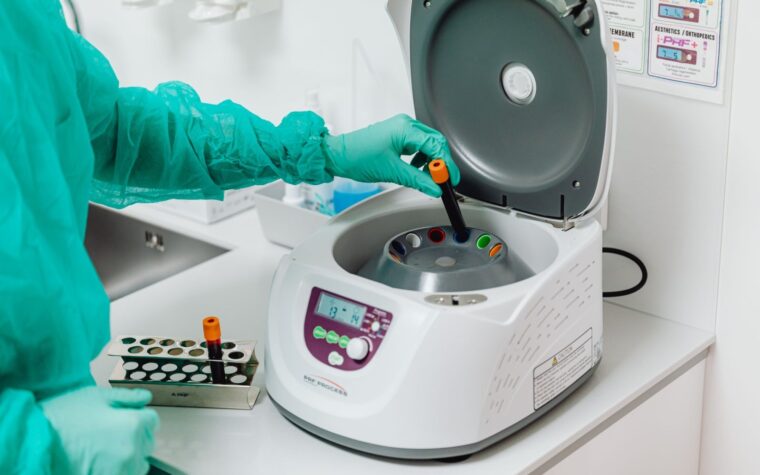
The omega-3 index test uses a standard venous blood draw or, in some consumer lab kits, a fingerstick dried blood spot card. The red blood cells are isolated, their membranes are lysed, and the extracted fatty acids are analyzed by gas chromatography. The result typically comes back within three to five business days.
A few procedural notes that most ordering clinicians miss:
- Fasting is not required. Unlike triglycerides or fasting glucose, the omega-3 index reflects three to four months of incorporation, not the last meal. You can draw it any time of day.
- Timing of supplements matters less than you think. Taking a fish oil capsule the morning of your draw will not meaningfully change your result. The assay reads the cell membrane, not serum levels. However, if you have been completely off fish oil for only a week, the index will already be slightly different from your peak supplemented level, since membranes begin to shed excess EPA and DHA quickly.
- Storage and transport affect accuracy. Dried blood spot cards are more stable for mailing than serum tubes. If you are ordering a consumer mail-in kit, OmegaQuant and a few other CLIA-certified labs use the dried blood spot method specifically to reduce degradation in transit.
- Not all labs measure the same thing. Some panels labeled “omega-3” measure serum fatty acids, not red blood cell fatty acids. Serum levels are much more volatile, swinging with recent meals. Ask your lab or ordering service which compartment they are measuring.
The omega-3 index can be ordered as a standalone test through Quest Diagnostics, Labcorp, OmegaQuant directly, or as part of a comprehensive panel. Adding it to a complete blood panel draw is one of the more efficient ways to run it since you are already getting stuck.
What Does a Low Omega-3 Index Mean for Your Health?
A low omega-3 index, generally defined as below 4 to 6 percent, is associated with higher risk of sudden cardiac death, coronary artery disease, and triglyceride elevation. The mechanisms are reasonably well understood: EPA and DHA in cell membranes reduce platelet aggregation, lower circulating triglycerides, modulate inflammatory signaling (especially prostaglandin and leukotriene pathways), and influence cardiac ion channel function in ways that reduce arrhythmia risk.
Cardiologist William Harris, one of the scientists who developed the omega-3 index concept, has published research suggesting the risk gradient for sudden cardiac death between the lowest and highest omega-3 index quartiles is comparable to the risk gradient between smokers and nonsmokers. That framing is useful: it contextualizes the magnitude of effect, even if observational data cannot establish direct causation.
Brain health associations are also substantial. DHA is the dominant polyunsaturated fatty acid in the cerebral cortex. Population studies link low DHA status to higher rates of depression, increased risk of dementia, and faster cognitive decline in older adults. The VITACOG trial, which used B vitamins to lower homocysteine, found that the omega-3 status of participants at baseline strongly moderated whether the intervention worked for brain volume protection, meaning low omega-3 participants got little benefit even from effective homocysteine treatment.
Inflammation is a secondary pathway. Omega-6 fatty acids, particularly arachidonic acid, compete with EPA and DHA at the same enzymatic sites. When the omega-3 to omega-6 ratio skews heavily toward omega-6 (as it does in diets heavy in seed oils and processed food), the balance of inflammatory signaling tips toward pro-inflammatory eicosanoids. The omega-3 index is a downstream readout of that balance in your cell membranes.
The Omega-3 to Omega-6 Ratio: How It Connects to Your Index
The omega-3 to omega-6 ratio and the omega-3 index measure overlapping but distinct things. The ratio compares total omega-3 fatty acids (including ALA) to total omega-6 fatty acids (including linoleic acid from vegetable oils and arachidonic acid from meat). The omega-3 index focuses only on EPA and DHA in the specific tissue compartment of red blood cell membranes.
Ancestral diets are estimated to have had an omega-6 to omega-3 ratio of roughly 4:1 to 1:1. Modern Western diets typically run 15:1 to 20:1, driven mainly by the explosion of linoleic acid-rich soybean and corn oils in processed food since the 1950s. A high omega-6 to omega-3 ratio does not automatically mean your omega-3 index will be low (it depends on how much EPA and DHA you consume separately), but the two tend to move together in typical American diets.
Some labs report an omega-3 index alongside an AA/EPA ratio (arachidonic acid to EPA), which is a more direct measure of the competitive balance at the enzyme level. The AA/EPA ratio is common in Japanese research and in longevity medicine contexts. A ratio below 2.5 is considered favorable; most Americans run around 5 to 20. If your panel reports both, track both.
Inflammatory biomarkers like hs-CRP often correlate with low omega-3 index values, though they are measuring different physiological events. Including an adiponectin test alongside an omega-3 index gives you a complementary view of both the anti-inflammatory and the metabolic dimensions of cardiovascular risk.
How to Raise Your Omega-3 Index: What Actually Works
Raising your omega-3 index is straightforward in principle but slower than most people expect. Because the index reflects red blood cell incorporation over 120 days, meaningful improvement takes at least three months of consistent intervention. Here is what the data support:
Dietary sources
Fatty fish provide the most efficient dietary path. A three-ounce serving of wild Atlantic salmon delivers roughly 1,500 to 2,000 mg of combined EPA and DHA. Sardines, mackerel, anchovies, and herring are similar or higher per ounce and substantially cheaper. Farmed Atlantic salmon is also high, though the exact EPA/DHA content varies with feed composition. Tuna (especially bluefin) is good but lower per serving than the oily small fish. Two to three servings of fatty fish per week can realistically move an index from 4 to 6 percent over several months.
Supplements
- Standard fish oil: A dose of 1,000 to 2,000 mg EPA plus DHA daily (not 1,000 mg of fish oil, which may contain only 300 mg combined EPA/DHA) raises the omega-3 index by roughly 1 to 2 percentage points over three months.
- Prescription omega-3 (icosapentaenoic acid ethyl ester or omega-3-acid ethyl esters): Products like Vascepa (icosapentaenoic acid only, 4 g/day) or Lovaza (EPA plus DHA, 4 g/day) are dosed to reduce triglycerides in clinical settings. At these doses they raise the omega-3 index substantially faster, though they require a physician prescription and are most common in patients with severe hypertriglyceridemia.
- Krill oil: Phospholipid-bound EPA and DHA in krill oil absorbs somewhat better per milligram than ethyl ester fish oil in some studies, but the total dose per softgel is typically lower. Cost per gram of EPA/DHA is higher than standard fish oil.
- Algae-based omega-3: For vegetarians and vegans, algal oil is the only practical source of preformed DHA and EPA. It is effective but more expensive than fish oil on a per-gram basis.
Form of fish oil matters
Triglyceride-form fish oil absorbs roughly 70 percent better than ethyl ester form when taken without a fatty meal. If you take fish oil capsules without food, absorption drops significantly. A useful practical rule: take fish oil with the largest meal of the day, which usually contains enough fat to maximize absorption regardless of form.
Retest timing
Retest your omega-3 index no sooner than three months after a meaningful dietary or supplemental change. Testing at six months gives a more complete picture of your new steady-state incorporation. Most people who are serious about hitting the 8 percent target find they need 2 to 4 grams of EPA plus DHA per day from food and supplements combined, not the 500 to 1,000 mg commonly suggested on consumer labels.
The simplest way to actually get this done
Superpower is a full-body lab membership that runs 100+ biomarkers, has each result reviewed by a doctor, and tracks your numbers year over year (about $199/year). It is what we point readers to when they would rather get one clean, complete draw than chase single tests one at a time. Here is superpower blood test reviewed in full.
Omega-3 Index Test Cost: What to Expect in 2026
The omega-3 index test cost depends heavily on how you order it:
| Ordering Channel | Typical Cash Price | Notes |
|---|---|---|
| OmegaQuant direct (mail-in kit) | $55 to $95 | Dried blood spot, includes kit and shipping; most convenient for consumer use |
| Quest Diagnostics (physician order or direct access) | $80 to $150 | Venous draw at patient service center; price varies by state and draw fee |
| Labcorp | $70 to $130 | Similar structure; direct-access availability varies by state |
| Comprehensive panel membership (Superpower, etc.) | Bundled; roughly $1.50 to $3 of the membership cost | Most cost-effective if you are running 80 to 100+ biomarkers at once |
| Functional medicine physician order | $100 to $200 including interpretation | May include consult fee; insurance coverage is rare without cardiac indication |
Insurance rarely covers the omega-3 index as a standalone preventive test. It is not on standard Medicare Part B lab coverage. However, the test is generally HSA/FSA-eligible since it qualifies as a diagnostic test related to a medical condition. Keep your itemized receipt if you plan to submit for reimbursement. For patients with established cardiovascular disease, a physician may be able to order it under a medical necessity code with better insurance traction, but this is not guaranteed.
If you are ordering individual specialty tests like this one plus homocysteine, hs-CRP, and fasting insulin, the individual costs add up quickly. A comprehensive lab membership that bundles specialty markers alongside a standard complete blood panel often works out cheaper on a per-biomarker basis, and you get physician review of every result rather than interpreting them in isolation.
An albumin test and an alkaline phosphatase test are typically included in a standard metabolic panel and cost nothing extra when drawn with a comprehensive workup, so adding the omega-3 index to that bundle is a natural efficiency.
Who Should Get an Omega-3 Index Test
The omega-3 index test is most useful for four groups of people. First, anyone with established or emerging cardiovascular risk: elevated LDL-P, high triglycerides, family history of early heart disease, or a history of atrial fibrillation. Second, anyone managing depression, cognitive decline concerns, or a neurological condition where DHA status is plausibly therapeutic. Third, pregnant women and women planning pregnancy, where DHA status directly affects fetal development. Fourth, anyone who eats little or no fish and wonders whether their flaxseed and walnuts are actually raising their EPA and DHA (the answer is usually no, because ALA conversion efficiency is very low).
It is also a useful test for quantifying the effect of a supplementation strategy. If you have been taking fish oil for six months and want to know whether your dose is adequate, an omega-3 index is the only objective way to answer that question. Supplement label claims cannot tell you whether you are actually hitting 8 percent.
People who reliably eat fatty fish three or more times per week and whose cardiovascular risk is otherwise low have less urgent need for the test, though even habitual fish eaters sometimes test lower than expected if their fish is predominantly lower-EPA species (tilapia, cod) or if their absorption is impaired.
For a broad view of which biomarkers belong in a proactive health baseline, our rundown of the best biomarkers to test covers the omega-3 index alongside lipid subfractions, metabolic markers, and inflammation panels.
FAQ
What is the omega-3 index?
The omega-3 index is the percentage of EPA and DHA in your red blood cell membranes out of all fatty acids present. It was developed as a more stable and clinically meaningful measure of omega-3 status than serum levels, because red blood cell incorporation reflects your average status over three to four months rather than what you ate in the last 24 hours. Values above 8 percent are considered optimal for cardiovascular health.
What is the optimal omega-3 index?
Most clinical researchers and preventive cardiologists target above 8 percent as the optimal omega-3 index for lowest cardiovascular risk. Some longevity medicine practitioners aim for 10 to 12 percent, citing population data from high-fish-consumption countries. Below 4 percent is considered high risk, and most American adults without supplementation fall between 4 and 6 percent.
How do I raise my omega-3 index quickly?
The fastest way to raise your omega-3 index is to combine dietary fatty fish (two to four servings per week of salmon, sardines, mackerel, or herring) with a supplement providing at least 2 grams of combined EPA and DHA daily, taken with a fatty meal for maximum absorption. Even with aggressive intervention, meaningful index changes take at least three months. Retest at three to six months to assess your response, because individual absorption and metabolism vary considerably.
Is the omega-3 index the same as an omega-3 blood test?
Not necessarily. “Omega-3 blood test” is an informal term that could refer to serum fatty acid levels (volatile, reflects recent meals) or the red blood cell membrane test (the true omega-3 index, more stable). Always confirm with your lab whether they are measuring serum or red blood cell fatty acids. Consumer kits from OmegaQuant measure red blood cells and report the validated omega-3 index specifically.
Does the omega-3 to omega-6 ratio matter, or just the omega-3 index?
Both matter, but they measure different things. The omega-3 index tells you how much EPA and DHA your cells have actually incorporated. The omega-3 to omega-6 ratio (or its inverse, the AA/EPA ratio) tells you about competitive balance at inflammatory signaling sites. A person could theoretically have a decent omega-3 index but still have an unfavorably high AA/EPA ratio if their diet is very high in arachidonic acid from processed meat. For a complete picture of fatty acid status, running both is informative.
Can I improve my omega-3 index without fish?
Yes, but it is harder. ALA from flaxseed, chia, and walnuts converts to EPA at roughly 5 to 15 percent efficiency and to DHA at under 5 percent efficiency in most adults. Algal oil supplements provide preformed DHA and some EPA without fish and are the standard recommendation for vegetarians and vegans. A consistent algal oil supplement providing 1 to 2 grams DHA plus EPA daily can raise the omega-3 index, though it tends to raise DHA more than EPA. Talk to a clinician about your results and optimal dosing if you are managing a cardiovascular or neurological condition.
How often should I retest my omega-3 index?
If you are actively trying to raise your index with supplementation or dietary changes, retest at three to six months to confirm you are hitting your target. Once you reach above 8 percent, annual testing is reasonable to confirm you are maintaining it, especially if your diet or supplement routine changes. There is no benefit to testing more frequently than every three months, since the red blood cell turnover window means the result will not meaningfully reflect changes made in the last several weeks.
Does Medicare cover the omega-3 index test?
Standard Medicare Part B does not cover the omega-3 index as a routine preventive test. Patients with established cardiovascular disease and a documented clinical rationale may find their cardiologist can order it with better insurance traction, but reimbursement is not guaranteed. HSA and FSA funds can generally be used for the test. The out-of-pocket cost for a direct-access consumer kit runs $55 to $95, making it affordable without insurance for most people who want the information.
What other biomarkers should I run alongside an omega-3 index?
The most clinically useful companions to the omega-3 index are hs-CRP (to see the inflammatory state the index influences), a full lipid panel including triglycerides (which EPA and DHA directly affect), homocysteine (another cardiovascular risk marker that interacts with omega-3 status in brain health research), and fasting insulin or HOMA-IR (metabolic context). Running these together as part of a comprehensive panel review gives you the full cardiovascular and metabolic picture rather than a single data point.