
A 10-minute walk after meals helps blood sugar, but do you know your actual glucose and A1C numbers? One at-home Superpower draw checks 100+ biomarkers, physician-reviewed.
- You can lower blood sugar by walking for 10 to 15 minutes after meals, building toward the 150 minutes of weekly activity the American Diabetes Association recommends, because contracting muscles pull glucose out of your blood without needing insulin.
- Eating more fiber (at least 35 grams a day from whole grains, legumes, and vegetables) and cutting refined carbohydrates lowers A1C and fasting blood sugar within weeks, according to peer-reviewed meta-analyses.
- If your fasting blood sugar stays at or above 126 mg/dL, or your A1C reaches 6.5% or higher, you likely need medication such as metformin, which lowers A1C by about 1 to 1.5 percentage points, alongside diet and exercise.
High blood sugar is one of the most common reasons people land in a doctor’s office worried about diabetes. The good news is that the daily habits that move your numbers are well studied, specific, and within your control. This guide walks through what counts as high, why it matters, and the evidence-based steps that actually lower glucose, from the next walk you take to the medications a clinician may prescribe.
What counts as high blood sugar?
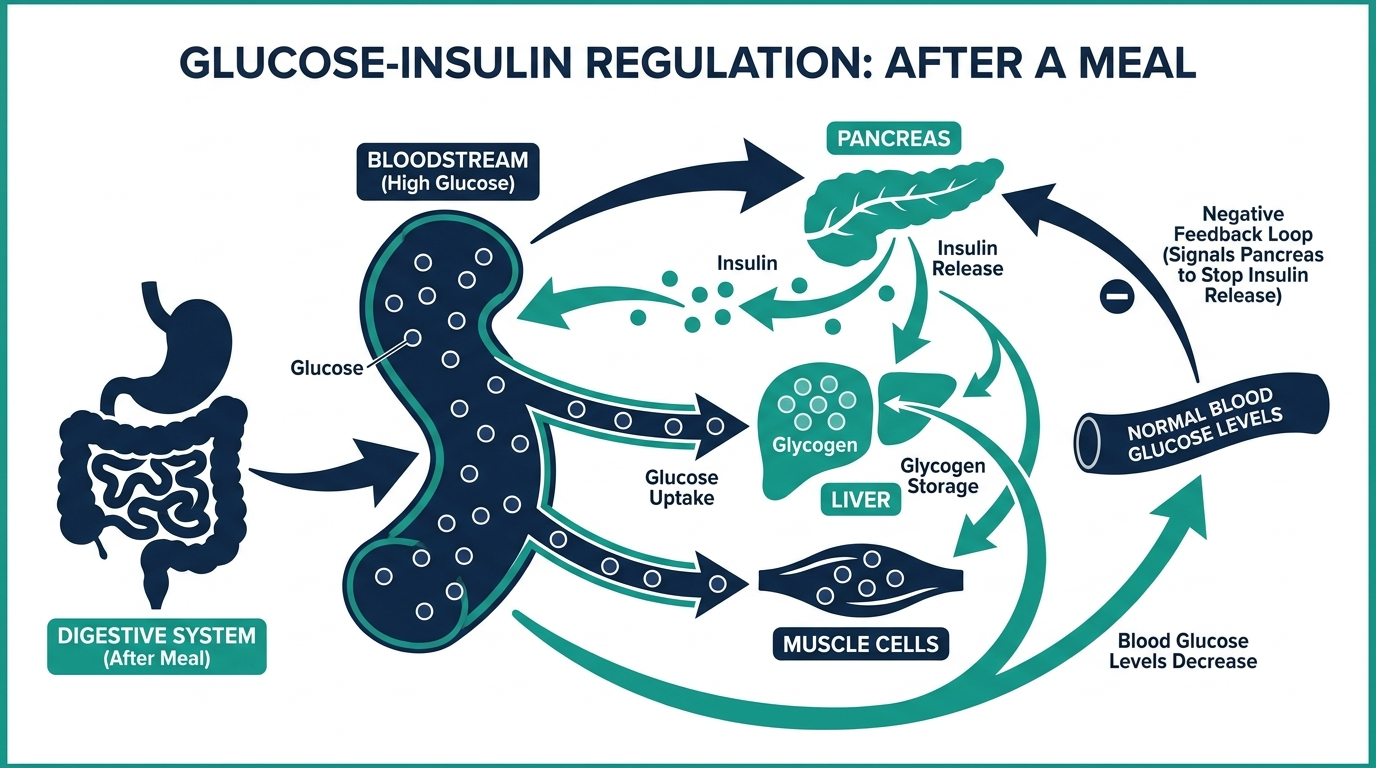
High blood sugar (hyperglycemia) generally means a fasting glucose above 125 mg/dL, according to Cleveland Clinic. After eating, a reading above 180 mg/dL one to two hours later is considered high for someone with diabetes. These thresholds are how clinicians decide whether your numbers need attention.
Here is how standard fasting ranges break down:
- Normal: 70 to 99 mg/dL fasting.
- Prediabetes: 100 to 125 mg/dL fasting.
- Diabetes: 126 mg/dL or higher on more than one test, which usually confirms diabetes.
A1C, a blood test that reflects your average glucose over roughly three months, is the other key measure. An A1C of 5.7% to 6.4% signals prediabetes, and 6.5% or higher signals diabetes. Knowing which category you fall into tells you how aggressively to act and whether lifestyle changes alone are likely to be enough.
It helps to separate the diagnostic cutoffs from what many clinicians consider optimal. The 126 mg/dL fasting line and the 6.5% A1C line are where a diabetes diagnosis begins, but they are not the point where risk starts. Fasting glucose in the low-to-mid 90s and an A1C in the low 5% range are where metabolic risk tends to be lowest in population data. A fasting reading of 105 mg/dL is not a diagnosis, yet it sits inside the prediabetes band and is worth acting on early, while the changes are still easy to make.
Two other tests fill in the picture. A random, non-fasting glucose of 200 mg/dL or higher, paired with symptoms, can confirm diabetes on its own. An oral glucose tolerance test, where blood is drawn two hours after a measured 75-gram glucose drink, flags diabetes at 200 mg/dL or higher and prediabetes at 140 to 199 mg/dL. This test catches people whose fasting numbers look fine but who clear a sugar load slowly, a common early pattern.
One caution: reference ranges differ slightly between labs, and units matter. Most United States labs report glucose in mg/dL, while much of the world uses mmol/L, where 100 mg/dL is about 5.6 mmol/L. Always read your result against the range printed on your own report, and remember that a single number is a snapshot. Clinicians confirm a diagnosis on repeat testing, not on one surprising value.
Why lower it?
Lowering blood sugar matters because chronically high glucose damages blood vessels and nerves, raising the risk of heart disease, kidney failure, vision loss, and nerve damage over time. StatPearls (NCBI) notes that sustained hyperglycemia is the central driver of these long-term diabetes complications.
The damage is gradual, which is what makes high blood sugar deceptive. Many people feel fine at a fasting glucose of 130 or 140 mg/dL, so they do nothing. Yet every year spent above target quietly stresses the small blood vessels in your eyes, kidneys, and feet. Bringing numbers down, even partway, reduces that cumulative load. Studies of glucose control consistently show that lower A1C tracks with fewer complications, which is why clinicians treat the trend, not just a single scary reading.
The simplest way to actually get this done
Superpower is a full-body lab membership that runs 100+ biomarkers, has each result reviewed by a doctor, and tracks your numbers year over year (about $199/year). It is what we point readers to when they would rather get one clean, complete draw than chase single tests one at a time. Here is superpower reviewed in full.
What pushes blood sugar up in the first place?
Lowering a number is easier when you know what is raising it. High blood sugar is rarely about one candy bar. It is usually insulin resistance building quietly over years, where your cells stop responding well to insulin and your pancreas has to push out more and more to keep glucose in range. Eventually it cannot keep up, and fasting numbers drift upward.
Several everyday factors feed that process:
- Refined carbohydrates and sugary drinks: foods that digest fast flood your bloodstream with glucose and demand large insulin surges, which over time blunts the response.
- Inactivity: muscle is your largest glucose sink, and unused muscle takes up far less sugar. Long sitting stretches raise both glucose and insulin.
- Excess visceral fat: fat stored around the organs is metabolically active and drives insulin resistance more than fat sitting under the skin.
- Short or broken sleep: even a few nights of poor sleep measurably reduce insulin sensitivity, so glucose runs higher the next morning.
- Chronic stress: cortisol and adrenaline are counter-regulatory hormones that raise glucose on purpose, useful in a crisis but harmful when stress never switches off.
- Certain medications: corticosteroids like prednisone, some diuretics, and a few antipsychotics can raise blood sugar. If a new prescription lines up with rising numbers, ask your prescriber.
- Illness and infection: when your body fights an infection, stress hormones spike glucose, which is why numbers often jump when you are sick.
The dawn phenomenon deserves its own mention. In the early morning your body releases hormones to wake you up, and those hormones nudge glucose higher, so many people see their highest fasting reading of the day at dawn even without eating. That is normal physiology, not a sign you did something wrong.
What can throw off your reading?
A blood sugar number is only as good as the conditions you measured it under. Before you react to a result, rule out the common distortions:
- Not truly fasting: a fasting glucose needs 8 or more hours without food. Coffee with sugar, juice, or even a mint can lift the number.
- Time of day: the dawn phenomenon means a 7 a.m. reading can be higher than a 10 a.m. one, so compare like with like.
- Recent exercise: hard exercise can briefly raise glucose through stress hormones, then lower it for hours afterward.
- Illness or stress: a cold, a bad night, or a stressful morning can each push a reading up several points.
- Finger-stick technique: sugar or lotion on your fingers inflates home meter readings, so wash and dry your hands first. Home meters also carry a margin of error of up to about 15% compared with a lab draw.
- Dehydration: low fluid volume concentrates the blood and can nudge glucose upward.
None of this means you should dismiss a high number. It means one reading is a data point, not a verdict. A pattern of high fasting readings across several mornings, or a lab A1C, is far more reliable than a single meter check.
Evidence-based ways to lower blood sugar
The most effective approach combines diet, movement, and, when needed, medication. Lifestyle changes alone can lower A1C by roughly 0.3 to 0.9 percentage points, and structured exercise above 150 minutes per week produces the larger end of that range, per the American Diabetes Association position statement. Here is what works, in order of how quickly you can start.
Diet
Changing what and how you eat is the fastest lever most people have. A low-carbohydrate dietary pattern significantly reduced A1C in 16 of 21 controlled studies, and higher-fiber eating lowers A1C, fasting insulin, and cholesterol compared with low-fiber diets, according to meta-analyses indexed on PMC (NCBI). Practical moves:
- Fill half your plate with non-starchy vegetables: they add fiber and volume with little glucose impact.
- Aim for at least 35 grams of fiber daily: whole grains, beans, lentils, and vegetables, which slow how fast sugar enters your blood.
- Cut refined carbohydrates and sugary drinks: white bread, soda, and juice spike glucose the hardest.
- Pair carbs with protein or fat: this blunts the post-meal rise.
Two more levers are worth knowing. The order you eat matters: starting a meal with vegetables and protein before the starch produces a lower glucose rise than eating the carbohydrate first, because the fiber and protein slow how fast the stomach empties. And a small amount of vinegar or a vinegar-based dressing alongside a carbohydrate meal tends to flatten the post-meal rise for some people. Neither replaces the basics, but both are free and low-risk to try.
Portion size is the quiet variable. Even whole-grain carbohydrates raise glucose if the serving is large, so a fist-sized portion of starch is a practical ceiling for most meals. Swapping one sugary drink a day for water or unsweetened tea is often the single highest-yield change a person can make, because liquid sugar reaches the bloodstream faster than almost any solid food.
Lifestyle and movement
Physical activity is the most reliable same-day way to lower glucose. The ADA recommends at least 150 minutes of moderate activity per week spread over at least three days, and exercise can lower blood glucose for up to 24 hours afterward by improving insulin sensitivity, per diabetes.org (ADA). When you contract your muscles, they pull glucose directly from your bloodstream without needing insulin. Beyond formal exercise, the ADA advises breaking up sitting with a few minutes of standing or walking every 30 minutes. Adding two to three short resistance sessions a week, even with bands or body weight, improves A1C by about 0.57% on its own. A 10 to 15 minute walk after each meal is one of the simplest high-yield habits you can adopt.
Movement is not the whole lifestyle picture. Sleep and stress pull real weight. Consistently sleeping fewer than six hours raises insulin resistance, so protecting seven to nine hours is a genuine glucose intervention, not a soft suggestion. Managing chronic stress matters for the same reason: cortisol raises glucose, so practices that lower stress, whether that is walking, breathing work, or simply fewer late nights, show up in your numbers.
Two more factors round it out. Losing even 5 to 10% of your body weight can meaningfully improve insulin sensitivity and lower fasting glucose, and you do not have to reach an ideal weight to benefit. Alcohol is a mixed bag: sweet mixed drinks spike glucose and heavy drinking disrupts the liver’s glucose control, so keeping alcohol modest supports steadier numbers.
Medical options
When diet and movement are not enough, medication is added. Metformin, the standard first-line drug, lowers A1C by about 1 to 1.5 percentage points at therapeutic doses, and a GLP-1 medication such as semaglutide can lower A1C by up to 1.6% and cut fasting blood sugar by 41 to 44 mg/dL, according to data summarized on PMC (NCBI). Medication does not replace lifestyle change; the two work together, and most clinicians keep diet and exercise central even after a prescription begins. Which drug is right depends on your A1C, weight, kidney function, and other conditions, so this is a conversation to have with your clinician rather than a self-directed choice.
How blood sugar connects to your other numbers
Glucose does not sit alone. It travels with a cluster of markers that together describe your metabolic health, and reading them as a group tells you far more than any single value. High fasting glucose often shows up alongside high triglycerides, low HDL cholesterol, rising blood pressure, and an expanding waistline. When three or more of these appear together, clinicians call it metabolic syndrome, and it sharply raises the risk of type 2 diabetes and heart disease.
Fasting insulin is the marker most people never see but arguably the earliest warning. Insulin can run high for years, holding glucose in a normal range, before the pancreas finally falls behind and fasting glucose climbs. A normal glucose paired with a high fasting insulin is early insulin resistance in plain sight, which is why a fuller panel catches problems a single glucose test misses. Liver enzymes like ALT can also drift up as fat accumulates in the liver, a frequent companion to insulin resistance. If you only ever check one glucose number, you are watching the last domino to fall rather than the first.
How fast can it change?
Blood sugar can drop within hours through movement, but A1C takes about three months to fully reflect changes, because it averages glucose over the lifespan of your red blood cells. A single brisk walk can lower glucose noticeably the same day, while the ADA notes the insulin-sensitizing effect can last up to 24 hours.
That two-speed reality matters for expectations. If you start eating better and walking after meals today, your home glucose readings may improve within days to weeks. But your A1C will not show the full benefit at a recheck before roughly three months, so most clinicians retest A1C at that interval. Do not get discouraged by a flat A1C at week six; the daily readings are the early signal that you are on the right track.
A realistic timeline looks like this. Say you start walking 15 minutes after dinner and cut your daily soda. Within a week or two, your morning home readings may fall by 10 to 20 mg/dL, and your energy after meals often improves before any lab confirms progress. At the three-month mark, your A1C finally reflects the new average, and that is the number your clinician uses to decide whether lifestyle changes are holding or whether medication should join them. Most people retest A1C every three months while actively making changes, then every six months once numbers are stable.
When do you need medication or a doctor?
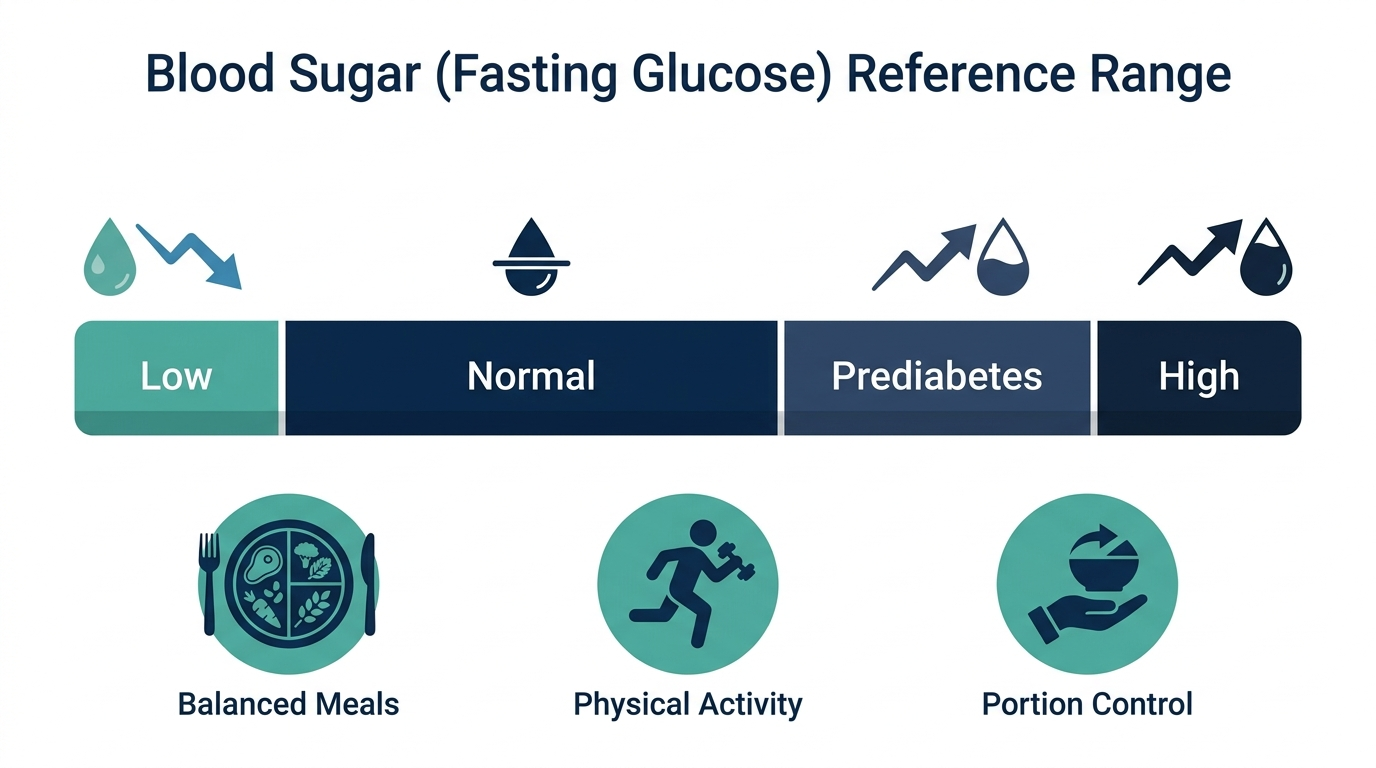
See a doctor promptly if your fasting blood sugar is repeatedly 126 mg/dL or higher, your A1C is 6.5% or above, or you have symptoms like excessive thirst, frequent urination, or blurred vision, the diagnostic thresholds defined by Cleveland Clinic. These signal that glucose is high enough to warrant evaluation and likely treatment.
Seek urgent care if a reading climbs above 250 to 300 mg/dL with nausea, vomiting, confusion, or fruity-smelling breath, which can indicate a dangerous complication called diabetic ketoacidosis. Short of an emergency, you still benefit from a clinician’s input whenever lifestyle changes are not moving your numbers, when you are pregnant, or when you have heart or kidney disease that changes which treatments are safe. A doctor can order the right tests, set a personal target, and choose a medication if needed. Self-management is powerful, but it works best alongside professional guidance.
Don’t just read about your health, track it.
A single result is a snapshot. Superpower re-tests 100+ markers over time so you can watch them move as you change sleep, food, and training.
Frequently asked questions
What is the fastest way to lower blood sugar naturally?
Moving your body is the fastest natural method. A brisk 10 to 15 minute walk after a meal pulls glucose into working muscles and can lower a reading the same hour. Drinking water and avoiding more carbohydrates also helps while you wait for activity to take effect.
Can drinking water lower blood sugar?
Water does not directly lower glucose, but staying hydrated helps your kidneys flush excess sugar through urine and prevents dehydration, which can concentrate blood sugar. Choose water over sugary drinks, since soda and juice raise glucose quickly.
How long does it take to lower A1C?
A1C reflects roughly three months of average glucose, so it takes about that long to fully show improvement. Daily home readings improve much sooner, often within days to weeks of changing diet and activity. Most clinicians recheck A1C at three months.
What foods lower blood sugar quickly?
No food lowers blood sugar instantly, but high-fiber, low-glycemic foods like non-starchy vegetables, beans, and nuts blunt glucose rises after meals. Pairing carbohydrates with protein or healthy fat slows absorption and produces a flatter, lower post-meal reading.
Is metformin enough to control blood sugar?
Metformin lowers A1C by about 1 to 1.5 percentage points and is often enough in early type 2 diabetes. If A1C stays above target, clinicians add a second drug such as a GLP-1 medication. Diet and exercise remain essential alongside any medication.
Does stress raise blood sugar?
Yes. Stress hormones like cortisol and adrenaline tell the liver to release stored glucose, so a stressful day or a poor night of sleep can raise your reading even if you ate the same food. Ongoing stress keeps glucose elevated, which is why stress management is part of real blood sugar control, not an afterthought.
What is a normal blood sugar level after eating?
For someone without diabetes, glucose usually peaks below 140 mg/dL one to two hours after a meal and drifts back toward baseline within a few hours. For a person with diabetes, staying under 180 mg/dL at the one to two hour mark is a common target. A reading that stays high long after eating points toward insulin resistance.
Can poor sleep raise blood sugar?
It can. Even a few nights of short or broken sleep reduce insulin sensitivity, so your body needs more insulin to handle the same food and glucose runs higher the next morning. Protecting seven to nine hours of sleep is a legitimate way to steady your numbers.
Sources
- Cleveland Clinic, Hyperglycemia (High Blood Sugar)
- Cleveland Clinic, Fasting Blood Sugar
- StatPearls (NCBI), Hyperglycemia
- American Diabetes Association, Physical Activity/Exercise and Diabetes Position Statement (PMC)
- American Diabetes Association, Understanding Blood Glucose and Exercise
- PMC (NCBI), Higher-fiber diets for diabetes management meta-analyses
- PMC (NCBI), Once-Weekly Semaglutide Reduces HbA1c and Body Weight
This article is for general educational purposes and is not medical advice. It cannot diagnose or treat you and does not replace your clinician. Always discuss your lab results and any health decisions with a qualified healthcare professional.
Related reading
Related: which GLP-1 telehealth service fits you.
Vital Signs Today may earn a commission if you buy through links on this page. It does not affect our editorial assessments.