Quick answer: Yes, Function Health results are accurate in the same sense that any CLIA-certified commercial lab is accurate. Function Health routes your blood draws through established reference laboratories, most commonly Quest Diagnostics, which runs the same analytical platforms used by hospital systems across the country. The test itself is not the weak link. Accuracy questions arise at the interpretation layer, the reference range chosen, the timing of your draw, and whether anyone with clinical context reviews your numbers before you act on them.
Which Lab Actually Runs Your Function Health Tests?
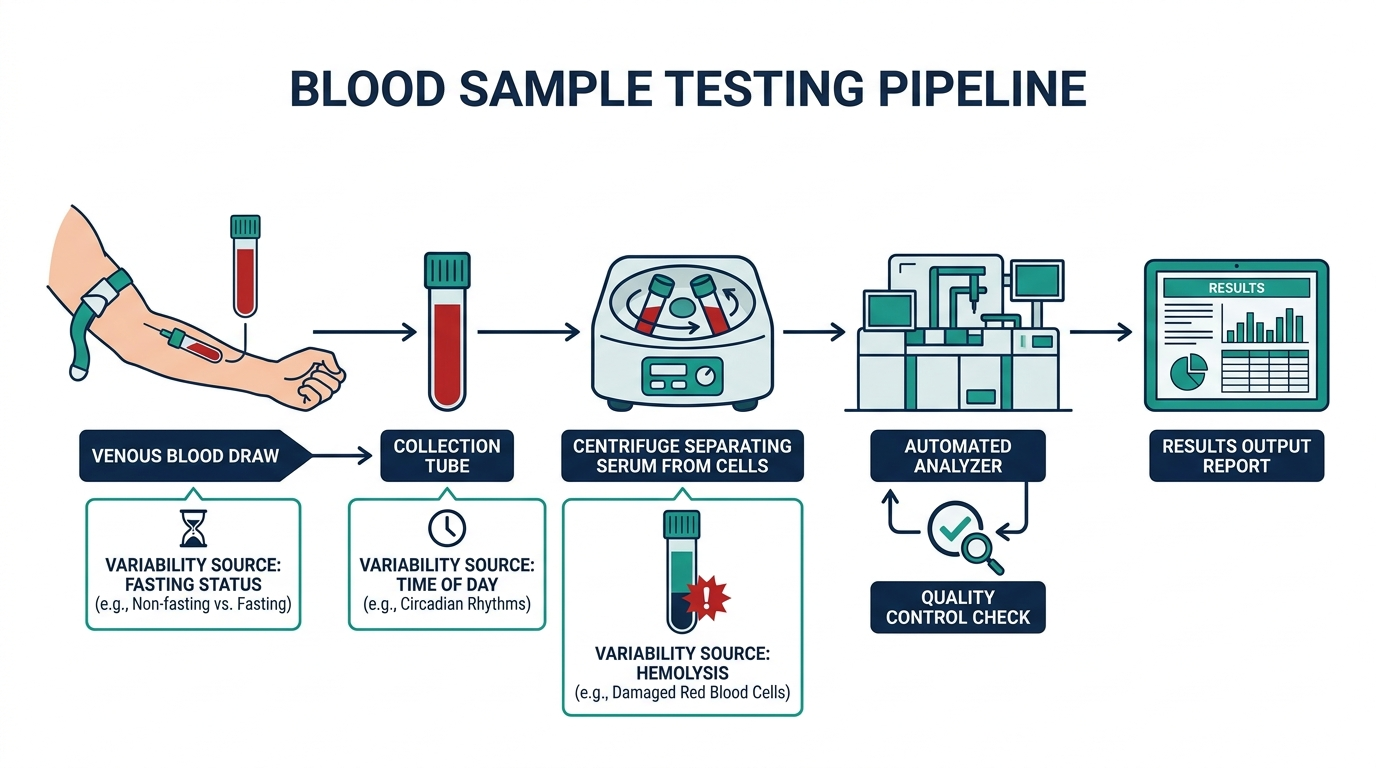
Function Health does not run its own laboratory. Your blood is processed primarily by Quest Diagnostics, one of the two largest reference labs in the United States, alongside some draws processed through regional CLIA-certified partners depending on your location. Quest holds CLIA certification and CAP (College of American Pathologists) accreditation, the gold standard for clinical chemistry. The analytical equipment Quest uses, platforms like the Abbott Alinity or Beckman Coulter AU series, is the same hardware your primary care doctor’s office orders from.
Function routes your draw through the same labs hospitals use, so the real question is which panel to run through them. One at-home Superpower draw checks 100+ biomarkers, physician-reviewed.
What Function Health adds on top is a collection logistics layer, a digital interface, and a proprietary set of reference ranges and trend visualizations. The lab science itself is not proprietary. If you pulled your Function Health results and ordered the identical panel through Quest directly, the same machine in the same facility would produce the same numbers. For a full breakdown of what you are paying for beyond the lab work, see our function health cost breakdown.

What Does CLIA Certification Actually Guarantee?
CLIA (Clinical Laboratory Improvement Amendments) sets federal performance standards for every lab that tests human specimens in the US. A CLIA certificate means the lab has passed proficiency testing, internal quality control, personnel standards, and facility inspections. It is the legal minimum to report results that influence clinical decisions.
CAP accreditation goes further. CAP sends blind proficiency samples, conducts unannounced on-site inspections, and requires documented corrective action for any failed QC event. Quest holds both. So when you ask whether are Function Health results accurate, the CLIA layer answers: yes, within the allowable analytical error range that applies to every clinical lab in the country.
That allowable error range varies by analyte. For glucose, CLIA requires accuracy within plus or minus 10 percent of true value, or plus or minus 6 mg/dL, whichever is greater. For thyroid-stimulating hormone (TSH), it requires accuracy within three standard deviations of peer group mean. These are not razor-thin tolerances. A TSH of 2.1 from Quest could be reported as 1.8 to 2.4 at another CLIA-certified lab using a different immunoassay platform and it would still pass CLIA standards. This is not a Function Health problem. It is an industry reality.
Where Function Health Accuracy Actually Gets Complicated
The analytical step is tight. The interpretation layer is where things get messier, and it is important to understand the difference.
Reference Ranges and Population Context
Function Health uses a mix of conventional lab reference ranges and what they call “optimal” ranges, which are narrower than typical lab normals. For example, a standard lab might flag fasting glucose only above 100 mg/dL. Function Health may flag the same value as a yellow warning. Neither range is wrong. They are measuring different things: one is “not pathological,” the other is “ideal for longevity.” If you compare a Function Health result flagged yellow to the same value on a Quest printout that shows no flag, you have not found an accuracy problem. You have found a range difference.
This confusion is behind a meaningful share of function health bad reviews and function health complaints online. People see their cholesterol flagged as concerning by Function Health, get the same draw confirmed by their doctor who says everything is fine, and conclude Function Health is inaccurate. What they experienced was a reference range disagreement, not a measurement error.
Pre-Analytic Variables Are the Real Wild Card
Lab scientists call everything that happens before the sample hits the analyzer “pre-analytic.” This is where the majority of erroneous lab results originate in clinical practice, roughly 60 to 70 percent by most estimates in the literature. Function Health, like every direct-to-consumer lab service, cannot fully control pre-analytic variables.
- Fasting status: Triglycerides and glucose swing substantially with food. A non-fasting draw can show triglycerides 20 to 50 mg/dL higher than fasted. Function Health recommends fasting for most panels but cannot verify it.
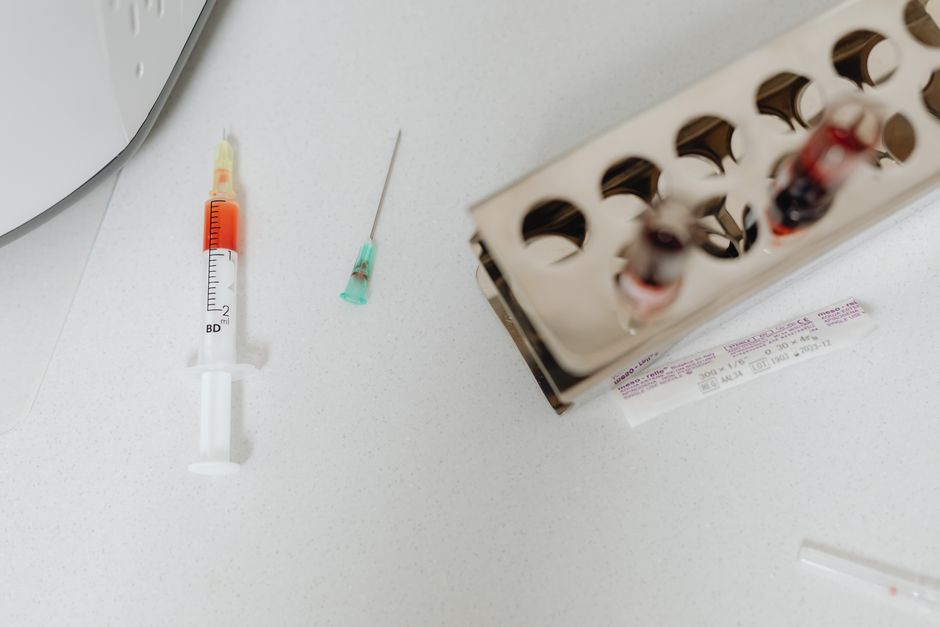
- Hemolysis: If the phlebotomist has trouble with the vein and the sample hemolyzes, potassium and LDH will read falsely elevated. Quest will often flag a hemolyzed sample for recollection, but mild hemolysis sometimes slips through.
- Draw timing: Cortisol must be drawn between 7 and 9 AM to be interpretable. DHEA-S, growth hormone surrogates, and sex hormones all have diurnal or cycle-dependent variation. If your draw was at noon, a “low” cortisol is expected physiology, not disease.
- Transport and temperature: Some analytes degrade quickly. Catecholamines, ACTH, and certain coagulation factors need cold-chain handling. A phlebotomy center that leaves tubes on a countertop for an hour introduces drift.
None of this is unique to Function Health. These same caveats apply to any blood draw at Quest, Labcorp, or your PCP’s in-house lab. But because Function Health users often draw at third-party phlebotomy centers or mobile services, and because they are testing biomarkers (hormones, nutrients, inflammation markers) that are more sensitive to pre-analytic handling than basic chemistry panels, the pre-analytic layer deserves more attention here than it does for a simple lipid panel.
Function Health vs. Quest Labcorp: Is There a Difference in the Same Test?
In direct comparisons on standard chemistry panels, results from Function Health and a side-by-side Quest draw ordered by a doctor should be virtually identical, often within a few percent, because they likely use the same analyzer at the same facility. Users who have run parallel tests report this consistently.
Where you can see numeric differences across labs is when the test methodology changes. TSH measured by one immunoassay platform versus another can differ by 15 to 20 percent for the same sample. Free T4 shows even more inter-assay variability. Testosterone assays notoriously vary between labs, a problem the Endocrine Society has documented at length. If you have been tracking your testosterone on Labcorp’s LC-MS/MS platform and you switch to a platform using immunoassay, expect a numerical shift that does not represent a biological change.
This is why clinicians recommend staying on the same platform for longitudinal monitoring, one genuine advantage of services like Function Health that promise consistent lab routing over time. See also our full function health review for a broader assessment of the platform.
Can Function Health Give False Results?
False positives and false negatives happen in every clinical lab. The relevant questions are how often and in what circumstances.
Biotin Interference Is Real
High-dose biotin supplementation (5,000 mcg and above, common in hair/nail supplements) interferes with many immunoassay-based thyroid and hormone tests by blocking the streptavidin-biotin binding step used in the assay. The result is a falsely suppressed TSH, falsely elevated free T4, and falsely low troponin on some platforms. The FDA has issued multiple safety communications on this. If you take high-dose biotin, stop it 72 hours before your draw. Function Health should prompt this. If they do not, the result you get back for TSH is unreliable regardless of how good the lab is.
Heterophile Antibodies
About 0.5 to 1 percent of the population has heterophile antibodies that interfere with immunoassay-based tests for hormones and tumor markers. This can produce falsely elevated PSA, hCG, or AFP readings that look alarming on paper but disappear when the sample is retested with a different method. Quest labs typically add a note to flagged results when interference is suspected, but it is not always caught automatically.
When “Abnormal” Is Not Abnormal
Function Health tests over 100 biomarkers. If each individual test has a 5 percent false-positive rate (the standard definition of a reference range set at the 95th percentile), and the tests are statistically independent, testing 100 markers produces an expected 5 flags from pure noise even in a perfectly healthy person. This is the multiple-testing problem. It does not mean the tests are wrong. It means out-of-range flags on a large panel require clinical context before you treat them as meaningful. A single elevated ANA, a mildly low ferritin, a borderline HOMA-IR: these need a clinician to weigh against your history, symptoms, and other results.
How Does Function Health Compare to a Doctor-Ordered Panel for Accuracy?
The raw analytical accuracy is equivalent. A Quest result is a Quest result. The difference is in the ecosystem around the number.
When a physician orders labs, they order what they think is clinically indicated, they receive the result with their clinical context already loaded, and they have the ability to call you, order a repeat, or refer. Function Health gives you direct access to 100-plus results at once with automated interpretation tools but without that clinical backstop built in. You can add a clinician review step through their platform, and doing so meaningfully improves the usefulness of accurate results. Without clinical context, an accurate number can still lead to an inaccurate conclusion.
If your goal is longitudinal biomarker tracking and you understand the pre-analytic and interpretation caveats above, Function Health results are as reliable as any commercial lab draw. If you are trying to diagnose a specific symptom or make a treatment decision, accurate lab results still need clinical interpretation.
The simplest way to actually get this done
Superpower is a full-body lab membership that runs 100+ biomarkers, has each result reviewed by a doctor, and tracks your numbers year over year (about $199/year). It is what we point readers to when they would rather get one clean, complete draw than chase single tests one at a time. Here is superpower blood test reviewed in full.
Normal Ranges: Function Health vs. Standard Lab Ranges
This table shows common biomarkers where Function Health’s “optimal” range differs from a standard CLIA reference range and what that means practically.
| Biomarker | Standard Lab Normal | Function Health Optimal Target | Practical Impact |
|---|---|---|---|
| Fasting glucose | 70 to 99 mg/dL | 72 to 85 mg/dL | Values in mid-90s flagged yellow; not pathological |
| TSH | 0.45 to 4.5 mIU/L | 1.0 to 2.5 mIU/L | TSH of 3.5 shows normal on standard range, flagged by Function |
| Vitamin D (25-OH) | 20 to 100 ng/mL | 40 to 70 ng/mL | A value of 28 passes standard labs, flagged low by Function |
| LDL cholesterol | Below 130 mg/dL (general) | Below 100 mg/dL | Function uses cardiovascular prevention thresholds |
| Ferritin (women) | 12 to 150 ng/mL | 30 to 100 ng/mL | Ferritin of 15 passes standard, flagged as functional low by Function |
| hsCRP | Below 3.0 mg/L | Below 1.0 mg/L | A value of 1.8 is optimal by standard, flagged by Function |
None of these differences indicate inaccuracy. They reflect different clinical philosophies, standard medicine draws a line between sick and not sick, while the longevity-oriented approach Function Health takes draws a line between average and optimal. Talk to a clinician about which threshold applies to your situation before making changes.
What People Get Wrong About Function Health Accuracy
The most common mistake is conflating “flagged” with “wrong.” If Function Health flags a result that your doctor later says is fine, the two statements are not contradictory: Function Health flagged it because it is outside their optimal range, your doctor cleared it because it is within the clinical normal range and you have no symptoms. Both can be true simultaneously.
The second mistake is retesting through a different lab, seeing a different number, and concluding one lab is inaccurate. Inter-laboratory variation is real and expected, especially for hormone assays. The difference between a TSH of 1.9 on Quest and 2.2 on Labcorp does not mean either lab is wrong. For true accuracy verification, you would need to run split samples on both platforms simultaneously and compare against an isotope-dilution mass spectrometry gold standard, which is how reference method studies are done.
The third mistake is not accounting for biological variation. Your TSH naturally fluctuates day to day by as much as 0.5 to 1 mIU/L within the same person. A result that looks like it changed significantly between two draws six months apart might just be normal intra-individual variation rather than a true biological trend or a lab error. For a full picture of the platform’s track record, our function health review covers verified user experiences in depth.
Is Function Health Accurate Enough for Medication or Treatment Decisions?
For most standard biomarkers, yes. If your Function Health results show an HbA1c of 6.4, that is a reliable number from a CLIA-certified lab and your doctor can act on it. If your testosterone comes back at 280 ng/dL and you are symptomatic, that is a real result worth discussing with a clinician.
For decisions with higher stakes or more assay variability, a confirmatory draw through your physician’s lab is reasonable. Thyroid antibodies, PSA, lupus-related autoimmune markers, and any hormone result that would trigger a medication change all benefit from a confirmatory clinical draw before treatment starts. This is not because Function Health’s results are unreliable. It is standard clinical practice to confirm any surprising result before acting.
If you are comparing membership services for accuracy and clinical support, our superpower blood test review covers how physician-reviewed panels handle this question, and our how much does superpower cost page breaks down what that review layer adds to the price.
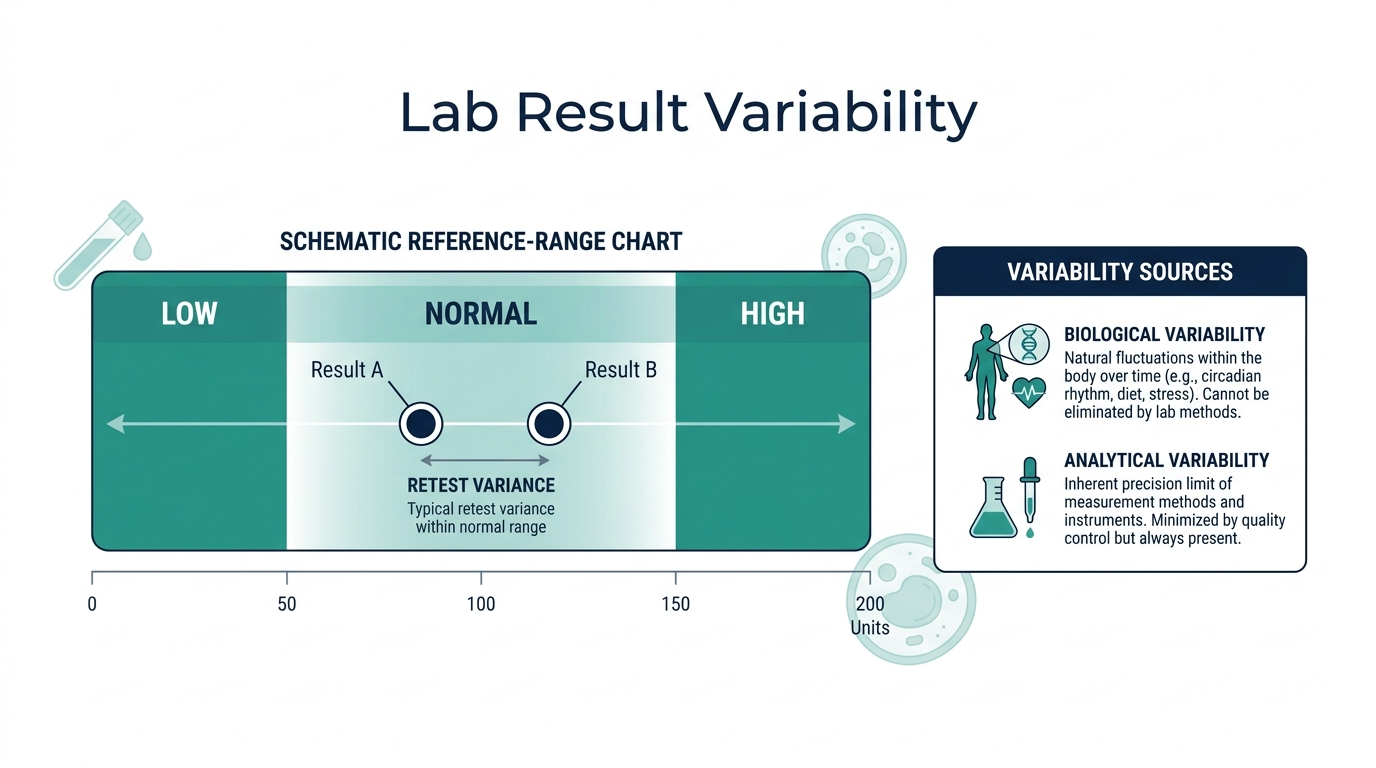
Analytical Variation vs Biological Variation: The Distinction That Ends Most Arguments
When two lab results differ, there are two completely separate reasons, and confusing them causes most of the accuracy panic online. Understanding the difference lets you judge for yourself whether a result is trustworthy.
Analytical variation is the imprecision of the measurement itself: the same tube of blood run twice on the same analyzer will not return the identical number to the last decimal. Good clinical assays keep this coefficient of variation low, often under 5 percent for standard chemistries. This is the part CLIA and CAP police directly.
Biological variation is the natural fluctuation of the analyte inside your body from hour to hour and day to day. This is usually larger than analytical variation and it is nobody’s error. TSH can swing by a meaningful fraction within the same person on the same day. Cortisol falls by more than half between early morning and evening. Iron and serum iron saturation move with meals. Testosterone drops through the afternoon. When your June result differs from your December result, biological variation is very often the whole explanation, not a lab mistake.
The practical rule: a single number is a snapshot in a moving system. Before you conclude a lab is wrong, ask whether the size of the change exceeds what biology alone can produce for that specific marker. For volatile markers like hormones and inflammation, small shifts between draws are usually noise.

A Practical Accuracy Checklist for Your Own Draw
You control more of your result quality than you might think. Run through this before any draw and you eliminate the majority of avoidable errors, which as noted above are overwhelmingly pre-analytic.
- Fast 9 to 12 hours for glucose, insulin, and the lipid panel. Water is fine and encouraged. Black coffee is safest avoided since it can nudge some metabolic markers.
- Draw hormones and cortisol in the morning, ideally 7 to 9 a.m., before the daily decline sets in.
- Stop high-dose biotin 72 hours prior. This is the single most common cause of a genuinely misleading thyroid or hormone result on immunoassay platforms.
- Hydrate normally the day before. Dehydration concentrates the blood and can nudge hematocrit, sodium, and other values upward.
- Avoid intense exercise for 24 hours. Hard training elevates CK, muscle enzymes, and can transiently move hormones and kidney markers.
- Note your medications and supplements so results are interpreted in context. Iron pills, hormone products, and NSAIDs all leave fingerprints.
- Keep timing consistent for tracking. If your baseline was a fasting 8 a.m. draw, repeat under the same conditions so you compare like with like.
How to Verify a Result You Do Not Trust
If a number comes back surprising and clinically important, do not panic and do not ignore it. Work through a structured sequence.
- Re-read the flag against the right range. Confirm whether the value is truly outside a clinical reference range or only outside an optimal target. A yellow flag is a nudge, not a diagnosis.
- Audit your own pre-analytics. Did you fast, avoid biotin, draw at the right time? A single pre-analytic slip explains many alarming one-off results.
- Check whether the marker is prone to interference. Immunoassay-based tests for thyroid, PSA, hCG, and AFP are the usual suspects for biotin and heterophile antibody interference.
- Repeat before you treat. For any result that would trigger a medication or major lifestyle change, a confirmatory draw is standard clinical practice, ideally on the same platform to keep the comparison clean.
- Bring it to a clinician with the full panel. One out-of-range marker rarely means anything alone. Its neighbors on the panel usually tell you whether it is signal or noise.
This sequence is not a knock on any lab. It is exactly how careful physicians handle a surprising result from their own hospital lab.
Specimen Type and Collection Method Change the Number
Not all blood is drawn the same way, and the method matters for accuracy on certain markers. Understanding this helps you compare results across services fairly.
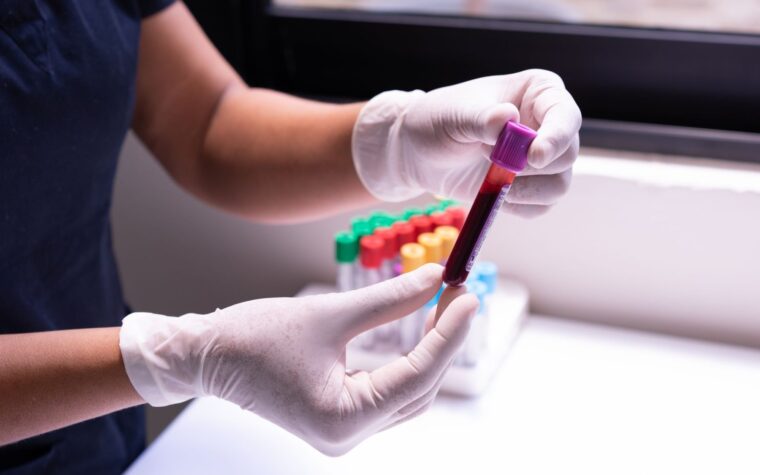
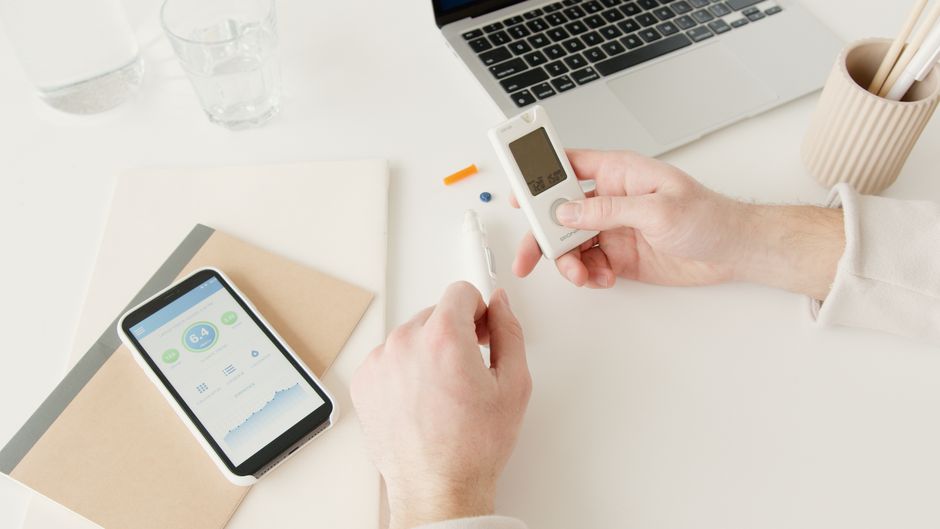
A standard venous draw, blood taken from a vein into vacuum tubes, is the reference method for essentially every biomarker and what Function Health uses through Quest and Labcorp sites. Some direct-to-consumer services instead use a finger-prick capillary sample or a mail-in dried blood spot. Capillary samples are convenient but can differ from venous values for some analytes, and they are more prone to hemolysis and clotting artifacts if collection is imperfect. For sensitive markers this can shift the number more than analytical error would.
Serum versus plasma also matters for a handful of tests, as does the anticoagulant in the tube. This is why longitudinal tracking works best when you hold the collection method constant. If your baseline was a venous serum draw and you switch to a home capillary kit, a change in a borderline marker may reflect the method, not your health. When accuracy and trend consistency matter most, a professionally collected venous draw remains the cleanest choice.
Curious what your own levels look like?
Baseline 100+ biomarkers today and retest as life changes, all in one membership with physician review.
FAQ
Are Function Health results as accurate as my doctor’s lab?
Yes, with the caveat that “your doctor’s lab” almost certainly also sends specimens to Quest or Labcorp. If both route through the same facility, the results will be analytically identical. The difference is in who interprets them and what reference ranges they apply.
Which lab does Function Health use?
Primarily Quest Diagnostics for most members, with some regional CLIA-certified partners. Function Health does not operate its own analytical laboratory. Your specimen goes to the same network used by most primary care physicians in the US.
Why did my Function Health result differ from my doctor’s result?
Three likely reasons: different draw timing, different reference ranges applied to the same number, or a different immunoassay platform used for the specific test. For standard chemistry (CBC, metabolic panel, lipids), a large difference would be unusual. For hormone assays, a 10 to 20 percent spread between platforms is common and does not indicate error on either side.
Can Function Health give a false positive?
Any lab can. The most common scenario is biotin interference on thyroid tests, heterophile antibody interference on immunoassays, or the statistical reality that testing 100-plus biomarkers at a 95 percent reference range will produce several out-of-range flags in a healthy person by chance alone. A single flagged result on a large panel is not a diagnosis.
Is Function Health CLIA certified?
Function Health as a company is not a lab and does not hold its own CLIA certificate. Its lab partners, primarily Quest, are CLIA-certified and CAP-accredited. The certification lives with the lab doing the analysis, which is the standard structure for any DTC lab ordering service.
How accurate is Function Health for thyroid testing?
TSH is one of the most reproducible immunoassays run in clinical labs. If your draw is collected correctly, at the right time of day (morning, before medication if applicable), without recent biotin supplementation, the TSH result from Function Health is as reliable as any clinical draw. Free T4 and free T3 are more variable between platforms. For anyone already on thyroid medication, run your monitoring labs on the same platform you used for baseline.
What should I do if I think a Function Health result is wrong?
First, rule out pre-analytic causes: did you fast, avoid biotin, draw at the right time of day? If the result is surprising and clinically significant, a repeat draw through your PCP (which will likely go to the same lab) is the cleanest confirmation. Quest offers direct patient result release that your doctor can order without a new draw if the specimen is still viable.
Does Function Health flag results differently than Quest?
Yes, deliberately. Quest flags results outside the standard clinical reference range, which is designed to catch disease. Function Health flags results outside a narrower “optimal” range, which is designed to identify sub-optimal health before disease develops. A yellow or orange flag on Function Health does not mean Quest would flag the same value. This design choice is central to the product but also the source of most accuracy confusion users report.
Is the accuracy different for hormone panels versus basic labs?
Yes. Basic chemistry panels (metabolic panel, CBC, lipids) are highly standardized and show minimal variation between CLIA labs. Hormone assays, especially testosterone, free thyroid hormones, and DHEA-S, show meaningful platform-to-platform variation because immunoassay methodology is less standardized. For those tests specifically, results are accurate within the platform but should not be compared numerically across labs without accounting for the assay difference.
Vital Signs Today may earn a commission if you buy through links on this page. It does not affect our editorial assessments.