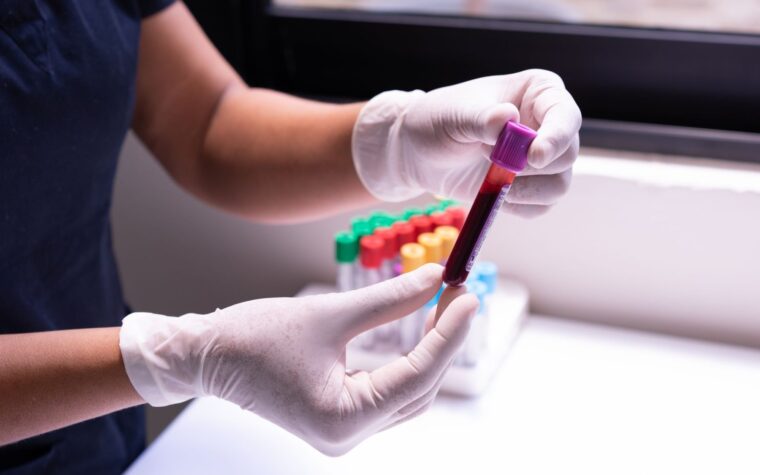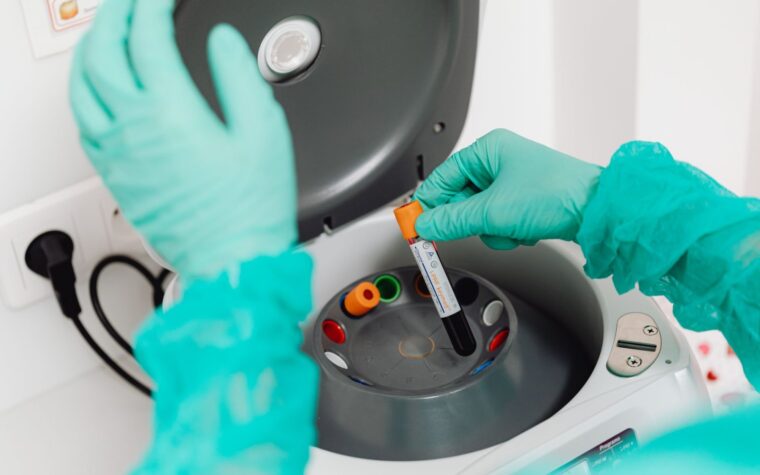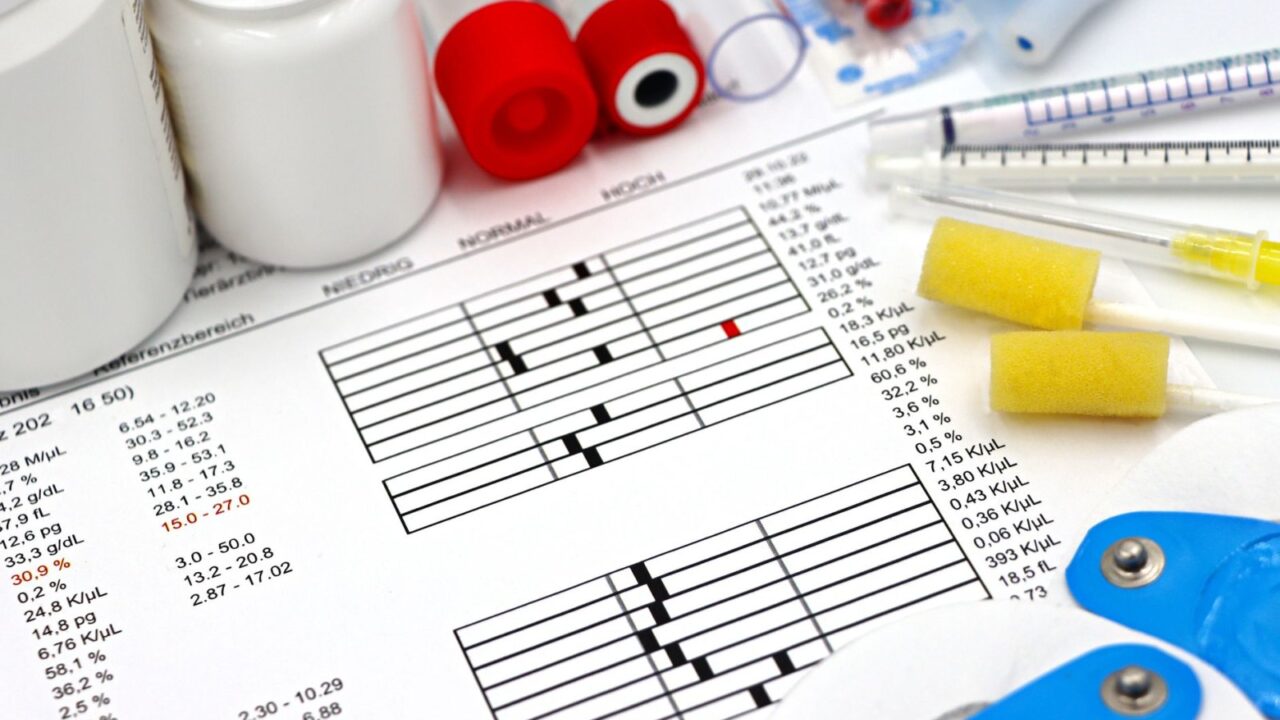
Researchers have reported a new blood test that can detect tiny amounts of pancreatic cancer DNA circulating in the bloodstream. According to the original report from News-Medical, the test is highly sensitive and may identify cancers that current screening methods miss. This advance could lead to earlier diagnosis for a disease that is often found at a late stage.
Key takeaways
- The blood test detects fragments of tumor DNA that are shed into the blood, a process called liquid biopsy.
- Early results suggest the test can find pancreatic cancer before symptoms appear or when tumors are still small.
- More research is needed to confirm the test's accuracy in larger, diverse groups before it can be used in routine screening.
How the new blood test works
The test, developed by a team of scientists, looks for cell-free DNA that carries specific mutations linked to pancreatic cancer. Unlike older tests that required a large sample of tumor DNA, this new method uses advanced sequencing technology to pick up very low levels of cancer DNA. The approach is similar to other liquid biopsies used for colorectal or lung cancer, but it has been refined to be more sensitive for pancreatic tumors.
In the study reported by News-Medical, the test was able to detect pancreatic cancer in people who had no obvious signs of the disease. That could make a critical difference because pancreatic cancer is often diagnosed only after it has spread, when treatment options are limited.
Why early detection matters for pancreatic cancer
Pancreatic cancer is one of the deadliest cancers, with a five year survival rate below 10 percent. The main reason is that it usually causes no symptoms until it has advanced. Currently, there is no standard blood test for screening the general population. Imaging tests like CT scans are not practical for widespread use because of cost and radiation exposure.
If a simple blood test could catch the cancer early, more patients would be eligible for surgery, which is the only potentially curative treatment. Even a small increase in early detection could save thousands of lives each year.
What this means for patients and doctors
For now, the test is still experimental. Researchers will need to validate it in large clinical trials that include people at different risk levels, such as those with a family history of pancreatic cancer or certain genetic mutations. They will also need to ensure the test does not miss cancers or give false alarms that lead to unnecessary procedures.
If the test passes those hurdles, it could become part of routine blood work for high risk individuals. Doctors might use it alongside other screening tools to decide who needs further imaging or biopsy.
Limitations and next steps
No test is perfect. The new blood test reported in the original article may still miss some pancreatic cancers, especially very early ones that have not yet released enough DNA into the blood. Conversely, it could detect DNA from other conditions that are not cancer, leading to false positives.
The researchers plan to refine the test and test it on thousands of samples. If the results hold up, the test could move toward FDA approval and clinical use in the coming years.
Frequently asked questions
Who is the best candidate for this blood test?
At this stage, the test is being studied in people with a high risk of pancreatic cancer, such as those with a strong family history or known genetic mutations like BRCA. General population screening is not yet recommended because the test is not fully validated.
When could this test become available?
It may take several more years of research and regulatory review. Scientists need to confirm the test's performance in larger studies and demonstrate that it improves patient outcomes. If successful, it could reach clinics in about three to five years.
Does this test replace imaging or biopsy?
No. The blood test is a screening tool, not a diagnostic one. A positive result would need to be confirmed with imaging tests like an MRI or CT scan, and often a biopsy. The goal is to identify who needs those follow up procedures, not to replace them.
This is an original report by Vital Signs Today, informed by reporting from Google News. Read the original source.
This article is for information only and is not medical advice. See our Medical Disclaimer.