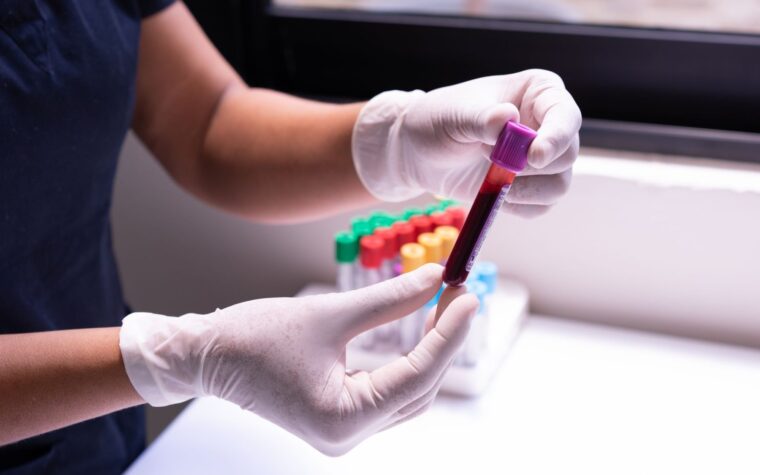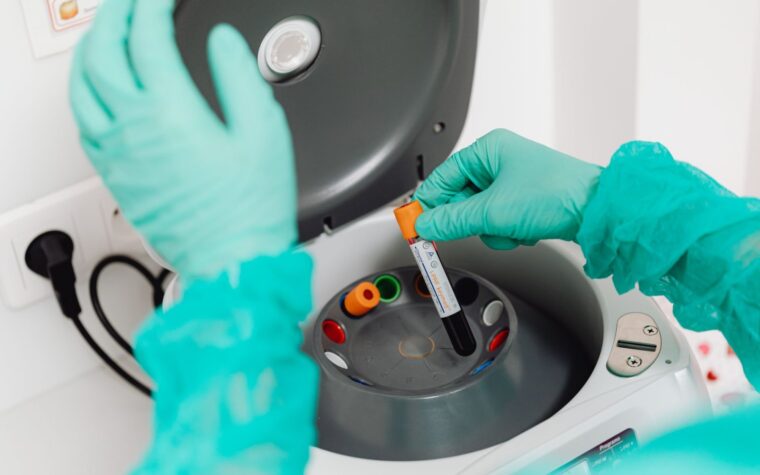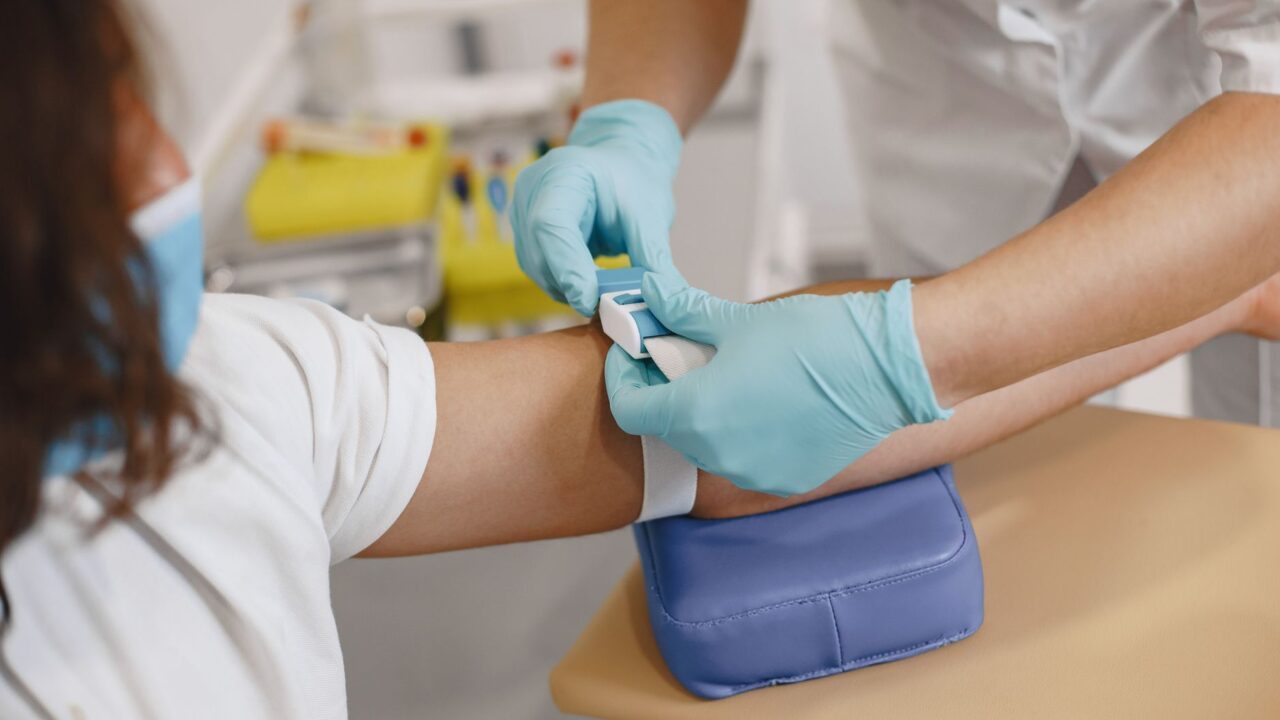
Quick answer: An annual wellness visit is a Medicare benefit focused on planning and risk review, not a hands-on exam, and it is fully covered with no copay. A physical (often called a routine physical or preventive exam) is a head-to-toe check that may include vitals, a body exam, and sometimes labs. The big trap: under most insurance, the planning conversation is free, but any blood work or problem you bring up can get billed separately. Knowing which visit you booked tells you what you will actually get and what you might pay.
What is an annual wellness visit, and how is it different from a physical?
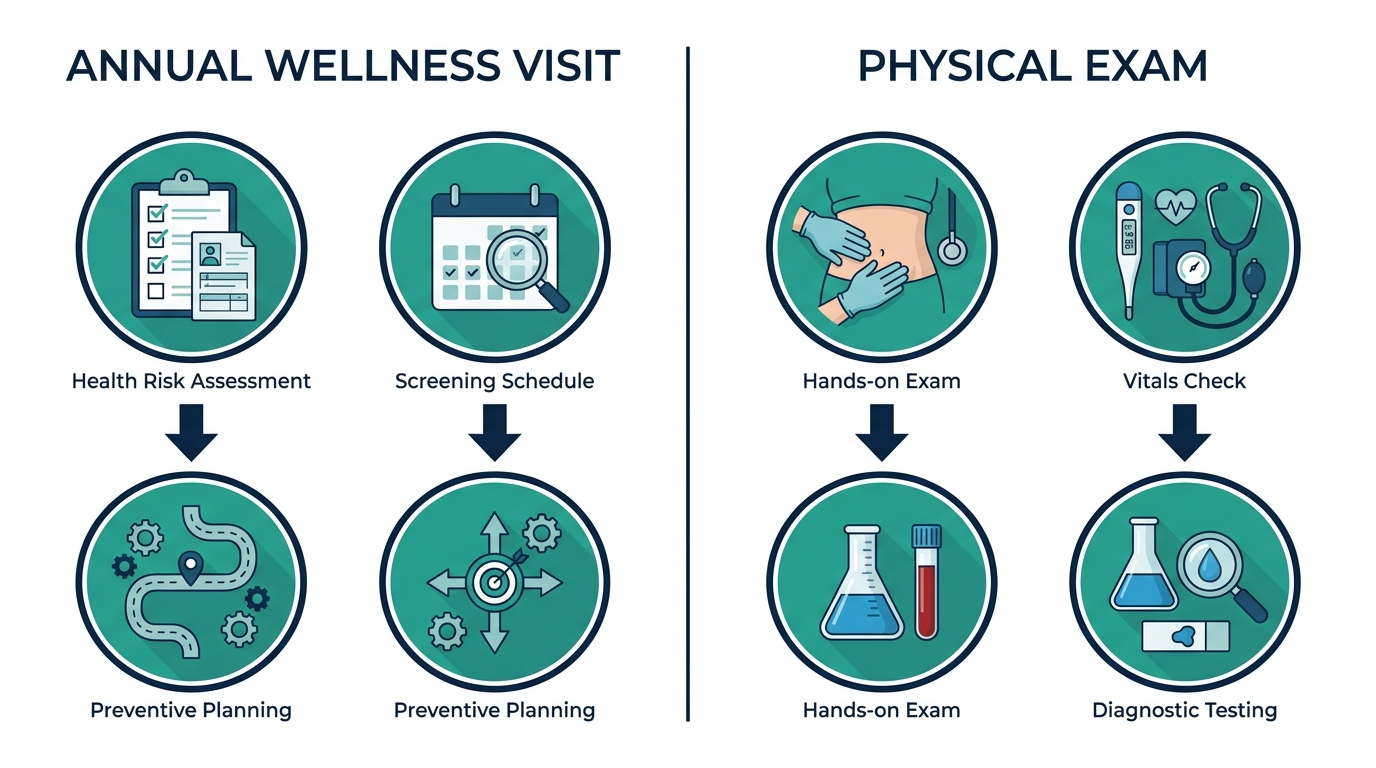
An annual wellness visit is a specific Medicare benefit. It is a once-a-year appointment built around prevention planning, not an exam table. Your clinician reviews your medications, screens you for depression and fall risk, checks cognitive function, updates your family history, and builds or updates a personalized prevention schedule. They take basic measurements like height, weight, and blood pressure. What they usually do not do is a full hands-on physical exam.
Your free annual wellness visit skips the actual bloodwork. See what 100+ biomarkers from home can catch that a checkup can’t. One at-home Superpower draw checks 100+ biomarkers, physician-reviewed.
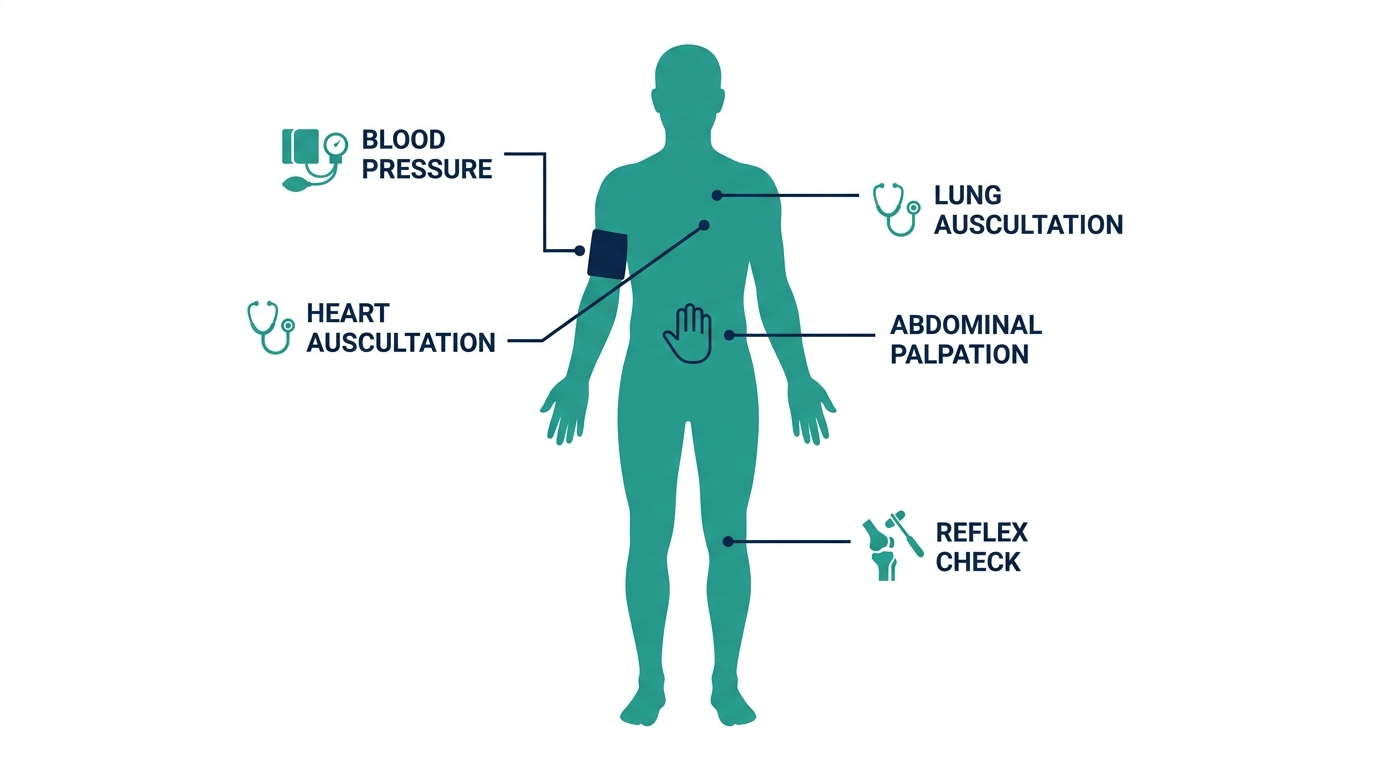
A physical exam is the older, broader thing most people picture: you sit on the table, the doctor listens to your heart and lungs, presses on your abdomen, checks reflexes, looks in your ears and throat. Medicare does not cover a routine head-to-toe physical at all, which surprises a lot of new enrollees. Private insurance plans usually do cover one preventive physical per year at no cost under the Affordable Care Act.
So the short version: the annual wellness visit is a conversation and a plan, the physical is an exam. Different visits, different billing codes, different rules. The names get used interchangeably in waiting rooms, but your insurer treats them as separate products with separate paperwork. If you want the full breakdown of what a hands-on exam covers and where to get one, see What Is a Physical Exam? What Doctors Actually Check and Where to Get a Physical Near You (Cost and Same-Day Options).
The three things an annual wellness visit always includes
No matter which clinic you go to, a Medicare annual wellness visit hits three pillars. First, a Health Risk Assessment, a structured questionnaire about your health status, daily activities, mood, and safety at home. Second, a review and update of your medical and family history plus a current medication list, which is where dangerous drug interactions and missed refills get caught. Third, a written personalized prevention plan, basically a checklist of the screenings and shots you are due for over the next five to ten years, mapped to your age and risk factors.
What is missing from that list is telling. There is no required hands-on exam, no listening to your heart with a stethoscope as a covered element, no abdominal palpation. A clinician can do those things, but if they do and code it as part of the visit, you may have crossed from a free wellness visit into a billable office visit. That line is the entire reason this topic confuses people.
Why the distinction exists at all
This is not bureaucratic cruelty for its own sake. When Medicare launched the annual wellness visit in 2011 under the Affordable Care Act, the goal was to fund the planning and prevention work that traditional fee-for-service medicine never paid doctors to do. Insurers had always reimbursed for treating problems, rarely for sitting down and mapping out how to avoid them. The wellness visit carved out a protected, fully covered slot for that conversation. The tradeoff is that it is narrowly defined, and the moment a real complaint enters the room, you are back in the older, billable world.
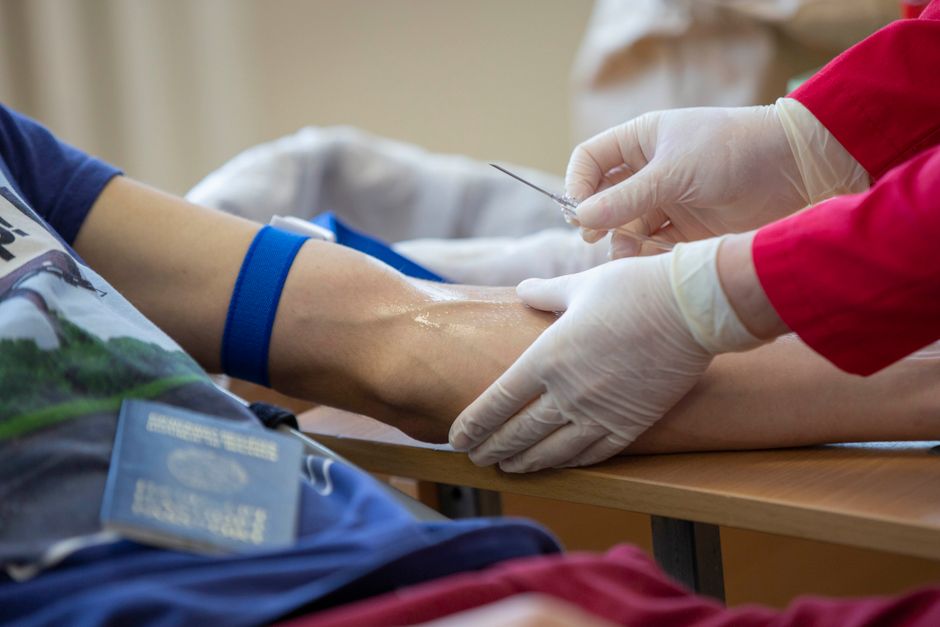
Annual wellness visit vs annual physical vs Welcome to Medicare: a side-by-side
The simplest way to actually get this done
Superpower is a full-body lab membership that runs 100+ biomarkers, has each result reviewed by a doctor, and tracks your numbers year over year (about $199/year). It is what we point readers to when they would rather get one clean, complete draw than chase single tests one at a time. Here is superpower reviewed in full.
Three preventive visits get tangled together constantly, especially in your first year of Medicare. They are not interchangeable, and using the wrong name at the front desk can cost you the free benefit. Here is how they actually differ.
| Visit | Who it is for | What happens | How often | Cost to you |
|---|---|---|---|---|
| Welcome to Medicare visit | New Part B enrollees, first 12 months only | Baseline vitals, vision check, risk review, prevention schedule | Once, ever | $0 |
| Annual wellness visit | Anyone on Medicare past their first 12 months | Risk assessment, history update, written prevention plan | Once per 12 months | $0 |
| Annual physical exam | Mostly private-insurance members under ACA | Hands-on head-to-toe exam, vitals, sometimes screening labs | Once per calendar year | $0 with private plan, not covered by Medicare |
The most expensive mistake here is assuming Medicare gives you a yearly physical. It does not. It gives you a yearly wellness visit, which is a different thing. If you are on Original Medicare and you want the hands-on exam, you either pay for it out of pocket or you find a primary care office willing to fold the exam into the wellness visit at no extra charge, which some do as a courtesy and many do not.
Does an annual physical include blood work?
Not automatically. This is the single most common misunderstanding I see. The preventive physical visit itself is covered, but the labs ordered during it are billed under separate codes, and whether they are free depends on why they were ordered.
Here is the insider distinction that decides your bill. Labs ordered as screening for someone with no symptoms (for example, a cholesterol panel for a healthy adult on the recommended schedule) are usually covered at no cost. The same exact blood test ordered because you mentioned a symptom, or because you already have a diagnosis like diabetes, gets coded as diagnostic and can land on your bill as a copay or toward your deductible. One word in the chart changes who pays.
Most routine annual draws include a complete blood count, a metabolic panel, and a lipid panel. Many providers do not run thyroid, vitamin D, or advanced cardiac markers unless you ask. If you want a sense of what a thorough draw should contain, here is the Superpower blood test review and a primer on a complete blood panel.
Screening vs diagnostic: a worked example
Picture two people getting the exact same hemoglobin A1C test on the same day at the same lab. Person one is a healthy 50-year-old with no diabetes, getting it as a routine screen on the recommended schedule. Under most ACA plans that test is preventive and costs $0. Person two already carries a type 2 diabetes diagnosis, so the A1C is coded as monitoring an existing condition. That second test is diagnostic, and it runs against the deductible. Same needle, same vial, same machine, two different bills. The code is set by why the order was placed, and that decision happens in the exam room based on what you say.
This is why volunteering symptoms can quietly cost you money. Mentioning that you have been tired lately, and your clinician orders a thyroid panel and iron studies to investigate, those labs are now diagnostic. There is nothing wrong with that, you may genuinely need them, but you should know the bill is coming rather than discovering it three weeks later.
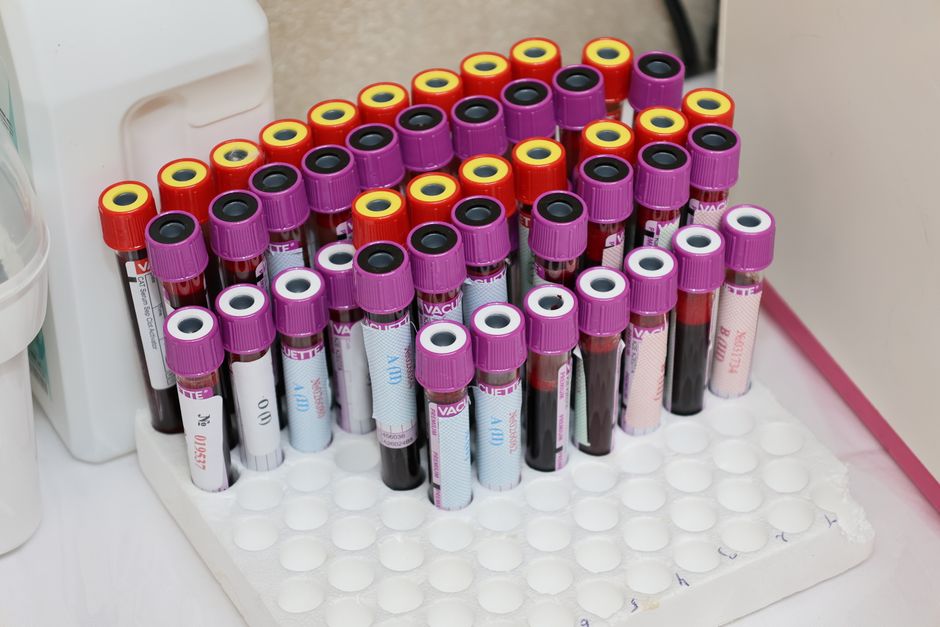
How to schedule an annual physical exam or wellness exam
To schedule an annual physical exam, call your primary care office and use the exact words “preventive visit” or “annual physical,” not “I have a problem.” The phrasing matters, because a problem-focused visit gets coded differently and may carry a copay. If you are on Medicare and want the no-cost benefit, ask specifically for the “annual wellness visit” by name so the front desk books the right code.
A few practical notes on how to schedule a wellness exam without surprises:
- Confirm it is your first such visit of the calendar year, since insurance covers one free preventive visit per year.
- If you are a new Medicare enrollee, you also get a one-time “Welcome to Medicare” visit in your first 12 months, which is separate from the annual wellness visit.
- Fast for 9 to 12 hours beforehand only if your provider plans a lipid or fasting glucose draw. Ask when you book.
- Write down any new symptoms before you go, but know that discussing them in depth can turn part of the visit into a billable problem visit.
What to bring to the appointment
The wellness visit is only useful if your clinician has the raw material to build a plan from. Walking in empty-handed wastes the slot. Bring these:
- A complete medication list, including over-the-counter pills, supplements, and doses. The medication reconciliation is one of the highest-value parts of the visit, and it falls apart if you guess.
- Your immunization records, or at least what you remember of recent flu, COVID, shingles, and pneumonia shots.
- Family history updates, especially any new cancer, heart disease, or diabetes diagnoses in parents or siblings since your last visit. These change your screening schedule.
- Recent outside results, like a colonoscopy report, a mammogram, or labs drawn elsewhere, so nothing gets needlessly repeated.
- A short, honest list of questions, but pick which ones are “plan for the future” versus “I have a problem now,” because the second kind may shift the billing.
Does urgent care do annual physicals? Many urgent care and retail clinics offer cash-pay physicals, especially for work, school, or sports. They are fast and convenient, but they are not a substitute for a Medicare annual wellness visit, and they often will not bill it as preventive care through your insurance. If you need a same-day option, a sports or employment physical at urgent care runs roughly $75 to $150. See the Sports Physical: What It Covers, Cost, and Where to Get One guide for that route.
What labs make a checkup actually useful?
A wellness visit is only as good as the data behind it. The conversation and the prevention plan are valuable, but without numbers, your clinician is partly guessing. A defensible baseline for most adults includes a complete blood count, a comprehensive metabolic panel, a lipid panel with ApoB if available, an A1C for glucose, a thyroid panel (TSH at minimum), vitamin D, and ferritin or iron studies. Men often add testosterone, and women may add hormone markers depending on age and symptoms.
The reason annual testing matters is trend, not snapshot. A single LDL or A1C reading tells you where you stand today. Three years of the same marker tells you the direction you are heading, which is where early intervention actually lives. This is why a baseline you repeat yearly beats a one-off draw you forget about.
What each core panel actually tells you
| Panel or marker | What it screens for | Why it earns a spot |
|---|---|---|
| Complete blood count (CBC) | Anemia, infection, immune and clotting issues | Cheap, broad, catches problems before symptoms |
| Comprehensive metabolic panel (CMP) | Kidney function, liver enzymes, blood sugar, electrolytes | Flags organ stress and early diabetes |
| Lipid panel (plus ApoB) | Cholesterol and cardiovascular risk | ApoB predicts heart risk better than LDL alone |
| Hemoglobin A1C | Average blood sugar over 3 months | Catches prediabetes a standard glucose test misses |
| TSH (thyroid) | Underactive or overactive thyroid | Explains fatigue, weight, and mood shifts |
| Vitamin D | Deficiency tied to bone and immune health | Extremely common to be low, easy to correct |
| Ferritin or iron studies | Iron stores | Catches deficiency before full anemia shows |
Notice that a standard insurance physical often stops at CBC, CMP, and lipids. The markers that quietly explain fatigue, brain fog, and slow metabolic decline (A1C trended over years, thyroid, vitamin D, ferritin, ApoB) frequently get skipped unless you specifically ask. That gap between a basic insurance panel and a genuinely useful baseline is the whole reason people end up paying out of pocket for extra tests.
Talk to a clinician about anything that looks off, since results need context from your history and symptoms. For a tour of which markers earn their place on the panel, read about the biomarkers worth tracking.
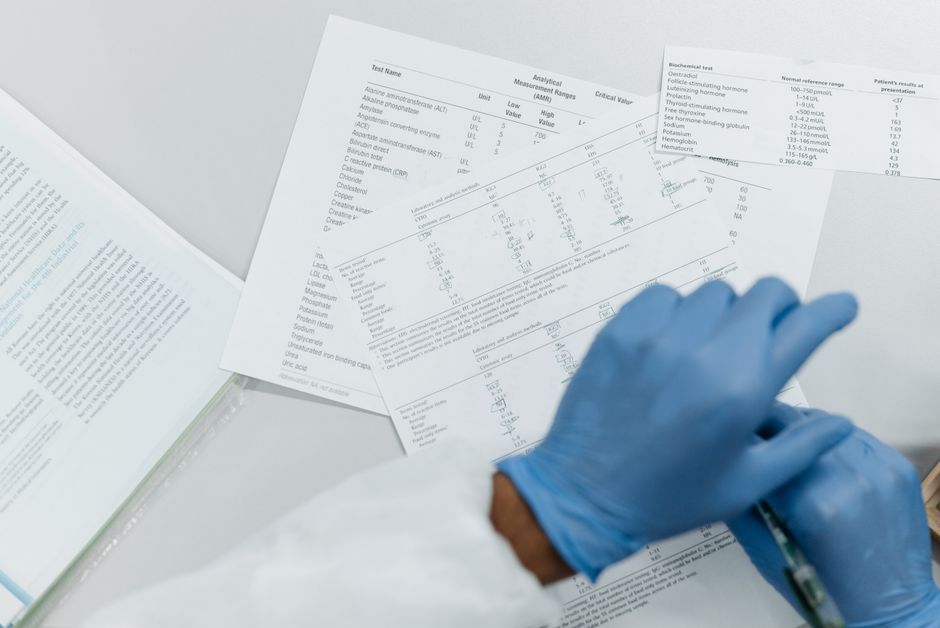
What does it cost, and where does a membership fit?
The preventive visit itself should be free with insurance. The cost creep comes from labs. Cash prices for a basic screening panel run roughly $30 to $150 depending on the lab and how many markers you add. A thorough panel that includes thyroid, vitamin D, ApoB, and hormones, ordered piece by piece, can climb well past $300 to $500 if you are paying out of pocket and chasing one test at a time.
Where you get blood drawn matters as much as what you draw. The same comprehensive metabolic panel that costs about $29 cash through a discount lab can be billed at $200 or more when it runs through a hospital outpatient department. Here is roughly how the settings stack up.
| Where you go | Typical cost for a basic panel | Notes |
|---|---|---|
| Discount online lab (cash) | $29 to $80 | You order online, draw at a partner site, no doctor visit |
| Retail clinic or pharmacy | $50 to $130 | Convenient, limited marker menu |
| Primary care office (screening) | $0 to copay | Often free if coded as preventive screening |
| Hospital outpatient lab | $150 to $300+ | Highest list prices, common surprise bills |
| Flat-fee lab membership | ~$199/year for 100+ markers | One draw, full baseline, tracked year over year |
That fragmentation is exactly where a flat-fee membership changes the math. Instead of ordering a few markers now and circling back for more later, you capture a full baseline in one draw and watch it year over year.
The simplest way to actually get this done
Superpower is a full-body lab membership that runs 100+ biomarkers, has each result reviewed by a doctor, and tracks your numbers year over year (about $199/year). It is what we point readers to when they would rather get one clean, complete draw than chase single tests one at a time. Here is superpower reviewed in full.
If you want to compare the membership math against a traditional appointment, see How Much Does a Physical Cost With and Without Insurance? before you book.
How HSA and FSA dollars fit in
Both lab work and most preventive visits are eligible expenses under a health savings account or flexible spending account. That matters for the out-of-pocket pieces, the diagnostic labs, the cash-pay physical, the membership fee, because you are paying with pre-tax dollars, which effectively knocks 20 to 35 percent off the real cost depending on your tax bracket. If you have an HSA sitting idle, paying for an annual baseline panel out of it is one of the cleaner uses of the account.
Common mistakes people make with the annual wellness visit
The wellness visit is one of the most underused free benefits in American healthcare, and most of the wasted value comes from a handful of avoidable errors.
- Assuming Medicare covers a physical. It does not. It covers a wellness visit. People book expecting a hands-on exam and leave confused that the doctor mostly talked.
- Turning a free visit into a billed one by venting symptoms. If you spend the wellness visit working up a new knee pain, part of that appointment can be recoded as a problem visit and billed. Save problem complaints for a dedicated visit if you can.
- Not asking which labs are screening. Always ask, before the blood is drawn, whether each test is being ordered as preventive screening or as diagnostic. You have the right to know which bucket you are in.
- Skipping the visit because they feel fine. The entire point is to catch trends before you feel anything. Waiting until you have symptoms defeats the prevention logic.
- Repeating the same three labs every year and calling it thorough. A CBC, CMP, and lipid panel is a floor, not a complete baseline. The markers that age you quietly are usually the ones nobody ordered.

Edge cases: uninsured, minors, employer-required, and Medicare Advantage
The clean “it is free once a year” story has exceptions, and the exceptions are where people get burned.
If you are uninsured
There is no free preventive visit waiting for you, but you have options. A cash-pay physical at a primary care office or urgent care runs roughly $75 to $200, and you can decouple the labs entirely by ordering a screening panel through a discount online lab for $30 to $80. Federally qualified health centers and community clinics also offer sliding-scale visits based on income, which is the cheapest legitimate route for a full checkup without coverage.
If it is for a minor
Children get well-child visits, not adult wellness visits, and these are covered with no cost-sharing under the ACA on a defined schedule that is more frequent than once a year for young kids. School, camp, and sports forms are usually completed during these visits. The billing logic is the same: preventive is free, but a sick-child complaint folded into the visit can be billed separately.
If your employer requires it
Employment, DOT, and pre-hire physicals are a different animal. They are not preventive care, your health insurance generally will not cover them, and they are usually paid by you or your employer as cash. They check fitness for a specific job rather than your long-term health, so do not expect a meaningful baseline panel out of one.
If you are on Medicare Advantage
Medicare Advantage plans must cover the annual wellness visit at no cost, just like Original Medicare, but many of them bundle in extra perks, including a more hands-on exam, that Original Medicare does not. The catch is plan-specific rules and in-network requirements. Confirm with your specific plan what is included before you assume the exam portion is free.
Who should pick what: simple decision guidance
Strip away the jargon and the choice comes down to your coverage and what you actually want out of the appointment.
- On Medicare and want prevention planning? Book the annual wellness visit by name, every 12 months, and treat it as the free planning slot it is. Order or arrange labs separately and ask which are screening.
- On private insurance and want a hands-on exam? Book your one free preventive physical per calendar year, keep the conversation preventive, and confirm screening labs are coded as such.
- Uninsured and want a real baseline? Order a screening panel cash through a discount lab, and add a sliding-scale or cash physical only if you want the hands-on exam.
- Want the most complete picture, regardless of coverage? A flat-fee full-body lab membership gives you the broad marker set that insurance panels skip, in one draw, tracked over time. Pair it with whichever free visit your plan offers.
The visit gives you the conversation and the plan. The labs give you the data the plan should be built on. Most people get the first and skip the second, then wonder why their checkup never seems to find anything until it is a problem.
Don’t just read about your health, track it.
A single result is a snapshot. Superpower re-tests 100+ markers over time so you can watch them move as you change sleep, food, and training.
Want a real clinician to run the numbers, not a guess?
Joi + Blokes is a telehealth clinic that prescribes GLP-1 medication (Zepbound, compounded semaglutide and tirzepatide), hormone therapy (TRT, HRT), thyroid care, and peptides after a real lab panel and clinician review, with no membership or consult fee (prescriptions from about $59/month, lab panels from $149). If the scale will not budge, this is where you find out whether insulin, thyroid, or hormones are the real reason. Here is Joi + Blokes reviewed in full.
FAQ
Does annual physical include blood work?
A preventive physical does not automatically include labs. Screening blood work is often covered at no cost, but tests ordered to investigate a symptom or manage a diagnosis are coded as diagnostic and can be billed. Ask whether your draw is being ordered as screening before the needle goes in.
How do I schedule a wellness exam?
Call your primary care office and ask for an “annual wellness visit” (Medicare) or “preventive physical” (private insurance) by name. Confirm it is your only such visit this calendar year so it qualifies for the no-cost benefit, and ask whether you need to fast in case labs are planned.
Does urgent care do annual physicals?
Many urgent care and retail clinics offer cash-pay physicals for work, school, and sports, usually $75 to $150. They are convenient and same-day, but they typically will not bill a Medicare annual wellness visit, and they are not a full preventive-care substitute.
Is the annual wellness visit really free?
The wellness visit itself is fully covered by Medicare with no copay, as long as it is coded correctly and it is your only one in 12 months. The cost slips in when a hands-on problem gets worked up during the visit, or when diagnostic labs get ordered. The conversation is free, the new complaints and the diagnostic tests may not be.
What is the difference between a Welcome to Medicare visit and an annual wellness visit?
The Welcome to Medicare visit is a one-time, optional preventive review available only during your first 12 months of Part B. The annual wellness visit is the recurring yearly benefit you get after those first 12 months. Both are free, but you cannot have both in the same window, and using the wrong name at booking can cause a coding error.
Can I get blood work without a doctor visit?
Yes. Discount online labs let you order a screening panel directly, draw at a partner location, and get results without a separate doctor appointment, often for $30 to $80. This is a common way to build an annual baseline cheaply, though you give up the clinician interpreting the numbers in real time, so review anything abnormal with a provider.
How often should I get an annual checkup?
For most healthy adults, once a year is the standard cadence for both the visit and a baseline lab draw, which is enough to spot trends without over-testing. People managing chronic conditions or specific risk factors may need more frequent monitoring, which your clinician sets. The value is in repeating the same markers year over year, not in the single visit.
Is STD testing preventive care under United Healthcare?
Many plans cover certain STI screenings as preventive care at no cost when you meet the recommended risk criteria, but coverage varies by plan and by why the test is ordered. Confirm with your specific plan before assuming it is free, since a symptom-driven test may be billed as diagnostic.
Vital Signs Today may earn a commission if you buy through links on this page. It does not affect our editorial assessments.