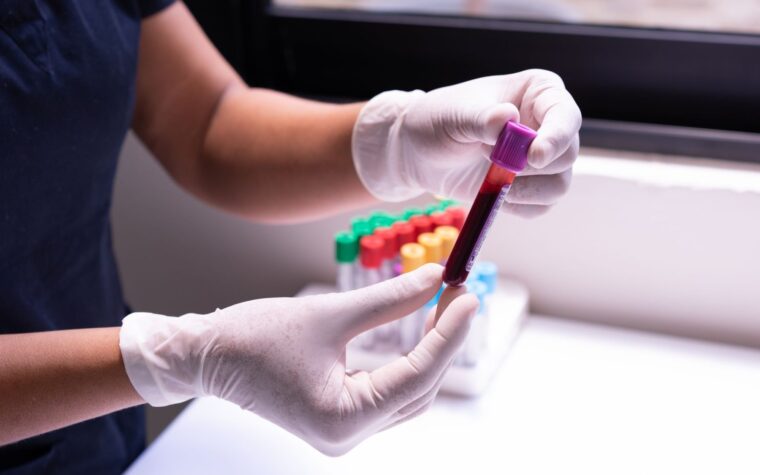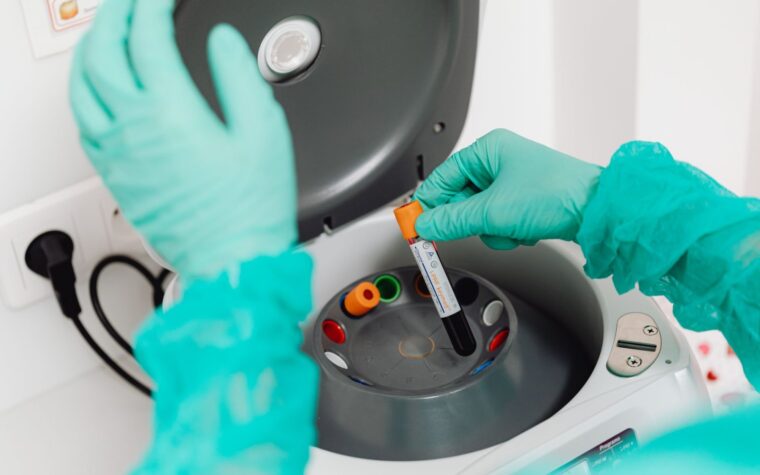
Quick answer: A sports physical, also called a pre-participation physical exam (PPE), is a short visit that checks whether a young athlete is safe to play a sport. A clinician reviews medical and family history, then checks blood pressure, heart, lungs, vision, joints, and flexibility. You can get one at a pediatrician’s office, urgent care, retail clinics like CVS MinuteClinic, or a school clinic day, usually for $0 to $89 cash, and most are walk-in or same-day. It is not the same as an annual physical and is not a full health workup.
Here is the part most parents miss. A sports physical exists to answer one narrow question: is there anything that makes it dangerous for this kid to run, hit, or sprint right now? It is a clearance exam, not a checkup. That single fact explains the form, the price, and why your athlete can be cleared in fifteen minutes and still be overdue for a real physical. Once you understand that the whole visit is a yes-or-no safety screen, every confusing thing about it (why insurance balks, why the form asks about a grandparent who died young, why CVS can do it but cannot give you the full picture) suddenly makes sense.
What does a sports physical check?
A sports physical has two parts, and the first one is where most problems are actually caught. Part one is the history form you fill out before you ever walk in. It asks about fainting or chest pain during exercise, asthma, concussions, prior injuries, and, critically, family history of sudden cardiac death before age 50. Clinicians will tell you the questionnaire flags more real risk than the hands-on exam does, because the most dangerous conditions in young athletes (like hypertrophic cardiomyopathy) often have no symptoms a stethoscope will catch on a quiet day.
Part two is the physical itself. Expect the clinician to measure height, weight, and blood pressure, then listen to the heart in two positions (lying and standing, which can surface murmurs that change with posture), check the lungs, look at the eyes and vision, and run an orthopedic screen. That last one is the “duck walk” and the reach-and-twist movements that test joints, old sprains, and flexibility. A genital exam in males to check for hernias and, in some protocols, a quick scoliosis check are also standard.
The exam, station by station
If you want to know what actually happens in those fifteen minutes, here is the typical run of the exam and what each step is screening for. None of it is a surprise once you see the logic.
| Station | What the clinician does | What it is looking for |
|---|---|---|
| Vitals | Height, weight, blood pressure, pulse | Hypertension, abnormal heart rate, growth concerns |
| Vision | Eye chart, pupil check | Uncorrected vision that affects play and safety |
| Cardiac | Listens lying and standing, checks pulses | Murmurs, rhythm issues, signs of structural heart disease |
| Lungs | Listens during normal and deep breathing | Asthma, wheezing, exercise-induced breathing problems |
| Abdomen | Presses to feel organs | Enlarged spleen or liver, tenderness |
| Musculoskeletal | Duck walk, squats, joint range of motion | Old sprains, weak joints, asymmetry, scoliosis |
| Genital (males) | Brief check, often standing | Hernias, undescended testicle, masses |
The cardiac station is the one parents fixate on, and for good reason: sudden cardiac death is the headline fear behind these exams. But understand its limits. A standard sports physical uses a stethoscope and history, not imaging. It is good at catching loud murmurs and obvious red flags, and weak at catching silent structural disease. That gap is exactly why the history form carries so much weight, and why a single fainting episode during a sprint deserves an honest answer on the questionnaire even if it felt like nothing at the time.
What it does NOT include
- No routine blood work, cholesterol panel, or A1C.
- No EKG in most states (it is debated and not federally required for general youth sports).
- No vaccines, no developmental screening, no mental health intake.
- No deep dive on nutrition, sleep, or anything not tied to playing safely.
This is the line that trips families up. A sports physical can clear your teen to play varsity and tell you almost nothing about their overall health. If you want the bigger picture (cholesterol creeping up, iron stores in an endurance athlete, thyroid, blood sugar), that belongs in an annual physical or a blood panel, not here. The clearance stamp and a clean bill of health are two different documents.
How does the sports physical form work?
The simplest way to actually get this done
Superpower is a full-body lab membership that runs 100+ biomarkers, has each result reviewed by a doctor, and tracks your numbers year over year (about $199/year). It is what we point readers to when they would rather get one clean, complete draw than chase single tests one at a time. Here is superpower reviewed in full.
The form is the spine of the whole visit, and knowing how it is built saves you a second trip. Most states use a version of the standardized Pre-Participation Physical Evaluation (PPE) form developed jointly by the major sports medicine and pediatric organizations. It has two halves that mirror the two halves of the exam.
The first half is the history, and the parent and athlete fill it out before the appointment. This is the part you must not rush. It asks pointed questions: has your child ever passed out or nearly passed out during or after exercise, ever had chest pain during exercise, ever been told they have a heart murmur or high blood pressure, and whether any relative died suddenly or unexpectedly before age 50. A clinician reads those answers first and lets them steer the exam. Honest answers here do more for your kid’s safety than anything the stethoscope does.
The second half is the clinician’s section: the physical findings, the height and weight, the blood pressure, and the bottom line, the clearance decision. There are usually three boxes a clinician can check: cleared without restriction, cleared with recommendations or for certain sports only, or not cleared pending further evaluation. The signature and date at the bottom are what your school’s athletic department actually cares about, so make sure both are filled in before you leave the clinic.
One practical warning: schools and leagues are picky about which form they accept. A clinic’s generic “physical exam” note often does not satisfy a state athletic association that requires its own specific PPE form. Print your school’s exact form, fill in the history section at home, and hand the clinician that paper. Do not assume their template will be accepted.
Sports physical vs. annual physical: are they the same thing?
No, and treating them as interchangeable is the most common mistake parents make. The annual physical (well-child visit) is broad and preventive: growth tracking, immunizations, vision and hearing, mental and behavioral health, diet, and an open conversation about whatever is going on. It is usually covered fully by insurance as preventive care, and it generates the kind of record your kid carries into adulthood.
The sports physical is narrow and clearance-focused. Many pediatricians will, helpfully, fold the sports clearance into a well-child visit if the timing lines up, which means one appointment covers both. If you go that route, the visit is billed as preventive and the sports form is essentially free. If you walk into a retail clinic for the standalone form, you are paying cash for a fifteen-minute clearance and nothing more. For a fuller breakdown of how visit types and billing differ, see how much a physical costs with and without insurance.
Side by side
| Sports physical (PPE) | Annual physical (well visit) | |
|---|---|---|
| Goal | Clear the athlete to play safely | Track overall health and prevention |
| Length | 10 to 20 minutes | 30 to 45 minutes |
| Lab work | None | Often includes blood work |
| Vaccines | No | Yes, updated as needed |
| Mental health, diet, sleep | Not covered | Covered |
| Insurance | Often not covered standalone | Covered as preventive care |
| Frequency | Yearly or per season | Yearly |
The smartest play, when timing allows, is to combine them. If your child is due for a well visit anyway, book the pediatrician, bring the sports form, and ask them to complete it during the covered appointment. You get a real exam, a clean record, and the clearance signature all in one billed-as-preventive visit. That is the single best value in this whole topic, and most families miss it because the coach’s deadline pushes them toward the fast cash option instead.
One more distinction worth knowing: a youth sports physical is not a DOT physical. The DOT exam clears adults to drive commercial vehicles, follows federal medical standards, and must be done by a certified examiner. Different form, different rules, different price. Do not let a clinic talk you into one when you need the other.
How much is a sports physical at CVS and other clinics?
Cost depends almost entirely on where you go, not on the exam itself, because the exam is roughly the same everywhere. Here is the realistic 2026 cash range by setting.
| Where | Typical cash price | Walk-in / same-day? |
|---|---|---|
| School clinic day or team event | $0 to $20 | Scheduled dates only |
| Pediatrician (folded into well visit) | $0 with insurance | By appointment |
| Pediatrician (standalone, cash) | $50 to $100 | By appointment |
| CVS MinuteClinic | $59 to $89 | Yes, walk-in and online booking |
| Urgent care | $35 to $75 | Yes, usually same-day |
| Walgreens / retail clinics | $35 to $75 | Yes |
So does CVS do sports physicals, and how much is a sports physical at CVS? Yes, MinuteClinic locations perform them, generally in the $59 to $89 range as a flat cash fee, no appointment strictly required though booking ahead saves a wait. CVS sports physicals are popular precisely because they are fast and predictable, which matters when a coach hands you a form due Friday. The catch: insurance often does not cover a standalone sports physical the way it covers a preventive well visit, so you are usually paying out of pocket regardless of your plan. HSA and FSA cards typically work for the fee, so use them if you have them.
A worked example: the same clearance, two very different bills
Picture two families with healthy fourteen-year-olds, both needing a form by Friday. Family A walks into a CVS MinuteClinic on Wednesday night, pays a flat $75 cash, and leaves in twenty minutes with a signed form. Clean, fast, done. Family B calls their pediatrician, learns their daughter is also due for her annual well visit, books both into one appointment, and pays $0 because insurance covers the preventive visit and the doctor signs the sports form for free during it. Both kids are cleared. Family B also got vaccines updated, vision rechecked, and a real conversation about the daughter’s iron levels as a distance runner. Same clearance, $75 versus nothing, and one family walked out with far more. The lesson is not that CVS is bad, it is that timing decides value. Use the retail clinic when you are in a genuine time crunch, use the pediatrician when you have a week and a well visit is due anyway.
If your kid is otherwise due for a checkup, the cheapest and most useful move is booking the pediatrician and asking them to complete the sports form during that visit. You pay nothing extra and get a real exam instead of a clearance stamp.
Where can I get a sports physical near me, and how fast?
Speed is the whole reason this market exists, because forms always seem to come due the week before tryouts. Ranked roughly by how quickly you can be seen:
- Urgent care and retail clinics (fastest). CVS MinuteClinic, Walgreens, and standalone urgent care centers take walk-ins and same-day bookings, often evenings and weekends. This is the answer to “where can I get a sports physical ASAP” the night before a deadline.
- School clinic days. Many districts run a low-cost or free sports physical event before each season with local clinicians on site. Cheapest option if the timing works.
- Your pediatrician. Best quality and continuity, but you need an appointment, so book a week or two out.
- Telehealth. Limited. Some states and leagues allow parts of the screen by video, but the hands-on heart, lung, and joint exam usually requires an in-person visit, so do not count on a fully virtual clearance.
To find where to get a sports physical near you, search your clinic’s online scheduler for “sports physical” or “pre-participation exam,” or call ahead and confirm they complete your specific state or league form. For a wider look at same-day options and pricing by location type, our guide on where to get a physical near you covers the same clinics in more detail.
Which setting should you actually pick?
Match the setting to your situation rather than just chasing the lowest number.
- Deadline is tomorrow: urgent care or a retail clinic. Pay the cash fee, get the signature, move on.
- You have a week or more: pediatrician, especially if a well visit is due. Best value and best care.
- Budget is tight and timing flexible: watch for your school’s clinic day. Often free or near-free.
- Your athlete has a known condition (asthma, a prior concussion, a heart history): go to the pediatrician or a clinician who already knows the chart. A walk-in clinic seeing your kid cold is more likely to put a hold on the form and send you back to the doctor anyway, costing you two visits instead of one.
What to bring and how to actually pass
Walking in prepared turns a frustrating visit into a ten-minute one. Bring:
- The exact form your school or league requires, partly filled with history (many states use a standardized PPE form).
- A list of medications and any inhalers, plus dates of past concussions or injuries.
- Glasses or contacts if your athlete wears them, since vision is checked.
- Insurance card and an HSA/FSA card, even if the clinic quotes a cash price.
Most kids are cleared with no issue. When a clinician does not clear someone, it is usually a temporary hold: an unresolved concussion, uncontrolled asthma, sky-high blood pressure, or a heart finding that needs a cardiology check before sign-off. A hold is not a no. It means “fix or evaluate this first.” If your athlete is flagged for something like blood pressure or a possible metabolic issue, that is a signal to talk to a clinician and get a fuller baseline rather than just retrying the form elsewhere.
On that note, if your family is already heading in for blood work or a real checkup this season, it is often smarter to capture a complete baseline at once instead of chasing single tests later. Here is how a full-body panel compares for the broader picture a sports physical was never built to give.
Common mistakes parents make with sports physicals
After enough seasons, the same handful of errors show up again and again. Avoid these and the visit goes smoothly.
- Treating it as a full checkup. The most common one. A cleared sports physical does not mean your teen got a real health review. The two are different visits with different goals.
- Showing up with the wrong form. A clinic’s generic note often will not satisfy a state athletic association. Print the exact required form.
- Leaving the history blank. The history section catches more real risk than the hands-on exam. Filling it out honestly and completely is the single most important thing you do.
- Waiting until the deadline. Rushing into a walk-in the night before means if a hold gets placed, you have no time to resolve it before tryouts. Aim to go two to three weeks early.
- Skipping the pediatrician when a well visit is due. Paying cash at a retail clinic while your child is also overdue for a covered annual physical is paying for less and getting less.
- Assuming insurance will cover it. Standalone sports physicals usually are not covered. Plan to pay cash unless you fold it into a well visit.
Edge cases: uninsured families, minors, employer or league rules, and special situations
The standard path covers most families, but plenty of situations fall outside it. Here is how the common ones actually work.
Uninsured or low income
If you have no insurance, skip the standalone retail fee where you can. School clinic days are the cheapest route, often free. Community health centers and federally qualified health centers (FQHCs) provide sports physicals on a sliding fee scale based on income, sometimes for a few dollars. Call ahead and ask for the sliding scale. Paying $75 cash at a chain clinic when an FQHC down the road would do it for $10 is a common and avoidable overpay.
Minors and consent
A sports physical for a minor generally requires a parent or guardian to complete and sign the history portion, and many clinics require a parent present for the exam, particularly for the genital check in males. If a non-parent (grandparent, older sibling) is taking the athlete, call ahead. Some clinics will accept a signed parental consent form; others insist a guardian attend. Do not assume.
Employer-required or adult sports physicals
Most of this guide is about youth and school sports, but adults sometimes need a clearance exam too, for an amateur league, a fitness program, or a job with physical demands. The structure is similar (history plus targeted exam) but the bar shifts toward cardiovascular risk because adults carry more of it. If that is you, mention any chest pain, shortness of breath, or family heart history up front, and be ready for the clinician to recommend follow-up testing a youth exam would not trigger.
Medicare and older adults
Medicare does not pay for sports clearance exams, since they are not the same as the covered annual wellness visit. An older adult who wants clearance for a masters league or a new training program pays cash for the clearance portion, though related medically necessary follow-up (an EKG ordered because of a real finding) can be billed to Medicare separately. Keep the clearance and the diagnostic work-up as distinct line items in your head.
Athletes with chronic conditions
Asthma, diabetes, a prior concussion, a known heart condition, or a single kidney all change the calculus. These athletes should be cleared by a clinician who knows their history, not a cold walk-in, and the form may come back “cleared with recommendations” rather than a blanket yes. That is normal and protective. A diabetic athlete cleared with a plan for blood sugar monitoring during practice is in better shape than one waved through without one.
What a flagged sports physical is really telling you
When a sports physical comes back with a hold or a flag, families often treat it as a hurdle to get past so their kid can play. Reframe it. The exam just handed you a free piece of health information you would not otherwise have. High blood pressure in a fifteen-year-old is not just a clearance problem, it is a heads-up about a trajectory worth watching. A murmur that needs a cardiology look might be nothing, but you want to know. Exercise-induced wheezing flagged at the exam can be the first clue toward an asthma diagnosis that makes your kid both safer and a better athlete once treated.
The clearance exam was never designed to find these things on purpose, which is exactly why catching one is a gift. Use it as the prompt to get a real baseline rather than a box to re-tick at a different clinic. If a number looked off, that is the moment to talk to a clinician and consider broader testing, not the moment to shop for an easier signature.
FAQ
Where can I get a sports physical near me today?
CVS MinuteClinic, Walgreens clinics, and urgent care centers take walk-ins and same-day appointments, often into the evening and on weekends. Search their online scheduler for “sports physical” and confirm they complete your league’s form before you go.
Does CVS do sports physicals, and how much are CVS sports physicals?
Yes. CVS MinuteClinic performs sports physicals, typically for $59 to $89 as a flat cash fee. Booking online is faster than walking in, and HSA or FSA cards usually cover the cost.
Where can I get a sports physical ASAP if my form is due tomorrow?
Go to a retail clinic or urgent care. They are built for same-day clearance exams and rarely require an appointment. Bring the form already filled out with your athlete’s history to keep the visit short.
Is a sports physical covered by insurance?
A standalone sports physical is often not covered, since insurers reimburse preventive well visits rather than clearance exams. The workaround is asking your pediatrician to complete the sports form during a covered annual physical, which costs you nothing extra.
How long is a sports physical good for?
Most schools and leagues accept a sports physical for one year, and many require a fresh one before each new season or school year. Check the date rules on your specific form, since some districts set their own clock.
How long does a sports physical take?
The exam itself usually runs ten to twenty minutes once you are in the room. The history form takes a few minutes if you fill it out at home first, and wait times at a walk-in clinic can add anywhere from a few minutes to an hour depending on the day.
Do they do blood work or an EKG at a sports physical?
No. A standard sports physical does not include blood work, and most states do not require an EKG for general youth sports. If a clinician hears or sees something concerning, they may refer your athlete for an EKG or further testing, but that is a separate follow-up, not part of the routine exam.
Can my child get a sports physical online or by telehealth?
Only partly. Some states and leagues allow the history review by video, but the hands-on heart, lung, and joint exam needs to be done in person. Do not count on a fully virtual clearance unless your specific league explicitly accepts it.
What disqualifies you from a sports physical?
Outright disqualification is rare. Most issues result in a temporary hold rather than a permanent no, for example an unresolved concussion, uncontrolled asthma, very high blood pressure, or a heart finding that needs a cardiology evaluation first. Once the condition is treated or cleared by a specialist, the athlete can usually be signed off.
Is a sports physical the same as a regular physical or a DOT physical?
No on both. A regular annual physical is a broad preventive checkup with labs and vaccines, while a sports physical is a narrow safety clearance. A DOT physical is a federally regulated exam for commercial drivers done by a certified examiner. Three different exams with three different purposes and forms.