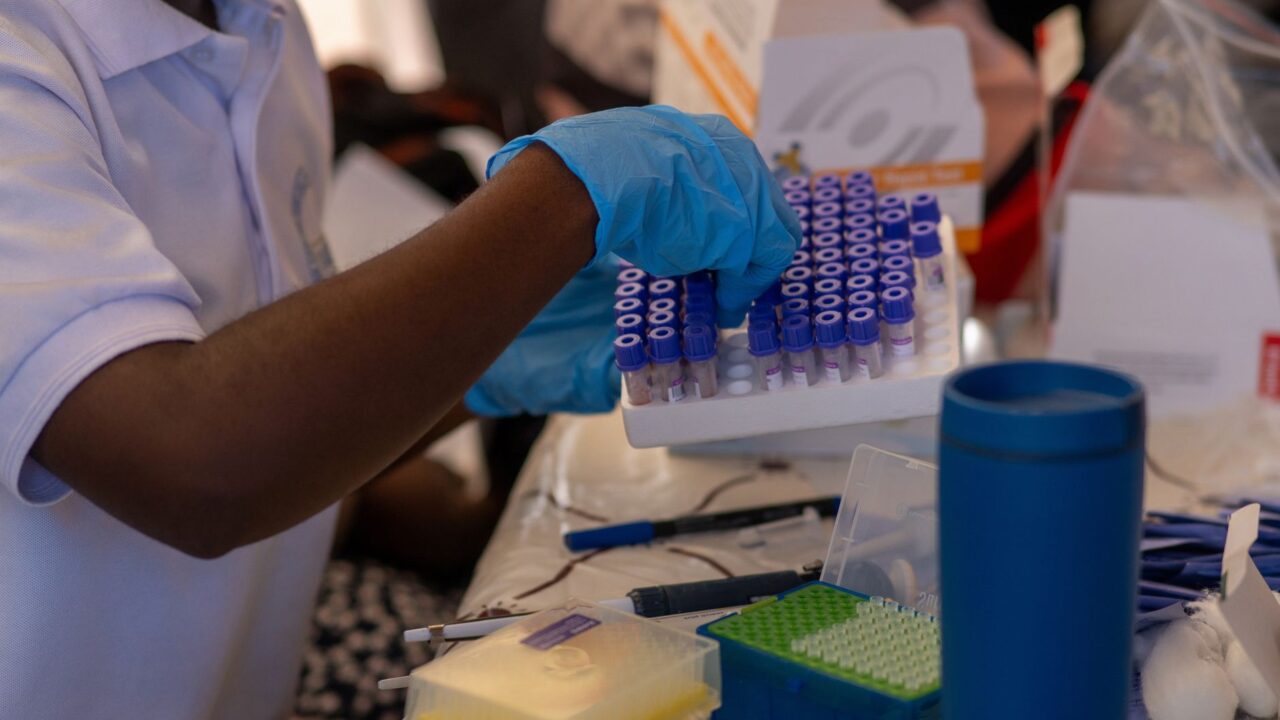
Quick answer: Longevity testing means measuring a specific set of blood, metabolic, and inflammatory biomarkers that research links to biological aging rate and long-term disease risk, not just whether you are sick today. The most informative panels track at least 40 to 100+ markers, including ApoB, fasting insulin, hs-CRP, DHEA-S, IGF-1, homocysteine, a complete metabolic profile, and a full lipid fractionation. A single one-off draw gives you a snapshot; serial testing every six to twelve months is where longevity testing delivers real insight, because the trajectory of your numbers matters more than any single value.
What Is Longevity Testing, and Why Is It Different from a Standard Physical?
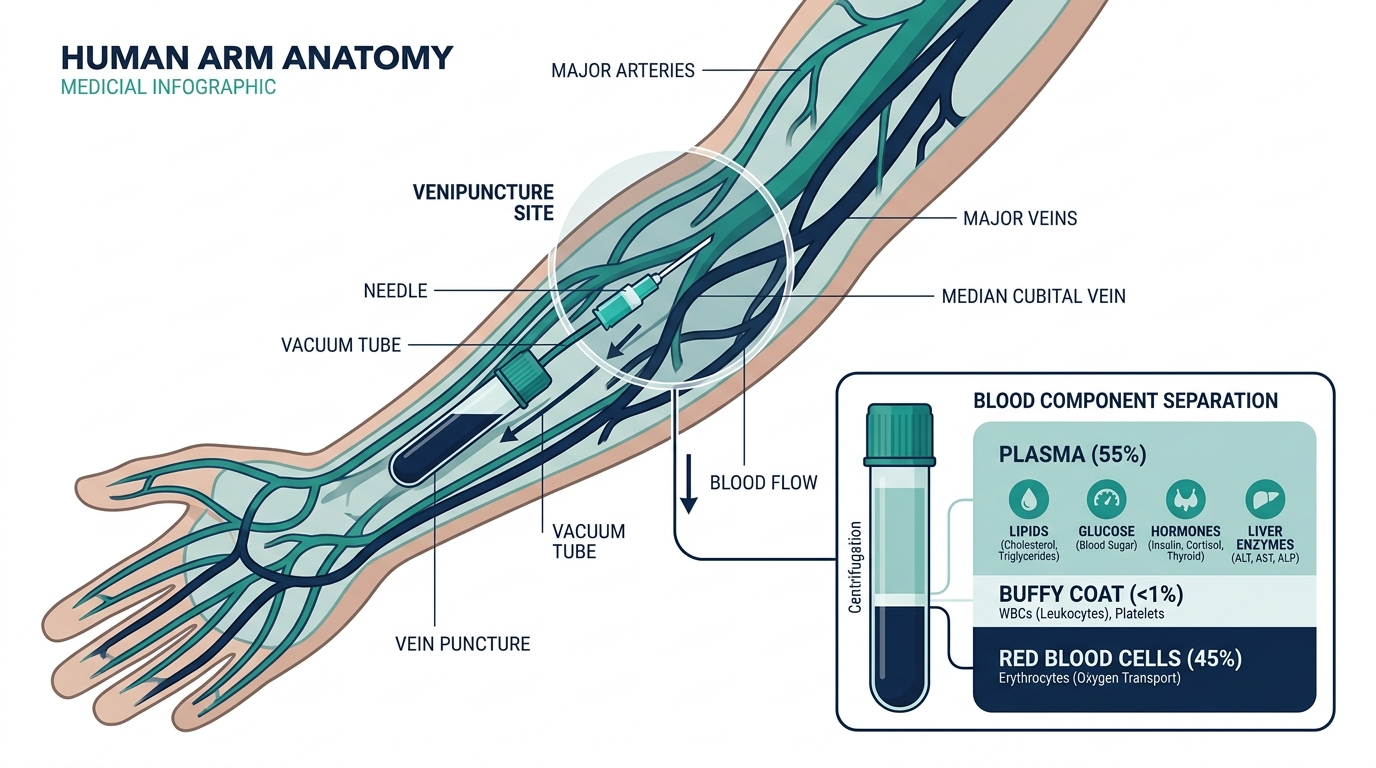
Longevity testing is a proactive, data-driven approach to measuring the rate at which your body is aging at the cellular and metabolic level, rather than waiting for a symptom or a disease diagnosis. Your annual physical checks maybe twelve to fifteen markers, and most of those are flagged only when values hit pathological thresholds. Longevity testing expands that list dramatically and shifts the goalpost: instead of asking “are you sick?”, it asks “are you aging faster than your chronological age would predict, and in which systems?”
This piece covers ApoB, hs-CRP, and other longevity markers. Want to see where your own numbers fall on a 100+ biomarker panel? One at-home Superpower draw checks 100+ biomarkers, physician-reviewed.
The practical difference shows up immediately on a lab report. A standard lipid panel tells you total cholesterol, HDL, LDL, and triglycerides. A longevity-oriented lipid fractionation adds ApoB (the best single predictor of cardiovascular event risk), ApoA-1, Lp(a), and small dense LDL particle count. A person with a “normal” LDL of 105 can still have an ApoB of 140, which puts them in a high-risk category by current atherosclerosis guidelines. Standard physicals miss that completely.
This also explains why direct-to-consumer blood testing has grown so fast. Patients who have read the research on cardiovascular aging, metabolic dysfunction, or epigenetic clocks are ordering panels their doctors are not yet ordering routinely.

Which Biomarkers Actually Measure Aging?
The longevity biomarkers with the strongest evidence fall into five systems, and a credible longevity panel covers all five.
Cardiovascular and lipid aging
- ApoB: directly counts the number of atherogenic particles in circulation. Target for longevity-focused clinicians is under 80 mg/dL, sometimes under 60 mg/dL in high-risk individuals. Standard labs rarely order this unless you push for it.
- Lp(a): genetically determined lipoprotein linked to a 2x to 3x higher risk of premature heart disease. You only need to test it once; it barely changes. Yet most people have never had it checked.
- hs-CRP: high-sensitivity C-reactive protein, the best routine inflammatory marker. Values above 3.0 mg/L double cardiovascular risk in asymptomatic adults.
- Homocysteine: elevated levels (above 10 to 12 micromol/L) are independently associated with cardiovascular disease, cognitive decline, and accelerated brain aging.
Metabolic aging
- Fasting insulin: the single most underordered marker in preventive medicine. Insulin resistance precedes elevated fasting glucose by ten to fifteen years. A fasting insulin above 8 to 10 mIU/L in a non-diabetic person often reflects early metabolic dysfunction that HbA1c completely misses.
- HbA1c: three-month glucose average. Optimal for longevity is 5.0% to 5.4%, not the “normal” cutoff of under 5.7%.
- Fasting glucose: standard but meaningful only in context of insulin.
- HOMA-IR: calculated from fasting glucose and insulin; directly quantifies insulin resistance. Values above 2.0 suggest significant resistance even in people with normal glucose.
Hormonal aging
- DHEA-S: a reliable biomarker of adrenal reserve and biological aging. Peaks in your mid-twenties and declines predictably; people who age well tend to have higher DHEA-S relative to their age cohort.
- IGF-1: downstream marker of growth hormone activity. Both very low and very high levels correlate with worse longevity outcomes.
- Free and total testosterone (men and women): critical for muscle mass, metabolic health, and cognitive function across decades.
- TSH and free T3/T4: thyroid function affects metabolic rate, cardiovascular risk, and cognitive aging, yet many panels only run TSH.
Organ function and damage markers
- Complete metabolic panel: kidney function (creatinine, BUN, eGFR), liver enzymes (ALT, AST, GGT), electrolytes. GGT is particularly interesting as an aging marker; even “normal-range” elevations in GGT correlate with oxidative stress and all-cause mortality.
- CBC with differential: tracks immune cell ratios like the neutrophil-to-lymphocyte ratio (NLR), which rises with chronic inflammation and predicts all-cause mortality in observational studies.
- Uric acid: high levels are linked to gout, hypertension, and metabolic syndrome. Longevity-focused ranges target under 5.5 mg/dL for men, under 4.5 for women.
Nutrient status
- 25-OH Vitamin D: most Americans are below 40 ng/mL; longevity-focused targets are 50 to 80 ng/mL. Deficiency is linked to accelerated cognitive decline, cardiovascular disease, and immune dysfunction.
- Magnesium (RBC, not serum): serum magnesium is almost useless as a deficiency marker because it is hormonally buffered. RBC magnesium reflects intracellular status.
- Ferritin: low ferritin causes fatigue and poor cognition; high ferritin is an independent predictor of cardiovascular disease and liver disease.
- Omega-3 index: the ratio of EPA+DHA in red blood cell membranes. An index below 4% roughly doubles cardiovascular risk compared to an index above 8%.
What Biomarkers Do Longevity Testing Services Actually Include?
The longevity testing services market ranges from direct-to-consumer kits with 10 to 20 markers to full-membership platforms running 100+ markers with physician review. Here is a realistic comparison of what different approaches deliver.
| Service type | Typical marker count | Physician review | Typical cost | Trending over time |
|---|---|---|---|---|
| At-home finger-prick kit (e.g., Everlywell) | 10 to 30 | No (certified lab sign-off only) | $79 to $249 per kit | No |
| Quest/Labcorp one-off order | Up to 100+ (unbundled) | Only if you see a PCP after | $150 to $800 cash (insurance variable) | No built-in tracking |
| Concierge panel (Cleveland HeartLab, Boston Heart) | 40 to 80 | Yes (report with context) | $300 to $700 per panel | Only if re-ordered |
| Longevity membership (e.g., Superpower) | 100+ | Yes, every draw | About $199/year | Built-in year-over-year trending |
The gap that matters most is physician review plus longitudinal trending. A single ApoB of 95 mg/dL is hard to interpret in isolation. An ApoB that has gone from 78 to 95 to 108 over three years while you were eating “clean” is actionable information that should change your clinical conversation immediately. One-off kits cannot give you that.
If you want to understand what a panel-based approach looks like in practice, this superpower blood test review walks through the exact marker list, the physician review workflow, and what the dashboard shows over time.
The simplest way to actually get this done
Superpower is a full-body lab membership that runs 100+ biomarkers, has each result reviewed by a doctor, and tracks your numbers year over year (about $199/year). It is what we point readers to when they would rather get one clean, complete draw than chase single tests one at a time. Here is superpower reviewed in full.

How Much Does Longevity Testing Cost Out of Pocket?
Cash prices vary enormously depending on how you order and where the blood is drawn. Here is what you will realistically spend in 2026.
Building your own panel through Quest or Labcorp
This is the most flexible route but also the most expensive if you go comprehensive. Ordering through a physician referral at standard rates, a full longevity draw with ApoB, Lp(a), fasting insulin, homocysteine, hs-CRP, DHEA-S, IGF-1, thyroid panel, CBC, CMP, and a few nutrient markers can run $400 to $900 billed to insurance (with variable cost-sharing), or $250 to $600 cash if you use direct-pay pricing or a service like Ulta Lab Tests or Walk-In Lab to order the same Quest draws at discounted cash rates.
The math works out like this: ApoB alone is $25 to $60 direct-pay. Lp(a) is $30 to $70. Fasting insulin is $20 to $45. Homocysteine is $25 to $55. Add a basic metabolic, lipid fractionation, thyroid, CBC, HbA1c, vitamin D, and ferritin, and you are at $200 to $400 just for the labs without any interpretation. That price does not include a physician visit to order the tests or interpret the results.
At-home kits
Services like Everlywell charge $79 to $249 per single-focus kit. Their most comprehensive “Health & Wellness” panel covers roughly 20 markers. You get a PDF, a traffic-light color system, and a reference range. No physician review, no trending, no ApoB or Lp(a) on the standard kit. The everlywell review covers what you actually get versus what you might expect. These kits are fine for someone who wants a quick hormones or thyroid check, but they do not serve the person who wants a serious longevity baseline.
HSA and FSA eligibility
Most longevity blood tests are HSA/FSA eligible when ordered by a physician or through a service that provides a physician authorization. Membership-based services that include physician oversight typically qualify. Confirm with your plan administrator before paying; some plans require a diagnosis code, which is more easily attached when a physician reviews your results anyway.
What People Get Wrong About Longevity Biomarkers
The biggest mistake is optimizing for “in-range” rather than “optimal for longevity.” Standard lab reference ranges are built to catch disease, not to predict who ages well. The fasting glucose reference range tops out at 99 mg/dL, but research consistently shows that 90 to 94 mg/dL is associated with meaningfully higher dementia risk than 75 to 84 mg/dL. You will get a “normal” result at 93 and never be told that.
The second mistake is testing once and treating it as done. Longevity testing is only useful as a longitudinal practice. Your ApoB, fasting insulin, and inflammatory markers change with diet, exercise, sleep, stress, and aging itself. Someone who runs a comprehensive panel at 35 and never repeats it knows less than someone who ran a leaner panel at 35 and again at 36 and 37. The trend line is the signal.
Third mistake: chasing biomarkers that sound scientific but have weak predictive value in otherwise healthy people. Telomere length testing, for example, is marketed heavily in direct-to-consumer longevity testing, but current evidence shows enormous measurement variability and limited actionability for an individual. Your telomere result may change 10% between two same-day draws at different labs. Contrast that with ApoB: reproducible, highly actionable, and can be moved meaningfully by dietary and pharmaceutical interventions.
For a broader look at how these panels compare on credibility and value, the full blood panel online guide breaks down what distinguishes rigorous services from marketing-heavy kits.
Biological Age Testing: Does It Belong in Your Longevity Panel?
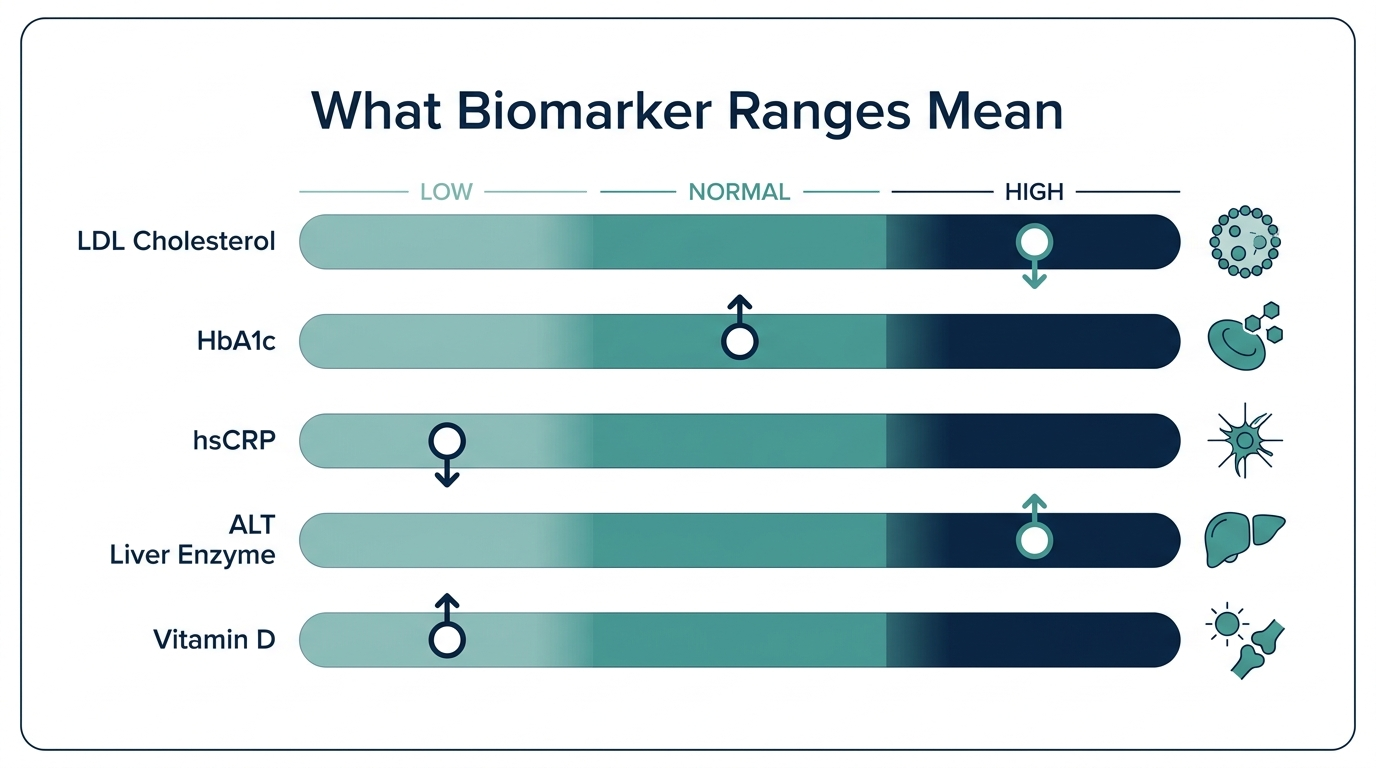
Biological age tests, particularly DNA methylation-based “epigenetic clocks” like DunedinPACE or GrimAge, have moved from academic research to commercial availability. These tests measure specific methylation patterns across the genome that predict mortality and functional decline better than chronological age alone.
The honest picture: epigenetic clocks are genuinely interesting and have real predictive validity at the population level. DunedinPACE, developed at Duke, showed in the BELFAST cohort that people with faster epigenetic aging paces had worse cognitive function, weaker grip strength, and higher mortality over twenty years of follow-up. These are not trivial associations.
But as an individual consumer decision in 2026, the main limitation is actionability. If your biological age comes back two years older than your chronological age, the interventions are the same ones already indicated by a comprehensive metabolic and inflammatory panel: improve sleep, reduce visceral fat, control insulin, lower hs-CRP, optimize ApoB. The epigenetic result rarely changes what you do; the metabolic panel tells you specifically where the dysfunction is.
A pragmatic approach: start with a comprehensive blood panel run every six to twelve months, build the behavioral and clinical response to what you find there, and consider an epigenetic age test every two to three years as a high-level check on whether the trajectory is moving in the right direction.
How to Get Comprehensive Longevity Testing Without a Concierge Physician
The traditional path to a longevity-oriented panel required either a concierge primary care physician (often $2,000 to $5,000 per year in membership fees) or a functional medicine doctor who charges $300 to $600 per visit before labs. That barrier is falling fast.
Direct-to-consumer ordering is now legal in most US states. You can buy blood tests online through platforms that arrange a physician authorization and use Quest or Labcorp for the actual draw. This gets you the same CLIA-certified results you would get from your doctor, without the office visit markup.
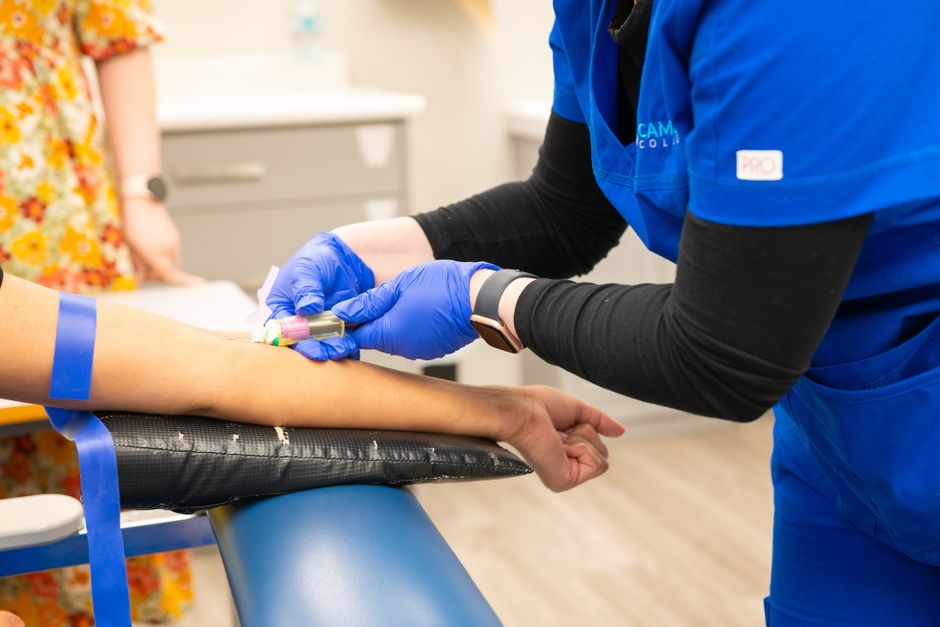
The mechanics of a typical order: you select your tests online, a telemedicine physician reviews and authorizes the order (this takes minutes and is often included in the service fee), you visit a Quest or Labcorp patient service center near you, blood is drawn, and results arrive online within one to five business days depending on the markers. Some markers like IGF-1 or Lp(a) take three to five days; CBC and CMP are usually back in 24 hours.
For the draw itself: fast for 10 to 12 hours. Drink water freely. Skip intense exercise for 24 hours before (a hard workout the morning before will falsely elevate CRP, ferritin, and creatine kinase). Draw in the morning when cortisol and growth hormone rhythms are most standardized across repeat tests.
Building a Longevity Testing Schedule That Compounds Over Time
A single comprehensive draw is better than nothing, but the real value of longevity testing accumulates through serial measurement. Here is a practical cadence for most adults aged 25 to 65.
Baseline draw (any age)
Run the full panel: ApoB, Lp(a), lipid fractionation, hs-CRP, homocysteine, fasting insulin, fasting glucose, HbA1c, CBC with differential, CMP, DHEA-S, IGF-1, full thyroid panel (TSH, free T3, free T4, reverse T3), testosterone (free and total), vitamin D, ferritin, RBC magnesium, uric acid, and omega-3 index. Lp(a) only needs to be tested once in most people.
Annual draw (minimum)
Repeat everything except Lp(a) and omega-3 index (every two to three years is sufficient for those). The goal is to catch trends early. A fasting insulin that has climbed from 6 to 9 to 14 over three years is a clear signal requiring dietary intervention before glucose ever rises out of range.
Semi-annual draw (metabolically active individuals)
If you are actively making interventions, changing diet, starting medications like statins or metformin, adjusting hormones, or losing significant weight, measuring every six months shows whether the intervention is working. Metabolic markers like fasting insulin and hs-CRP respond within eight to twelve weeks of meaningful lifestyle change; lipid markers take three to four months to stabilize after a dietary shift.
Membership-based services are designed for this cadence and typically include two full draws per year. Getting this level of coverage at a traditional lab without insurance support, including physician interpretation, would cost $600 to $1,500 per year. The how much does superpower cost breakdown shows how a membership compares to building the same panel a la carte.
Longevity Testing for Specific Populations
Adults over 65 and Medicare
Medicare Part B covers many standard labs (CBC, CMP, lipid panel, HbA1c for diabetics or pre-diabetics) annually with $0 cost sharing at participating labs. Medicare does not routinely cover ApoB, Lp(a), fasting insulin, or DHEA-S without a diagnosis code justifying them. If your primary care physician is willing to document a clinical indication (cardiovascular risk assessment, metabolic syndrome workup), many of these can be authorized. For markers Medicare will not cover, direct-pay pricing at Quest or Labcorp typically runs $20 to $60 per marker.
Adults under 30
There is a persistent myth that longevity testing is for people in their fifties who are already showing signs of decline. In reality, the most actionable window for cardiovascular and metabolic intervention is your twenties and thirties, when ApoB-driven plaque accumulation is just beginning and insulin resistance is still fully reversible. The 2018 Bogalusa Heart Study and CARDIA cohort data both show that lipid and insulin patterns established by age 25 to 35 predict coronary artery calcium scores in middle age. Starting longevity testing early is not premature. It is precisely the point.
Uninsured adults
Direct-pay pricing makes comprehensive longevity testing genuinely accessible without insurance. Walk-In Lab and Ulta Lab Tests both offer discounted Quest and Labcorp panels at $15 to $60 per test. A curated longevity panel of 40 markers can run $150 to $300 cash, comparable to the cost of a single urgent care visit. Talk to a clinician about your results after you have them, even if that conversation happens via a telemedicine service at $50 to $75 per session.
Curious where your longevity really sits?
Baseline longevity and 100+ biomarkers today and retest as life changes, all in one membership with physician review.
FAQ
What is the difference between longevity testing and a regular blood test?
A regular blood test ordered at your annual physical checks whether you currently have a disease or are approaching pathological thresholds. Longevity testing measures a wider set of markers optimized for predicting who ages well and who does not, using tighter optimal ranges rather than just disease cutoffs. It includes markers like ApoB, fasting insulin, DHEA-S, and homocysteine that standard panels routinely skip.
Which longevity biomarker is the single most important to know?
ApoB is the closest thing to a single must-know longevity marker because it directly predicts atherosclerotic cardiovascular disease, the leading cause of death in the US, better than LDL cholesterol. Fasting insulin would be the second choice, given how early it detects metabolic dysfunction before any other standard marker rises. These two together catch the two biggest accelerants of premature biological aging.
How often should I get longevity testing done?
At minimum once per year for a comprehensive panel. If you are making active interventions or have concerning baseline values, every six months gives you enough resolution to evaluate whether changes are working. Testing less frequently than annually gives trends too slowly to act on in a clinically meaningful window.
Can longevity testing be done at home with a finger-prick kit?
Partially. Some markers like HbA1c, cholesterol, and vitamin D are accurate enough from a capillary finger-prick sample. But high-sensitivity markers like fasting insulin, ApoB, hs-CRP, DHEA-S, and IGF-1 require a venous draw from a certified phlebotomist for reliable results. At-home kits are useful for monitoring specific markers between full draws, not for a serious baseline longevity panel.
Does insurance cover longevity blood testing?
Standard markers (CBC, CMP, lipid panel, HbA1c, thyroid) are usually covered with a physician order. Longevity-specific markers like ApoB, Lp(a), fasting insulin, DHEA-S, and homocysteine are covered inconsistently and often require a documented clinical indication. Cash pricing for uncovered markers ranges from $20 to $70 each at direct-pay labs, which is often cheaper than your insurance cost-sharing.
What is ApoB and why does longevity testing prioritize it over LDL?
ApoB is a protein that sits on every atherogenic (artery-clogging) lipoprotein particle. One ApoB equals one particle, so ApoB directly counts how many particles are circulating. LDL cholesterol measures the cargo in those particles, not the count. Someone with small, dense LDL particles can have a normal LDL cholesterol but a high ApoB, meaning far more particles penetrating artery walls than LDL suggests. Current ESC and ACC/AHA guidelines both recognize ApoB as superior to LDL for cardiovascular risk assessment.
What is the best longevity blood test service in 2026?
For most people who want comprehensive longevity testing with physician review, longitudinal tracking, and a cost under $200 per year, membership panels covering 100+ markers are the highest-value option. One-off at-home kits are cheaper upfront but lack the marker breadth and clinical interpretation that make results actionable. The direct to consumer blood testing guide compares the major services side by side.
How is longevity testing different from epigenetic age testing?
Longevity blood testing measures metabolic, inflammatory, hormonal, and organ-function markers that predict aging rate and disease risk. Epigenetic age testing (methylation clocks) estimates your biological age from DNA patterns and can predict mortality risk. They are complementary, not competing. Metabolic panels tell you specifically which systems are aging fastest and what to do about them. Epigenetic clocks give a high-level summary number. For actionability, start with the metabolic panel.
Vital Signs Today may earn a commission if you buy through links on this page. It does not affect our editorial assessments.