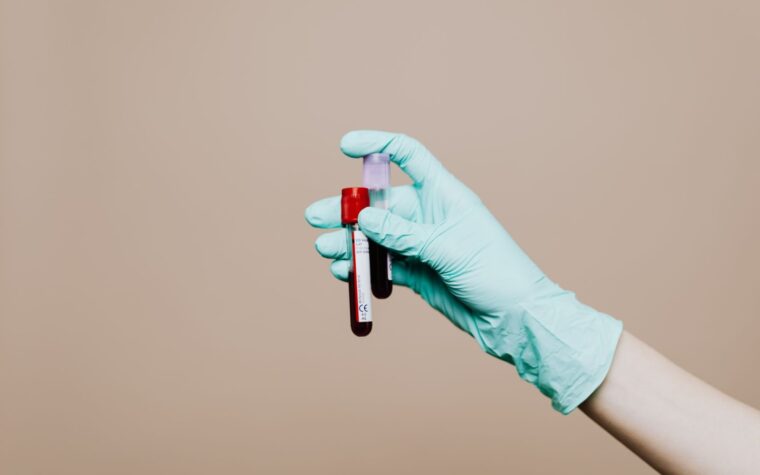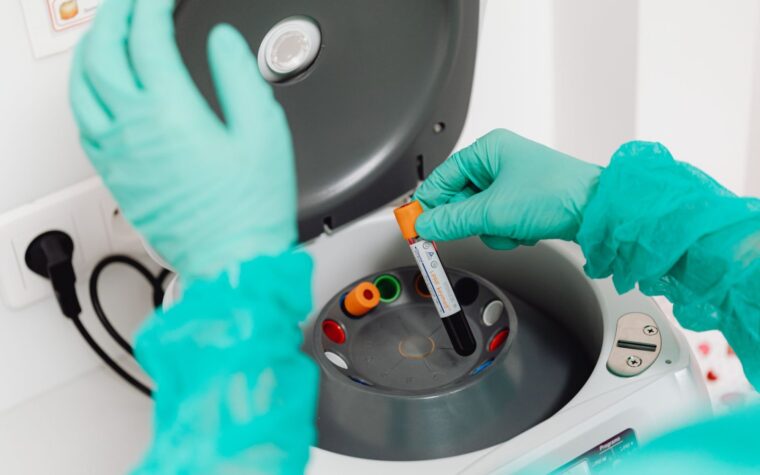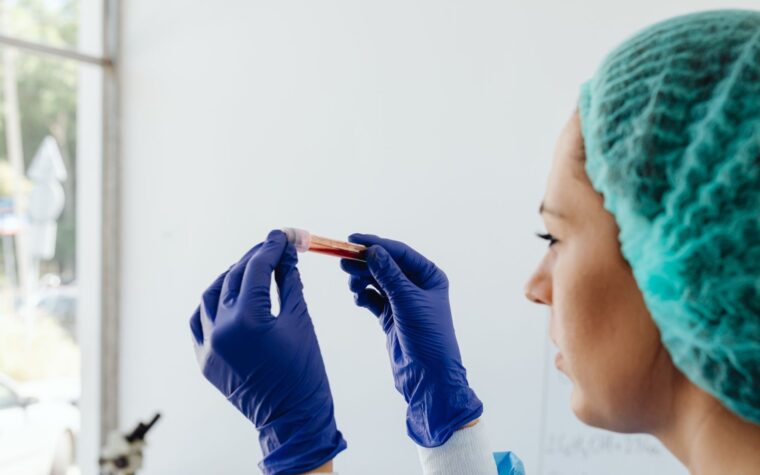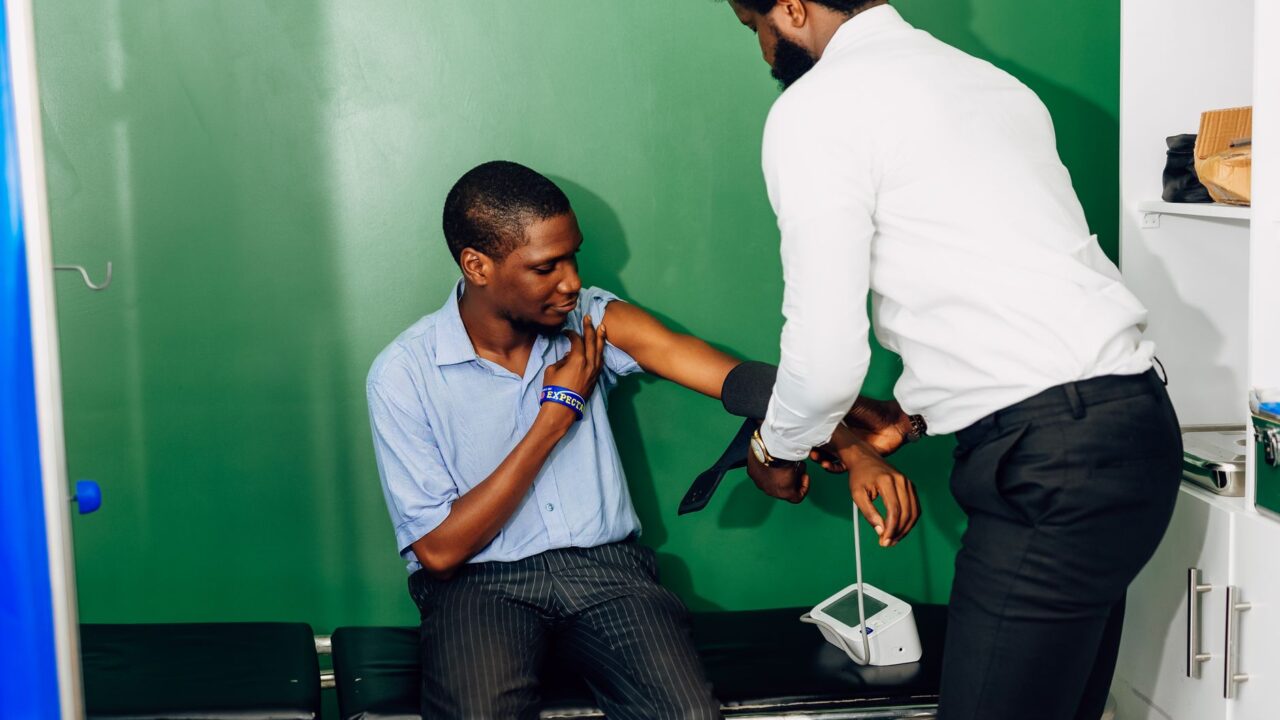
Your appointment is at 8 a.m., you have not eaten since dinner, and your throat is dry. The question hits you in the car: if I take one sip of water, did I just ruin the whole test? It is the single most common fasting question phlebotomists hear, and the answer is reassuring in a way that almost no one expects.
Wondering if that sip of water ruined your fast? Skip the guesswork with a test built around your schedule. One at-home Superpower draw checks 100+ biomarkers, physician-reviewed.
Plain water is not the enemy of a fasting blood test. It is closer to a quiet helper. The confusion comes from lumping water in with coffee, juice, and that splash of milk, which are genuinely off limits. Once you separate water from everything else, the rules get simple.
Can I drink water before a fasting blood test?
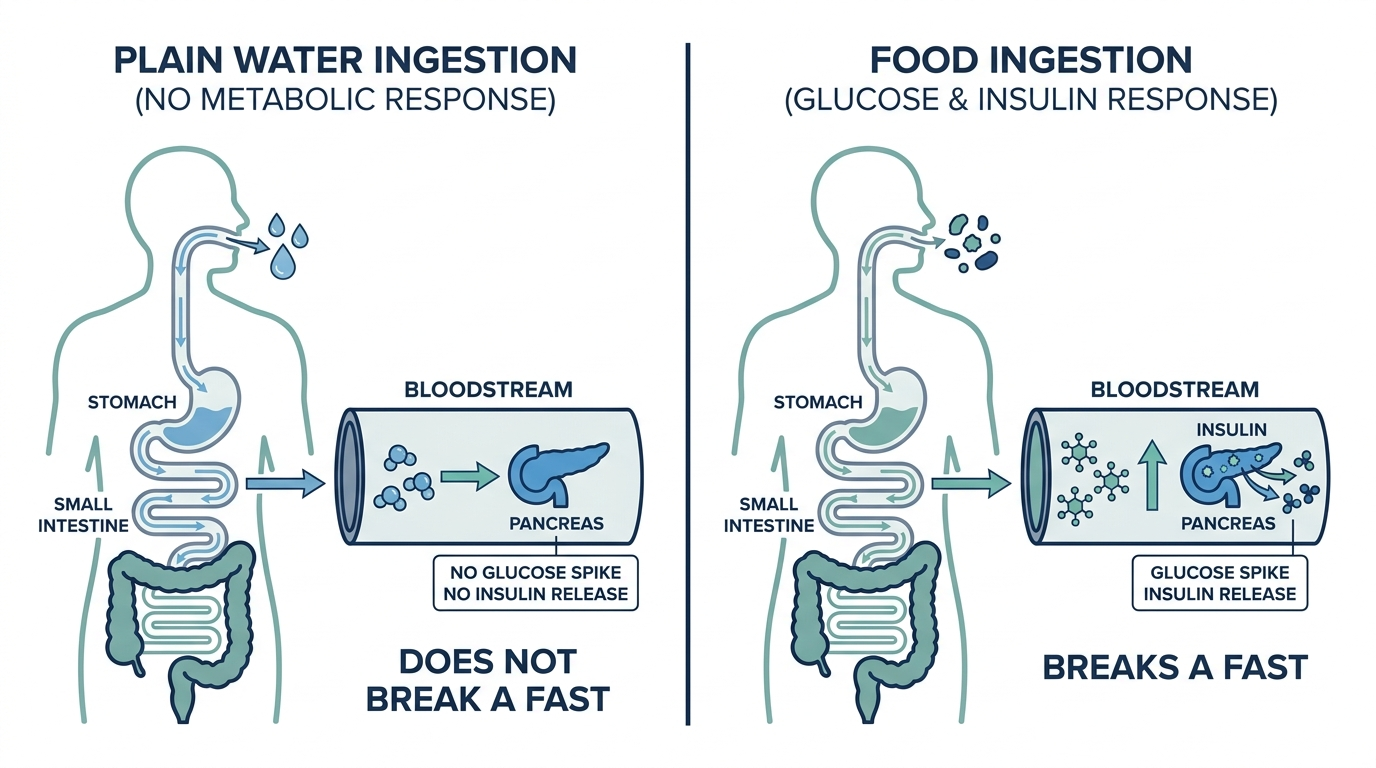
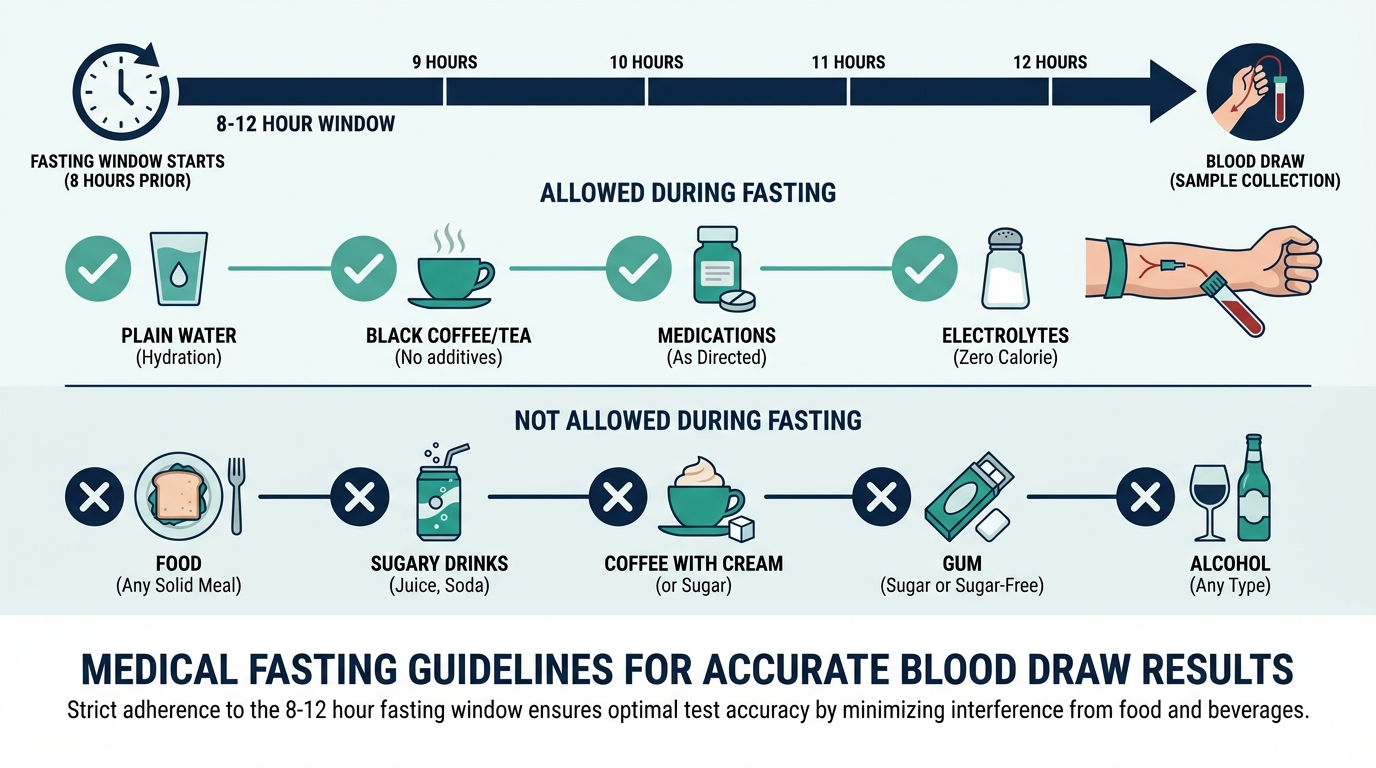
Yes. You can drink water before a fasting blood test, and in most cases you should. Plain, unflavored water does not contain calories, sugar, fat, or caffeine, so it does not change the values that fasting labs are trying to measure (Cleveland Clinic). Major patient resources spell this out directly: when you fast for blood work, you are told not to eat or drink anything “except water” for the fasting window (Cleveland Clinic).
So if you have been asking whether you can drink water before a fasting blood test, the worry is misplaced. Water is the one thing on the menu. The catch is that it has to be actual water, not anything dressed up as water.
Why is water allowed when everything else is not?
Water is allowed because it is metabolically invisible. Fasting tests measure how your body handles a meal-free state, and plain water adds nothing your body has to process. Glucose, triglycerides, and most metabolic markers respond to food and drink that carry energy. Water carries none, so it leaves those numbers untouched.
Compare that to the usual morning suspects. Coffee, even black, delivers caffeine that can nudge results, which is why it is excluded during fasting (Cleveland Clinic). Juice and soda carry sugar. Milk in your tea adds fat and protein. Each of those gives your metabolism a job to do, and that activity is exactly what a fasting test is designed to avoid. Water sits outside that entire system.
This is also why “fasting” is defined as no food or drink except water for roughly 8 to 12 hours before the draw (Cleveland Clinic). The phrase “except water” is built into the official definition of fasting itself, not a loophole you are sneaking through.
Does drinking water before a blood test fasting affect the results?
For standard fasting panels, no. Drinking water before a blood test while fasting does not skew common results such as fasting glucose, the lipid panel, or a basic metabolic panel. Patient instructions for a fasting blood glucose test, for example, state plainly that you fast by “not eating or drinking, except for water” for at least 8 hours (MedlinePlus). Water is written into the protocol, not flagged as a risk.
There is even a quiet argument that water helps accuracy. Being well hydrated keeps your blood plasma at a normal volume. When you are dehydrated, plasma volume drops and the cells and proteins in your blood become more concentrated, which can tilt certain readings like hematocrit and some electrolytes in a misleading direction. A few glasses of water keep your blood at its true dilution, so the lab measures the real you and not a dried-out version of you.
How much water should I drink before a fasting blood test?
Enough to stay comfortably hydrated, which usually means a couple of glasses in the hour or two before your draw rather than one panicked gulp at the door. There is no official maximum on plain water during a fast, but the practical sweet spot is steady sipping, not chugging.
Here is the part that pays off at the needle. Hydration plumps up your veins. A phlebotomist hunting for a vein on a dehydrated arm is the difference between one clean stick and three painful tries, plus the dreaded “we could not get enough, can you come back.” Drinking water when fasting before a blood test is one of the few things fully in your control that makes the draw faster and less bruised.
A simple routine: drink a glass when you wake up, another on the way to the lab, and you are set. If you take morning medications with a sip of water, that is generally fine too, though confirm with your provider whether any of your medications should be paused before testing.
What can I NOT drink before a fasting blood test?
Everything that is not plain water. This is where most accidental fasting failures happen, because people assume “almost water” counts. It does not. The list to avoid during a fast includes:
- Coffee and tea, even black and unsweetened, because caffeine can affect results (Cleveland Clinic).
- Flavored, infused, or lemon water, which sneaks in sugars, acids, or other compounds.
- Sparkling and carbonated water, seltzer, and club soda, which some labs ask you to skip.
- Juice, soda, sports drinks, and diet soda, which add sugar or sweeteners and other additives.
- Milk and anything you would add to coffee, since they carry fat and protein.
Two more habits surprise people. You also should not smoke, chew gum, or exercise during the fasting window, because each can affect digestion or metabolism and therefore your results (Cleveland Clinic). Sugar-free gum still triggers a digestive response, so it is out too. If “water” has a flavor, a fizz, a color, or a calorie, treat it as food.
The insider truth: many blood tests do not need fasting at all
Here is what experienced clinicians know that the instruction sheet rarely says out loud. The whole water panic only matters if your test actually requires fasting, and fewer tests require it than most people assume. A hemoglobin A1C, a random glucose, and many routine panels do not need a fasting sample at all (MedlinePlus). If your test is not a fasting test, water and food are both moot.
The cholesterol panel is the most striking example of how the rules have shifted. For decades, the lipid panel was the classic “fast for 12 hours” test. Then large studies showed nonfasting cholesterol predicts cardiovascular risk about as well as fasting cholesterol, and major cardiology guidelines now accept nonfasting samples for routine screening. The picture is not unanimous: a meta-analysis of 244,665 people found that fasting still reduces variability and gives more consistent numbers, especially for triglycerides, which run higher in the fasting state (PMC, fasting vs nonfasting lipid testing). The takeaway is not that fasting is useless, but that the strict ritual is softer than the folklore suggests.
The practical lesson: do not invent fasting rules for yourself, and do not skip them either. Follow the specific instructions your provider gives you (MedlinePlus). If the order says fast, fast on water. If it does not say fast, you do not need to. When in doubt, call the lab and ask, “Is this a fasting test, and is water okay?” The answer to the second half is almost always yes.
Which blood tests actually require fasting
Before you stress about water, it helps to know whether your test needs fasting at all. The fasting requirement is not one-size-fits-all, and the window varies by test. The table below summarizes common tests and their typical fasting expectations. Your lab’s specific instructions always take precedence.
| Test | Typical fasting requirement | Why |
|---|---|---|
| Fasting blood glucose | At least 8 hours (MedlinePlus) | Food raises glucose directly. |
| Lipid panel (cholesterol, triglycerides) | Often 9 to 12 hours, but nonfasting increasingly accepted | Triglycerides rise after eating. |
| Basic or comprehensive metabolic panel | Sometimes 8 to 12 hours, depending on the lab | Includes glucose and electrolytes. |
| Fasting insulin | At least 8 hours | Insulin responds to food intake. |
| Hemoglobin A1C | No fasting needed | Reflects a 3-month average, not the moment. |
| Complete blood count (CBC) | No fasting needed | Measures blood cells, not metabolism. |
| Thyroid function (TSH) | No fasting needed in most cases | Not meaningfully affected by a meal. |
The pattern is clear: tests that measure how your body handles energy, chiefly glucose, insulin, and triglycerides, are the ones that call for fasting. Tests that measure cells, long-term averages, or hormones usually do not. When you are unsure, a quick call to the lab settles it, and the answer to “is water okay” is almost always yes.
How fasting changes specific results
To understand why fasting matters for some tests and not others, it helps to see what a meal does to each marker.
- Glucose: rises within minutes to an hour after eating carbohydrates, which is exactly why a fasting glucose gives a clean baseline.
- Triglycerides: climb substantially after a fatty meal and can stay elevated for hours, the single biggest reason lipid panels were traditionally fasted.
- Insulin: surges in response to food, so a nonfasting insulin reflects the meal, not your baseline.
- LDL cholesterol: often calculated from other values, so a high nonfasting triglyceride can throw off the LDL estimate.
- Electrolytes and some liver values: can shift modestly with a large meal, which is why some comprehensive panels prefer fasting.
Water sits entirely outside this list. Because it carries no energy, it does not move any of these markers, which is the whole reason it is written into the definition of fasting rather than excluded from it.
Timing your appointment for an easier fast
Fasting is far less miserable when you plan around it. A few practical choices make the whole experience smoother.
- Book the earliest morning slot you can. An 8 a.m. draw means most of your fasting window happens overnight while you sleep, so you barely notice it.
- Eat your last meal the evening before. If you finish dinner by 8 p.m. and your draw is at 8 a.m., you have hit a 12-hour fast without skipping breakfast in a stressful hurry.
- Keep drinking water through the fast. Steady sipping keeps you comfortable and plumps your veins for the draw.
- Bring a snack for afterward. Having food ready for right after the needle prevents the light-headed, hungry slump on the way home.
The goal is to let the clock, not willpower, do the work. A well-timed appointment turns fasting from an ordeal into a non-event.
Medications, supplements, and the fasting window
One of the most common real questions is what to do about the pills you normally take in the morning. The general rule is that fasting refers to food and calorie-containing drinks, not necessarily your prescriptions, but there are important nuances.
- Most routine medications: can usually be taken with a sip of plain water during the fast, but confirm with your provider, since some tests are affected by specific drugs.
- Diabetes medications and insulin: need special planning, because taking a glucose-lowering drug while fasting can cause low blood sugar. Ask your clinician how to handle these on a fasting morning.
- Supplements: some, such as biotin, can interfere with certain lab assays, so mention everything you take.
- Drugs that must be taken with food: may need timing adjustments, which your provider can advise on.
The safe approach is never to guess. Before a fasting test, ask your prescriber which medications to take, hold, or delay, and whether any supplement could skew the specific test you are having.
Special situations: diabetes, children, and pregnancy
Fasting is not equally simple for everyone, and a few groups need extra care.
- People with diabetes: a long fast combined with glucose-lowering medication risks hypoglycemia. Many clinicians schedule these draws early and give specific instructions about medication and food timing.
- Young children: a 12-hour fast is hard on a small child, so pediatric fasting windows are often shorter, and clinicians weigh whether fasting is truly necessary.
- Pregnancy: some prenatal tests, such as the glucose tolerance test, have their own protocols that differ from a standard fast, and hydration remains encouraged.
- Older adults and anyone prone to dizziness: steady water intake and an early appointment reduce the risk of feeling faint at the draw.
In all of these cases, the instruction to stay hydrated with plain water still holds, and the specifics come from the care team rather than a generic rule.
What to do if you accidentally break your fast
Mistakes happen. If you sipped coffee out of habit or grabbed a bite before remembering, do not panic and do not hide it.
- Tell the lab or phlebotomist honestly. They can decide whether the test is still valid, whether to reschedule, or whether to note it on the order.
- Do not pretend you fasted. An inaccurate result is worse than a rescheduled one, because it can lead to wrong conclusions.
- Ask whether a nonfasting version works. For some tests, such as many lipid panels, a nonfasting sample may be acceptable after all.
- Reschedule if needed. Losing a morning is a minor inconvenience compared to acting on a misleading number.
The one thing you should never worry about breaking your fast with is plain water. It is the single item that keeps the fast intact.
A simple day-of fasting checklist
When the morning of the test arrives, a short mental checklist removes the guesswork and keeps the sample clean.
- Confirm the fast is required. Check your order or call the lab so you are not fasting for a test that does not need it.
- Track your last meal. Note the time you finished dinner so you know your fast will be long enough by the draw.
- Drink plain water. A glass on waking and another on the way in keeps you hydrated and your veins easy to find.
- Skip everything else. No coffee, tea, juice, milk, flavored water, gum, or smoking until after the draw.
- Sort out medications. Take only what your provider approved, with a sip of water if allowed.
- Pack a snack. Have something ready to eat the moment the needle is out.
Run through those six points and the entire fasting question, including the water worry that started this whole thing, resolves itself before you even reach the clinic door.
Common misconceptions about fasting and water
A few persistent myths cause needless anxiety before blood tests.
- “Any liquid breaks a fast.” Plain water does not. It has no calories and does not affect the markers fasting tests measure.
- “Black coffee is basically water.” It is not, because caffeine can affect results, so coffee is excluded even without sugar or milk.
- “Drinking water will dilute my blood and change the numbers.” Normal hydration keeps your blood at its true dilution. It is dehydration, not water, that skews certain readings.
- “Every blood test needs fasting.” Many common tests, including A1C, CBC, and thyroid tests, do not require fasting at all.
The reliable rule to carry into any lab visit is simple: plain water is always allowed and often helpful, anything with flavor, calories, or caffeine is not, and when a test needs fasting your provider’s instructions are the final word.
Why good hydration makes the blood draw itself easier
Most of the fasting conversation focuses on accuracy, but there is a second, very practical reason to drink your water before a lab visit: it makes the actual needle stick smoother. When you are well hydrated, your veins carry more volume and tend to sit fuller and closer to the surface, which gives the phlebotomist a clearer, more accessible target. When you are dry, veins can flatten and become harder to find, which is the leading cause of the multiple pokes and the dreaded “we need to try the other arm.”
This is one of the small ironies of fasting labs. People often show up slightly dehydrated because they skipped their morning coffee and drank nothing at all, wrongly assuming water counts against the fast. That combination, no food and no fluid, is exactly what makes a draw difficult. Since plain water is allowed, arriving properly hydrated is a free way to reduce the chance of a repeat stick, shorten your time in the chair, and lower the odds of bruising afterward.
A reasonable approach is to drink a glass or two of water in the hours before your appointment and keep sipping on the way there, unless your provider has told you otherwise for a specific reason. If you know your veins are typically hard to access, mentioning it to the phlebotomist and showing up well hydrated are the two simplest things within your control. Warmth helps too, so keeping your arm from getting cold on the trip in can make the veins easier to raise.
Beyond food: exercise, alcohol, and smoking before your test
Fasting instructions almost always talk about food and drink, but a few other behaviors in the hours before a draw can nudge your results, and they are easy to overlook precisely because they are not what “fasting” usually brings to mind. Knowing about them helps you avoid a surprising number that has nothing to do with your underlying health.
Alcohol is the clearest example. Drinking in the day or evening before a fasting test can affect blood sugar and lipid readings and is best avoided during the fasting window, since it can linger in your system and skew exactly the markers these tests are meant to assess. Strenuous exercise is another. A hard workout close to your appointment can temporarily shift several values, so many people find it simpler to do labs before training rather than after, keeping the morning light. Smoking, like caffeine, can influence certain measurements, which is why holding off in the fasting window is a sensible default alongside skipping the coffee.
None of this needs to become a source of stress. The goal is not a perfectly controlled body but a result that reflects your baseline rather than last night’s dinner or this morning’s run. When you are unsure whether a specific habit matters for the exact test you are having, the fastest answer is to ask the lab or your provider directly, because instructions are sometimes tailored to the particular panel being drawn. A short, clear question beforehand beats second-guessing a number after the fact.
Don’t just read about your health, track it.
A single result is a snapshot. Superpower re-tests 100+ markers over time so you can watch them move as you change sleep, food, and training.
Frequently asked questions
Will drinking water ruin my fasting blood test?
No. Plain water does not contain calories, sugar, or caffeine, so it does not change fasting results, and patient instructions specifically allow water during the fast (Cleveland Clinic). Staying hydrated can actually make the blood draw easier.
Can I drink water before a fasting blood test for glucose or cholesterol?
Yes. For a fasting glucose test you fast by not eating or drinking except water for at least 8 hours (MedlinePlus). The same applies to a fasting lipid panel. Water is allowed; coffee, juice, and milk are not.
How long do I have to fast before a blood test?
Most fasting tests call for about 8 to 12 hours of no food or drink except water, though the exact window depends on the test (Cleveland Clinic). Always follow the specific instructions your provider or lab gives you.
Can I drink coffee or tea if it is black and unsweetened?
No. Even black coffee and plain tea contain caffeine, which can affect your results, so they are excluded during a fast (Cleveland Clinic). Stick to plain water until after your blood is drawn.
Does dehydration affect blood test results?
It can. When you are dehydrated, plasma volume drops and your blood becomes more concentrated, which may tilt certain readings. Sipping plain water during your fast keeps your blood at its normal dilution and helps the phlebotomist find a vein (MedlinePlus).
This article is for general educational purposes and is not medical advice. It cannot diagnose or treat you and does not replace your clinician. Always discuss your lab results and any health decisions with a qualified healthcare professional.
Related reading
Vital Signs Today may earn a commission if you buy through links on this page. It does not affect our editorial assessments.