A new type of blood test may help doctors find hidden pancreatic cancer cells that remain in the body after a patient has undergone treatment. The test, which looks for tiny fragments of tumor DNA circulating in the bloodstream, could allow for earlier detection of cancer recurrence compared to standard imaging scans. According to a report from Clinical Lab Products, this approach focuses on patients who have already received surgery for pancreatic cancer, a disease known for its high rate of return.
Key takeaways:
- The blood test detects circulating tumor DNA, or ctDNA, which are genetic fragments shed by cancer cells into the bloodstream.
- It aims to find residual disease after surgery, meaning cancer cells that were not removed and could lead to a relapse.
- Early detection of recurrence may give doctors a chance to start additional treatments sooner, potentially improving patient outcomes.
- Pancreatic cancer is particularly aggressive and often returns even after successful surgery, making better surveillance tools a priority.
How the Blood Test Works
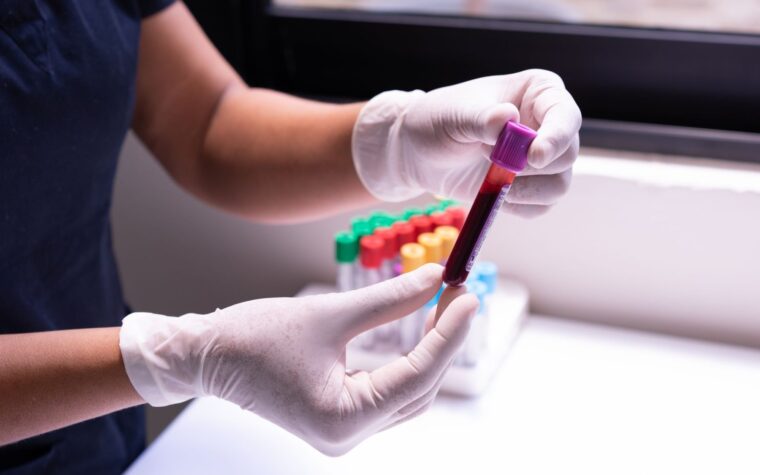
The test is a form of liquid biopsy, which analyzes a simple blood sample for signs of cancer. Instead of requiring a tissue sample from a tumor, liquid biopsies look for ctDNA that tumors release as they grow and die. In the context of pancreatic cancer, the test is designed to be highly sensitive, meaning it can pick up very small amounts of tumor DNA even when standard imaging scans show no signs of disease. The original report from Clinical Lab Products highlights that this sensitivity is crucial because pancreatic cancer can recur in microscopic amounts that are invisible on CT scans or MRIs.
Why It Matters for Pancreatic Cancer Patients
Pancreatic cancer has one of the lowest survival rates among major cancers, partly because it is often diagnosed late and tends to come back after treatment. Even when surgery successfully removes the visible tumor, tiny cancer cells may remain elsewhere in the body. These hidden cells, called minimal residual disease, can grow into new tumors months or years later. Currently, doctors rely on periodic imaging scans to check for recurrence, but these scans may not detect small clusters of cancer cells. A blood test that finds ctDNA could flag a recurrence weeks or months earlier, giving patients a window to begin chemotherapy or other therapies before the cancer spreads further.
What the Research Shows
According to the Clinical Lab Products report, researchers have been studying this blood test in patients who have undergone surgery for pancreatic cancer. Early results suggest that the presence of ctDNA after treatment is strongly linked to a higher risk of recurrence. Patients who tested positive for ctDNA after surgery were more likely to see their cancer return than those who tested negative. The test may also help doctors decide which patients need more aggressive follow-up care. However, the report notes that the test is still in the research phase and is not yet widely available in clinics. Larger studies are needed to confirm its accuracy and to determine how best to use it in routine patient care.
Frequently Asked Questions
Is this blood test available now for patients?
Not yet. The test is currently being studied in clinical trials and is not approved for routine use. Patients interested in liquid biopsy for pancreatic cancer should discuss options with their oncologist, as some research programs may offer access.
How is this different from a standard blood test for cancer?
Standard blood tests for cancer, such as the CA 19-9 test for pancreatic cancer, measure proteins that tumors produce. These protein tests can be helpful but are not always accurate, as levels can rise for non-cancer reasons. The ctDNA test looks directly for genetic material from the tumor, which may provide a more specific signal of cancer presence.
Can this test replace imaging scans like CT or MRI?
No. The blood test is meant to complement imaging, not replace it. If ctDNA is detected, doctors would likely order a scan to locate any new tumors. Conversely, a negative ctDNA test does not guarantee that no cancer is present, so imaging remains an important part of follow-up care.
This is an original report by Vital Signs Today, informed by reporting from Google News. Read the original source.
This article is for information only and is not medical advice. See our Medical Disclaimer.