Quick answer: The ESR test (erythrocyte sedimentation rate, also called a sed rate test) measures how fast red blood cells sink through a tube of blood over one hour. A faster-than-normal drop signals that something is driving up inflammation proteins in the blood. It does not identify what that something is, but it is a cheap, widely available first signal that pushes clinicians toward or away from further workup. Normal ESR ranges are roughly 0 to 20 mm/hr for men under 50 and 0 to 30 mm/hr for women under 50, with higher ceilings accepted for older adults.
What Does the ESR Test Actually Measure?
The ESR test measures how quickly red blood cells (erythrocytes) clump together and fall to the bottom of a standardized tube. It does not measure inflammation directly. What it captures is a downstream effect: when the body is inflamed, the liver releases acute-phase proteins, especially fibrinogen. Those proteins coat red cells and make them stick together in stacks called rouleaux, which are heavier and fall faster. So a high ESR tells you that acute-phase proteins are elevated, which almost always means some form of systemic inflammation is present.
The test has been in clinical use since the 1920s. Its longevity is not nostalgia. It is cheap (under $15 at most labs), requires no special equipment, and flags a huge range of conditions from infection to autoimmune disease to malignancy. Its weakness is the same as its strength: it is nonspecific. A result of 60 mm/hr tells you that something is wrong, not what that something is.
If you are building a real baseline picture of your health, the ESR rarely stands alone. A complete blood panel ordered at the same draw gives you the cellular counts needed to interpret what the ESR is pointing at.
ESR Normal Range by Age and Sex
The simplest way to actually get this done
Superpower is a full-body lab membership that runs 100+ biomarkers, has each result reviewed by a doctor, and tracks your numbers year over year (about $199/year). It is what we point readers to when they would rather get one clean, complete draw than chase single tests one at a time. Here is superpower reviewed in full.
The ESR normal range shifts substantially with age and sex, which is one of the most commonly misread aspects of this test. A result that looks alarming in a 30-year-old can be unremarkable in a 70-year-old.
| Group | Typical normal range (Westergren method) |
|---|---|
| Men under 50 | 0 to 15 mm/hr |
| Men 50 and older | 0 to 20 mm/hr |
| Women under 50 | 0 to 20 mm/hr |
| Women 50 and older | 0 to 30 mm/hr |
| Children | 0 to 10 mm/hr |
These are Westergren method ranges, which is the international standard used by Quest Diagnostics and Labcorp. Some older labs still use the Wintrobe method, which produces slightly lower numbers, so the reference range printed on your lab report always takes priority over any number you find online.
A clinically useful rule of thumb: the upper limit of normal in older adults can be estimated as age divided by 2 for men, and (age plus 10) divided by 2 for women. A 70-year-old woman could have an ESR up to 40 mm/hr without it necessarily indicating disease.
Very low ESR (near zero) is almost never a clinical concern. High ESR is where the action is. Results above 100 mm/hr are sometimes called a "markedly elevated ESR" and warrant prompt attention, as this range is strongly associated with serious illness including giant cell arteritis, multiple myeloma, or severe infection.
How to Read Your ESR Number in Bands
Once you have your age- and sex-adjusted reference range in hand, it helps to think in bands rather than a single pass/fail cutoff. These bands are a practical framing used in day-to-day clinical reasoning, not rigid diagnostic thresholds, and they always sit underneath your symptoms and your other labs.
- Within reference range: No action beyond your normal follow-up. A low or mid-range ESR does not rule out disease, because ESR can be normal early in an inflammatory process or in conditions that do not raise acute-phase proteins much.
- Mildly elevated (roughly up to the low 40s mm/hr): Common, often benign, frequently transient. In an asymptomatic adult this usually means watch and repeat, not urgent workup.
- Moderately elevated (roughly 50 to 100 mm/hr): Meaningful. This range earns a real look at symptoms, a paired CRP, and often imaging or targeted testing depending on the clinical picture.
- Markedly elevated (above 100 mm/hr): A small set of diagnoses dominates this range, chiefly giant cell arteritis, multiple myeloma, severe infection, and active vasculitis. It warrants same-week evaluation.
The single most useful habit is to compare a new ESR against your own prior results rather than against a population range. A move from 8 mm/hr to 30 mm/hr can be more informative than an isolated 30, even though 30 alone might look unremarkable on paper. This is why a stored baseline is worth more than most people assume, and why tracking the same marker over time turns a blunt screening test into a genuinely useful personal signal.
High ESR Causes: What a Raised Sed Rate Actually Points To
A high ESR is one of the most nonspecific findings in laboratory medicine, which sounds like a criticism but is actually a feature in the right context. It flags that something systemic is happening when a patient cannot articulate what is wrong. High ESR causes span a wide spectrum.
Autoimmune and inflammatory conditions
- Rheumatoid arthritis (often ESR above 40 to 60 mm/hr during active disease)
- Systemic lupus erythematosus (SLE)
- Giant cell arteritis and polymyalgia rheumatica (classic for ESR above 50 mm/hr, often above 100)
- Inflammatory bowel disease (Crohn's, ulcerative colitis)
- Vasculitis
Infections
- Bacterial infections (especially osteomyelitis, endocarditis, septic arthritis)
- Tuberculosis
- Chronic fungal or parasitic infections
Malignancy
- Multiple myeloma (classic for very high ESR because paraproteins coat red cells efficiently)
- Lymphoma and other hematologic cancers
- Solid tumors (less reliably)
Other causes that are less ominous
- Pregnancy (ESR rises through the third trimester and can reach 70 to 80 mm/hr at term)
- Anemia (fewer red cells per volume means the ones present sink faster)
- Obesity
- Kidney disease with nephrotic syndrome
One thing many people miss: a mildly elevated ESR (20 to 40 mm/hr) in an otherwise well person is common and does not demand aggressive workup on its own. Context matters. If a rheumatologist orders an ESR as part of monitoring rheumatoid arthritis, even a mild elevation is meaningful. If a healthy 55-year-old woman shows an ESR of 28 mm/hr on a routine draw, that may simply reflect normal aging-related shifts.
ESR vs CRP: Which Inflammation Test Is More Useful?
ESR vs CRP is a genuine clinical debate, and the honest answer is that neither test beats the other across the board. They measure inflammation through different biological pathways and have different kinetics, which makes them complementary rather than interchangeable.
| Feature | ESR | CRP |
|---|---|---|
| What it measures | Rate of red cell sedimentation (indirect) | C-reactive protein directly in blood |
| Rise after inflammation begins | 24 to 48 hours | 6 to 12 hours |
| Return to normal after resolution | Weeks | Days |
| Affected by anemia | Yes (falsely elevated) | No |
| Affected by pregnancy | Yes (often doubled) | Mildly |
| Best clinical use | Monitoring chronic inflammation (RA, GCA), broad screening | Detecting acute infection, post-surgical monitoring, cardiovascular risk (hsCRP) |
| Typical cash cost | $10 to $35 | $15 to $50 (standard); $25 to $80 (hsCRP) |
The practical takeaway: CRP is more sensitive and faster-moving, which makes it better for detecting an acute infection or monitoring a short course of antibiotics. ESR is slower-moving, which means it is better for tracking how a chronic inflammatory disease responds to treatment over weeks or months. When a rheumatologist is managing a patient with giant cell arteritis, they typically watch ESR at every visit because it lags just enough to smooth out day-to-day noise.
Ordering both together is common and reasonable. A high ESR with a normal CRP is a paradox that should prompt a repeat or a second look at the clinical picture, since the two rarely diverge dramatically when true systemic inflammation is present.
ESR Test Cost: What to Expect at Each Setting in 2026
The ESR test is one of the cheapest blood tests in clinical medicine. Here is what you can realistically expect to pay.
| Setting | Estimated 2026 cash cost | Notes |
|---|---|---|
| Quest Diagnostics (self-pay) | $14 to $29 | Order online via QuestDirect; walk-in phlebotomy |
| Labcorp (self-pay) | $15 to $32 | Same model, widespread locations |
| Direct-to-consumer panels (e.g., Superpower, LabMe) | Often included in comprehensive panel; $149 to $399 for full draw | ESR plus 50 to 100 other markers at once |
| Primary care doctor order (insured) | Covered or low copay if medically indicated | Insurance negotiated rates are far below cash prices |
| CVS MinuteClinic or urgent care | $45 to $120 (office visit often bundled) | Faster access but higher total cost for uninsured |
HSA and FSA funds cover ESR tests ordered by or through a licensed clinician. If you are uninsured and ordering standalone, Quest and Labcorp direct-to-consumer portals are the cheapest route. The lab visit itself is typically free; you pay only for the test.
A practical point: if your reason for testing inflammation is broader than a single marker, it is almost always more economical and informative to order a panel. Getting an ESR, CRP, CBC, and metabolic panel individually as cash-pay can run $80 to $150 combined. A comprehensive direct-to-consumer draw covering those plus dozens more often comes in at a similar or lower total price per marker.
If you are getting blood drawn anyway, it is often smarter to capture a full baseline at once. Here is how a full-body panel compares when you want more than a single inflammation signal.
How the Sed Rate Test Is Performed and Reported
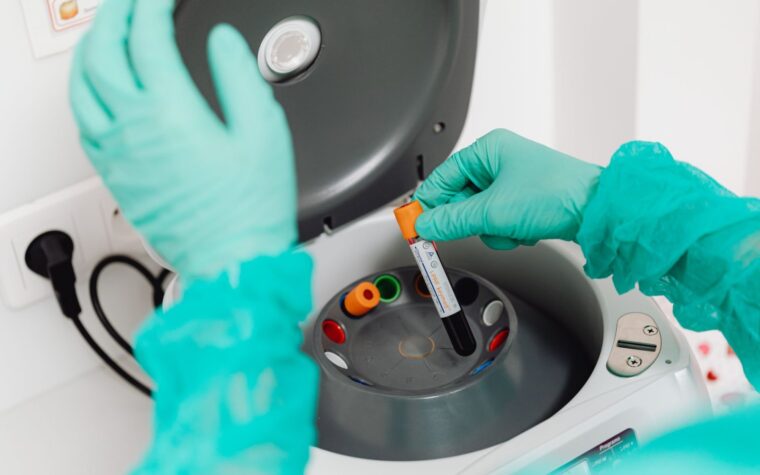
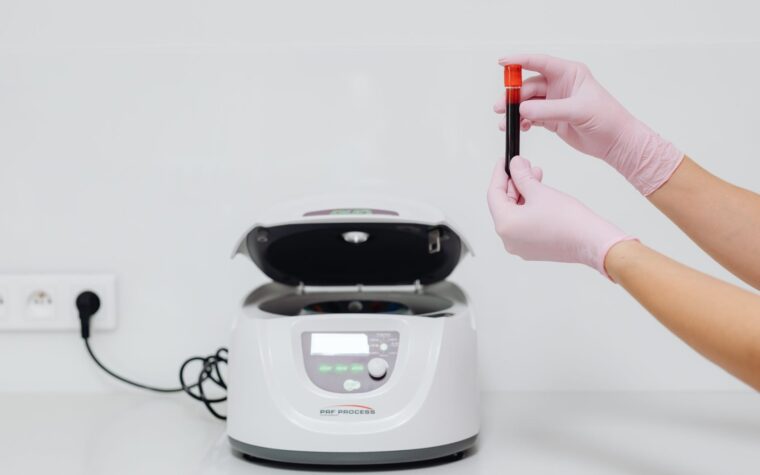
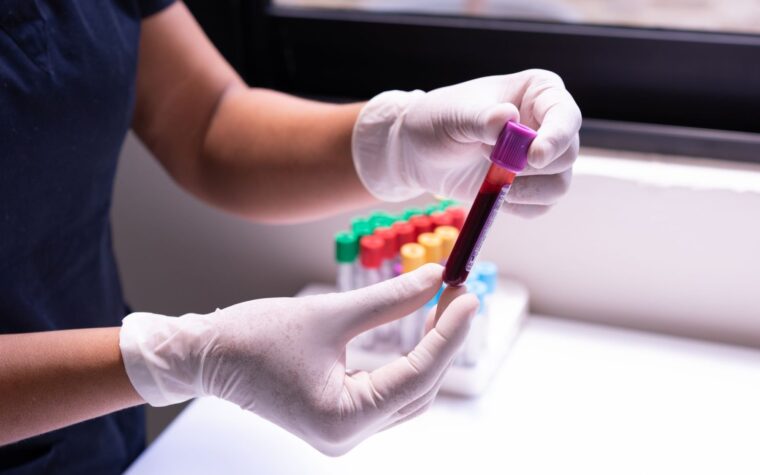
The sed rate test procedure is straightforward. A phlebotomist draws blood into a tube containing an anticoagulant, typically citrate. The tube is placed vertically and left undisturbed for exactly one hour. The lab technician then measures how many millimeters the red cell layer has fallen. That number in millimeters per hour is your ESR result.
Fasting is not required. You can eat and drink normally before an ESR draw. Results typically come back within 24 hours from a reference lab, and in some point-of-care settings within a few hours using automated analyzers.
Because no fasting or timing prep is needed, there is very little you have to do beforehand. That said, a few real-world factors can nudge the number, and knowing them prevents a false alarm. A recent viral cold or minor infection can lift ESR for a couple of weeks after you feel better, since the marker lags the illness. Intense exercise in the day or two before the draw can raise it modestly. Menstruation and the luteal phase can shift it slightly in some women. None of these turn a normal ESR into a markedly high one, but any of them can explain a mildly elevated reading in someone who is otherwise well. If your result is borderline and you had a cold or a hard workout that week, that context belongs in the conversation before anyone orders a bigger workup.
What can throw off the result:
- Sample not processed within 4 hours: ESR is time-sensitive; delayed processing artificially lowers the result.
- Tilted tube: Even a 3-degree tilt from vertical can raise ESR by 30 percent.
- Polycythemia (high red cell count): This falsely lowers ESR.
- Sickle cell disease: Sickle-shaped cells do not stack into rouleaux, so ESR may be falsely low even during a pain crisis.
- Certain medications: Corticosteroids suppress ESR. NSAIDs have minimal effect.
Knowing these preanalytical variables matters if your result surprises you or contradicts your clinical picture.
When a Clinician Orders an ESR Test and Why
The ESR test earns its keep in specific scenarios. Clinicians typically reach for it in three broad situations.
Screening for occult inflammation
A patient presents with fatigue, unexplained weight loss, or vague musculoskeletal aches. The ESR is a cheap net to cast. A normal result meaningfully lowers the probability of a serious systemic inflammatory or infectious process being the cause.
Monitoring known inflammatory disease
Rheumatologists use ESR as a disease activity marker in rheumatoid arthritis, ankylosing spondylitis, and especially giant cell arteritis, where a rising ESR on treatment can precede a clinical flare and prompt a steroid dose adjustment. In this monitoring role, the trend over time matters more than any single value.
Confirming suspicion of specific high-ESR diagnoses
Giant cell arteritis (GCA) in particular has ESR built into its diagnostic criteria. A patient over 50 with new-onset temporal headache and jaw claudication with an ESR above 50 mm/hr meets part of the American College of Rheumatology criteria for GCA. An ESR below 40 in that same clinical picture makes GCA less likely, though not impossible.
The ESR is less useful for monitoring infections compared to CRP, because it normalizes too slowly to track antibiotic response in real time. A patient treated for pneumonia who is clearly getting better may still show an elevated ESR three weeks later. CRP would have normalized within a few days of defervescence.
For a broader look at which markers belong in a preventive baseline, the best biomarkers to test guide covers the full decision framework.
ESR in Specific Populations: What Changes
Age, sex, and certain conditions alter how to interpret an ESR result.
Older adults
ESR rises with age even in healthy individuals, likely due to increased fibrinogen levels that accompany normal aging. A result of 35 mm/hr in a healthy 75-year-old may be unremarkable. Context and the age-adjusted formula matter here.
Pregnancy
ESR can double or triple during the second and third trimester. Using ESR to screen for infection or autoimmune disease during pregnancy is unreliable, and CRP is a better choice in that context.
Uninsured patients ordering self-pay
Quest and Labcorp direct portals do not require a physician order in most US states. You pay at checkout, visit any collection site, and receive results in your patient portal. Some states (New York, New Jersey, Rhode Island) require a physician order for lab tests, so self-pay direct access is not universal.
Medicare beneficiaries
Medicare Part B covers ESR when ordered by a physician with a qualifying diagnosis code. Without medical necessity documentation, the lab may bill you directly at cash rates. Your lab should provide an Advance Beneficiary Notice (ABN) if coverage is uncertain before drawing the sample.
Related markers like albumin and alkaline phosphatase are often ordered alongside ESR when a clinician is working up unexplained weight loss or liver involvement, since the ESR alone does not differentiate between tissue sources of inflammation.
Two Patients, Same ESR: Why Context Decides Everything
The nonspecific nature of ESR is easiest to understand through a side-by-side. Imagine two people who both walk out of the lab with an ESR of 55 mm/hr.
The first is a 34-year-old man who has been running fevers, waking up drenched in night sweats, and has lost weight without trying. In him, a 55 is a loud signal. It moves lymphoma, chronic infection, and autoimmune disease up the list, and it justifies a paired CRP, a complete blood count, imaging, and a prompt clinician visit. The number is doing exactly what the test was built to do: pointing at systemic inflammation that needs a name.
The second is a healthy 72-year-old woman with no symptoms whose ESR came back at 55 on a routine panel. Her age-adjusted upper limit sits around 41, so 55 is genuinely above range, but the gap is modest and she feels well. The reasonable move here is usually a repeat in several weeks alongside a CRP, not an immediate cancer hunt. Mild anemia, a recent minor illness, or simply the drift of normal aging can account for it, and repeat testing often settles the question on its own.
Same three digits, two completely different meanings. This is why a raised ESR is never read in isolation, and why pairing it with CRP, a complete blood count, and a clear symptom history is the difference between a useful test and a source of needless anxiety.
When Should You Retest an Elevated ESR?
Timing the retest is where a lot of people go wrong, usually by re-drawing too soon. ESR moves slowly. It rises over 24 to 48 hours and, unlike CRP, takes weeks to fall back down after the underlying inflammation resolves. Repeating it a few days later tells you almost nothing, because the marker simply has not had time to move.
For a mild, asymptomatic elevation, a repeat in 4 to 8 weeks is the usual window. That gap gives a transient cause, like a resolving cold, enough time to wash out, and it lets a real trend declare itself. If you are being monitored for a known inflammatory condition, your specialist sets the cadence, often every visit, and reads the trend rather than any single value. If your elevation was marked or came with symptoms, retesting is not the priority; evaluation is, and that happens on a much faster clock. When you do retest, use the same lab and method where possible, since a Westergren result and an older Wintrobe result are not perfectly interchangeable.
What to Do With a High ESR Result
A high ESR result is a signal, not a diagnosis. Here is a reasonable next-step framework.
- Compare to your reference range, not a generic internet cutoff. The lab-printed range is age- and sex-adjusted. Start there.
- Consider the magnitude. ESR of 25 to 40 mm/hr in someone who is otherwise well and whose reference range tops at 20 warrants monitoring and possibly a repeat in 4 to 8 weeks. ESR above 100 mm/hr warrants same-week clinical evaluation.
- Order or request CRP at the same time. If ESR is high and CRP is normal, one of three things is happening: the ESR is a false positive (anemia, pregnancy), you are testing early in an inflammatory process, or there is a protein disorder. This discordance should prompt a clinical conversation.
- Look at the complete blood count. A complete blood panel run simultaneously tells you whether anemia is falsely driving the ESR up, whether there is leukocytosis suggesting infection, or whether platelet patterns fit an inflammatory picture.
- Talk to a clinician about your results, especially if the elevation is more than mild or accompanied by symptoms.
What you should not do: Google the number and spiral into worst-case diagnoses. A mildly elevated ESR is among the most common incidental lab findings in adults over 40, and most of the time a systematic workup finds a benign explanation or the repeat result has normalized.
If you are exploring the full spectrum of inflammation and metabolic markers, an adiponectin test offers a different angle on chronic low-grade inflammation linked to metabolic syndrome, which ESR tends to miss because it is not sensitive to the low-level smoldering seen in obesity and insulin resistance.
FAQ
What is the ESR test used for?
The ESR test is used to detect and monitor systemic inflammation. It is a nonspecific marker, meaning it does not identify the cause of inflammation but confirms that something is driving an inflammatory response. Common uses include screening for autoimmune disease, monitoring rheumatoid arthritis or giant cell arteritis, and evaluating unexplained symptoms like chronic fatigue or musculoskeletal pain.
What is a dangerously high ESR level?
An ESR above 100 mm/hr is considered markedly elevated and is associated with serious conditions including giant cell arteritis, multiple myeloma, severe bacterial infection, or advanced autoimmune disease. It warrants prompt clinical evaluation. Values between 40 and 100 mm/hr cover a wide range from mild chronic inflammation to significant disease, and require interpretation alongside symptoms and other labs.
Can you have a high ESR and feel fine?
Yes. Mildly elevated ESR (20 to 50 mm/hr) in an asymptomatic person is a common incidental finding, particularly in adults over 50. In many cases, the ESR normalizes on repeat testing, or a workup reveals a benign cause such as mild anemia or a resolving minor infection. A high ESR in someone who feels completely well still deserves attention, but it does not automatically mean serious disease.
Is the ESR test the same as a sed rate test?
Yes. ESR and sed rate refer to the same test. ESR stands for erythrocyte sedimentation rate. "Sed rate" is the clinical shorthand used in most US clinical settings, particularly in primary care and rheumatology. You may see it labeled ESR, sed rate, or Westergren ESR on a lab report depending on the method used.
Does ESR rise with age normally?
Yes, ESR rises with age in both men and women, even without underlying disease. The upper limit of normal increases progressively after age 50. Clinicians use age-adjusted formulas (age divided by 2 for men; age plus 10 divided by 2 for women) to avoid over-interpreting results in older adults. An ESR of 35 mm/hr may be within normal limits for a 70-year-old woman but elevated for a 30-year-old woman.
How long does an ESR test take to get results?
The actual laboratory procedure takes one hour (that is how the test works, by timing sedimentation over 60 minutes). From sample collection to results in your patient portal, expect 12 to 24 hours at a reference lab like Quest or Labcorp. Some hospital labs and point-of-care settings with automated analyzers can return results faster, sometimes within a few hours.
Can I get an ESR test without a doctor?
In most US states, yes. Quest Diagnostics and Labcorp both offer self-pay direct-to-consumer ordering through their respective online portals. You pay at checkout and walk into any collection site for a blood draw. New York, New Jersey, and Rhode Island require a physician order by state law, so residents there need to go through a clinician. Cost runs $14 to $35 cash-pay for the test alone at major reference labs.
What is the difference between ESR and high-sensitivity CRP (hsCRP)?
Standard CRP and ESR both detect moderate-to-high levels of systemic inflammation. High-sensitivity CRP (hsCRP) is a different calibration of the CRP assay designed to detect very low-level chronic inflammation, particularly for cardiovascular risk stratification. ESR cannot serve that function. If your interest is cardiovascular risk rather than acute or autoimmune inflammation, hsCRP is the appropriate test, not ESR.
Can medications affect ESR results?
Yes. Corticosteroids (prednisone, methylprednisolone) suppress inflammation and lower ESR, sometimes into the normal range even when disease is still active. This is clinically important in conditions like giant cell arteritis where the ESR is used to gauge disease control. Dextran and intravenous contrast agents can falsely elevate ESR. Oral contraceptives and estrogen therapy also mildly increase ESR. Always tell your clinician what you are taking before interpreting any inflammatory marker result.
Does a normal ESR rule out inflammation or serious disease?
No. A normal ESR lowers the probability of significant systemic inflammation, but it does not exclude it. ESR can be normal early in an illness before acute-phase proteins climb, in localized problems that do not raise systemic markers much, and in some conditions that suppress rouleaux formation, such as sickle cell disease. If your symptoms are convincing, a normal ESR should not close the door. It is one input, and a paired CRP plus a careful clinical assessment carry more weight than a single reassuring number.
Can I lower my ESR with diet or lifestyle?
ESR is a downstream reflection of whatever is driving inflammation, so the honest answer is that you lower it by addressing the cause, not by targeting the number itself. If a treatable condition is driving it, treating that condition brings the ESR down. In people whose mild elevation traces to lifestyle-linked low-grade inflammation, the usual levers, not smoking, keeping weight in a healthy range, staying active, and managing conditions like diabetes, tend to reduce inflammatory load over time. There is no supplement or quick fix that reliably drops an ESR on its own.