Quick answer: A potassium blood test measures the concentration of potassium ions in your blood serum or plasma, reported in milliequivalents per liter (mEq/L). The normal adult range is 3.5 to 5.0 mEq/L. Levels below 3.5 signal hypokalemia, which can cause muscle weakness and dangerous heart arrhythmias; levels above 5.0 indicate hyperkalemia, which can slow or even stop the heart. This single number is one of the most clinically urgent values on any metabolic panel.
What Does a Potassium Blood Test Actually Measure?
The potassium blood test quantifies the amount of potassium dissolved in the liquid portion of your blood. About 98 percent of your body’s potassium lives inside cells, so the serum level is a narrow window into a massive intracellular reservoir. That math matters: a serum potassium of 3.4 mEq/L can reflect a total body deficit of 200 to 400 milliequivalents even though the number looks only slightly low on paper.
Potassium is the dominant intracellular cation. It sets the resting membrane potential of every muscle cell, including the specialized cells that generate your heartbeat. When serum levels shift outside the normal range, electrical conduction in the heart and skeletal muscle becomes erratic, which is why clinicians treat abnormal potassium results seriously and quickly.
The test is almost always ordered as part of a complete blood panel or a basic metabolic panel (BMP), not as a standalone draw. Running potassium alone is possible but unusual, because the result only makes clinical sense alongside sodium, bicarbonate, creatinine, and glucose.
How Potassium Keeps Your Heartbeat Steady
The simplest way to actually get this done
Superpower is a full-body lab membership that runs 100+ biomarkers, has each result reviewed by a doctor, and tracks your numbers year over year (about $199/year). It is what we point readers to when they would rather get one clean, complete draw than chase single tests one at a time. Here is superpower reviewed in full.
The reason clinicians react so fast to an abnormal potassium is that this one electrolyte sets the electrical stability of cardiac muscle. Heart cells fire in a coordinated rhythm because of the voltage difference maintained across their membranes, and potassium is the ion that does most of the work holding that voltage in place. When serum potassium drifts too low, the cells become more excitable and prone to extra beats. When it climbs too high, the cells struggle to reset between beats and conduction slows, which is what can tip the heart into a fatal rhythm.
This shows up on an EKG in a predictable sequence, and reading that sequence is part of how emergency clinicians gauge severity before a lab value even returns. Hyperkalemia classically produces tall, peaked T-waves first, then a widening QRS complex, and in severe cases a flattening of the P-wave that can progress toward a sine-wave pattern and cardiac arrest. Hypokalemia runs the other direction: flattened T-waves, ST-segment depression, and the appearance of a U-wave after the T-wave. Neither pattern is perfectly reliable on its own, which is exactly why the blood test matters. The number confirms what the tracing only suggests.
Potassium Normal Range: What the Numbers Actually Mean
The standard adult reference range is 3.5 to 5.0 mEq/L, though some labs set the upper limit at 5.1 or 5.2 mEq/L. Newborns and infants have slightly higher normal values (up to 6.0 mEq/L) because their kidneys handle potassium differently.
| Level (mEq/L) | Classification | Clinical significance |
|---|---|---|
| Below 2.5 | Severe hypokalemia | Life-threatening arrhythmia risk; IV replacement usually required |
| 2.5 to 3.4 | Mild to moderate hypokalemia | Muscle cramps, weakness, palpitations; oral supplementation often sufficient |
| 3.5 to 5.0 | Normal | Cardiac conduction stable; no intervention needed |
| 5.1 to 5.9 | Mild hyperkalemia | Monitor closely; look for cause (medication, kidney function, hemolysis) |
| 6.0 to 6.4 | Moderate hyperkalemia | EKG changes likely; urgent management required |
| 6.5 and above | Severe hyperkalemia | Medical emergency; risk of ventricular fibrillation |
One insider detail: the draw technique changes the number. Fist-pumping during phlebotomy, prolonged tourniquet time, or a difficult stick that causes hemolysis can release potassium from red blood cells into the sample, falsely pushing the result above 5.0. A lab report that notes “hemolyzed specimen” on a high-potassium result should almost always be redrawn before any clinical action is taken.
Low Potassium (Hypokalemia): Symptoms and Causes
Low potassium symptoms range from subtle to severe, and they track the degree of deficiency more closely than the absolute number. A level of 3.3 mEq/L in someone on diuretics for years may produce almost no symptoms, while the same number in someone who dropped there rapidly over 48 hours from vomiting can cause frank muscle paralysis.
Common symptoms of hypokalemia
- Leg cramps, especially at night
- Generalized muscle weakness or fatigue that is disproportionate to activity
- Palpitations or an irregular heartbeat noticed at rest
- Constipation (smooth muscle in the gut is also affected)
- Increased thirst and urination (hypokalemia impairs kidney concentrating ability)
- In severe cases: ascending paralysis or respiratory muscle compromise
Why potassium drops: the main causes
Excessive potassium loss through the kidneys accounts for the majority of cases. Thiazide and loop diuretics (hydrochlorothiazide, furosemide) are by far the most common pharmacologic culprits in outpatient medicine. After medications, gastrointestinal losses from prolonged vomiting, diarrhea, or ileostomy output are the next biggest driver. Laxative abuse, which is underreported, is a classic cause in young women presenting with unexplained hypokalemia.
Dietary deficiency alone almost never drives hypokalemia in otherwise healthy people because the kidneys are so efficient at conserving potassium. When a healthy-eating person turns up low, the clinician should immediately ask about diuretic use, purging, or excessive sweating from endurance training.
Insulin excess (either injected or from a massive glucose load) drives potassium into cells and transiently lowers serum levels. This is actually a feature, not a bug, in hyperkalemia treatment, but it means diabetics after a large meal can show borderline-low readings that normalize on a fasting repeat.
High Potassium (Hyperkalemia): What Raises It and Why It Is Dangerous
Hyperkalemia is more acutely dangerous than hypokalemia because the margin between a mildly high result and a fatal arrhythmia is narrower. A result of 6.5 mEq/L is a medical emergency regardless of symptoms, because cardiac tissue can arrest before the person feels anything beyond mild fatigue.
High potassium causes by category
- Kidney impairment: The kidney excretes roughly 90 percent of daily potassium load. Acute kidney injury or chronic kidney disease (CKD stage 3 or higher) reduces this excretion and is the most common true cause of hyperkalemia.
- Medications: ACE inhibitors (lisinopril, enalapril), ARBs (losartan, valsartan), potassium-sparing diuretics (spironolactone, triamterene), NSAIDs, trimethoprim, and newer diabetes drugs (SGLT2 inhibitors at high doses) all raise potassium. Many hypertensive patients are on two or three of these simultaneously.
- Adrenal insufficiency (Addison’s disease): Aldosterone drives potassium excretion in the kidney; its absence allows potassium to accumulate. The pairing of low sodium plus high potassium on a metabolic panel is a classic Addison’s pattern.
- Massive cell breakdown: Rhabdomyolysis (muscle destruction from crush injury, extreme exercise, or statins at high dose), tumor lysis syndrome after chemotherapy, or severe burns dump intracellular potassium into the bloodstream faster than the kidneys can clear it.
- Pseudohyperkalemia: As noted above, hemolyzed samples, prolonged time between draw and centrifugation, and thrombocytosis (very high platelet counts) can produce spuriously elevated results. This accounts for a meaningful minority of flagged results in busy labs.
How the Potassium Blood Test Is Done and What Affects Accuracy
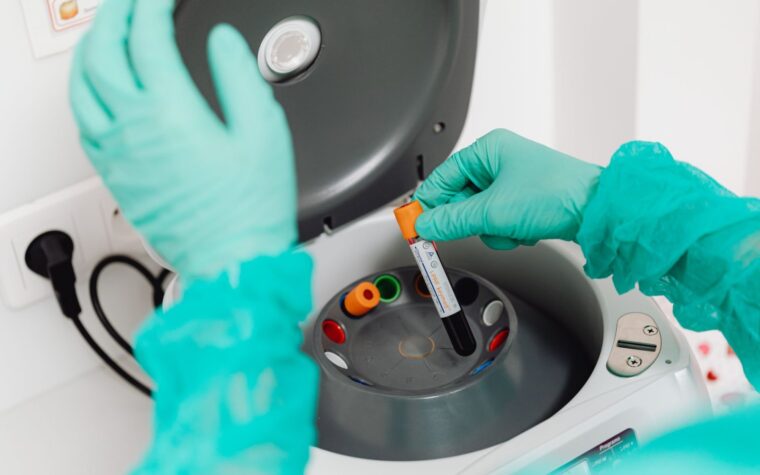
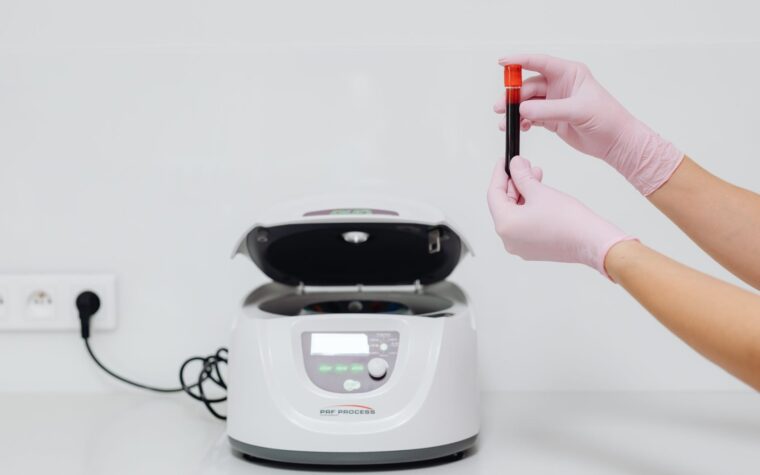
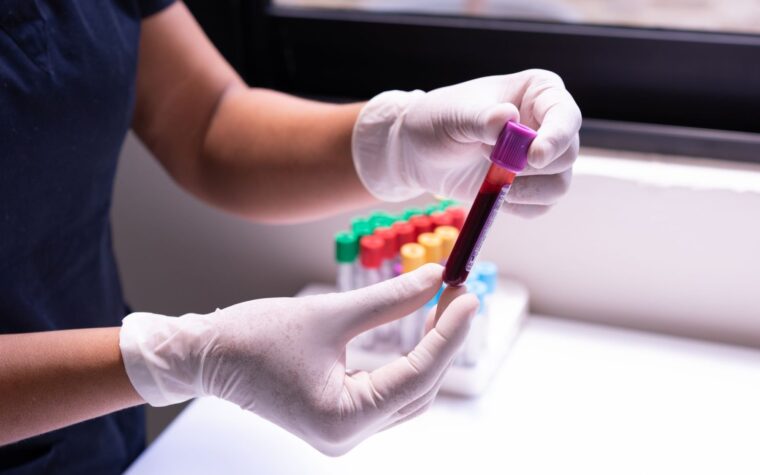
Collection is a standard venipuncture into a serum separator tube (gold or red top) or a lithium-heparin tube (green top), depending on the lab’s protocol. Results are typically available within hours at commercial labs and within 30 to 60 minutes at hospitals running a STAT panel.
Fasting is not required for potassium accuracy, unlike glucose or lipids. You can eat normally before the draw. However, if you are being tested specifically because a prior result was borderline high, some clinicians prefer a fasting draw to remove the post-meal insulin-redistribution effect mentioned earlier.
Variables that genuinely shift your result
- Hemolysis from a difficult stick or rough sample handling: falsely elevates
- Prolonged tourniquet or repeated fist-clenching: falsely elevates
- Recent vigorous exercise (same morning): transiently elevates by 0.2 to 0.5 mEq/L
- Metabolic alkalosis: shifts potassium into cells, lowering serum level
- Acidosis: pushes potassium out of cells, raising serum level; a diabetic in DKA can have a high serum potassium despite total body depletion
- Insulin injection within 2 hours: transiently lowers serum potassium
This context matters when you are tracking a trend over time. Comparing two results from different labs using different reference intervals, or comparing a hemolyzed specimen to a clean one, is clinically unreliable.
How Much Does a Potassium Blood Test Cost?
Ordered as part of a basic metabolic panel (BMP) or comprehensive metabolic panel (CMP) through your doctor’s office with insurance, you typically pay your standard lab copay, often $10 to $40. Without insurance or ordered directly, prices vary significantly.
| Setting | Approximate cash price (2026) | Notes |
|---|---|---|
| Standalone potassium only (Quest, Labcorp) | $18 to $45 | Rarely ordered alone; usually cheaper within a panel |
| Basic metabolic panel (includes potassium) | $29 to $89 | Includes sodium, chloride, bicarbonate, glucose, creatinine, BUN, calcium |
| Comprehensive metabolic panel | $49 to $130 | Adds liver enzymes, albumin; much more useful for a baseline |
| CVS MinuteClinic or urgent care | $80 to $200 total visit | Convenient but expensive per-test; appropriate for acute symptoms |
| Direct-to-consumer ordering (e.g., Ulta Lab Tests, Any Lab Test Now) | $25 to $65 | No physician order needed; HSA/FSA eligible |
HSA and FSA funds cover lab tests in all standard scenarios. Medicare Part B covers metabolic panels when ordered for a covered indication (kidney disease monitoring, heart failure management, diabetes), typically after meeting the Part B deductible with 20 percent coinsurance.
If you are getting blood drawn for any reason, it rarely makes sense to test only potassium. A CMP adds maybe $20 to $40 in cash cost but gives you a liver enzyme snapshot, kidney markers, glucose, calcium, and the full electrolyte picture. If you are getting one marker, you are often better served by a single full baseline draw. Here is how a full-body panel compares.
How Much Potassium Do You Actually Need From Food?
Most adults do not get enough potassium, but the deficit almost never shows up on a blood test because healthy kidneys defend the serum level so aggressively. The national adequate intake set by the National Academies is roughly 3,400 mg per day for adult men and 2,600 mg per day for adult women. Typical Western intake falls well short of that, which matters more for long-term blood pressure than for any single lab result.
Potassium is one of the few nutrients where the dietary pattern with the strongest evidence, the DASH approach, is built specifically around raising it. Higher dietary potassium relaxes blood vessels and helps the kidney excrete sodium, which is why potassium-rich eating patterns lower blood pressure independent of cutting salt. Good sources go well beyond the banana everyone names first: a baked potato with the skin, white beans, lentils, spinach, avocado, plain yogurt, salmon, and tomato products all deliver more per serving than a medium banana.
The caveat is that this advice flips completely for anyone with reduced kidney function. In chronic kidney disease, the same potassium-rich foods that protect a healthy heart can accumulate to dangerous levels because the kidney can no longer clear the load. This is the central tension in potassium: what is protective for one person is hazardous for another, and the blood test paired with kidney function is what tells you which situation you are in.
Who Should Test Potassium Regularly?
Routine annual testing makes sense for a specific set of people, not for every healthy adult. The kidneys are so good at maintaining serum potassium that a healthy person eating a varied diet rarely develops deficiency or excess without a clear cause.
Groups with a strong clinical reason to monitor
- Anyone on a diuretic: Loop and thiazide diuretics cause ongoing urinary potassium loss. Quarterly monitoring is standard in the first year; annual thereafter if stable.
- CKD patients: Reduced excretion makes hyperkalemia a persistent risk. The nephrologist typically sets the monitoring interval based on GFR stage, ranging from monthly (stage 4 to 5) to every 6 months (stage 2 to 3).
- Patients on ACE inhibitors or ARBs: A baseline recheck 1 to 2 weeks after starting and then annually is standard. Adding spironolactone on top of an ACE inhibitor significantly raises the risk.
- People with type 1 or type 2 diabetes: Diabetic nephropathy, insulin shifts, and common medications all affect potassium. It is typically checked with the standard annual metabolic panel.
- Those with unexplained fatigue, muscle cramps, or palpitations: A single metabolic panel rules in or out electrolyte causes quickly and cheaply.
- Endurance athletes: Heavy sweat losses and aggressive carbohydrate refeeding can both deplete and redistribute potassium. Not a high-risk group for severe events, but worth checking if symptoms arise.
For a broader view of which markers to track proactively, see this guide to the best biomarkers to test for long-term health.
A Realistic Scenario: The Flagged High Result That Was Not Real
A healthy 40-year-old on no medications gets a routine metabolic panel, and the report comes back with potassium flagged at 5.8 mEq/L, well into the hyperkalemia range. On paper that is alarming. But he has normal kidney function, takes nothing that raises potassium, and feels completely fine. The clue is in the fine print: the lab noted the specimen was hemolyzed. During a difficult draw, red blood cells ruptured and spilled their intracellular potassium into the sample, inflating the number. A clean repeat draw two days later reads 4.3 mEq/L, squarely normal.
This is the most common false alarm in the entire test, and it captures the core lesson of interpreting potassium. Before anyone restricts food, stops a medication, or heads to the emergency room over a high result, the first question is whether the sample was drawn cleanly. A high potassium in a person with normal kidneys, no relevant medications, and no symptoms is far more likely to be a lab artifact than a true emergency. The reverse also holds: a genuinely high value in someone with kidney disease deserves urgent attention even if they feel nothing at all.
What to Do If Your Potassium Is Abnormal
Do not self-treat an abnormal potassium result. Potassium supplementation is not benign: adding extra potassium when your kidneys cannot excrete it (CKD, ACE inhibitor use) can push a borderline result into the dangerous range within hours. And over-the-counter potassium supplements are capped at 99 mg per tablet by FDA convention, a deliberately small dose compared to the 1,000 to 2,000 mg increments used in clinical correction.
If potassium is low (below 3.5)
Talk to a clinician about your results to determine the cause before supplementing. If the result is 3.0 to 3.4 and you are on a diuretic, your prescriber may adjust the dose, switch to a potassium-sparing agent, or recommend a prescription-strength potassium supplement (20 mEq tablets). Dietary additions alone (bananas, potatoes, beans) can help maintain normal levels but are rarely sufficient to correct a true deficit. If the result is below 3.0, treat it as urgent and call your prescriber the same day.
If potassium is high (above 5.0)
First, confirm the result is not hemolyzed. If a repeat clean draw still shows elevation above 5.5, evaluation of kidney function is the immediate priority. Dietary potassium restriction (limiting high-potassium foods: orange juice, dried fruit, potatoes, tomato sauce, salt substitutes) is a short-term measure. Above 6.0 mEq/L, emergency evaluation is warranted regardless of symptoms.
Potassium sits alongside albumin and alkaline phosphatase as one of the metabolic panel markers where an abnormal value is rarely the whole story. The full context of kidney function, acid-base status, and medication list is what turns a number into a diagnosis.
FAQ
What does a potassium blood test show?
It shows the concentration of potassium ions in your blood serum, expressed in mEq/L. This reflects the balance between dietary intake, kidney excretion, and the distribution of potassium between cells and bloodstream. Abnormal values point toward kidney dysfunction, medication effects, hormonal problems, or acute cell breakdown, giving clinicians a fast window into cardiovascular and kidney health.
What is the potassium normal range?
The standard adult reference range is 3.5 to 5.0 mEq/L. Some labs extend the upper limit slightly to 5.1 or 5.2. Values outside this range are flagged, but clinical urgency depends on how far outside normal and how quickly the level changed. A result of 3.3 warrants follow-up; a result of 2.8 warrants same-day contact with a prescriber.
What are the main causes of high potassium?
Kidney impairment is the most common true cause, since healthy kidneys excrete excess potassium efficiently. Medications (ACE inhibitors, ARBs, spironolactone, NSAIDs) are the next most frequent driver. Pseudohyperkalemia from a hemolyzed blood sample accounts for a meaningful number of flagged results and should always be ruled out before treatment. Adrenal insufficiency, massive tissue breakdown (rhabdomyolysis, tumor lysis), and severe acidosis are less common but important causes.
What are the symptoms of low potassium?
Muscle cramps (especially nocturnal leg cramps), fatigue, palpitations, constipation, and increased urination are the most common low potassium symptoms. Severe hypokalemia can cause ascending muscle weakness that mimics Guillain-Barre syndrome, and EKG changes including flattened T-waves and prominent U-waves that increase arrhythmia risk. Many people with mild hypokalemia (3.0 to 3.4 mEq/L) have no noticeable symptoms at all.
Can I test my potassium level at home?
No reliable consumer device measures serum potassium at home in 2026. Home blood pressure cuffs and smartwatches do not measure electrolytes. Some clinical-grade point-of-care analyzers exist in physician offices and urgent care settings, but these require a blood sample. Direct-to-consumer lab services (Ulta Lab Tests, Any Lab Test Now, Walk-In Lab) let you order your own panel online and get drawn at a Quest or Labcorp patient service center without a physician order, which is the closest practical equivalent to at-home testing.
Does diet affect my potassium blood test result?
Yes, but less dramatically than most people expect in healthy individuals. A single high-potassium meal before a test can raise serum potassium by 0.1 to 0.3 mEq/L, which matters if you are borderline. Salt substitutes (No Salt, Nu-Salt) are essentially pure potassium chloride and can significantly raise serum potassium in people with reduced kidney clearance. For routine testing, fasting is not required, but if you are retesting a borderline-high result, a fasting draw removes this variable.
Is a potassium test the same as an electrolyte panel?
Potassium is one of four electrolytes measured in a standard electrolyte panel, alongside sodium, chloride, and bicarbonate (or total CO2). The basic metabolic panel (BMP) includes all four plus glucose, creatinine, BUN, and calcium. Running potassium in isolation misses the clinical context needed to interpret it, so most ordering clinicians include at minimum the full electrolyte panel or a BMP.
How often should I check potassium if I take blood pressure medication?
The standard recommendation is a baseline check before starting, a recheck 1 to 4 weeks after any dose change, and then every 6 to 12 months once stable. If you are on both an ACE inhibitor or ARB and a potassium-sparing diuretic like spironolactone simultaneously, more frequent monitoring (every 3 to 6 months) is appropriate. Your prescriber should have a specific protocol, and potassium is virtually always included in the annual metabolic panel that goes with blood pressure management.
What does it mean if my potassium is slightly low but I feel fine?
Mild hypokalemia (3.0 to 3.5 mEq/L) is often asymptomatic, which is why routine testing matters more than waiting for symptoms. The absence of symptoms does not mean the finding is harmless: even modest hypokalemia amplifies the arrhythmia risk of other conditions (atrial fibrillation, coronary artery disease) and interacts badly with common medications like digoxin. Investigate the cause, not just the number. If you are on a diuretic, your prescriber may make a simple adjustment that resolves it entirely.
Why was my potassium result flagged high when I feel completely normal?
The most likely explanation in a healthy person is a hemolyzed sample, meaning red blood cells broke during the draw and released their potassium into the specimen. This is a lab artifact, not a real elevation, and the report often notes it. Other benign causes include a prolonged tourniquet or repeated fist-clenching during the draw. A truly elevated potassium in someone with normal kidney function and no relevant medications is uncommon, so a clean repeat draw is the standard next step before any treatment.
Can potassium and sodium be abnormal at the same time?
Yes, and the combination is often more informative than either number alone. Low sodium paired with high potassium is a classic signature of adrenal insufficiency (Addison’s disease), because the missing hormone aldosterone normally holds sodium in and pushes potassium out. High sodium with low potassium can appear with certain diuretics or with excess aldosterone, as in primary hyperaldosteronism. This is exactly why potassium is rarely read in isolation and why clinicians order the full electrolyte panel or a basic metabolic panel instead.
Should I order potassium as part of a larger panel?
Almost always yes. Potassium alone costs nearly as much as a basic metabolic panel, and the BMP adds kidney function, glucose, and the rest of the electrolytes, all of which are needed to make sense of the potassium result anyway. For a proactive health baseline, a comprehensive metabolic panel or a full-body panel gives the complete picture in a single draw. See what markers a complete blood panel includes and how they work together.