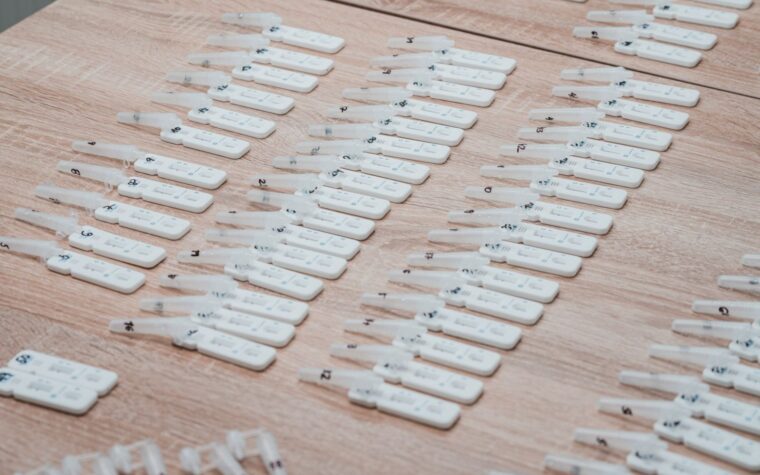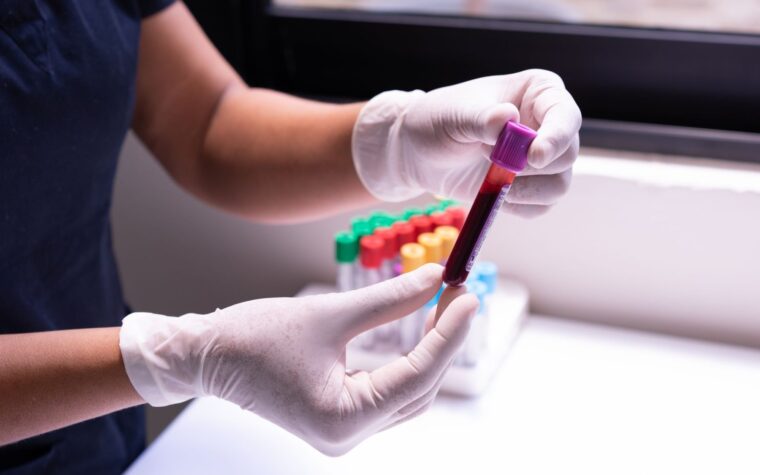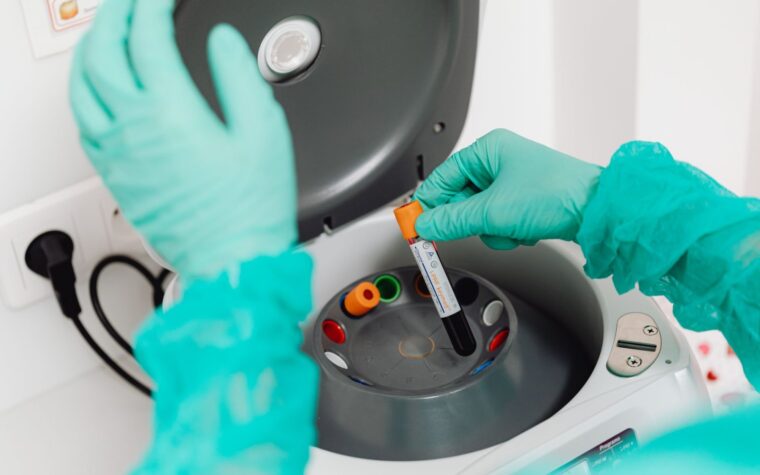
Quick answer: At home blood work ranges from highly accurate to unreliable depending entirely on the collection method and the specific biomarker. Venous blood drawn at home by a mobile phlebotomist and sent to a CLIA-certified lab is just as accurate as a hospital draw. Finger-prick cards are accurate for lipid panels, HbA1c, and thyroid markers but can produce spurious results for hemoglobin, platelet counts, and some sensitive hormones. The collection method matters more than where the test is ordered from.
What does "accurate" actually mean for a blood test?
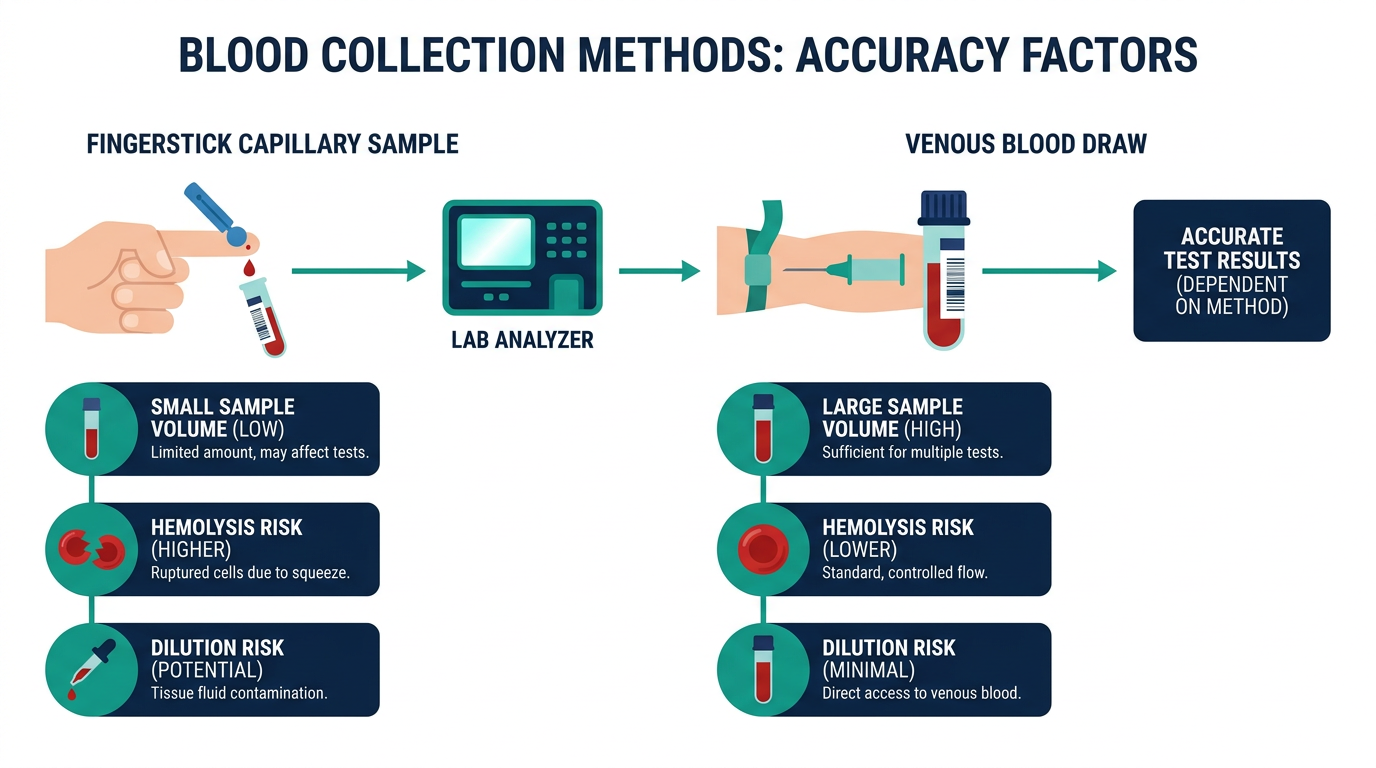
Clinicians talk about two distinct concepts that laypeople blur together. Analytical accuracy means the machine reading your sample produces the correct number. Pre-analytical accuracy means the sample that arrives at the machine was collected, handled, and transported correctly. Most at-home test failures happen in the second category, not the first.
Accuracy depends on the collection method. See how a full venous draw processed at a CLIA-certified lab compares for your own labs. One at-home Superpower draw checks 100+ biomarkers, physician-reviewed.
Every legitimate at-home blood test uses the same downstream analyzers as Quest Diagnostics or Labcorp. The Roche cobas, Abbott Architect, and Sysmex hematology platforms process millions of samples from hospitals, urgent cares, and direct-to-consumer kits alike. What differs is how the blood got from your vein (or fingertip) into that machine.
The key spec to look for is CLIA certification. The Clinical Laboratory Improvement Amendments program, run by CMS, certifies labs to perform high-complexity testing. Any legitimate home blood test company uses a CLIA-certified lab. If a company does not clearly state which CLIA lab processes their samples, that is a red flag worth taking seriously. You can verify a lab's CLIA certificate on the CMS website using a certificate number the company should publish.
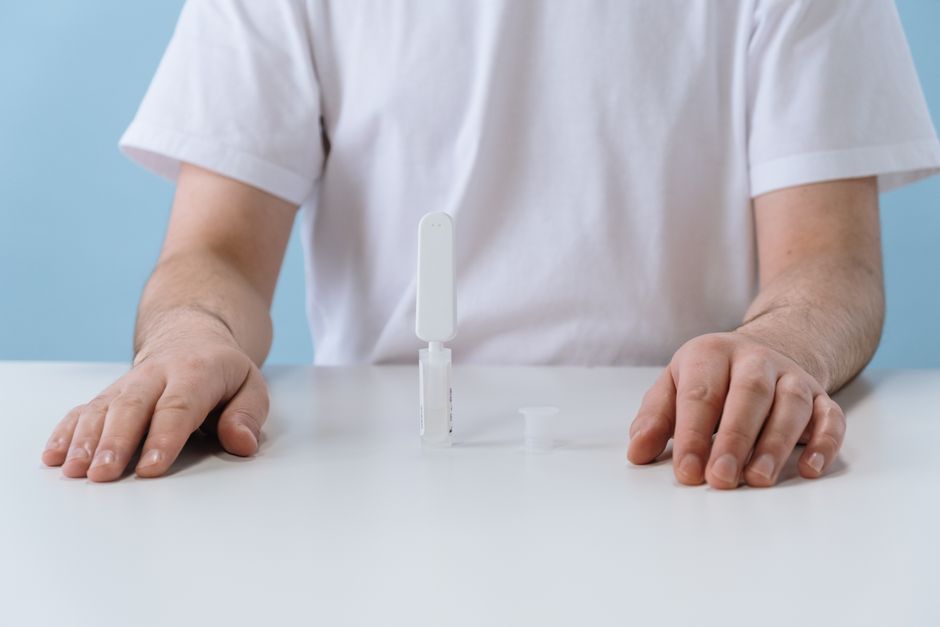
Finger prick vs venous blood test: where the accuracy gap lives
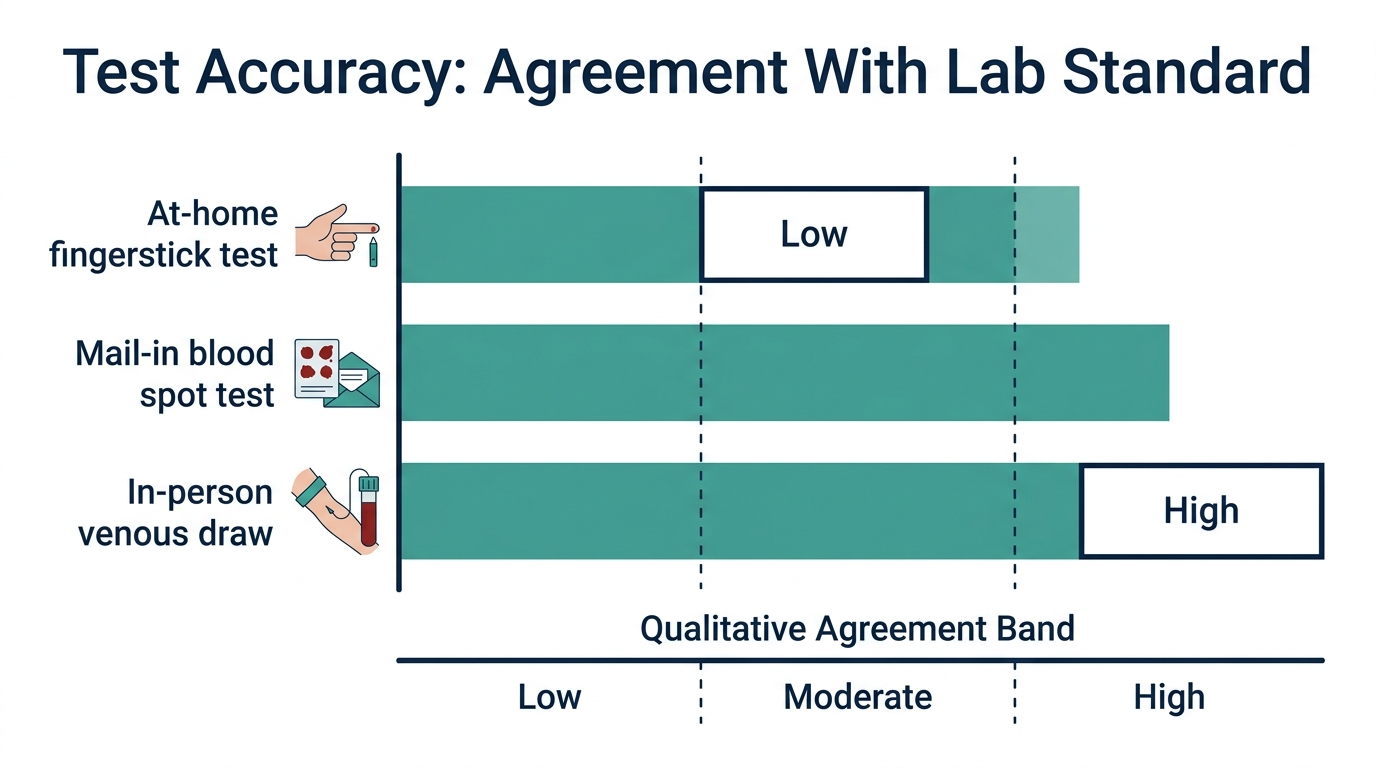
The single biggest accuracy divide in at home blood work is between dried blood spot (finger prick) collection and venous collection. They are not equivalent, and pretending otherwise does consumers a disservice.
What finger-prick tests do well
- HbA1c: Extremely stable on dried blood spots. Studies comparing DBS to venous draws consistently show correlation coefficients above 0.97. This is the gold standard diabetes monitoring marker, and finger-prick versions perform reliably.
- TSH (thyroid-stimulating hormone): TSH is robust on DBS. Newborn screening programs have used DBS TSH for decades, and the validation data is solid.
- Lipid panel (total cholesterol, LDL, HDL, triglycerides): Generally within 5 to 10 percent of venous values when fasting is observed. The caveat is triglycerides, which can swing 20 to 30 percent if the patient ate beforehand.
- HIV, STI, and infectious disease antibodies: Antibody tests on DBS are well-validated and used widely in public health surveillance.
What finger-prick tests do poorly
- Complete blood count (CBC): Platelet counts and white cell differentials are notoriously unreliable from finger-prick samples. The physical trauma of squeezing the finger activates platelets and distorts counts. If a CBC result from a DBS card looks off, repeat it with a venous draw before acting on it.
- Sensitive hormones (testosterone, estradiol, cortisol): The interstitial fluid dilution from vigorous finger-squeezing can lower measured concentrations. Some companies have worked around this with validated DBS methods, but the margin of error is wider than venous draws.
- Ferritin and iron studies: Hemolysis (red cell rupture from squeezing) artificially elevates ferritin readings. A hemolyzed finger-prick ferritin result is essentially useless.
- Comprehensive metabolic panel (CMP), particularly creatinine and liver enzymes: Dilution and hemolysis effects introduce enough noise that most clinical labs will reject a hemolyzed CMP and request a venous redraw.
For a deeper look at how different at home blood work services handle collection, see our at home blood work options compared guide.
How mobile phlebotomy changes the accuracy equation
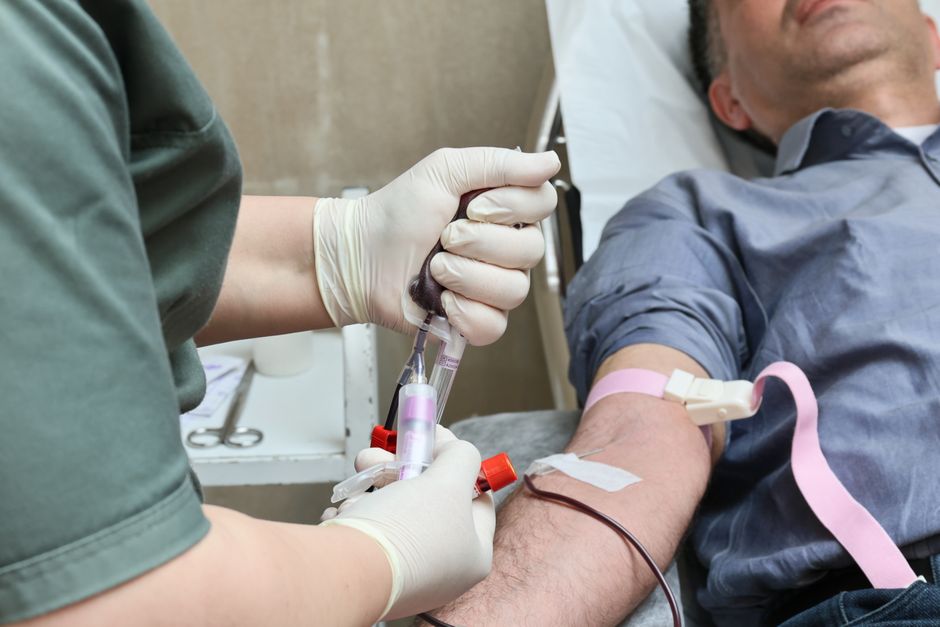
The fastest-growing segment of at home blood work is mobile phlebotomy: a trained phlebotomist comes to your house, draws blood from a vein in your arm exactly as they would in a clinical lab, labels the tubes, packs them with cold packs, and ships them via same-day or next-day courier to the processing lab.
When done correctly, this method produces results analytically identical to a hospital draw. The pre-analytical variables that matter (tourniquet time, tube order of draw, inversion count, temperature during transport) are controlled by a trained professional. The main risk is temperature excursion during shipping, which reputable companies mitigate with validated cold-chain packaging and partnering with labs that accept samples within a defined temperature window.
Superpower, for example, sends a phlebotomist to your home and processes samples through a CLIA-certified reference lab. If you are curious about the full scope of what that includes, our superpower blood test review walks through the exact panel and what a doctor review of results actually looks like.
The biomarkers where home testing is genuinely good enough
Clinicians are often surprised how well-validated certain DBS panels have become. Here is a realistic accuracy snapshot for common home blood test markers.
| Biomarker | DBS finger-prick accuracy vs venous | Venous home draw accuracy vs in-clinic |
|---|---|---|
| HbA1c | Very high (r > 0.97) | Equivalent |
| TSH | High | Equivalent |
| Total cholesterol | High (within 5%) | Equivalent |
| LDL cholesterol | Moderate-high (fasted) | Equivalent |
| Triglycerides | Moderate (fasting critical) | Equivalent |
| Testosterone (total) | Moderate (wider CI) | Equivalent |
| Vitamin D (25-OH) | High | Equivalent |
| CBC (platelets, WBC diff) | Low to poor | High |
| Ferritin | Low (hemolysis risk) | Equivalent |
| Creatinine/eGFR | Low | Equivalent |
| CRP (inflammation) | Moderate | Equivalent |
| HIV antibody | High | Equivalent |
"Equivalent" in the venous column means the variance between a home draw and a clinic draw is within normal intra-individual biological variation, meaning the number you would get Tuesday in a phlebotomy chair is as likely to differ from your Monday result as the home draw is.

What people get wrong about at-home blood test reliability
The most common misconception is that at home blood tests are uniformly less reliable than clinic tests. That is not true. A venous home draw processed at Quest is the same test. The second most common misconception is that FDA clearance means a test is accurate for clinical decisions. It means the test met a specific analytical performance threshold at a point in time, but context matters: a test cleared for screening is not the same as one cleared for diagnosis.
The real accuracy killers in home blood testing:
- Hemolysis from squeezing the finger too hard. This is the number one cause of flagged and rejected DBS samples. A good lancet and a warm hand eliminate most of it, but many users skip the warming step.
- Not fasting when required. Triglycerides and glucose are acutely sensitive to food intake. A post-meal lipid panel from a home kit will look alarming and tell you nothing useful.
- Temperature excursion during shipping. Leaving your blood sample in a hot mailbox on a summer afternoon can degrade hormone measurements. Ship the same day you collect, and do not collect on a Friday if Saturday courier service is not guaranteed.
- Hydration status. Dehydration concentrates blood, artificially elevating most biomarker concentrations. If you are unusually dehydrated, your numbers will look worse than they are.
- Time of day. Cortisol is 2 to 3 times higher at 8 AM than at 4 PM. Testosterone peaks in the morning. Iron has a diurnal swing. Collecting at a consistent time across repeat tests matters as much as the lab used.
Understanding these variables is exactly why services that include a doctor review add real value. A raw number without context is half the picture. For a full breakdown of cost versus included services, see how much does superpower cost.
When at-home blood work is not good enough
There are clinical situations where a home test should not be the final word, regardless of how accurately the sample was collected.
Symptomatic presentations. If you have symptoms, a home test is not a substitute for evaluation. A low hemoglobin on a home kit is a data point, not a workup. An in-person visit lets a clinician correlate labs with exam findings, vital signs, and history.
Monitoring unstable chronic conditions. Patients with CKD, heart failure, or poorly controlled diabetes should not substitute home tests for clinic labs when their condition is changing. The turnaround time and oversight structure of in-clinic labs exist for a reason.
Pre-surgical clearance or insurance-required labs. Insurance companies and surgical teams require labs ordered by a licensed clinician and documented in a medical record. A receipt from a DTC lab company does not satisfy this requirement.
Coagulation studies (PT/INR, aPTT). Home finger-prick INR monitors exist for patients on warfarin, but these are dedicated FDA-cleared devices with specific calibration. Generic home blood tests do not include reliable coagulation panels.
Pediatric and neonatal labs. Pediatric reference ranges differ from adult ranges and vary by age in ways that require careful clinical interpretation. Home testing in children should be done under a clinician's direction.
If you are uncertain whether a particular test is well-suited for home collection, our are online lab tests legit piece covers the regulatory framework and which companies have the deepest CLIA and physician-oversight infrastructure.
How to get the most accurate results from at home blood work
Protocol matters as much as the kit itself. Follow these steps and your home draw will be as good as a clinical one for the markers it covers.
- Fast for 10 to 12 hours beforehand if your panel includes lipids, glucose, or insulin. Water and plain medications are fine. Coffee, even black, modestly raises cortisol and glucose.
- Collect in the morning to match the time-of-day conventions used to set reference ranges. Most published normal ranges assume a morning fasted draw.
- Hydrate normally the day before. Do not over-hydrate (dilutes some markers) or under-hydrate (concentrates others). Two liters of water the day before is a reasonable standard.
- Warm your hands before a finger prick. Run warm water over your hand for 90 seconds. This increases capillary blood flow and reduces the chance you squeeze and cause hemolysis.
- Use the side of your fingertip, not the pad. The pad has more nerve endings and less blood flow. The lateral aspect of the ring or middle finger is the standard phlebotomy target.
- Do not shake the DBS card to dry it faster. Air dry flat at room temperature for 30 minutes before sealing in the envelope.
- Ship the same day if possible. If your kit includes a pre-paid overnight label, use it. Do not hold the sample overnight on your counter.
- Avoid intense exercise for 24 hours before a CK, liver enzyme, or CRP draw. Strenuous exercise significantly elevates creatine kinase and can modestly raise ALT and CRP, all of which will be incorrectly flagged as abnormal.
The simplest way to actually get this done
Superpower is a full-body lab membership that runs 100+ biomarkers, has each result reviewed by a doctor, and tracks your numbers year over year (about $199/year). It is what we point readers to when they would rather get one clean, complete draw than chase single tests one at a time. Here is superpower reviewed in full.
How at-home blood test costs compare across collection methods
Cost varies substantially across home blood testing formats, and the cheapest option is often the least accurate for the markers that matter most.
| Test type | Typical price range (cash, 2026) | Collection method | Best for |
|---|---|---|---|
| Single DTC DBS kit (e.g., Everlywell thyroid or STI) | $49 to $149 | Finger prick, mail-in | TSH, HbA1c, lipids, STIs |
| Mobile phlebotomy single panel | $120 to $300 | Venous, home visit | Any venous-required markers |
| Full-body membership (e.g., Superpower) | About $199/year | Venous, mobile phlebotomist | Comprehensive annual baseline |
| Walk-in lab (Quest, Labcorp patient) | $29 to $400 depending on panel | Venous, in-person | Any marker, no travel issue |
| CVS MinuteClinic or urgent care draw | $50 to $200 plus visit fee | Venous, in-person | Symptomatic patients who want face-to-face |
HSA and FSA funds cover most at home blood tests when ordered by or reviewed by a physician, which most reputable services include. Check with your plan administrator before assuming coverage. For a side-by-side feature comparison of the major services, our at home blood work options compared article lays out the specifics.
What regulators say about home blood testing accuracy
The FDA regulates home blood collection devices and point-of-care tests under 21 CFR Part 820 quality system regulations. CLIA governs the labs processing the samples. The combination creates a two-layer oversight structure that is actually reasonably robust for the tests covered.
Where the gap exists: the FDA does not individually clear every DBS collection kit used by DTC companies the way it clears, say, a home glucose meter. Many DTC companies operate under a laboratory-developed test (LDT) framework, where the CLIA-certified lab validates the method internally. The validation rigor varies. This is not inherently dangerous for the markers these tests cover well, but it does mean you cannot assume a DTC kit has the same evidentiary base as a cleared diagnostic device.
The good news is that the major players in the space publish their CLIA lab partners and, in some cases, their analytical validation data on request. If a company stonewalls you on which lab processes your sample or what their inter-assay CV is, that is a tell.
You can explore the full regulatory context, including how ordering physician requirements vary by state, in our can you buy blood tests online guide.
Accuracy versus precision: why a “wrong” number can still be repeatable
Two words get used interchangeably that mean different things, and the difference explains a lot of confusion about home testing. Accuracy is how close a result is to the true value. Precision is how consistently a test reproduces the same result on repeat measurement. A test can be precise but inaccurate, reliably giving you a number that is consistently off in the same direction, and it can be accurate on average but imprecise, scattering around the true value from draw to draw.
This matters practically because most reputable labs report their imprecision as a coefficient of variation, the percentage spread you would expect if the same sample were run repeatedly. A marker with low imprecision gives you confidence that a change between two draws is real rather than noise. A marker with higher imprecision means a small change could just be the assay wobbling. When you compare two of your own results over time, the meaningful question is not whether the numbers differ, but whether they differ by more than the combined biological and analytical variation of that marker. That threshold is why clinicians rarely act on a single small movement and instead look for a change large enough to exceed the expected wobble.
How to actually read a lab report line by line
A result sheet contains more than a number, and the surrounding fields are where the real interpretation lives. For any marker, work through these fields in order before you react.
- The value and its units. Units are not decoration. The same analyte can be reported in different units by different labs, and a number that looks alarming in one unit is normal in another. Always read the value together with its unit, never alone.
- The reference range printed beside it. This range comes from that specific lab and assay. It is not universal, which is why a value near the edge can flip from flagged to normal simply by being run at a different lab. This is expected, not an error.
- The high or low flag. A flag means outside the population reference interval, which is a statistical statement, not a clinical verdict. Plenty of flagged values need no action, and some unflagged values still sit below where you would want them for prevention.
- The draw conditions if noted. Fasting status and collection time change the meaning of glucose, triglycerides, cortisol, and testosterone. A result without that context is harder to interpret.
The single most useful habit is to distinguish out-of-range from below-optimal. A value can be inside the reference interval and still be worse than ideal for long-term health, which is exactly the gap a physician review layer is built to flag. Reading the report yourself with these fields in mind keeps you from both false alarm and false reassurance.
False positives, false negatives, and why pre-test probability matters
No test is perfect, and understanding the two ways a test can mislead you prevents overreaction to a home result. A false positive flags a problem that is not there. A false negative misses one that is. Every assay sits somewhere on a trade-off between catching true cases and avoiding false alarms.
The counterintuitive part is that the same test result means different things for different people, because it depends on how likely you were to have the condition before you tested. In a person at very low baseline risk, a larger share of positive results turn out to be false alarms after proper follow-up, simply because true cases are rare in that group. In a higher-risk person, the same positive is more likely to be real. This is why a lone out-of-range flag on a broad panel, especially for a marker known to fluctuate or one prone to collection artifact, is a reason to confirm rather than to conclude. It is also why screening tests are aimed at populations where the baseline risk makes a positive worth chasing.
The practical rule that falls out of this: treat a single surprising result as a hypothesis, not a diagnosis. Confirm it with a clean repeat, ideally a venous draw for a marker where finger-prick collection is weak, and interpret it against your actual risk profile rather than in a vacuum.
Why serial testing beats any single result
The deepest reason home testing is valuable is not any one draw, it is the ability to build a personal trend cheaply and repeatedly. A single number tells you where you sit against a population range. A series of numbers tells you where you sit against yourself, which is usually the more actionable comparison.
- You become your own reference range. If your marker has held steady at one level for years and then moves, that shift is meaningful even if every reading stays inside the population range. Your own baseline is a more sensitive alarm than the broad interval printed on the sheet.
- Trends filter out single-draw noise. One reading can be thrown off by fasting, timing, hydration, or a collection artifact. A line of readings over time averages out that noise and reveals the real direction.
- Consistency of conditions is what makes a trend valid. To compare draws honestly, hold the variables steady: same fasting state, similar time of day, similar hydration. A trend built from inconsistent conditions can invent a change that is not there.
This is the honest case for a repeatable, consistent testing habit over a one-off panel. Accuracy of a single draw matters, but a well-controlled series turns imperfect individual measurements into a genuinely useful picture of where your health is heading.
Don’t just read about your health, track it.
A single result is a snapshot. Superpower re-tests 100+ markers over time so you can watch them move as you change sleep, food, and training.
FAQ
Are at-home blood tests as accurate as lab tests?
For venous home draws sent to a CLIA-certified lab, yes, the analytical accuracy is equivalent to a clinic draw. For finger-prick DBS tests, accuracy is high for specific markers (HbA1c, TSH, lipids) but meaningfully lower for others (CBC, ferritin, creatinine). The method matters more than the "home vs clinic" distinction.
Can I trust a home blood test for cholesterol?
Yes, with one caveat: you must fast for 10 to 12 hours and not squeeze your finger excessively. Fasted finger-prick lipid panels from CLIA-certified DTC companies show strong correlation with venous results. Triglycerides are the most sensitive to diet and the most likely to produce a spurious high reading if you are not fully fasted.
What is the difference between a finger-prick and venous blood test for accuracy?
A venous draw (needle in the arm) produces a larger, undiluted, non-hemolyzed sample that behaves identically to a clinical lab sample. A finger-prick produces a smaller dried blood spot that is accurate for a defined subset of markers but introduces hemolysis and dilution risks for others. For a 100+ biomarker comprehensive panel, venous collection is the only option that covers everything reliably.
How do I know if a home blood test company is legitimate?
Check that they disclose the CLIA-certified lab processing your samples, that a licensed physician orders or reviews results (required in most states), and that the company is headquartered in the US. You can verify a CLIA certificate number on the CMS website. See our are online lab tests legit piece for a full checklist.
Does Everlywell produce accurate results?
Everlywell uses CLIA-certified labs and physician ordering networks, which is the right structural setup. Their DBS-based tests (thyroid, food sensitivity, fertility hormones) perform well for the markers best suited to DBS. Their Everlywell+ membership, which includes a venous draw option in some markets, produces more comprehensive and reliable results for CBC and metabolic panels. Read our full everlywell review for a marker-by-marker breakdown.
Is home blood work covered by insurance or HSA/FSA?
HSA and FSA funds can be used for medically necessary testing. Most home blood test services that include physician oversight qualify as medical expenses under IRS Publication 502. Traditional insurance reimbursement is less consistent: some plans cover DTC labs as out-of-network lab services, others do not. Call your insurer before ordering if reimbursement matters to you.
Can dehydration affect home blood test accuracy?
Yes, significantly. Dehydration reduces plasma volume and artificially concentrates nearly every biomarker. Creatinine, hemoglobin, sodium, and albumin are particularly sensitive. If you did intense exercise the day before, spent time in heat, or drank minimal fluids, reschedule your draw. A normal hydration day before testing gives you your true baseline, not a stress artifact.
How often should I do at-home blood work?
For a healthy adult tracking a baseline, once a year is the standard recommendation and aligns with what most comprehensive services offer. If you are monitoring a specific condition (lipids, thyroid, HbA1c after a diet change), every 3 to 6 months is clinically defensible and matches the interval most clinicians use for follow-up. Talk to a clinician about your results before shortening the interval further, since frequent testing of stable biomarkers adds noise without adding signal.
What should I do if my at-home blood test results look abnormal?
Do not panic and do not self-diagnose. A single out-of-range value, especially from a DBS finger-prick for a marker like ferritin or platelet count, could be a collection artifact rather than a true finding. Retest the specific marker with a venous draw (walk-in Quest or Labcorp patient service centers charge $30 to $80 for single-marker repeats) and bring both results to a clinician. Trending across multiple draws over months is more informative than a single data point.
Vital Signs Today may earn a commission if you buy through links on this page. It does not affect our editorial assessments.