Quick answer: A hematocrit test measures the percentage of your total blood volume occupied by red blood cells, reported as a decimal fraction or percentage (for example, 0.45 or 45%). Normal adult ranges are roughly 38% to 50% for men and 35% to 46% for women, though labs vary slightly. The test is ordered alone, as part of a complete blood count, or alongside hemoglobin to evaluate anemia, dehydration, polycythemia, and bone marrow disorders. Most results return within 24 hours and cost $10 to $80 cash pay depending on the draw site.
What exactly does a hematocrit test measure?
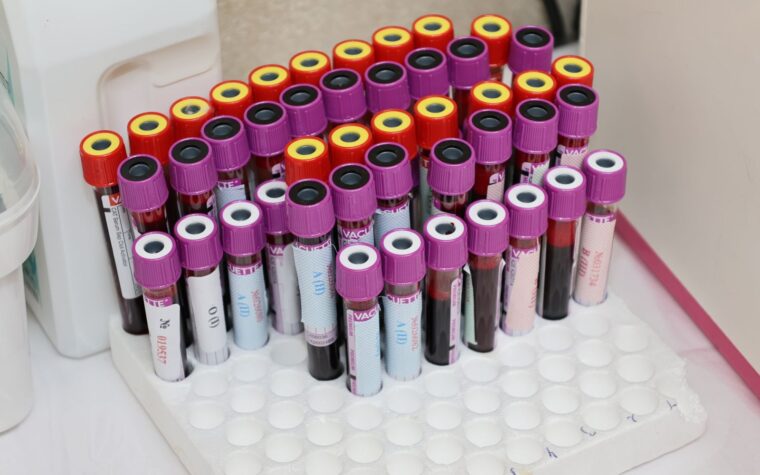
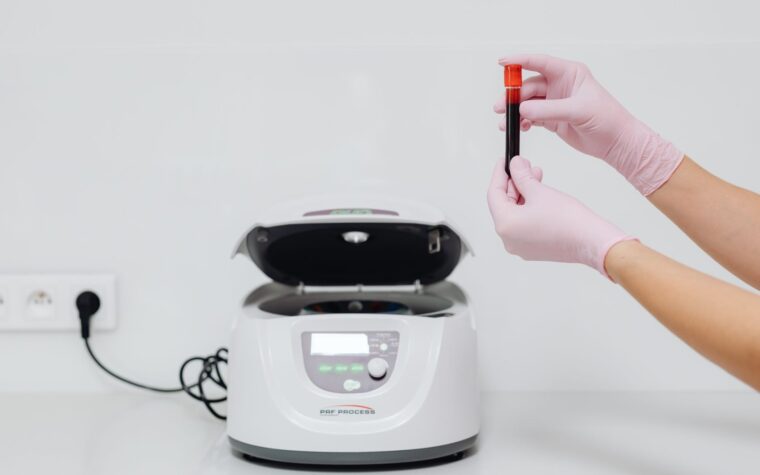
Hematocrit (abbreviated HCT or Hct) is a proportion, not a count. Spin a tube of whole blood in a centrifuge for about five minutes and the red cells pack down to the bottom. The ratio of that packed red-cell column to the full column of blood is your hematocrit. A result of 44% means 44 milliliters out of every 100 milliliters of blood are red cells; the remaining 56% is plasma, white cells, and platelets.
In modern labs the number is almost always calculated electronically from the mean corpuscular volume (MCV) and the red blood cell count rather than measured directly by centrifuge, but the physiological meaning is identical. Because it reflects red-cell volume rather than red-cell count or hemoglobin concentration, hematocrit is unusually sensitive to both cell size and hydration status. Swell the plasma compartment with IV fluids and the hematocrit drops without a single red cell being destroyed. Lose fluid through sweating or diarrhea and hematocrit rises without the body producing a new cell.
The hematocrit is always ordered as part of a complete blood panel, but it can also be pulled as a standalone point-of-care finger-stick at urgent care centers, CVS MinuteClinic, and most Quest Patient Service Centers for around $10 to $25 cash.
Hematocrit normal range by age and sex
The simplest way to actually get this done
Superpower is a full-body lab membership that runs 100+ biomarkers, has each result reviewed by a doctor, and tracks your numbers year over year (about $199/year). It is what we point readers to when they would rather get one clean, complete draw than chase single tests one at a time. Here is superpower reviewed in full.
Reference ranges are population-derived averages, not personal targets, but knowing where you stand relative to them is still useful. The table below reflects typical US laboratory reference intervals for adults and children; your specific lab report may differ by a percentage point in either direction.
| Group | Low end (%) | High end (%) | Notes |
|---|---|---|---|
| Adult men (18 to 64) | 38.3 | 49.0 | Testosterone drives higher erythropoiesis |
| Adult women (18 to 64) | 35.5 | 44.9 | Menstrual losses lower average |
| Pregnant women (any trimester) | 30.0 | 40.0 | Plasma volume expands 50%, diluting HCT |
| Men and women 65 and older | 34.0 | 47.0 | Range widens; erythropoietin sensitivity declines |
| Children (6 to 12 years) | 35.0 | 45.0 | Sex difference emerges around puberty |
| Newborns | 42.0 | 65.0 | Fetal hemoglobin, polycythemia physiologic at birth |
Altitude matters too. People living above 6,000 feet (Denver, Albuquerque, Salt Lake City) routinely run hematocrits 2 to 4 percentage points higher than sea-level residents because lower ambient oxygen pressure triggers the kidneys to secrete more erythropoietin. A “borderline high” result in a Denver resident may be perfectly appropriate physiology rather than disease.
Low hematocrit: what it means and the main causes
A hematocrit below the reference range indicates that red cells make up too small a fraction of blood volume, the clinical definition of anemia when confirmed alongside low hemoglobin. The word “anemia” describes a lab finding, not a single disease; the cause directs treatment entirely.
Production deficits
- Iron deficiency is the most common cause worldwide. The body cannot synthesize hemoglobin without iron, so red cells are produced small (low MCV) and in reduced numbers. Menstruating women, regular blood donors, and people with GI bleeds are at highest risk. Ferritin below 30 nanograms per milliliter alongside a low HCT is essentially diagnostic.
- Vitamin B12 and folate deficiency produce the opposite: large red cells (high MCV) that carry less oxygen per cell. Vegans, people on long-term metformin, and those with pernicious anemia are the typical patients.
- Chronic kidney disease suppresses erythropoietin production. Anyone with an eGFR below 45 and unexplained anemia should have this connection investigated.
- Bone marrow suppression from chemotherapy, aplastic anemia, or myelodysplastic syndrome reduces all cell lines simultaneously, so the white count and platelet count drop alongside hematocrit.
Loss and destruction
- Acute hemorrhage drops hematocrit, but lab values can lag actual blood loss by 24 to 48 hours while the body redistributes fluid. A normal hematocrit six hours after major trauma does not rule out significant bleeding.
- Hemolytic anemias (sickle cell disease, G6PD deficiency, autoimmune hemolysis) destroy red cells faster than marrow can replace them. Elevated bilirubin, low haptoglobin, and high LDH are companion findings.
A hematocrit around 30% is roughly where symptoms, fatigue, shortness of breath on exertion, and pallor tend to emerge in otherwise healthy adults. Below 25% most people feel debilitated at rest. Below 20% transfusion becomes a realistic clinical conversation.
High hematocrit causes: when more red cells is a problem
High hematocrit (above 50% in men, above 45% in women as a rough threshold) means red cells occupy an outsized fraction of blood volume, thickening the blood and raising clot risk. The causes divide cleanly into relative and absolute.
Relative (apparent) erythrocytosis
This is far more common than true polycythemia. Plasma volume contracts and hematocrit rises while the total red cell mass stays normal. Causes include:
- Dehydration, the most common culprit. A 2% to 3% drop in body water can push hematocrit up by 4 to 6 percentage points. Re-draw after 48 hours of adequate hydration and values often normalize.
- Diuretic use (thiazides, furosemide) chronically contracts plasma volume.
- Heavy alcohol use causes both direct dehydration and impaired fluid regulation.
Absolute erythrocytosis
Here the body is genuinely producing too many red cells:
- Polycythemia vera is a JAK2-mutation-driven myeloproliferative disorder. Hematocrit above 52% in men or 48% in women that persists after hydration warrants a JAK2 V617F mutation test. It is not rare, affecting roughly 45 people per 100,000 in the US.
- Secondary polycythemia from hypoxia: obstructive sleep apnea (OSA) is underdiagnosed as a cause. The kidneys sense chronic low oxygen during apneic episodes and upregulate erythropoietin. A hematocrit of 54% in a 50-year-old man with a thick neck and daytime fatigue should prompt an overnight oximetry study before hematology referral.
- Testosterone therapy and anabolic steroid use stimulate erythropoiesis directly. Men on exogenous testosterone typically run hematocrits 2 to 8 percentage points above their pre-treatment baseline. Most endocrinologists pause or dose-reduce testosterone if HCT exceeds 54%.
- High altitude residence, discussed above, is physiologic and not pathologic.
Hematocrit and dehydration: the connection most labs do not explain
Hematocrit and dehydration are so tightly linked that the test is sometimes used as a quick hydration proxy in sports medicine and critical care. When plasma volume shrinks, the denominator of the hematocrit fraction gets smaller, pushing the percentage up even though nothing happened to the red cells themselves. A long-haul athlete who shows up for bloodwork after a 90-minute run without rehydrating may see a hematocrit 5 to 7 points above their true resting baseline.
The practical advice that most clinicians give but few patients hear: fast for the standard 8 to 12 hours before a draw AND drink 16 to 24 ounces of water in the two hours before your appointment. This normalizes plasma volume without affecting most analytes. Arrive dehydrated and your hematocrit, albumin, and total protein will all trend falsely high, while your kidney function markers trend falsely concentrated.
If your hematocrit comes back borderline high and you were not well hydrated, ask your doctor to repeat the draw under controlled conditions before proceeding to more invasive workup. A single elevated result in isolation almost never warrants a bone marrow biopsy.
Hematocrit vs hemoglobin: which one matters more?
Hematocrit and hemoglobin measure different but tightly correlated aspects of red blood cell physiology, and understanding which one to prioritize depends on what clinical question you are trying to answer.
| Feature | Hematocrit (HCT) | Hemoglobin (Hgb) |
|---|---|---|
| What it measures | Volume fraction of red cells in blood | Grams of hemoglobin protein per deciliter |
| Units | Percentage or decimal | g/dL |
| Affected by cell size | Yes, large cells raise HCT for a given count | Less so, reflects protein content |
| Affected by hydration | Strongly | Moderately |
| Preferred for | Polycythemia diagnosis, transfusion triggers, sports screening | Anemia severity grading, treatment response |
| Quick estimation rule | HCT is roughly 3x Hgb (e.g., Hgb 14 = HCT ~42%) | Hgb is roughly 1/3 of HCT |
The 3x rule is a clinical teaching point: hematocrit roughly equals hemoglobin times three. An Hgb of 10 g/dL should pair with an HCT around 30%. When the two diverge significantly from the 3x relationship, it signals a problem with individual red cell hemoglobin content, a clue to the anemia type. The two numbers always travel together in a complete blood panel, and interpreting one without the other misses part of the picture. Understanding which best biomarkers to test alongside hematocrit depends on your specific clinical question.
How the HCT test is performed and what to expect
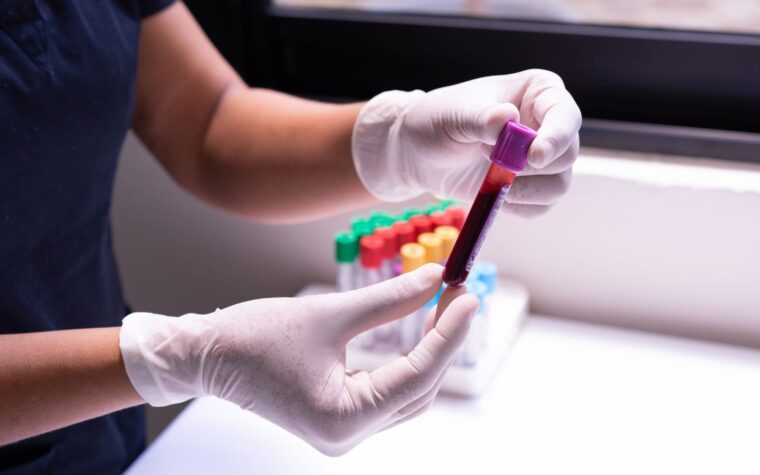
The hematocrit is almost always part of a complete blood count (CBC) drawn from a standard venipuncture at a lab or clinic. The process takes about five minutes including the draw. Results are typically available within a few hours to one business day from major reference labs like Quest Diagnostics and Labcorp.
Point-of-care options
CVS MinuteClinic and many urgent care centers can run a finger-stick CBC including hematocrit while you wait, useful for monitoring a known condition without scheduling a full lab visit. Accuracy is slightly lower than venipuncture for borderline values, so confirmatory venipuncture is standard if a clinical decision hinges on the number.
Preparation
- No special fasting is required for HCT alone, but if it is part of a lipid panel or comprehensive metabolic panel, follow the fasting instructions for those tests.
- Drink water normally beforehand to avoid a dehydration artifact.
- Avoid intense exercise for 24 hours before the draw if you want a true resting baseline. Endurance exercise transiently shifts fluid and can affect results.
- Inform the phlebotomist if you have received IV fluids or a blood transfusion within the past 48 hours.
What a hematocrit test costs without insurance
Cash pay pricing for a standalone hematocrit or full CBC varies widely by site:
- Quest Diagnostics (QuestDirect online order): a CBC with differential runs $29 to $45 online, with a draw fee of around $8 to $10 at most Patient Service Centers.
- Labcorp On Demand: similar, typically $29 to $50 for a CBC.
- Urgent care / MinuteClinic: a visit plus CBC typically costs $80 to $150 all-in, higher because you are paying for the provider encounter.
- Hospital outpatient lab: the same CBC can cost $150 to $400 without insurance because of facility fees, so avoid hospital outpatient labs for routine bloodwork unless your situation requires it.
- HSA and FSA eligible: yes, lab testing is a qualifying medical expense.
- Medicare Part B: covers a CBC including hematocrit when ordered by a physician for a medically necessary indication. The annual wellness visit does not automatically include lab work; the clinician must add a specific order.
If you are getting blood drawn anyway, it is often smarter to capture a full baseline at once. Here is how a full-body panel compares in terms of value per marker.
What people get wrong about hematocrit results
The most common mistake is treating a single mildly abnormal value as a diagnosis. Hematocrit is a screening number, not a verdict. A hematocrit of 52% in a 45-year-old man who ran 10 miles before the draw, takes a daily diuretic, and lives in Colorado Springs warrants a repeat draw under controlled conditions before anyone orders a JAK2 mutation panel or bone marrow biopsy.
The second common mistake is ignoring a borderline low result because the person feels fine. Iron deficiency often precedes anemia by months or years, showing up first as a declining ferritin while hematocrit remains normal, then as a mildly low hematocrit while the person dismisses fatigue as stress. By the time hematocrit drops below 35%, the iron stores have been depleted for a long time and repletion takes months. Catching it at 37% and pairing it with a ferritin test is far better medicine.
The third mistake is evaluating hematocrit without MCV. A low HCT with low MCV (small cells) points to iron deficiency or thalassemia. A low HCT with high MCV (large cells) points to B12, folate deficiency, or liver disease. A low HCT with normal MCV points to chronic disease, early iron deficiency, or hemolysis. Same number, three different workups. This is why a complete blood panel rather than an isolated hematocrit is the smarter initial order. The albumin test and alkaline phosphatase test often accompany it when liver disease or malnutrition is in the differential.
Hematocrit in specific populations
Athletes and endurance training
Trained endurance athletes often have hematocrits at the low end of normal or just below it, a phenomenon called sports anemia or dilutional pseudoanemia. The body expands plasma volume in response to aerobic training, diluting red cell concentration even as total red cell mass increases. A marathon runner with an HCT of 38% and a hemoglobin of 13 g/dL is physiologically different from a sedentary person with the same numbers; the athlete’s total oxygen-carrying capacity may actually be superior because of the higher cardiac output and blood volume.
Conversely, elite cycling and running have seen historical manipulation of hematocrit with erythropoietin (EPO) and blood doping. The UCI cycling federation uses a 50% hematocrit threshold as a health limit; athletes above it face a health check before competing.
Testosterone replacement therapy (TRT) monitoring
Men on TRT should have hematocrit checked at baseline, at 3 months, then annually once stable. The Endocrine Society recommends withholding or reducing testosterone if HCT rises above 54%. Elevated hematocrit from TRT is not theoretical risk management; viscous blood clots in real people. Men on TRT who donate blood regularly tend to run lower hematocrits, and some clinicians use therapeutic phlebotomy as an alternative to dose reduction.
Pregnancy
Plasma volume increases by 40% to 50% during pregnancy while red cell mass grows by only 20% to 30%, producing a predictable physiologic dilution. A hematocrit of 32% to 34% in the second trimester is normal in the absence of iron deficiency. The World Health Organization and American College of Obstetricians and Gynecologists define anemia in pregnancy as hemoglobin below 11 g/dL (roughly equivalent to HCT below 33%), which should trigger iron supplementation evaluation rather than alarm. The adiponectin test is sometimes ordered alongside metabolic markers in gestational diabetes workup, a reminder that prenatal panels expand well beyond the basic CBC.
FAQ
What is a dangerously low hematocrit level?
There is no single universal threshold, but hematocrit below 25% to 27% is generally considered severe anemia and triggers urgent clinical evaluation. Below 20% in an otherwise healthy adult, transfusion becomes a serious consideration depending on symptoms and trajectory. Rapid drops, say from 40% to 28% over 48 hours, are more alarming than chronic values in the same range because the body has not had time to compensate.
Can hematocrit be too high without symptoms?
Yes. Many people with polycythemia vera are diagnosed incidentally on routine bloodwork before any symptoms appear. Elevated hematocrit above 52% in men should not be ignored even without fatigue or headache because the clot risk, deep vein thrombosis and stroke, accumulates silently. Polycythemia vera requires ongoing management including phlebotomy to keep hematocrit below 45% in most treatment protocols.
Does drinking water before a blood test actually change hematocrit results?
Yes, meaningfully. A controlled study in healthy volunteers showed a 4 to 6 percentage point drop in hematocrit after drinking 500 milliliters of water 30 minutes before a blood draw compared to a fasted-and-dehydrated state. This is not manipulation of results; it is getting a result that reflects your true red cell proportion rather than your hydration status. Standard pre-draw advice is to drink 16 ounces of water an hour before your appointment.
Is hematocrit the same as hemoglobin?
No. Hematocrit is a volume fraction (what percentage of blood is red cells) while hemoglobin is a protein concentration (grams of hemoglobin per deciliter). They correlate closely because hemoglobin is packed inside red cells, and the rule of thumb HCT equals 3x Hgb holds in most normal situations. When the ratio breaks down significantly, it signals an abnormality in how much hemoglobin each individual cell carries, which is a clue to the anemia type.
How often should a healthy adult get a hematocrit test?
For asymptomatic adults with no chronic conditions, a CBC including hematocrit every one to three years as part of routine preventive care is reasonable. Annual testing makes sense for people on testosterone therapy, those with prior anemia, individuals who donate blood regularly, women with heavy menstrual periods, vegetarians and vegans at higher B12 risk, and anyone over 65 where chronic disease is more common. Talk to a clinician about the right interval for your situation.
What does it mean if my hematocrit is normal but I still feel tired?
A normal hematocrit does not rule out iron deficiency. Ferritin can be critically depleted, reducing cellular iron availability for mitochondrial function and neurotransmitter synthesis, while hematocrit remains within range. This stage, called iron depletion without anemia, is extremely common in menstruating women and causes real fatigue. Order ferritin alongside the CBC for a complete picture. Thyroid dysfunction, sleep apnea, and vitamin D deficiency are other common causes of fatigue that a CBC will not detect.
Can I get a hematocrit test without a doctor’s order?
Yes, in most US states. Quest Diagnostics QuestDirect and Labcorp On Demand allow patients to self-order a CBC online without a physician order. You pay cash or use your HSA card, choose a nearby draw site, and receive results in your personal account within one business day. Some states, including New York, Maryland, New Jersey, and Rhode Island, require a physician order by law, so check state-specific rules before ordering.
What is an HCT test vs a hematocrit test?
They are identical. HCT is simply the standard laboratory abbreviation for hematocrit. You will see it on lab reports alongside Hgb (hemoglobin), RBC (red blood cell count), MCV (mean corpuscular volume), MCH, MCHC, and RDW as part of the red cell indices block within a CBC. Some older reports use the term packed cell volume (PCV) for the same measurement.