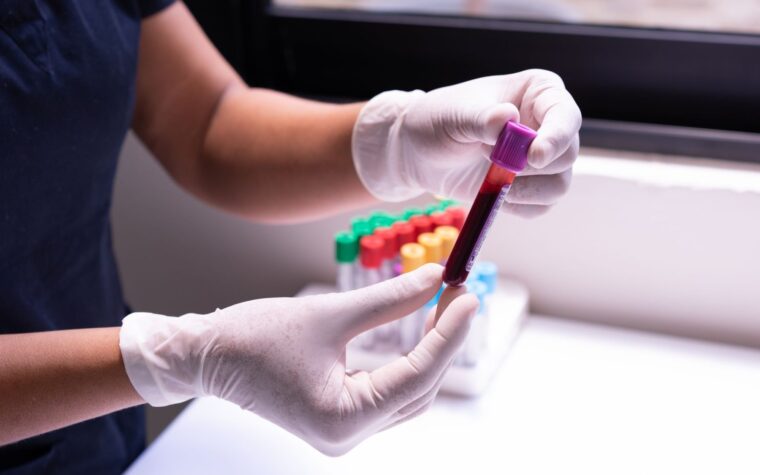
Quick answer: Function Health for men covers testosterone (total and free), PSA, a full lipid panel, metabolic markers, thyroid, inflammatory markers like hsCRP and homocysteine, and roughly 100 biomarkers total depending on your draw cycle. The male panel is genuinely comprehensive compared to what a primary care visit orders, but Function does not include SHBG by default (which you need to interpret free testosterone correctly), misses advanced apolipoprotein fractions that cardiologists now prefer, and offers no physician consultation unless you pay extra. If your priority is understanding your hormones and heart risk in one clean annual draw, that combination of gaps matters.
What does Function Health actually test for men?
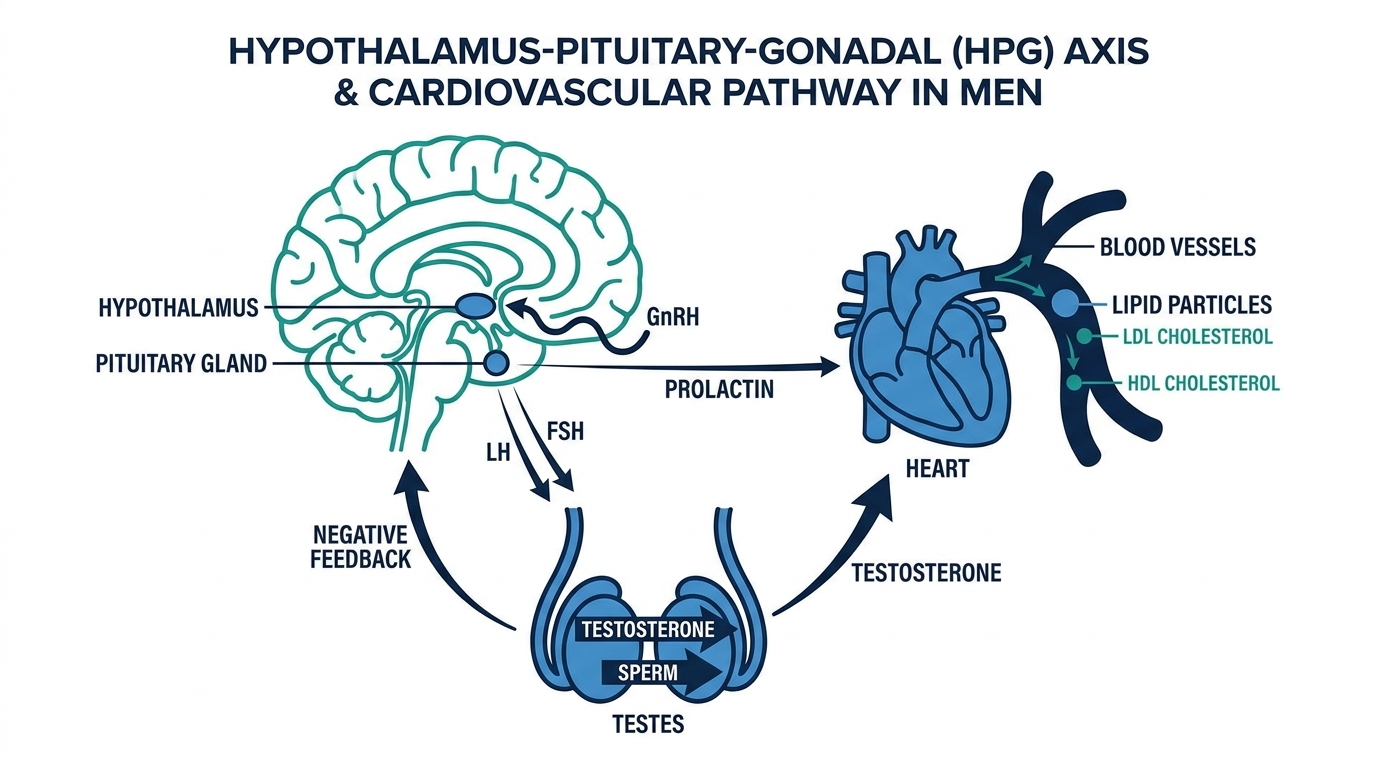
Function Health runs a rotating biomarker protocol, meaning not every test appears at every draw. For men specifically, the core panel that most members receive includes: total testosterone, free testosterone (calculated or directly measured depending on the lab partner running the draw), DHEA-S, LH and FSH, estradiol (E2), PSA, a complete metabolic panel, CBC with differential, full lipid panel (total cholesterol, LDL, HDL, triglycerides), hsCRP, homocysteine, ferritin, thyroid (TSH plus free T3 and T4), insulin, HbA1c, uric acid, and several vitamins including D3 and B12.
Checking testosterone, PSA, or heart markers? See how a 100+ biomarker panel with physician review covers men’s health. One at-home Superpower draw checks 100+ biomarkers, physician-reviewed.
In total, Function advertises 160+ biomarkers across its full testing cycle, though the male-relevant subset at a single draw runs closer to 80 to 100 markers. The breakdown matters because some panels rotate to every-other-draw, which means a man who draws once a year may only see certain markers once every 24 months.
For a deeper look at which biomarkers actually appear in each draw cycle, the function health 100 biomarkers explained breakdown shows exactly what rotates versus what appears at every visit.

Does Function Health test testosterone properly?
Function Health includes total testosterone and free testosterone, but the interpretation gap is where most men hit a wall. Free testosterone matters more than total testosterone for symptoms like low energy, reduced libido, and poor body composition, yet the most accurate way to measure free testosterone requires knowing SHBG (sex hormone-binding globulin). SHBG is not consistently included in Function’s standard draw for men.
Without SHBG, the “free testosterone” number is usually a calculated estimate, not a direct equilibrium dialysis measurement. Calculated free T is adequate for screening but can mislead men who have high SHBG (common with aging, liver conditions, and thyroid issues) because it tends to underestimate how bound their testosterone actually is.
LH and FSH are included, which is useful: elevated LH with low testosterone points toward primary hypogonadism (testicular failure), while low LH with low testosterone suggests a hypothalamic or pituitary problem. That distinction completely changes whether a man needs a urologist, an endocrinologist, or just a lifestyle intervention. Most standard panels skip LH and FSH entirely, so Function earns points here.
Estradiol (E2) is also included. Men need estradiol for bone density, cardiovascular protection, and libido, and many men on testosterone therapy end up with high E2 causing water retention and mood issues. Having a baseline before any intervention is genuinely valuable.
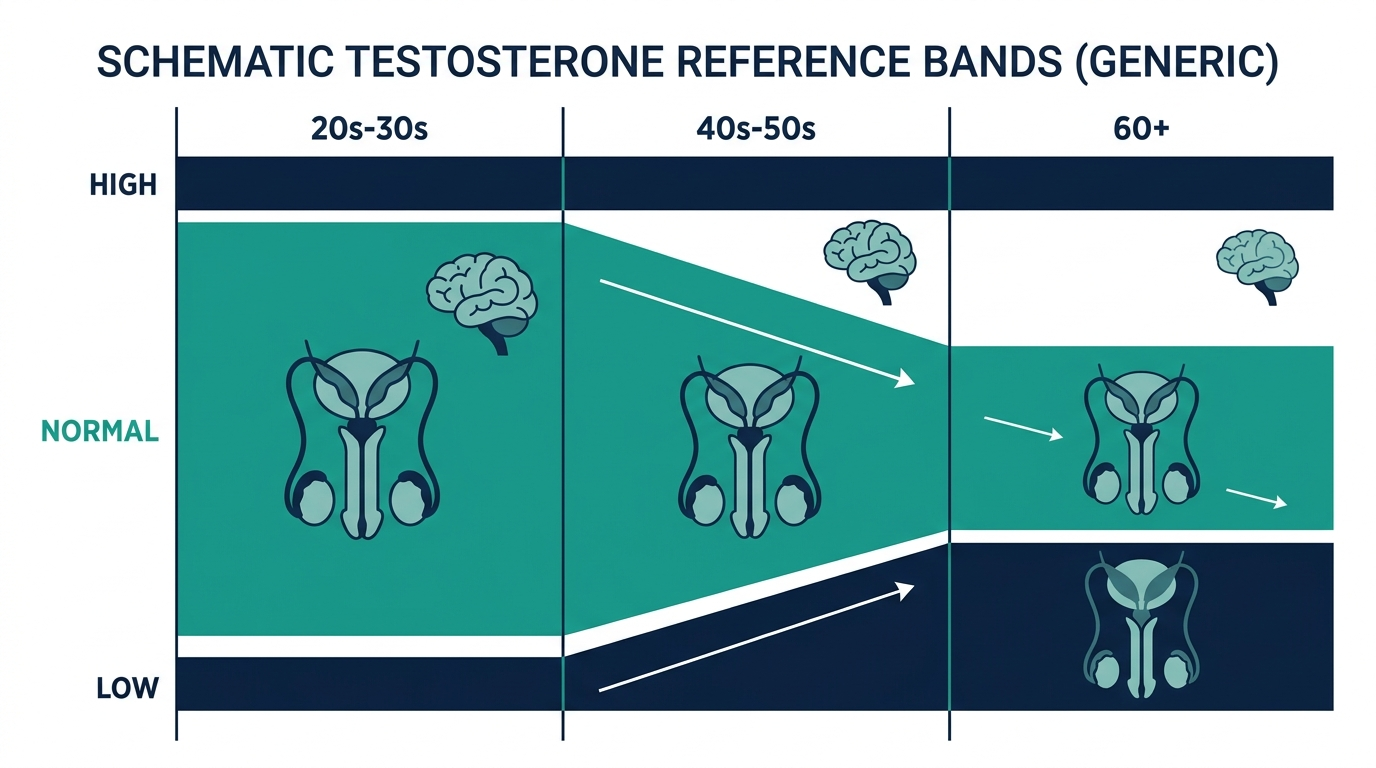
Testosterone reference ranges to know before you look at your results
| Marker | Lab reference range (adult men) | Optimal range (functional medicine) |
|---|---|---|
| Total testosterone | 264 to 916 ng/dL | 500 to 900 ng/dL |
| Free testosterone (calculated) | 9 to 30 ng/dL | 15 to 25 ng/dL |
| DHEA-S (men 30-50) | 80 to 560 mcg/dL | 200 to 400 mcg/dL |
| Estradiol (E2) | 10 to 40 pg/mL | 20 to 30 pg/mL |
| LH | 1.7 to 8.6 mIU/mL | 3 to 7 mIU/mL |
These ranges are for context only. Talk to a clinician about your specific numbers, especially before making any changes to diet, supplementation, or hormone therapy.
Does Function Health include PSA?
Yes, PSA (prostate-specific antigen) is included in the Function Health male panel. The standard draw covers total PSA, which screens for prostate inflammation, benign prostatic hyperplasia (BPH), and prostate cancer risk. A result above 4.0 ng/mL typically triggers a referral conversation, though the trend over time matters more than any single number.
What Function does not include by default is the PSA free-to-total ratio. This ratio is the clinically important refinement: when free PSA is less than 25 percent of total PSA, the specificity for prostate cancer increases significantly and helps differentiate cancer from BPH in men with borderline total PSA between 4 and 10 ng/mL. If your PSA is in that gray zone, you would need to order the ratio separately through a separate panel or a urology visit.
For men over 50 or those with a family history of prostate cancer, knowing total PSA is a useful starting point. The limitation is that without the free-to-total ratio or a 4K Score, a single elevated number creates anxiety without actionable differentiation.
How does Function Health cover heart markers for men?
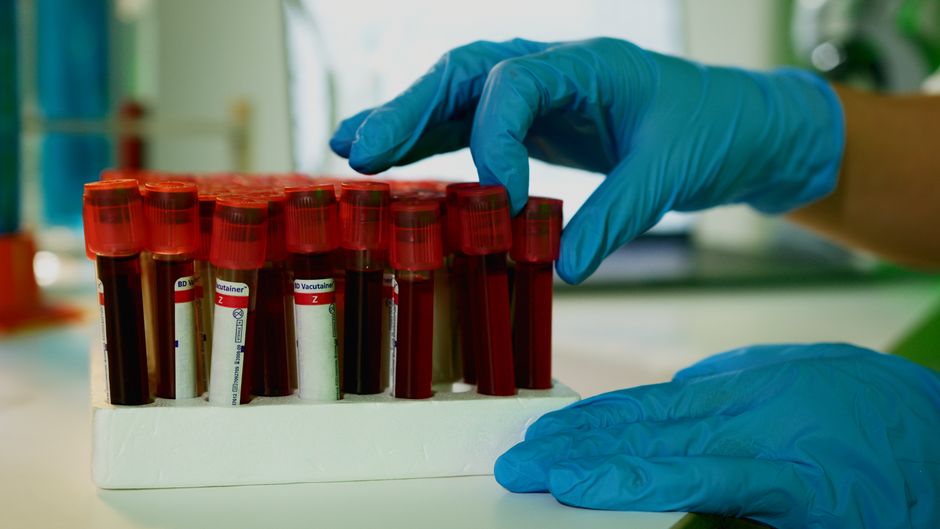
Cardiovascular disease is the leading cause of death in American men, and Function Health’s cardiac coverage is one of the stronger parts of the male panel. The standard draw includes total cholesterol, LDL-C, HDL-C, triglycerides, hsCRP (high-sensitivity C-reactive protein), and homocysteine. This puts Function well ahead of what most primary care offices order at an annual physical, which typically stops at total cholesterol and basic lipid ratios.
hsCRP specifically is a systemic inflammatory marker that predicts cardiovascular events independently of LDL. A value above 3.0 mg/L doubles cardiovascular risk relative to values below 1.0 mg/L, regardless of cholesterol levels. Most men who have had a normal lipid panel and still had a heart attack had elevated hsCRP years before the event. Having it routinely measured is genuinely useful.
Homocysteine is a less-discussed but important marker. High homocysteine (above 15 micromol/L) damages arterial walls and correlates with stroke, coronary artery disease, and Alzheimer’s risk. It responds well to B6, B12, and folate supplementation, making it one of the few cardiovascular risk factors you can address directly with diet or supplementation once you know it is elevated.
What Function Health’s cardiac panel misses
The coverage gap that matters most for men who have already done basic lipid work: apolipoprotein B (ApoB) and Lp(a) are not consistently in the standard Function panel for men, though they may appear in the advanced or extended cycle depending on your plan tier.
ApoB counts the total number of atherogenic particles (LDL, VLDL, IDL, Lp(a)) in your blood, which is a more direct measure of cardiovascular risk than LDL-C alone. A man with normal LDL-C but high ApoB has a pattern called discordance, associated with markedly higher event risk. The American College of Cardiology now recommends ApoB for risk assessment in intermediate-risk patients.
Lp(a) is genetic, does not respond to statins, and is elevated in roughly 20 percent of the population. Knowing it once is sufficient (it barely changes over your lifetime), but not knowing it at all means missing an independent risk factor that affects roughly 64 million Americans.
Function Health men’s panel vs. standard annual physical
| Marker category | Typical annual physical | Function Health male panel |
|---|---|---|
| Testosterone | Rarely ordered | Total + free + LH + FSH + E2 |
| PSA | Debated, often skipped before 50 | Included (total PSA) |
| Thyroid | TSH only | TSH + free T3 + free T4 |
| Inflammation | Usually not ordered | hsCRP + homocysteine |
| Metabolic | BMP or CMP + glucose | Full CMP + insulin + HbA1c + uric acid |
| Nutrients | Rarely ordered | Vitamin D, B12, ferritin |
| Advanced cardiac (ApoB, Lp(a)) | No | Inconsistent (plan-dependent) |
| Physician consult included | Yes | No (add-on cost) |

How much does Function Health cost for men?
Function Health charges a membership fee rather than per-test pricing. In 2026, the membership runs roughly $499 per year for the standard plan, which includes two full draws annually (one every six months). That works out to about $250 per draw or roughly $3 to $5 per biomarker across a 100-marker panel, which is competitive with cash-pay options at Quest or Labcorp for a comparable battery of tests ordered individually.
The comparison that matters: a men’s hormone panel alone (total T, free T, LH, FSH, SHBG, E2) at Quest cash-pay runs $120 to $250 depending on how many components you order. Add a full lipid panel, CMP, CBC, thyroid panel, and inflammatory markers, and you would realistically spend $400 to $700 ordering them individually at retail cash price. Function bundles this under one membership fee, which is a reasonable deal if you actually use both draws per year.
What the membership does not include: any physician review of your results, any follow-up testing triggered by abnormal results, or any prescription or referral service. The function health cost breakdown covers what you do and do not get for the annual fee in more detail.
For the full picture on whether the panel is worth it compared to alternatives, the function health review covers the membership structure, turnaround times, and where the service falls short for men who want clinical context alongside their numbers.
The simplest way to actually get this done
Superpower is a full-body lab membership that runs 100+ biomarkers, has each result reviewed by a doctor, and tracks your numbers year over year (about $199/year). It is what we point readers to when they would rather get one clean, complete draw than chase single tests one at a time. Here is superpower blood test review reviewed in full.
Function Health vs. Superpower for men: which covers men’s health better?
Superpower was built partly around the same demographic Function Health targets: health-conscious men in their 30s and 40s who want a complete annual picture without booking twelve separate specialist appointments. At about $199 per year versus Function’s roughly $499, the price difference is significant. What changes between them matters most for men specifically.
Superpower includes physician review built into the membership. Every draw is reviewed by a licensed clinician who flags abnormal results and sends a written summary. For testosterone results, that means a doctor looks at your LH and FSH alongside total testosterone and notes whether the pattern suggests primary or secondary hypogonadism, rather than leaving you to Google the combination. That clinical layer is absent from Function’s base tier.
Function’s rotating 160+ biomarker protocol covers more markers across two draws per year. Superpower’s 100+ marker panel runs at one draw per year. If you want semi-annual cardiovascular tracking (useful if you are managing dyslipidemia actively or adjusting a diet protocol), Function’s two-draw structure has an advantage.
The superpower blood test review goes into the specific panels side-by-side. The short answer: if clinical interpretation matters to you (and it should, because most men do not know what to do with a free testosterone of 8 ng/dL versus 18 ng/dL), Superpower’s included physician touchpoint is the differentiating factor. If you want maximum biomarker breadth across the year and plan to interpret results yourself or with your own doctor, Function’s depth at the expanded tier has merit. For a cost comparison, the how much does superpower cost breakdown makes the math easier.
See also the function health for women analysis if you want to compare how the same membership handles female-specific hormones and thyroid work.
What men actually get wrong when reading their results
The single most common mistake: treating the lab reference range as the optimization target. Lab ranges are built from population averages, including sick and sedentary people. A total testosterone of 270 ng/dL is technically “within range” at most US labs. A 45-year-old man with fatigue, low libido, and declining muscle mass at 270 ng/dL is not in good health by any reasonable clinical standard.
The second mistake: focusing on testosterone while ignoring metabolic context. Insulin resistance suppresses testosterone. A man with a fasting insulin of 18 uIU/mL and HbA1c of 5.8 percent who complains of low testosterone is dealing with a metabolic problem that drives the hormonal one. Fixing the insulin resistance often raises testosterone meaningfully without any hormone therapy.
Third: not repeating abnormal values before acting on them. PSA can spike temporarily from cycling, sexual activity, or a prostate exam. Total testosterone varies by 30 percent or more across a single day (highest in the morning). One elevated PSA or one low testosterone number is a reason to retest, not a diagnosis.
Function Health gives you the numbers. What it does not give you by default is the framework to interpret the pattern. That is the core argument for using a service with physician review built in, or for bringing your results to a clinician who has time to look at the full picture rather than individual values in isolation.
Is Function Health worth it for men under 40?
For men under 40, the value proposition is specifically about establishing baselines. You do not know whether your testosterone at 38 is lower than it was at 28 unless you measured it at 28. Function Health used regularly from your mid-30s builds exactly that longitudinal dataset: the trend in your LDL year over year, the direction of your hsCRP, the slope of your testosterone decline if any.
The conditions that respond best to early intervention, including insulin resistance, early thyroid dysfunction, subclinical hypothyroidism, and gradually declining testosterone, are virtually asymptomatic at the stage when they are most reversible. By the time you feel the effects, the window for easy correction is narrowing. That is the actual clinical argument for comprehensive annual testing in otherwise healthy men, not fear-based marketing around disease risk.
The counterargument: if you are under 35, healthy, active, and eating a reasonable diet, spending $499 per year on labs may not be the highest-leverage health investment. A $199 Superpower membership or even a targeted one-time panel at Quest (testosterone, metabolic, thyroid, CBC, full lipid with ApoB) for $150 to $300 cash might deliver 90 percent of the value at a lower upfront cost.
Curious what your own levels look like?
Baseline 100+ biomarkers today and retest as life changes, all in one membership with physician review.
FAQ
Does Function Health test free testosterone or only total testosterone?
Function Health includes both total and free testosterone in the male panel. Free testosterone is typically a calculated value rather than a direct measurement via equilibrium dialysis, which is less accurate in men with abnormal SHBG. SHBG itself is not consistently part of the standard Function draw, so men with suspected SHBG abnormalities may need to order it separately for an accurate free testosterone interpretation.
Does Function Health include a PSA test for men?
Yes, total PSA is included in the Function Health male panel. The free-to-total PSA ratio, which is useful for differentiating prostate cancer from BPH in men with borderline PSA between 4 and 10 ng/mL, is not included in the standard draw. Men with elevated total PSA should discuss the ratio with a urologist before making any treatment decisions.
Does Function Health test for low testosterone?
Function Health tests total testosterone, free testosterone, LH, and FSH, which is the right combination for evaluating low testosterone. LH and FSH together tell you whether low testosterone is primary (originating in the testes) or secondary (driven by the brain’s signaling), which determines the appropriate clinical response. Most primary care panels do not include LH and FSH, making Function’s coverage more useful here than a standard check-in.
What heart markers does Function Health test for men?
The Function Health male panel includes total cholesterol, LDL-C, HDL-C, triglycerides, hsCRP, and homocysteine. These cover both lipid-based and inflammatory cardiovascular risk. ApoB and Lp(a), which cardiologists increasingly consider essential for comprehensive cardiac risk assessment, are not consistently in the standard draw and may require a higher plan tier or a separate lab order.
How does Function Health compare to getting a men’s panel at Quest or Labcorp?
Function Health bundles testing that would cost $400 to $700 at cash-pay retail prices at Quest or Labcorp if ordered individually. The main advantages over a DIY approach are convenience (one draw covers everything), longitudinal tracking in a single dashboard, and the rotating cycle that adds less-common markers over time. The main disadvantage is that Function does not include physician review in the base membership, so you still need to bring results to a clinician if you want clinical guidance.
Is Function Health good for men on testosterone replacement therapy?
Function Health is a reasonable monitoring tool for men on TRT because it tracks total testosterone, free testosterone, estradiol, hematocrit (elevated hematocrit is a primary safety concern on TRT), LH, FSH, and PSA. What it lacks for comprehensive TRT management is SHBG (needed to calculate accurate free T on exogenous testosterone) and a built-in physician who can adjust dosing based on results. Most men on TRT use Function or a similar service to track trends and bring results to their prescribing physician or TRT clinic for actual management decisions.
Does Function Health test for prostate cancer?
Function Health includes total PSA, which is the primary screening tool for prostate cancer risk in the US. It does not diagnose prostate cancer, and PSA alone has well-documented false-positive and false-negative rates. A single elevated PSA from Function should be confirmed with a repeat draw and, if persistently elevated, discussed with a urologist who can order additional tests like the free-to-total PSA ratio, a 4K Score, or MRI guidance.
What is the best blood test for men overall?
The best blood test for men covers testosterone (total, free, LH, FSH, SHBG, and E2), PSA, a full lipid panel with ApoB and ideally Lp(a), hsCRP, homocysteine, metabolic markers (fasting glucose, insulin, HbA1c), thyroid (TSH, free T3, free T4), CBC, and nutrient markers (vitamin D, B12, ferritin). No single commercial service checks every box perfectly. Function Health and Superpower both get close. The differentiating question is whether you want physician interpretation built in (Superpower) or maximum biomarker breadth across two annual draws (Function’s upper tier). For a comparison of the two, see the superpower blood test review.
Vital Signs Today may earn a commission if you buy through links on this page. It does not affect our editorial assessments.