
Quick answer: In most cases, no. Aetna does not cover Ozempic for weight loss, because Ozempic (semaglutide) is FDA approved to treat type 2 diabetes, not obesity. If your plan includes weight-loss drug coverage, Aetna is far more likely to approve a drug that is actually FDA approved for weight loss, such as Wegovy or Zepbound, and only after a prior authorization that proves your BMI and that you have tried lifestyle changes. Whether you get anything at all depends entirely on whether your specific employer or plan bought the weight-loss benefit, since many Aetna plans exclude it outright.
The question “does Aetna cover Ozempic for weight loss” trips people up because the answer has two layers: what the drug is approved for, and what your individual plan agreed to pay for. Both have to line up. Below is how Aetna handles each weight-loss drug in 2026, what the prior authorization really asks for, the covered alternatives most people miss, and the step that quietly decides everything: whether your plan has the benefit at all.
Before fighting your insurer over Ozempic coverage, see the biomarkers that actually show whether you need it. One at-home Superpower draw checks 100+ biomarkers, physician-reviewed.
Does Aetna cover Ozempic for weight loss specifically?
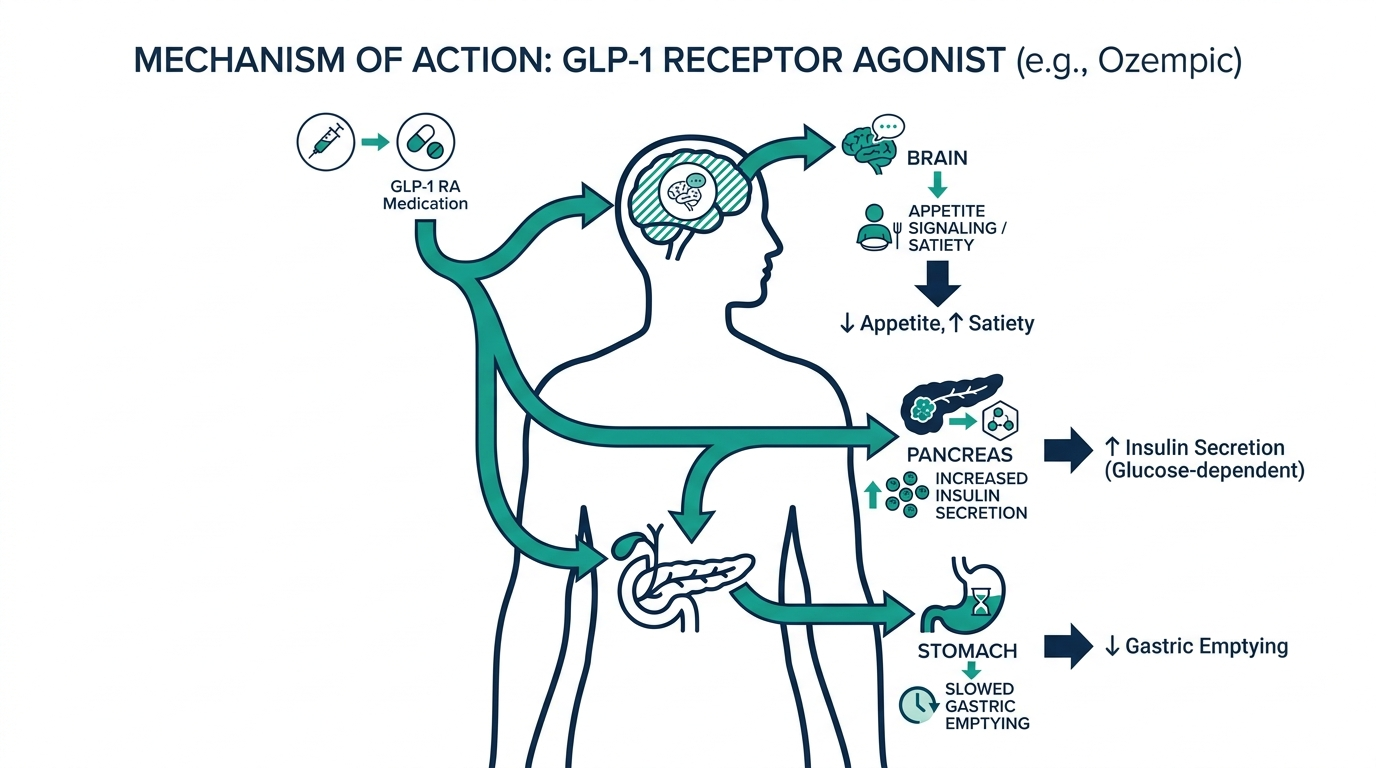
For weight loss alone, almost never. Ozempic is approved by the FDA only for type 2 diabetes and to lower cardiovascular risk in people with diabetes and heart disease. That label matters more than most people realize. Insurers like Aetna pay against the FDA-approved indication, so when a clinician prescribes Ozempic purely to lose weight, that is an off-label use, and off-label GLP-1 prescriptions for weight loss get denied as a matter of policy.
Here is the insider detail behind a lot of confusing approvals: people with type 2 diabetes often get Ozempic covered, lose significant weight on it, and assume Aetna “covered Ozempic for weight loss.” It did not. It covered Ozempic for diabetes, and the weight loss came along for the ride. Without a diabetes diagnosis (or, in some plans, documented prediabetes plus risk factors), an Ozempic claim filed for obesity is the one that bounces.
If weight is your goal and you want coverage, the drug to ask about is not Ozempic. It is Wegovy or Zepbound, both covered below.
Does Aetna cover weight loss medication at all?
The simplest way to actually get this done
Superpower is a full-body lab membership that runs 100+ biomarkers, has each result reviewed by a doctor, and tracks your numbers year over year (about $199/year). It is what we point readers to when they would rather get one clean, complete draw than chase single tests one at a time. Here is superpower reviewed in full.
Sometimes, and it hinges on one thing: whether your plan bought the anti-obesity drug benefit. Aetna is the insurer, but your employer or the plan sponsor decides which benefits to include. Many employer plans, especially smaller ones and self-funded groups trying to control cost, specifically exclude weight-loss drugs even when the rest of the pharmacy benefit is generous.
So there are really three buckets your plan can fall into:
- Weight-loss drugs excluded. No anti-obesity medication is covered, full stop. Wegovy, Zepbound, Saxenda, all denied regardless of your BMI. This is common.
- Weight-loss drugs covered with prior authorization. Approved drugs are on the formulary but require you to clear a prior authorization (PA) proving medical necessity.
- Covered with step therapy. You must try and fail a cheaper option first (often an older drug or a structured lifestyle program) before Aetna pays for a GLP-1.
The fastest way to know which bucket you are in is not to guess. Call the member number on your card and ask two precise questions: “Does my plan cover anti-obesity medications?” and “Is Wegovy or Zepbound on my formulary, and what tier?” One five-minute call saves weeks of denied claims.
Does Aetna cover Wegovy for weight loss?
Often yes, if your plan includes the weight-loss benefit and you clear prior authorization. Wegovy is semaglutide, the same molecule as Ozempic, but it is FDA approved specifically for chronic weight management. That approved-for-obesity label is exactly why Wegovy can get covered for weight loss when Ozempic cannot, even though they are chemically the same drug.
The catch is the prior authorization. For Wegovy, Aetna typically wants to see:
- A BMI of 30 or higher, or a BMI of 27 or higher with at least one weight-related condition such as high blood pressure, high cholesterol, sleep apnea, or type 2 diabetes.
- Documentation that you have tried lifestyle changes (diet, exercise, sometimes a structured program) for a defined period.
- An attestation that you will continue diet and physical activity alongside the drug.
Plans also frequently add a continuation rule: to keep Wegovy covered past the first few months, you usually need to show meaningful weight loss, commonly around 5 percent of your starting body weight. Miss that threshold and the renewal can be denied even after an initial approval.
Does Aetna cover Zepbound and Mounjaro for weight loss?
Zepbound: often yes with prior authorization. Mounjaro: generally no for weight loss alone. This is the same split as Wegovy versus Ozempic, just with tirzepatide instead of semaglutide. Zepbound and Mounjaro are both tirzepatide, but Zepbound carries the FDA weight-loss approval and Mounjaro is approved for type 2 diabetes.
So if you want tirzepatide covered for weight, Zepbound is the one to request. Mounjaro prescribed off-label for obesity gets denied the same way Ozempic does. The prior-authorization requirements for Zepbound mirror Wegovy: the BMI thresholds (30, or 27 with a comorbidity), a lifestyle-effort history, and a continuation rule tied to documented weight loss.
Worth knowing before you anchor on one drug: tirzepatide tends to produce larger average loss than semaglutide in trials. In the SURMOUNT program, tirzepatide reached roughly 20 percent or more average body-weight reduction at the highest dose, while semaglutide in the STEP trials averaged closer to 15 percent. Real-world results vary by person and dose, but if your plan covers both, that gap is worth raising with your clinician.
How the main GLP-1 drugs compare for Aetna coverage
| Drug | Active ingredient | FDA approved for | Typically covered by Aetna for weight loss? | Average trial weight loss |
|---|---|---|---|---|
| Ozempic | Semaglutide | Type 2 diabetes | No (off-label for weight) | n/a for weight indication |
| Wegovy | Semaglutide | Chronic weight management | Often, with prior authorization | About 15% (STEP) |
| Mounjaro | Tirzepatide | Type 2 diabetes | No (off-label for weight) | n/a for weight indication |
| Zepbound | Tirzepatide | Chronic weight management | Often, with prior authorization | About 20%+ (SURMOUNT) |
| Saxenda | Liraglutide | Chronic weight management | Sometimes, often as a step before newer drugs | About 5% to 8% |
The pattern is simple once you see it. The drugs labeled for weight loss (Wegovy, Zepbound, Saxenda) are the ones Aetna can pay for under a weight-loss benefit. The diabetes drugs (Ozempic, Mounjaro) are the ones it will not, no matter how much weight you would lose on them.
Does Aetna cover GLP-1 drugs and weight loss injections in general?
Yes, but only the FDA weight-loss-approved injections, and only under a plan that includes the benefit. “GLP-1 for weight loss” and “weight loss injections” are search terms that lump together two different things in people’s minds: the approved branded injectables, and the cheaper compounded versions sold by telehealth sites. Aetna’s stance on each is very different.
The approved injectables (Wegovy, Zepbound, Saxenda) can be covered through the normal pharmacy benefit with a prior authorization. Compounded semaglutide and compounded tirzepatide, the versions that often run $150 to $300 a month cash through telehealth, are a separate story. Compounded GLP-1s are not FDA approved. They are legally prescribed and made through licensed clinicians and pharmacies, but insurance, including Aetna, does not cover them. If you are paying cash for a compounded shot, you are paying cash precisely because no insurer will.
This is where people go off the rails. Denied for the branded drug, they jump to a gray-market compounded source, self-titrate the dose, and skip the lab work and supervision that catch problems early. The drug might work. The lack of oversight is the risk.
What weight loss medications does Aetna cover, and what about programs?
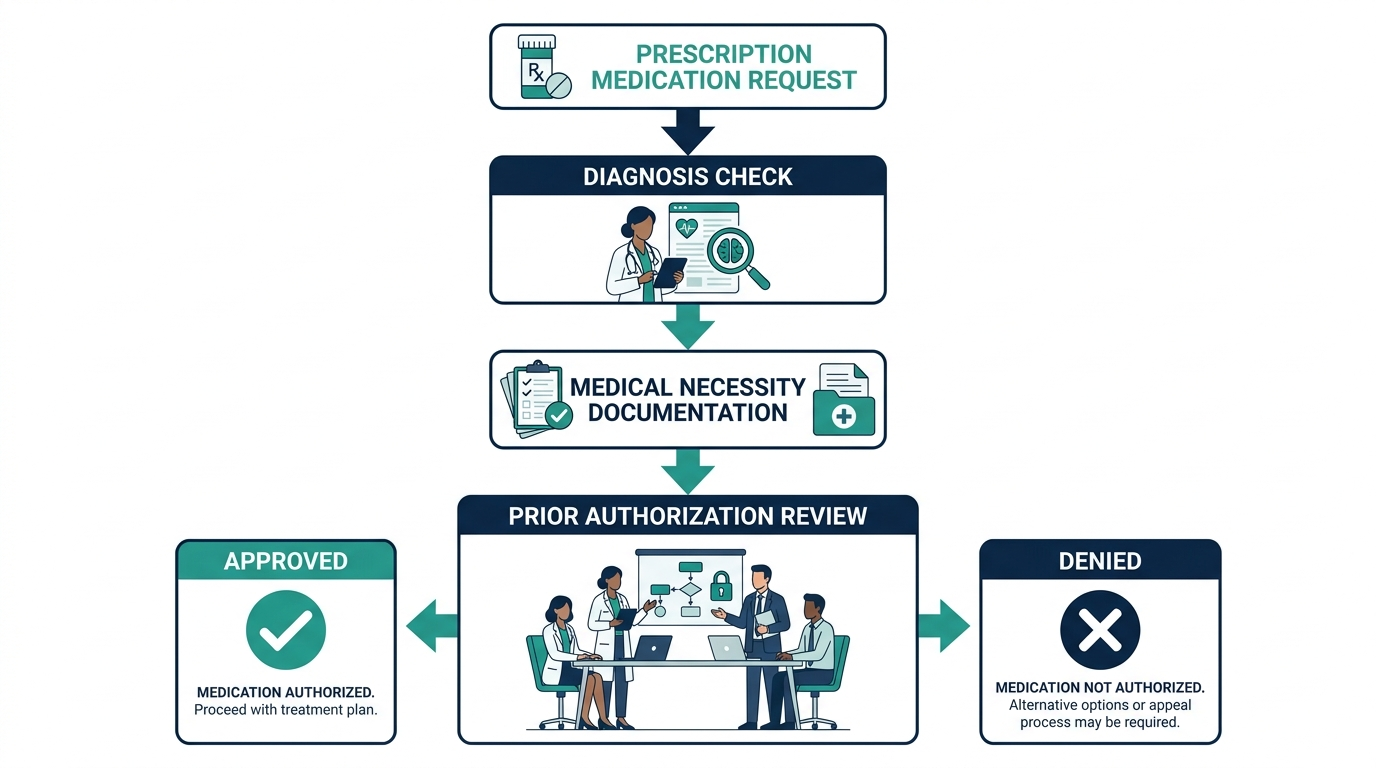
When a plan includes the benefit, the covered list is usually the FDA-approved anti-obesity drugs, plus, in many plans, a covered weight-loss program as a requirement or alternative. The drugs most commonly on a covered formulary are:
- Wegovy (semaglutide injection)
- Zepbound (tirzepatide injection)
- Saxenda (liraglutide injection), often positioned as an older, lower-cost option
- Older oral drugs such as phentermine, phentermine-topiramate (Qsymia), or naltrexone-bupropion (Contrave), which some plans require you to try first
On programs: many Aetna plans cover or partner with structured lifestyle and behavioral programs, and some require participation in one as part of the prior-authorization or step-therapy path before a GLP-1 is approved. So program coverage is not always a perk, it is sometimes the gate you walk through to reach the drug. Ask whether your plan requires a covered program first, because starting it early can shave weeks off approval.
Denied coverage? See what is actually driving the weight first.
Superpower is a full-body lab membership that runs 100+ biomarkers including fasting insulin, A1C, thyroid, testosterone and cortisol, has each result reviewed by a doctor, and tracks your numbers year over year so you can see what is actually stalling your weight (about $199/year). Before you pay cash for a gray-market shot, it is worth knowing whether insulin resistance or a sluggish thyroid is the real problem a drug would only be masking. Here is Superpower reviewed in full.
Does Aetna cover weight loss surgery?
Yes, more reliably than it covers the drugs, when you meet the medical-necessity criteria. Bariatric surgery (gastric sleeve, gastric bypass, and in some plans the adjustable band) is a long-standing covered category for many Aetna plans, and the requirements are well defined. Typical criteria include:
- A BMI of 40 or higher, or a BMI of 35 or higher with a serious weight-related condition such as type 2 diabetes, severe sleep apnea, or heart disease.
- Documentation that nonsurgical weight loss has been attempted, often a supervised effort over several months.
- A psychological or behavioral evaluation, and sometimes a nutrition consultation.
Surgery is a different lane than medication, and people sometimes qualify for one but not the other. A plan can exclude GLP-1 drugs entirely yet still cover bariatric surgery, because the two benefits are bought and priced separately. If drug coverage is a dead end, check surgery coverage independently.
What stalls people: the mistakes that get Aetna claims denied
Most denials are not bad luck. They are predictable, and several are self-inflicted. The patterns that derail people:
- Asking for the wrong drug. Requesting Ozempic or Mounjaro for weight loss almost guarantees a denial. Request the weight-loss-labeled version (Wegovy, Zepbound) instead.
- Assuming the benefit exists. Plenty of people fight a denial for months before learning their plan never covered weight-loss drugs at all. Confirm the benefit before anything else.
- Thin documentation. A prior authorization with no recorded BMI history, no lifestyle-effort notes, and no listed comorbidity is an easy no. The PA is a paperwork test as much as a medical one.
- Missing the continuation threshold. Getting the first fill approved is not the finish line. If you do not show the required weight loss (often about 5 percent), the renewal can be denied and you lose coverage mid-treatment.
- Treating the scale as the only number. When the scale will not move even on a GLP-1, the cause is often metabolic, an underactive thyroid, stubborn insulin resistance, or perimenopausal hormone shifts, and no drug or appeal fixes a problem nobody has measured.
That last point quietly costs people the most time. A stalled scale is frequently a lab problem wearing a willpower costume. If your weight will not move no matter what you eat or take, see your actual numbers before spending another dollar appealing a denial.
Edge cases: PCOS, thyroid, perimenopause, and being uninsured
Coverage and outcomes both shift in specific situations, and these are the ones that get glossed over:
- PCOS and insulin resistance. Polycystic ovary syndrome runs on insulin resistance, which is exactly what makes weight loss hard and GLP-1s effective. But PCOS by itself is not an FDA weight-loss indication, so coverage still rides on your BMI and any qualifying comorbidity. A documented diagnosis of insulin resistance or prediabetes can strengthen a prior authorization.
- Hypothyroidism. An underactive thyroid slows metabolism and can stall weight loss entirely. If your thyroid is undertreated, no GLP-1 will fully compensate. This is a case for getting TSH and related markers checked rather than escalating the dose.
- Perimenopause. Shifting estrogen changes where fat is stored and how insulin behaves, which is why women in their 40s often see the scale stick despite doing everything right. The lever here is hormonal and metabolic, not just caloric.
- Uninsured or excluded. Cash options exist (branded drugs at full price, or compounded versions at $150 to $300 a month), but the smart first move is cheaper than any of them: measure what is actually wrong before buying a drug to treat a guess.
Talk to a clinician before starting or stopping any of these medications, especially if you have a thyroid condition, PCOS, or take other prescriptions. The point of the labs is to make that conversation specific instead of generic. If you would rather start with a focused at-home panel, an option like Hundred covers core metabolic and hormonal markers without a full membership.
How to actually get approved (or find a smarter path)
If you want the best shot at coverage, work the process in this order:
- Confirm the benefit. Call Aetna and ask if anti-obesity medications are covered and whether Wegovy or Zepbound is on your formulary.
- Pick the right drug. Choose a weight-loss-labeled drug (Wegovy or Zepbound), not Ozempic or Mounjaro.
- Build the file. Have your clinician document your BMI, comorbidity, and lifestyle-change history before submitting the prior authorization.
- Know the renewal rule. Track your weight loss so you clear the continuation threshold and keep coverage.
- Measure before you self-treat. If denied or excluded, do not jump to a gray-market shot. Get your metabolic numbers first.
A drug is a tool, not a diagnosis. The people who win long term measure fasting insulin, A1C, thyroid, and hormones, then choose the right tool with a clinician who reads those numbers. That is also the difference between coverage you can defend in a prior authorization and a claim denied because nothing was documented.
For coverage in other programs, see does Medicare cover weight loss drugs and does Medicaid cover weight loss shots, since the rules differ sharply by payer. If you are weighing a telehealth route instead of insurance, how much is Ro weight loss breaks down the real cash costs.
Turn what you just learned into action.
Superpower lets you test 100+ biomarkers from home, then re-check them over time so you can actually see progress, physician-reviewed at every step.
Want a real clinician to run the numbers, not a guess?
Joi + Blokes is a telehealth clinic that prescribes GLP-1 medication (Zepbound, compounded semaglutide and tirzepatide), hormone therapy (TRT, HRT), thyroid care, and peptides after a real lab panel and clinician review, with no membership or consult fee (prescriptions from about $59/month, lab panels from $149). If the scale will not budge, this is where you find out whether insulin, thyroid, or hormones are the real reason. Here is Joi + Blokes reviewed in full.
FAQ
Will Aetna cover Ozempic if I have prediabetes?
Possibly, but it depends on your plan and your full clinical picture, not prediabetes alone. Ozempic is approved for type 2 diabetes, so coverage is strongest with a confirmed diabetes diagnosis. Some plans consider prediabetes with additional risk factors, but a claim filed purely for weight loss will still typically be denied. Ask your clinician to document your A1C and any other risk factors.
Does Aetna insurance cover weight loss medication for everyone?
No. Coverage exists only if your specific employer or plan purchased the anti-obesity drug benefit, and many plans exclude it. Two people both “on Aetna” can have completely different answers because their plan sponsors made different choices. Always verify your individual plan rather than relying on a general Aetna policy.
What weight loss medication is covered by Aetna insurance most often?
When a plan covers weight-loss drugs, Wegovy and Zepbound are the most common GLP-1 options, with Saxenda and older oral drugs (Qsymia, Contrave, phentermine) sometimes required as earlier steps. All of them sit behind a prior authorization tied to your BMI and history.
Does Aetna cover tirzepatide for weight loss?
Aetna can cover tirzepatide for weight loss as Zepbound, the version FDA approved for chronic weight management, but not as Mounjaro, which is approved for diabetes. They are the same molecule, so the brand you request determines whether the claim is on-label and coverable.
Does Aetna cover compounded semaglutide or tirzepatide?
No. Compounded GLP-1s are not FDA approved, and Aetna does not cover them. They can be legally prescribed through licensed clinicians and pharmacies and often cost $150 to $300 a month cash, but that cash price exists precisely because insurance will not pay for them.
How long does Aetna prior authorization for weight loss drugs take?
Standard prior authorizations are often decided within a few business days once Aetna has the complete file, though incomplete documentation is the usual cause of delay. Submitting a clean PA with your BMI, comorbidity, and lifestyle history attached up front is the single biggest time-saver.
What if Aetna denies my weight loss medication?
You can appeal, and many denials are overturned when the missing documentation (BMI history, comorbidity, prior lifestyle attempts) is added. If your plan simply excludes the benefit, an appeal will not help, and your realistic options become cash-pay or, smarter, measuring your metabolic numbers to choose the right approach with a clinician.
Does Aetna cover weight loss surgery if it will not cover the drugs?
Often yes. Bariatric surgery and anti-obesity drugs are separate benefits, so a plan can cover gastric sleeve or bypass surgery while excluding GLP-1 medications. If you meet the BMI and comorbidity criteria for surgery, check that benefit independently of the drug benefit.
Why am I not losing weight even on a covered GLP-1?
A stalled scale on a GLP-1 is frequently a metabolic or hormonal problem the drug cannot fully fix, such as an undertreated thyroid, severe insulin resistance, or perimenopausal hormone shifts. Underdosing, dehydration, and muscle loss from inadequate protein also blunt results. The fix starts with testing fasting insulin, A1C, and thyroid rather than just pushing the dose higher.
Vital Signs Today may earn a commission if you buy through links on this page. It does not affect our editorial assessments.