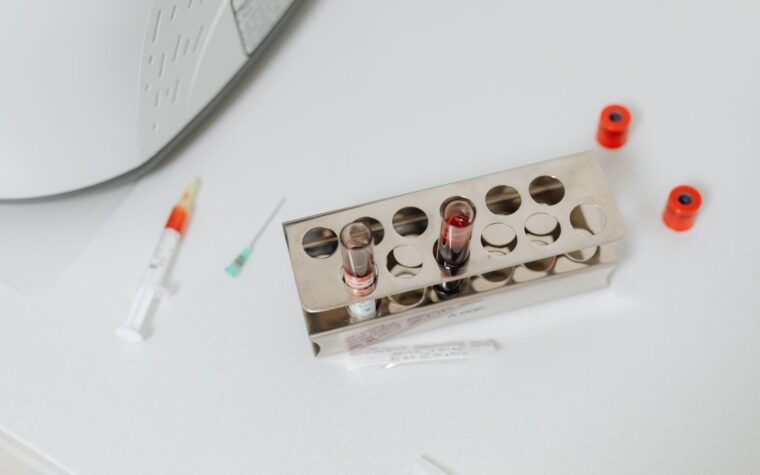
Biomarkers
Brain immune cell shift may mark Alzheimer’s tipping point, study finds
Researchers have identified a critical transition in brain immune cells that may determine whether Alzheimer's disease pathology leads to dementia,…
What your blood tells you. Plain-English guides to biomarkers like ApoB, hs-CRP, HbA1c, and the lab numbers that actually predict long-term health.
Researchers have identified a critical transition in brain immune cells that may determine whether Alzheimer's disease pathology leads to dementia,…
A Yale study published in Bioactive Materials reports that an injectable hydrogel delivering the drug lacosamide can both relieve pain…
A study from Niigata University indicates that copper, an essential trace element, may connect metabolic changes in the body with…
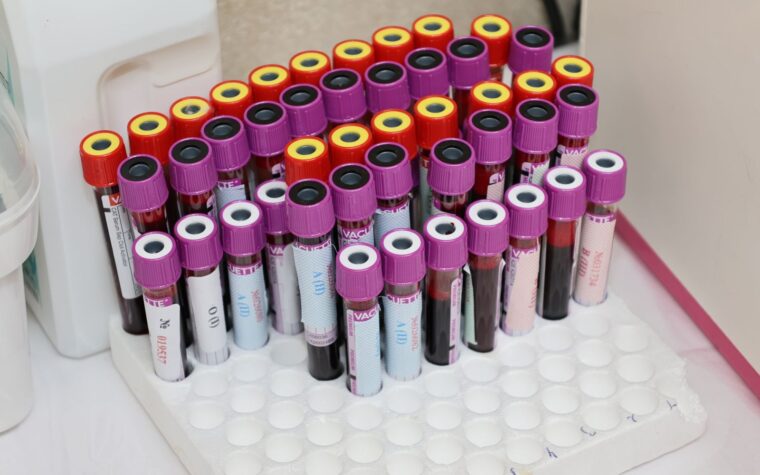
The omega-3 index test measures levels of EPA and DHA in red blood cells, providing a long-term snapshot of omega-3…
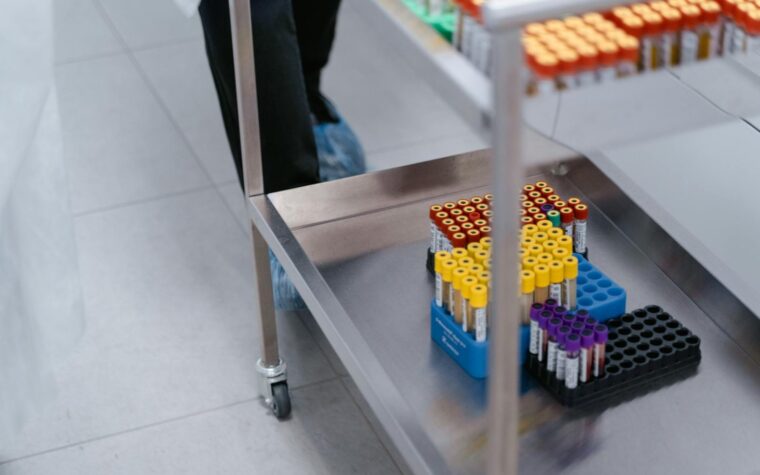
Ferritin levels indicate how much iron your body stores. Low levels suggest iron deficiency, while high levels may signal inflammation…
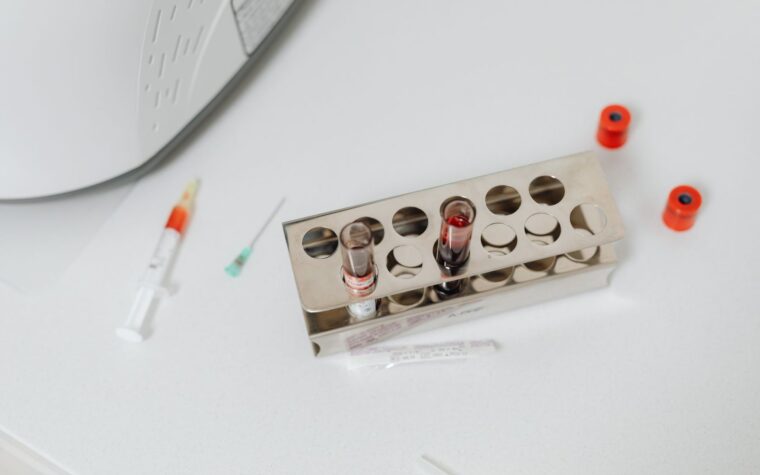
Testosterone levels in men decline naturally with age. Normal total testosterone range is typically 300 to 1000 nanograms per deciliter…
High-sensitivity C-reactive protein (hs-CRP) is a key marker of inflammation linked to heart disease. Here are eight evidence-based ways to…
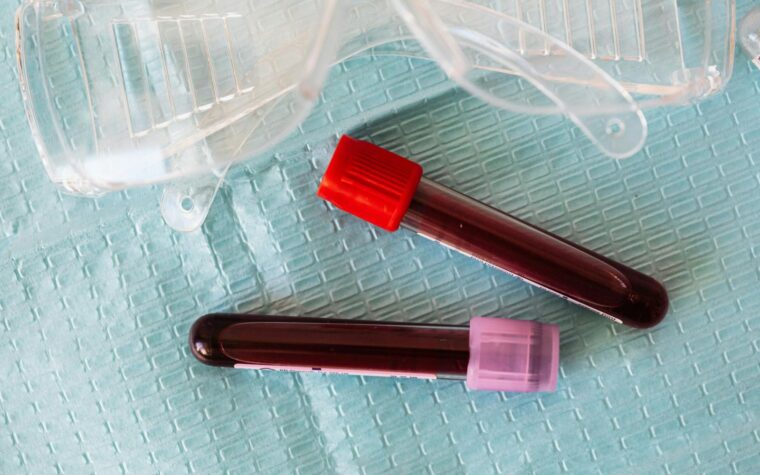
The best biomarkers for longevity include fasting glucose, HbA1c, C-reactive protein, albumin, vitamin D, and grip strength. Monitoring these markers…
The HOMA-IR calculation uses fasting glucose and insulin levels to estimate insulin resistance. This guide explains the formula, normal ranges,…
HbA1c measures average blood sugar over 2-3 months, while fasting glucose captures a single point in time. Both are essential…
Most experts agree that a vitamin D level between 30 and 50 ng/mL (75–125 nmol/L) is optimal for general health,…
Fasting insulin levels between 3 and 8 μIU/mL (18 to 48 pmol/L) are generally considered normal, but optimal levels may…