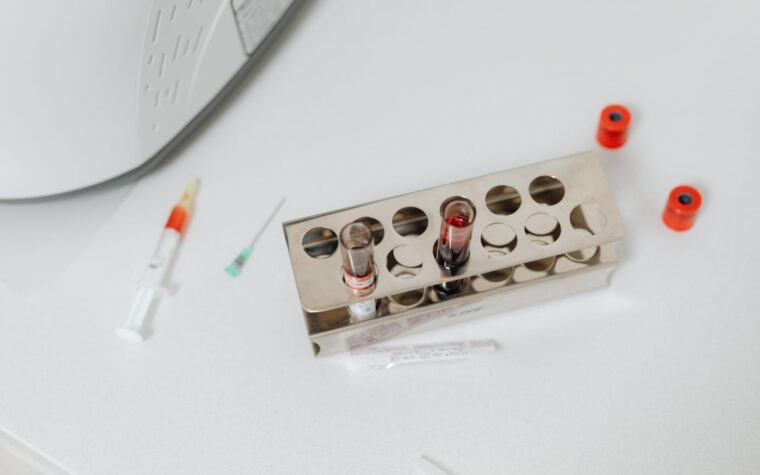
Biomarkers
Lp(a): The Hidden Heart Risk Marker
The lp(a) test measures lipoprotein(a), a cholesterol particle driven by genetics that raises the risk of heart attack and stroke,…
What your blood tells you. Plain-English guides to biomarkers like ApoB, hs-CRP, HbA1c, and the lab numbers that actually predict long-term health.
The lp(a) test measures lipoprotein(a), a cholesterol particle driven by genetics that raises the risk of heart attack and stroke,…

High-sensitivity C-reactive protein (hs-CRP) is a blood test that measures low-level inflammation. This article explains what your hs-CRP levels mean…
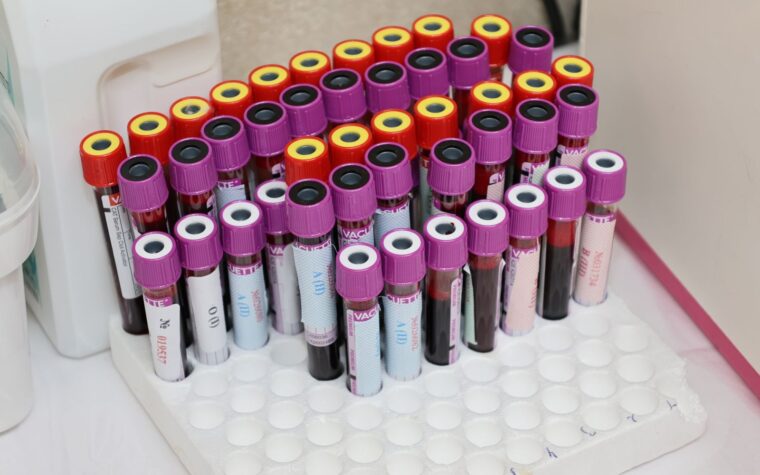
Lowering ApoB involves dietary changes, exercise, weight management, and often medication. This evidence-based guide explains the most effective steps.

A normal ApoB level is typically below 100 mg/dL for most adults, but optimal health targets are lower. Here is…
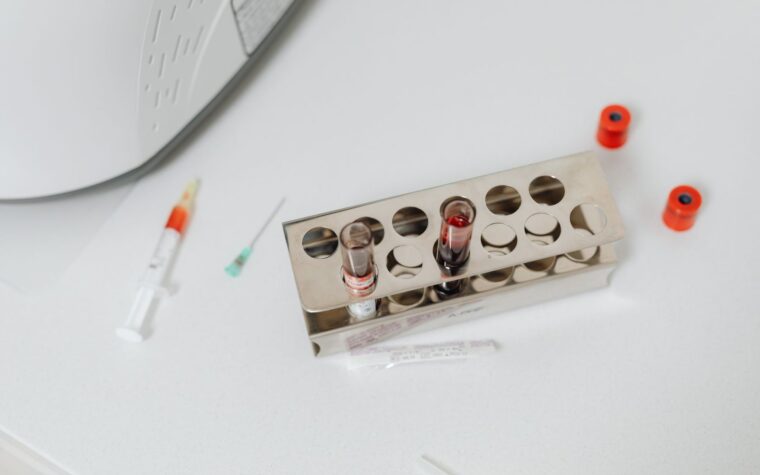
Standard blood panels catch insulin resistance late. Fasting insulin, HOMA-IR, and the triglyceride-to-HDL ratio can reveal metabolic dysfunction years before…

High-sensitivity C-reactive protein (hs-CRP) is a blood marker that detects low-grade chronic inflammation. Levels above 3 mg/L signal elevated cardiovascular…
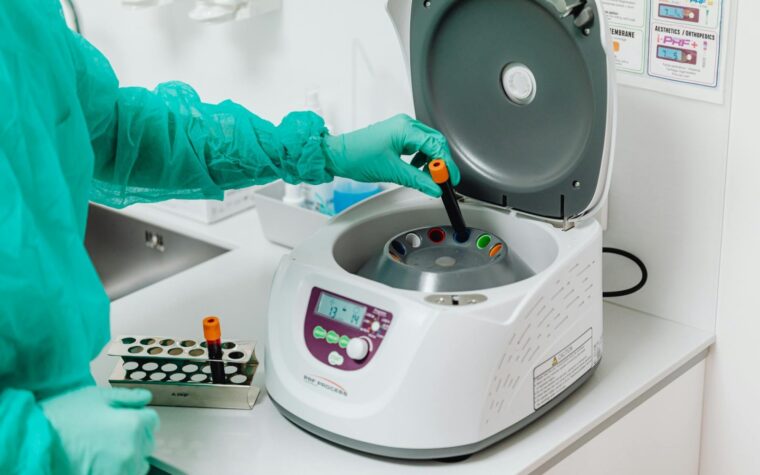
LDL cholesterol has guided cardiac risk decisions for decades, but a growing body of evidence suggests apolipoprotein B (ApoB) captures…
Biomarkers are measurable characteristics in your blood and tissues that signal normal function, disease risk, or physiological change. This guide…