Ferritin levels measure the amount of iron stored in your body, giving doctors a clear window into your overall iron health. Normal levels generally range from 20 to 250 nanograms per milliliter for men and 10 to 120 ng/mL for women, but the meaning behind your specific number depends on age, sex, and underlying conditions.
High ferritin can point to inflammation, liver disease, or iron overload, while low ferritin often signals iron deficiency anemia. Understanding what ferritin levels mean helps you work with your doctor to address fatigue, weakness, or other symptoms. For a deeper look at how biomarkers track your health, see our Biomarkers Explained guide.
Key Takeaways
- Ferritin is a protein that stores iron and releases it when needed. Blood ferritin levels correlate with total body iron stores.
- Normal ferritin ranges vary: for adult men, 20 to 250 ng/mL; for women, 10 to 120 ng/mL. Children and older adults have different norms.
- Low ferritin is usually caused by iron deficiency from blood loss, poor diet, or absorption problems. Symptoms include fatigue, dizziness, and pale skin.
- High ferritin can result from inflammation, infection, liver disease, or hemochromatosis (genetic iron overload). It may also be a false elevation from acute illness.
- Testing is simple and involves a blood draw. Your doctor may order additional tests like serum iron, TIBC, or a complete blood count to confirm findings.
- Lifestyle and dietary changes can help manage ferritin levels under medical guidance.
What Are Ferritin Levels and Why Are They Important?
Ferritin levels are a direct measure of your body’s iron stores. Ferritin is a protein inside your cells that binds to iron and releases it in a controlled way. When you take a ferritin blood test, the amount of ferritin in your blood reflects how much iron is stored in your liver, spleen, and bone marrow.
Iron is essential for making red blood cells, carrying oxygen, and supporting energy production. Without enough stored iron, your body cannot produce healthy red blood cells, leading to anemia. Too much iron, on the other hand, can damage organs like the heart, liver, and pancreas. That is why ferritin levels are a key health metric for anyone with symptoms of iron imbalance or chronic disease.
What Are Normal Ferritin Levels by Age and Sex?
Normal ferritin levels depend on your age, sex, and overall health. For adult men, typical ranges are 20 to 250 ng/mL. For adult women, ranges are lower due to menstruation, generally 10 to 120 ng/mL. Children and adolescents have different normal ranges that change as they grow.
After menopause, women’s ferritin levels often rise and may approach those of men. Older adults may also see slightly lower normal values due to reduced iron absorption. It is important to understand that laboratories may use slightly different reference ranges. Your doctor will interpret your results based on your personal history and the specific range used by your lab.
What Does Low Ferritin Mean for Your Health?
Low ferritin means your body’s iron stores are depleted. This is the earliest sign of iron deficiency, often before you develop anemia. The most common causes are chronic blood loss like heavy menstrual periods or gastrointestinal bleeding, poor dietary iron intake, or conditions that impair absorption such as celiac disease or after gastric surgery.
Symptoms of low ferritin include fatigue, weakness, pale skin, shortness of breath, dizziness, headaches, cold hands and feet, and brittle nails. You might also experience restless legs or pica, a craving for nonfood items like ice or dirt. If left untreated, iron deficiency can progress to iron deficiency anemia, which affects how your organs get oxygen.
What Does High Ferritin Mean for Your Health?
High ferritin levels can mean too much iron in your body, but they are more often a sign of inflammation or infection. Ferritin is an acute phase reactant, meaning your liver releases more of it when your body is fighting illness or under stress. Common causes include chronic infections, autoimmune diseases, cancer, or liver conditions like nonalcoholic fatty liver disease or hepatitis.
A less common but serious cause of high ferritin is hemochromatosis, a genetic disorder where your body absorbs too much iron from food. This iron overload can damage the heart, liver, and pancreas over time. Other causes of high ferritin include hyperthyroidism, chronic alcohol use, or type 2 diabetes. Your doctor may order a transferrin saturation test to check for true iron overload.
How Are Ferritin Levels Tested and Interpreted?
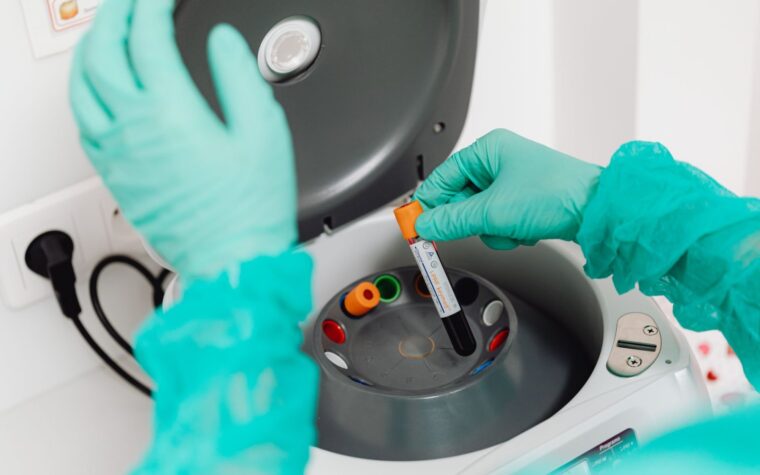
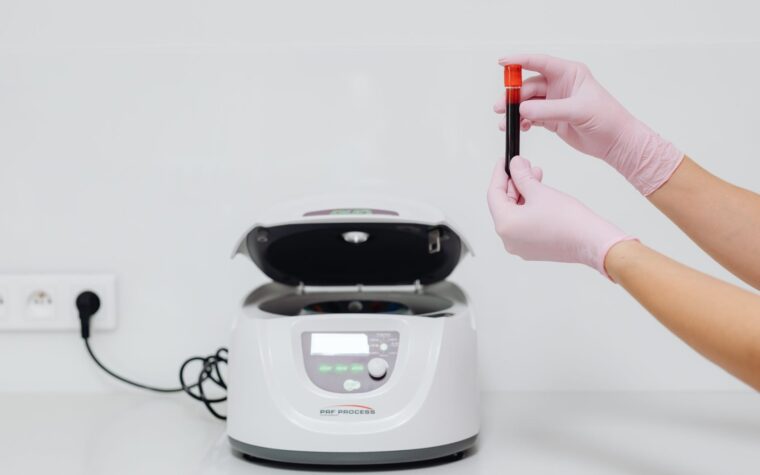
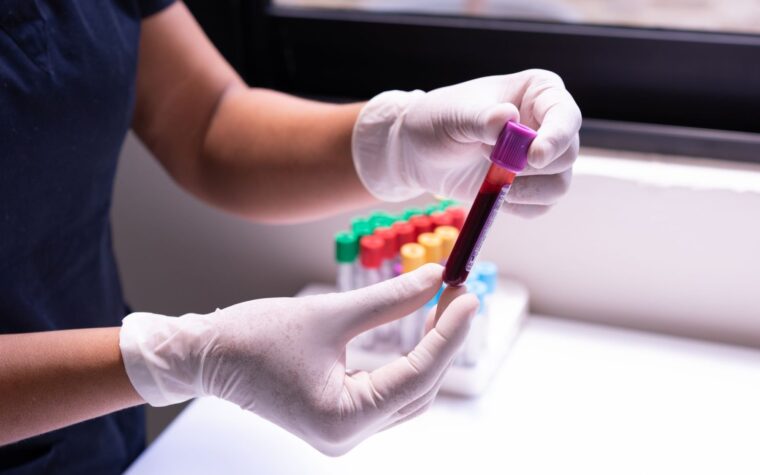
A ferritin test is a simple blood draw, usually taken from a vein in your arm. You do not need to fast, but some doctors prefer an early morning sample. The results are reported in nanograms per milliliter (ng/mL) or micrograms per liter (mcg/L), which are equivalent.
Your doctor will interpret ferritin levels alongside other tests. Serum iron shows how much iron is circulating in your blood. Total iron binding capacity (TIBC) measures how well your blood can carry iron. Transferrin saturation calculates what percentage of your iron transport capacity is used. A complete blood count (CBC) checks for anemia. This full picture helps distinguish between iron deficiency, inflammation, and overload.
What Lifestyle Factors Can Affect Ferritin Levels?
Diet, supplements, and certain habits can influence ferritin levels over time. Eating iron rich foods like red meat, spinach, beans, and fortified cereals helps prevent low ferritin. Vitamin C from citrus fruits improves iron absorption. On the other hand, calcium, tannins in tea and coffee, and phytic acid in whole grains can reduce absorption if consumed with iron heavy meals.
For high ferritin, you may need to reduce iron intake, avoid vitamin C supplements with meals, and donate blood if you have hemochromatosis. Alcohol consumption can raise ferritin independently, so limiting alcohol is wise. Always consult a doctor before changing your diet or taking supplements, as too much iron can be harmful.
What Are the Treatment Options for Abnormal Ferritin Levels?
Treatment depends on the cause. For low ferritin, doctors typically recommend oral iron supplements and dietary changes. If you have absorption problems, they may prescribe intravenous iron. For heavy menstrual bleeding, hormonal treatments or other interventions may help. When low ferritin results from gastrointestinal bleeding, you need to treat the underlying source.
For high ferritin due to inflammation, the goal is to treat the inflammatory condition. In hemochromatosis, the standard treatment is regular phlebotomy (blood removal) to reduce iron stores. Chelation therapy is another option for severe overload. For chronic liver disease, managing the liver condition often lowers ferritin. Never self treat high ferritin, as iron overload is dangerous.
Frequently Asked Questions
Can ferritin levels change quickly?
Ferritin levels can change quickly during acute inflammation or infection. Because ferritin is an acute phase reactant, a single high reading may not reflect true iron stores if you are sick. This is why doctors often retest after you recover. For iron deficiency, ferritin levels drop slowly over weeks to months as iron stores are used up.
What is the difference between ferritin and iron?
Ferritin is a storage protein that holds iron inside cells and releases it as needed. The ferritin blood test measures the amount of this protein, which correlates with total body iron stores. A serum iron test measures free iron circulating in the blood at a single moment. Low ferritin shows depleted stores, while low iron shows low circulating iron. Both tests together give a more complete picture of iron status.
When should I get my ferritin levels checked?
You should consider checking ferritin levels if you have persistent fatigue, weakness, or symptoms of anemia. Women with heavy menstrual bleeding, frequent blood donors, vegetarians and vegans, and people with digestive disorders like celiac disease or after weight loss surgery are at higher risk. Your doctor may also check ferritin if you have symptoms of iron overload such as joint pain, abdominal pain, or unexplained fatigue.
This article is for general information and is not medical advice. See our Medical Disclaimer.