Best At-Home Thyroid Test of 2026: 5 Services We Compared on Price, Markers, and Doctor Review
If your energy is crashing, your weight will not budge, or your hair is thinning, your thyroid is the first gland worth checking. We put five at-home thyroid testing services side by side so you can skip the guesswork and order the one that fits your situation today.
We may earn a commission if you buy through links on this page. Here is our process.
Crashing energy, stubborn weight, or thinning hair often start with the thyroid. See how a 100+ biomarker panel compares. One at-home Superpower draw checks 100+ biomarkers, physician-reviewed.
Key Takeaways
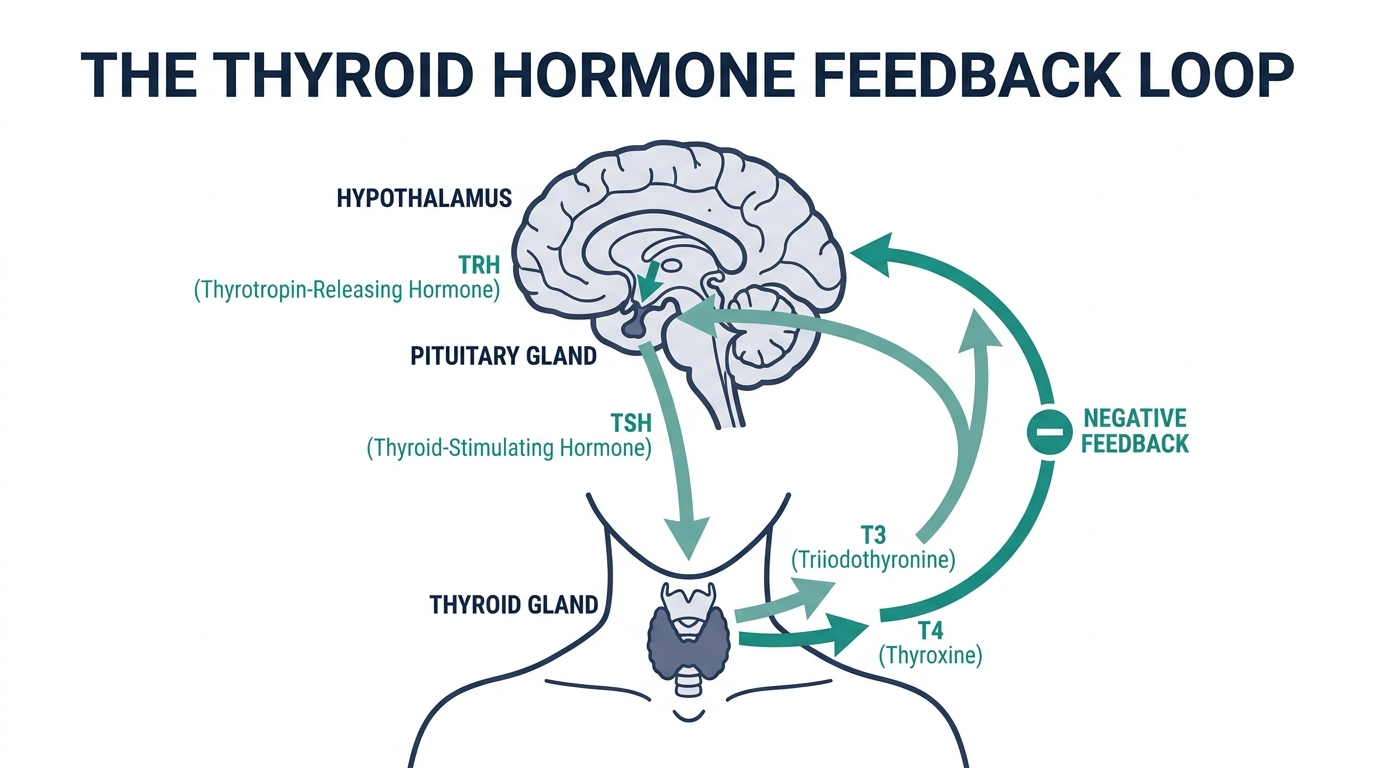
- A complete at-home thyroid test should measure at least TSH, Free T4, Free T3, and TPO antibodies, because TSH alone misses Hashimoto’s and early hyperthyroidism.
- For a single thyroid-only check, Paloma Health is the most affordable complete panel at about $119 (and lower for members), while Everlywell costs about $149 for the same four-marker thyroid kit.
- If you want thyroid markers inside a full 100-plus biomarker workup with a physician-reviewed dashboard, Superpower at about $199 per year is the better value than buying one-off kits.
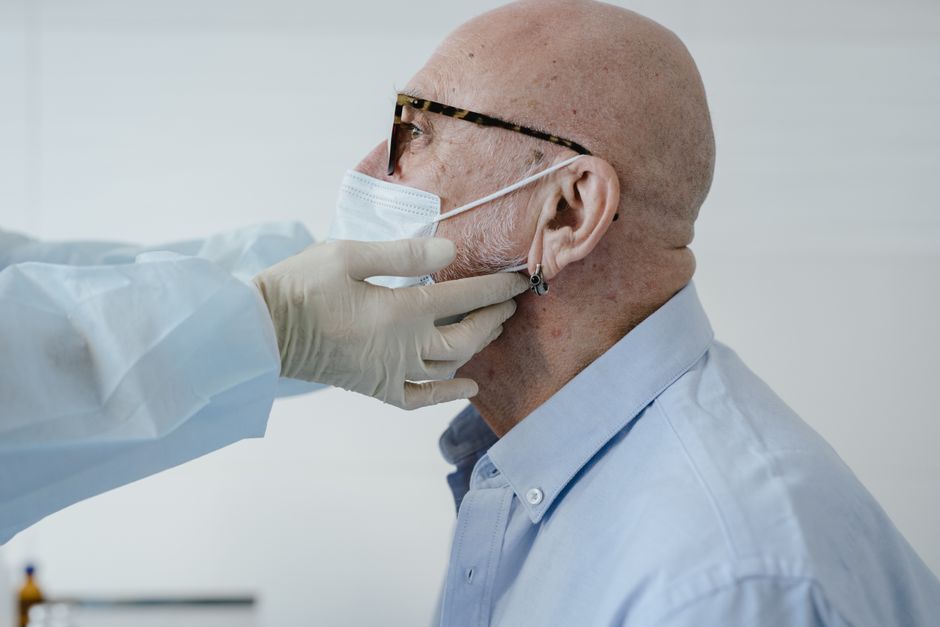
A quick look at our top picks
- Best dedicated thyroid panel: Paloma Health
- Best big-brand thyroid kit: Everlywell
- Best for whole-body context (thyroid plus 100-plus markers): Superpower
- Best premium twice-a-year program: Function Health
- Best fast finger-prick add-on: SiPhox Health
At-home thyroid test comparison
| Service | VST score (out of 5) | Price | Best for |
|---|---|---|---|
| Paloma Health | 4.8 | ~$119 | A focused, doctor-built thyroid panel |
| Everlywell | 4.6 | ~$149 | A trusted retail brand with HSA or FSA |
| Superpower | 4.7 | ~$199/yr | Thyroid plus whole-body baseline |
| Function Health | 4.5 | ~$499/yr | Two deep workups every year |
| SiPhox Health | 4.3 | Varies, see plans | Fast finger-prick, HSA or FSA |
Paloma Health – Best for a focused, doctor-built thyroid panel
Paloma Health is our top pick because it does one thing and does it well: a complete thyroid panel designed by thyroid doctors, at the lowest price of the dedicated kits, with an even lower rate for members. You get TSH, Free T3, Free T4, and TPO antibodies from a single painless finger prick, which is the full set most endocrinologists want to see.
Pros
- Complete four-marker panel including TPO antibodies for Hashimoto’s screening
- Built specifically for thyroid patients, so the results explanation is thyroid-literate
- Optional membership and virtual visits with thyroid specialists if results need follow-up
Cons
- Thyroid only, so it will not flag iron, vitamin D, or other fatigue causes
- Some advanced add-ons such as reverse T3 cost extra
What sets Paloma apart is the ecosystem behind the kit. Many people who test their thyroid at home are not just curious, they already suspect hypothyroidism and want a path to treatment. Paloma was founded as a virtual thyroid clinic, so a flagged result can move straight into a consult and, where appropriate, a prescription, instead of leaving you with a PDF and no next step.
For most readers who simply want to answer the question “is my thyroid the problem,” this is the cleanest, most affordable way to get a clinically complete answer. The finger-prick collection is genuinely easy, and turnaround is typically a few days after the lab receives your sample.
Pricing: the at-home thyroid test kit is about $119 as a standard one-time purchase, with a lower member rate, and ongoing membership care is offered separately. Check current pricing at Paloma Health.
Everlywell – Best for a trusted retail brand with HSA or FSA
Everlywell is the safe, familiar choice: a CLIA-certified at-home thyroid kit from one of the most recognized names in consumer lab testing. Its thyroid test measures the same four key markers, TSH, Free T3, Free T4, and TPO antibodies, so clinically you are getting a complete picture.
Pros
- Same complete four-marker thyroid panel as Paloma
- Widely available, including major retailers, and HSA or FSA eligible
- Clear digital results with physician-reviewed reference ranges
Cons
- Costs more than Paloma for the same thyroid markers
- Not available in NJ, NY, or RI
- No built-in thyroid clinic for treatment follow-up
The reason to choose Everlywell over a cheaper option usually comes down to trust and convenience. It is a brand many people have already heard of, the kit is sold in places they already shop, and paying with an HSA or FSA card makes the sticker price sting less. If you value buying from an established name, that confidence has real value.
Everlywell also runs a broad catalog of other at-home panels, from hormones to metabolism, so if you later want to test something else, you stay inside one familiar account. For a one-time thyroid check from a brand you recognize, it is a solid pick, just priced a notch above Paloma.
Pricing: the at-home Thyroid Test is about $149 as a one-time kit, with subscription options available for repeat testers.
Superpower – Best for thyroid plus a whole-body baseline
Superpower is the smartest buy if your thyroid question is really part of a bigger “why do I feel off” question. For about $199 per year you get 100-plus biomarkers, including the core thyroid markers TSH, Free T4, and Free T3, all read on a physician-reviewed dashboard, which often works out cheaper than buying several single-issue kits.
Pros
- Thyroid markers sit inside a 100-plus biomarker full-body baseline
- About $199 per year, strong value versus stacking separate kits
- Physician-reviewed dashboard plus a care team for context
Cons
- It is a yearly membership, not a one-off thyroid kit
- Requires both an at-home sample and a lab draw
- Higher in New York and New Jersey
Fatigue, weight changes, and brain fog rarely come from the thyroid alone. Low iron, low vitamin D, blood sugar, and cholesterol can all mimic or compound thyroid symptoms. Superpower’s pitch is that you should see all of those at once, then track them year over year, rather than chasing one marker at a time.
If you are the type who wants a true health baseline and is willing to repeat it annually, the membership model pays off fast. You are effectively getting thyroid screening for free inside a much larger workup. For pure thyroid-only buyers, though, a dedicated kit is simpler and cheaper up front.
Pricing: Superpower membership is about $199 per year, which includes the full 100-plus biomarker panel and dashboard. It is HSA and FSA eligible.
Function Health – Best for two deep workups every year
Function Health is the premium tier for people who want clinician-reviewed lab work twice a year, not just once. For about $499 per year you get 100-plus lab tests run two times annually, which gives you a real before-and-after on any change you make.
Pros
- 100-plus tests run twice a year, including thyroid markers
- Clinician-reviewed results with detailed insights
- Excellent for tracking interventions over time
Cons
- Most expensive option here at about $499 per year
- Overkill if you only care about your thyroid
- Relies on lab draws, not just at-home collection
Function is the natural step up from Superpower for data-hungry users. Two full panels a year means you can test in spring, change your diet or medication, and retest in fall to see if it actually moved the needle. That cadence is genuinely useful for anyone managing a chronic issue.
The trade-off is cost. At roughly two and a half times the price of Superpower, Function only makes sense if you will use both yearly panels. For a single thyroid question, it is far more than you need, which is why it sits below the cheaper, more focused picks in our ranking.
Pricing: Function Health is about $499 per year for two rounds of 100-plus lab tests. Note that Function is mentioned for comparison and we do not feature an affiliate offer for it on this page.

SiPhox Health – Best for a fast finger-prick add-on
SiPhox Health is the pick when speed and simplicity matter most. It uses an at-home finger-prick blood collection with fast turnaround, is HSA and FSA eligible, and lets you build a panel without a clinic visit.
Pros
- Painless finger-prick collection, no blood draw needed
- Fast turnaround on results
- HSA and FSA eligible
Cons
- Less thyroid-specialized than Paloma
- Best value usually comes from broader panels, not a single marker
SiPhox is a good fit if you already track several markers and want to fold thyroid into a quick, regular finger-prick routine. The collection process is about as low-friction as at-home testing gets, which makes repeat testing realistic instead of a chore.
If your only goal is a one-time, clinically complete thyroid answer, a dedicated kit is more direct. But for ongoing self-quantifiers who value turnaround speed and a single platform for multiple markers, SiPhox earns its spot on the list.
Pricing: SiPhox pricing varies by the panel you build, so check current plans.
Why trust Vital Signs Today
We compared 12 at-home testing services and reviewed what each thyroid panel actually measures, marker by marker, instead of trusting the marketing. Every price and biomarker count on this page was verified against the provider’s own site before publishing, and our editorial team reviewed the medical claims for accuracy.
How we picked
We ranked services on the criteria that decide whether an at-home thyroid test is actually useful:
- Marker completeness: does it cover TSH, Free T4, Free T3, and TPO antibodies, not just TSH?
- Lab quality: CLIA-certified labs and physician or clinician review of results.
- Price and value: cost per useful answer, including HSA or FSA eligibility.
- Next steps: how easy it is to get follow-up care if a result is abnormal.
- Ease of collection: finger-prick simplicity and turnaround time.
What each thyroid marker actually tells you
Before you pick a kit, it helps to know what you are paying to measure. A thyroid panel is a small team of markers, and each one answers a different question. Understanding them is what lets you judge whether a cheap TSH-only test is enough or a false economy.
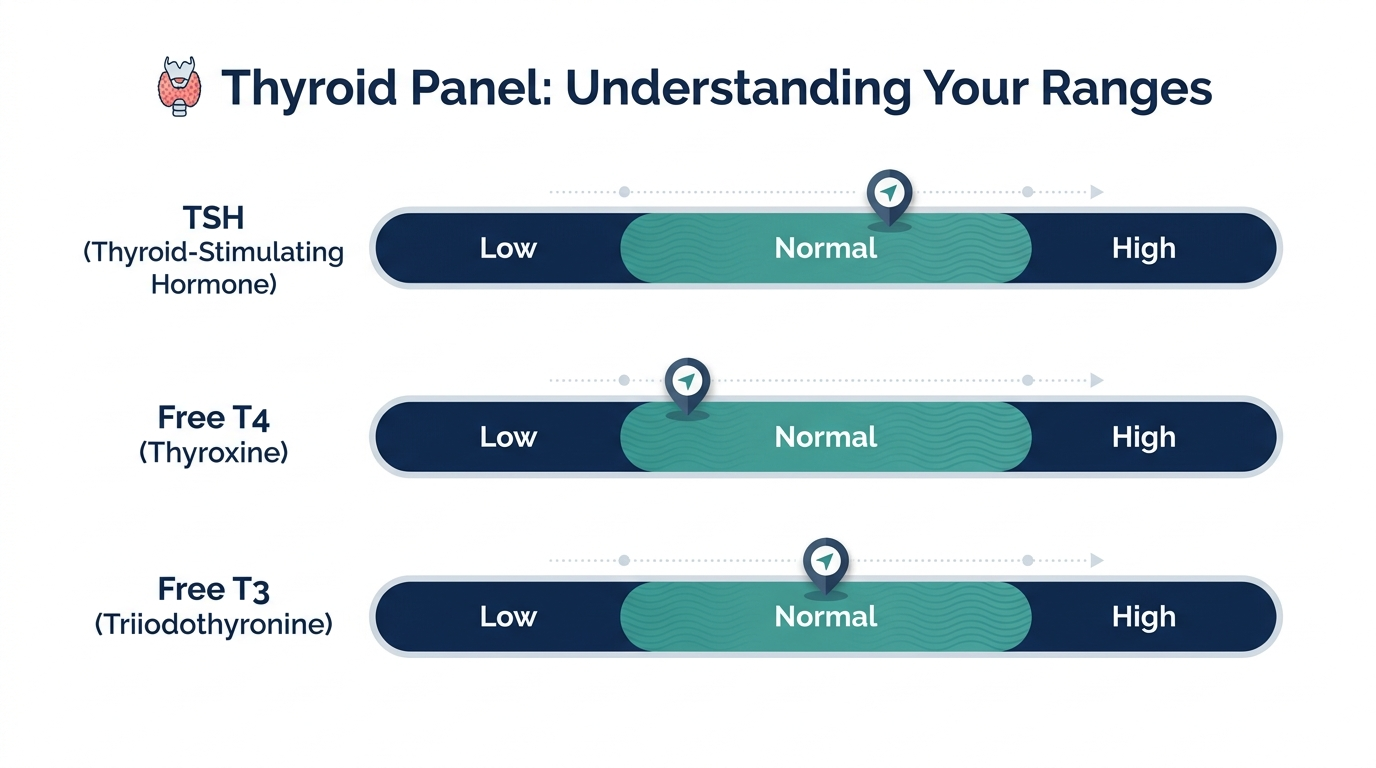
- TSH (thyroid-stimulating hormone). This is the pituitary gland’s message to the thyroid, and it is the most sensitive single screen. Counterintuitively, a high TSH usually means an underactive thyroid, because the pituitary is shouting louder to squeeze out more hormone, while a low TSH usually means an overactive thyroid. TSH is the starting point, but it is a message, not the hormone itself.
- Free T4 (thyroxine). This is the main hormone the thyroid actually releases, in its unbound, available form. It is the storage hormone that the body converts into the active form as needed. Reading Free T4 alongside TSH separates a genuine thyroid problem from a pituitary one.
- Free T3 (triiodothyronine). This is the active hormone that does the work in your tissues. Some people with normal TSH and T4 still convert poorly to T3, so measuring it adds resolution, especially when symptoms persist despite a normal TSH.
- TPO antibodies (thyroid peroxidase antibodies). These reveal whether your immune system is attacking your thyroid, the hallmark of Hashimoto’s thyroiditis (the leading cause of hypothyroidism) and, in another pattern, Graves’ disease. This is the marker a bare TSH test misses entirely, and it is why a complete panel includes it.
There is also reverse T3, an inactive form the body can make under stress or illness. It is an optional add-on rather than a core marker, and most people do not need it for a first look. The takeaway: a complete panel of TSH, Free T4, Free T3, and TPO antibodies answers not just whether your thyroid is off, but why, which is exactly the information a treatment decision needs.
How to read a thyroid panel: common patterns
Once you have the four markers back, the pattern between them tells the story far better than any single number. Here are the classic combinations a clinician recognizes at a glance.
| Pattern | What it often means |
|---|---|
| High TSH, low Free T4 | Overt hypothyroidism (underactive thyroid) |
| High TSH, normal Free T4 | Subclinical hypothyroidism, an early or mild form |
| Low TSH, high Free T4 or Free T3 | Hyperthyroidism (overactive thyroid) |
| High TSH plus positive TPO antibodies | Hashimoto’s thyroiditis, autoimmune hypothyroidism |
| Normal TSH and T4, positive TPO antibodies | Autoimmune activity that may precede future thyroid disease |
That last row is the reason a complete panel is worth the extra markers. A person can have a perfectly normal TSH today yet carry the antibodies that signal a thyroid heading toward trouble. A TSH-only kit would send them away reassured, while a four-marker panel catches the early warning. This is the single strongest argument against the cheapest TSH-only options.
Symptoms that make a thyroid test worth ordering
Thyroid dysfunction is common and its symptoms are easy to blame on a busy life, which is why so many cases go unrecognized for years. An at-home test is most useful when your symptoms cluster into one of two directions.
Signs of an underactive thyroid (hypothyroidism):
- Persistent fatigue and needing more sleep than usual
- Unexplained weight gain or difficulty losing weight
- Feeling cold when others are comfortable
- Dry skin, brittle nails, and thinning or shedding hair
- Constipation, brain fog, low mood, and a slower heart rate
Signs of an overactive thyroid (hyperthyroidism):
- Unexplained weight loss despite a normal or increased appetite
- Racing or pounding heartbeat and palpitations
- Feeling hot, sweaty, and anxious or jittery
- Tremor in the hands, trouble sleeping, and more frequent bowel movements
Hypothyroidism is the far more common of the two, and Hashimoto’s is its leading cause, which is exactly why TPO antibody testing matters. If your symptoms point clearly in one of these directions, a complete at-home panel is a reasonable first step to confirm whether the thyroid is the culprit before a clinic visit.
Who should test, and how often
At-home thyroid testing is most valuable for a few specific groups:
- People with symptoms that fit either pattern above and want a fast, private first read before booking an appointment.
- Women over 60, who carry a higher risk of thyroid dysfunction, and anyone with a family history of thyroid or autoimmune disease.
- People already treated for a thyroid condition who want to monitor between clinic visits, though dose changes should always be guided by their prescribing clinician.
- Anyone planning pregnancy or newly pregnant, since thyroid status matters for both, though this group should coordinate closely with a doctor rather than self-manage.
For a one-time symptom check, a single complete panel is enough. If you are tracking a known condition or a treatment change, retesting every few months, at a consistent time of day and under the same conditions, gives a fairer comparison than random spot checks. This monitoring use is where a membership that retests over time can be more economical than repeated one-off kits.
How to prepare and avoid a misleading result
An at-home thyroid test is only as good as the sample and the conditions around it. A few simple steps prevent the most common false results.
- Stop biotin supplements before testing. This is the big one. High-dose biotin, found in many hair, skin, and nail supplements, interferes with the lab assays and can cause falsely low TSH and falsely high T3 and T4, a pattern that can mimic hyperthyroidism and lead to a wrong conclusion. The 2017 FDA safety warning flagged exactly this problem, and the American Thyroid Association advises stopping biotin for at least 2 days before a thyroid test (PMC, biotin lab interference and FDA warning).
- Test at a consistent time of day. TSH naturally fluctuates through the day, tending to run higher in the early morning and lower in the afternoon. For monitoring, sampling at the same time each round keeps comparisons fair.
- Follow the collection instructions precisely. For finger-prick kits, warming your hands and letting the drops fall freely improves the sample. A skimpy or clotted sample is the most common reason a kit fails and needs a redraw.
- Note your medications. If you already take thyroid medication, be consistent about timing relative to your dose, and share the full picture with whoever interprets the result.
None of this is complicated, but skipping the biotin step in particular has sent otherwise healthy people down an unnecessary hyperthyroidism scare. A little preparation is what turns an at-home result into one you can actually trust.
Don’t just read about your health, track it.
A single result is a snapshot. Superpower re-tests 100+ markers over time so you can watch them move as you change sleep, food, and training.
Frequently asked questions
What markers should a good at-home thyroid test include?
At minimum it should measure TSH, Free T4, Free T3, and TPO antibodies. TSH alone is a screening starting point, but it can look normal in early disease and will not detect the autoimmune attack behind Hashimoto’s, which TPO antibodies reveal.
Are at-home thyroid tests accurate?
Yes, when the kit uses a CLIA-certified lab, which all of our picks do. The blood you collect at home is analyzed in the same type of lab a doctor would use, so accuracy depends on following the collection instructions correctly.
What is the cheapest complete thyroid test?
Among dedicated kits, Paloma Health at about $119 is the most affordable complete four-marker panel, with a lower member rate. Everlywell offers the same markers for about $149.
Should I buy a thyroid-only kit or a full-body membership?
Buy a thyroid-only kit such as Paloma or Everlywell if you already suspect a thyroid issue and want a fast, focused answer. Choose Superpower or Function Health if your symptoms are vague and you want thyroid markers inside a broader workup that can rule out other causes.
Can an at-home test diagnose hypothyroidism?
An at-home test can flag results outside the normal range and strongly suggest a problem, but a formal diagnosis and any prescription must come from a licensed clinician. Services like Paloma make that handoff easy by offering follow-up visits.
The bottom line
For most people asking “is my thyroid the problem,” Paloma Health is the best at-home thyroid test of 2026: a complete, doctor-built panel at about $119 (less for members) with a clear path to treatment. If you prefer a household-name brand and want to pay with HSA or FSA, Everlywell covers the same markers for about $149. And if your real question is bigger than your thyroid, Superpower at about $199 per year puts thyroid markers inside a full 100-plus biomarker baseline, which is the smarter long-term buy.
Sources
- Paloma Health, Home Thyroid Blood Test Kit, palomahealth.com/home-thyroid-blood-test-kit
- Everlywell, Thyroid Test (TSH, Free T3, Free T4, TPO), everlywell.com/products/thyroid-test
- Superpower, Membership and pricing, superpower.com and superpower.com/blog/superpower-is-now-199
- Function Health, Membership overview, functionhealth.com
- SiPhox Health, At-home blood testing, siphoxhealth.com
Related: compare at-home thyroid hormone tests.