New research from the Barcelona Institute for Biomedical Research (IIBB) and the Institut de Recerca Sant Pau in Spain suggests that blood biomarkers could help measure how well patients with depression respond to psychotherapy. The study, published in the journal Biological Psychiatry, provides some of the first evidence that psychological therapies act as biological stimuli that induce molecular responses measurable through blood biomarkers.
Key takeaways
- Blood biomarkers may offer a biological measure of psychotherapy response in depression.
- The study identified specific molecular changes in the blood of patients who responded to therapy.
- This approach could help personalize treatment and monitor progress objectively.
- More research is needed before these biomarkers are ready for clinical use.
How the study was conducted
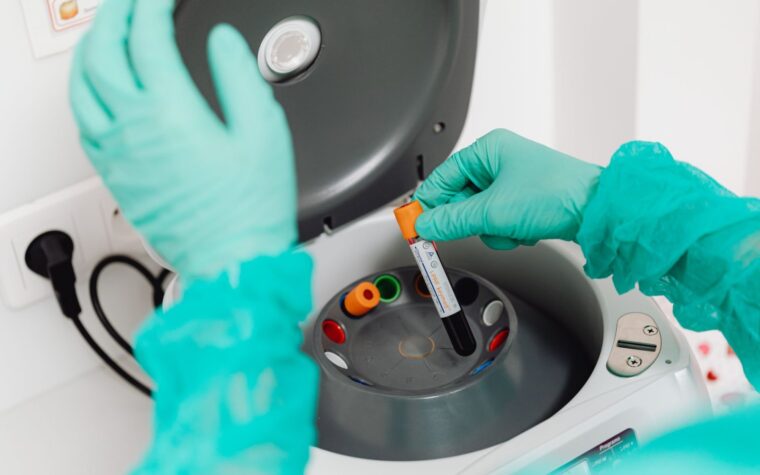
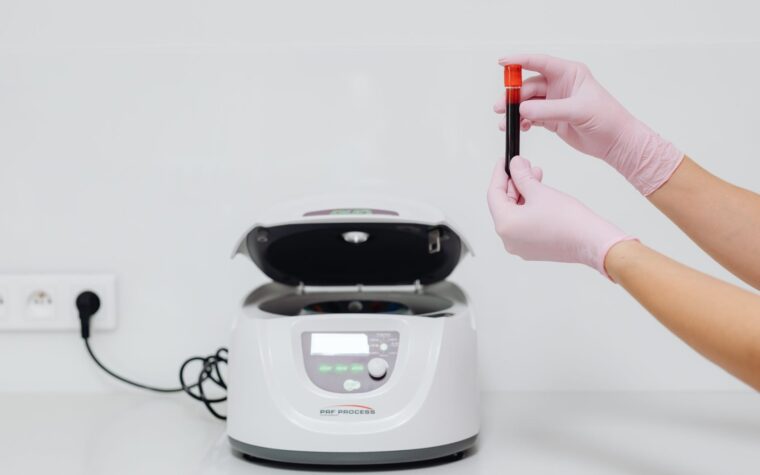
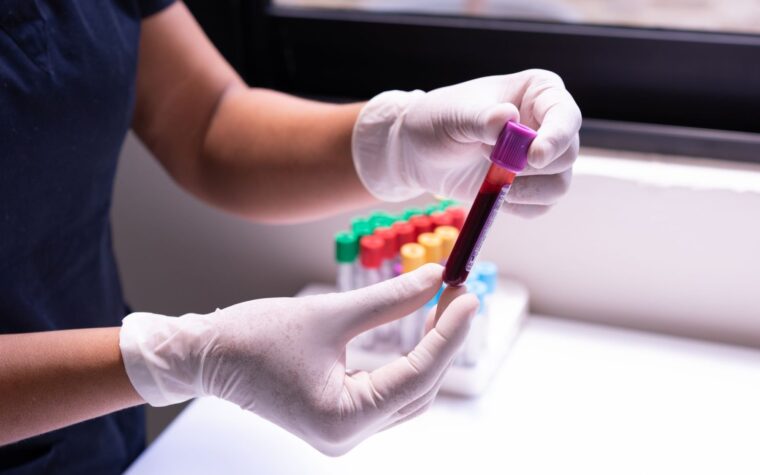
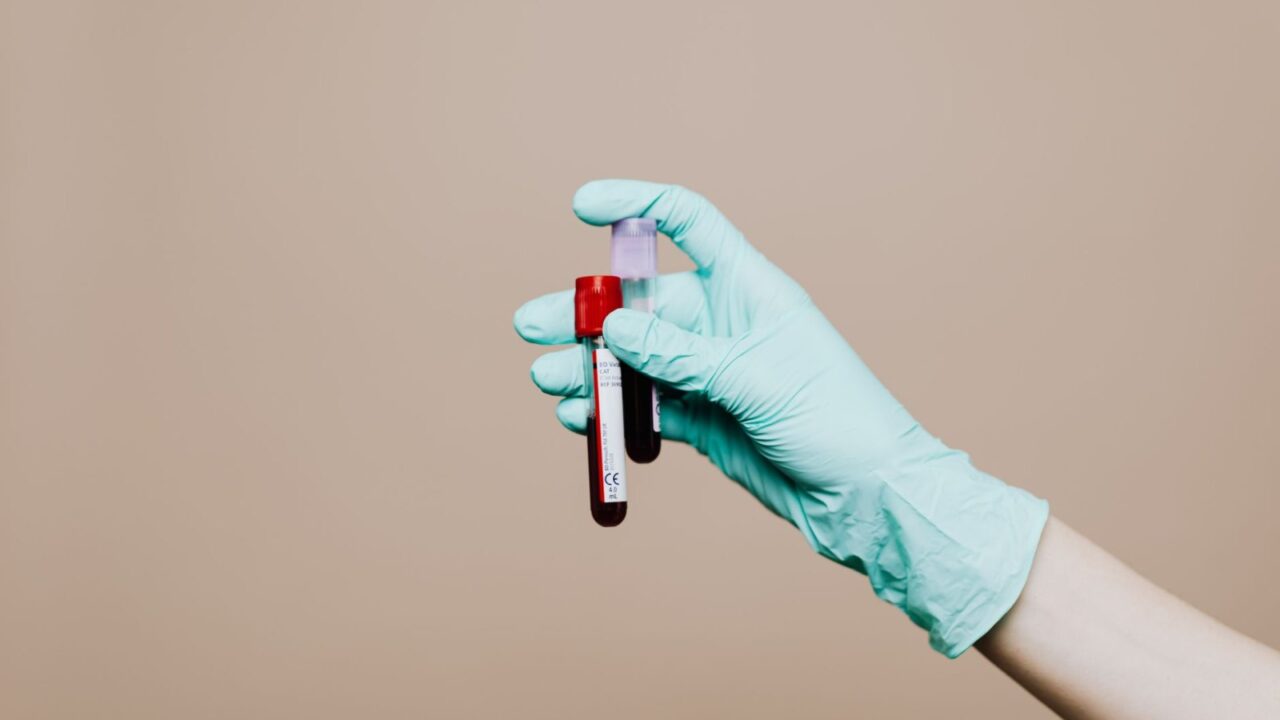
Researchers analyzed blood samples from 60 patients with major depressive disorder who underwent 12 weeks of cognitive behavioral therapy. They compared the blood of patients who showed a significant reduction in depression symptoms, as measured by standard clinical scales, with those who did not respond well to therapy. The team looked for changes in gene expression and protein levels that might correlate with treatment response.
What the biomarkers revealed
The study found that patients who responded to psychotherapy had distinct changes in several blood-based biomarkers. These included alterations in genes related to inflammation, stress response, and neuroplasticity. Specifically, responders showed decreased levels of inflammatory markers such as interleukin-6 and tumor necrosis factor-alpha, along with increased expression of genes involved in brain cell growth and repair. Non-responders did not show these changes, suggesting the biomarkers are specific to therapy response rather than just the passage of time.
Why this matters for depression treatment
Currently, doctors rely on patient self-reports and clinical interviews to gauge whether psychotherapy is working. This subjective approach can be slow and imprecise. A blood test that objectively measures biological changes could help clinicians identify early on whether a patient is likely to benefit from a particular therapy, potentially saving time and improving outcomes. It could also help researchers develop more targeted psychological treatments.
Limitations and next steps
The study is small and preliminary. The researchers caution that the findings need to be replicated in larger, more diverse groups of patients. They also note that the biomarkers identified are not specific to depression and could be influenced by other factors such as diet, sleep, or medication. Future studies will need to validate these biomarkers and determine if they can predict response before therapy begins.
Frequently Asked Questions
What are blood biomarkers?
Blood biomarkers are measurable substances in the blood, such as proteins, genes, or other molecules, that indicate a biological state or condition. In this study, they refer to changes in gene expression and protein levels that correlate with how a patient responds to psychotherapy for depression.
Could this replace talking to a therapist?
No. The biomarkers are not intended to replace clinical assessment or therapy itself. They are a potential tool to complement traditional methods by providing an objective biological measure of treatment response. A therapist would still use patient feedback and clinical judgment to guide care.
When might this be available in clinics?
It is too early to say. The findings are from a small study and require validation in larger trials. If confirmed, it could take several years before a blood test for psychotherapy response becomes a routine clinical tool. The researchers are planning follow-up studies to move toward that goal.
This is an original report by Vital Signs Today, informed by reporting from Medical Xpress. Read the original source.
This article is for information only and is not medical advice. See our Medical Disclaimer.