Quick answer: A hemoglobin test measures the concentration of hemoglobin protein in your red blood cells, reported in grams per deciliter (g/dL). Normal adult ranges are roughly 13.5 to 17.5 g/dL for men and 12.0 to 15.5 g/dL for women; values below those thresholds define anemia, and values above them raise questions about dehydration, lung disease, or blood disorders. The test is almost always part of a complete blood count (CBC), costs $10 to $50 as a standalone add-on through direct-access labs, and results return within 24 hours.
Related: See the hemoglobin reference chart by age and sex
What Does a Hemoglobin Test Actually Measure?
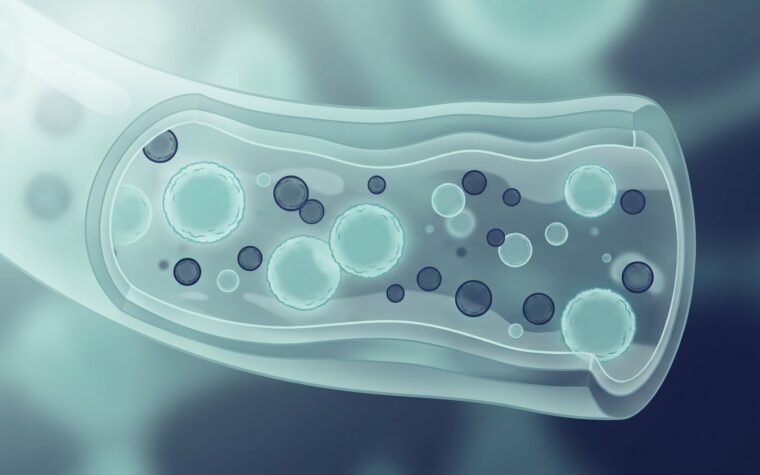
Hemoglobin (Hgb or Hb) is the iron-containing protein that fills your red blood cells and binds oxygen in your lungs, then releases it to every tissue in your body. The hemoglobin test quantifies how much of that protein is circulating per volume of blood. Low hemoglobin means your tissues are not getting enough oxygen delivery; high hemoglobin means the blood is unusually dense, which has its own set of consequences. The test does not tell you why the number is off, but it tells you quickly whether something is wrong and how severe it is.
Unlike a blood oxygen saturation reading from a pulse oximeter, which measures the percentage of hemoglobin that is currently bound to oxygen, the hemoglobin test measures total hemoglobin mass. You can have normal saturation and still be anemic if your total hemoglobin is low. That distinction matters when evaluating fatigue in athletes or people with chronic illness.
Hemoglobin is one of several markers reported on a complete blood panel, alongside red blood cell count, hematocrit, MCV, MCH, MCHC, and RDW. Reading it in isolation is possible but reading it alongside those companions tells a much richer story about why the number is where it is.
Hemoglobin Normal Range by Age and Sex
The reference ranges most US labs use in 2026 are shown below. These are population-based statistical ranges, not personal targets, so where you fall relative to your own baseline over time often matters more than whether you are inside the box.
| Group | Normal range (g/dL) | Mild anemia threshold (g/dL) |
|---|---|---|
| Adult men (18+) | 13.5 to 17.5 | 11.0 to 13.4 |
| Adult women (18+, non-pregnant) | 12.0 to 15.5 | 10.0 to 11.9 |
| Pregnant women | 11.0 to 14.0 | Below 11.0 |
| Children (6 to 12 years) | 11.5 to 15.5 | Below 11.5 |
| Older adults (65+) | 11.5 to 16.0 (variable) | Below 11.5 |
A few nuances labs do not always explain: men who live at high altitude (Denver, Salt Lake City, Albuquerque) legitimately run 1 to 2 g/dL higher than sea-level residents, and that is physiologically normal for them. Endurance athletes sometimes run lower hemoglobin due to plasma volume expansion, called “sports anemia,” which looks alarming on paper but does not impair oxygen delivery. Context, not the number alone, drives clinical decisions.
If you want to know which of the best biomarkers to test together with hemoglobin, ferritin and reticulocyte count are the two that most often explain why hemoglobin is low.
Optimal vs Standard: Where Should You Actually Aim?
Lab reference ranges answer one question: is this value common in the population that lab sampled? They do not answer the question most people actually care about, which is whether the value is good for oxygen delivery and energy. Those are not the same thing. The lower boundary for women (12.0 g/dL) captures a large slice of people who feel tired and would feel measurably better closer to 13. A hemoglobin sitting at the very bottom of the range with a low-normal ferritin is a common pattern in menstruating women who describe brain fog, cold hands, and exercise that feels harder than it should, and it is routinely dismissed as normal because the number is technically inside the box.
A practical way to read it: mid-range is a comfortable target for most adults, the bottom eighth of the range deserves a ferritin check even without a diagnosis of anemia, and the top of the range is fine unless it keeps climbing on repeat draws. Do not chase a specific decimal. Track your own trend, because a stable personal baseline tells you more than any single reading against a population average. Remember too that reference ranges differ between labs by a few tenths of a g/dL depending on the analyzer and the local population, so compare results to the range printed on your own report, not one you saw online.
Low Hemoglobin Causes: What Pulls the Number Down
Low hemoglobin defines anemia, and anemia is not a diagnosis, it is a finding. There are more than 400 underlying causes, but they collapse into three physiologic buckets: not enough production, too much destruction, or too much loss.
Insufficient production
- Iron deficiency: by far the most common cause worldwide. Heavy menstruation, a low-iron diet, or impaired absorption (celiac disease, post-bariatric surgery) depletes the iron that hemoglobin synthesis requires. Your MCV will typically be low (microcytic) and ferritin will be depleted.
- B12 or folate deficiency: impairs DNA synthesis in the bone marrow, producing large, fragile red cells (macrocytic anemia). Strict vegans, people on metformin long-term, and those with gastric atrophy are at higher risk.
- Chronic disease: kidney disease, cancer, inflammatory conditions (rheumatoid arthritis, IBD) suppress erythropoietin or sequester iron. This is called anemia of chronic disease and often produces a mildly low hemoglobin (10 to 12 g/dL) that does not respond to iron supplementation.
- Bone marrow failure: aplastic anemia, myelodysplastic syndrome, or marrow infiltration by cancer.
Excessive destruction
- Hemolytic anemias: autoimmune hemolysis, sickle cell disease, G6PD deficiency, hereditary spherocytosis. Red cells are destroyed faster than the marrow can replace them. Bilirubin and LDH will be elevated and haptoglobin will be suppressed.
Blood loss
- Acute hemorrhage drops hemoglobin rapidly. Chronic slow GI bleeding (ulcers, polyps, colon cancer) drains iron stores over months before symptoms appear, which is why colorectal cancer screening catches many iron-deficiency anemias before the cancer is symptomatic.
What To Do When Iron Is the Cause
Most low-hemoglobin cases in otherwise healthy adults trace back to iron, so it is worth knowing what actually moves the needle. Diet alone rarely corrects an established iron-deficiency anemia quickly, but it protects against relapse once stores are refilled. Heme iron, the form found in red meat, poultry, and shellfish, is absorbed several times more efficiently than the non-heme iron in beans, lentils, spinach, and fortified cereals. Pairing plant iron with a vitamin C source at the same meal, such as bell peppers, citrus, or strawberries, meaningfully increases absorption, while coffee, tea, and calcium supplements taken with the meal blunt it.
When a clinician confirms deficiency, oral iron is the usual first step. A detail most people are never told: taking iron every other day rather than every day often raises total absorption, because a large dose spikes the hormone hepcidin, which then blocks absorption of the next dose for about a day. Take it on a relatively empty stomach with vitamin C, expect darker stool, and give it time. Hemoglobin typically starts rising within two to four weeks, but ferritin needs three to six months to rebuild, so stopping the moment hemoglobin normalizes leaves the tank half empty and sets up a relapse. Retest before quitting.
The practical takeaway: if your hemoglobin is low and your clinician has not also checked ferritin, B12, and a reticulocyte count, you have an incomplete workup. Talk to a clinician about which additional markers make sense for your situation.
High Hemoglobin: What It Means When the Number Is Too High
High hemoglobin (polycythemia) gets less attention than low hemoglobin, but it is not a benign finding. Thick, hemoglobin-dense blood has higher viscosity, which raises clotting risk and can stress the heart.
Common causes of elevated hemoglobin
- Dehydration: the most common and most benign explanation. Plasma volume drops and hemoglobin concentration rises without any change in total red cell mass. Repeat the test after adequate hydration before pursuing a workup.
- High-altitude residence: physiologic adaptation to lower oxygen partial pressure; normal for that person in that location.
- Chronic obstructive pulmonary disease (COPD) or sleep apnea: chronic hypoxia stimulates erythropoietin production, which drives red cell production upward. High hemoglobin in a smoker with shortness of breath warrants pulmonary evaluation.
- Testosterone therapy: exogenous testosterone is one of the most consistent drivers of elevated hemoglobin in men. Clinicians monitoring testosterone replacement therapy check CBC every 3 to 6 months specifically for this reason. Hematocrit above 54 percent is the standard threshold for dose adjustment.
- Performance-enhancing EPO use: erythropoietin abuse raises hemoglobin sharply, which is why professional cycling and cross-country skiing use biological passport programs with hemoglobin as a primary marker.
- Polycythemia vera: a myeloproliferative neoplasm (JAK2 mutation in 95 percent of cases) that produces autonomous red cell overproduction. Suspect it when hemoglobin is above 18.5 g/dL in men or 16.5 g/dL in women without an obvious secondary cause.
What Are the Symptoms of Abnormal Hemoglobin?
The tricky part about hemoglobin is that symptoms track how fast the number changed as much as how far it moved. A slow drift downward over months lets the body adapt, so people routinely walk around at a hemoglobin of 9 or 10 feeling only a bit more tired than usual. The same value reached suddenly, after a bleed, can put someone on the floor. That is why the symptom list matters less for diagnosis than the number itself, but it explains why two people with identical results feel completely different.
Low hemoglobin symptoms come from tissues not getting enough oxygen and the heart working harder to compensate. The common ones are persistent fatigue that sleep does not fix, shortness of breath on stairs or hills, a racing or pounding heartbeat, pale skin and inner eyelids, cold hands and feet, headaches, and difficulty concentrating. Iron deficiency specifically can add a few odd ones that surprise people: brittle spoon-shaped nails, restless legs at night, hair shedding, and a strange craving to chew ice, called pagophagia, which frequently disappears within days of starting iron.
High hemoglobin is quieter and more often found by accident on a routine CBC. When it does cause symptoms, thick blood is the culprit: headaches, dizziness, flushed or reddened skin, blurred vision, ringing in the ears, and itching that is classically worse after a hot shower, which is a hallmark of polycythemia vera. Because higher viscosity raises clotting risk, an unexplained clot in a leg vein or lung in someone with a high hemoglobin is a reason to investigate the marrow, not just treat the clot.
Hemoglobin vs Hematocrit: Two Numbers That Tell the Same Story Differently
Hematocrit (Hct) is the percentage of blood volume occupied by red blood cells, while hemoglobin is the mass of protein per volume of blood. They move together almost perfectly, and as a rough rule, hematocrit is approximately three times hemoglobin (a hemoglobin of 14 g/dL corresponds to a hematocrit of about 42 percent). So why report both?
Historically, hematocrit was easier to measure manually (just spin a tube in a centrifuge), while automated analyzers calculate hemoglobin photometrically. Modern analyzers report both, and each has clinical contexts where it is preferred. Hematocrit is the standard metric for monitoring testosterone therapy, dialysis adequacy, and blood transfusion triggers. Hemoglobin is preferred in most anemia workups and is the measure used in WHO anemia definitions. When your numbers seem inconsistent, the three-times rule is a quick sanity check: if hemoglobin is 12 but hematocrit is 50, one of the analyzer values is suspect.
For a broader view of how individual markers like these fit into a full panel, the albumin test and alkaline phosphatase test alongside CBC markers create a more complete picture of nutritional and metabolic status.
How a Hemoglobin Test Is Done and What to Expect
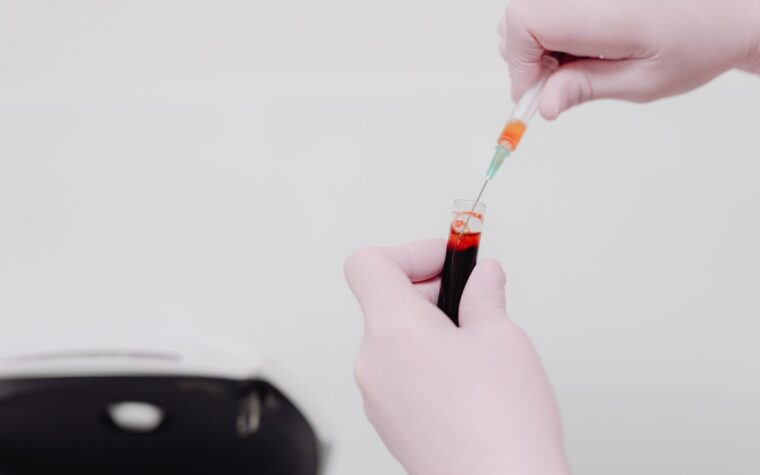
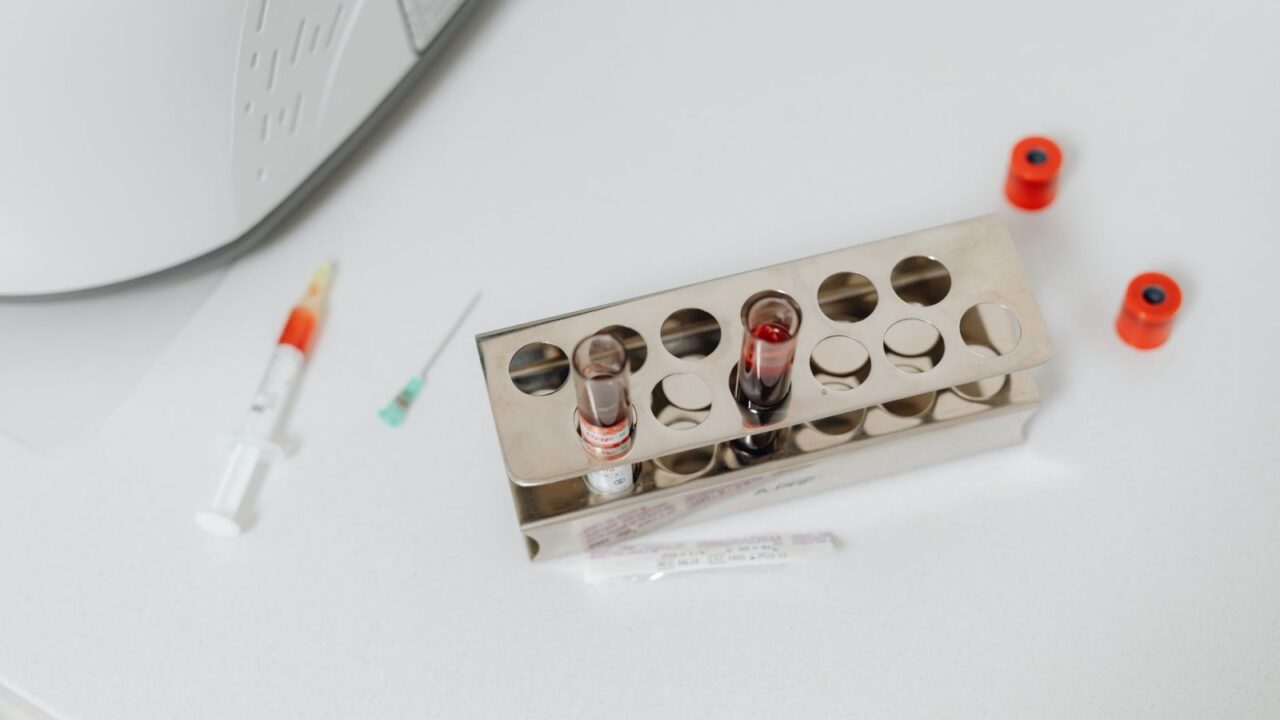
The hemoglobin test is a venous blood draw, almost always ordered as part of a CBC. The needle goes into a vein in the antecubital fossa (the crook of your elbow), a few milliliters of blood go into a purple-top EDTA tube (the anticoagulant prevents the sample from clotting), and the tube runs through an automated hematology analyzer. Total time from needle to result: under two minutes of analysis, with turnaround time of a few hours to 24 hours depending on the lab.
No fasting is required for a CBC alone. If hemoglobin is being drawn as part of a comprehensive metabolic panel (which includes glucose and lipids), your clinician will likely ask for an 8 to 12 hour fast to protect those other values. The hemoglobin result itself is unaffected by eating.
Point-of-care hemoglobin devices (the HemoCue or similar devices used in urgent care, CVS MinuteClinic, or during blood donation screening) give a result from a fingerstick in about a minute. These are accurate enough for screening but have higher variability than a full venous CBC analyzer result. If a point-of-care hemoglobin comes back borderline, reconfirm with a venous CBC before making treatment decisions.
What a Hemoglobin Test Costs Without Insurance
A standalone CBC with differential, which includes hemoglobin, runs $29 to $79 at direct-access services like Quest Diagnostics, Labcorp, or Any Lab Test Now. Order online, walk into any patient service center, and get results in your portal. You do not need a clinician’s order. HSA and FSA cards are accepted at most direct-access labs.
| Where to get it | Approximate cash price (2026) | Notes |
|---|---|---|
| Quest Diagnostics (direct access) | $29 to $49 | Order at QuestDirect; 2,200+ draw sites |
| Labcorp (direct access) | $29 to $55 | Labcorp OnDemand portal; results in 1 to 2 days |
| Any Lab Test Now | $35 to $65 | Walk-in; no appointment required at most locations |
| CVS MinuteClinic | $50 to $90 (includes provider visit) | Clinician interprets results; good for follow-up guidance |
| Primary care with insurance | $0 copay to $25 | Part of annual wellness visit; billed under preventive care |
| Medicare (Part B) | $0 for medically necessary CBC | Must be ordered by a Medicare-participating provider |
If you are going to get a hemoglobin draw anyway, it is often smarter to capture a full baseline at once rather than chasing single markers separately. Here is how a full-body panel compares to ordering individual tests over time.
Hemoglobin and Anemia: Reading Your CBC Results
When hemoglobin is low, the next step is not to start iron. It is to characterize the anemia using the other CBC values, because the treatment depends entirely on the cause.
- Low Hgb + low MCV (below 80 fL): microcytic anemia. Most likely iron deficiency; less commonly thalassemia trait or anemia of chronic disease. Check ferritin, serum iron, TIBC.
- Low Hgb + high MCV (above 100 fL): macrocytic anemia. Most likely B12 or folate deficiency; also seen with alcohol use, hypothyroidism, liver disease, and certain medications (methotrexate, hydroxyurea). Check B12 and folate.
- Low Hgb + normal MCV (80 to 100 fL): normocytic anemia. Broad differential including acute blood loss, hemolysis, early iron deficiency, anemia of chronic disease, or mixed deficiency. Check reticulocyte count to distinguish hypoproliferative (bone marrow issue) from hyperproliferative (ongoing loss or destruction).
- Low Hgb + high RDW: red cells are variable in size, which suggests mixed deficiency (iron plus B12, for example) or early iron deficiency before MCV has shifted.
World Health Organization severity thresholds for anemia in non-pregnant adults:
| Severity | Hemoglobin (g/dL) | Typical symptoms |
|---|---|---|
| Mild | 10.0 to 11.9 (women) / 10.0 to 12.9 (men) | Often none; fatigue on exertion |
| Moderate | 8.0 to 9.9 | Exertional dyspnea, pallor, persistent fatigue |
| Severe | Below 8.0 | Resting dyspnea, tachycardia, angina; may require transfusion |
A concrete example makes the pattern obvious. Picture a 38-year-old woman with heavy periods whose CBC shows hemoglobin 11.4 g/dL, MCV 76 fL, and RDW 16 percent. The low MCV and high RDW point straight at iron deficiency, so the right next test is ferritin, not a blanket iron pill and hope. Her ferritin comes back at 8 ng/mL, which confirms depleted stores. Six weeks of every-other-day iron with vitamin C brings hemoglobin to 12.6, but ferritin is still only 22, so she keeps going for another three months to actually refill the tank. Contrast that with a 70-year-old man whose hemoglobin is the same 11.4 but with a normal MCV and normal ferritin. Same number, completely different story, and his workup points toward reticulocyte count, kidney function, and a look for slow GI blood loss rather than iron.
Knowing your hemoglobin trend is more clinically useful than a single snapshot. A drop from 14.2 to 12.1 g/dL over 12 months in a 45-year-old man is a meaningful signal even though 12.1 is technically within the reference range for women. That is one reason comprehensive annual testing, reviewed alongside prior values, catches problems that one-off panels miss. The adiponectin test is another marker worth pairing with CBC when metabolic inflammation may be contributing to anemia of chronic disease.
How to Prepare and What to Do With Your Results
Preparation is minimal: no fasting required, no medication holds unless your clinician specifically instructs you otherwise. Avoid intense exercise in the 24 hours before the draw if you are monitoring a borderline hemoglobin, since acute exertion can transiently shift red cell distribution. Hydrate normally; as noted, dehydration artificially concentrates hemoglobin and can push a borderline result into flagged territory.
When your results arrive, look for three things beyond whether you are in range: the trend compared to your last value, how hemoglobin lines up with hematocrit (the three-times rule), and whether MCV is flagged. If hemoglobin is low and MCV is also low, start with a ferritin test before you start an iron supplement. Taking iron when ferritin is normal and the anemia is actually B12 deficiency delays the correct treatment by months.
If your hemoglobin is below 10 g/dL, call your clinician rather than waiting for your next appointment. Below 8 g/dL with symptoms such as shortness of breath at rest or chest discomfort warrants same-day evaluation.
FAQ
What is a hemoglobin test used for?
A hemoglobin test is used to screen for anemia, monitor a known blood disorder, evaluate fatigue or shortness of breath, and track response to treatment (iron supplements, B12 injections, or EPO therapy for kidney disease). It is also a routine part of pre-operative screening and annual physical blood work. The result directly reflects how much oxygen-carrying capacity your blood has at the moment of the draw.
What is a dangerously low hemoglobin level?
Most clinicians consider hemoglobin below 7 g/dL a threshold for considering red blood cell transfusion in symptomatic patients. Below 8 g/dL is severe by WHO definition, and patients at this level with cardiac or pulmonary disease often cannot compensate adequately. A hemoglobin of 6 g/dL or lower with symptoms (chest pain, resting dyspnea, confusion) is an emergency department presentation, not a “call your doctor on Monday” situation.
Can low hemoglobin be normal for some people?
Endurance athletes often have hemoglobin readings at the low end of the reference range or just below it due to dilutional pseudoanemia: their training expands plasma volume faster than red cell mass, which lowers the concentration without impairing oxygen delivery. If your hemoglobin is 11.8 g/dL and you run marathons with no fatigue, that finding in isolation is not alarming. Context, fitness level, reticulocyte count, and ferritin together tell the real story.
How is hemoglobin different from hematocrit?
Hemoglobin measures the mass of hemoglobin protein per deciliter of blood (g/dL), while hematocrit measures the percentage of blood volume that is red blood cells. They rise and fall together: hematocrit is roughly three times hemoglobin. Hematocrit is preferred in specific clinical contexts like testosterone therapy monitoring; hemoglobin is the standard metric in most anemia classifications and WHO definitions.
Does a hemoglobin test require fasting?
No. A standalone hemoglobin or CBC does not require fasting. If your blood draw is part of a comprehensive panel that includes a lipid panel or fasting glucose, your clinician will ask you to fast for 8 to 12 hours, but that restriction protects those other values, not the hemoglobin result. You can eat and drink normally and get an accurate hemoglobin reading.
What causes high hemoglobin in a young, healthy person?
In a young adult without obvious risk factors, high hemoglobin is most often dehydration or altitude. Repeat the test well hydrated before pursuing a workup. In men on testosterone therapy, it is almost always erythrocytosis driven by the androgen. If the value is above 18.5 g/dL in a man or 16.5 g/dL in a woman and dehydration and altitude have been ruled out, a JAK2 mutation test to screen for polycythemia vera is the appropriate next step.
How often should I get a hemoglobin test?
For healthy adults without risk factors, annually as part of a routine CBC is sufficient. Women with heavy menstrual bleeding benefit from checking hemoglobin and ferritin every 6 months, since iron stores can deplete well before hemoglobin drops into the anemic range. People on testosterone therapy, dialysis, or chemotherapy are typically monitored every 3 months. If you have a family history of sickle cell disease, thalassemia, or G6PD deficiency, discuss a screening CBC with your clinician if you have not already had one.
Can I order a hemoglobin test without a doctor?
Yes. In most US states, you can order a CBC (which includes hemoglobin) directly through Quest Diagnostics, Labcorp, Any Lab Test Now, or Walk-In Lab without a physician’s order. You pay cash (or with HSA/FSA), go to a draw site, and receive results in your online portal within 24 to 48 hours. California, New York, and New Jersey have some restrictions on direct-access lab testing, so check your state’s rules if you are in one of those states.
How long does it take to raise low hemoglobin?
With iron-deficiency anemia treated by oral iron, hemoglobin usually begins climbing within two to four weeks and a full point or more of improvement over six to eight weeks is a good response. Full correction of hemoglobin often takes two to three months, and rebuilding ferritin stores takes another three to six months on top of that. B12 or folate deficiency corrects on a similar timeline once the right supplement is started. If hemoglobin has not budged after a month of consistent iron, the diagnosis or the absorption is worth revisiting, since that non-response is itself a clue.
Can dehydration affect a hemoglobin test?
Yes, and it is one of the most common reasons for a falsely high result. When you are low on fluid, plasma volume drops while red cell mass stays the same, so the hemoglobin concentration reads higher than your true value. A morning draw after a long fast, hard exercise, or a night of poor hydration can nudge a borderline number into flagged territory. If a high hemoglobin shows up without symptoms, the cheapest next step is to rehydrate normally and repeat the test rather than launch a workup.
Does exercise raise or lower hemoglobin?
Both, depending on the timeframe. A single hard session transiently shifts fluid and can nudge a reading. Sustained endurance training does the opposite over time: it expands plasma volume faster than red cell mass, which dilutes hemoglobin and produces the low-normal readings seen in distance runners, sometimes called sports anemia even though oxygen delivery is fine. Serious altitude or heavy training can also mask a real iron deficiency, which is why endurance athletes with fatigue should check ferritin alongside hemoglobin rather than reading the hemoglobin alone.