Quick answer: The GlycA test is an NMR-based blood test that measures inflammation by quantifying glycan residues attached to several acute-phase proteins simultaneously. A normal GlycA level is generally below 400 micromol/L, with values above 500 micromol/L associated with elevated cardiovascular and metabolic risk. Unlike high-sensitivity CRP, which spikes with short-term illness, GlycA reflects a more stable, background level of systemic inflammation that correlates with long-term disease risk. It is currently available as part of NMR LipoProfile testing through specialty labs and select comprehensive panels.
What Is GlycA and What Does the Test Measure?
GlycA is a composite NMR signal produced by glycan side chains on several circulating inflammatory proteins: primarily alpha-1-acid glycoprotein, alpha-1-antitrypsin, haptoglobin, alpha-1-antichymotrypsin, and transferrin. When these proteins become glycosylated in response to chronic inflammatory signaling, the NMR spectroscopy machine reads their combined signal as a single number expressed in micromol/L.
The practical advantage is that GlycA aggregates five proteins at once. A single marker like CRP only captures one node in the inflammatory network. If your CRP happens to be low on a given day but other acute-phase proteins are elevated, CRP misses it. GlycA does not, because it is summing the signal from all five carriers simultaneously.
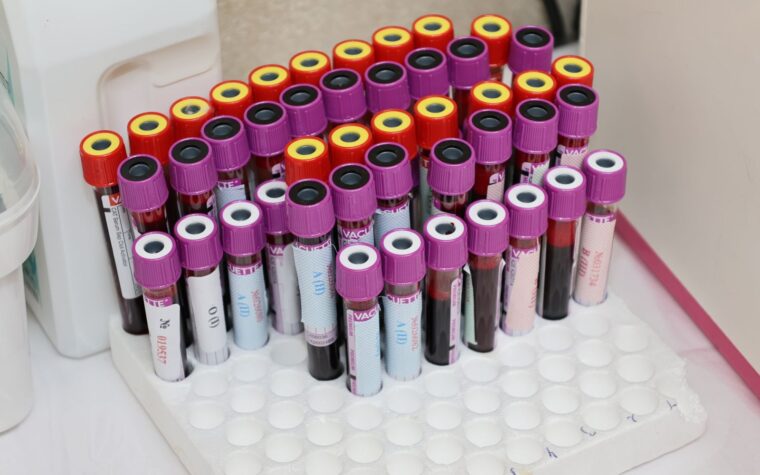
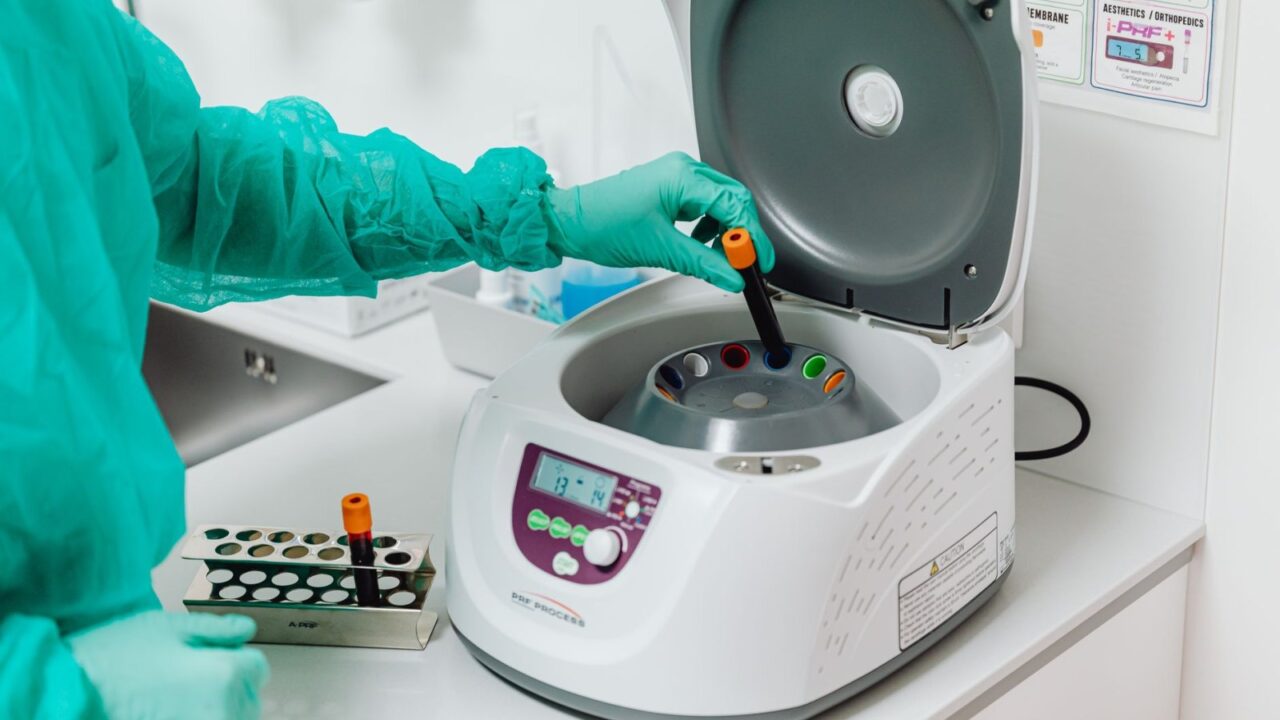
The test itself requires a standard blood draw. No special preparation is needed, and fasting is not required (unlike some lipid measurements run on the same NMR panel). The measurement is done post-analytically on a frozen or fresh serum sample run through the NMR spectroscopy instrument, which is why it is only available from labs operating that machine (LabCorp runs NMR LipoProfile panels; Quest Diagnostics offers comparable NMR-based testing). You cannot walk into a standard immunoassay-based lab and order a GlycA by itself the way you would order a basic metabolic panel.
What Is a Normal GlycA Range?
The simplest way to actually get this done
Superpower is a full-body lab membership that runs 100+ biomarkers, has each result reviewed by a doctor, and tracks your numbers year over year (about $199/year). It is what we point readers to when they would rather get one clean, complete draw than chase single tests one at a time. Here is superpower reviewed in full.
Most clinical reference data places the healthy reference interval for GlycA between 250 and 400 micromol/L, with the median in large population studies falling around 330 to 350 micromol/L in adults without known inflammatory disease.
| GlycA Level (micromol/L) | Interpretation | Clinical Context |
|---|---|---|
| Below 300 | Low inflammation | Favorable; typical in lean, active adults with no metabolic disease |
| 300 to 400 | Normal range | Average US adult; some metabolic variation expected |
| 400 to 500 | Borderline elevated | Worth monitoring; often correlates with insulin resistance or early metabolic syndrome |
| Above 500 | Elevated | Associated with significantly increased cardiovascular event risk in longitudinal studies |
| Above 600 | High | Common in active autoimmune disease, obesity, type 2 diabetes, or chronic infection |
One thing most lab printouts will not tell you: GlycA does not have a universal FDA-cleared reference range the way a basic metabolic panel does. The cutoffs above come from large epidemiological cohorts, particularly the MESA (Multi-Ethnic Study of Atherosclerosis) and JUPITER trial sub-analyses. Your lab report may show a slightly different reference interval depending on the population used for calibration. Ask your clinician for context, especially if your result sits in the 400 to 500 range.
Reading Your GlycA Number in Context
Two people with an identical GlycA of 430 micromol/L can be in very different situations, and the number alone will not tell you which. Context is everything. Women tend to run slightly higher GlycA than men on average, partly because acute-phase protein handling differs with estrogen status, so a value that looks borderline in a man may sit closer to typical in a premenopausal woman. GlycA also tends to drift upward with age as visceral fat accumulates and metabolic efficiency declines, which is why comparing your result to your own prior value matters more than comparing it to a single population midpoint.
The other trap is treating the reference interval as a health target. A result of 395 micromol/L is technically normal, but if your reading a year ago was 320 and nothing else changed, that upward drift is a signal worth understanding, not one to dismiss because it stayed under the cutoff. Trend beats snapshot with a slow-moving marker like this one. If your number sits anywhere above 400, the useful next move is not panic, it is context: pair it with hs-CRP, fasting insulin, and a waist measurement, then read the pattern together.
GlycA vs CRP: Which Inflammation Marker Is More Useful?
GlycA and high-sensitivity CRP (hs-CRP) measure different aspects of inflammation, and the most informative panels include both rather than treating them as interchangeable.
CRP is highly reactive. An acute upper respiratory infection can push hs-CRP from 0.5 mg/L to 30 mg/L in 48 hours. That volatility makes CRP excellent for detecting acute illness or monitoring a known inflammatory flare, but it makes a single reading unreliable for long-term cardiovascular risk prediction. A CRP drawn the week you had a bad cold tells you almost nothing about your baseline inflammatory state.
GlycA does not spike dramatically with short infections. Its half-life characteristics across the five contributing proteins are longer and more varied, so the NMR signal changes more slowly. Studies using repeat measurements in healthy volunteers show GlycA has a within-person intraclass correlation coefficient of roughly 0.65 to 0.75 over six months, compared to about 0.35 to 0.45 for hs-CRP. That stability is what makes it a better signal for chronic, smoldering inflammation from metabolic dysfunction, visceral fat, or low-grade autoimmune activity.
| Feature | GlycA | hs-CRP |
|---|---|---|
| Measurement method | NMR spectroscopy | Immunoassay (widely available) |
| Proteins measured | 5 glycosylated acute-phase proteins | C-reactive protein only |
| Reactivity to acute illness | Moderate; slower to spike | Very high; spikes within 24 to 48 hours |
| Stability over months | Higher (ICC ~0.70) | Lower (ICC ~0.40) |
| Added CVD risk info beyond CRP | Yes, in several cohort studies | Baseline comparator |
| Fasting required | No | No |
| Cost (cash pay) | Bundled in NMR panel, roughly $80 to $200 | $15 to $60 standalone |
The practical takeaway: if you are doing a one-time check during an illness or post-surgery, hs-CRP is the right tool. If you are building a long-term metabolic health picture, GlycA gives you more signal. The two tests are complementary, not competing, and a complete blood panel that includes both captures more of the inflammation story than either alone.
GlycA as a Cardiovascular Risk Marker: What the Evidence Shows
GlycA predicts cardiovascular events independently of traditional risk factors, including LDL cholesterol and hs-CRP, in several well-characterized cohorts. That independence is the key claim, and it is supported by real outcome data.
In analyses from the MESA cohort of roughly 6,700 adults followed for up to 10 years, each one-standard-deviation increase in GlycA was associated with a statistically significant increase in incident cardiovascular disease after adjusting for age, sex, race, BMI, smoking, blood pressure, lipids, and diabetes status. The hazard ratios reported were modest (in the 1.15 to 1.30 range per SD) but consistent across subgroups. That is the same territory as mild LDL elevation, which clinicians do take seriously.
The mechanism is mechanistically sensible: chronically glycosylated acute-phase proteins circulating at elevated levels promote endothelial dysfunction, accelerate foam cell formation in arterial walls, and activate complement. Sustained elevation is not just a bystander marker; it plausibly participates in atherogenesis.
Where GlycA adds the most cardiovascular information is in people whose traditional risk score (Framingham or PCE-based) sits in the borderline zone, roughly 7.5 to 15 percent 10-year risk. At that intermediate level, knowing whether chronic inflammation is elevated helps clinicians decide whether to pursue more aggressive prevention. This is also why knowing your best biomarkers to test for cardiovascular risk matters: a single marker like LDL misses the inflammatory component entirely.
What Drives GlycA Up? Common Causes of Elevated Levels
Chronically elevated GlycA is almost always rooted in one or more of four drivers: excess visceral adiposity, insulin resistance or type 2 diabetes, an active or undertreated autoimmune condition, or persistent low-grade infection.
Visceral fat is probably the dominant driver in the general US adult population. Adipose tissue, particularly the omentum, secretes IL-6 and TNF-alpha continuously, and these cytokines drive hepatic production of acute-phase proteins. A person who is not overtly obese but carries disproportionate abdominal fat can have GlycA in the 450 to 520 range with a perfectly normal BMI.
Insulin resistance is closely intertwined. Hyperinsulinemia upregulates acute-phase protein synthesis in the liver directly. In clinical practice, it is common to see GlycA normalize significantly when a patient loses 10 to 15 percent of body weight through caloric restriction combined with resistance training, because both visceral fat mass and insulin sensitivity improve together.
Autoimmune conditions including rheumatoid arthritis, lupus, psoriatic arthritis, and inflammatory bowel disease reliably push GlycA above 500 micromol/L during active disease. Some clinicians use serial GlycA measurements to track disease activity in these patients, though it has not replaced disease-specific markers like anti-CCP or calprotectin for formal monitoring.
A few less obvious contributors: obstructive sleep apnea elevates GlycA through intermittent hypoxia-driven inflammation. Periodontal disease does the same. Chronic psychological stress and poor sleep quality have measurable effects on acute-phase protein output. If your GlycA is borderline and you cannot explain it metabolically, these deserve a second look. Talk to a clinician about interpreting your results in context.
A Common Real-World Pattern: Normal Weight, High GlycA
Consider a 44-year-old man with a BMI of 24, cholesterol that looks fine on a standard panel, and a GlycA of 470 micromol/L. On paper he is healthy. In practice, a waist that has crept from 33 to 37 inches over a decade, a desk job, and six hours of broken sleep a night tell the real story. His visceral fat is metabolically active even though his scale weight is unremarkable, a pattern often called normal weight obesity or being metabolically unhealthy at a normal weight. His fasting insulin, if measured, would likely be climbing. For him the GlycA result is the most useful number on the page, because it caught inflammation that both LDL and BMI missed. The fix is not a statin reflex, it is trimming visceral fat through diet, resistance training, and better sleep, then retesting in six months.
Does High GlycA Cause Symptoms You Can Feel?
This is the honest and slightly frustrating part: elevated GlycA usually causes nothing you can feel directly. Chronic low-grade inflammation is silent by design. It is not the sharp, obvious inflammation of a swollen joint or a fever. It is a background hum that quietly raises cardiovascular and metabolic risk over years without announcing itself.
That said, the conditions that drive GlycA up often do produce symptoms, and those are the clues worth noticing. Persistent fatigue that sleep does not fix, stubborn central weight gain, brain fog, poor recovery after exercise, and disrupted sleep are all common companions of the metabolic and inflammatory states that elevate GlycA. None of these prove your GlycA is high, and plenty of people with elevated GlycA feel completely fine. That is precisely why it is a test worth running rather than a symptom worth waiting for. By the time chronic inflammation produces obvious symptoms, it has usually been elevated for a long time.
How to Lower GlycA: Evidence-Based Approaches
GlycA is modifiable, which is the most actionable thing about it. The interventions that consistently lower it in clinical trials are not exotic: they are the same lifestyle changes that improve metabolic health broadly.
- Caloric restriction and fat loss. Reducing visceral fat is the highest-leverage intervention. In trials of low-calorie diets in adults with obesity, GlycA decreases roughly 5 to 10 percent per 5 percent reduction in body weight. A sustained 10 to 15 kg weight loss can bring GlycA from the 480 to 520 range into the normal reference interval.
- Resistance and aerobic exercise. Both modalities reduce GlycA independently of weight change, likely through improved insulin sensitivity and reduced visceral adiposity. Trials using 12 weeks of combined resistance and aerobic training report GlycA reductions in the 20 to 40 micromol/L range even without significant scale changes.
- Dietary pattern improvement. A Mediterranean-style diet or any whole-food pattern that reduces refined carbohydrates, trans fats, and ultra-processed food consistently lowers GlycA in RCTs. Omega-3 supplementation (2 to 4 g/day EPA+DHA) has demonstrated modest GlycA reduction in several trials.
- Statin therapy. Statins have pleiotropic anti-inflammatory effects beyond LDL reduction. Rosuvastatin in the JUPITER trial substantially reduced GlycA in parallel with CRP reduction. This is part of why GlycA is sometimes measured alongside lipids in cardiovascular prevention discussions.
- GLP-1 receptor agonists. Semaglutide and tirzepatide produce dramatic reductions in GlycA in patients with obesity and type 2 diabetes, almost certainly through their large effects on visceral fat and insulin resistance. Real-world GlycA reductions of 15 to 25 percent have been reported in observational data on GLP-1 users after 6 to 12 months.
- Sleep optimization. Treating obstructive sleep apnea with CPAP, combined with improving sleep duration to 7 to 9 hours, reduces GlycA modestly but consistently in people where sleep dysfunction is a primary driver.
What does not reliably lower GlycA: antioxidant supplements (vitamin C, vitamin E) in trials. Anti-inflammatory supplements with real evidence are limited, with the best data supporting omega-3s and possibly curcumin at high doses. Do not spend money on a long list of supplements before addressing the foundational lifestyle drivers.
How to Get a GlycA Test: Cost, Ordering, and Lab Options
The GlycA test is not available as an isolated standalone order at most commercial labs. It is a derived output of the NMR LipoProfile panel, which means you need to order the NMR-based lipid panel to get GlycA as part of the results. LabCorp operates NMR LipoProfile testing and reports GlycA alongside particle counts. Quest Diagnostics offers comparable NMR-based advanced lipid panels that include GlycA.
Cost ranges in 2026 cash-pay pricing:
- NMR LipoProfile with GlycA through LabCorp direct: roughly $80 to $130 cash pay depending on your draw site and any bundling.
- Physician-ordered NMR panel billed to insurance: covered under many PPO and Medicare plans when ordered for cardiovascular risk assessment; subject to deductible.
- Comprehensive advanced panels through direct-to-consumer services that include NMR and GlycA: typically $150 to $350, but you get significantly more markers in a single draw.
- Urgent care or CVS MinuteClinic: these do not run NMR panels on-site. They can order a draw that routes to LabCorp or Quest, but you will need a provider order.
HSA and FSA dollars can be used for lab testing with a letter of medical necessity or a provider order, which makes GlycA testing fully reimbursable through those accounts in most cases.
What Affects the Result and How to Prep
GlycA is refreshingly low-maintenance to test, but a few things still shift it enough to matter for interpretation. You do not need to fast, and time of day does not move it meaningfully, which is a genuine advantage over markers like cortisol or fasting glucose. What does move it: an acute infection or recent vaccination can nudge GlycA up for a week or two, so avoid drawing it within a couple of weeks of a cold, flu, COVID infection, or a fresh vaccine if your goal is a clean baseline. Intense exercise in the 24 hours before the draw can cause a transient rise, so a rest day beforehand gives a cleaner read. Recent surgery, a flaring autoimmune condition, or an active dental infection will all inflate the number, so note any of these on your requisition to help your clinician read the result correctly.
If you are getting blood drawn anyway, it is often smarter to capture a full baseline at once. Here is how a full-body panel compares when you want GlycA alongside lipids, metabolic markers, and hormones in a single draw.
Medicare covers NMR lipid testing (CPT 83701) in beneficiaries with established cardiovascular disease or diabetes when medically indicated. For preventive-only ordering in a healthy Medicare beneficiary, coverage varies by plan and requires documentation of medical necessity.
GlycA and Other Inflammation Markers: Where It Fits in a Full Panel
No single inflammation marker tells the whole story. A complete inflammatory picture usually includes GlycA, hs-CRP, fibrinogen, and optionally IL-6 or homocysteine depending on clinical context.
GlycA captures the stable, background glycoprotein-mediated inflammatory signal. hs-CRP adds sensitivity to acute or liver-driven inflammation. Fibrinogen contributes information about coagulation-linked inflammation. The adiponectin test adds the anti-inflammatory side of the adipokine balance, because adiponectin suppresses acute-phase protein synthesis and a low adiponectin combined with high GlycA is a particularly adverse pattern in metabolic risk assessment.
In the liver marker context, the albumin test is relevant because albumin is a negative acute-phase protein: it falls when the liver is producing more of the glycoproteins that GlycA measures. A GlycA above 500 micromol/L paired with albumin below 4.0 g/dL points to a significant systemic inflammatory state worth investigating. Similarly, the alkaline phosphatase test can help distinguish metabolic liver disease from bone-driven elevation, which matters when you are trying to characterize an inflammatory picture that includes liver involvement.
Thinking about which markers to combine is exactly the kind of question covered in the guide to best biomarkers to test for comprehensive health screening.
FAQ
Is the GlycA test available without a doctor’s order?
It depends on the service. Some direct-to-consumer lab platforms that offer NMR LipoProfile testing allow self-pay orders without a physician requisition, particularly in states that permit consumer-directed lab ordering. However, interpreting GlycA without context from other markers and a clinical history is limited. A result above 500 micromol/L warrants a conversation with a clinician, not just a Google search.
Does GlycA change with fasting or meals?
GlycA does not require fasting and does not show meaningful postprandial variation in most studies. Unlike triglycerides, which can swing 100 to 200 mg/dL after a fatty meal, GlycA is insensitive to acute nutritional state. You can draw it at any time of day without worrying about what you ate. This is one practical advantage over hs-CRP, which can be modestly elevated by a very high-fat meal in susceptible individuals.
Can GlycA be used to monitor autoimmune disease activity?
Yes, in a general sense. GlycA correlates with disease activity scores in rheumatoid arthritis, lupus, and inflammatory bowel disease. Serial measurements over months can show whether treatment is dampening systemic inflammation. That said, GlycA has not replaced disease-specific markers for formal monitoring in any major clinical guideline as of 2026. It is best viewed as a complementary systemic inflammation index rather than a disease-specific activity marker.
What is the difference between GlycA and glycated hemoglobin (HbA1c)?
These are completely different tests that happen to share the word "glyc." HbA1c measures the percentage of hemoglobin molecules that have had glucose attached to them, reflecting average blood sugar control over roughly 90 days. GlycA measures N-acetyl methyl groups on glycan side chains of acute-phase inflammatory proteins. HbA1c is a diabetes marker. GlycA is an inflammation marker. They can both be elevated in the same person with poorly controlled type 2 diabetes, but they measure different things.
How often should GlycA be tested?
For baseline cardiovascular risk assessment in an otherwise healthy adult, once every one to two years is reasonable alongside a full lipid panel. If you are actively trying to lower an elevated GlycA through lifestyle change or medication, retesting every six months gives a meaningful window to see whether the intervention is working. More frequent testing (monthly) is not useful because the biological signal changes slowly enough that month-to-month variation is dominated by assay variability, not true biological change.
Can you have elevated GlycA with normal CRP?
Yes, and this is clinically meaningful. Because GlycA aggregates five proteins and CRP is one protein with different kinetics, the two markers do not always move together. A person with metabolic syndrome and visceral adiposity can have GlycA around 480 micromol/L and hs-CRP below 1 mg/L. The GlycA elevation reflects low-grade, distributed glycoprotein inflammation that CRP has not yet captured, or inflammation in a phase where CRP happens to be at a low point in its fluctuation. This discordance is exactly where GlycA adds diagnostic value over CRP alone.
Is GlycA covered by health insurance?
Coverage depends on how it is ordered and coded. NMR LipoProfile (CPT 83701) is covered by many commercial insurance plans and Medicare when ordered for cardiovascular risk assessment with appropriate clinical documentation. GlycA is reported as part of that panel rather than having its own CPT code. Preventive-only orders in healthy patients without documented cardiovascular risk factors may be subject to cost-sharing or denial, depending on the insurer’s medical policy. Checking with your insurer before the draw avoids billing surprises.
Does GlycA predict mortality independently of other markers?
Several large observational studies, including analyses from the UK Biobank and the Women’s Health Initiative, have shown associations between elevated GlycA and all-cause mortality after adjustment for traditional risk factors. The associations are statistically significant but the effect sizes are modest, consistent with GlycA being one piece of a larger risk picture rather than a dominant single predictor. No randomized trial has tested whether specifically targeting GlycA reduction (as opposed to inflammation broadly) improves mortality, so the causal chain is still inferred rather than proven.
What is a good GlycA level to aim for?
If you are optimizing rather than just staying out of the danger zone, a GlycA comfortably under 350 micromol/L is a reasonable personal target for most healthy adults, and many lean, active people sit in the 280 to 330 range. The point is not to chase the lowest possible number, because a very low GlycA is not a documented advantage and can simply reflect individual biology. The goal is to stay in the low-to-normal band and, more importantly, to keep your own trend flat or declining over time rather than watching it creep up year after year.
Can supplements or diet lower GlycA quickly?
Not quickly, no. GlycA moves on the timescale of months, not days, because it reflects sustained acute-phase protein production tied to your underlying metabolic state. A week of clean eating will not show up on a retest. The changes that actually move it, fat loss, improved insulin sensitivity, consistent exercise, and better sleep, take weeks to months to register. Omega-3s at 2 to 4 grams per day of combined EPA and DHA have the best supplement evidence, but even that is a modest effect layered on top of the foundational lifestyle work, not a substitute for it.
Should I get GlycA if my hs-CRP is already normal?
Often yes, and this is one of the strongest arguments for the test. Because GlycA and hs-CRP capture different slices of inflammation and do not always move together, a normal CRP does not guarantee a normal GlycA. Someone with visceral adiposity and early insulin resistance can show a reassuring CRP under 1 mg/L while their GlycA sits at 470, flagging inflammation that CRP simply has not registered. If you are building a serious long-term metabolic picture and only your CRP has been checked, adding GlycA is where the extra signal comes from.