Quick answer: The ALT AST test measures two liver enzymes released into the bloodstream when liver cells are stressed or damaged. ALT is more liver-specific; AST also rises with muscle injury. Normal ALT runs roughly 7 to 56 U/L and normal AST roughly 10 to 40 U/L, though labs set their own cutoffs. Mild elevations (under twice the upper limit of normal) are common and often reverse with lifestyle change, while elevations above three to five times normal warrant prompt clinical follow-up.
What do ALT and AST actually measure?
Both enzymes live inside cells and normally appear in the blood at low concentrations. When hepatocytes (liver cells) are inflamed or dying, they leak these proteins into circulation, which is why elevated readings are a signal of cellular stress rather than a disease diagnosis in themselves.
Alanine aminotransferase (ALT) catalyzes a reaction in glucose production and is concentrated almost exclusively in the liver. Aspartate aminotransferase (AST) does a similar job but sits in liver, heart muscle, skeletal muscle, kidneys, and red blood cells. That distinction matters clinically: a runner with sore quads can have an AST of 80 U/L from pure muscle damage with a completely normal ALT, whereas the same AST paired with an elevated ALT almost always points to the liver.
Labs measure both on a standard complete blood panel, often reported together under a comprehensive metabolic panel (CMP) or liver function tests (LFTs). They are almost never ordered in isolation by an experienced clinician because context requires the full picture: total bilirubin, alkaline phosphatase, albumin, and GGT together tell a story that ALT alone cannot.
ALT AST normal range: the numbers and why they vary
The simplest way to actually get this done
Superpower is a full-body lab membership that runs 100+ biomarkers, has each result reviewed by a doctor, and tracks your numbers year over year (about $199/year). It is what we point readers to when they would rather get one clean, complete draw than chase single tests one at a time. Here is superpower reviewed in full.
There is no single universal normal range because each lab calibrates its analyzer independently, population demographics shift reference intervals, and emerging research suggests the traditional cutoffs were set on populations that included people with undiagnosed metabolic liver disease.
| Enzyme | Conventional reference range | Revised “healthy” estimate (some guidelines) |
|---|---|---|
| ALT | 7 to 56 U/L | Men: under 30 U/L; Women: under 19 U/L |
| AST | 10 to 40 U/L | Under 30 U/L for most adults |
The “revised healthy” figures come from work by hepatologist Dr. Paul Pockros and others who excluded people with metabolic syndrome, obesity, or alcohol use from the reference population. Many academic liver centers now use the lower thresholds internally even though most commercial labs still print the wider ranges. If your ALT prints as 42 U/L and the lab’s upper limit of normal is 56 U/L, your result looks fine on paper but sits above what some specialists consider optimal for a lean, metabolically healthy adult.
Sex differences are real. Estrogen appears to reduce hepatic fat accumulation, which is why women historically have lower ALT than men. Postmenopausal women see their levels creep upward. Pregnancy is a special case: ALT and AST can be mildly elevated in the third trimester and should always be interpreted by an obstetrician alongside other liver markers.
What do low ALT and AST mean?
Almost all clinical attention goes to high enzymes, but a low or low-normal ALT is not automatically good news. ALT depends on vitamin B6 (pyridoxal 5-phosphate) as a cofactor, so a genuinely low ALT can reflect B6 deficiency, which shows up in older adults, heavy drinkers, and people with poor dietary intake.
A persistently low ALT has also been linked in the research literature with frailty, sarcopenia (age-related muscle loss), and reduced metabolic reserve in the elderly. In that setting it is a marker of low muscle mass and overall physiological reserve rather than a sign of a pristine liver. For a young, muscular, well-nourished adult, a low ALT is meaningless and needs no action. For a frail 80-year-old, an ALT of 8 U/L is a data point worth noting alongside grip strength and nutrition. The number means nothing without the person attached to it.
ALT vs AST: which one tells you more?
ALT is the more liver-specific of the two, making it the preferred first-pass marker for hepatic injury. AST is broader and rises more predictably with muscle damage, hemolysis, and cardiac events.
Think of it this way: if you want to know whether something is wrong with the liver specifically, ALT is the better signal. If you want to know the degree of total cellular injury across multiple organs, tracking AST alongside ALT gives you breadth. That is why a CMP always reports both rather than picking one.
A few practical points most people do not know:
- Intense exercise (a long run, heavy weightlifting) can raise AST by 50 to 200% for 24 to 72 hours while leaving ALT unchanged. Getting blood drawn the morning after a hard workout will produce a spuriously high AST.
- Hemolysis (red blood cell breakdown) during the blood draw or sample handling also artificially elevates AST. Lipemia (very high triglycerides in the sample) can interfere with both assays.
- ALT can be falsely low in patients with advanced cirrhosis because so few functional hepatocytes remain to release the enzyme. A “normal” ALT in someone with decompensated liver disease is not reassuring.
The AST/ALT ratio: what the math reveals
The AST to ALT ratio is one of the most informative two-second calculations in a metabolic panel, yet most patients never hear their clinician mention it.
Divide AST by ALT. A ratio below 1.0 (ALT higher than AST) points toward fatty liver disease or viral hepatitis. A ratio above 2.0 (AST more than double the ALT) is the classic pattern of alcoholic liver disease. Values between 1.0 and 2.0 are less specific and require clinical correlation.
| AST/ALT ratio | Common interpretation | Important caveats |
|---|---|---|
| Under 0.8 | Non-alcoholic fatty liver disease (NAFLD/MASLD), viral hepatitis | Most common pattern in routine panels |
| 0.8 to 1.5 | Non-specific; muscle injury if AST isolated | Needs full LFT context |
| Above 2.0 | Alcoholic hepatitis, alcoholic cirrhosis | Not diagnostic alone; other causes include thyroid disease, myopathy |
| Above 3.0 | Strongly suggestive of alcohol-related liver injury | Wilson disease can also produce this pattern |
The ratio loses reliability at the extremes. When both values are within normal range, the ratio is mathematically valid but clinically meaningless. When values are very high (above ten times the upper limit of normal, also called “transaminitis”), the ratio matters less than the absolute magnitude and the clinical picture.
Common causes of high ALT and AST
Elevated liver enzymes have dozens of causes, but a handful account for the vast majority of cases seen in primary care.
Non-alcoholic fatty liver disease (NAFLD/MASLD)
This is currently the most common reason for incidental mild ALT elevation in the US. Roughly 25% of American adults have hepatic steatosis (fat in the liver), often with ALT between 40 and 120 U/L and an AST/ALT ratio under 1.0. Most people have no symptoms. Weight loss of 5 to 10% body weight can normalize levels within months.
Alcohol use
Even moderate alcohol raises GGT first, then AST. The classic AST/ALT ratio above 2.0 does not appear until drinking is habitual and heavy. Light social drinking rarely pushes ALT above the reference range but can be enough to prevent levels from returning to optimal if the liver is already metabolically stressed.
Medications and supplements
Statins cause a mild transient ALT bump in roughly 1 to 3% of users, almost always within the first 12 weeks and rarely requiring discontinuation. More hepatotoxic culprits include acetaminophen (especially with concurrent alcohol), amiodarone, methotrexate, and certain herbal supplements: kava, green tea extract in concentrated pill form, and high-dose niacin are the most documented offenders. This is one area where the supplement world underestimates risk. Check every bottle.
Viral hepatitis
Hepatitis C is particularly relevant in adults born between 1945 and 1965, who the CDC recommends screen at least once. Acute hepatitis A and B cause dramatic enzyme spikes (often over 1,000 U/L) with symptoms; chronic hepatitis C can simmer with ALT between 50 and 200 U/L for years. Anyone with unexplained mild elevation should be screened if they have not been.
Thyroid disease and celiac disease
Hypothyroidism causes an isolated AST elevation (through muscle effects) that normalizes with thyroid replacement. Celiac disease causes a mild hepatitis pattern that resolves on a gluten-free diet. Both are easily missed if the clinician focuses only on liver-specific workup.
Less common but important causes
- Autoimmune hepatitis (more common in women, often ALT above 200 U/L)
- Hemochromatosis (genetic iron overload, check transferrin saturation)
- Wilson disease (copper accumulation, more common under age 40)
- Alpha-1 antitrypsin deficiency
- Ischemic hepatitis from heart failure or hypotension (“shock liver,” ALT can exceed 5,000 U/L briefly)
Understanding which enzymes to pair with your ALT and AST is covered in more depth on our best biomarkers to test guide.
What are the symptoms of high liver enzymes?
Most people with mildly elevated ALT and AST feel completely normal, and that is the trap. The liver has enormous reserve capacity and no pain fibers inside the tissue itself, so it can accumulate fat, inflammation, and even early fibrosis without producing a single noticeable symptom. This is exactly why elevated enzymes are usually found by accident on a routine panel rather than because someone felt unwell.
When symptoms do appear, they tend to show up only once injury is significant. The ones worth knowing:
- Fatigue that does not improve with rest, the most common non-specific complaint
- A dull ache or fullness under the ribs on the right side (right upper quadrant)
- Yellowing of the skin or the whites of the eyes (jaundice), which reflects rising bilirubin rather than the enzymes themselves
- Dark urine and pale, clay-colored stools
- Unexplained itching (pruritus), often an early sign of impaired bile flow
- Easy bruising or bleeding, which points to reduced synthetic function and is a later, more serious sign
- Nausea, poor appetite, or unintentional weight loss
The absence of symptoms is never reassurance. Someone with an ALT of 90 U/L and no complaints still has an active process worth investigating. Treat the number as the early warning it is, not something to wait out until you feel sick.
What happens during the actual ALT AST test?
The test is a simple venous blood draw. No special preparation is required beyond the standard fasting instructions your ordering clinician gives you (usually 8 to 12 hours if the draw is part of a lipid or glucose panel). If you are only getting liver enzymes, fasting has minimal effect on the result, though some labs recommend it anyway for consistency.
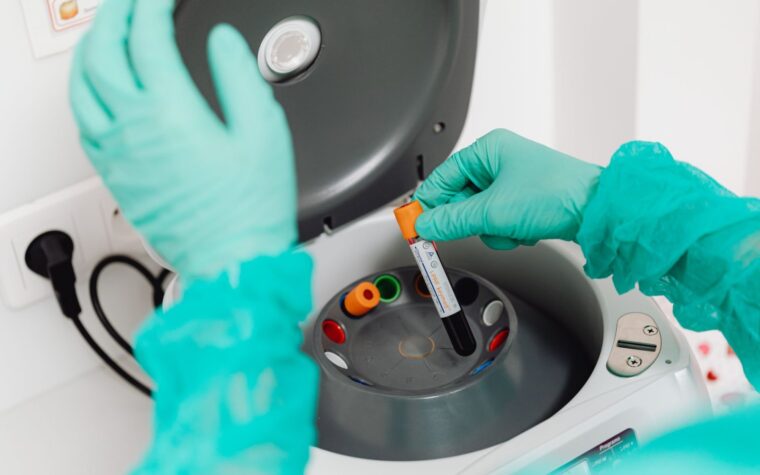
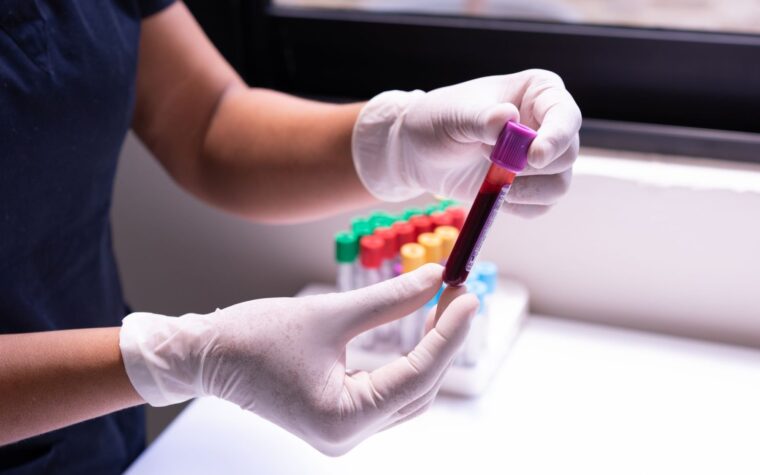
Results come back in hours from most commercial labs. Quest Diagnostics and Labcorp both run ALT and AST on their standard CMP at the same price. The specimen is serum (the liquid portion after the blood clots) collected in a gold or red-top tube.
At-home finger-prick tests for ALT have entered the market but their sensitivity at low elevations is not equivalent to a venipuncture draw. For baseline tracking or any clinically significant follow-up, use a certified lab.
How much does an ALT AST test cost without insurance?
Paying cash is straightforward because these are commodity tests on automated analyzers.
- Standalone ALT: $10 to $35 at direct-access labs (Walk-In Lab, Any Lab Test Now)
- Standalone AST: $10 to $35 at the same venues
- Comprehensive metabolic panel (includes ALT, AST, BMP, albumin, bilirubin, total protein, alkaline phosphatase): $29 to $75 cash at Quest or Labcorp through direct-access pricing
- Full liver function panel (adds GGT, PT/INR): $40 to $120
- CVS MinuteClinic or urgent care visit with panel: $100 to $250 total including the visit fee
HSA and FSA dollars cover lab tests with a valid clinical reason. Medicare Part B covers LFTs when medically indicated, with the standard 20% coinsurance after deductible.
If you are getting blood drawn anyway, it is often smarter to capture a full baseline at once. Here is how a full-body panel compares to ordering individual markers one at a time.
How to interpret your results: a practical framework
Reading your own results requires knowing four things: the absolute level, what multiple of the upper limit of normal (ULN) it represents, the AST/ALT ratio, and whether the elevation is isolated or accompanied by other abnormalities.
| Elevation level | Clinical category | Common next step |
|---|---|---|
| 1 to 2x ULN | Mild, very common | Repeat in 6 to 12 weeks after lifestyle modification; review medications/supplements |
| 2 to 5x ULN | Moderate | Hepatitis B/C serology, GGT, consider ultrasound |
| 5 to 10x ULN | Significant | Same-week clinical evaluation; alcohol history, autoimmune markers, drug review |
| Above 10x ULN | Severe (acute hepatocellular injury) | Same-day evaluation; rule out ischemic hepatitis, acute viral hepatitis, toxin ingestion |
A single mildly elevated result is almost never an emergency. The liver regenerates, and levels fluctuate. The most common scenario in primary care is an ALT of 45 to 80 U/L in an overweight adult who exercises infrequently, drinks three to five alcoholic drinks per week, and takes a statin. Address all three variables, recheck in 8 weeks, and the number usually drops.
What clinicians are actually looking for at follow-up is whether the trend is upward, stable, or improving. A slowly rising ALT over six months matters more than a single reading that is twice the ULN.
For a broader picture of what your liver markers sit alongside, the albumin test and the alkaline phosphatase test each add a distinct dimension to liver health assessment that ALT and AST alone cannot provide.
How do you lower elevated ALT and AST?
For the most common cause, metabolic fatty liver, the levers are well established and rarely require medication. The single most effective one is fat loss. Losing 5% of body weight measurably reduces liver fat, and losing 7 to 10% can reverse the steatohepatitis (fatty inflammation) that drives most enzyme elevation. The weight does not have to come off fast. Steady loss over months outperforms crash dieting, which can transiently push enzymes higher before they improve.
The specific moves that actually change the number:
- Cut added sugar and refined carbohydrate, especially fructose from soda and sweetened drinks, which the liver converts directly into fat.
- Add regular exercise. Both aerobic and resistance training lower hepatic fat independent of weight loss, so enzymes can improve before the scale moves.
- Take a full 30-day break from alcohol, then reassess. This alone often drops GGT and AST substantially.
- Audit every pill and supplement with your clinician. Stopping an unnecessary hepatotoxic supplement can normalize levels within weeks.
- Coffee, unexpectedly, has consistent observational evidence for lower liver enzymes and reduced fibrosis risk. Two to three cups of black coffee daily is a reasonable, low-cost habit.
A realistic scenario: a 46-year-old man with a BMI of 31 gets a routine panel showing ALT 74, AST 52, AST/ALT ratio 0.7. No symptoms. He cuts soda and beer, walks 30 minutes most days, and loses about 6% of his body weight over three months. On a repeat draw his ALT is 38. Nothing dramatic happened, no medication, no specialist. The number tracked the behavior, which is what these enzymes do when the cause is metabolic.
Recheck after 8 to 12 weeks rather than every few weeks. Liver enzymes move slowly, and testing too often just produces noise you will misread.
What most people get wrong about liver enzyme results
The single most common misconception is treating a “normal” printed result as a clean bill of health for the liver. It is not. A result within the lab’s reference range only means you are within the range set by the population the lab used to calibrate its analyzer. If that population included a large percentage of people with metabolic liver disease (which it did, historically), the bar is set too low.
The second mistake is ignoring context. An ALT of 38 U/L in a 25-year-old lean woman on no medications and with a BMI of 21 is a meaningful signal worth investigating. The same reading in a 55-year-old man with obesity, type 2 diabetes, and metabolic syndrome gets labeled mild and followed expectantly. The clinical significance depends on the patient, not just the number.
Third: people panic over a mildly high single reading taken the day after a hard workout, a weekend of heavier drinking, or during an acute illness. Repeat the test under controlled conditions before drawing any conclusions.
This connects to why assessing liver health belongs in a full metabolic baseline rather than spot-checking one enzyme. Our adiponectin test overview shows how adipose-derived hormones intersect with hepatic insulin resistance, the metabolic root of most cases of NAFLD.
FAQ
What does a high ALT with normal AST mean?
A high ALT with normal AST suggests liver-specific injury rather than muscle damage or a systemic process. Non-alcoholic fatty liver disease (NAFLD) is the most common cause. It is also the pattern seen in early medication-induced liver injury and mild viral hepatitis. The absence of elevated AST makes a cardiac or skeletal muscle source unlikely.
What does a high AST with normal ALT mean?
This pattern is most common after intense exercise, with hemolysis, or in hypothyroidism. Isolated AST elevation without ALT elevation strongly suggests a non-hepatic source. A clinician will typically check CK (creatine kinase) and thyroid-stimulating hormone before pursuing liver-directed workup. If both CK and TSH are normal, macro-AST (a benign immunoglobulin-bound form of the enzyme) is a rare but real explanation.
How long does it take for elevated liver enzymes to return to normal?
Depends entirely on the cause. After stopping a hepatotoxic medication, ALT typically normalizes within 4 to 12 weeks. With alcohol reduction and modest weight loss (5 to 7% body weight), NAFLD-related elevation often drops within 8 to 16 weeks. Viral hepatitis resolution takes months. If levels have not normalized after three to six months of addressing the likely cause, further workup is warranted.
Can a single drink affect my ALT AST test?
A single moderate-dose drink the night before a draw is unlikely to produce a meaningful change in ALT or AST in a healthy person. Heavy episodic drinking (more than four to five drinks in a session) can transiently raise GGT and AST within 24 hours. For the cleanest result, avoid alcohol for 48 hours before the draw.
What is the most accurate way to test liver enzymes at home?
There is currently no home test that matches the accuracy of venous blood drawn and processed at a CLIA-certified lab. Some mail-in fingerprick services test ALT, but their sensitivity for mild elevations is inconsistent. For anything beyond curiosity screening, a standard lab draw is the right call.
Does obesity cause high liver enzymes?
Yes, through hepatic steatosis. Excess visceral fat drives free fatty acid flux into the liver, triggering fat deposition, inflammation, and eventual hepatocyte damage. Studies show that roughly 70 to 80% of people with BMI above 30 have some degree of hepatic steatosis, and a significant fraction have elevated ALT. This is reversible with weight loss even without specific liver-targeted medication.
What other tests are ordered alongside ALT and AST?
A full liver function panel adds GGT (particularly sensitive to alcohol and bile duct issues), alkaline phosphatase (biliary disease, bone disorders), total and direct bilirubin, albumin (a marker of liver synthetic function), and prothrombin time (INR). When steatosis is suspected, a fasting lipid panel, fasting glucose, HbA1c, and uric acid round out the metabolic picture. Hepatitis B surface antigen and hepatitis C antibody are standard add-ons for any unexplained elevation over two times the upper limit of normal.
Is the ALT AST test covered by insurance?
When ordered as part of a CMP or LFT panel with a documented clinical indication, it is covered under most US commercial insurance plans and Medicare Part B after the deductible. Preventive wellness labs ordered without a clinical diagnosis may be billed differently and subject to copay or deductible. Confirm with your insurer before assuming full coverage.
What ALT level requires immediate medical attention?
Levels above five times the upper limit of normal (roughly above 200 to 280 U/L depending on the lab) should prompt same-week clinical evaluation. Levels above ten times the upper limit of normal (above 400 to 560 U/L) are a medical urgency, not an emergency in isolation, but need a same-day call to a clinician to rule out acute hepatitis, drug toxicity, or ischemic injury. Talk to a clinician about your results if you see values in this range.
Should I avoid exercise before an ALT AST test?
Yes, if you want a clean read on your liver. A hard workout, especially heavy resistance training or a long endurance session, can elevate AST and, to a lesser degree, ALT for 24 to 72 hours through muscle release. Train hard and test the next morning, and an elevated AST may reflect your quads, not your liver. Skip intense exercise for two to three days before a scheduled draw, or at minimum note recent training so your clinician can interpret the AST correctly.
Can fatty liver disease be reversed?
In its early stages, yes. Simple fatty liver (steatosis) and even the inflammatory stage (steatohepatitis) are reversible with sustained weight loss, dietary change, and alcohol reduction, and ALT usually falls back into range as the fat clears. What is far harder to reverse is advanced fibrosis or cirrhosis, where scar tissue has replaced functional liver. That is the whole argument for taking a mildly elevated ALT seriously in your 30s and 40s rather than waiting until the damage is structural.
Do ALT and AST levels change with age?
Yes. ALT tends to rise through midlife as metabolic fat accumulates, then declines in older age as muscle mass and physiological reserve fall. So the same ALT value carries different weight at different ages. A reading that is unremarkable at 30 can signal meaningful metabolic disease at 50, while a low ALT in an 80-year-old may reflect frailty rather than a spotless liver. Age is part of the context, never a footnote.
Can dehydration affect my liver enzyme results?
Dehydration does not directly raise ALT or AST, but it concentrates the blood and can nudge several panel values, and it makes the blood draw harder, which raises the chance of hemolysis in the sample. Hemolysis artificially elevates AST. Arriving well hydrated for the draw gives a cleaner specimen and a more reliable AST reading.