If your blood test came back with a high cortisol level, it usually means your body had more of the stress hormone cortisol circulating than expected for the time of day the sample was drawn. This is common, often temporary, and frequently caused by something simple like stress, illness, or a recent dose of steroid medication. This guide explains the cutoffs, the real causes, the warning signs that matter, and exactly when to call a clinician.
High cortisol is often tied to timing and stress, so what does your actual level look like? One at-home Superpower draw checks 100+ biomarkers, physician-reviewed.
- A high cortisol blood test means your cortisol was above the normal range for the time it was drawn, with morning samples (6 to 8 a.m.) normally between 10 and 20 mcg/dL and afternoon samples (around 4 p.m.) normally between 3 and 10 mcg/dL, per Cleveland Clinic.
- Most high cortisol results come from stress, acute illness, pregnancy, estrogen-containing medication, or corticosteroid drugs rather than a hormone-producing tumor, so a single elevated value is rarely a diagnosis on its own.
- True, sustained cortisol excess is called Cushing syndrome, a rare condition affecting roughly 39 to 79 people per million, and it requires confirmatory testing such as a dexamethasone suppression test before any diagnosis is made.
What a high cortisol result means and the cutoff
A high cortisol blood test means your cortisol exceeded the lab reference range for the exact time the blood was collected. According to Cleveland Clinic, a normal morning draw (6 to 8 a.m.) typically falls between 10 and 20 mcg/dL, while an afternoon draw near 4 p.m. usually sits between 3 and 10 mcg/dL. Cortisol follows a daily rhythm, peaking in the early morning and dropping to its lowest point around midnight, so timing is everything. A value that looks high at 4 p.m. might be perfectly normal at 7 a.m.
Reference ranges vary between laboratories and testing methods, so always read your result against the range printed on your own report and note the collection time. A flag of “high” is a signal to look closer, not a verdict.

What causes high cortisol
The most common cause of an elevated cortisol blood test is not a disease at all. Per Cleveland Clinic and StatPearls, the leading cause of true cortisol excess (Cushing syndrome) is iatrogenic, meaning it comes from prescribed corticosteroid medication such as prednisone. Everyday factors raise cortisol too.
- Acute stress or illness: physical or emotional stress, infection, surgery, and pain all spike cortisol within minutes.
- Corticosteroid drugs: oral, injected, inhaled, or even strong topical steroids can elevate measured cortisol or mimic excess.
- Estrogen and pregnancy: estrogen-containing birth control, hormone therapy, and pregnancy raise cortisol-binding protein, lifting total cortisol on the test.
- Tumors: rarely, a pituitary tumor making ACTH, an adrenal tumor making cortisol, or an ectopic tumor (such as small cell lung cancer) drives sustained excess, per Cleveland Clinic.
Because so many ordinary things move the number, clinicians look for a pattern across repeat or specialized tests rather than reacting to one reading.
Symptoms of high cortisol, or whether it is silent
A mildly or briefly elevated cortisol level often causes no symptoms at all and is silent. Symptoms tend to appear only when cortisol stays high for weeks to months, the pattern seen in Cushing syndrome. The Endocrine Society and Cleveland Clinic describe a recognizable cluster.
- Body changes: weight gain centered on the abdomen and face (often called a rounded or “moon” face), a fatty pad between the shoulders, and slimming arms and legs.
- Skin: thin, fragile skin, easy bruising, and wide purple or pink stretch marks.
- Metabolic and other: high blood pressure, high blood sugar or new diabetes, muscle weakness, mood changes, and irregular periods.
If you feel completely well and a routine draw flagged high cortisol, a temporary cause is far more likely than Cushing syndrome, which affects only about 39 to 79 people per million.
When high cortisol is dangerous
High cortisol becomes dangerous when it is sustained, because long-term excess drives cardiovascular disease, which is the leading cause of death in untreated Cushing syndrome. Research summarized in PMC reports that untreated or active Cushing syndrome carries a mortality rate around 10 to 11 percent, driven largely by hypertension, abnormal glucose metabolism, and clot risk.
A single high reading from a stressful morning is not an emergency. The danger lies in chronic, unrecognized excess that quietly damages the heart, vessels, bones, and immune defenses over time. That is precisely why confirming whether elevation is real and persistent matters so much. Seek prompt care if a high cortisol result comes alongside severe high blood pressure, chest pain, marked muscle weakness, or rapidly worsening symptoms.

What to do next and when to see a doctor
The right next step after a high cortisol blood test is to talk with the clinician who ordered it, because confirming true excess requires a follow-up test, not a repeat of the same draw. The Endocrine Society recommends starting with one high-accuracy screening test: 24-hour urine free cortisol, late-night salivary cortisol, or an overnight 1-mg dexamethasone suppression test.
In the dexamethasone suppression test, you take a small dose of dexamethasone at night and have cortisol measured the next morning; a normal response suppresses cortisol below the Endocrine Society cutoff of 1.8 mcg/dL (50 nmol/L). Because this screen has high sensitivity but low specificity, guidelines call for at least two confirmatory tests before diagnosing Cushing syndrome. See a doctor promptly if you have several Cushing features together, are on long-term steroids, or your clinician flags a persistently high result.
The insider nuance most people miss
The detail clinicians wish more patients understood is that a high total cortisol on a blood test is often a binding-protein artifact, not real hormone excess. Roughly 90 percent of cortisol in blood travels bound to a carrier protein called cortisol-binding globulin, and the standard serum test measures total cortisol, both bound and free.
Estrogen (from pregnancy or oral contraceptives) raises that carrier protein, so total cortisol can read high while the biologically active free cortisol is normal. This is exactly why endocrinologists favor 24-hour urine free cortisol and late-night salivary cortisol when screening for Cushing syndrome: those tests reflect free, active hormone and sidestep the binding-protein trap. If you take estrogen, mention it before testing, since it can be the entire explanation for an alarming number.
How to prepare so your cortisol result is accurate
Because cortisol swings widely across the day and jumps with stress, sloppy test conditions produce misleading numbers far more often than real disease does. The single most important factor is timing. Cleveland Clinic and MedlinePlus both note that a serum cortisol drawn for a morning baseline should be collected between roughly 7 and 9 a.m., when the hormone naturally peaks. A draw pushed to late morning can drop noticeably as the daily rhythm falls, making a normal person look low and muddying comparison against the printed reference range.
Preparation depends on which cortisol test you are given:
- Serum (blood) cortisol: most labs do not require fasting, but many ask you to rest quietly for about 30 minutes before the draw, since the stress of rushing in or a difficult needle stick can lift the reading. Ask whether your specific order wants a fasting sample.
- Late-night salivary cortisol: collect between about 11 p.m. and midnight. Do not eat for 60 minutes before, avoid alcohol for at least 12 hours, and do not brush your teeth right before, because bleeding gums can contaminate the sample and falsely raise the result. Rinse with water and wait about 10 minutes before collecting.
- 24-hour urine free cortisol: you collect every drop of urine over a full day into a provided container, keeping it refrigerated. Missing even one void undercounts the total, so completeness matters more than any single moment.
Several everyday factors can push a result up or down and are worth disclosing to the ordering clinician: recent intense exercise, poor or shifted sleep, acute illness or pain, alcohol, high caffeine intake, pregnancy, and estrogen-containing medication. Steroid drugs deserve special mention, since inhaled, injected, oral, and even strong topical corticosteroids can either raise measured cortisol or, in some assays, cross-react and distort it. When in doubt, tell the lab and clinician exactly what you took and when.
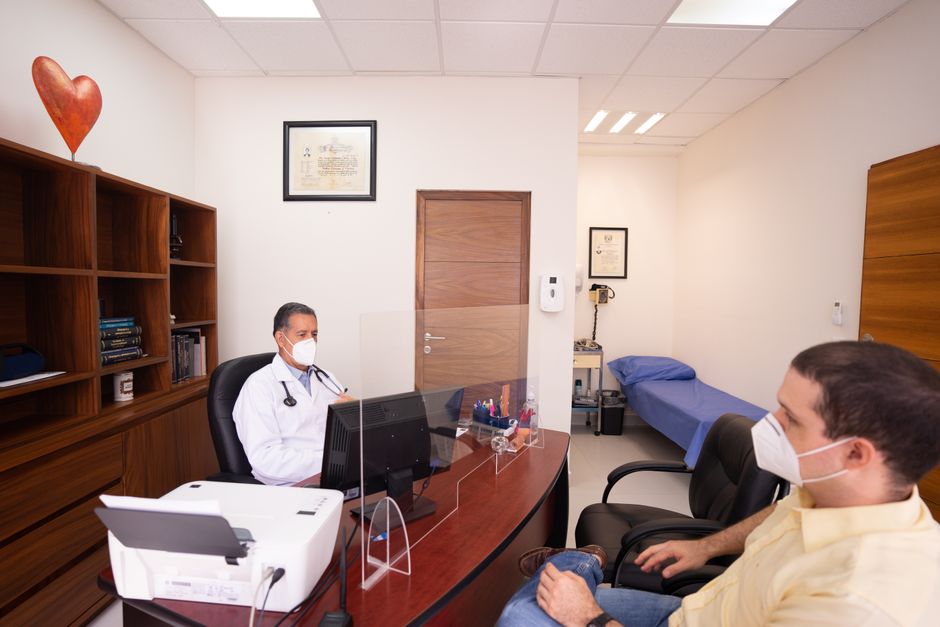
Biomarkers usually read alongside cortisol
Cortisol is rarely interpreted in isolation. When a result looks off, clinicians reach for a small panel of companion tests that together reveal whether the problem is the adrenal gland, the pituitary, a medication, or nothing at all.
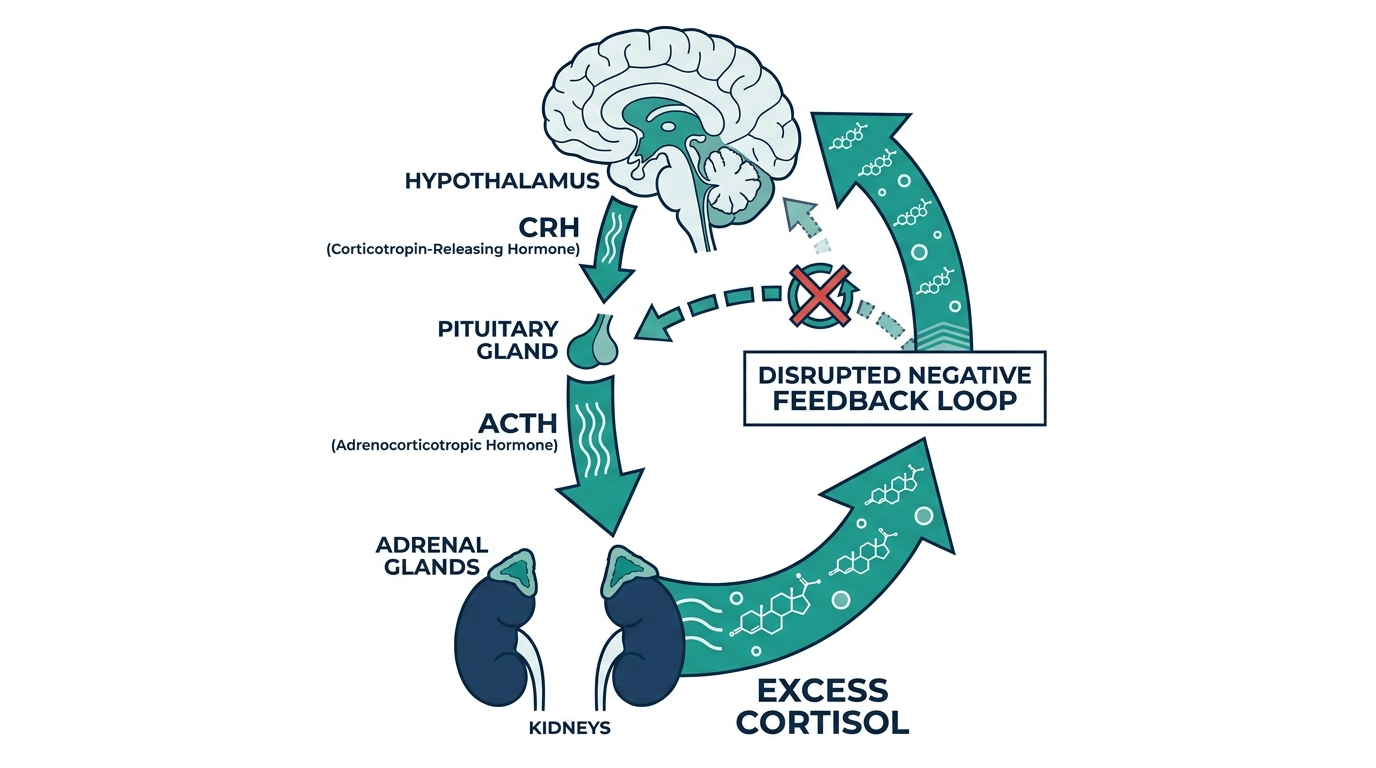
- ACTH (adrenocorticotropic hormone): ACTH from the pituitary tells the adrenal glands to make cortisol. Measuring both at once separates causes. High cortisol with high or inappropriately normal ACTH points toward a pituitary or ectopic source, while high cortisol with suppressed ACTH points toward the adrenal gland itself.
- Fasting glucose and HbA1c: sustained cortisol excess raises blood sugar, so new or worsening glucose readings can be a downstream clue that elevation is real and biologically active rather than a lab artifact.
- Potassium: very high cortisol states can push potassium low, which is why an unexplained low potassium alongside high cortisol raises concern for a genuine excess.
- DHEA-S: another adrenal steroid, sometimes measured to help characterize how the adrenal glands are behaving.
The pattern across these markers, not any one value, is what points a clinician toward the next step. A high cortisol with completely normal glucose, potassium, and ACTH in someone who feels well reads very differently from a high cortisol paired with new diabetes and low potassium.
Reading your result: three common scenarios
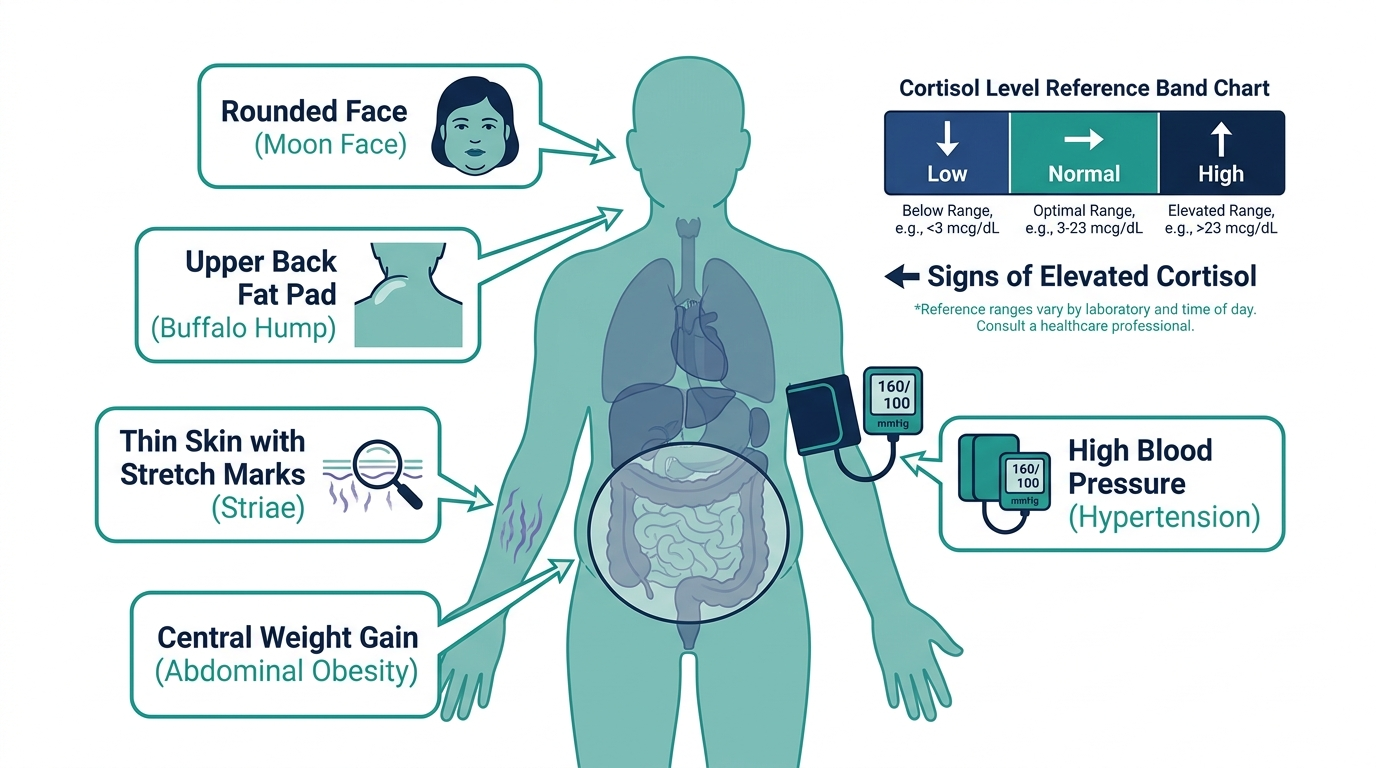
Here is how clinicians tend to think through a flagged cortisol, translated into plain language. None of these replace your own clinician’s judgment, but they show why one number rarely settles anything.
- High morning cortisol, you feel fine, no medications: the most likely explanation is timing or the stress of the visit itself. A calm, correctly timed retest often lands in range. This is the everyday situation and rarely signals disease.
- High total cortisol, you take estrogen or are pregnant: the elevated carrier protein is frequently the whole story. A free-cortisol measure such as late-night salivary cortisol usually clarifies that the active hormone is normal.
- High cortisol with several body changes together: central weight gain, purple stretch marks, easy bruising, new high blood pressure or high blood sugar. This combination, especially if it persists, is the pattern that earns formal confirmatory testing for Cushing syndrome. The cluster of signs, not the lab flag alone, is what moves the workup forward.
Common misunderstandings about a high cortisol result
Several myths cause needless worry or false reassurance around this test.
- “High cortisol means I have Cushing syndrome.” True cortisol excess is rare, affecting only about 39 to 79 people per million, while transient elevations from stress, timing, and medication are common. One high reading is a prompt to look closer, not a diagnosis.
- “My cortisol is high because I am burned out or fatigued.” The popular idea of adrenal fatigue as a cause of everyday tiredness is not a recognized medical diagnosis, and the Endocrine Society does not endorse it. Real cortisol disorders produce specific, measurable patterns rather than vague fatigue alone.
- “A normal cortisol rules out any adrenal problem.” Because cortisol rises and falls through the day, a single normal value at the wrong time can miss a subtle problem, just as a single high value can overstate one. This is exactly why time-of-day and repeat or specialized testing matter.
- “I can lower a high result by taking supplements before the test.” No supplement reliably corrects a genuinely abnormal result, and some can interfere with assays. The honest path is accurate, well-timed testing and a conversation with the clinician who ordered it.
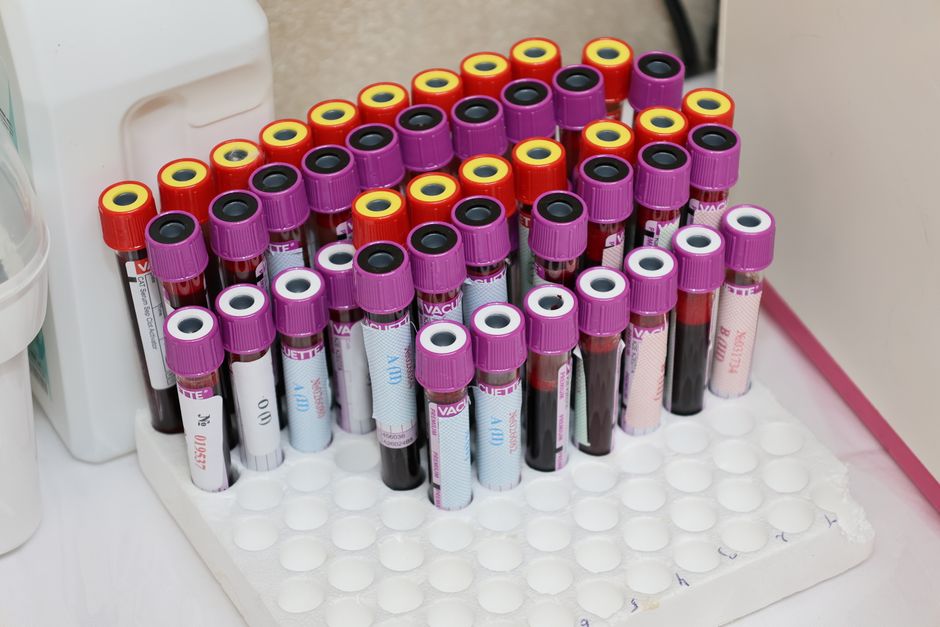
Why cortisol follows a daily rhythm, and why it matters for your result
Cortisol is not meant to sit at one steady level. It is released in a predictable 24-hour pattern called a circadian rhythm, driven by the brain’s hypothalamus and pituitary gland signaling the adrenal glands through ACTH. Levels climb sharply in the last hours of sleep, peak within roughly the first hour after waking (a surge often called the cortisol awakening response), then taper across the day to reach their lowest point around midnight.
This rhythm is the single reason time of collection dominates cortisol interpretation. A value of 15 mcg/dL is expected at 8 a.m. but would be strikingly high near midnight, when levels should be at their floor. That is exactly why late-night measurement is so useful in screening: a person with genuine cortisol excess tends to lose the normal nighttime dip, so a high midnight cortisol carries far more diagnostic weight than a high morning one. Shift work, jet lag, and severely disrupted sleep can blunt or shift this rhythm, which is one more reason clinicians ask about your sleep and schedule when a result looks unusual.
Who should consider cortisol testing, and how often
Cortisol is not a routine screening test for people without symptoms, and testing everyone would generate more false alarms than useful answers. It is ordered when there is a specific reason to suspect too much or too little cortisol. Reasonable prompts to discuss testing with a clinician include:
- A cluster of Cushing-type features appearing together, such as central weight gain with a rounded face, purple stretch marks, easy bruising, and new high blood pressure or high blood sugar.
- Difficult-to-control high blood pressure or diabetes without a clear explanation, especially when they appear at a young age.
- Long-term corticosteroid use, where a clinician may monitor how the medication is affecting your own cortisol production.
- Symptoms suggesting the opposite problem, low cortisol, such as profound fatigue, weight loss, low blood pressure, and darkening skin, which point toward adrenal insufficiency rather than excess.
How often to retest depends entirely on the situation. A one-off elevation in a well person may simply be repeated once under better conditions. A confirmed disorder under treatment may be monitored on a schedule set by an endocrinologist. If you are tracking cortisol as part of a broader wellness panel, watching the trend across several draws under consistent conditions is far more informative than reacting to any single value.
What happens after an abnormal cortisol result
Understanding the likely path ahead removes a lot of anxiety. After a high result, the ordering clinician generally does not simply repeat the same blood draw. Instead, they choose a more specific screening test, then confirm before labeling anything.
- Step one, screen with a free-cortisol test: commonly a late-night salivary cortisol, a 24-hour urine free cortisol, or an overnight 1-mg dexamethasone suppression test. A normal dexamethasone response suppresses cortisol below the Endocrine Society cutoff of 1.8 mcg/dL, which effectively argues against excess.
- Step two, confirm: because these screens can produce false positives, guidelines call for at least two abnormal confirmatory tests before diagnosing Cushing syndrome.
- Step three, find the source: only after excess is confirmed do clinicians measure ACTH and pursue imaging of the pituitary or adrenal glands to locate the cause.
The takeaway is that a single flagged cortisol is the very start of a careful, stepwise process, not the end of one. Bring your result, the exact collection time, and a complete list of medications and supplements to that follow-up conversation, since those details often explain the number entirely.
Don’t just read about cortisol, track it.
A single result is a snapshot. Superpower re-tests cortisol and 100+ markers over time so you can watch them move as you change sleep, food, and training.
Frequently asked questions
What is considered a dangerously high cortisol level?
There is no single danger threshold, because timing matters. A morning serum result well above the typical 10 to 20 mcg/dL range, or an afternoon value far above 3 to 10 mcg/dL that stays high on retesting, prompts further workup. Confirmatory testing, not one number, defines a problem, per Cleveland Clinic.
Can stress alone cause a high cortisol blood test?
Yes. Acute physical or emotional stress, pain, illness, and even the blood draw itself can raise cortisol within minutes. This is a normal response, not a disease. A single stress-driven elevation usually resolves and does not indicate Cushing syndrome on its own.
How do doctors confirm true high cortisol?
They use a high-accuracy screening test recommended by the Endocrine Society: 24-hour urine free cortisol, late-night salivary cortisol, or an overnight 1-mg dexamethasone suppression test. Because these screens can give false positives, at least two confirmatory tests are needed before diagnosing Cushing syndrome.
Does birth control affect cortisol test results?
Yes. Estrogen-containing birth control and pregnancy raise cortisol-binding globulin, which can lift total cortisol on a standard blood test while free, active cortisol stays normal. Tell your clinician about any estrogen use before testing, as it may fully explain a high result.
Should I worry if my cortisol is high but I feel fine?
Feeling well makes Cushing syndrome unlikely, since true cortisol excess usually produces visible signs over time. A high result with no symptoms is most often temporary, from stress, timing, or medication. Still, follow up so your clinician can decide whether confirmatory testing is needed.
Sources
- Cleveland Clinic, Cortisol Test: What It Is, Purpose, Types and Results
- Cleveland Clinic, What Is the Dexamethasone Suppression Test (DST)?
- Endocrine Society, Diagnosis of Cushing’s Syndrome Clinical Practice Guideline
- PMC, The Diagnosis of Cushing’s Syndrome: An Endocrine Society Clinical Practice Guideline
- PMC, Cushing’s Syndrome: Epidemiology and Developments in Disease Management
- NCBI Bookshelf (Endotext/NIH), Cushing’s Syndrome
This article is for general educational purposes and is not medical advice. It cannot diagnose or treat you and does not replace your clinician. Always discuss your lab results and any health decisions with a qualified healthcare professional.
Related reading
Related: compare at-home thyroid hormone tests.
Vital Signs Today may earn a commission if you buy through links on this page. It does not affect our editorial assessments.